Running Shoes
Running Shoe Rotation for a 110 Mile Week: 9 Shoes Worth a Spot
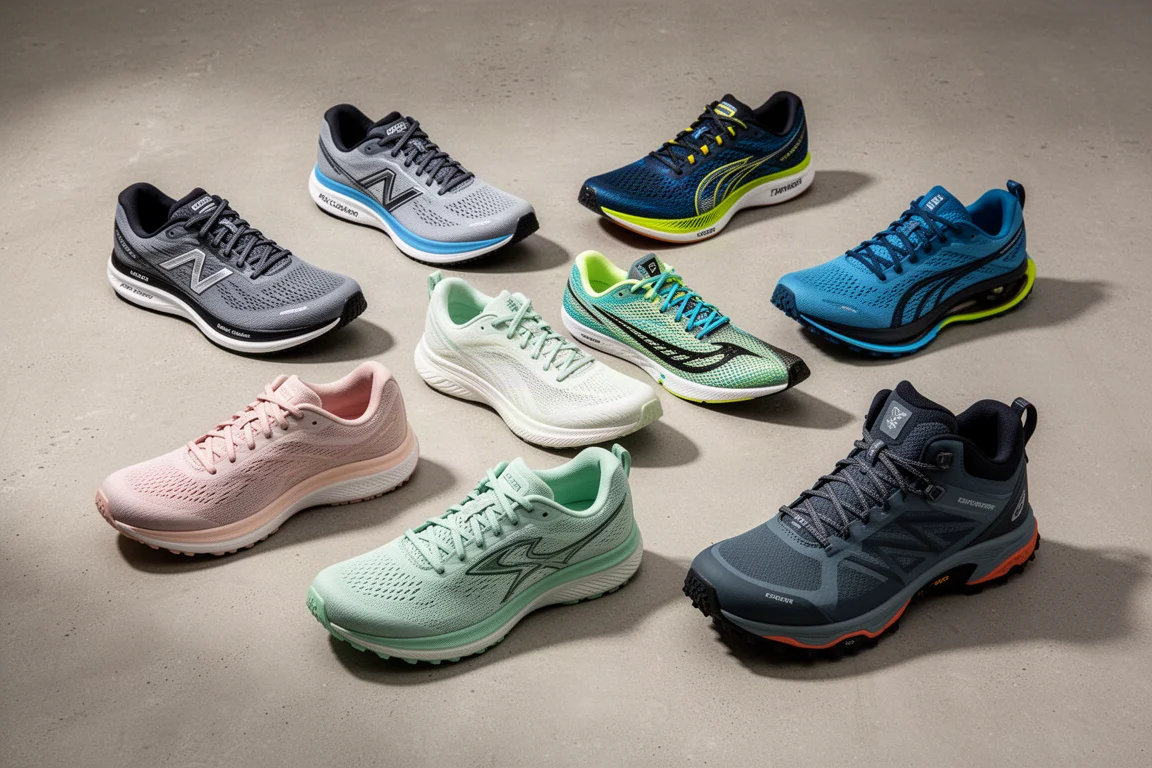
Nine running shoes covering daily miles, speed training, recovery days, long runs, and trail work, drawn from a real 110 mile training week.
Introduction
A high mileage training block puts every shoe in the rotation to the test. This breakdown comes from a 110 mile week built around a midweek speed workout, plenty of doubles, a long run, and even a family hike. The shoes fall into a few clear categories: max cushion daily trainers for the bulk of the mileage, one versatile do-it-all shoe, an aggressive speed trainer, two race-level weapons, plush recovery options, and a trail shoe that did not earn its keep.
The biggest takeaway: you do not need seven or eight shoes. You need something cushioned and comfortable for relaxed miles, one versatile and reliable pick for the days you do not want to think, and one aggressive fast shoe for speed training.

Monday Recovery Miles: Puma MagMax
Mondays are for cruising after the Sunday long run, and the Puma MagMax is the shoe that got the call here, now with 200 miles on it. It remains one of the most reliable, cushioned workhorses available, and it handles relaxed mileage and doubles with ease. For heavier runners, it may need to be moving faster than recovery pace to feel its best, but as a daily trainer it still delivers. It sits alongside other max cushion options as the kind of shoe that carries the bulk of weekly volume.
The Tuesday Speed Trainer: On Cloud Boom Zone
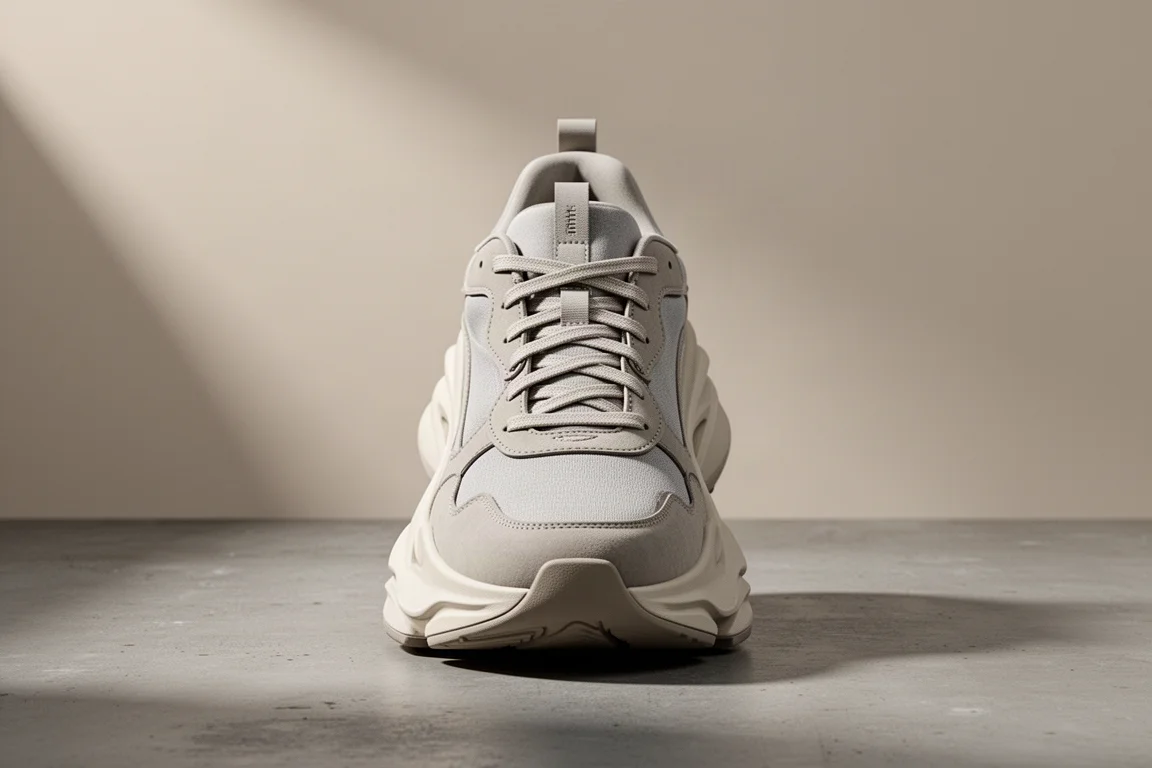
Tuesday was about priming the body for Wednesday’s workout: 16 miles split into a 12 mile morning run and a 4 mile afternoon run, both finished with strides and sprints. The On Cloud Boom Zone is a $210 speed training shoe with a full bed of PEBA foam and a plastic midfoot shank. It is the best version of the lightweight, nimble-but-bouncy category, combining the bounce of a race shoe with the lightness of a training shoe. It feels bouncier and more compliant than similar offerings, and it handles a wide range of paces without punishing slower running.
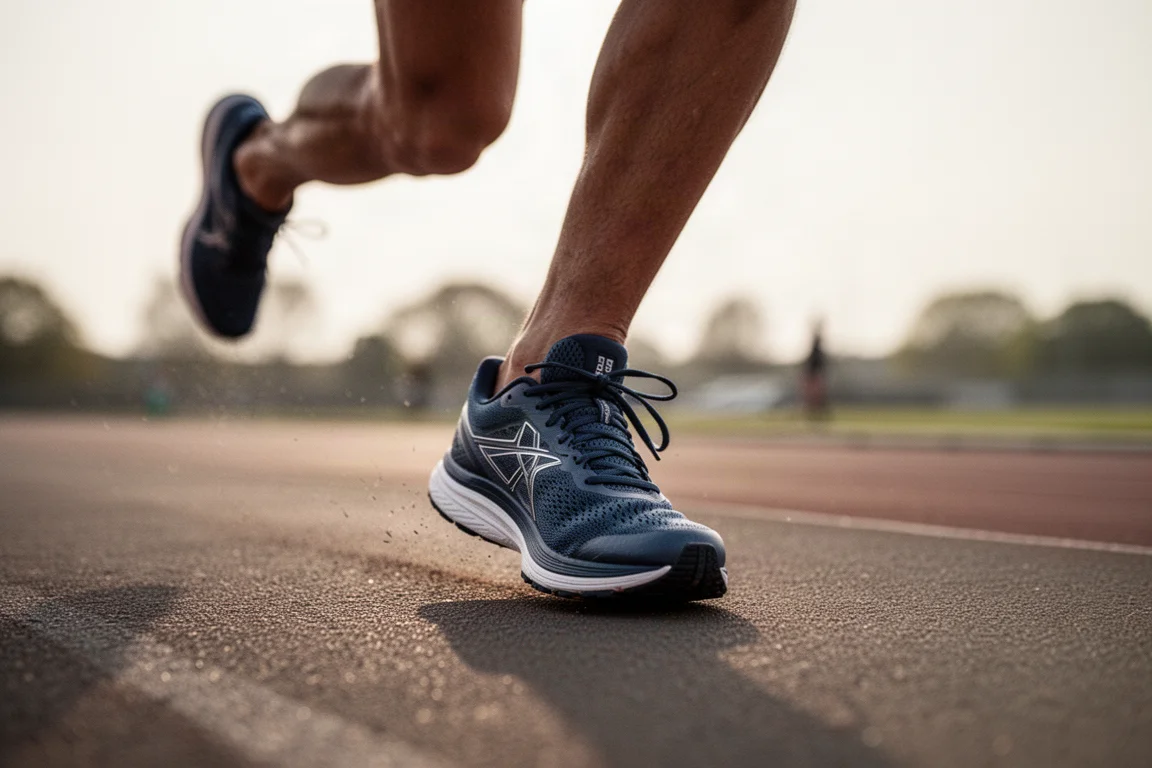
One fit note: it runs very snug, so go half a size up. The trade-off is real race foam, strong snap off the midfoot shank, and a shoe that feels worth its price when laced up.
The Daily Workhorse: Salomon Aero Glide 3
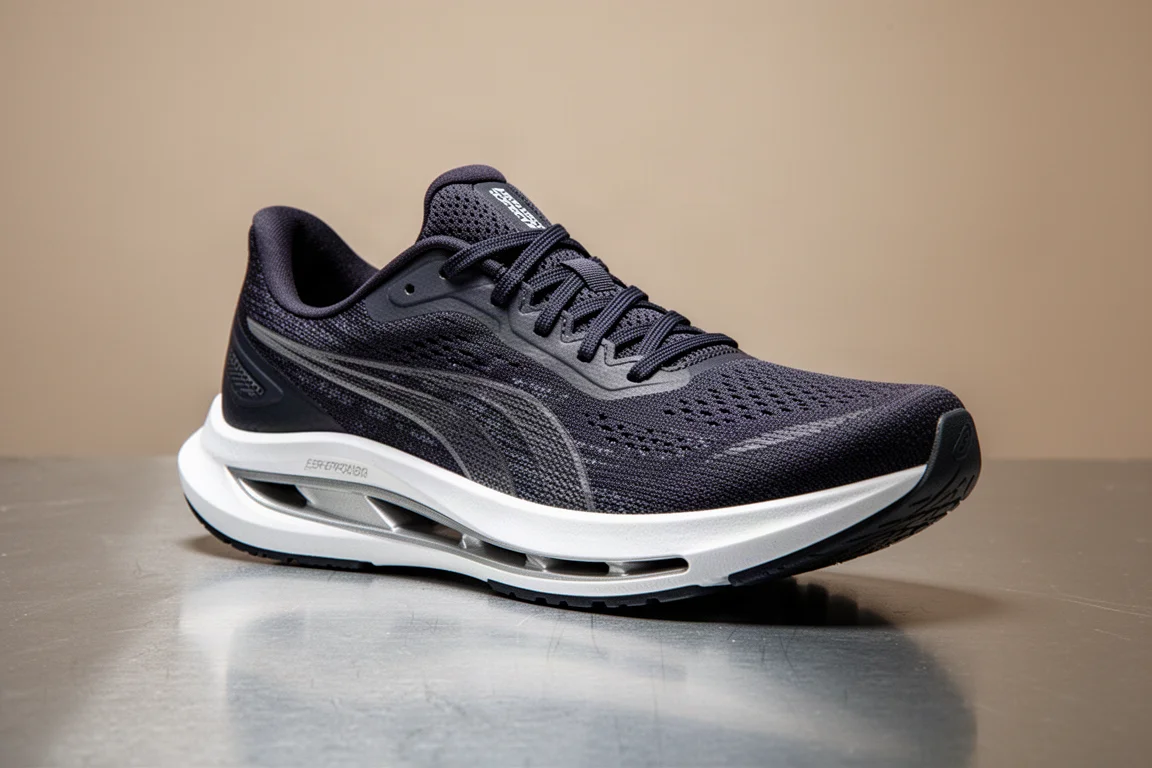
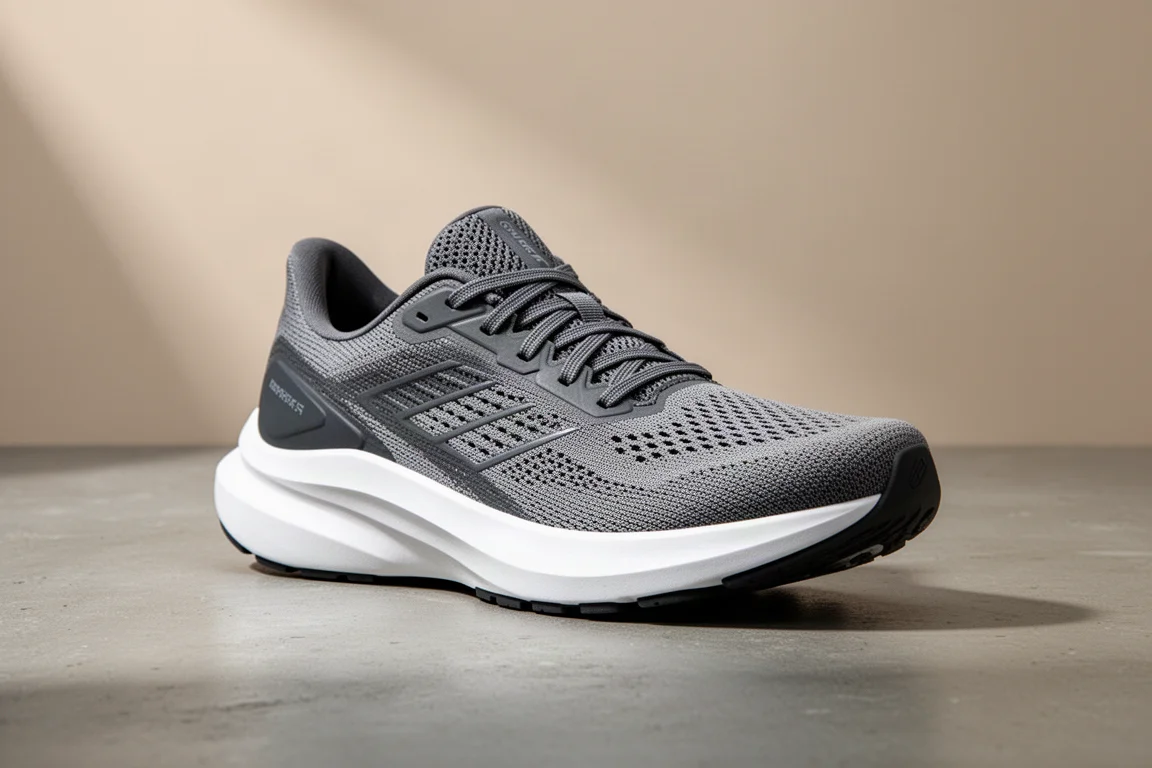
If only one shoe could stay in the rotation, this would be it. The Salomon Aero Glide 3 is the current go-to daily trainer: beaded TPU foam that is bouncy, light, and protective, with an upper that fits slightly big, so consider going down half a size. It punches above its weight on cushion, undercuts comparable max cushion shoes on price at $160, and offers more range and durability than lighter or firmer alternatives. It also served as the warm-up and cool-down shoe for the Wednesday speed session, which says everything about its versatility.
The Race Day Weapon: Nike Street Fly 2
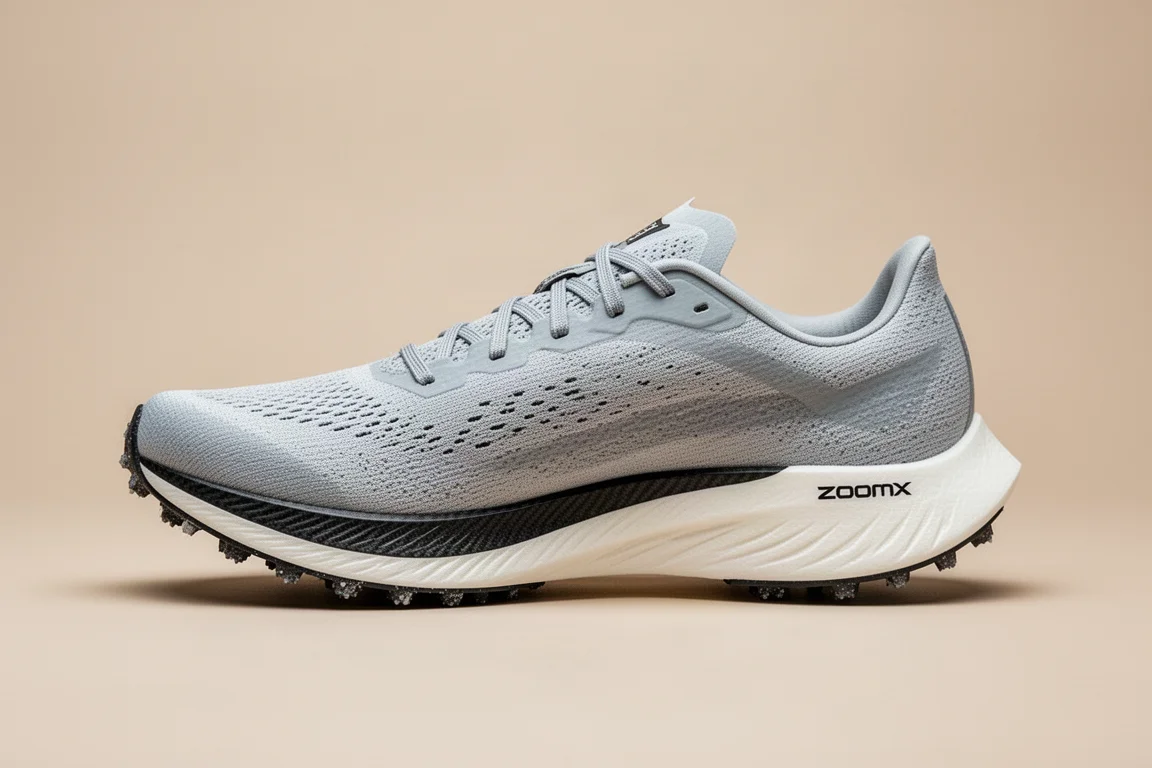
Wednesday’s workout was 3 x 1 mile at 5K effort, and this was the shoe for it: the Nike Street Fly 2, an aggressive ZoomX foam shoe with a carbon fiber plate and trail-style rubber nubs on the outsole. The result was three of the fastest non-track miles ever run in this rotation, at 5:08, 5:06, and 5:01 pace. It is a stripped-down, low-to-the-ground racing shoe that puts you up on your toes and rewards strong, fast running.
It is not built for relaxed miles or long warm-ups. Keep it for track-style sessions, 800 meter repeats and below, or fast 5K races. Beyond about four miles of workout volume, most runners will want more cushion underneath them. The outsole rubber also shows wear quickly at slower paces, so treat it as a dedicated fast-day tool.
Thursday Comfort: Nike Vomero 18
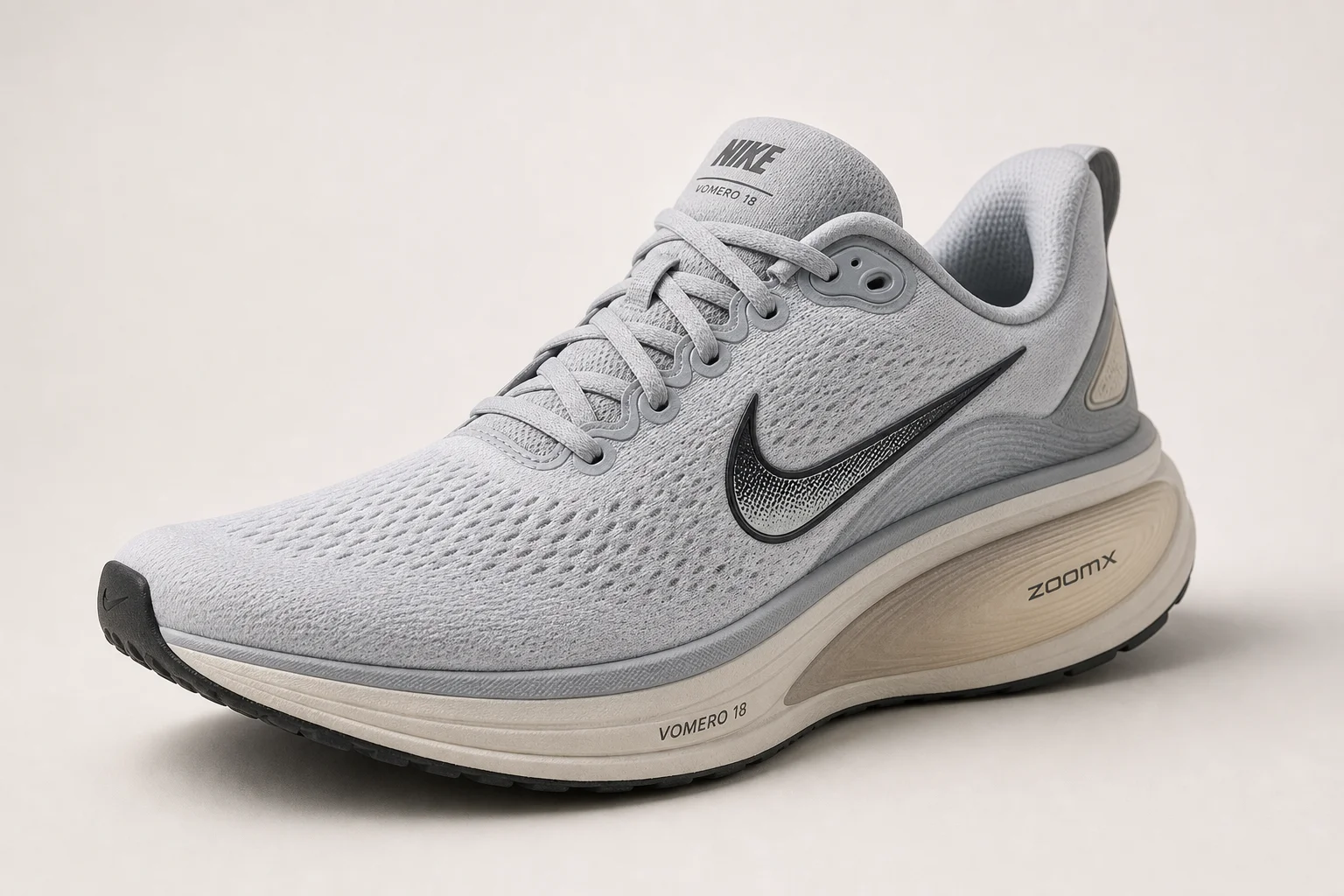
After a workout that tore up the calves, Thursday was all about impact absorption, and the Nike Vomero 18 delivered across 24 miles, including a 20 mile double day. This is a comfort-first shoe: a 10 mm drop, zero aggression, and plenty of cushion for running genuinely relaxed. The React X foam bounces back well between runs, which makes it a strong choice for high mileage training, and it should prove durable with plenty of rubber underfoot.
Two caveats: the ZoomX in the midsole can fatigue within a run, so it feels best up to about an hour, and the outsole rubber showed early softening around 75 miles in the highest wear zone. As a recovery and relaxed mileage shoe, though, it is a favorite of the current crop.
Friday Recovery Options: Brooks Glycerin Max
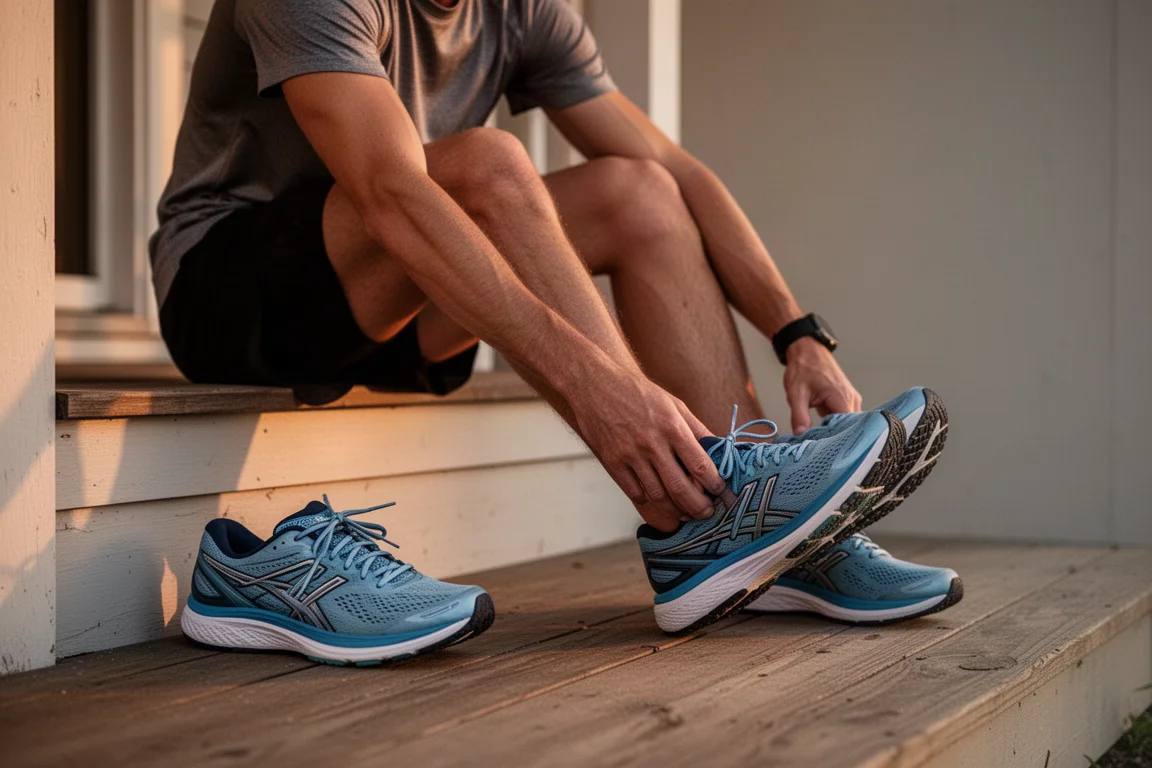
Friday was another recovery day, and the Brooks Glycerin Max handled it in style. This is a more playful ride than the Vomero: more bounce, more cushion underfoot, soft landings at the heel, and an aggressive rocker that makes it feel like a higher performance shoe overall. DNA tuned foam gives it a genuinely fun character for a max cushion trainer. At $150, it is also a solid value in this category, roughly 25% cheaper than the pricier option it competes with. If you want the most entertaining recovery run possible, this is the pick.
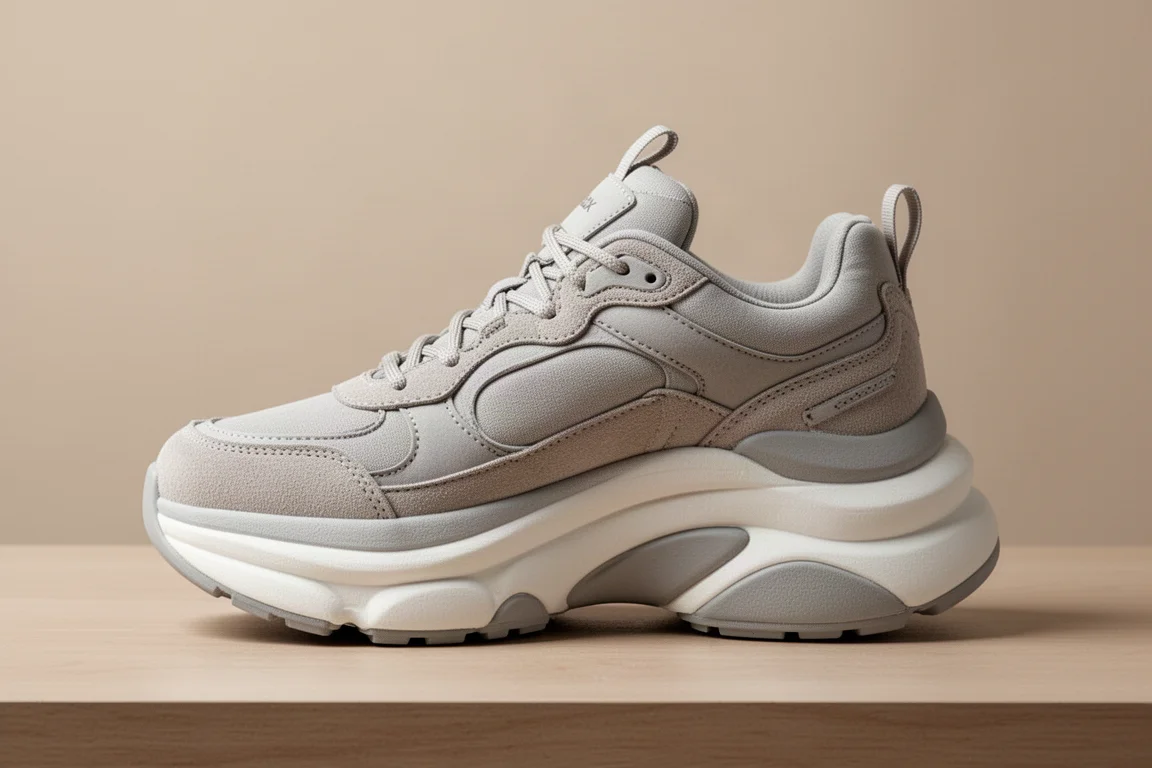
The Shoe That Got Replaced: Puma DV8 Nitro 3
The Puma DV8 Nitro 3 was pulled out on a Friday afternoon double simply because it had been sitting on the shelf. It is a firmer daily trainer that is genuinely fun, but running in it again made one thing clear: it fills the same role as the Aero Glide 3, covering daily miles, faster daily miles, and runs with strides. The Aero Glide simply does it with more comfort, more bounce, and more fun. It is still a good shoe, but in a crowded rotation there is not much reason to pick it over the more versatile option.
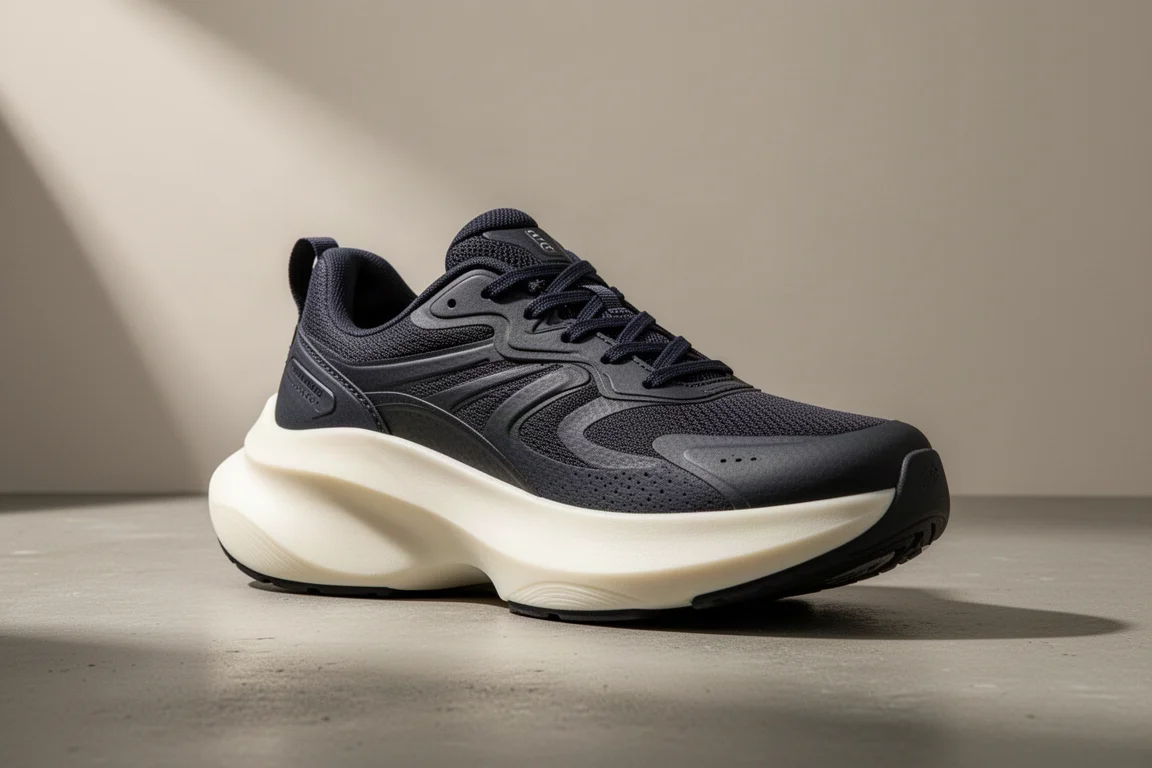
Long Run Pick: ASICS Metaspeed Sky Paris
The Sunday long run went to the ASICS Metaspeed Sky Paris, and it delivered. The aggressive plate position and lively foam make it a fast, aggressive ride, and the foam has broken in beautifully, becoming far more comfortable than it was out of the box. This is the shoe for ripping faster paces on longer efforts, and it pairs naturally with a cushioned daily trainer and a recovery shoe to form a tight three-shoe rotation.
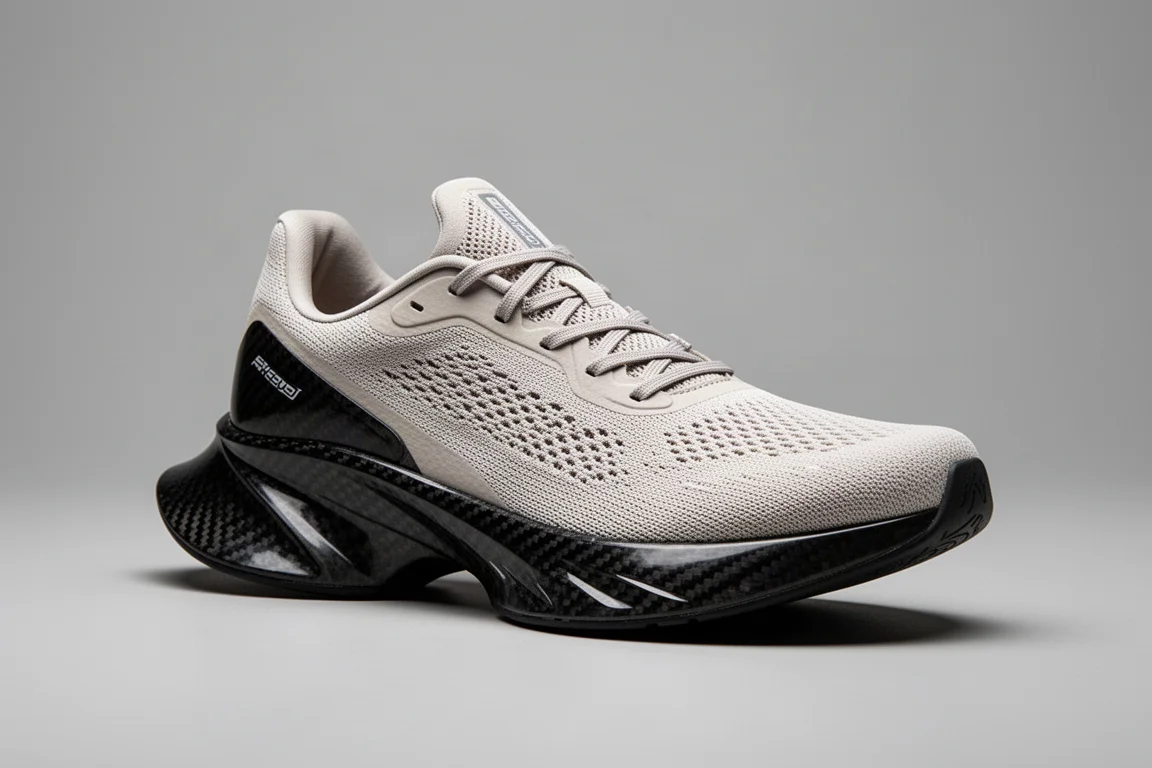
Trail Test: Hoka Speedgoat 6 GTX Mid
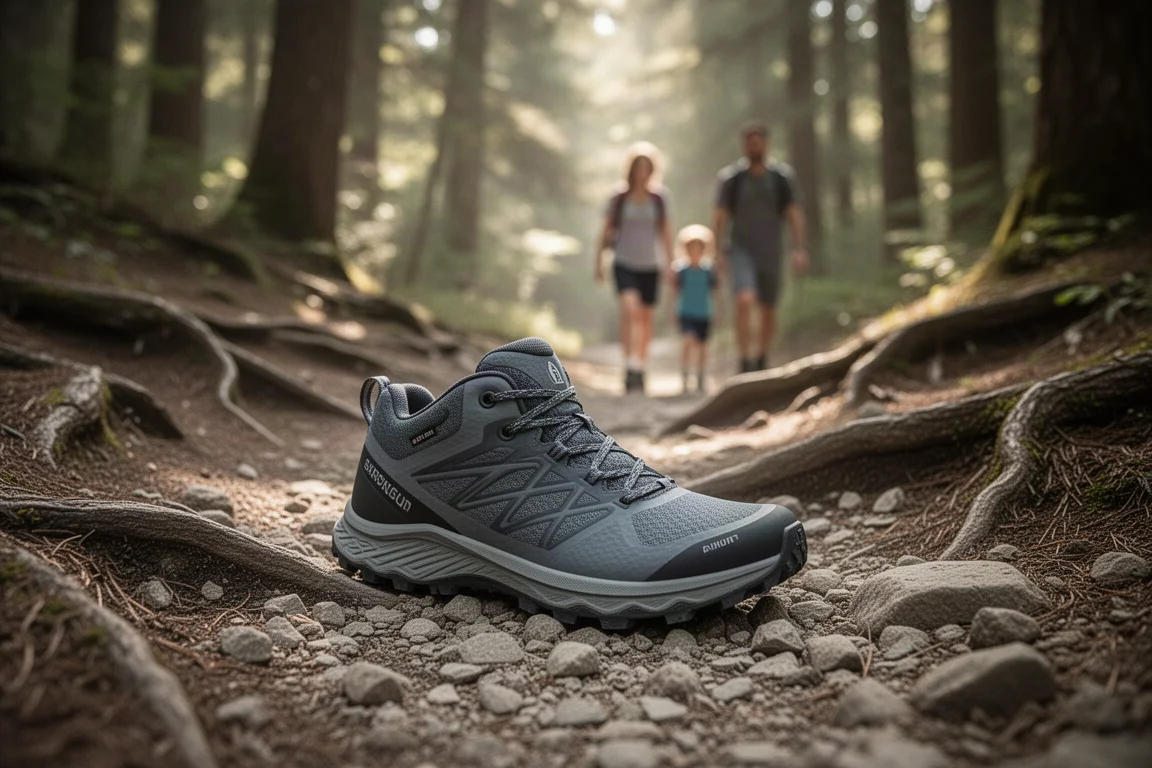
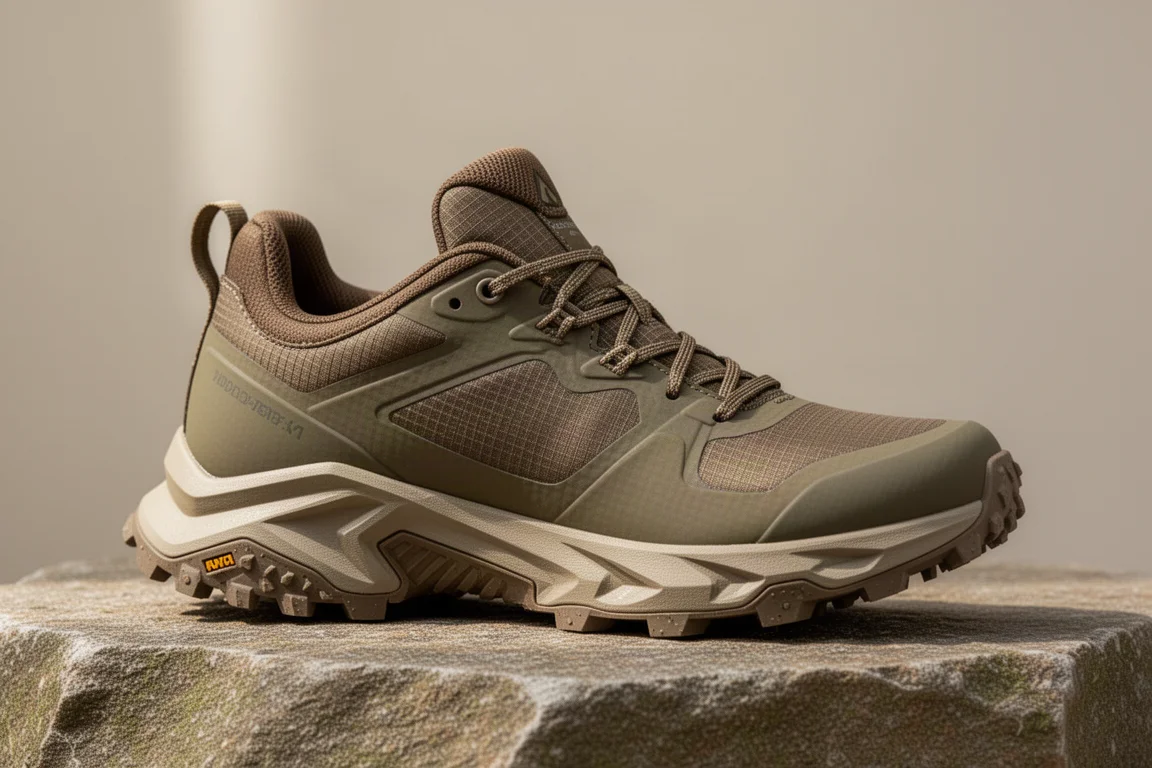
The family hike was the test for the Hoka Speedgoat 6 GTX Mid, a mid-top waterproof trail shoe, and it fell short. The foam is very firm, and with a combined load approaching 200 lbs on uneven ground it felt too stiff and not especially comfortable. The mid-top design itself is fine, but anyone who wants more squish and fun in a hiking shoe should keep looking. Alternatives worth considering include the Trabuco Max and the latest New Balance trail option, which has a strong reputation for comfort.
Buying Advice
The simplest effective rotation is three shoes: a cushioned, versatile daily trainer like the Salomon Aero Glide 3, a plush recovery option like the Nike Vomero 18 or Brooks Glycerin Max, and one aggressive fast shoe for speed work, whether that is a race shoe like the Metaspeed Sky Paris or a speed trainer like the Cloud Boom Zone. Specialty picks like the Street Fly 2 only make sense if you regularly run track sessions or target fast 5Ks. And if a dedicated trail shoe is on the list, prioritize comfort over firmness.
Conclusion
A 110 mile week does not require an elaborate shoe cabinet. Overlap between shoes is real, and one dependable do-it-all trainer can simplify nearly every run of the week. Match the shoe to the day: cushioned comfort for recovery, versatility for everything else, and save the aggressive race shoes for the workouts where they actually pay off.
Further reading
Related Reviews

Running Shoes
Best Road-to-Trail Running Shoes: Three Versatile Options for Mixed Terrain
A practical guide to three road-to-trail running shoes that handle both pavement and mild trails, with clear strengths and trade-offs for different runner types.

Running Shoes
Best Running Shoes for Achilles Tendonitis: Three Options Explained
Three running shoes with different heel drops and support features designed to help reduce Achilles tendon pain during walking and running.

Running Shoes
Best Running Shoes for Women: Five Top Choices Ranked
A ranked guide to five women's running shoes, from versatile daily trainers to high-performance racing options, with real strengths and trade-offs for each.