Running Shoes
Running Shoe Questions Answered: Five Shoes That Keep Coming Up
From heel-striker racing shoes to underrated daily trainers, five running shoes answer the questions runners ask most often.
Introduction
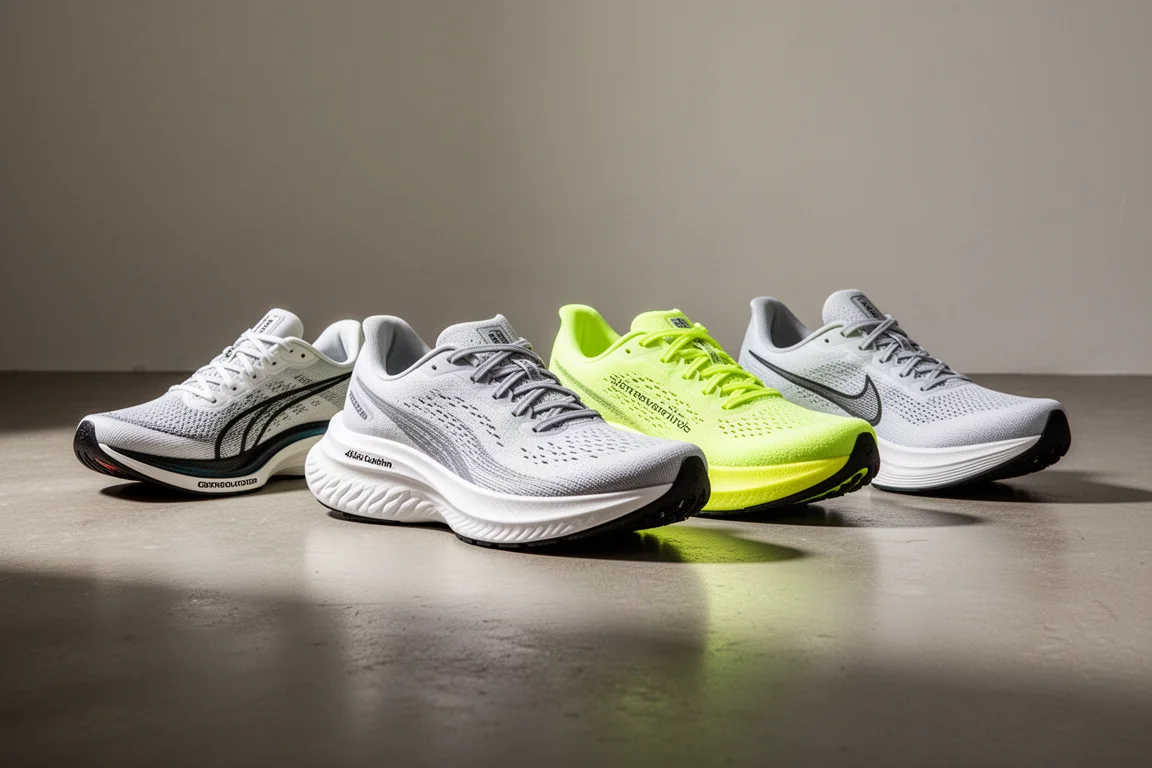
Some running shoes generate endless questions, and it is rarely the ones with the loudest marketing. After sorting through the questions runners ask most often, five shoes keep coming up: the ASICS Metaspeed Sky, the Hoka Mach 6, the ASICS Novablast 6, the Puma Deviate Nitro Elite 4 and the Saucony Endorphin Speed. Each answers a different question, and together they cover most of what a runner actually needs in a rotation.
If You Land on Your Heel, Can You Still Race Fast?
One of the most persistent myths in running is that your foot strike dictates which racing shoe you can use. The ASICS Metaspeed Sky is a useful counterexample. It is designed around a rocker geometry that rewards cadence-focused runners, yet heel strikers keep choosing it and setting personal bests in it, simply because it feels faster to them.
Foot strike is a small part of the overall gait, and it matters far less than how a shoe actually feels under your legs at race effort. If a racing shoe makes you run quicker and feels good over long miles, that is the shoe for you, regardless of where your heel lands. The Metaspeed Sky has become the default answer for exactly that reason.

For runners with a naturally high cadence, plated racing shoes marketed toward that style may seem like the obvious pick, but the honest takeaway is simple: try the shoe everyone else seems to love for the opposite reason. You might be surprised.
The Underrated Pick: Hoka Mach 6
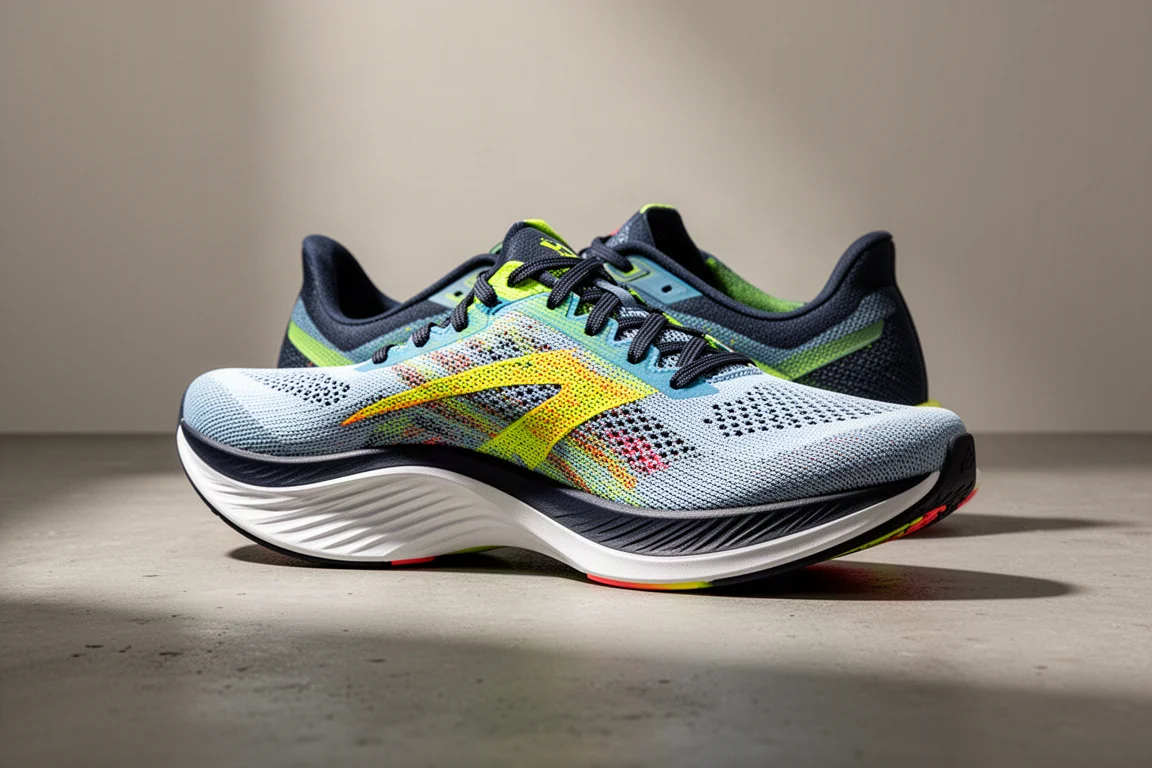
Every few years a shoe gets unfairly overlooked, and right now that describes the Hoka Mach 6. The reason is almost entirely about materials marketing. Because it uses a supercritical EVA foam rather than the more fashionable premium foams, many runners dismiss it before trying it.
That is a mistake. The ride is genuinely excellent, the shoe is versatile enough to cover easy runs through faster sessions, and it is strong value compared with shoes built around more exotic midsoles. If the same ride came in a premium foam package, the conversation around it would look very different.
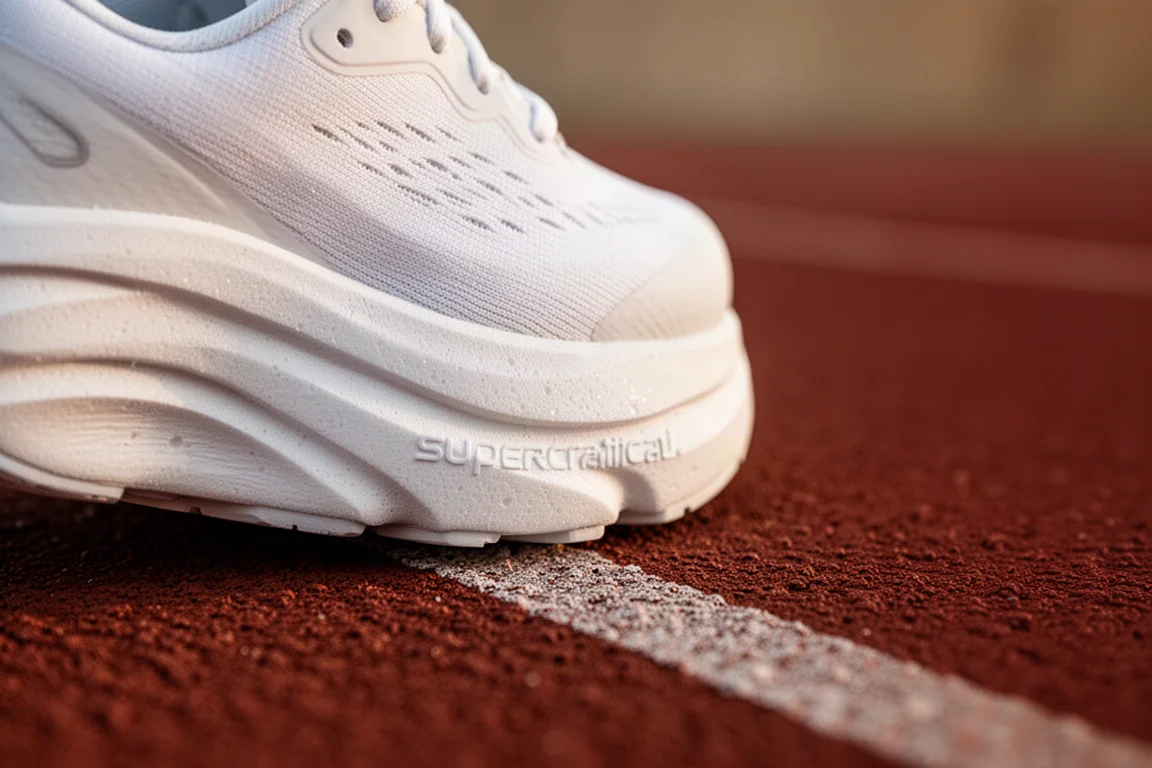
For runners who care more about how a shoe runs than what the midsole is called, the Mach 6 is one of the smartest picks in the daily trainer market.
The Daily Trainer Everyone Is Talking About: ASICS Novablast 6
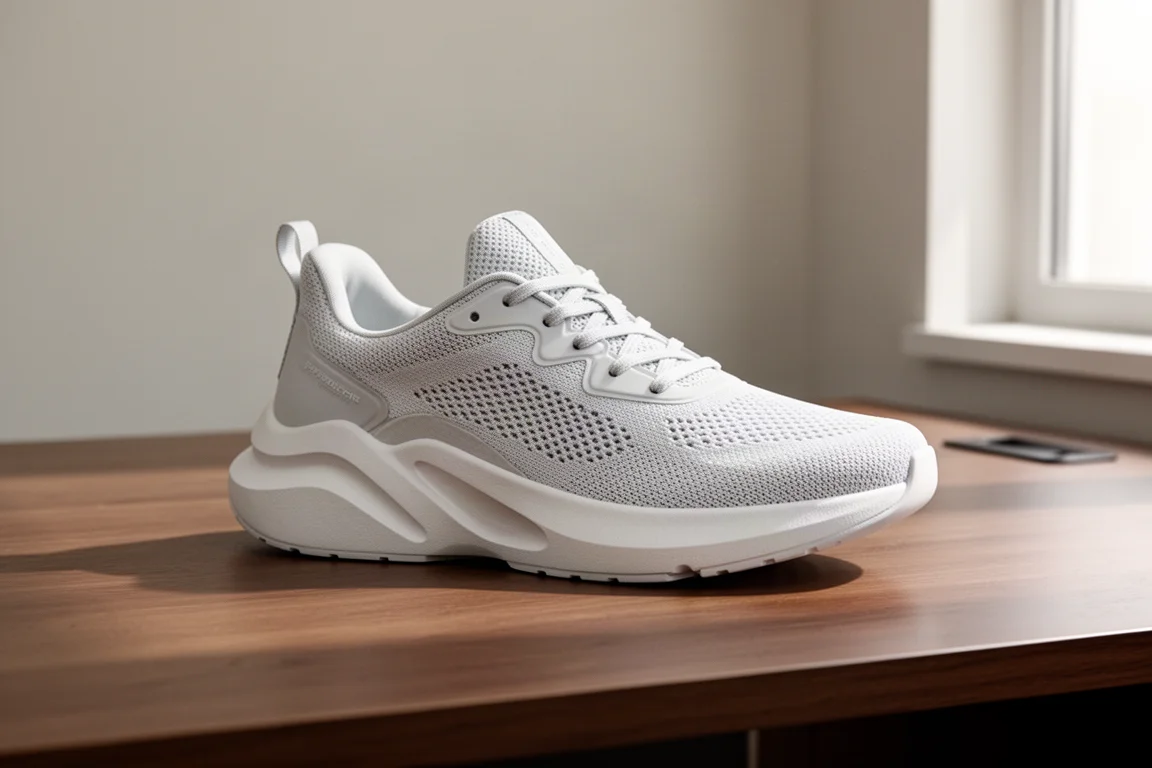
The Novablast line has had ups and downs, but the latest version has put it back at the center of the daily trainer conversation. The combination of two different foams finally makes the design work the way it was always meant to, delivering a bouncy, fun ride that still feels grounded enough for everyday mileage.
The main caveat is price. The Novablast 6 has crept up into territory occupied by more premium shoes, so it is worth comparing it directly against those options before buying. That said, it sits in a sweet spot: more exciting than a traditional daily trainer, more practical than an aggressive super trainer.

It is also a genuinely good choice for first-time 10K runners who want one shoe that can handle training and the race itself, and it comes up repeatedly as the comfortable option for longer events too.
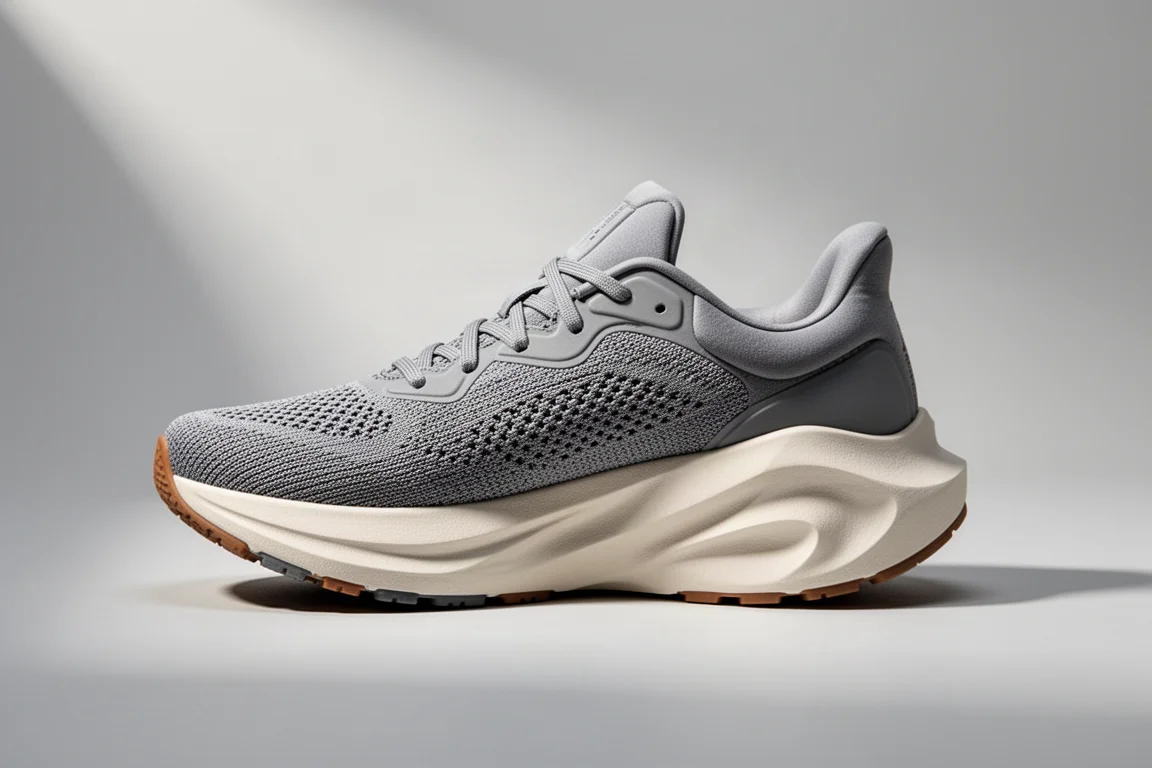
Plated Shoes for Slower Marathon Paces: What Actually Makes Sense
Plated super shoes are not just for fast runners, but the trade-offs change as your time on feet stretches out. At a 4 to 5 hour marathon pace, comfort matters more than raw speed, and some racing shoes are simply punishing over that duration. Thin, racy uppers and aggressive plates can become genuinely uncomfortable by hour three.

The Puma Deviate Nitro Elite 4 is the kind of plated shoe that works at these paces: more stable and more comfortable than leaner racing designs, without giving up the benefit of the plate. It suits runners chasing a hard goal time who have trained specifically for it.
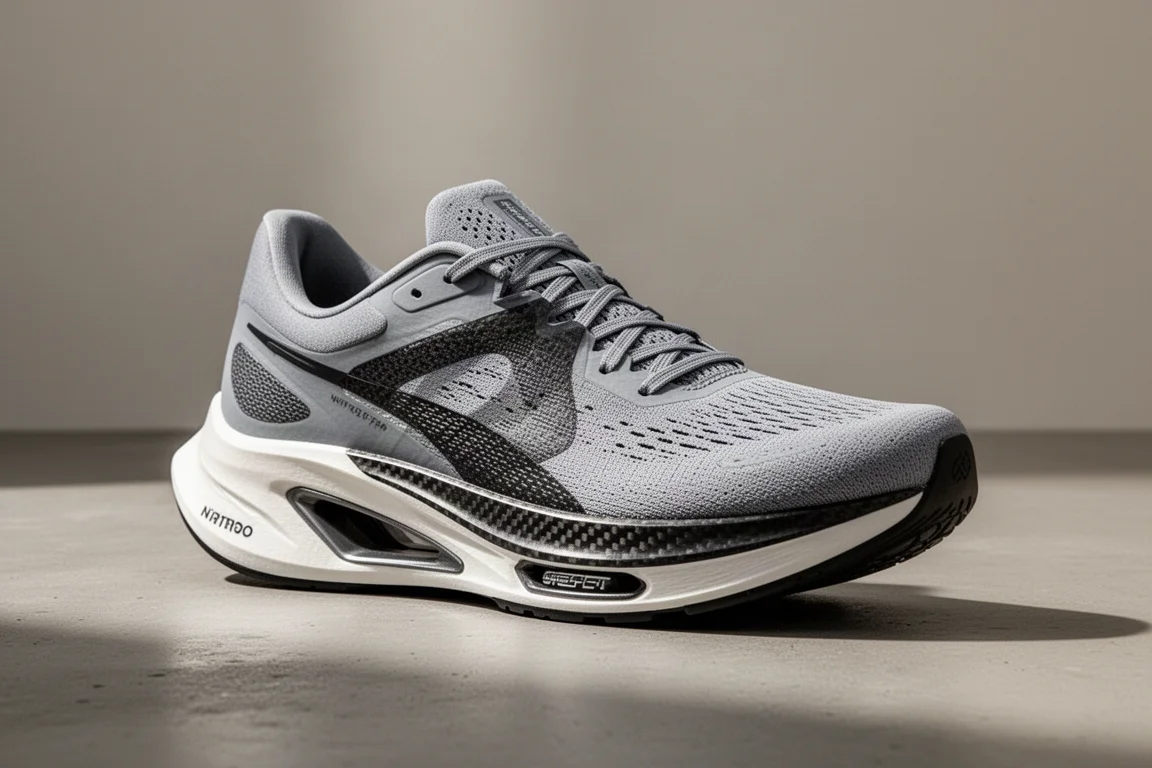
For a 2 hour half marathon effort, the same logic applies. A softer, more stable plated shoe such as the Puma Deviate Nitro Elite 4 makes more sense than the leanest racing designs, and the Saucony Endorphin Speed remains a strong pick in that middle ground, with a rockered ride and a nylon plate that keeps it comfortable for longer than a full carbon racer.
Buying Advice
A few patterns emerge from all these questions. First, do not let foot strike or marketing labels decide your shoe; ride feel at your actual paces matters far more. Second, versatile shoes have changed the market: modern foams mean one well-chosen trainer can cover far more of your week than an old-school three-shoe setup.
Third, the longer you will be on your feet, the more comfort and stability should weigh in your decision. A shoe that feels brilliant for 90 minutes can fall apart at hour four, so do your long runs in whatever you plan to race in. Finally, if a shoe is heavily marketed and you love it, make sure you have actually tried alternatives. Loyalty is fine, but it should be earned rather than assumed.
Conclusion
Five shoes, five different jobs: the Metaspeed Sky for runners who want to race fast whatever their foot strike, the Mach 6 for value-focused daily mileage, the Novablast 6 as the fun all-rounder, and the Deviate Nitro Elite 4 and Endorphin Speed for longer, slower race efforts where comfort still needs a bit of speed. Match the shoe to the job and the rest of the decision takes care of itself.
Further reading
Related Reviews

Running Shoes
Best Road-to-Trail Running Shoes: Three Versatile Options for Mixed Terrain
A practical guide to three road-to-trail running shoes that handle both pavement and mild trails, with clear strengths and trade-offs for different runner types.

Running Shoes
Best Running Shoes for Achilles Tendonitis: Three Options Explained
Three running shoes with different heel drops and support features designed to help reduce Achilles tendon pain during walking and running.

Running Shoes
Best Running Shoes for Women: Five Top Choices Ranked
A ranked guide to five women's running shoes, from versatile daily trainers to high-performance racing options, with real strengths and trade-offs for each.