Running Shoes
Yay or Nay: Five Running Shoes We'd Pick Up or Pass On
A carbon-plated Craft racer, a winterized Nike Pegasus, and three Salomon trail shoes. Here's which ones earn a spot on the shortlist and which fall short.

Introduction
Is it a yay or a nay? That is the question behind this running shoe shortlist. The idea is simple: rather than declaring a shoe trash or fantastic, this is a first-pass filter. Does a shoe make us want to pick it up and run in it, or do its features and price point put us off before we even lace up? This round brings together five contenders: a carbon-plated Craft racer, a winter-ready Nike Pegasus, and three Salomon trail options. Here is how each one landed.
Craft CTM Ultra Carbon Race Rebel: A Hard Pass
The Craft CTM Ultra Carbon Race Rebel is a remix of the CTM Ultra, which proved to be a genuinely comfortable, usable daily-type shoe. This version adds a carbon plate with nods to the CTM Ultra Carbon and swaps in a different foam. That foam is where things get awkward. The midsole here is apparently an EVA-based material, which feels like two steps backward when most super shoes have moved well beyond EVA.
To its credit, some good touches carry over. The popcorn-style insole, which Craft calls its Ultra Insole and is also known elsewhere as the Boomerang insole, is a superb addition to any shoe. The upper is a very similar look to the CTM Ultra too. But at 219 pounds, apparently the most expensive road running shoe on Start Fitness’s current list, paying that much for an EVA midsole is simply hard to entertain. It feels like too much emphasis on the carbon and not enough on the foam, and half the price gets you the much more agreeable CTM Ultra.
Nike Pegasus 38 Shield: A Light Yay for Winter
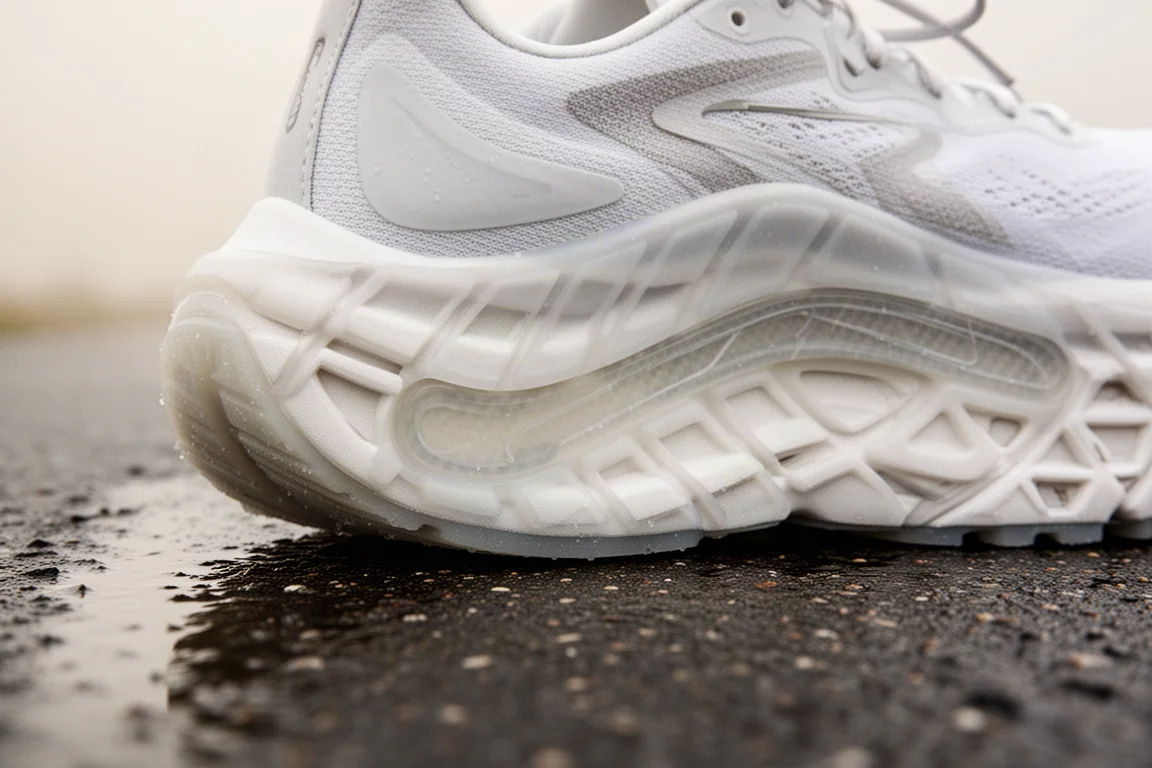
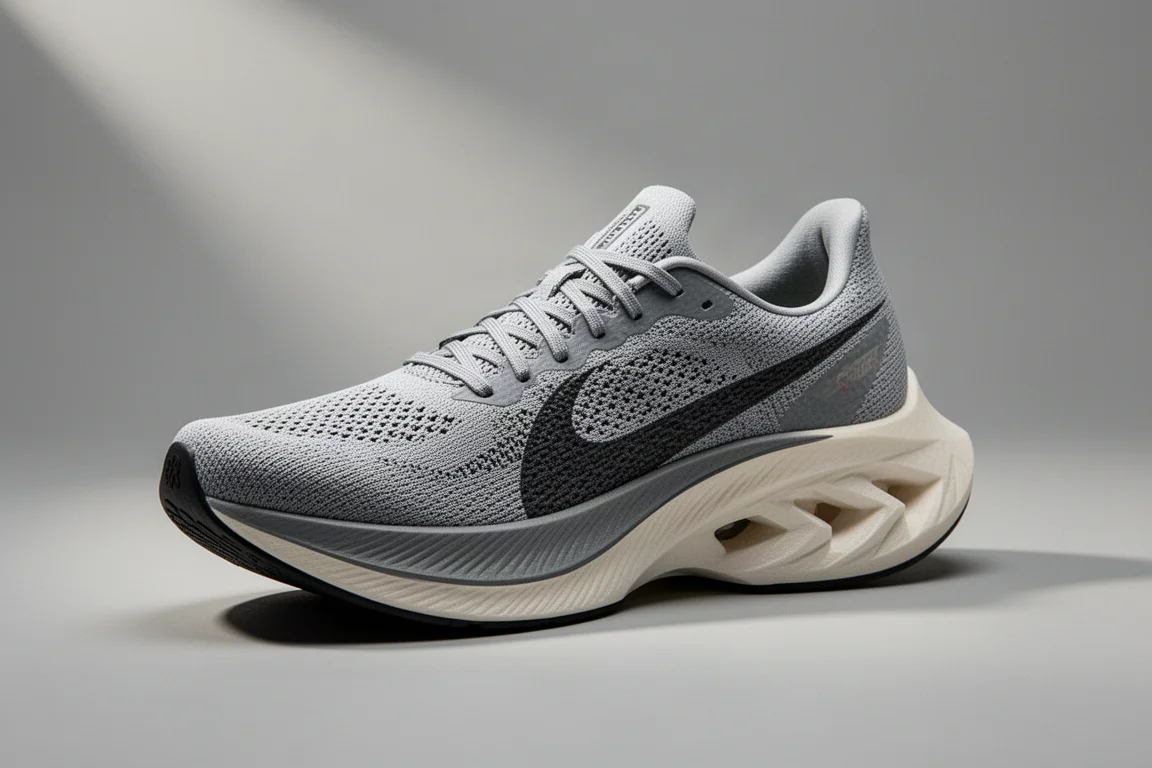
The standard Pegasus 38 really hit the spot, so a Shield variation built for winter deserves a look. The big change is a set of overlays that wrap around the toe box and toward the back of the heel, adding a little water repellency. It will not turn the shoe into a flood-proof boot, but it makes a real difference in a UK winter, because the standard plush, heavily padded Pegasus 38 is a potential precipitation sponge.

Other details work in its favor: toggle laces for cold mornings, an inner glove-type bootie construction, an upgraded tongue, and a host of colorways including various shades of the storm tread outsole. The main downer is price. At about 135 pounds, it is a full 20 pounds more than the standard version, and delivery waits can stretch to three or four weeks. The smart play may be to grab the newer, more interesting colorway Nike has just released at a lower price and add toggle laces separately. Verdict: a light yay.
Salomon Ultra Glide: Too Much Underfoot
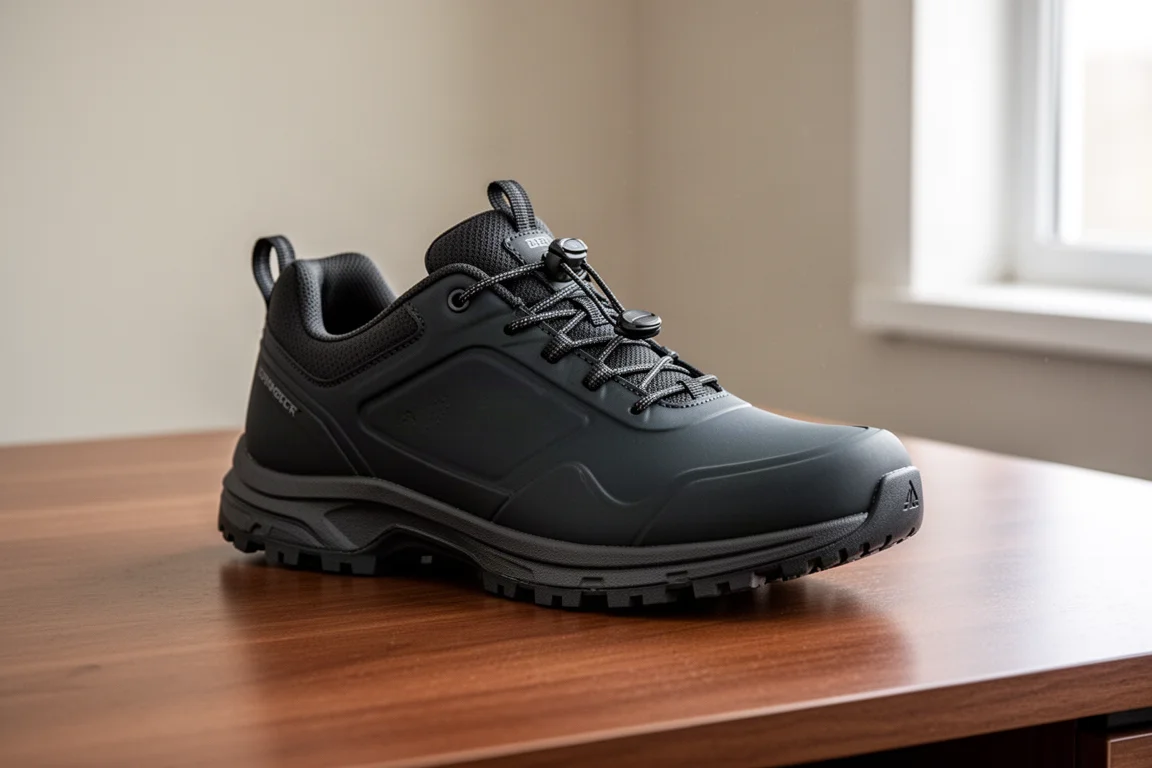
The Salomon Ultra Glide lands at about 129 pounds in the UK and is essentially a “best of” mashup, mixing tech from several other Salomon shoes into one max-cushioned mixed-terrain masher. Salomon positions it for runners who frequent trails on a regular basis, and the outsole agrees, with reasonably deep lugs of around 4 millimeters that read clearly as mixed-use.
The upper looks noticeably more refined than several recent Nike trail offerings, with appropriately placed overlays around the front of the shoe. That polish explains why so many runners gravitate toward Salomon over the swoosh and the three stripes. The problem here is underfoot height: a 38.2 millimeter heel stack is simply too much for anyone who wants to stay low to the ground, and the shoe is likely to be quite weighty in larger sizes. Verdict: a nay for anyone wanting something nimbler and lighter.

Salomon S/Lab Pulsar SG: Tempting but Not Yet
The SG in the Salomon S/Lab Pulsar SG stands for soft ground, and for anyone who runs soft forest trails with damp mud and shorter gravel sections, the premise sounds ideal. The lugs have been extended to around 4.5 millimeters over the original Pulsar, which carried much shorter lugs. As a race-day soft-ground specialist it is genuinely appealing.
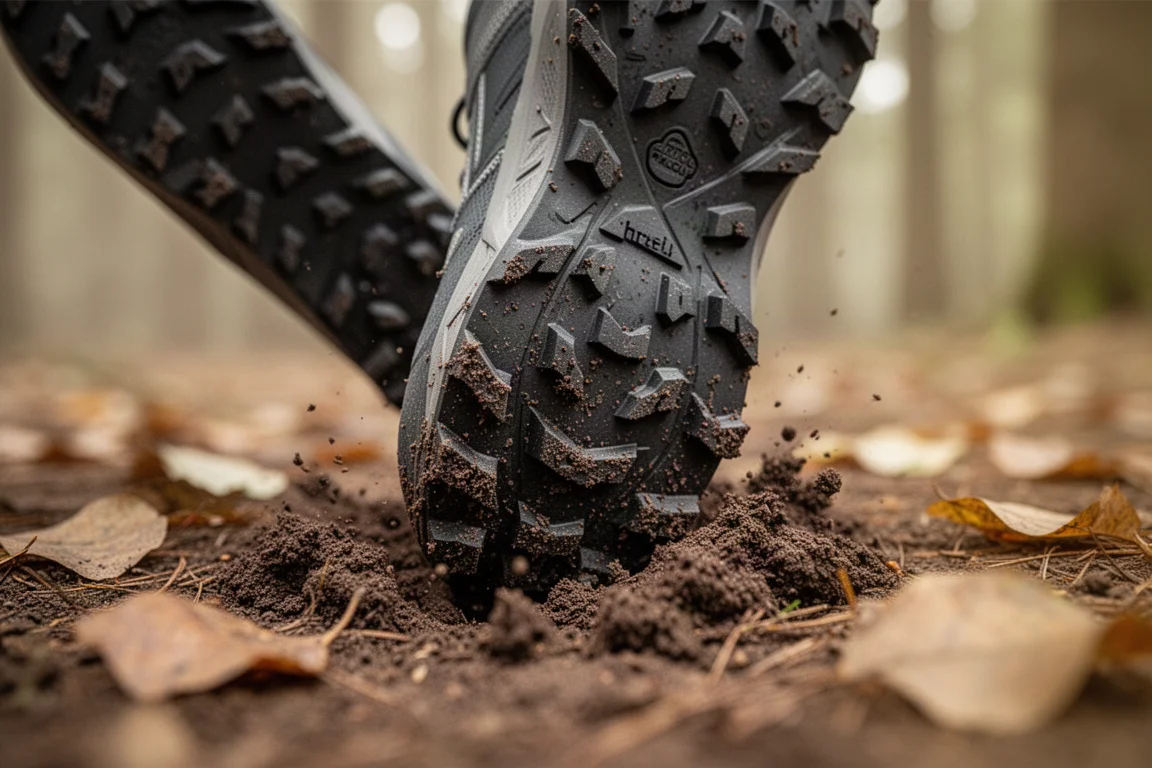
The hesitation comes down to need. For mixed but not extreme terrain, there is an alternative worth considering first, which brings us to the next shoe. Verdict: an intriguing design that will tempt racers, but the Pulsar Trail below may be the smarter daily pick.
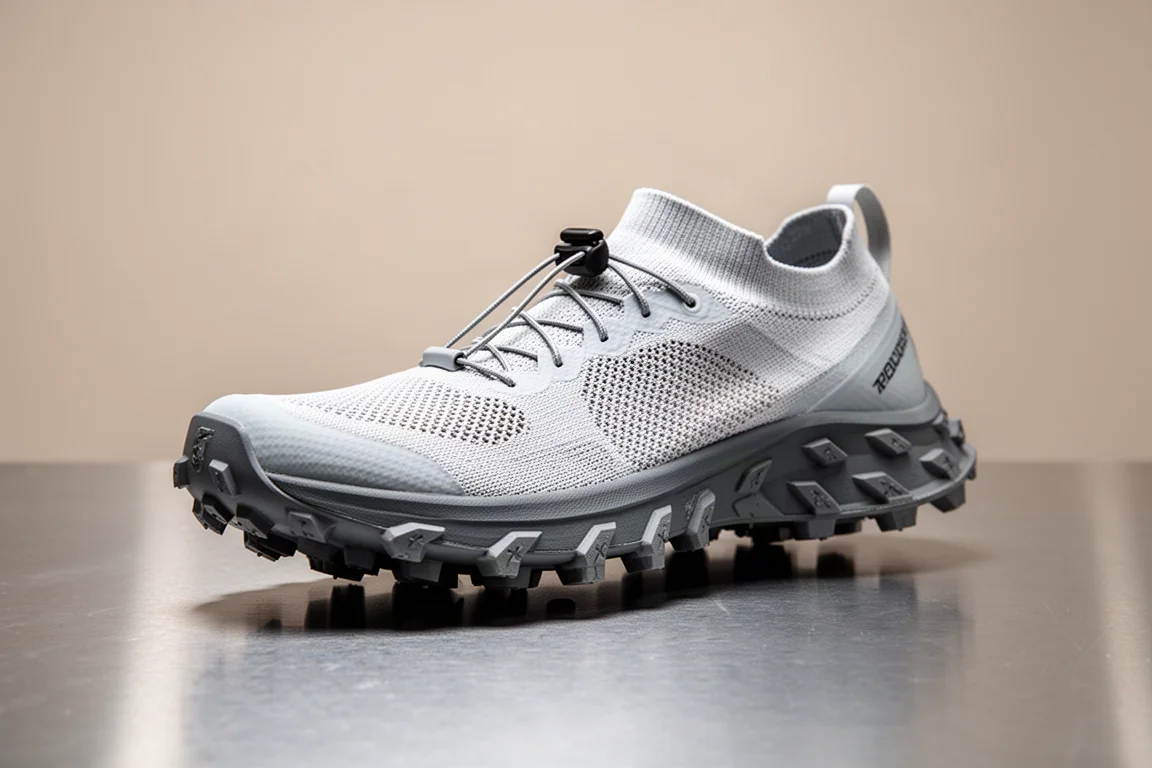
Salomon Pulsar Trail: The Yay of the Round
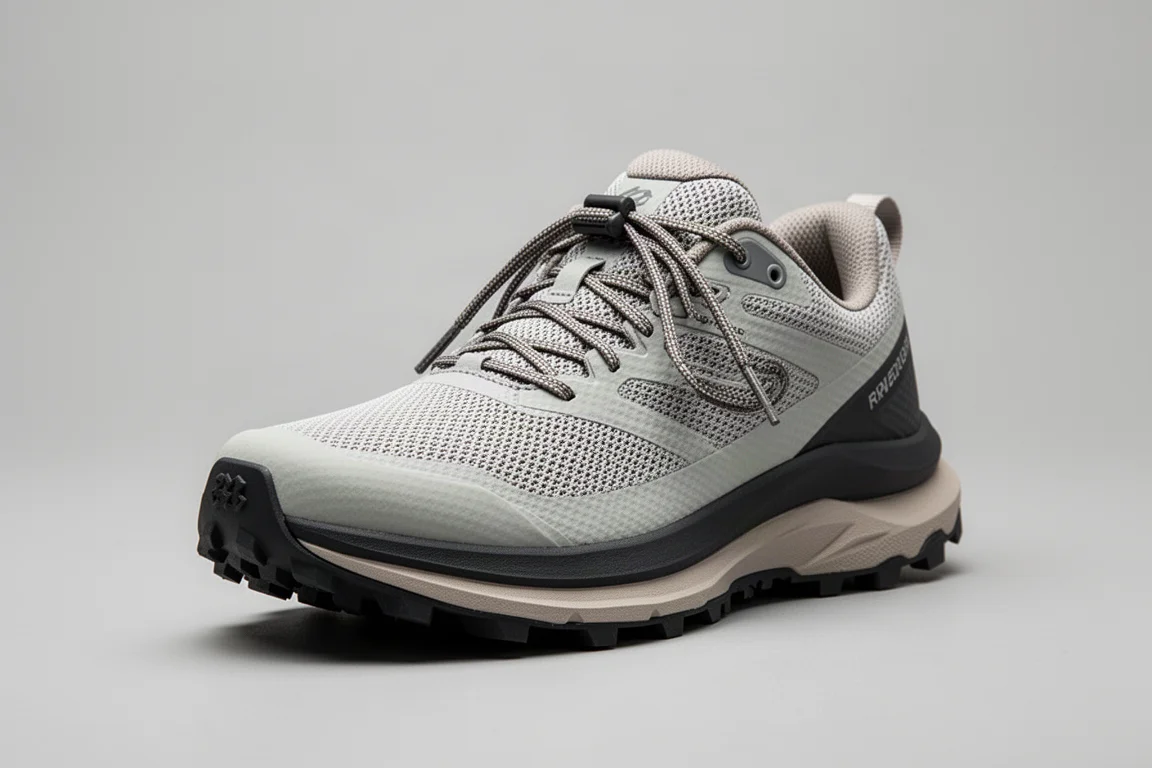
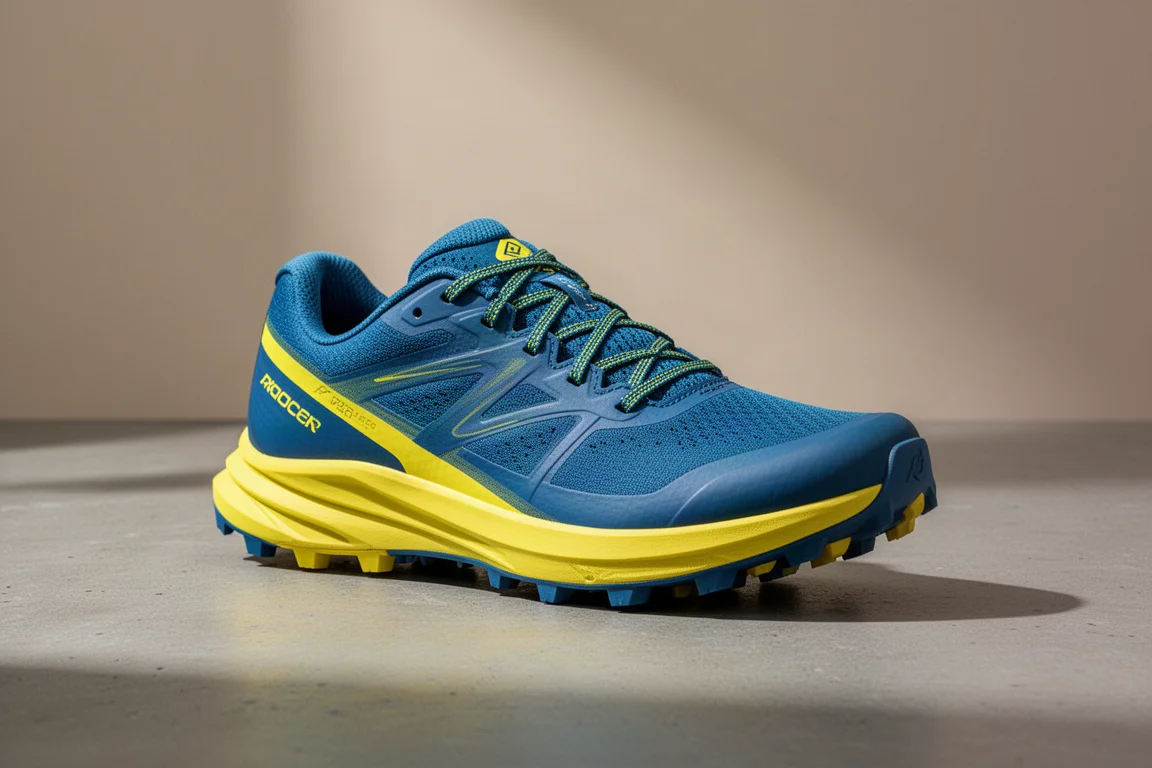
The Salomon Pulsar Trail looks like the better fit for regular mixed trail running. It uses Salomon’s new Energy Surge foam, an EVA and olefin composition adjusted to feel more like a rebound-type midsole rather than the denser feel of similar blends. A TPU plate sits in the shoe, offering a little rigidity with some flex still available, in the same spirit as the Zoom Fly or the Saucony Endorphin Speed.
The shorter midsole stack is a plus, along with the typical 6 millimeter Salomon heel-to-toe drop, and at around $130 it sits in the right price zone. With its Energy Blade technology in the mix, this one could be a trail treasure. Verdict: a solid yay, and the shoe most likely to make it into rotation first.
Conclusion
Five shoes, three nays, two yays, and one clear takeaway: price and foam matter as much as any headline feature. The Craft CTM Ultra Carbon Race Rebel stumbles on both, the Pegasus 38 Shield earns its winter stripes despite the premium, and Salomon’s Pulsar Trail is the pick worth waiting for. Whichever direction you lean, match the shoe to the terrain you actually run and the foam you actually enjoy.
Further reading
Related Reviews

Running Shoes
Best Road-to-Trail Running Shoes: Three Versatile Options for Mixed Terrain
A practical guide to three road-to-trail running shoes that handle both pavement and mild trails, with clear strengths and trade-offs for different runner types.

Running Shoes
Best Running Shoes for Achilles Tendonitis: Three Options Explained
Three running shoes with different heel drops and support features designed to help reduce Achilles tendon pain during walking and running.

Running Shoes
Best Running Shoes for Women: Five Top Choices Ranked
A ranked guide to five women's running shoes, from versatile daily trainers to high-performance racing options, with real strengths and trade-offs for each.