Running Shoes
Four New Running Shoes Worth a Look: Hoka, Mizuno, Reebok and Puma
A closer look at four upcoming racers and trainers, with honest verdicts on which ones justify the hype and which need more thought.
Introduction
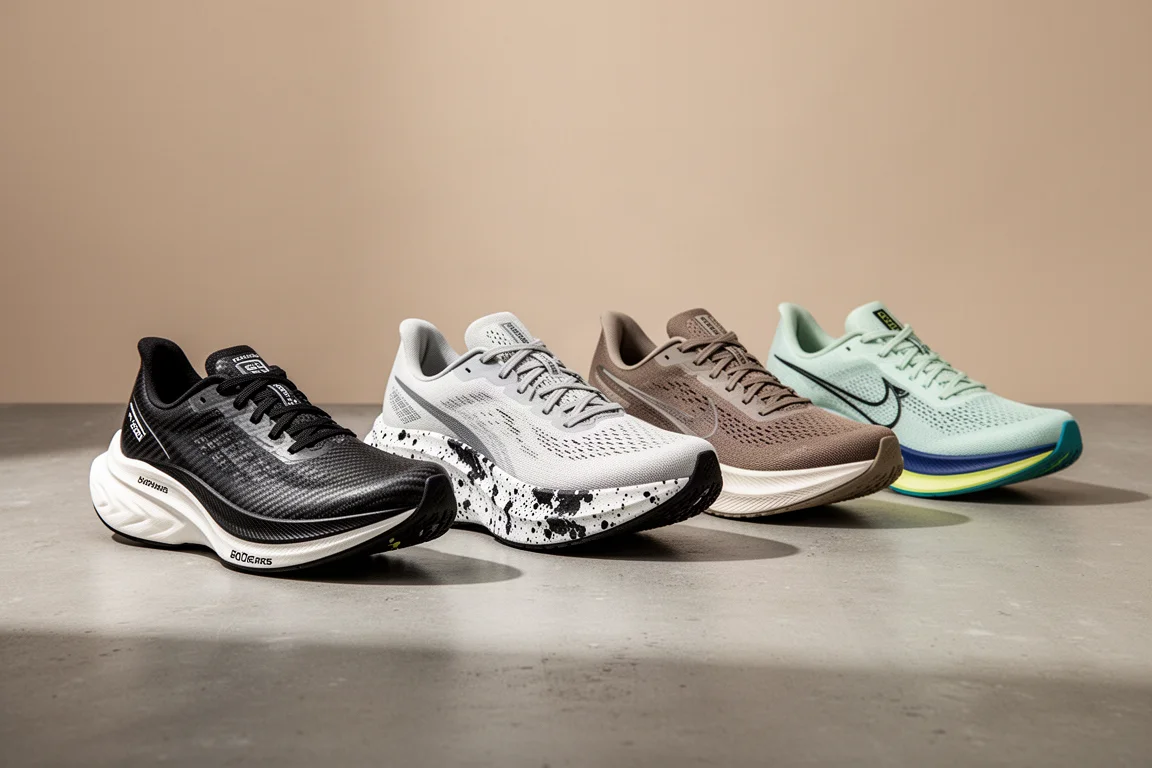
A fresh wave of running shoe releases is landing, and four of them are generating serious chatter. Some look like genuine value plays, others carry a premium price tag and a question mark. Here is a practical breakdown of the Hoka Rocket X2, the Mizuno Wave Rebellion Pro, the Reebok Floatride Energy 5 and the Puma Liberate Nitro 2, with a verdict on each: which ones are easy picks and which ones deserve more deliberation before you part with your money.
Hoka Rocket X2
The Rocket X2 is the shoe people have been asking about most, and the buzz around it has been hard to ignore. It is the first Hoka to use a PEBA-based midsole foam, and early impressions have some calling it a potential rival to the established carbon racers. The stack measures 36mm at the heel and 31mm at the forefoot, giving a 5mm drop and a profile more reminiscent of the Puma Deviate Nitro Elite 2 than a fully maxed-out racer.
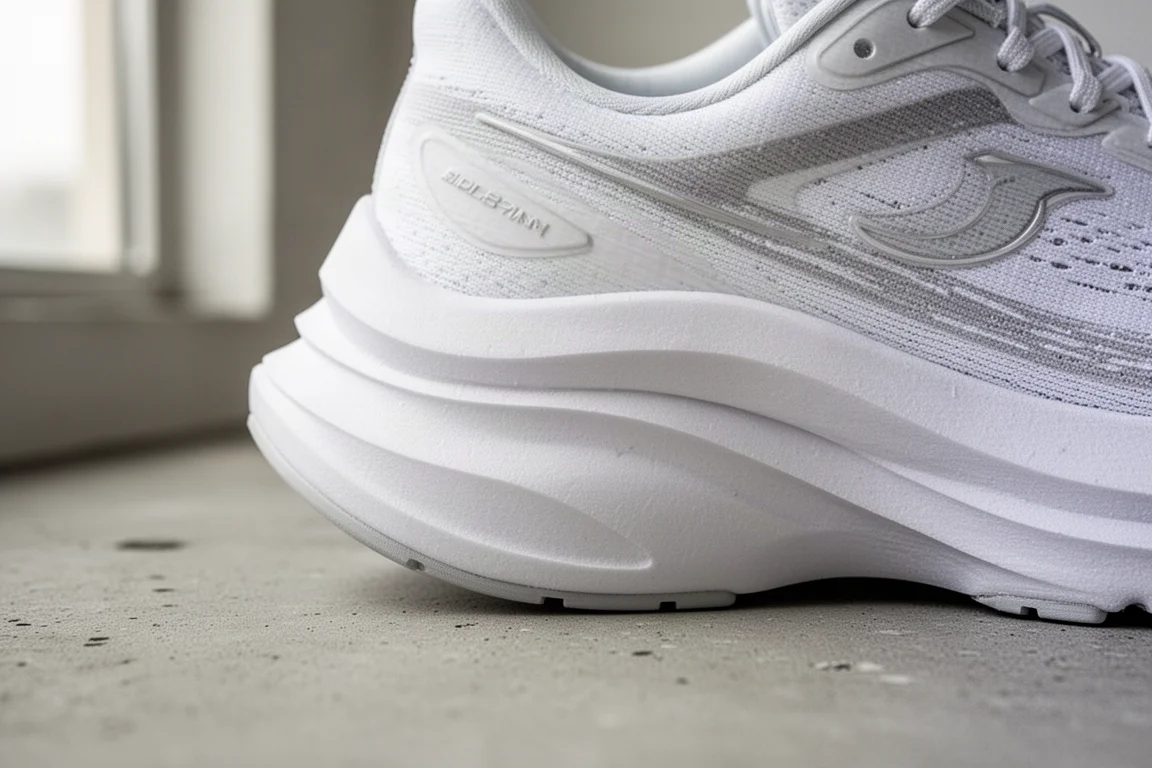
The main hesitation is weight. A sample size comes in at around 236 grams, which is considerable for this class of shoe, and there is noticeable bulk in the upper and outsole. For a race day shoe, that extra mass matters. At $219 it is also a significant investment, especially if the fit does not suit your feet. Hoka’s fit has historically been a little less glove-like for some runners, and this shoe shares so little with its predecessor that the naming feels odd. It sits on the fence: promising, but not a blind buy.
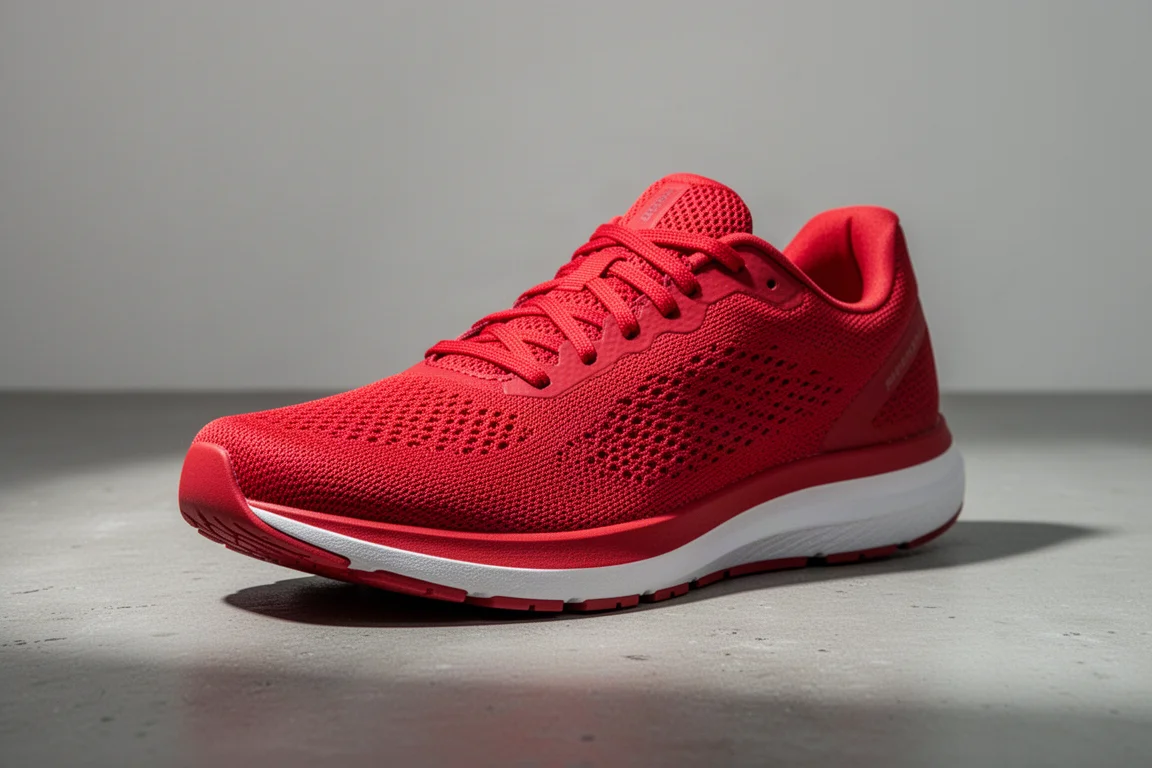
Reebok Floatride Energy 5
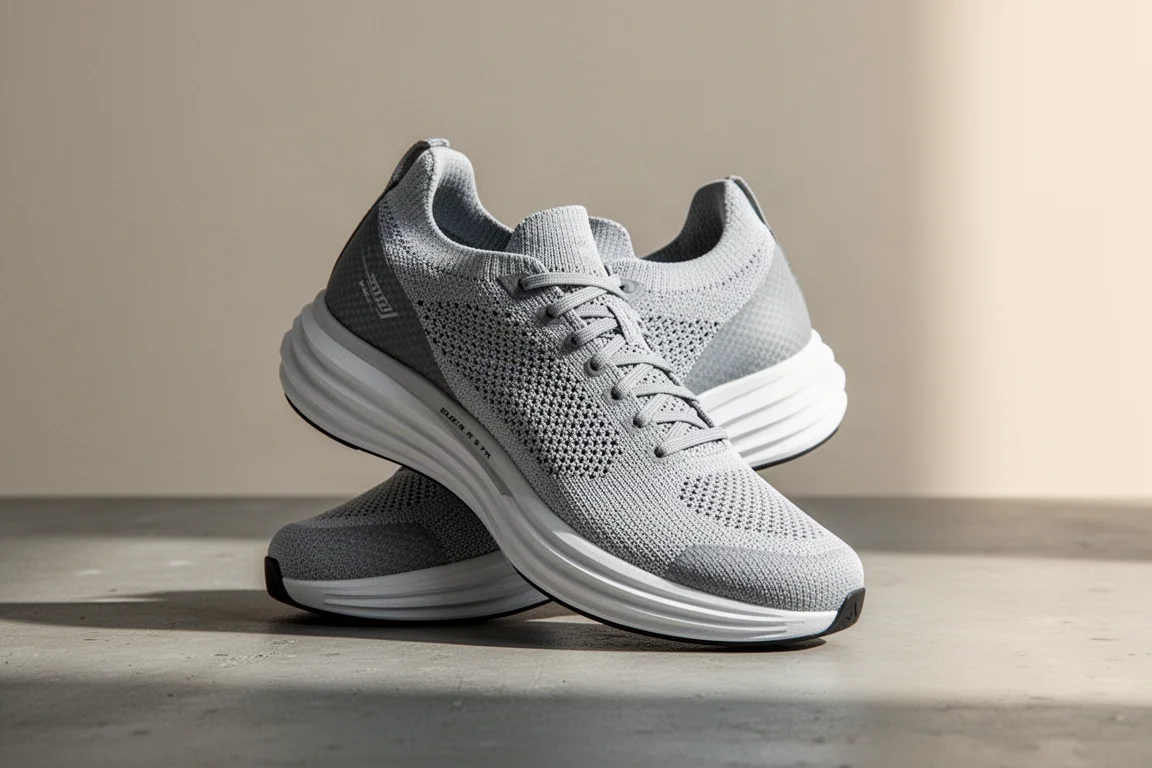
This is about as easy a recommendation as you will find in this batch. The Floatride line has long delivered a near-perfect softness-to-response balance for a daily trainer, and the Energy 5 continues that with sensible refinements. Reebok has switched up the materials again for this version, with what appears to be a thicker mesh, a lower-profile ankle area, and more padding in the tongue compared to the thin tongue of the previous model that not everyone enjoyed.
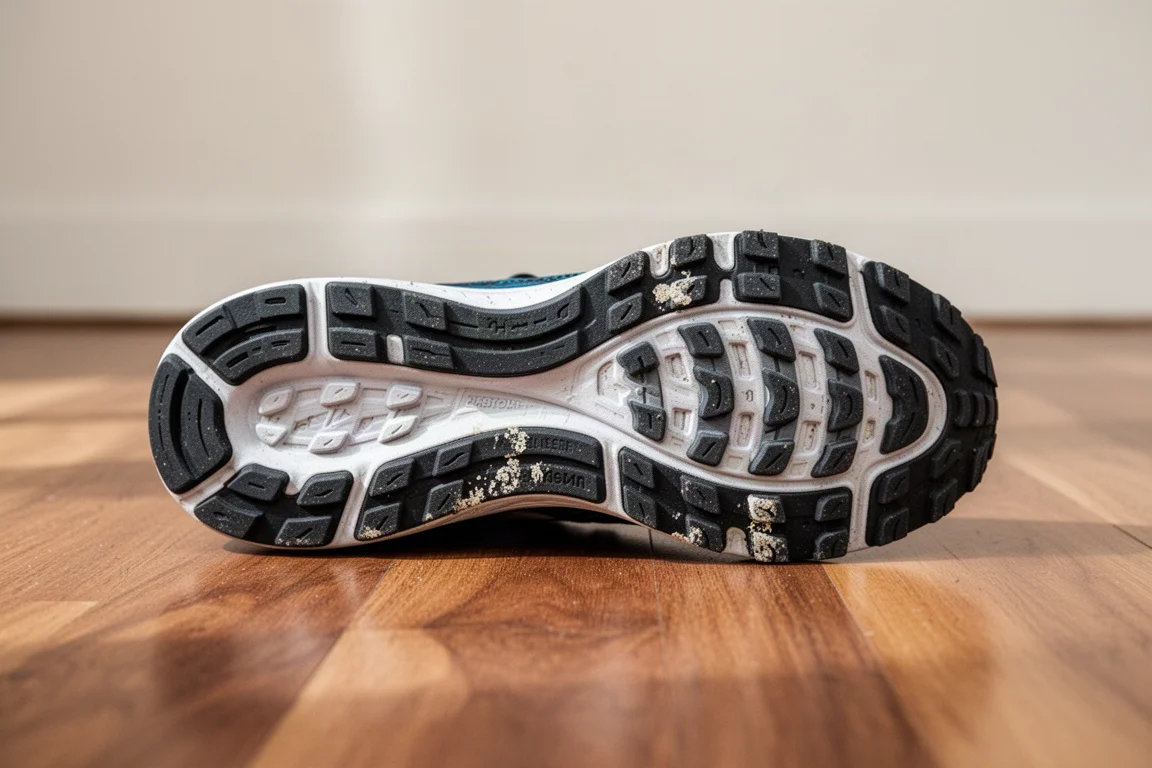
The midsole sees the biggest changes, with more shaping and a less slab-like look, concentrating foam where it is needed. A plastic section in the arch area appears to reduce flex between the heel and forefoot, working a bit like a torsion system. The lugged outsole rubber carries over, and it has proven durable, holding up well over roughly 100 miles. At £75, and likely less with discounts, it is a clear yes.
Mizuno Wave Rebellion Pro
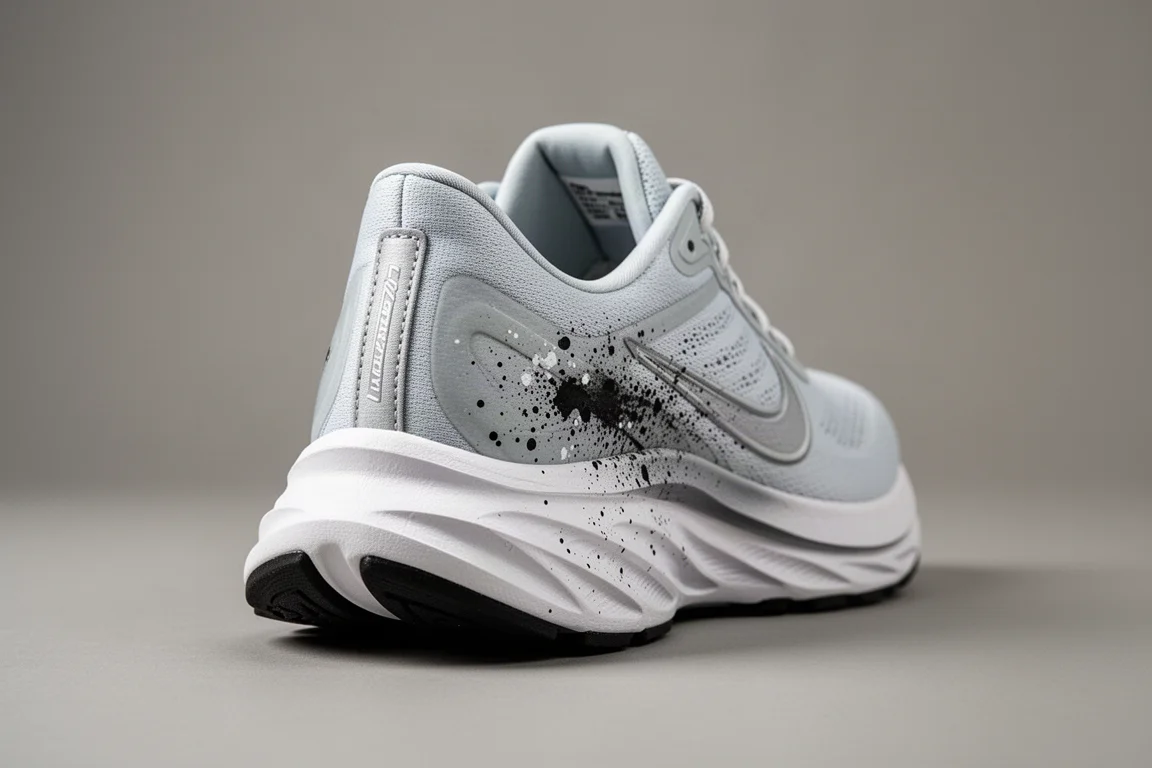
The Wave Rebellion Pro is Mizuno’s take on the now-classic 39mm max-stack racing shoe, with a slightly lower drop and roughly 33mm in the forefoot. It has become associated with a striking black and white upper colorway, and the splatter-like paint on the midsole sidewalls gives it a distinctive, almost graffiti-like character. The chunky heel and pronounced geometry look built to roll you from heel to forefoot, which suits runners who like that style of ride.
Mizuno describes the plate as carbon infused, a phrase that raises questions since it is not clear whether this is a full carbon plate or something closer to a carbon-infused nylon design like earlier competitor shoes. That ambiguity, combined with the £200 price, makes this a harder call. There is real bulk here, and if you already own several super shoes for racing, it is fair to ask whether another one earns its place. For now, this one needs more research before committing: a cautious no unless you can find it significantly cheaper.
Puma Liberate Nitro 2
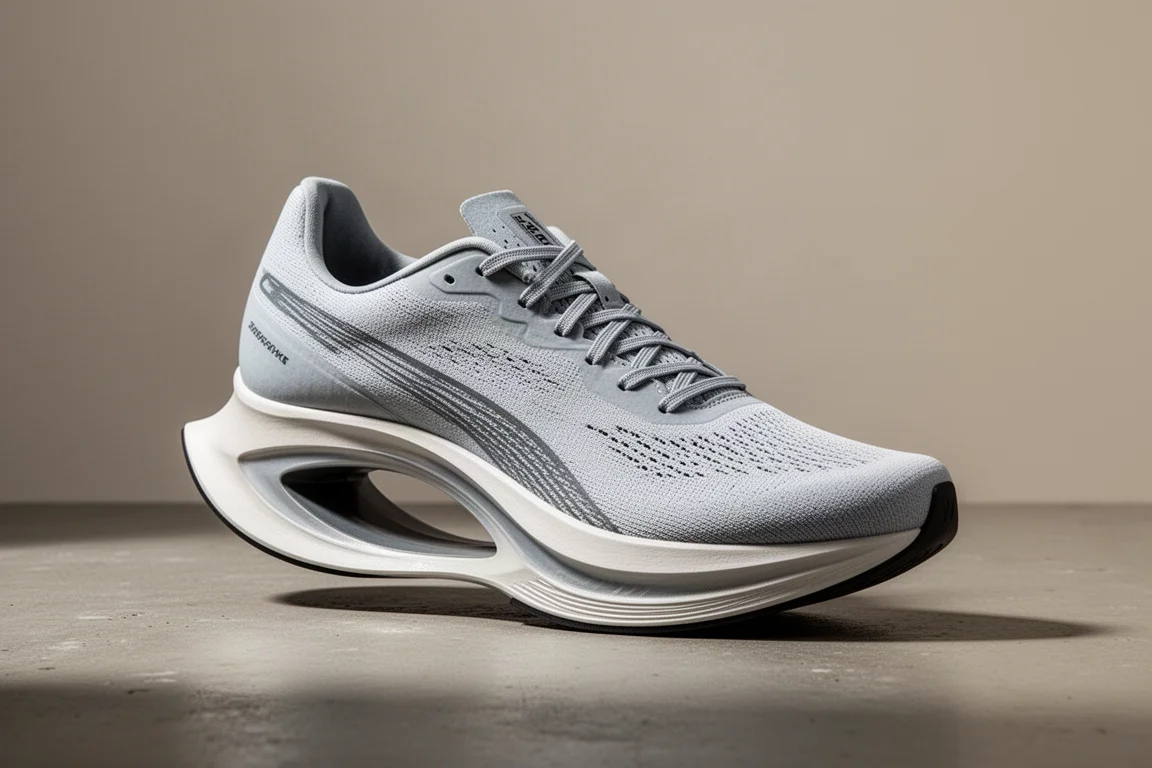
The cheapest and cheeriest option here, and a very interesting one. The first Liberate Nitro was a great low-cost option for shorter distances, and the new version looks like a cut-down take on the Puma Deviate Nitro Elite 2. There is no carbon plate, and the foam is the standard Nitro compound rather than the elite version, but the profile, aesthetics and midsole shape closely mirror the more expensive race model. Think of it as a training counterpart you can pair with an elite racer, or an alternative to something like the adios 7 for tempo days.
The grip from the Puma outsole is genuinely excellent, and the weight is remarkable: around 179 grams in the sample size, which is absurdly light at this price. The listed drop is a little inconsistent, quoted as 8mm in one place and 6mm in another, but either way it stays low and fast. With many retailers selling it just under £100 in the UK, this is a worthy pick for racing or shorter-distance work.
Overall Buying Advice
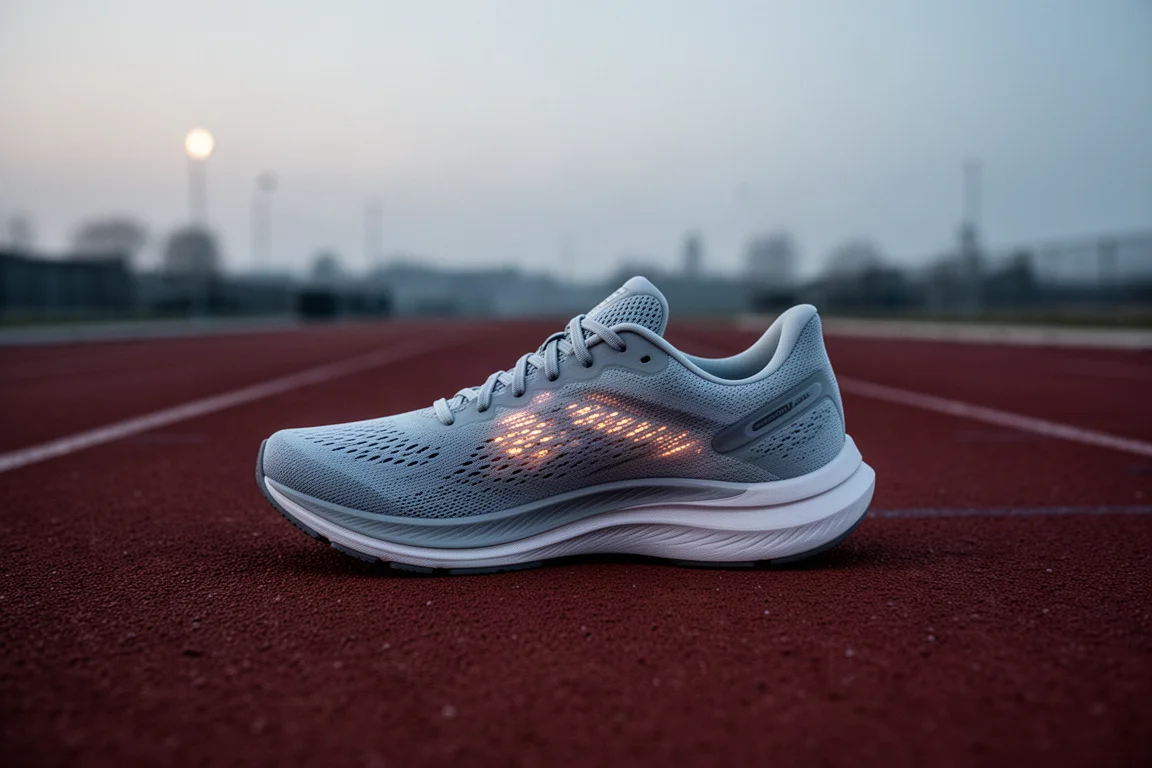
If you want a safe, high-value daily trainer, the Floatride Energy 5 is the easiest call. If you want a fast, affordable shoe for races and shorter sessions, the Liberate Nitro 2 delivers elite-style looks and featherweight feel without the carbon price. The Rocket X2 and Wave Rebellion Pro are the two to watch, but both demand more caution: confirm the fit suits you and look for a discount before gambling at the $200-plus tier.
Conclusion
Two clear picks, two open questions. Reebok’s refinement-heavy update and Puma’s budget speedster make immediate sense, while the Hoka and Mizuno racers show real promise but carry enough price and uncertainty that waiting for a deeper look or a price drop is the smarter move.
Further reading
Related Reviews

Running Shoes
Best Road-to-Trail Running Shoes: Three Versatile Options for Mixed Terrain
A practical guide to three road-to-trail running shoes that handle both pavement and mild trails, with clear strengths and trade-offs for different runner types.

Running Shoes
Best Running Shoes for Achilles Tendonitis: Three Options Explained
Three running shoes with different heel drops and support features designed to help reduce Achilles tendon pain during walking and running.

Running Shoes
Best Running Shoes for Women: Five Top Choices Ranked
A ranked guide to five women's running shoes, from versatile daily trainers to high-performance racing options, with real strengths and trade-offs for each.