Running Shoes
Four Running Shoes Worth a Second Look: Picks and Passes
A Decathlon carbon racer, an Adidas update that raises questions, and two stability trainers for overpronators.
Introduction
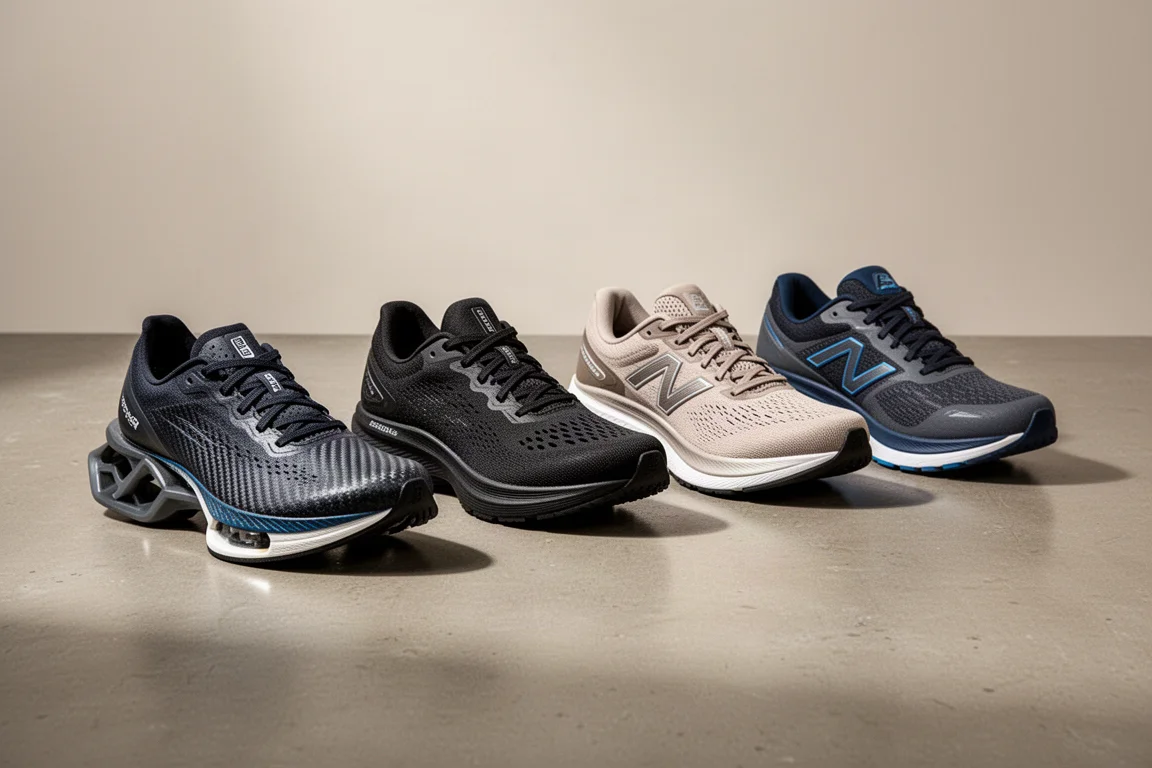
This roundup looks at four running shoes from very different corners of the market: a carbon-plated racer from Decathlon, a lightweight Adidas trainer getting a minor refresh, and two stability shoes from New Balance and Asics. None of these impressions come from running in the shoes, so treat them as early guidance on which models deserve a spot on your shortlist rather than final verdicts.
Decathlon Kiprun KD 900X
Decathlon is not the first name that comes to mind for a carbon race shoe, which is exactly what makes the Kiprun KD 900X interesting. It uses a PBAX midsole that appears closer in character to Saucony’s crushed-foam PowerRun PB, combined with some form of plate. The plate’s exact material and position are not clearly stated, but the two-piece midsole construction suggests it is sandwiched in the middle.
The upper design is reminiscent of the Brooks Hyperion Elite 2, though the tongue looks like it may move around a lot, so fit and lockdown are worth checking carefully. There is also plenty to like underfoot: genuinely chunky outsole grip and a generous amount of rubber in the heel, an area where some super shoes are notoriously stingy.
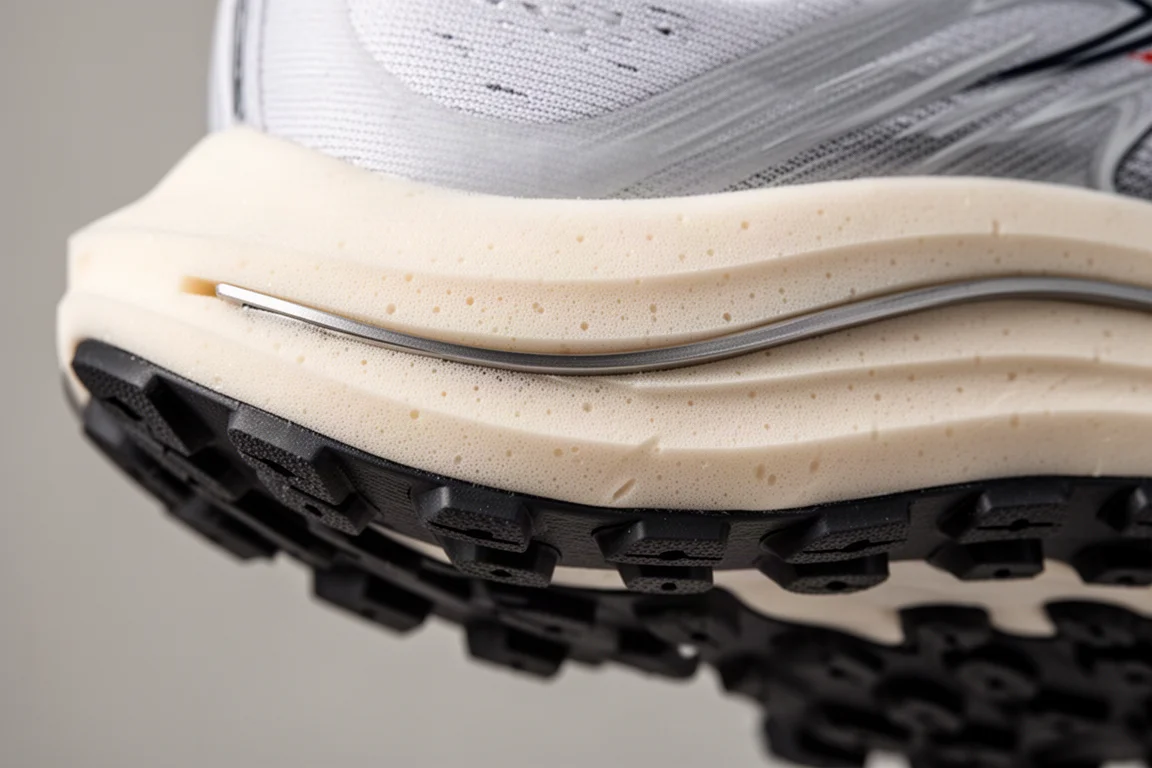
If it lands at a reasonable price, this could be a more affordable carbon plate option for runners chasing the popular super foam feel without paying flagship money. As a pick, it earns a yes.
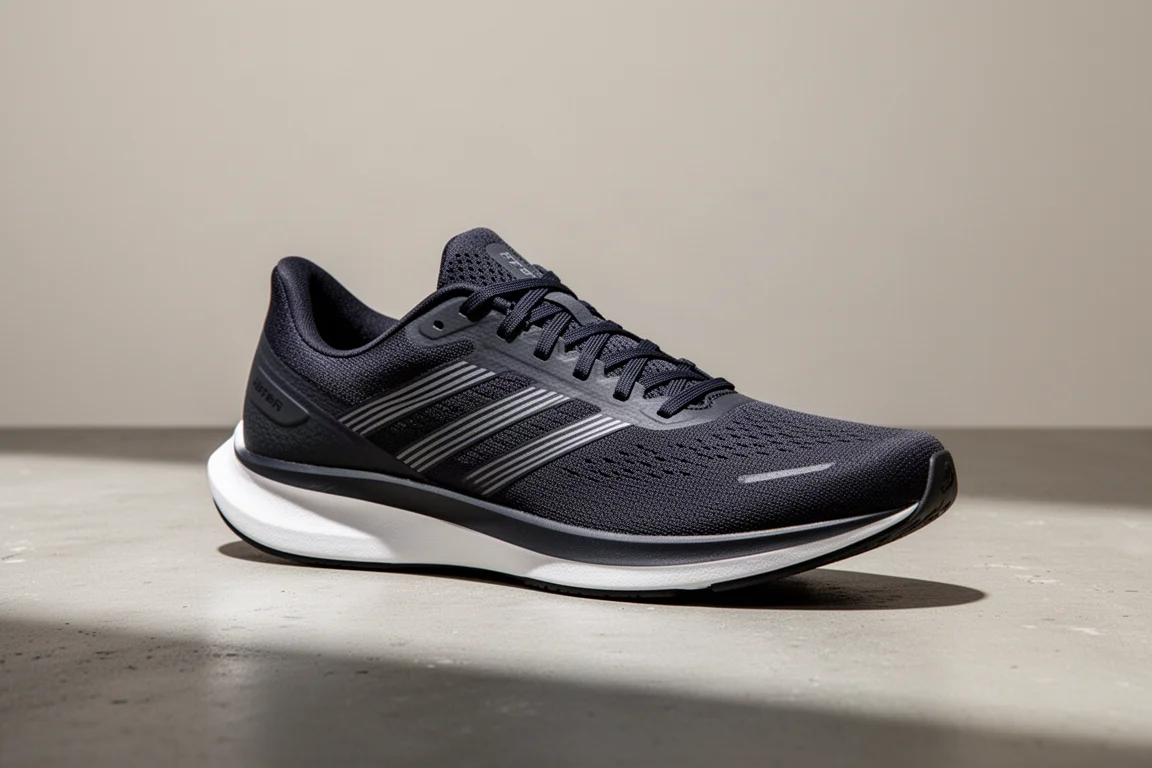
Adidas SL 20.3
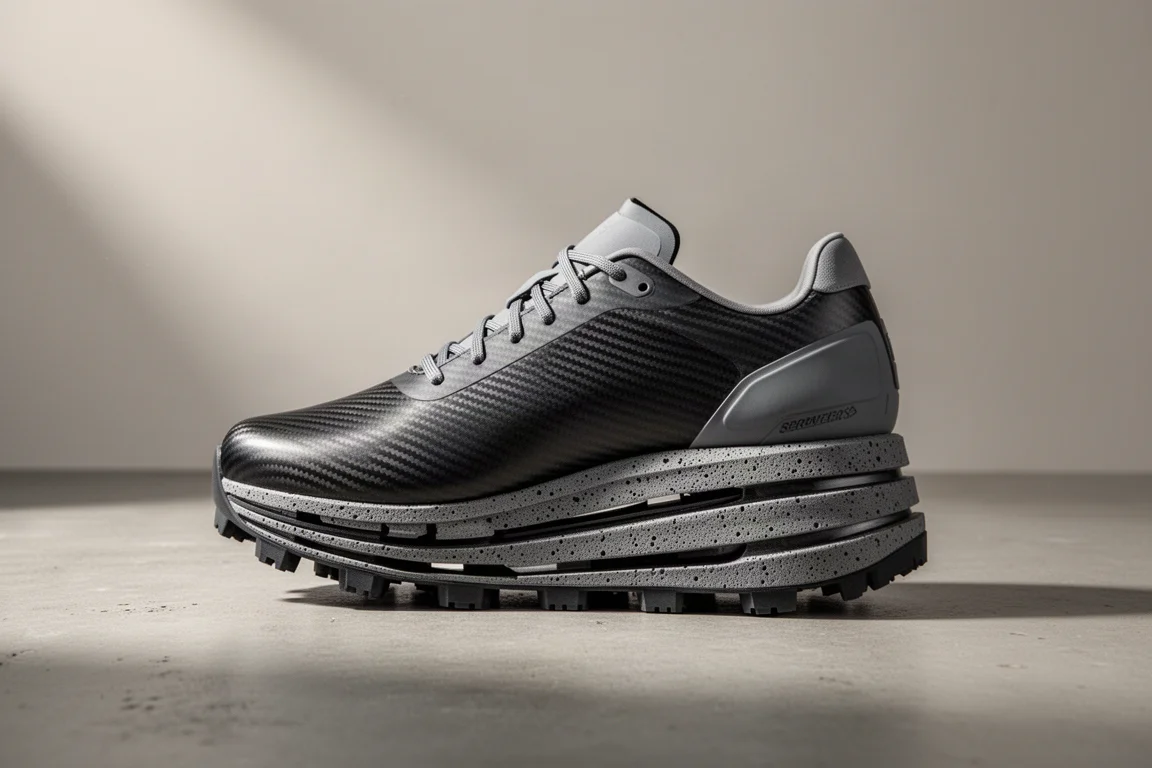
If you liked the SL 20.2, there is an SL 20.3 on the way, and it looks like more of the same where it counts. The midsole and outsole appear unchanged from the previous model, while the upper moves closer to what Adidas has shown in the Solar Boost and Adizero Adios lines, with nods to the Adios 6 in the heel collar and toe box reinforcements. A vented toe box gives the age of the platform away, and small lace loops replace the first two eyelet sections in a style similar to the Prime X.
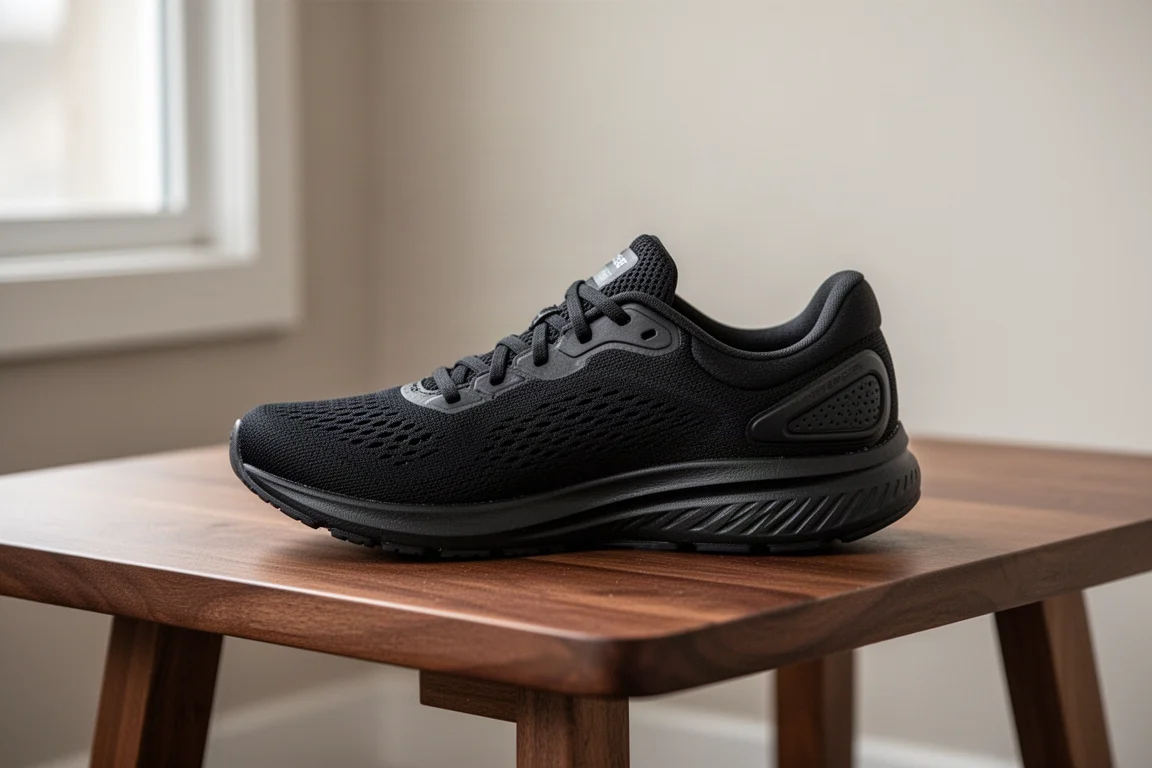
There is some confusing information on Adidas’ own listing: it quotes a 27mm to 19mm stack with an 8mm drop and 248g, while the previous version was 24mm to 14mm with a 10mm drop and 230g. Since the midsole and outsole look identical, the real drop is probably unchanged, and the extra weight most likely comes from a slightly plusher upper. Either way, nothing here is genuinely new, and that added weight is moving in the wrong direction for a shoe built on a lightweight reputation. On balance, this one is a pass.
New Balance Fresh Foam 860 v12
The Fresh Foam 860 v12 sits firmly in the stability category. It uses what appears to be different foam densities, particularly on the medial side, to add a little more support at foot strike. It is available in both standard and wide fittings, which is increasingly rare, and comes in four colorways for men and women.
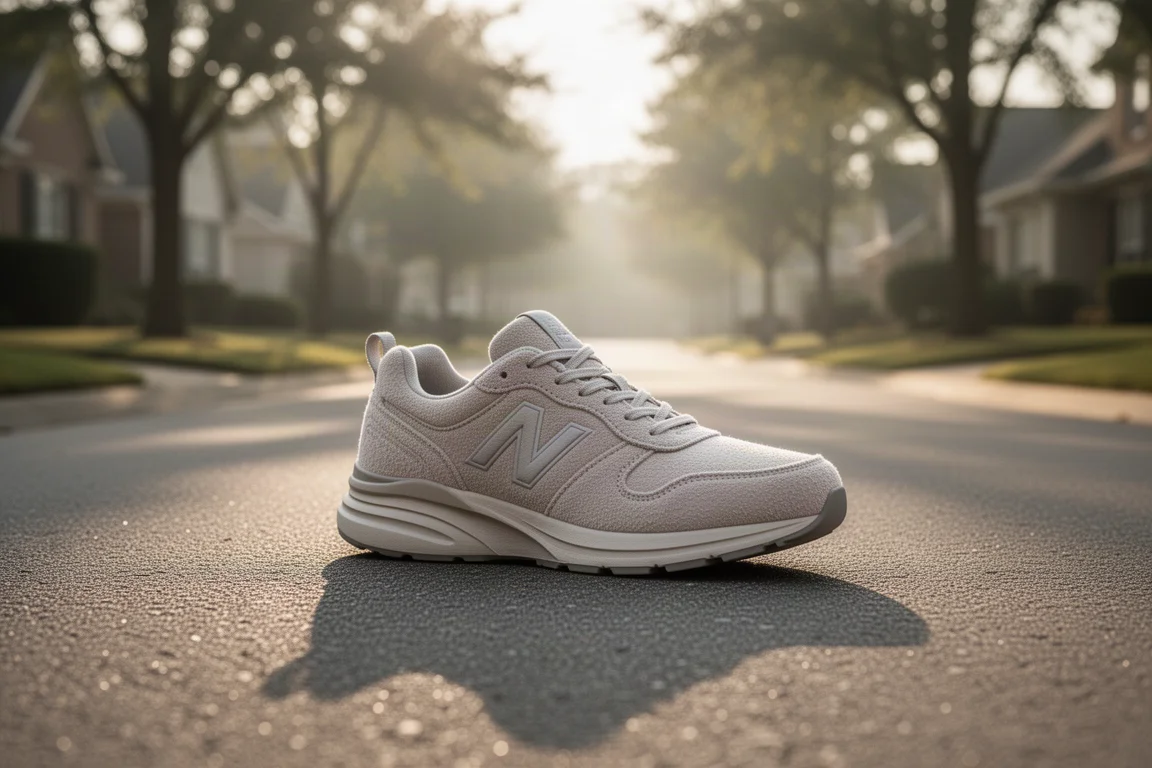
Priced at £125, it feels reasonable for a durable daily trainer built to absorb a lot of miles. The Fresh Foam X midsole leans more toward durability than high performance, and if you found the 1080 or More v3 too overblown in cushioning, the 860’s more understated ride may suit you better. The catch is weight: around 324g in the sample size makes it a heavy daily option, and if you do not need stability features there are better fits elsewhere. A pass for us, but a solid pick for runners who genuinely want that support.
Asics GT-2000
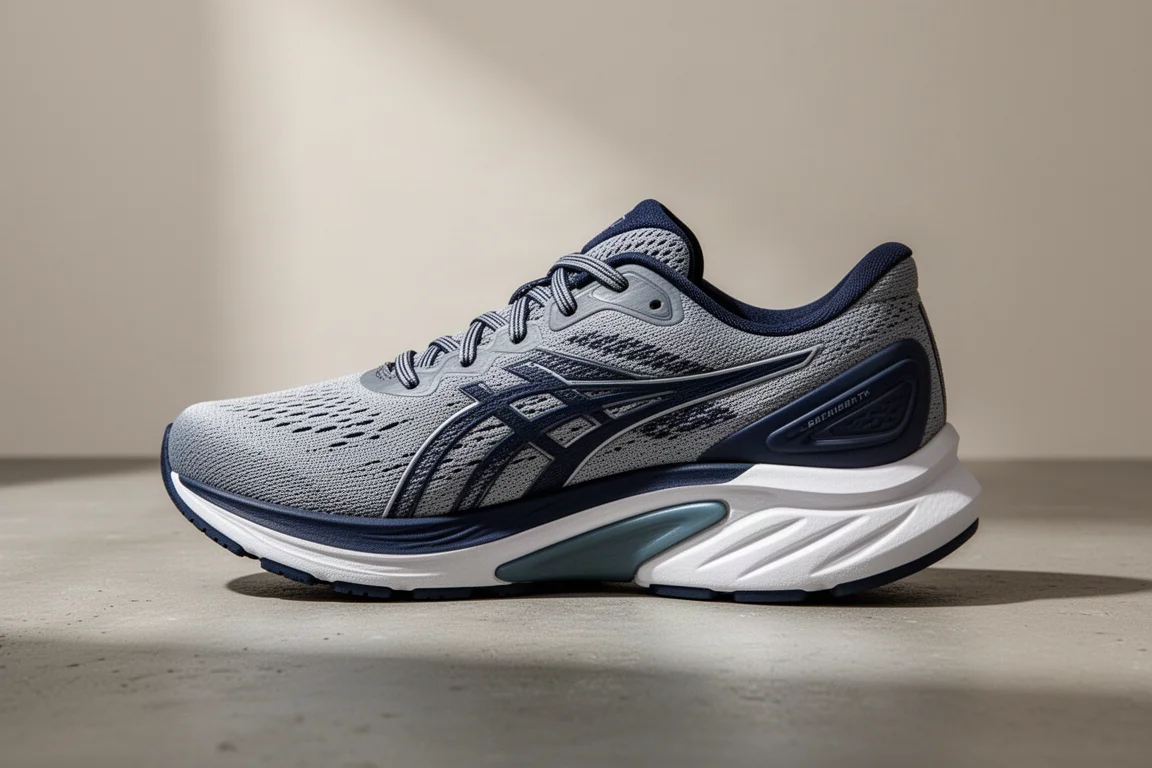
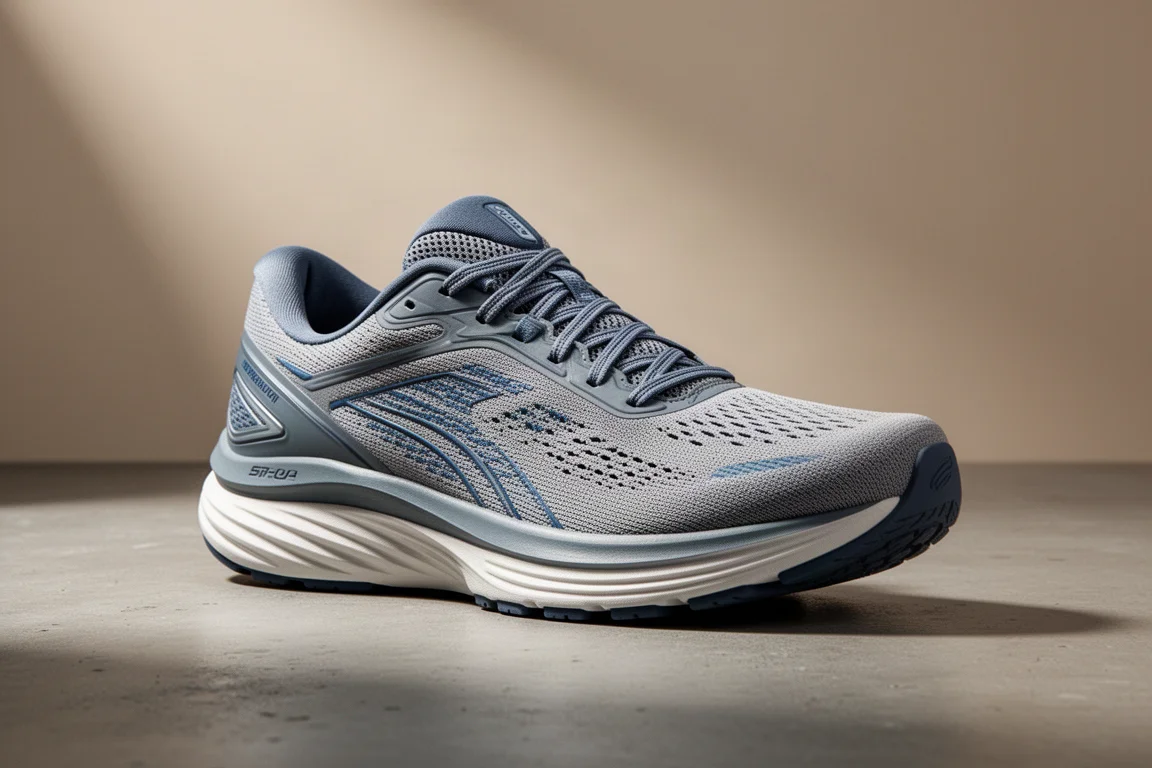
The Asics GT-2000 is another support shoe, this time with a lower 280g weight. It packs a lot of Asics technology: gel sections in both the heel and forefoot to help control hard landings, and the more responsive FlyteFoam Propel in the midsole. The gel in the forefoot is a notable detail, likely an encapsulated unit rather than the familiar heel-only setup.
Asics specifically positions this shoe for overpronation, which makes it a niche offering. The Metropolis and Graphite Grey colorway is genuinely eye-catching, and the ride should appeal to runners who want something slightly more nimble than a typical max-stability trainer. At £120 it is not for us since we have no need for a stability shoe, but for runners who do need that support structure, it is very likely a yes. Leave the final call to a proper on-foot test.
Overall Buying Advice
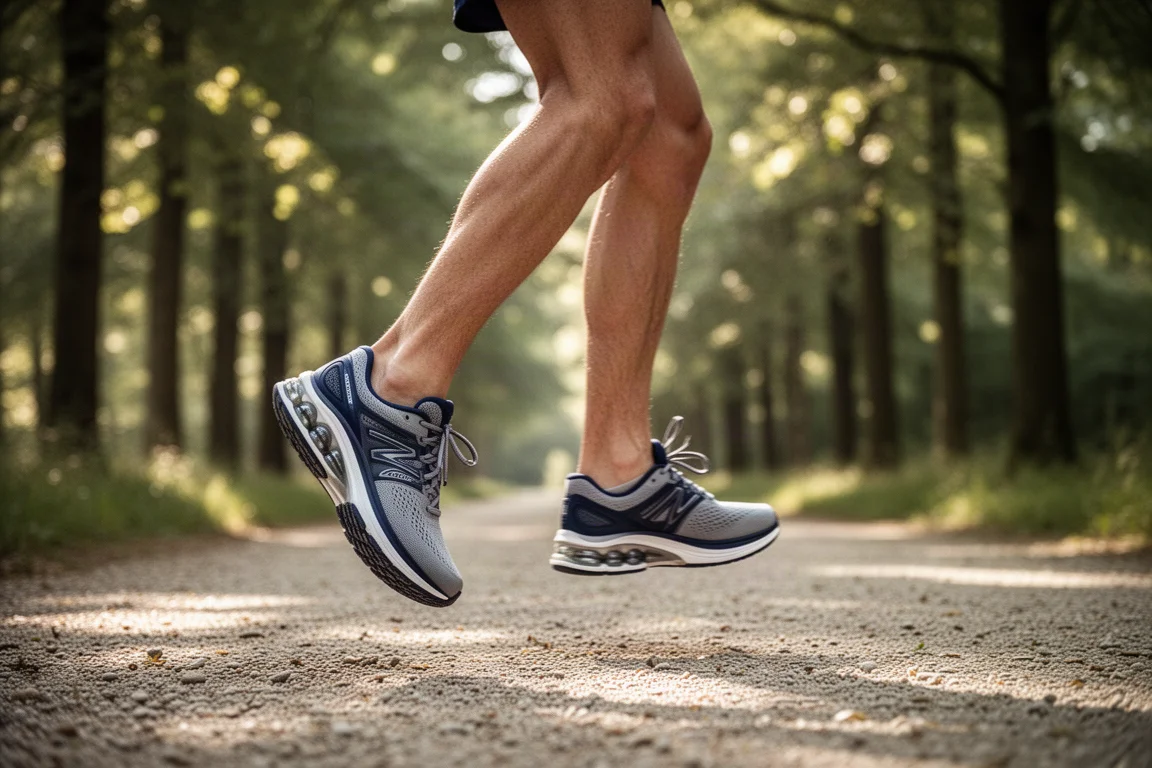
If you want a budget-friendly entry into carbon-plated racing, the Kiprun KD 900X is the standout curiosity here, with real outsole rubber and a promising PBAX midsole. If you need stability, the 860 v12 offers wide fittings and long-term durability at £125, while the GT-2000 brings a lighter 280g build and dual-gel placement at £120. The SL 20.3 is the easiest to skip unless you already love the line, since it appears to add weight without adding much new.
Conclusion
Two picks and two passes make this a balanced batch: the Decathlon Kiprun KD 900X earns its place on the try-it list as a potentially cheaper carbon option, the Asics GT-2000 looks like a strong bet for overpronating runners, while the Adidas SL 20.3 and the New Balance 860 v12 are easy to leave on the shelf unless their specific strengths match your needs.
Further reading
Related Reviews

Running Shoes
Best Road-to-Trail Running Shoes: Three Versatile Options for Mixed Terrain
A practical guide to three road-to-trail running shoes that handle both pavement and mild trails, with clear strengths and trade-offs for different runner types.

Running Shoes
Best Running Shoes for Achilles Tendonitis: Three Options Explained
Three running shoes with different heel drops and support features designed to help reduce Achilles tendon pain during walking and running.

Running Shoes
Best Running Shoes for Women: Five Top Choices Ranked
A ranked guide to five women's running shoes, from versatile daily trainers to high-performance racing options, with real strengths and trade-offs for each.