Running Shoes
Running Shoe Midsole Foams Compared: Puma, Saucony, Adidas and Nike
Six popular midsole foams rated for cushioning, rebound and race-day performance, with durometer-tested softness levels and honest grading.
Introduction
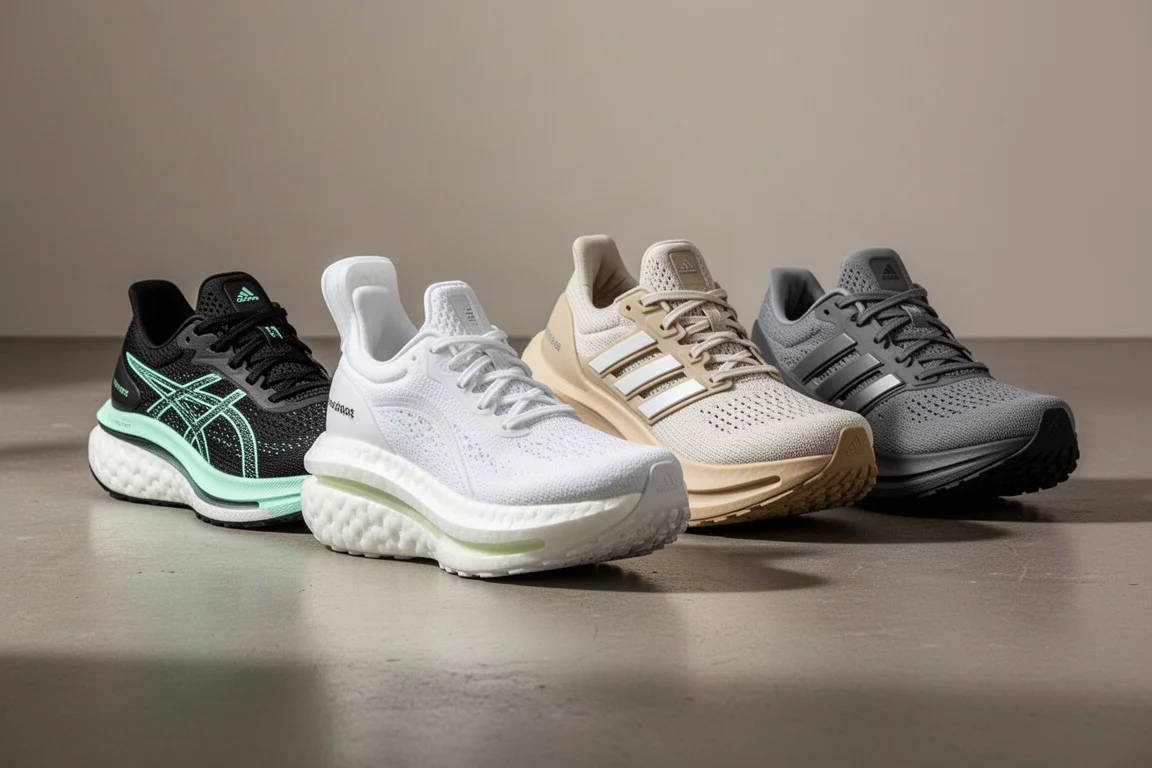
The midsole is the heart of a running shoe. Its density, cushioning and how little energy it wastes under foot can make or break the ride, whether you are chasing a race day personal best or grinding out everyday miles. That is why it is worth looking past brand marketing and asking a simple question: which midsole foams actually work best?
Not all foams are equal. Some are more durable, some more controlled, and some are super cushioned and forgiving but with limited longevity. Foam names can also be misleading, because the same name does not always mean the same formula, even within one brand. This comparison covers six foams from Puma, Saucony, Adidas and Nike, with softness measured on the Shore A durometer scale and grades given from an E to A scale based on real running.
Puma Nitro
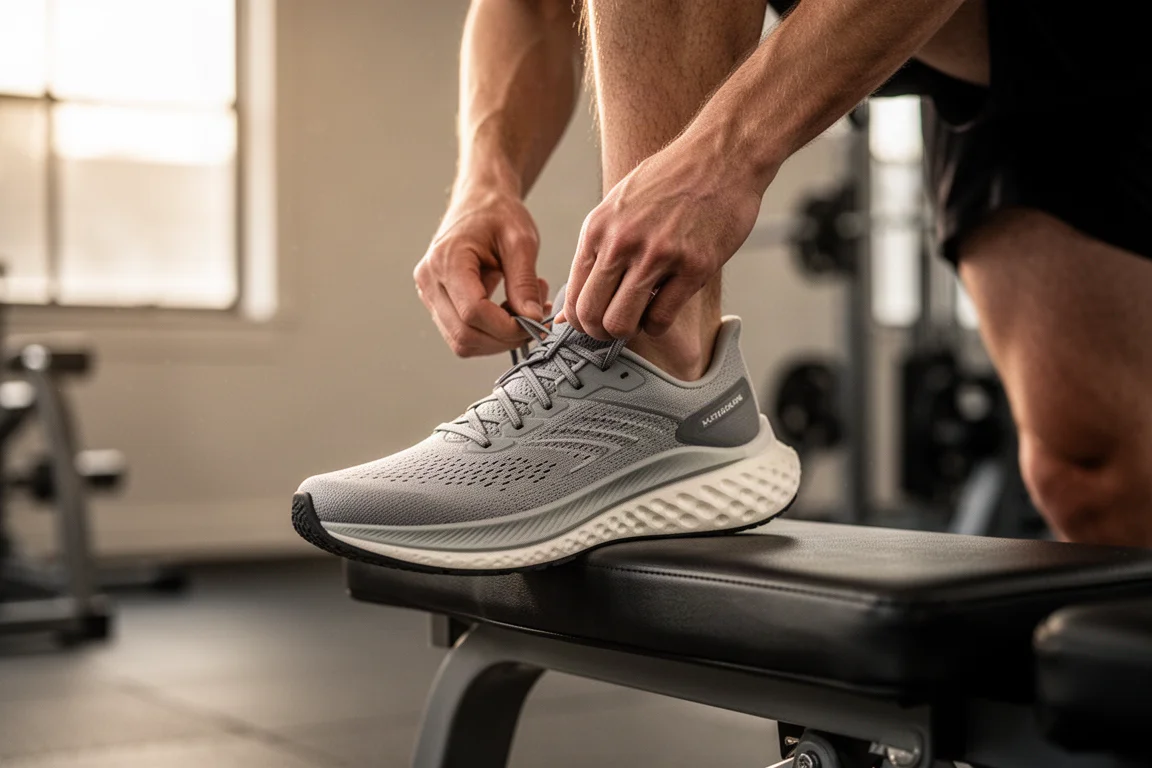
Puma’s standard Nitro foam lands at roughly 28 or 29 on the Shore A scale, which makes it softer in practice than many people expect. It is a strong option for training: soft enough that it never feels like a slog, but with a little rigidity to keep the ride structured. Puma increasingly pairs it with harder foams in two-layer setups, and shoes like the ForeverRun Nitro use two versions of Nitro with different densities and softness levels.
One thing to be aware of is that Nitro Elite foam is not identical in every shoe. The version in some earlier Nitro Elite shoes measures a few points softer than the one used in the Fast-R Nitro Elite, so the same name can hide a slightly different formula. On the grading scale, standard Nitro earns a strong B: a genuinely good training foam. Puma Pro foam, found in some of the more expensive shoes, comes in at B minus, responsive but a little too lively for a full shoe on its own.
Puma Nitro Elite
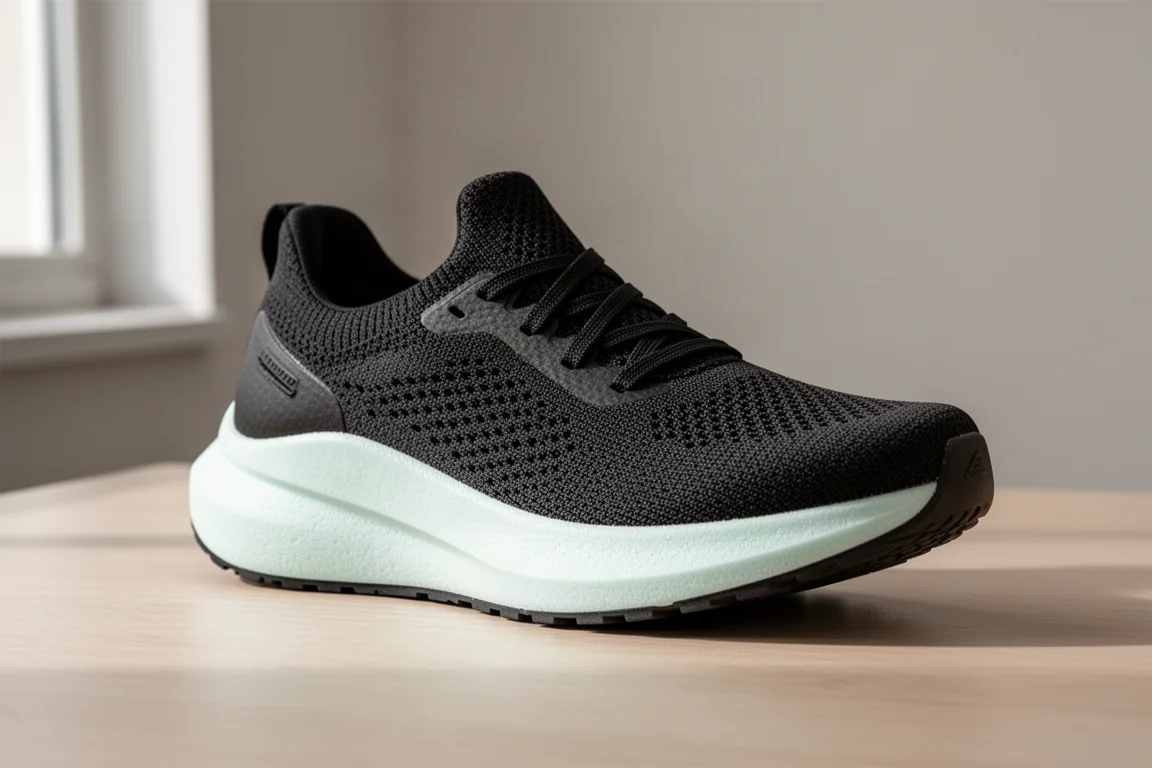
Nitro Elite is where Puma feels one step ahead. It is built around a nitrogen-infused PEBA-based material that delivers plenty of cushioning and rebound, and it measures around 30 on the Shore A scale. That means it is certainly not the lightest or softest foam out there, but the combination of bounce and a surprisingly light overall build appears to be part of the winning formula. It has helped return to fitness levels not seen for 18 months, with recent speed sessions feeling extremely successful.
It also seems a little hardier than some of the other foams covered here, which matters if you are putting in serious mileage. It appears in the Fast-R Nitro Elite, the Deviate Nitro Elite 2 and related Elite models. On the grading scale, Nitro Elite earns an A. The takeaway from Puma overall: it is not just about softness, it is about rebound.
Saucony PWRRUN PB
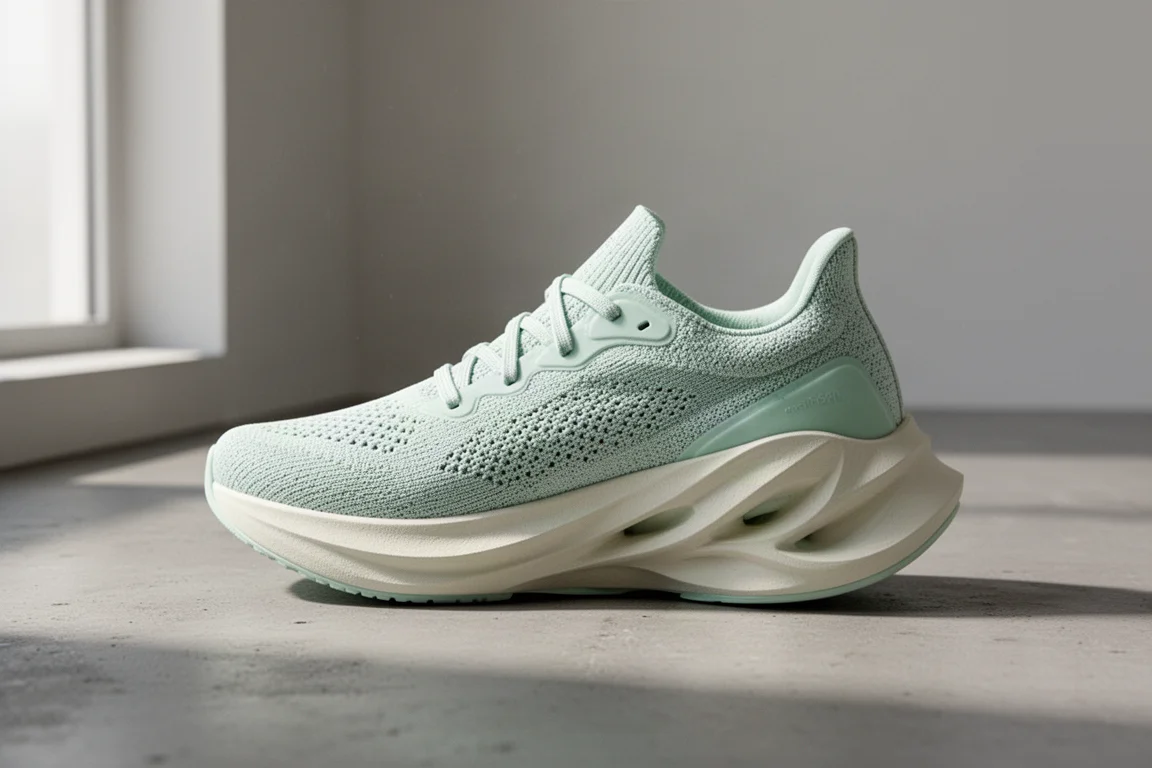
PWRRUN PB tells a story in two generations. The early shoes, like the Speed 1 and 2 and Endorphin Pro 1 and 2, always felt a little firm, and the measurements back that up: a very consistent reading of around 27 Shore A. They were not soft, but they were extremely consistent, which gives the ride a concise, predictable character.
Then came the Speed 3 and Endorphin Pro 3, which measure around 18 or 19, among the softest running shoes available and clearly the result of a tweaked formula. That extra forgiveness is a large part of why the Endorphin Pro 3 is viewed as a true marathon shoe, while the firmer earlier versions feel better suited to 10K and half marathon racing. The current PWRRUN PB earns an A, while the earlier firmer versions get a B.
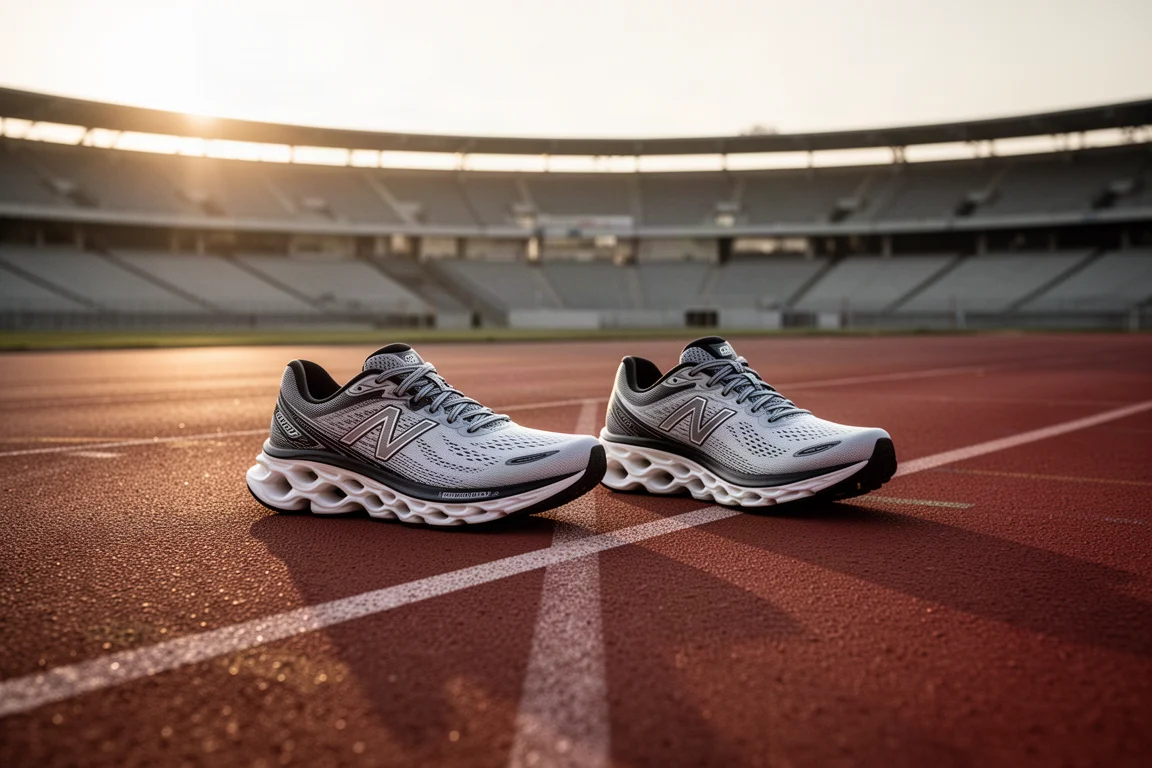
Saucony’s firmer PWRRUN, used mainly as a frame in daily shoes with a PWRRUN+ insole added for softness, measures around 31 on the Shore A scale. That is hardly firm, more of a react-like feel, but a shoe built purely on PWRRUN would be too firm for many tastes, so it grades out at a C. The PWRRUN+ insoles, though, are well worth appreciating.
Adidas Lightstrike Pro
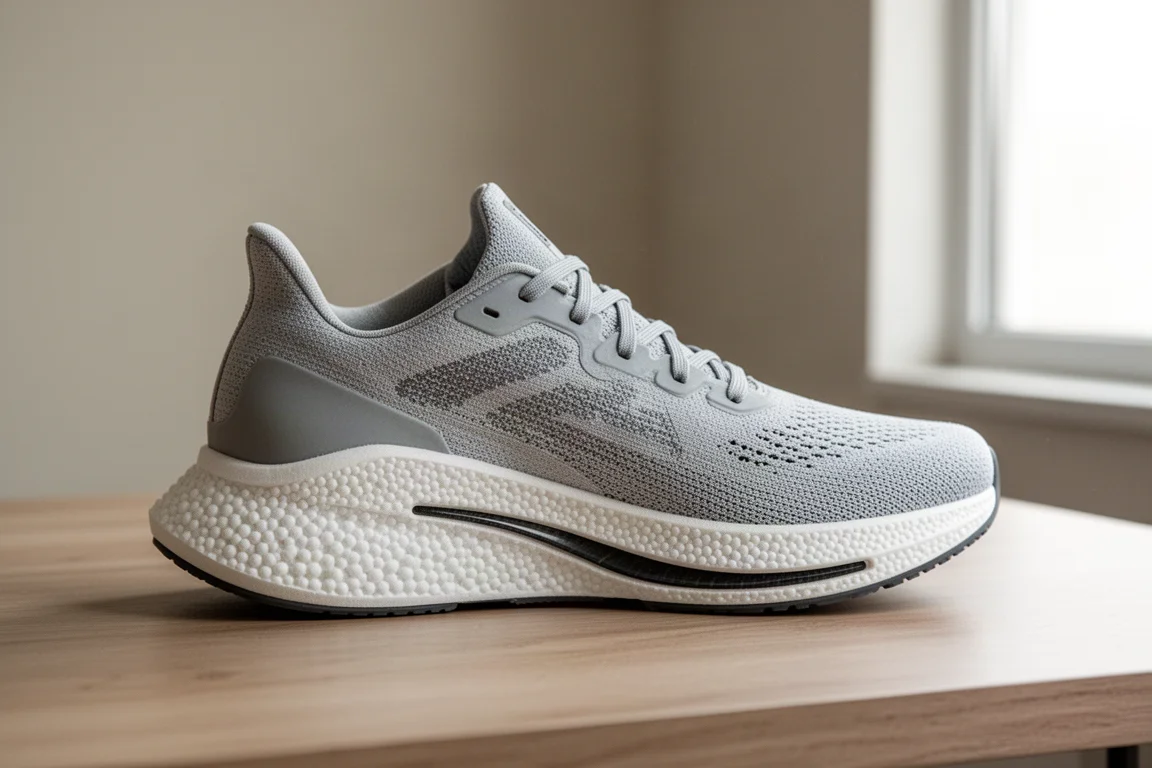
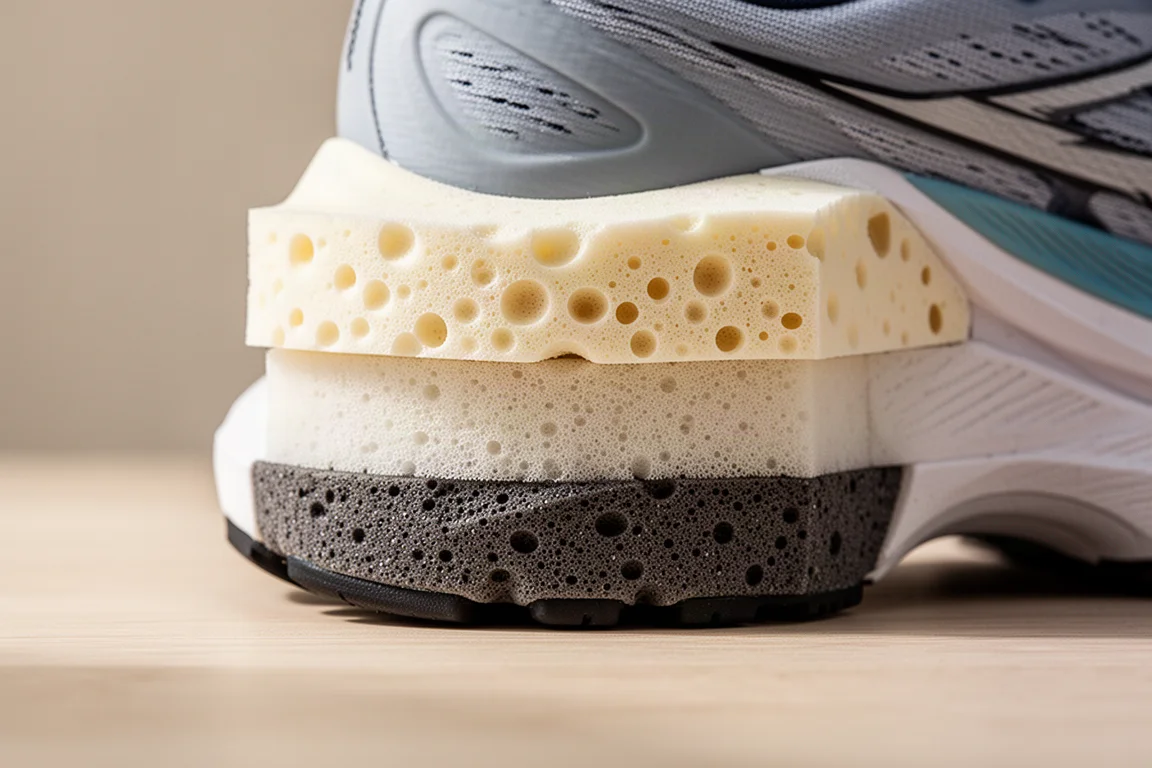
Lightstrike Pro has a hidden complexity: Adidas appears to have used two different formulas of it. In the Adizero Adios Pro 1 and 2, the midsole has a softer top section over a denser, slightly firmer lower section, confirmed by cutting a pair in half and testing unpainted midsoles. The Adios Pro 3 does not follow that pattern, with a midsole at roughly the same softness level throughout.
The foam itself measures a very consistent 26 or 27 Shore A across the board, including in the Adios 6 and 7. That larger Lightstrike Pro section at the front of the shoe makes the ride work better, which is encouraging for future Adios and Boston releases. Lightstrike Pro earns an A: it shares a firmness level with the plain Lightstrike in the Adizero SL, but the foam construction makes all the difference in the race shoes.
Adidas Boost
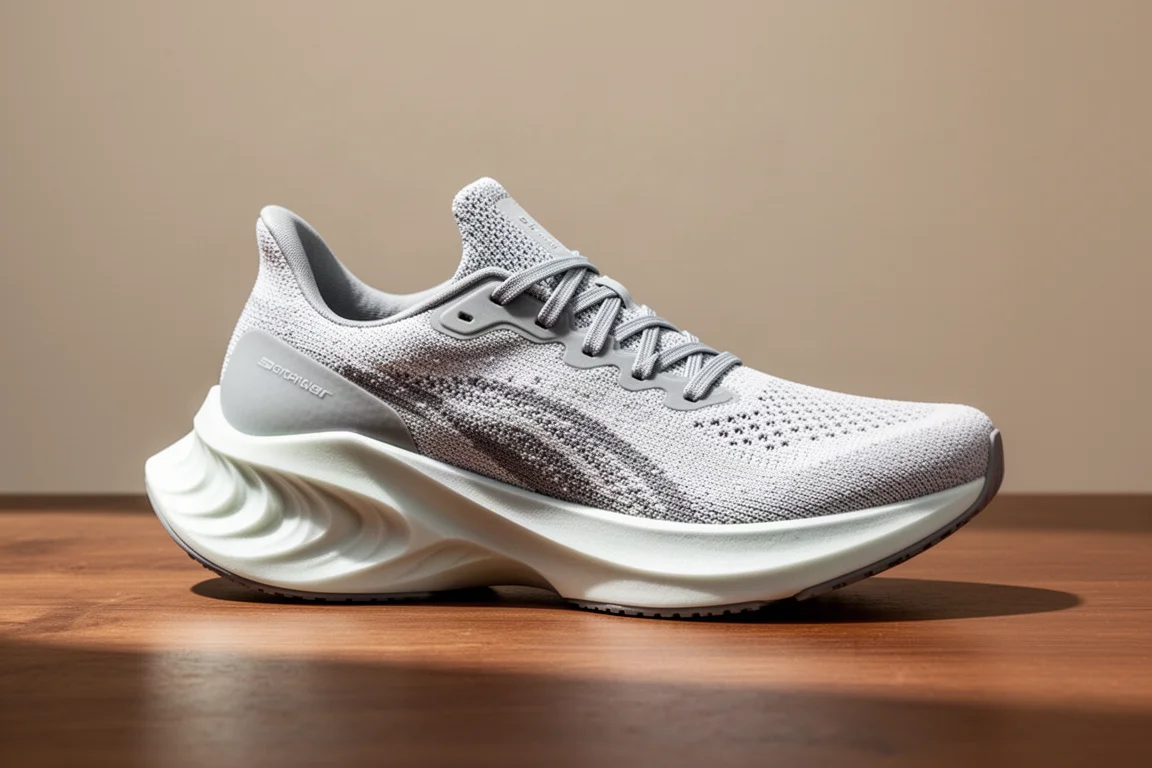
Here is a surprise for anyone who claims Boost is not soft: every Boost shoe tested, including pairs with well over 100 miles and some used casually for two or three hundred, measures around 20 Shore A. Only a couple of foams in this entire comparison came in softer. Boost is genuinely one of the softest midsole materials available, and it holds that softness remarkably well over time.
The catch is weight. Boost is a little heavy, which makes it a questionable choice for a racing shoe. For training, though, it is no problem at all, and for softness and cushioning it is right up there. It grades a B or B plus, and it is easy to see why newer Boost-based trainers are worth a look for anyone who wants maximum cushioning for easy miles.
Nike ZoomX
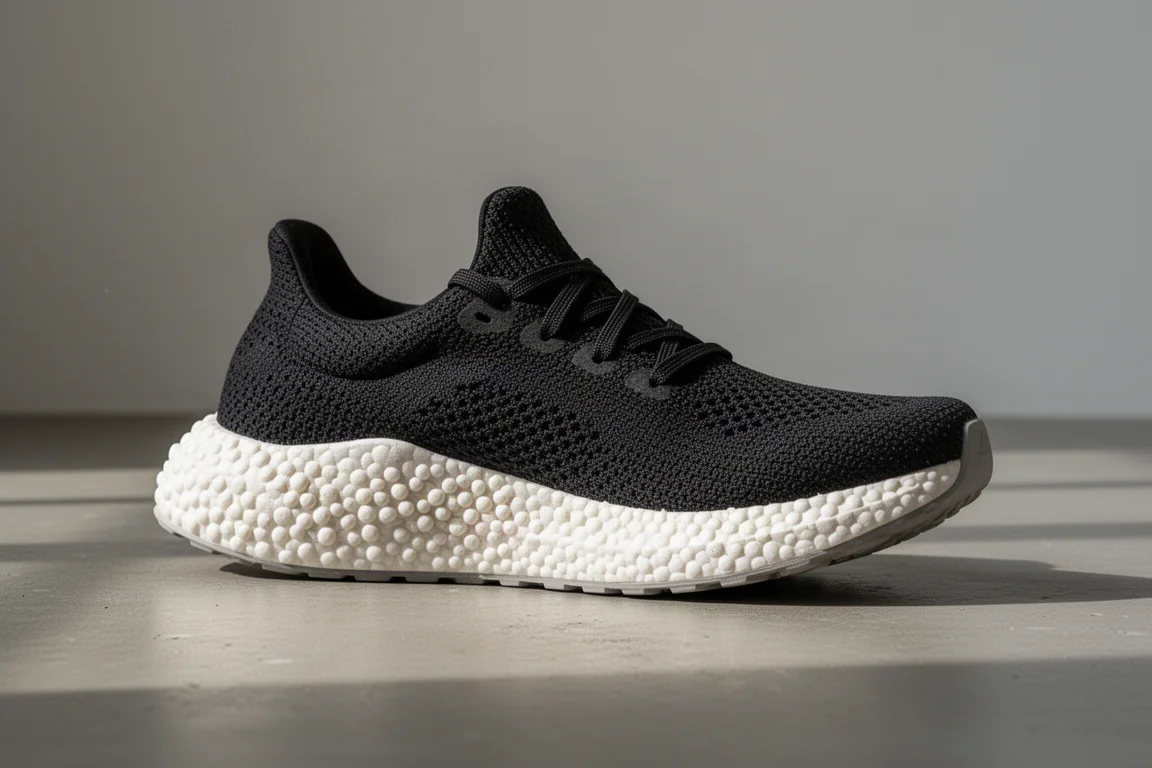
ZoomX is harder to measure accurately because Nike coats it in something to improve durability, and that coating skews the readings. Across the line, the softest by far is the Invincible Run at about 18 or 19 Shore A. The Vaporfly Next% 2 measures around 20 across the midsole, while the Alphafly versions 1 and 2 came back pretty consistent with each other, just a touch firmer than the Next% 2, with an even thicker outer coating.
Age matters here too. Older ZoomX shoes that have sat unused, like the Tempo Next% and Streakfly, measured 32 to 34, seemingly because the zMAX material hardens over time. One exception stands out: the original Vaporfly 4%, which still has its pop and softness despite its age, possibly because it lacks that outer coating, though that same lack of coating meant the midsole was prone to crumbling and deterioration. ZoomX as a foam earns an A for race-day performance, React earns a C plus since newer midsoles are simply more forgiving, and the crushed-up ZoomX variants get a D after repeated disappointments.
Overall Buying Advice
Three lessons stand out. First, the same foam name does not guarantee the same foam: Puma’s Nitro Elite varies slightly between shoes, and Adidas has used two Lightstrike Pro formulas. Second, the softest foam is not automatically the best; the Saucony and Puma grades show that rebound and structure matter just as much. Third, firmer is not worse: Saucony’s consistent 27 Shore A racing shoes were excellent at shorter distances, and Adidas’s Lightstrike Pro works brilliantly at 26 or 27.
If you want maximum rebound for racing, Puma Nitro Elite and Nike ZoomX are the standout choices. For a forgiving marathon ride, the softer generation of PWRRUN PB makes a strong case. For daily training, standard Puma Nitro offers the best balance, while Adidas Boost remains the softness and durability champion for easy miles.
Conclusion
Grading foams between E and A, the winners are clear: Puma Nitro Elite and Nike ZoomX at A, the current Saucony PWRRUN PB and Adidas Lightstrike Pro also at A, standard Puma Nitro and Adidas Boost with strong B grades, and the firmer or heavier alternatives trailing behind. Match the foam to the job you need it to do, and the numbers in this comparison should help you pick the right shoe for your next start line.
Further reading
Related Reviews

Running Shoes
Best Road-to-Trail Running Shoes: Three Versatile Options for Mixed Terrain
A practical guide to three road-to-trail running shoes that handle both pavement and mild trails, with clear strengths and trade-offs for different runner types.

Running Shoes
Best Running Shoes for Achilles Tendonitis: Three Options Explained
Three running shoes with different heel drops and support features designed to help reduce Achilles tendon pain during walking and running.

Running Shoes
Best Running Shoes for Women: Five Top Choices Ranked
A ranked guide to five women's running shoes, from versatile daily trainers to high-performance racing options, with real strengths and trade-offs for each.