Running Shoes
Running Shoe Midsole Durometer Test: How Soft Is Your Foam, Really
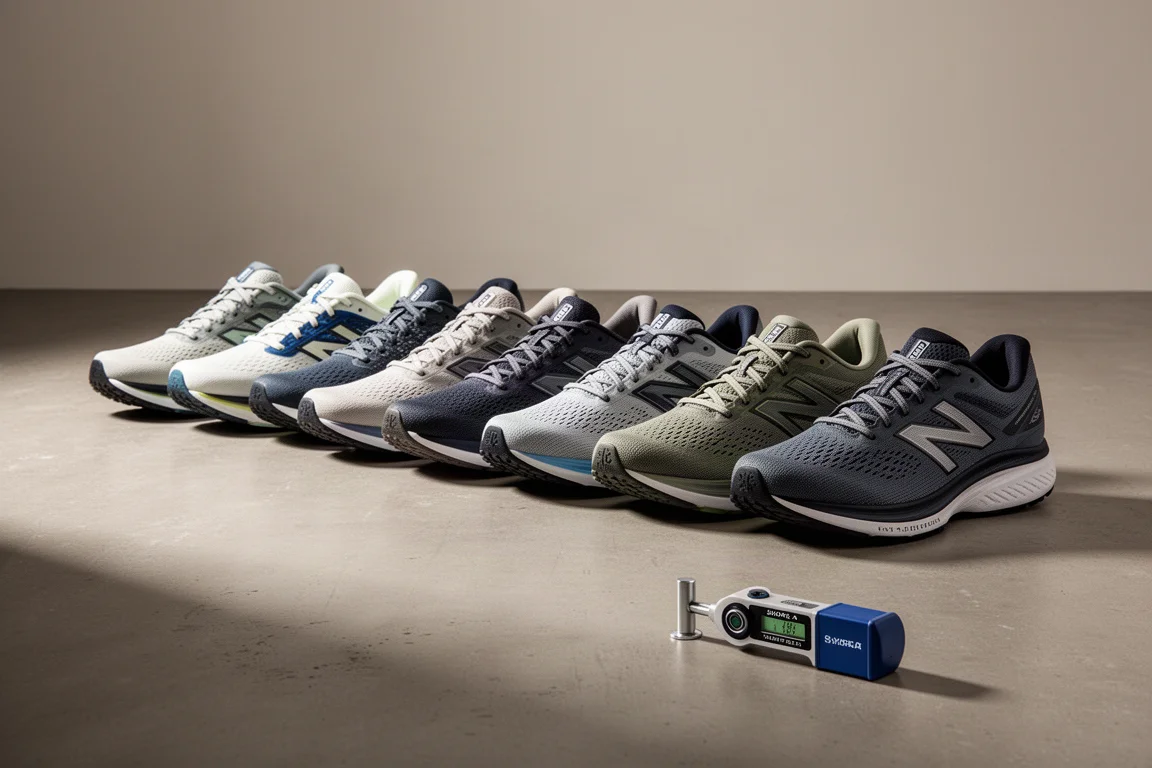
We measured the midsole hardness of nine popular running shoes with a Shore A durometer, from the plush Asics Nova Blast 2 to the surprisingly firm Adidas Aggravix Terrex Ultra.
Introduction
Midsole feel is one of the most subjective things in running shoe reviews, but it does not have to stay that way. To bring some numbers into the conversation, we ran a Shore A durometer test across nine popular shoes, from soft daily trainers to a race-ready foam setup and one firm trail outlier. Lower readings mean softer, more flexible foam. Higher readings mean firmer ground contact and less of that plush sink-in feel.
The results explain a lot: why one trail shoe felt punishing, why some daily trainers earn their cushioning reputation, and what a pair of shoes left in freezing conditions might tell us about foam behavior in winter.
What Durometer Testing Actually Measures
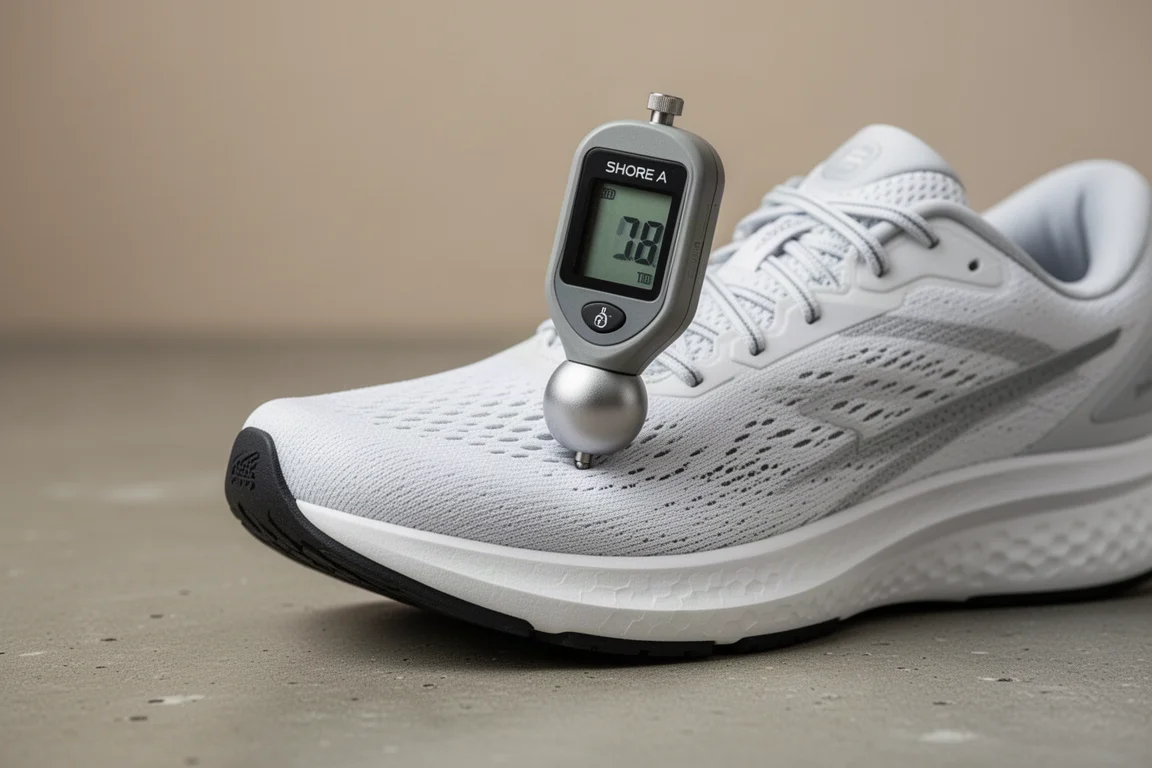
A Shore A durometer measures a material’s resistance to surface penetration. The tester has a small presser foot that goes into the foam and returns a number on a display. Durometers cover everything from flexible rubbers and foams up to semi-rigid plastics with almost no flex, which makes the tool a reasonable fit for midsoles.
The ideal method would be to cut each shoe in half and measure from the inside, but that would sacrifice every pair in the closet. Instead, each measurement was taken on the outside of the midsole after the shoes had sat indoors long enough to warm up, and the readings below should be treated as indicative rather than laboratory-grade.
Adidas Aggravix Terrex Ultra
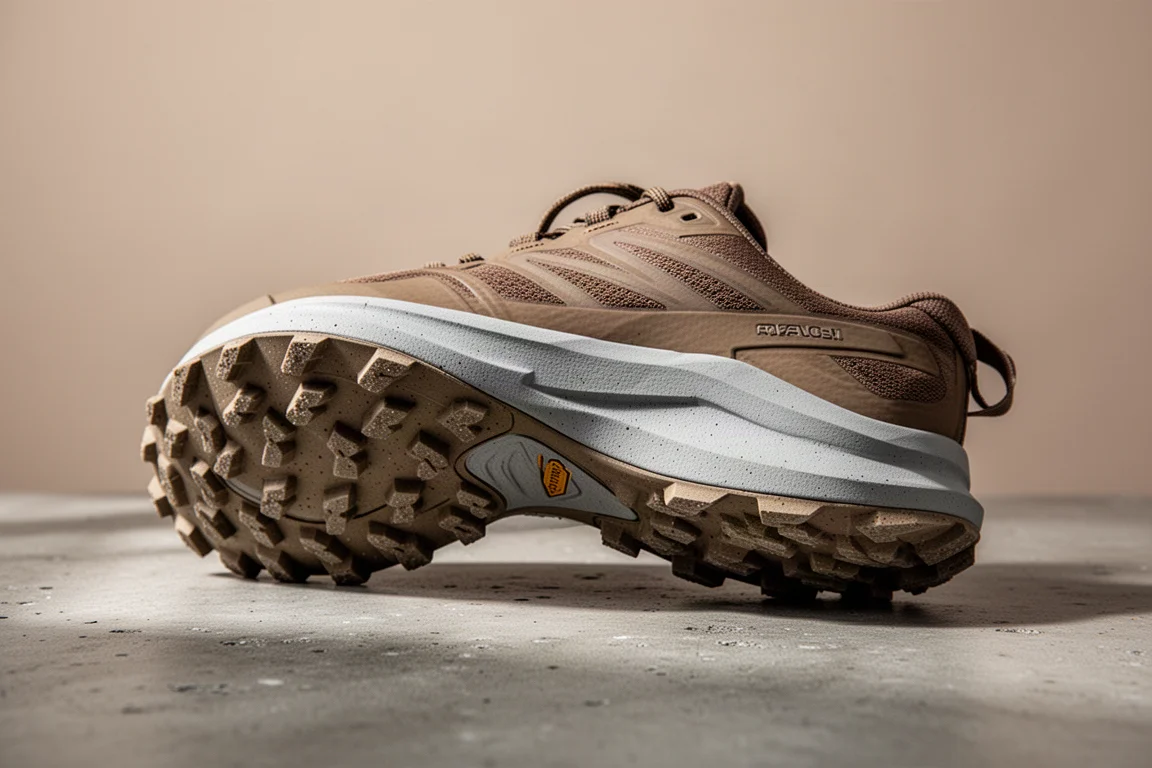
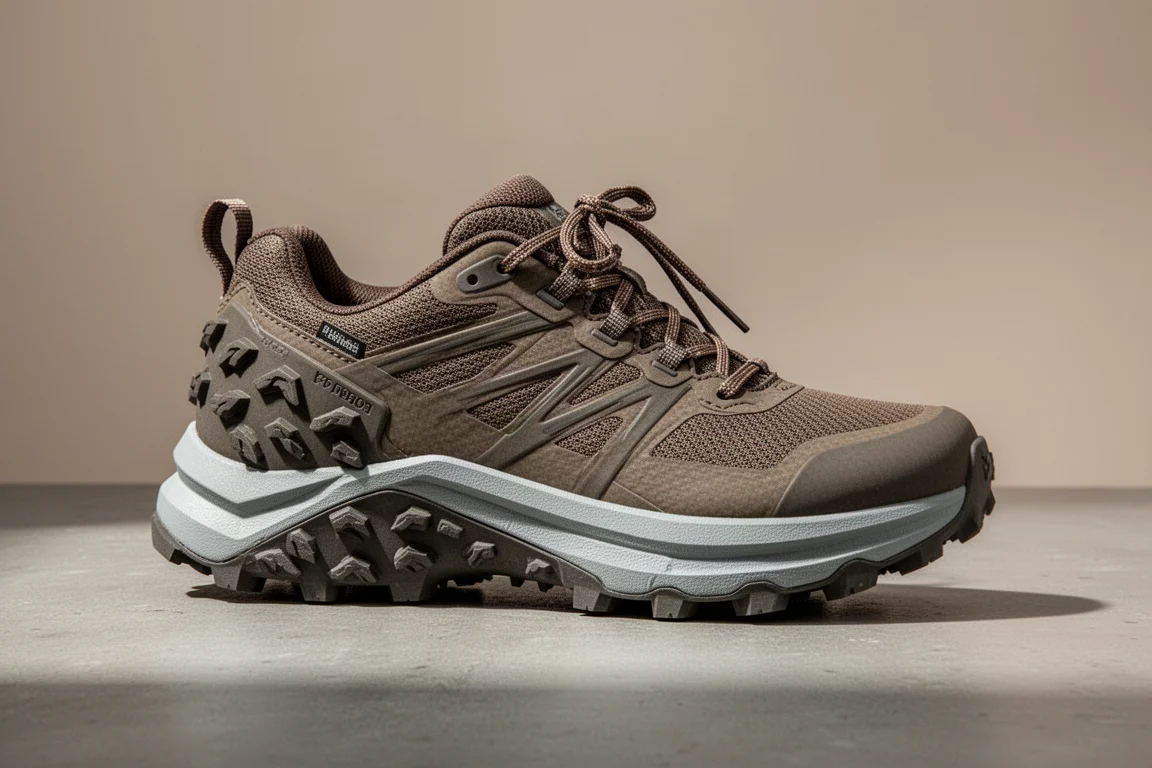
The surprise of the session. The majority of the midsole on the Adidas Aggravix Terrex Ultra, built on Lightstrike foam, measured around 50 to 51.5 on the durometer. That is dramatically firmer than every other shoe tested, and it goes a long way toward explaining why this trail shoe did not work out for the runner who put real miles into it.
If you want a firm, protective trail platform, this is not necessarily a flaw. But if the phrase “soft trail shoe” appears anywhere in your expectations, the numbers say to look elsewhere.
Saucony Endorphin Pro 2
The Saucony Endorphin Pro 2 came in around 34.5, which places it firmly in the soft camp for a performance shoe. A sockliner-area reading of roughly 35.5 was in the same ballpark. For a shoe designed for faster days, that level of softness suggests the emphasis is on comfort as much as on speed.
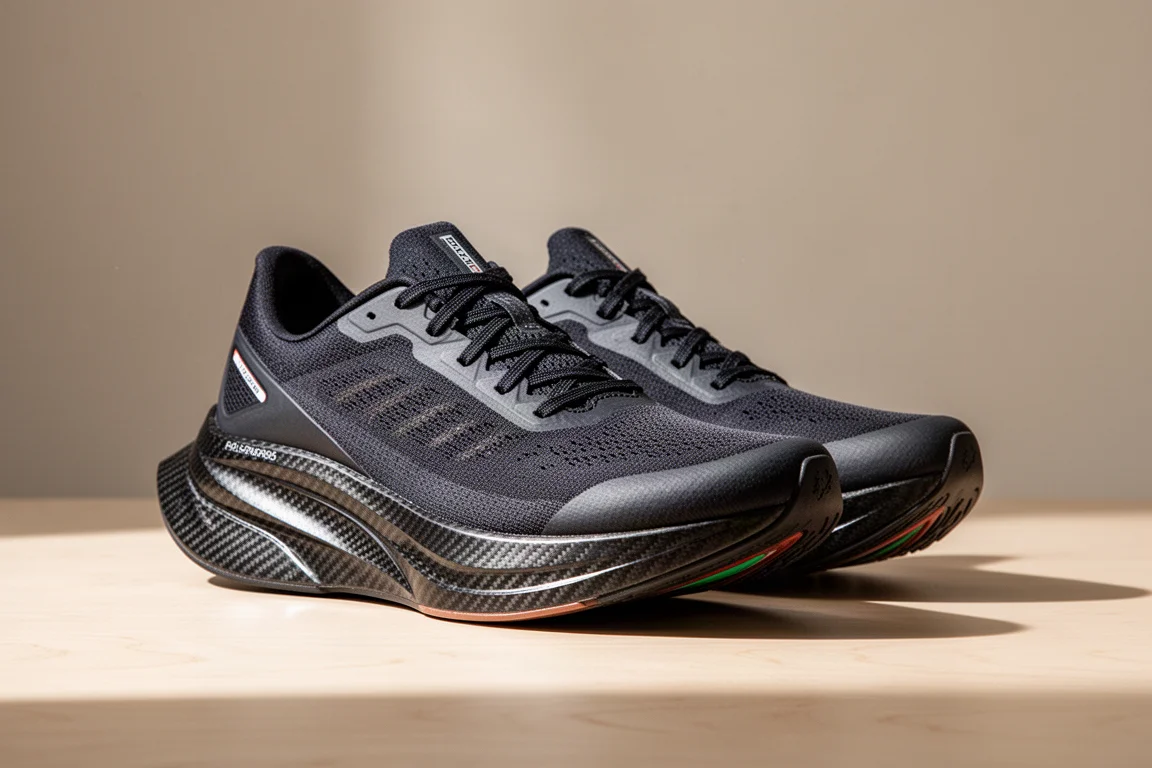
New Balance Fresh Foam More v3
The New Balance Fresh Foam More v3 read 36.5 after a couple of readings settled near 36. That is a touch softer than several other daily trainers in the test and fits the shoe’s reputation as a max-cushion option. If you prioritize a gentle ride for easy miles, this measurement supports the case.
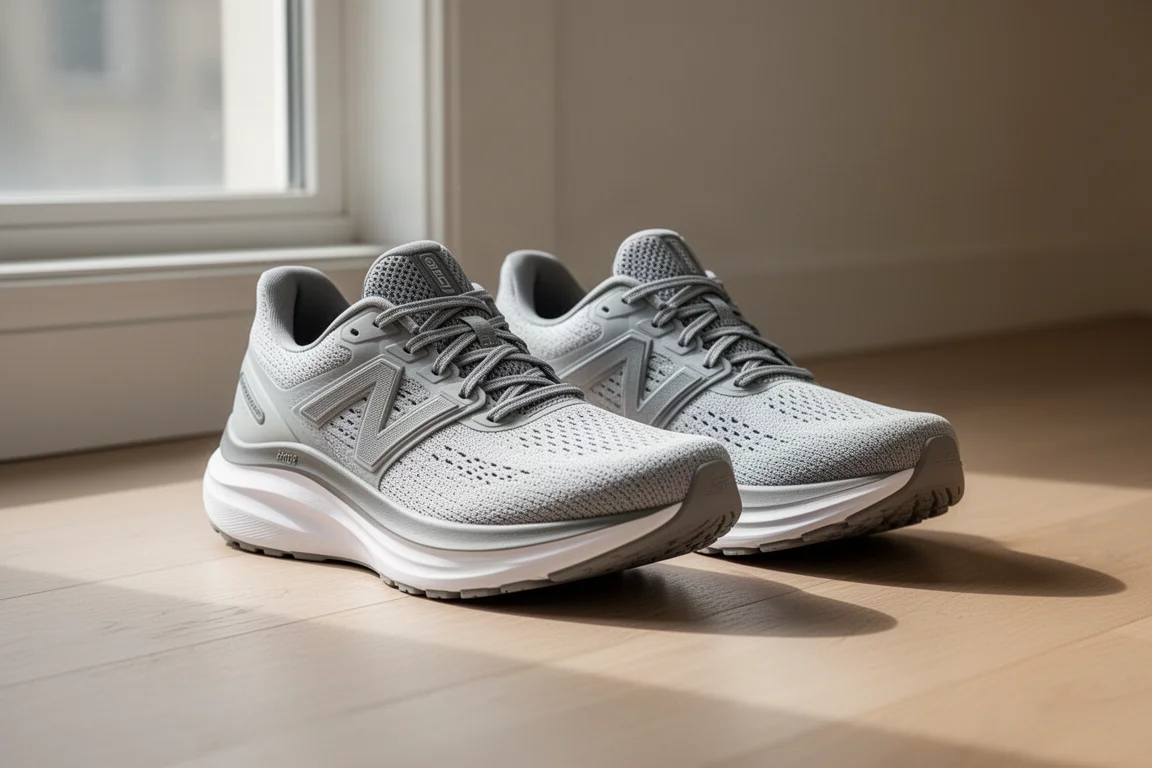
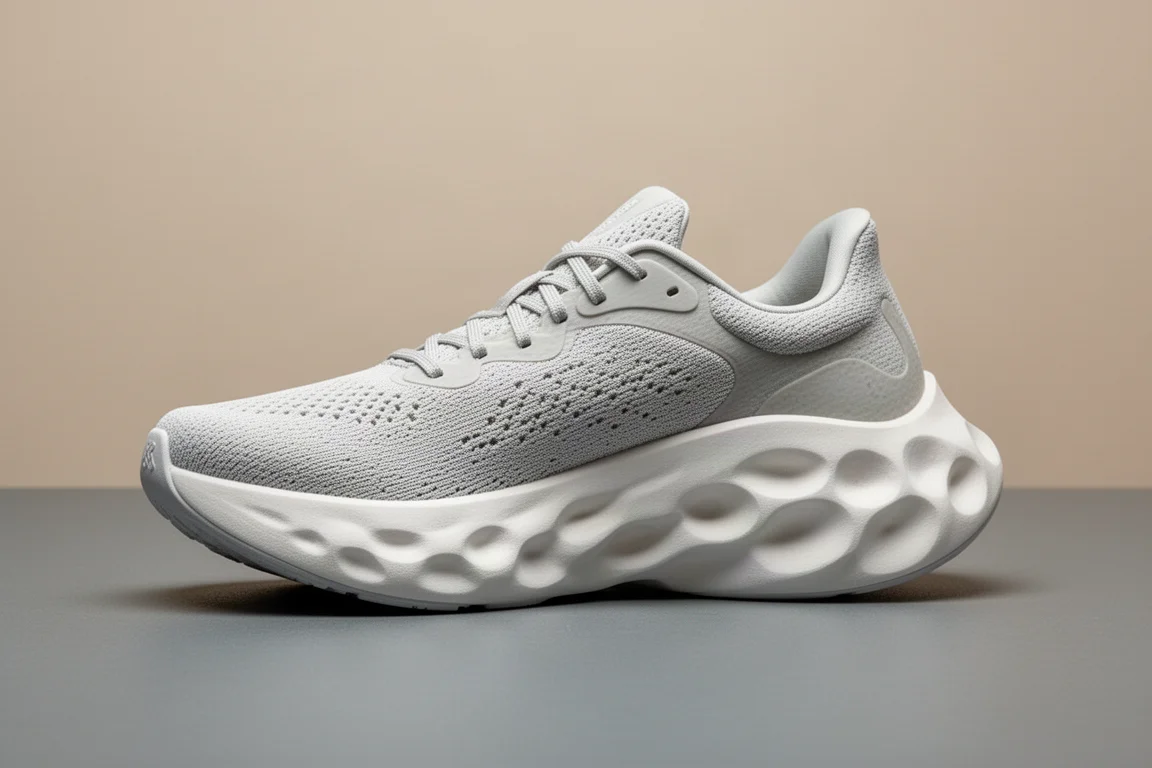
Hoka Rincon 2
The Hoka Rincon 2 measured 35.5, just a shade softer than the Fresh Foam More v3. That puts it among the softer shoes in the group despite its lighter, leaner silhouette, which helps explain why it is often recommended as a lightweight cushioning option.
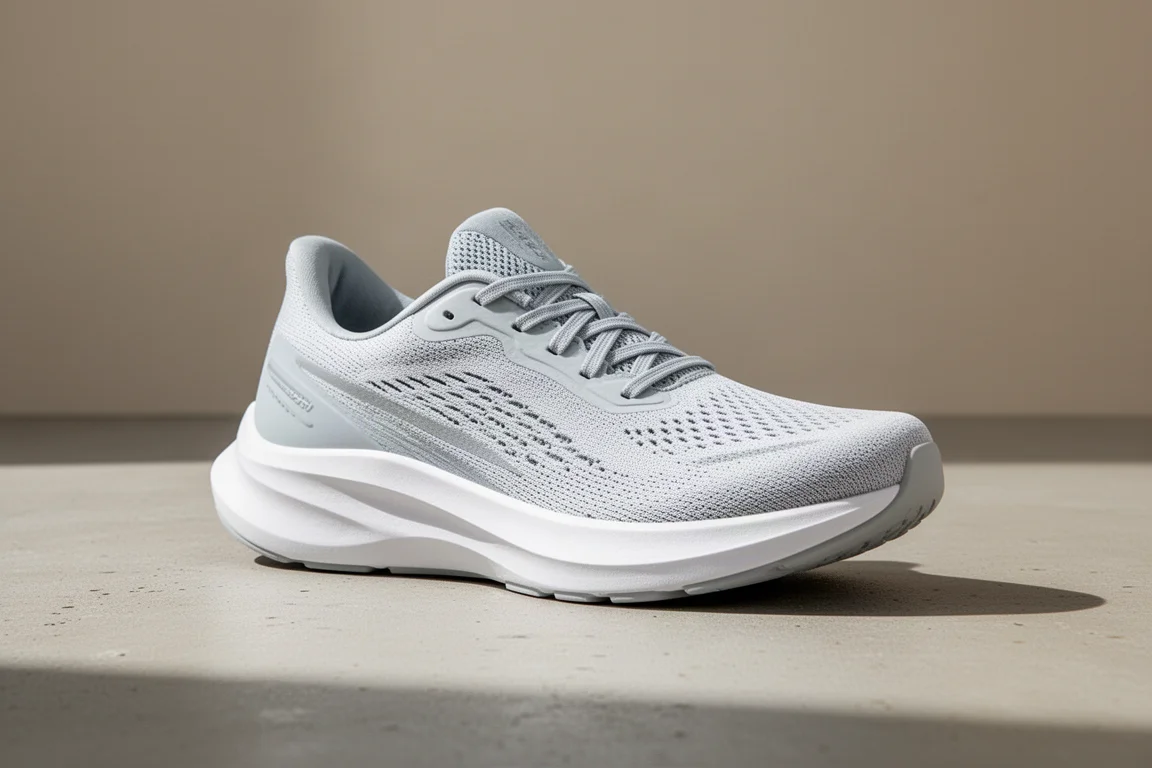
Skechers Max Road 5
The Skechers Max Road 5 was trickier to test because the midsole surface has divots, so several locations were checked. Readings clustered around 38 to 41, settling near 38 to 39 on the flattest spots. That is noticeably firmer than the softest shoes here, but still comfortably within the everyday-training range.
Hoka Kawana
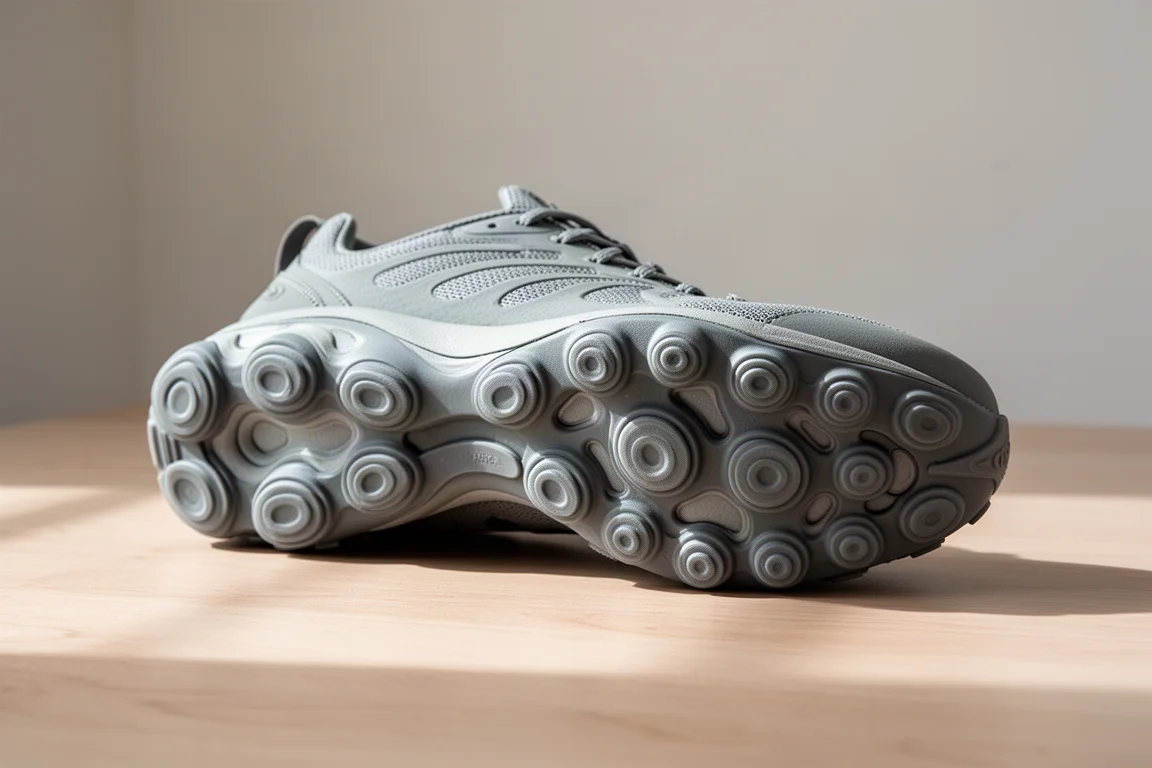
The Hoka Kawana, a newer addition to the Hoka lineup, measured around 36 after readings of 35 and 36. It landed right in the soft-to-moderate middle of the field, consistent with a shoe meant to cover easy days and daily use. It also happened to be the shoe worn on a snowy 17-mile outing, which is decent real-world evidence of its comfort.
Salomon Pulsar
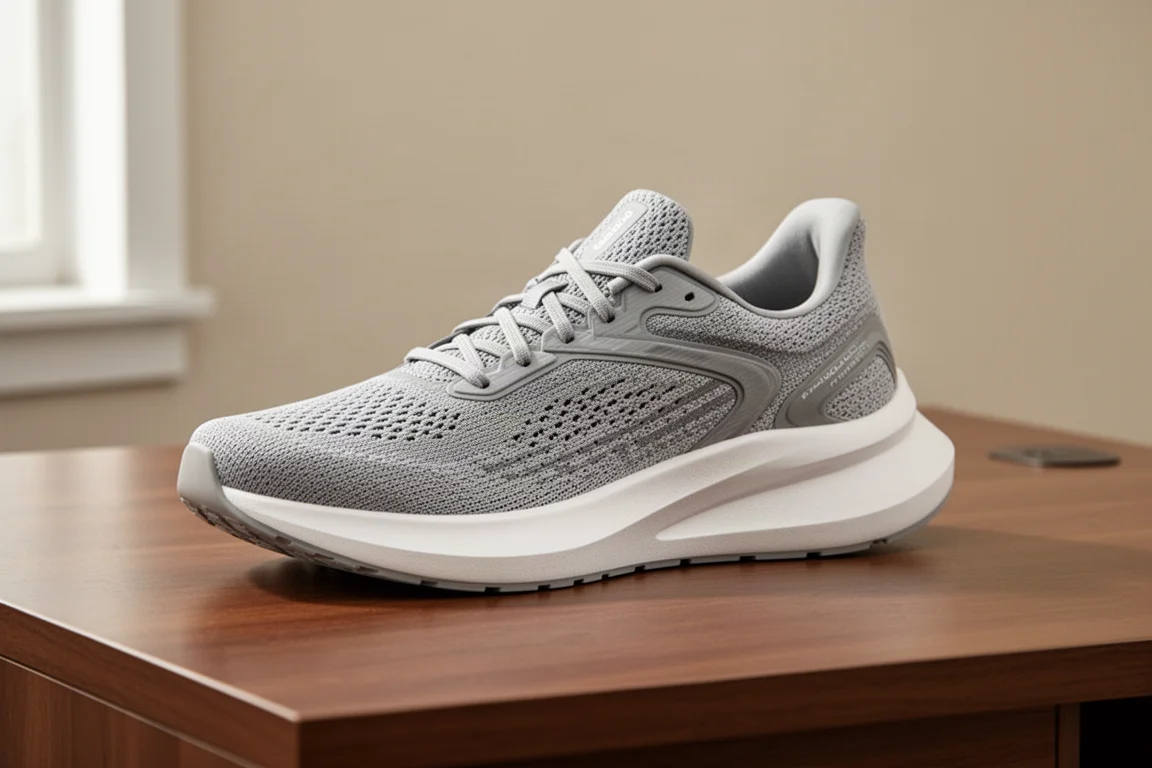
The Salomon Pulsar, the shoe behind a Pikes Peak Marathon victory, read 38 on the durometer. That is a moderately firm number, in line with a responsive trail-oriented trainer rather than a plush cruiser.
Asics Nova Blast 2
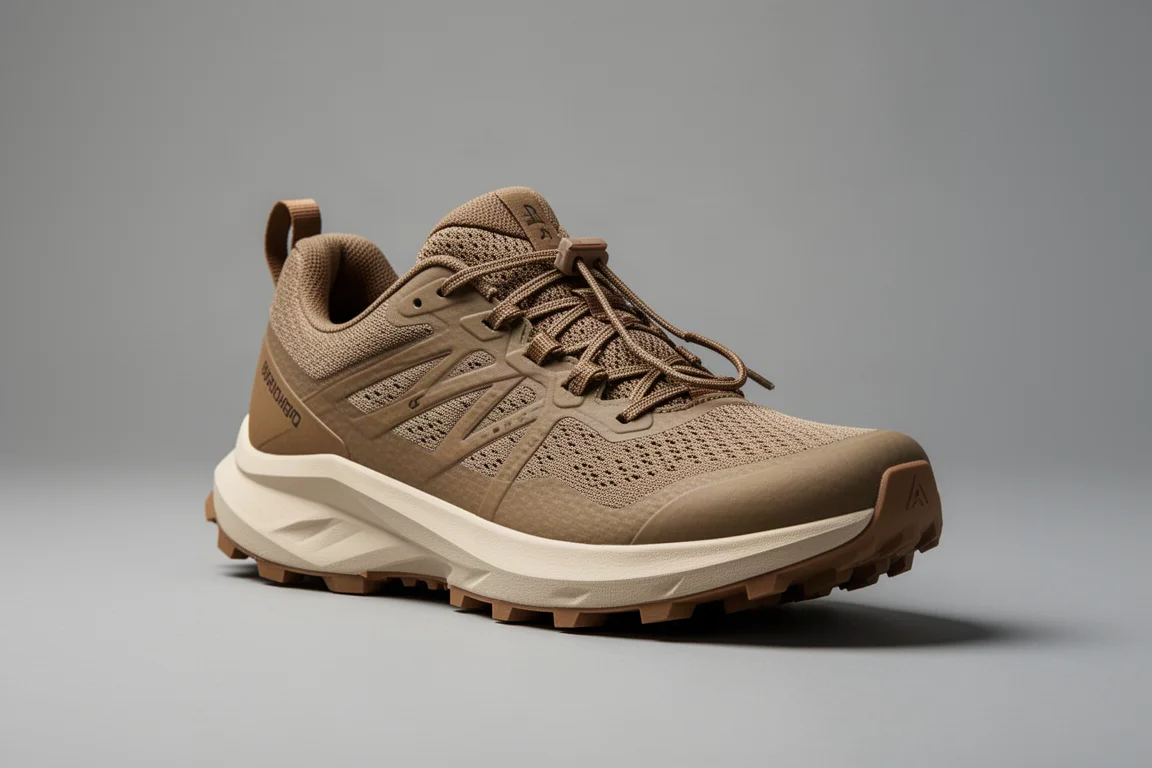
The Asics Nova Blast 2 turned out to be the softest shoe tested, with readings ranging from about 23 to 28 depending on the spot on the midsole. The curved midsole shape made a clean single reading impossible, so treat the range with some caution. Even so, every reading landed far below the rest of the field, and that softness is part of why this shoe is so widely loved. It also implies the foam could feel even softer when warm.
New Balance Rebel v2
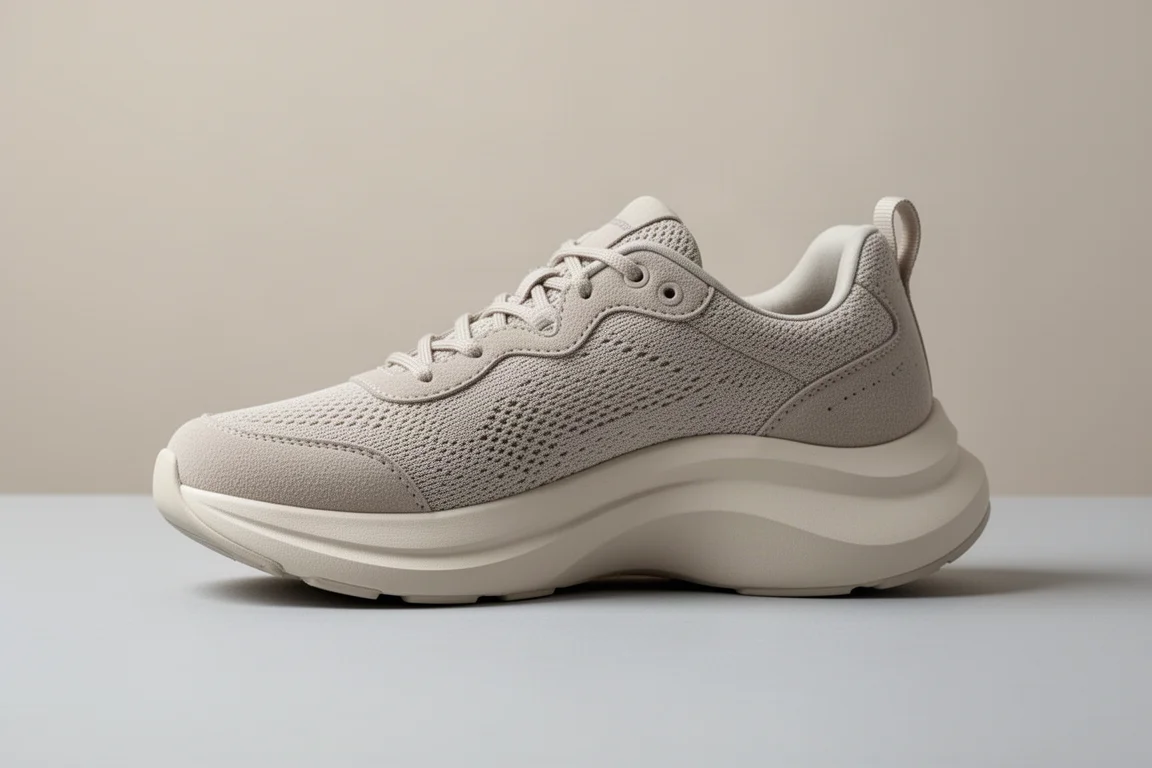
Unlike the rest of the lineup, the New Balance Rebel v2 in this test was a well-worn, previously reviewed pair rather than a fresh one. Its presence was for a different purpose: the next round of durometer testing. It is worth keeping in mind that a tested shoe’s foam history can affect readings, which is one more reason to treat midsole numbers as a guide rather than gospel.
The Freezer Experiment
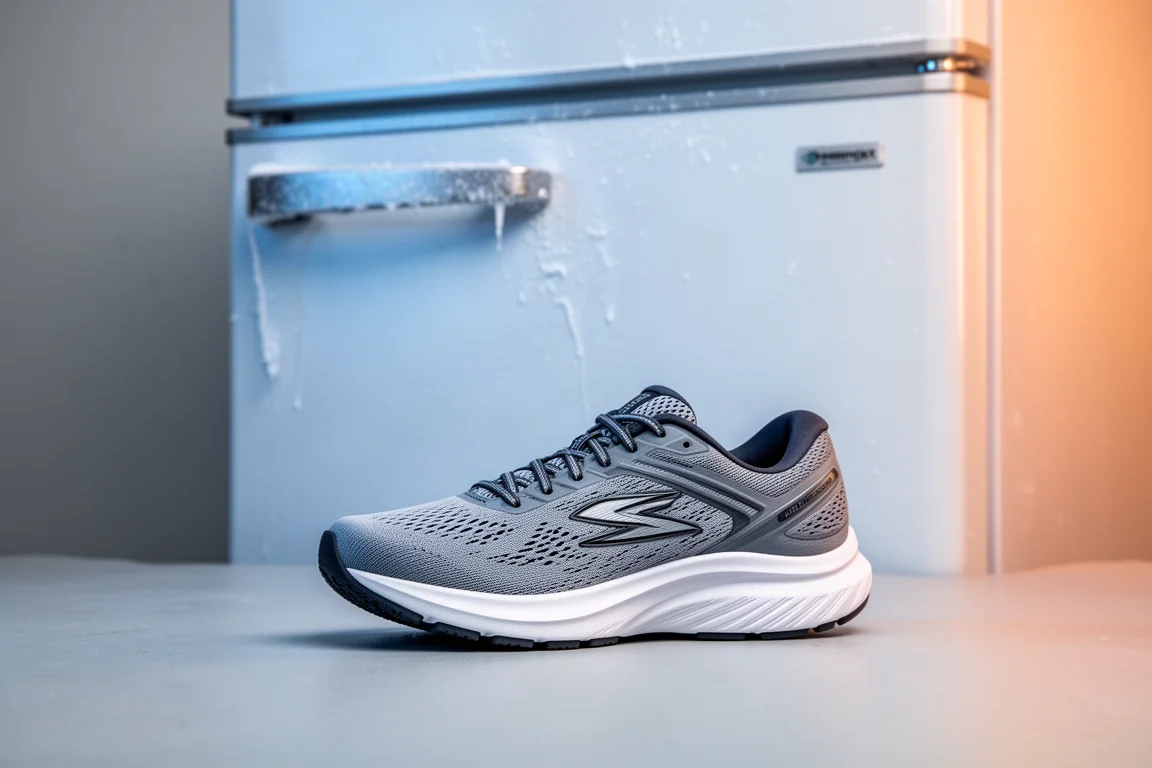
One more piece of the puzzle is in progress: a fresh pair of New Balance Rebel v2 shoes, with one going into the freezer overnight and one staying at room temperature. The question is whether freezing temperatures change the durometer score at all, which matters for anyone running through a northern winter. Heat, cold, and moisture are all known to break down midsoles faster, so this kind of comparison could become a recurring part of future testing.
Buying Advice
If you want the softest ride in this group, the Asics Nova Blast 2 measured well ahead of the pack. The Hoka Rincon 2 and Fresh Foam More v3 offer soft numbers in more traditional daily-trainer packages, and the Hoka Kawana sits comfortably in the middle. The Saucony Endorphin Pro 2 stands out as a soft choice for faster running.
Firmer tastes are better served by the Skechers Max Road 5 and Salomon Pulsar, while the Adidas Aggravix Terrex Ultra is in a firmness category of its own. Match the durometer reading to the rides you actually do: soft for easy miles, firmer for trail grip and ground feel.
Conclusion
A simple durometer put hard numbers on something runners usually only describe with adjectives, and the spread across these nine shoes was wider than expected. Foam hardness is only one piece of how a shoe performs, but it is a useful, repeatable one, and it is now part of the running shoe testing approach going forward.
Further reading
Related Reviews

Running Shoes
Best Road-to-Trail Running Shoes: Three Versatile Options for Mixed Terrain
A practical guide to three road-to-trail running shoes that handle both pavement and mild trails, with clear strengths and trade-offs for different runner types.

Running Shoes
Best Running Shoes for Achilles Tendonitis: Three Options Explained
Three running shoes with different heel drops and support features designed to help reduce Achilles tendon pain during walking and running.

Running Shoes
Best Running Shoes for Women: Five Top Choices Ranked
A ranked guide to five women's running shoes, from versatile daily trainers to high-performance racing options, with real strengths and trade-offs for each.