Running Shoes
Runner Questions, Answered: The Shoes Worth Rotating This Season
A practical roundup of trainers and racers discussed for easy runs, long runs, tempo work and race day, with honest guidance on building a rotation.
Introduction
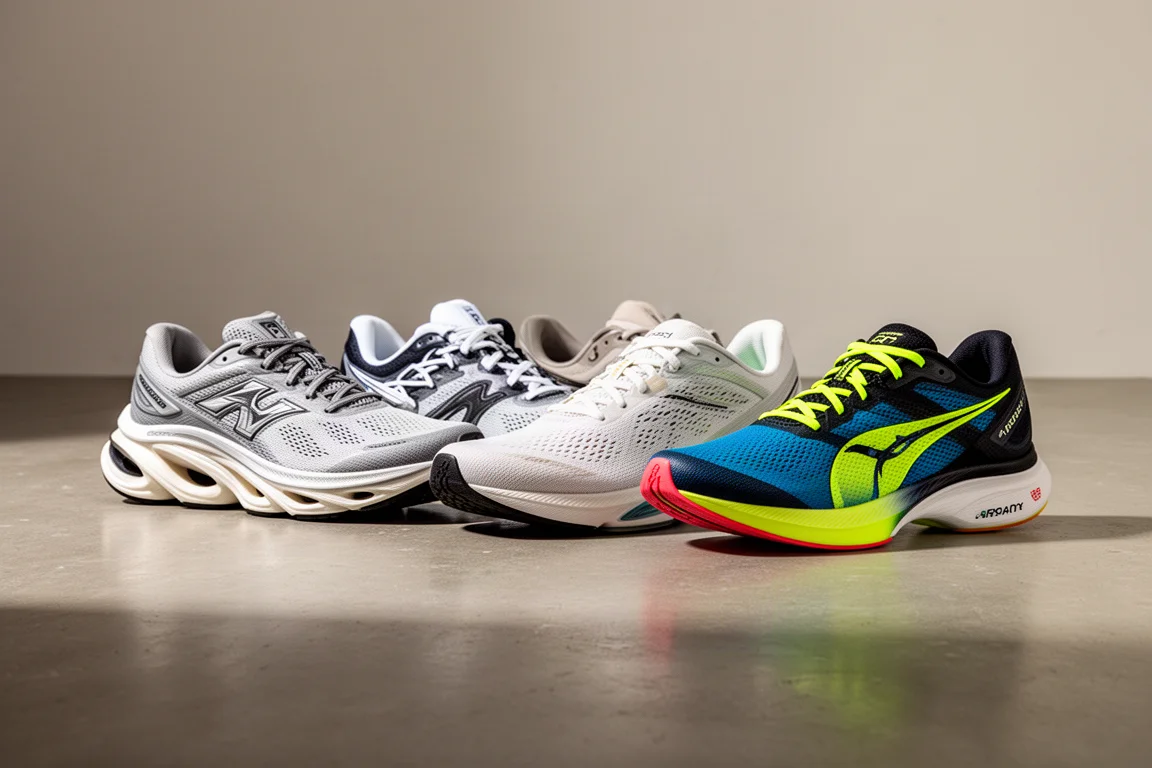
Shoe rotations raise the same questions again and again: should easy runs and long runs share a shoe, which plated trainer fits a half marathon build, and what actually belongs in a two or three shoe lineup. Rather than a strict formula, the practical answer is to treat shoes as tools. Pick a couple of models you genuinely enjoy, use them for what they do best, and let your training goals decide the rest. This roundup pulls together the shoes that came up most often in those discussions, with the strengths and trade-offs of each.
Hoka Mach X: Built for Long Rhythmic Efforts
The Mach X is Hoka’s plated performance trainer, pairing a rocker profile with a stiff plate, a dual-density midsole combining Pebax and EVA, and generous forefoot flaring. It runs high off the ground and feels heavier than the standard Mach models, with a men’s size 10 listed at 9.4 ounces and a stack of 39 mm heel to 34 mm forefoot. That stiffness and geometry make it a strong companion for long, controlled, rhythmic efforts such as sustained tempo blocks, but it is not the shoe for quick track reps or short, fast intervals. If your speed days lean toward steady half marathon pace work, it fits well; if you want to truly push the pace, something more flexible will serve you better.
Saucony Endorphin Speed 3: The Versatile All-Rounder
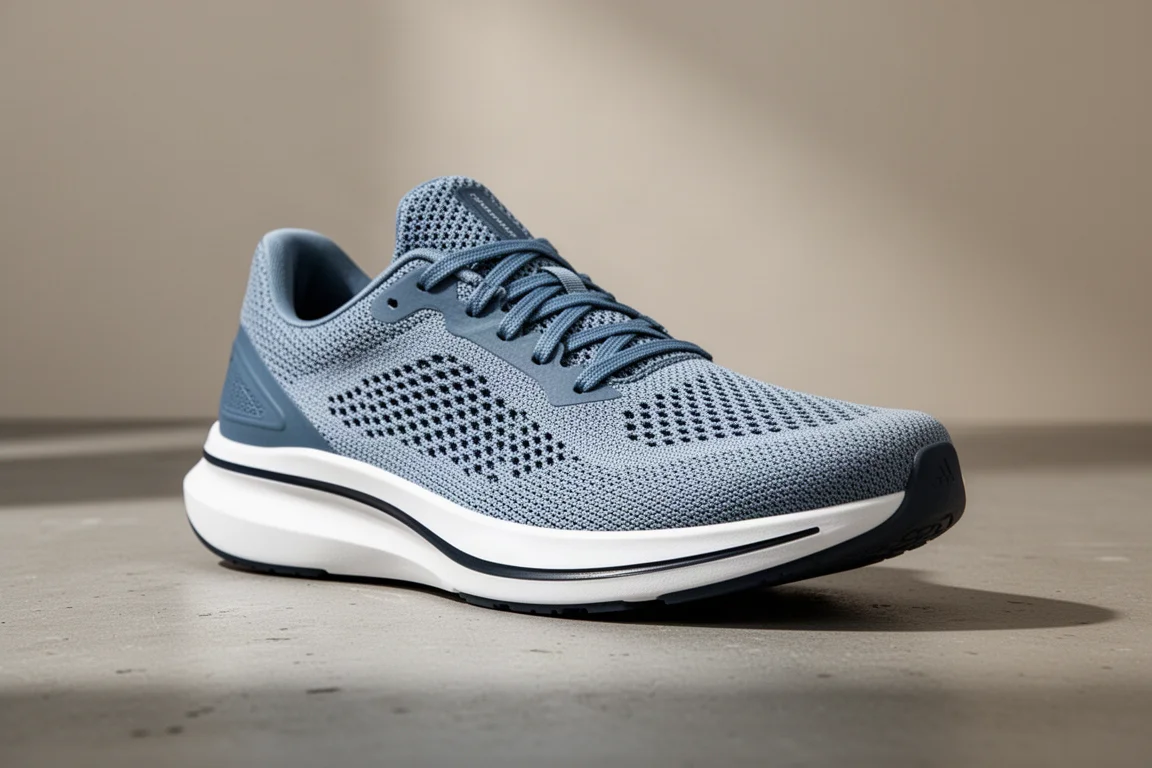
The Endorphin Speed 3 remains one of the most versatile shoes in its class. A full Pebax midsole, a flexible nylon plate, a lower 36/28 mm stack and a light on-foot feel make it comfortable at easy paces yet capable when you push. It is one of the few trainers that can genuinely handle a workout, a long run and even a marathon race day. If you are choosing a single speed-day and half marathon shoe, this is the safer pick over a stiffer, rocker-driven alternative, because it adapts to whatever effort you throw at it.
Saucony Kinvara Pro: A Firmer Take on the Performance Trainer
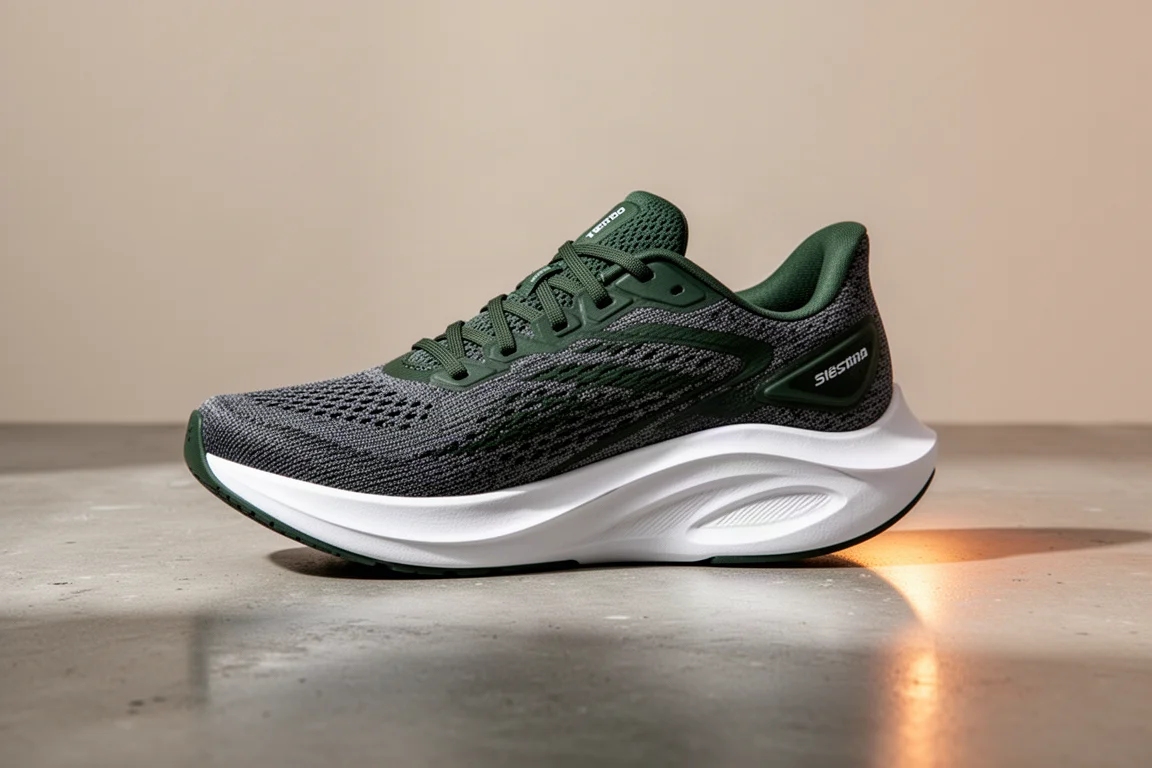
Despite the Pro name, the Kinvara Pro is a different animal from a true race shoe. A three-quarter length carbon plate running stiff through the entire forefoot, a dual-density midsole dominated by firmer PWRRUN foam underneath, and an aggressive rocker give it a notably firmer and stiffer ride than the Endorphin Speed. It rewards long, easy, rhythmic running more than max-effort work: the rocker rolls you forward beautifully over distance, but pushing harder does not return much extra bounce. Think of it as sitting closer to the Endorphin Shift family than to the Speed, with enough underfoot protection to carry you through a 16-mile easy long run without complaint.
Saucony Endorphin Shift: The Sturdy Long Run Anchor
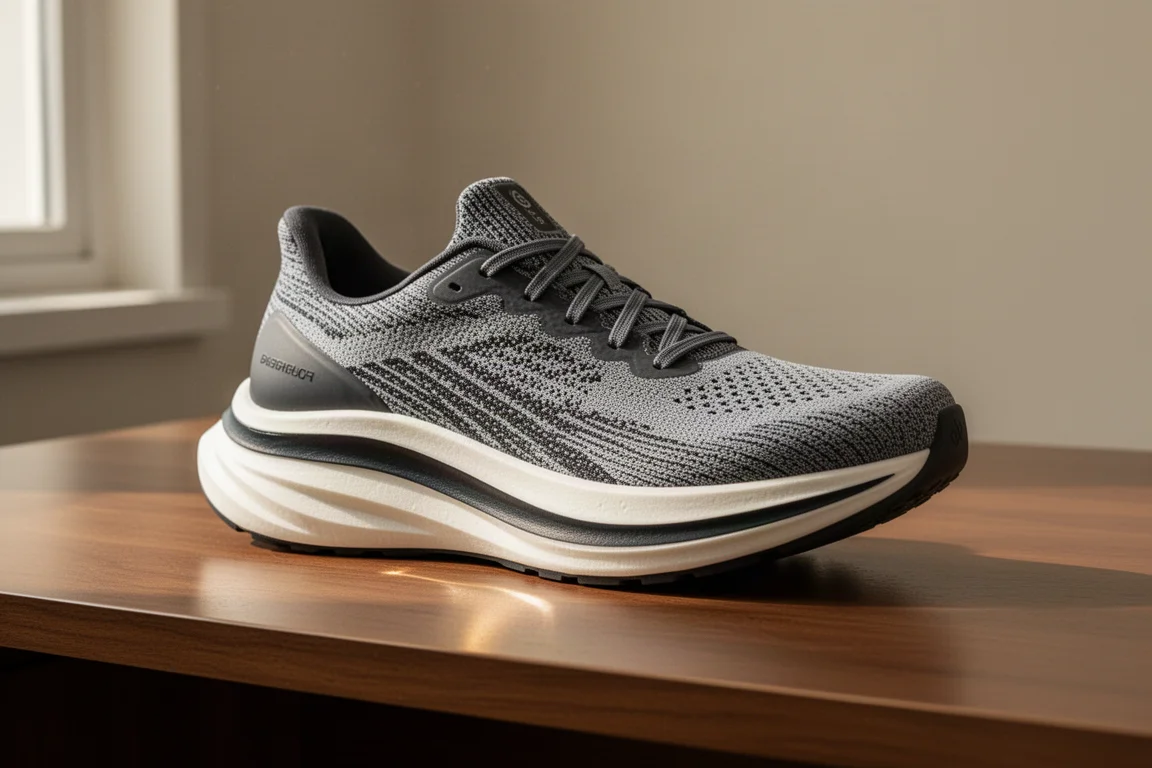
The Endorphin Shift is the traditional, durability-first member of the lineup. Its very thick PWRRUN midsole, stiff forefoot and rocker profile produce a similar rhythm to the Kinvara Pro, just firmer and with more structure. It is a dependable long run and high-mileage trainer for runners who like a firmer, more stable platform and do not need race-day pop. Because it is so stiff through the forefoot, it is best left to easy and long efforts rather than fast intervals.
Adidas Adios 8: The Firmer, Faster Option
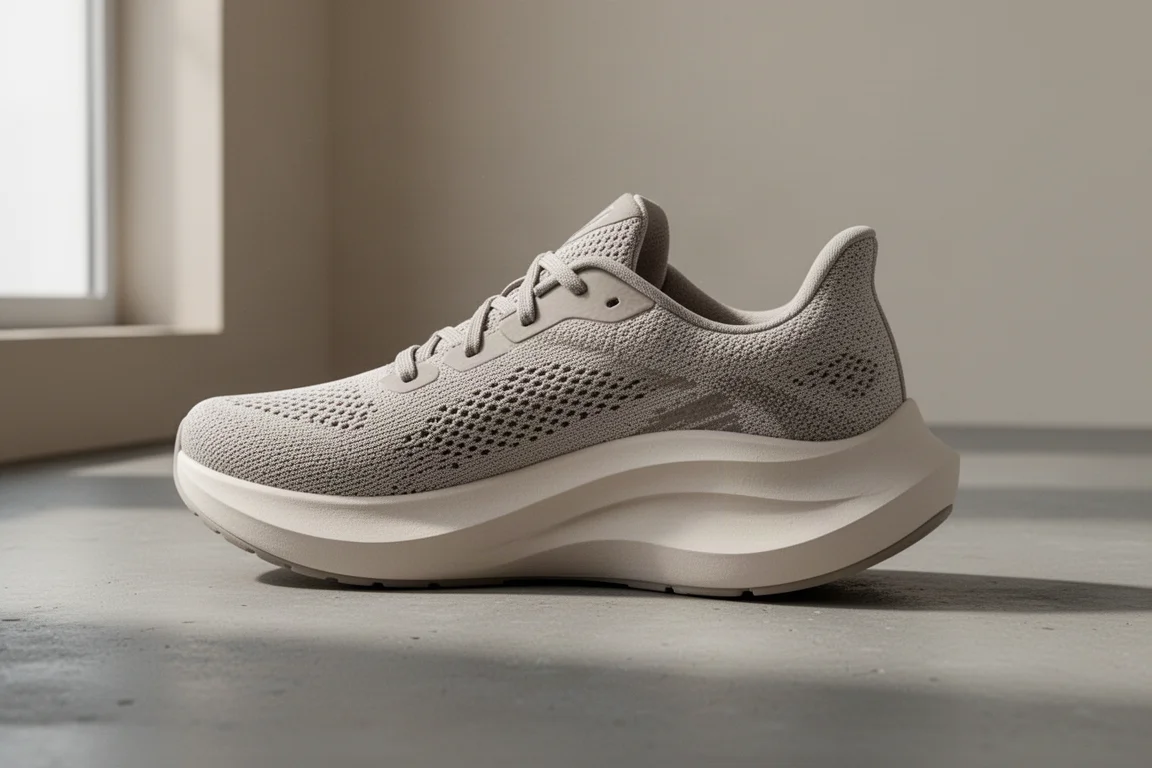
The Adios 8 marks a return to the Adios name’s racing roots. Adidas stripped it down and made it lighter and faster, with Lightstrike Pro foam in the front half of the shoe, good traction and a flexibility-plus-rigidity balance from an embedded rod. It handles hill repeats, track sessions and shorter-distance racing comfortably, and it delivers a firmer underfoot feel than the soft, bouncy Pebax-based trainers. If softer, bouncier midsoles are not your preference and you want a workout shoe that still doubles as a short-distance racer, this is a compelling alternative.
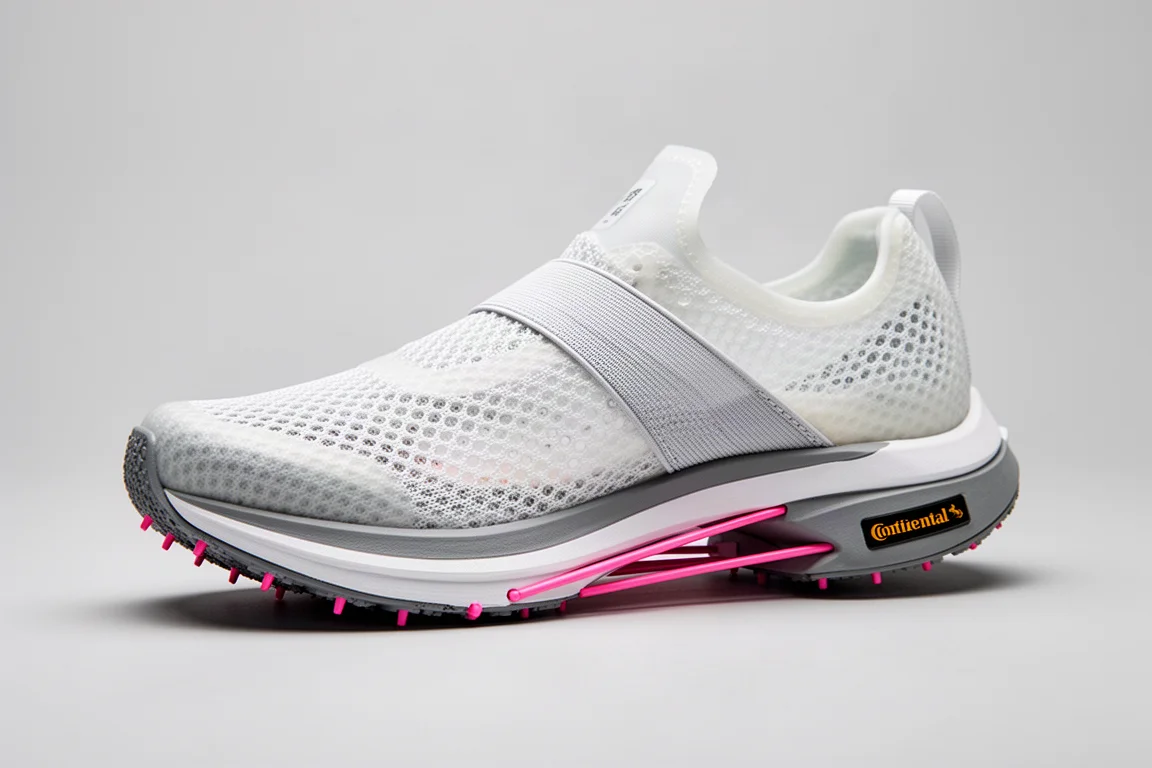
Asics SuperBlast: Cushioned, Bouncy and Race-Capable
The SuperBlast occupies its own niche: no plate, yet very stiff, extremely soft and bouncy, and lighter than its maximal stack suggests. That combination gives it more top-end capability than most big-cushion trainers, enough that some runners consider it for a half marathon. Compared with a stiffer plated performance trainer, it feels softer and slightly more flexible, and it transitions smoothly between training and racing duties. The trade-off is price, as it sits above most of the shoes here, so it makes sense mainly if you want one premium shoe covering both long runs and faster efforts.
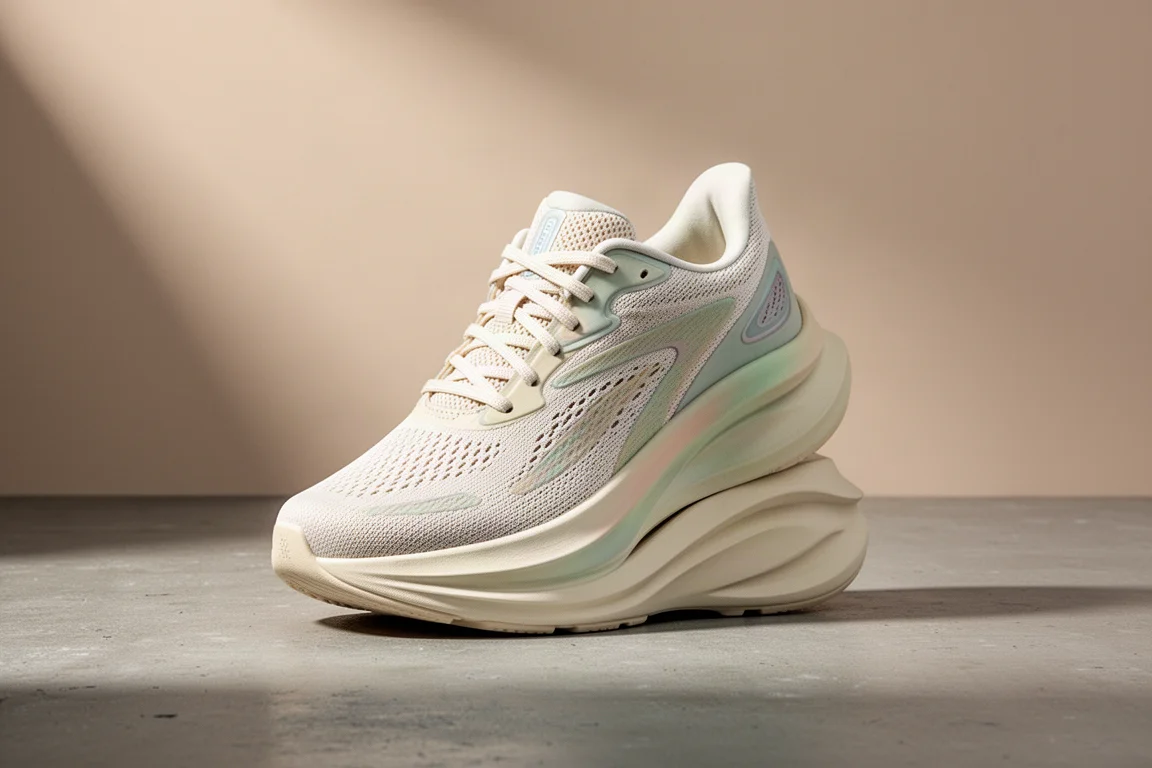
New Balance SC Trainer: The Max-Stack Rocker Trainer
The original SC Trainer shares a lot of DNA with the stiffer plated super trainers: heavier overall, maximally stacked and built around a stiff four-foot rocker. It is geared for long runs and steady training days, rolling you forward at sub-maximal efforts while absorbing mileage. Its rocker is assertive but not as aggressively pitched as some max-rocker designs, so it feels more measured underfoot. If you like the long-run character of a stiff, high-stack platform, this belongs on your shortlist.
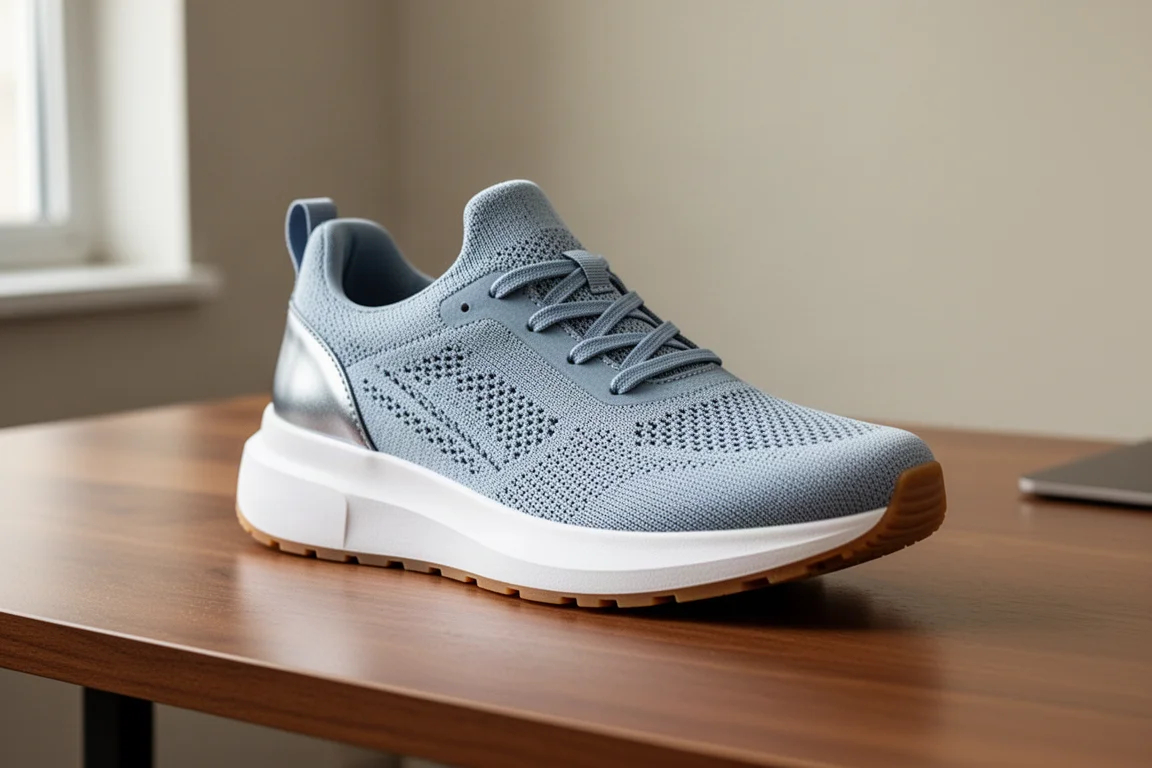
Topo Cyclone 3: The Flexible Do-It-All Trainer
The Topo Cyclone 3 proves that a do-it-all shoe does not need a stiff plate. With a flexible forefoot and a Pebax-based midsole, it is one of those rare trainers that can handle easy miles, long runs and even track work in the same week. Its anatomical toe box gives toes room to splay, which many runners appreciate on higher-volume weeks. If your goal is a single rotation partner that genuinely does everything, this is one of the strongest candidates.
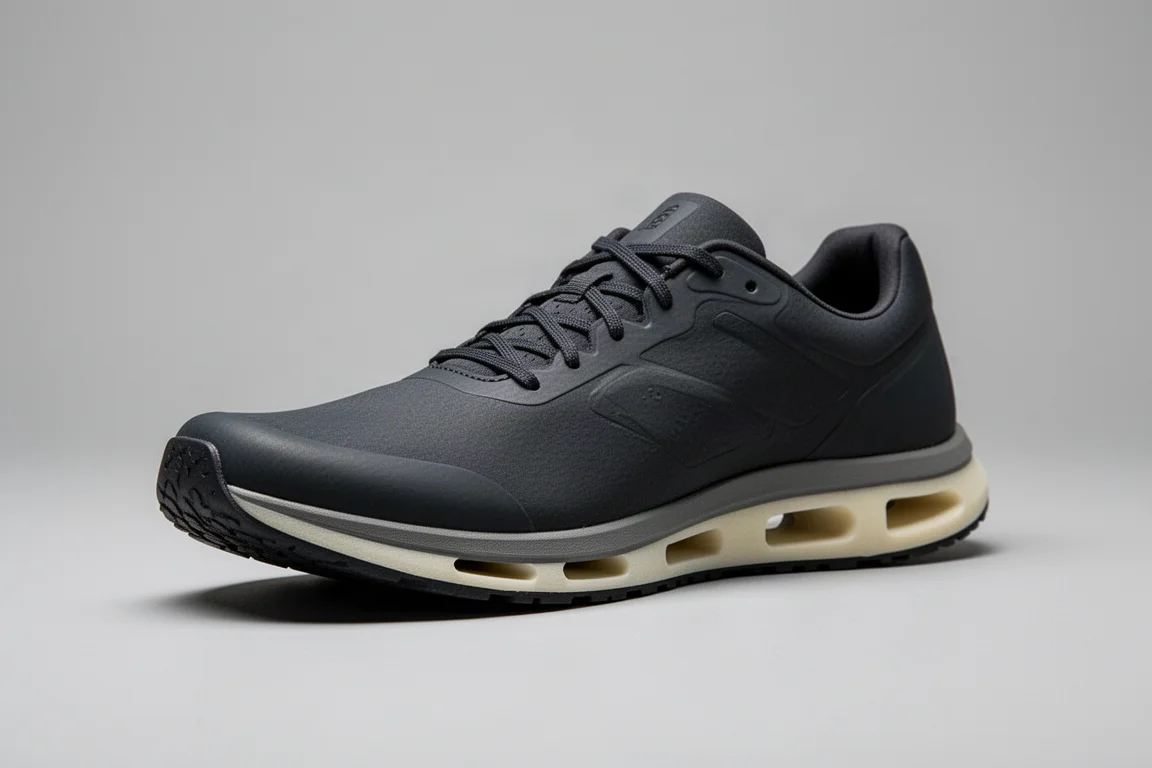
How to Build Your Rotation
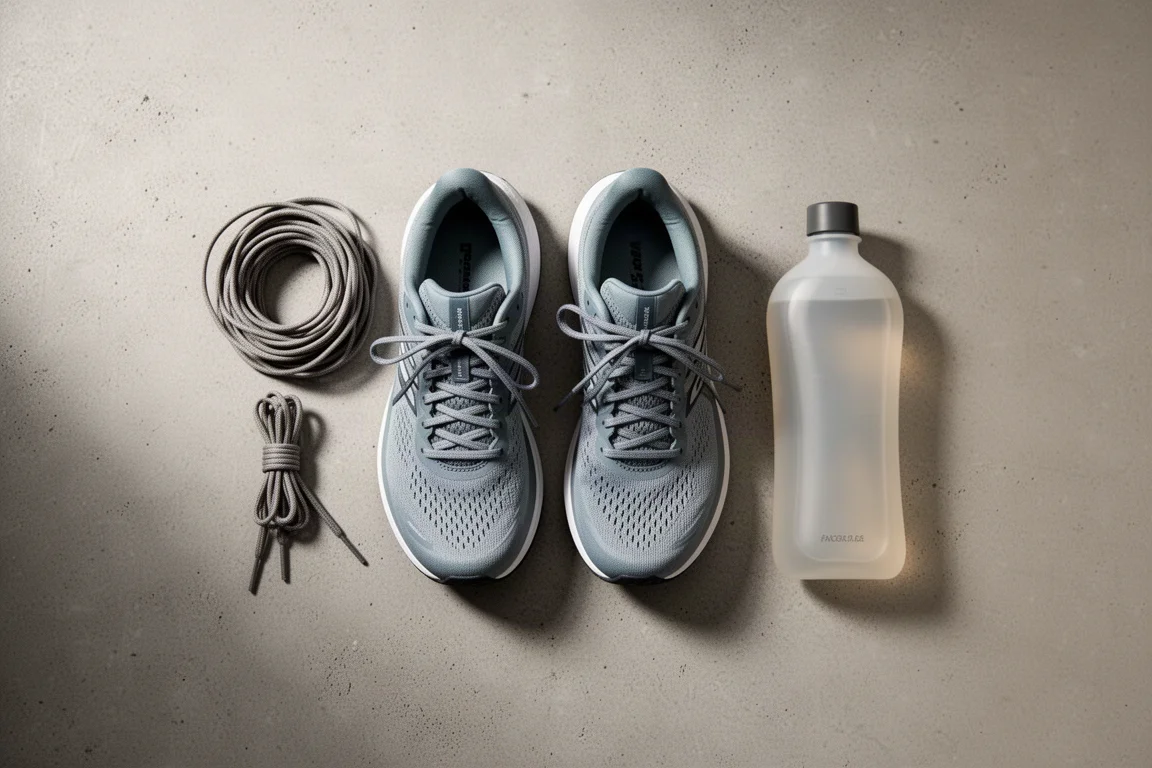
The useful research on rotation is simple: runners who used their primary shoe less than about 59 percent of the time saw noticeably lower injury incidence in the study period, and the working theory is that different models vary the stress placed on the tissues under your foot. To get that benefit, two different models beat two pairs of the same shoe. A practical setup is one cushioned, versatile shoe for easy runs and long runs, plus a second different model for workouts and faster days. If your race shoe differs from your trainer, put a few long runs in the race shoe so it feels familiar on the day. Three shoes is plenty for most runners, and there is no magic formula beyond using what you enjoy, because the shoe that works for you is the one you will actually lace up on a 20-mile morning.
Conclusion
There is no single right rotation, but the strongest lineups pair contrast with comfort: a cushioned, rhythmic shoe for easy and long miles alongside a lighter, more responsive option for tempo and race work. Shoes such as the Endorphin Speed 3 and Topo Cyclone 3 cover multiple roles in one model, while stiffer platforms like the Mach X and Kinvara Pro reward steady, rhythmic effort over max pace. Match the shoe to the run, keep your primary model under roughly 60 percent of your mileage, and your rotation will do exactly what it is meant to do.
Further reading
Related Reviews

Running Shoes
Best Road-to-Trail Running Shoes: Three Versatile Options for Mixed Terrain
A practical guide to three road-to-trail running shoes that handle both pavement and mild trails, with clear strengths and trade-offs for different runner types.

Running Shoes
Best Running Shoes for Achilles Tendonitis: Three Options Explained
Three running shoes with different heel drops and support features designed to help reduce Achilles tendon pain during walking and running.

Running Shoes
Best Running Shoes for Women: Five Top Choices Ranked
A ranked guide to five women's running shoes, from versatile daily trainers to high-performance racing options, with real strengths and trade-offs for each.