Running Shoes
Does Heel-to-Toe Drop Really Matter in Running Shoes? 6 Models Compared
Stack heights, official specs, and real-world feel: what the numbers tell us about drop across six popular running shoes.
Introduction
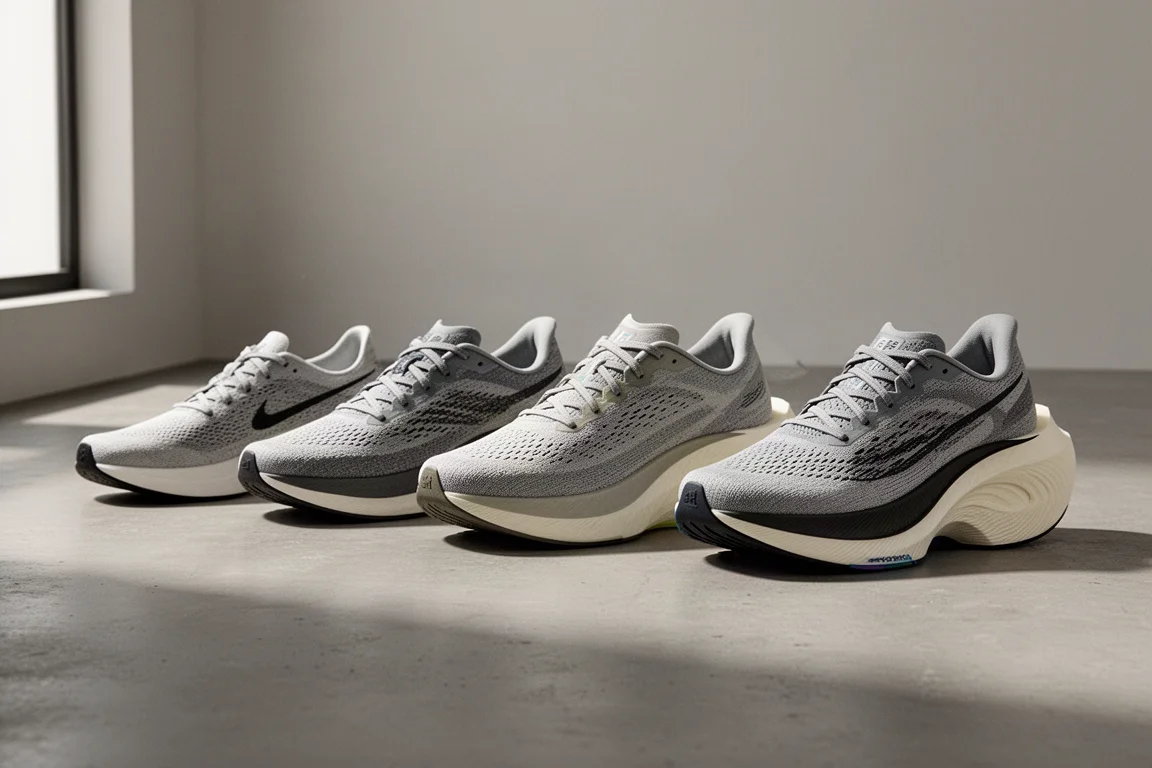
Heel-to-toe drop is one of those running shoe specs everyone quotes and almost nobody fully understands. It is simply the difference between heel stack and forefoot stack in the midsole, yet the published figures often disagree between official product pages, retailer listings, and review sites. This guide looks at what drop really means, how reliable those numbers are, and how six popular models handle it in practice.
What Drop Actually Means
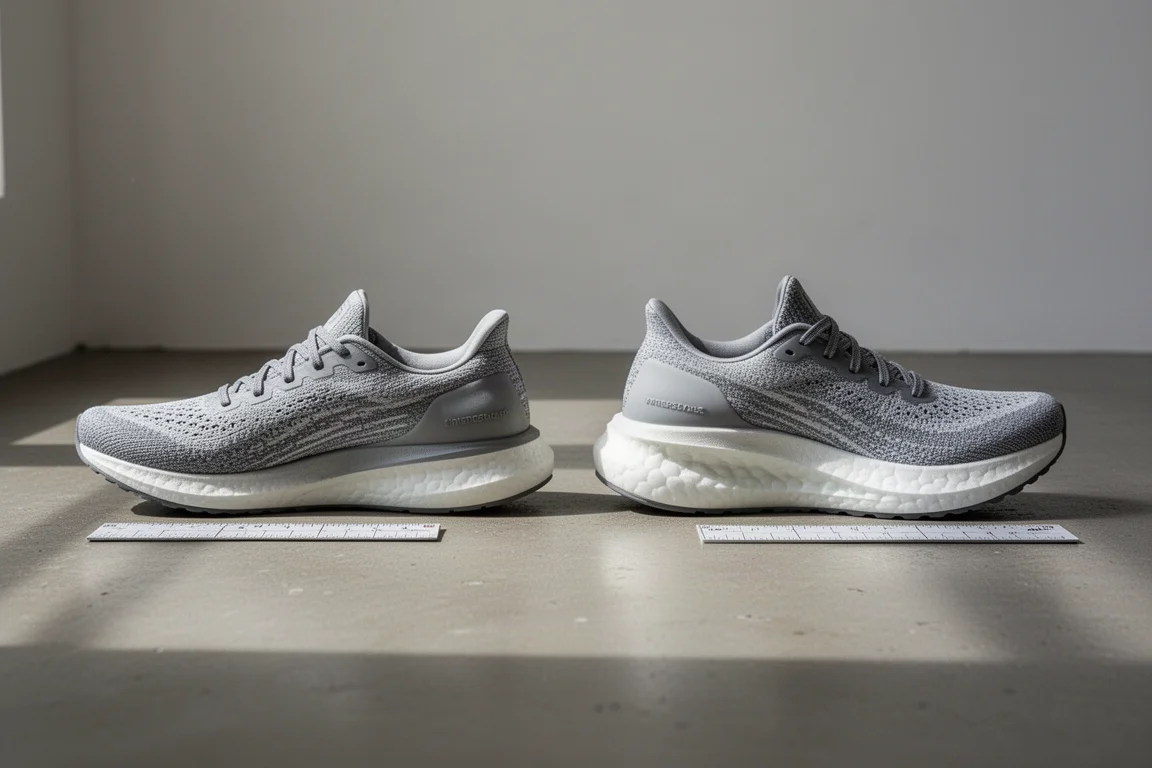
The drop is the gap between the heel stack height and the forefoot stack height of the midsole, measured in millimetres. Some shoes are aggressively high-drop, others are truly zero-drop. The figures are trickier than they look: manufacturers themselves add disclaimers that stated drops are approximate because of variance in development and manufacturing. A shoe labelled 10 mm might come out slightly below that, and production tolerances can vary between models and even between batches.
Forefoot stack is especially hard to verify. The insole is included in the measurement, and without cutting a shoe in half it is difficult to know exactly what is underfoot. Official racing measurements use laser methods on a standard sample size, but that still leaves room for interpretation.
Drop and Foot Strike
One popular rule of thumb says shoes with more than about 7 mm of drop suit runners who land heel-first, while lower-drop shoes suit mid-to-forefoot strikers. If that holds, many tall-stacked, highly cushioned race shoes with generous drops would be aimed at heel strikers.
The counterexample is instructive. The Nike Alphafly carries a 4 mm drop, yet it was effectively tuned around the metronomic midfoot stride of marathon great Eliud Kipchoge. The shoe clearly wants you landing mid-to-forefoot so you can engage the front Air Zoom pods, which are said to offer more resilience and energy return than the ZoomX foam itself. By contrast, the Nike ZoomX Vaporfly Next% has a more generous 8 mm drop, and many runners who loved the Vaporfly simply could not get on with the Alphafly. Anecdotally, the Alphafly even feels lower than 4 mm underfoot, while the Vaporfly feels more aggressive despite similar published stack figures.

Brand-by-Brand Drop Philosophy
Different manufacturers clearly treat drop differently. Hoka sticks to a 4 to 5 mm drop in nearly every shoe, with the Rincon, Clifton, and Rocket X all sharing the same heel-to-toe drop. Saucony’s recent models, including the Endorphin Speed and Pro, settle on 8 mm. Adidas runs more aggressive 10 to 8 mm drops across most of its 2021-2022 lineup, the Takumi Sen 8 being the notable exception, and even the Ultraboost turns out to have quite an aggressive drop despite its appearance.
New Balance takes the most varied approach: the FuelCell RC Elite v2 is listed at 10 mm on the official site, while the Fresh Foam More 4 comes in at just 4 mm, presumably to pack in as much foam underfoot as possible. Interestingly, several review sites list the RC Elite v2 at 8 mm, which hints at either a changed shoe or loose tolerance in that claimed 10 mm figure.
Nike Alphafly
The Alphafly is built around a 4 mm drop and a front-loaded ride that rewards mid-to-forefoot landing. Its Air Zoom pods in the forefoot are described as more resilient than the ZoomX foam, offering strong energy return. Runners who prefer the Vaporfly’s more forgiving heel often find this shoe demanding, but for those who land forward it is a formidable race day option.
Nike ZoomX Vaporfly Next%
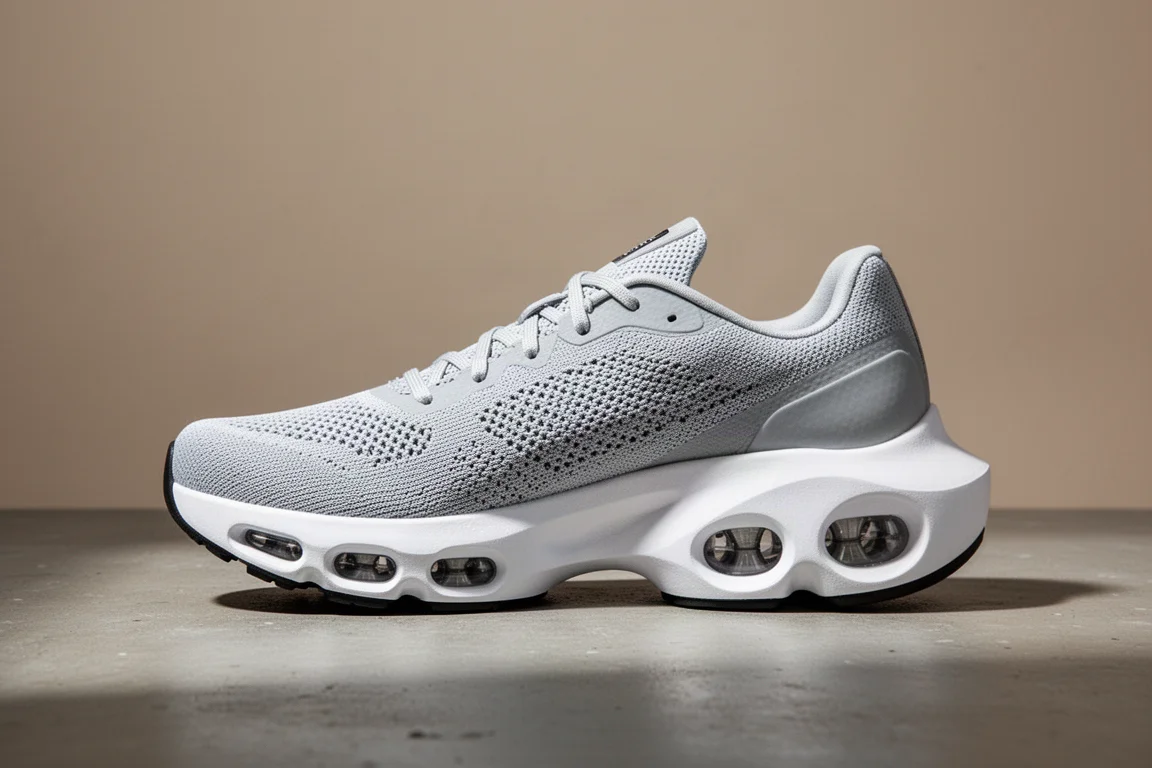
The Vaporfly Next% sits at an 8 mm drop, and many runners find it the more approachable of the two Nike super shoes. Published stack figures around 40 mm heel and 32 mm forefoot are close to the Alphafly’s, yet on the foot it feels a touch more aggressive and easier to settle into. If the Alphafly felt unstable to you, this is the one that tends to click.
New Balance FuelCell RC Elite v2
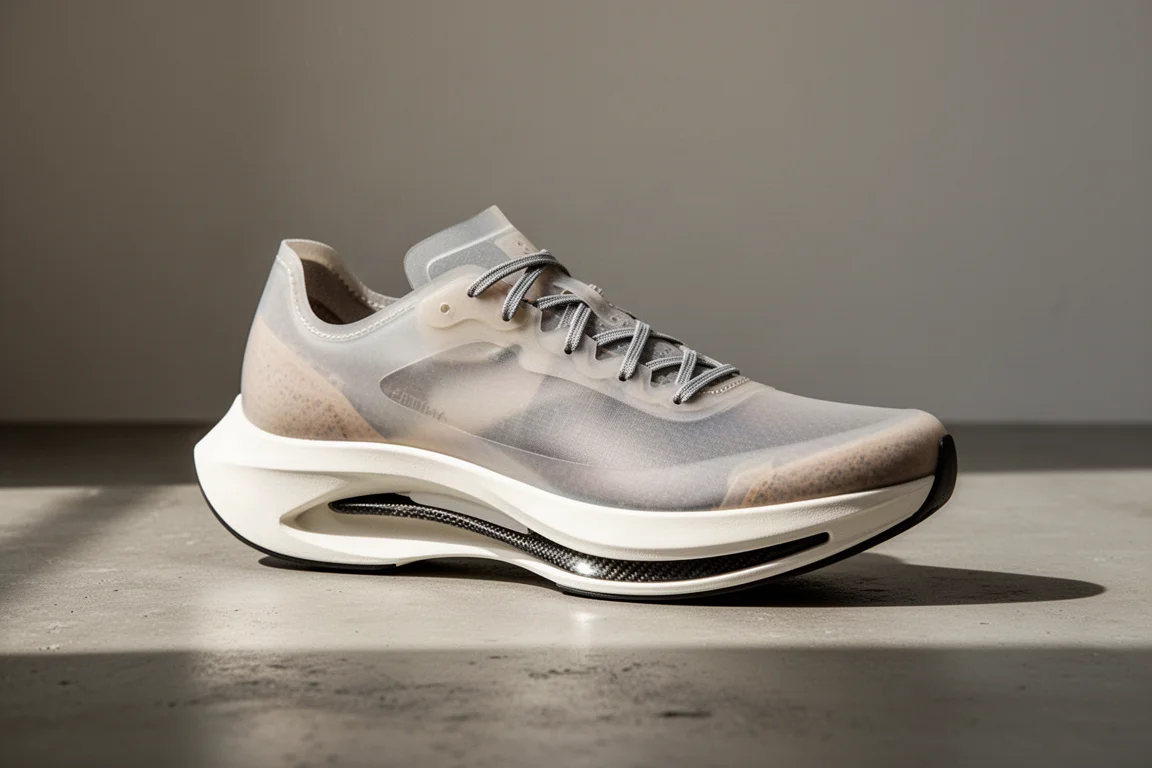
The RC Elite v2 is a good case study in confusing specs. Official listings state a 10 mm drop, while several review outlets report 8 mm, a two-millimetre gap that fits neatly within the loose production tolerances the brand itself acknowledges. Either way, it has long been a favourite for its lively FuelCell ride and remains a versatile pick between easy days and tempo work.
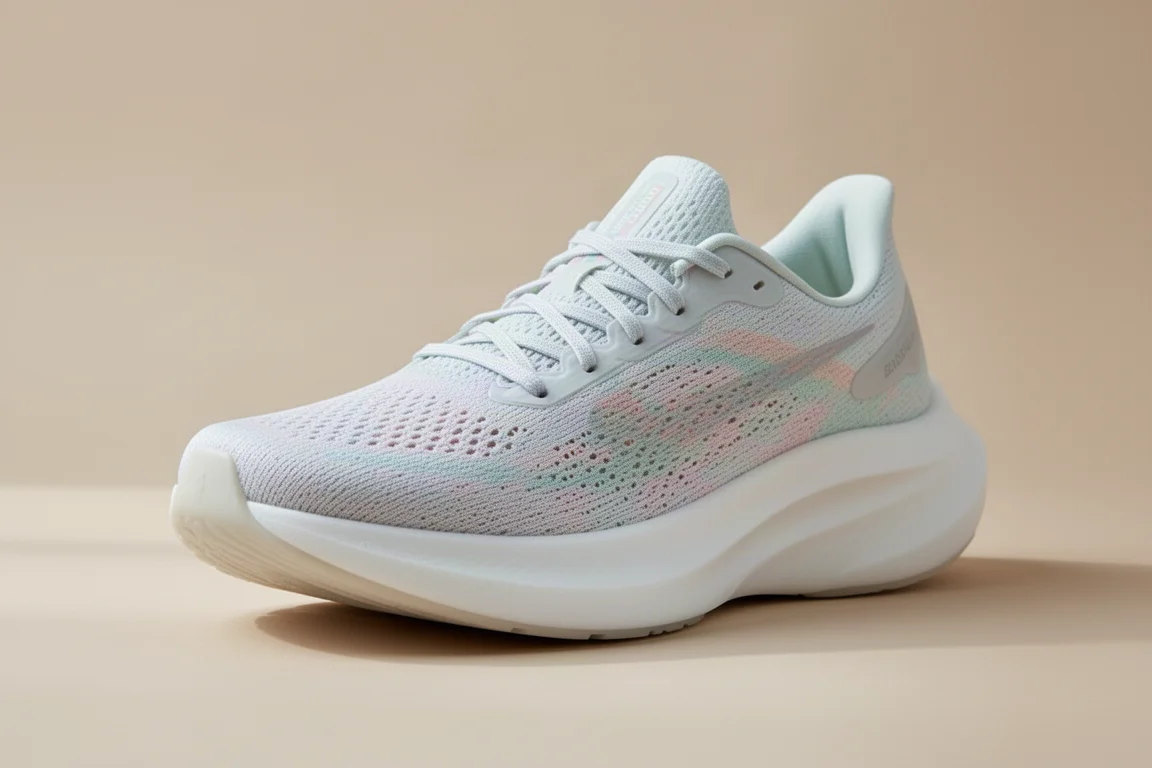
Saucony Endorphin Speed
Saucony keeps a consistent 8 mm drop across its recent Endorphin Speed and Pro models. That consistency makes the Endorphin Speed an easy recommendation for runners who want a dependable daily-capable tempo shoe with a predictable heel-to-toe feel, no spec ambiguity required.
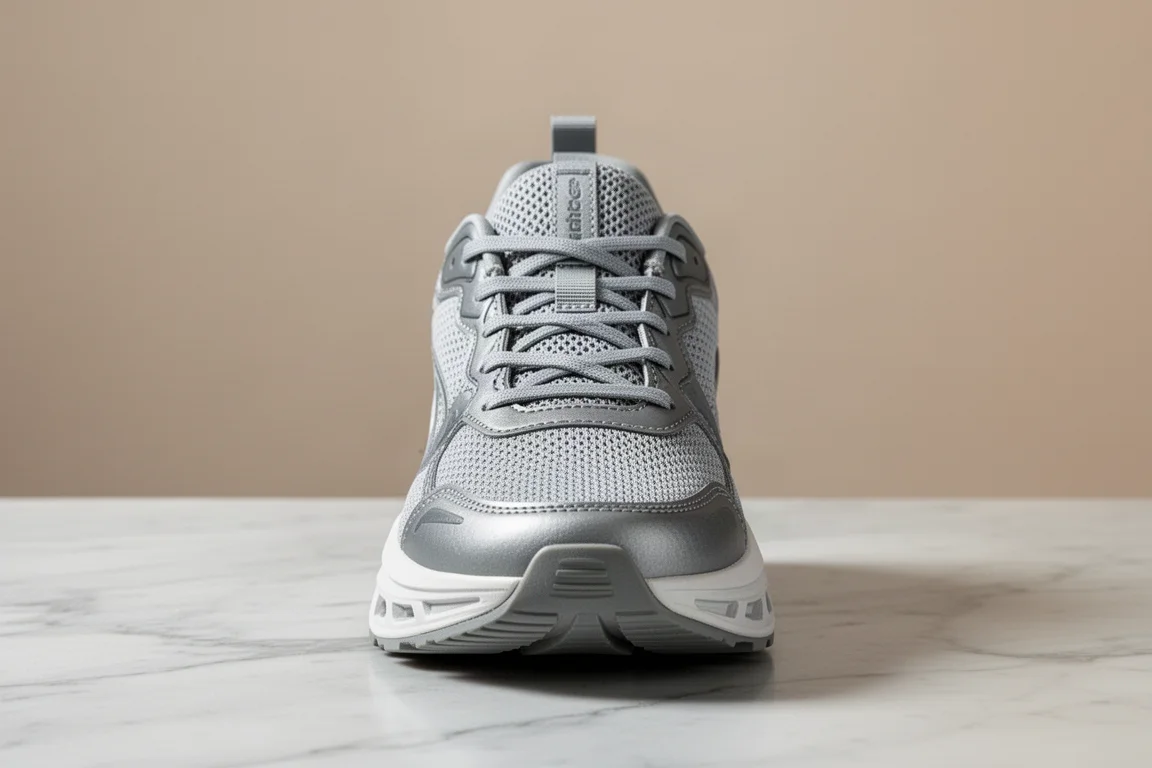
Adidas Adizero Adios Pro 2
The Adios Pro 2 carries an aggressive 10 mm drop, a step up from the 8.5 mm of the original Adios Pro. Despite that change, it has proven to be one of the shoes that simply works, delivering a fast, stable ride that many runners warm to immediately.
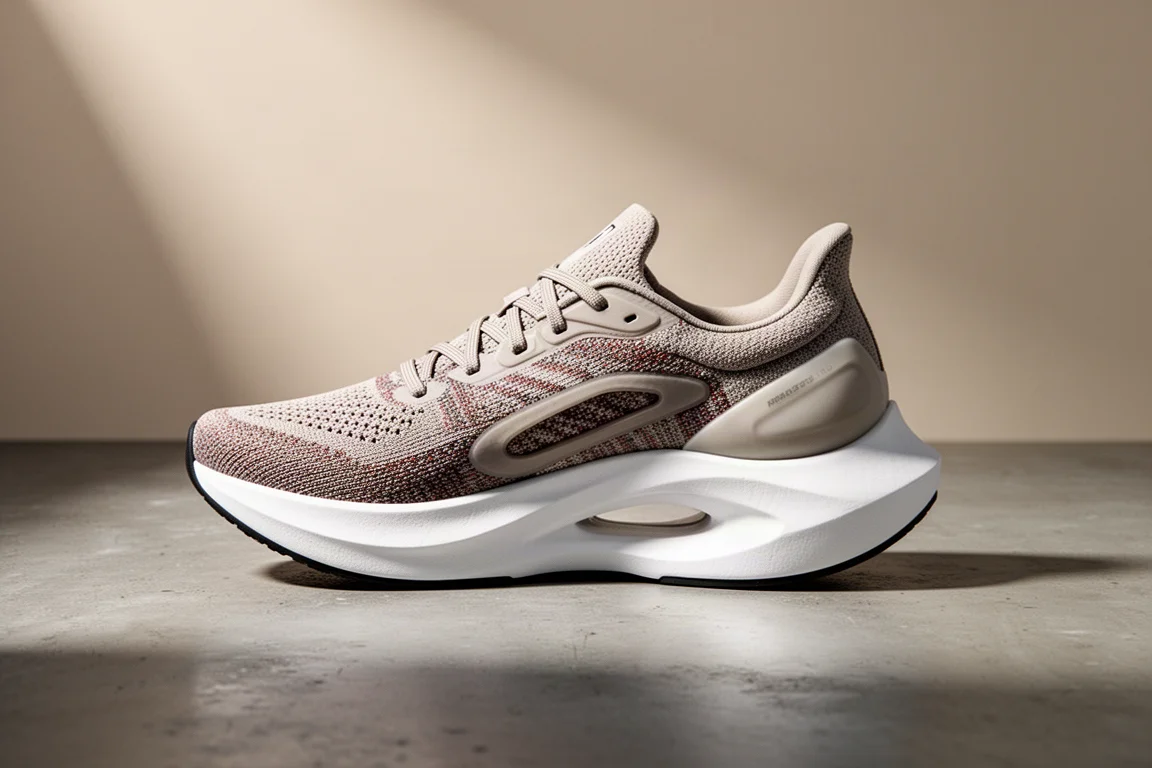
Adidas Prime X
The Prime X is the extreme experiment: a 56 mm heel stack that, by Adidas’s own forefoot figures, should equate to a 47.5 mm forefoot stack. On paper that sounds insane. In practice the stack loses its importance once running, because the shoe is so soft and smooth that the heel simply sinks into the midsole. Riders of this shoe consistently report less leg fatigue over time than in the far more aggressive-feeling Alphafly.
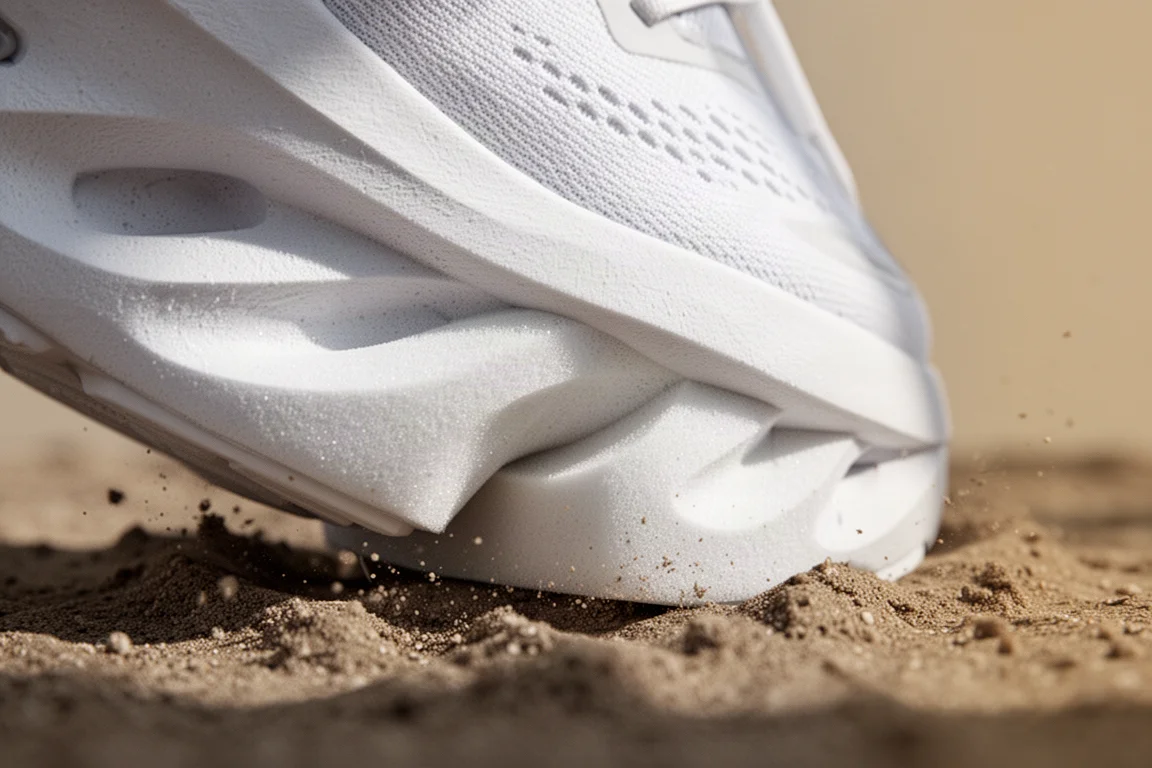
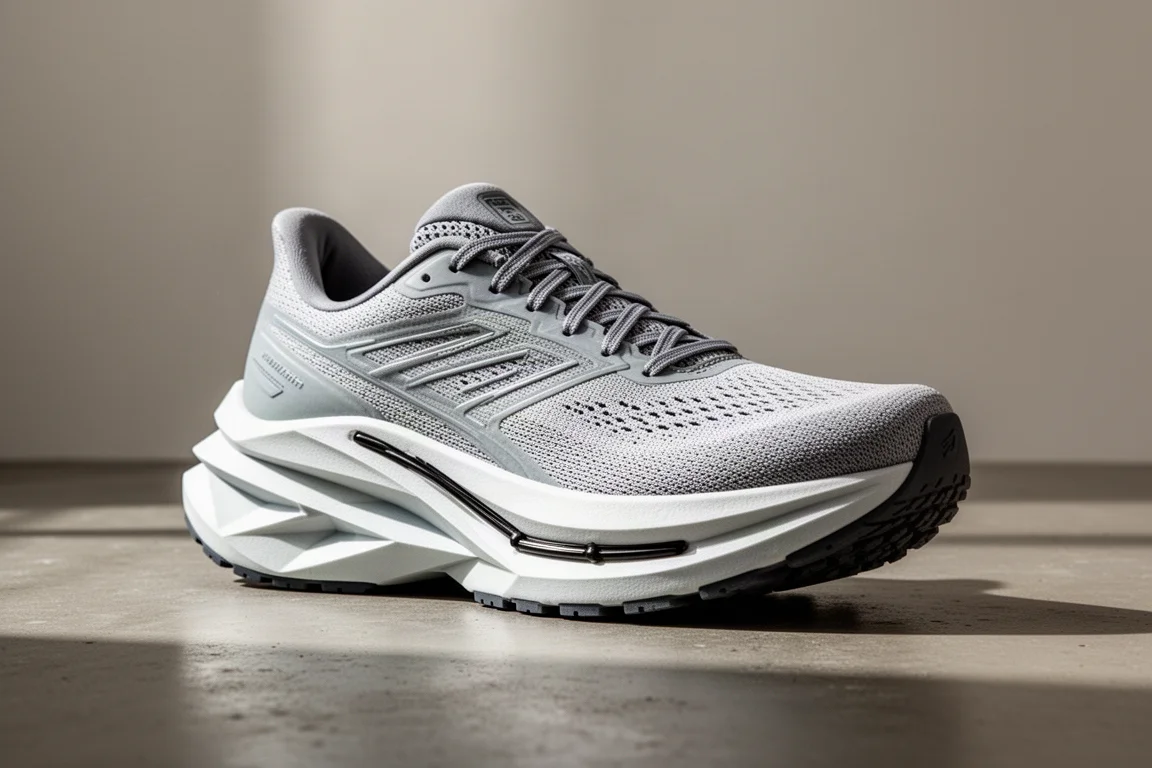
Does Soft Foam Reduce the Importance of Drop?
Here is the uncomfortable conclusion: the spec sheet matters less than the experience. Shoes that work well in real training include a 10 mm Adios Pro 2, an 8 mm Novablast 2, a 10 mm RC Elite, a 4 mm Alphafly, and a 10 mm Prime X. Shoes that underperform include a 6 mm Takumi Sen 8, a 5 mm Hoka Mach 4, and an 8 mm Zoom Fly 4. Lower-drop shoes can work too, and the shoe line-up skews high-drop, so the pattern may say more about preference for high stack than for high drop specifically.
Overall Buying Advice
Match drop to your natural foot strike first, then let feel decide. Heel strikers generally get on better with drops above 7 mm, mid-to-forefoot strikers with lower drops. But remember the numbers are approximate, production tolerances are real, and a soft, compressive midsole can make even a huge stack feel calm and controlled. Try shoes where possible, and trust how your legs feel over days of running rather than a single number on a website.
Conclusion
Drop is a useful guide, not a guarantee. Official figures vary, measurements are approximate, and soft high-stack foam can flatten the differences on the road. Choose a drop that fits your stride, then judge each shoe on how it actually feels over real miles.
Further reading
Related Reviews

Running Shoes
Best Road-to-Trail Running Shoes: Three Versatile Options for Mixed Terrain
A practical guide to three road-to-trail running shoes that handle both pavement and mild trails, with clear strengths and trade-offs for different runner types.

Running Shoes
Best Running Shoes for Achilles Tendonitis: Three Options Explained
Three running shoes with different heel drops and support features designed to help reduce Achilles tendon pain during walking and running.

Running Shoes
Best Running Shoes for Women: Five Top Choices Ranked
A ranked guide to five women's running shoes, from versatile daily trainers to high-performance racing options, with real strengths and trade-offs for each.