Running Shoes
Running Shoe Foams Compared: 14 Models From ASICS, New Balance, Brooks, and More
A softness-focused look at 14 running shoe midsoles, from the ASICS GEL-Nimbus 25 to the adidas Adizero Adios Pro 3, and what the measurements actually mean for your next pair.
Introduction
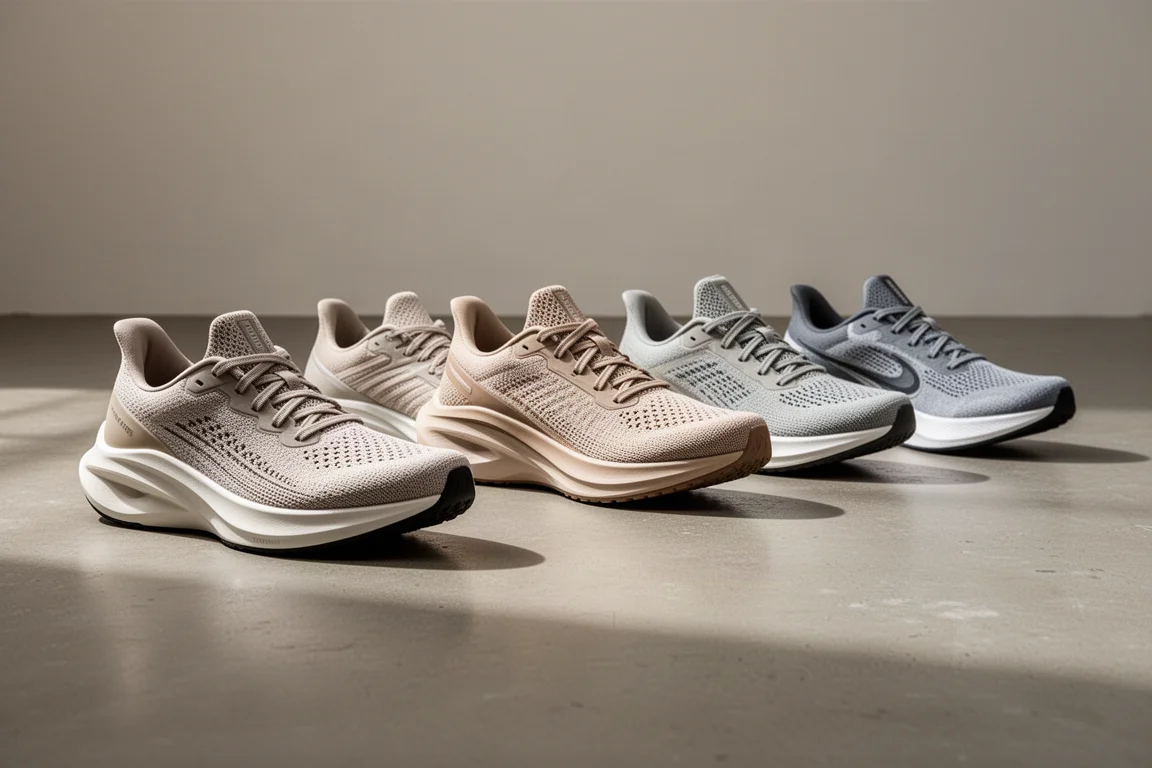
Midsole foam is the single biggest factor in how a running shoe feels, yet it is also the hardest thing to judge from a product page. Two shoes can use almost identical materials and land completely differently underfoot. To make sense of it, we looked closely at 14 models across ASICS, New Balance, Brooks, Reebok, and adidas, measuring midsole softness on a Shore A scale and pairing those numbers with how each shoe actually performs at different paces.
How We Look at Midsole Softness
The Shore A scale gives a repeatable softness reading for each midsole, and across a broad collection the average lands at around 28. That number is a useful reference point: anything well below it is noticeably plush, while readings in the low 40s indicate a firmer, more guided ride.
The biggest takeaway is that softness does not equal greatness. Some of the softest foams tested felt flat at pace, while a firmer midsole delivered a far more satisfying ride. Cushioning, responsiveness, stability, and shape all matter as much as the raw number.
ASICS: Many Foams, Many Personalities
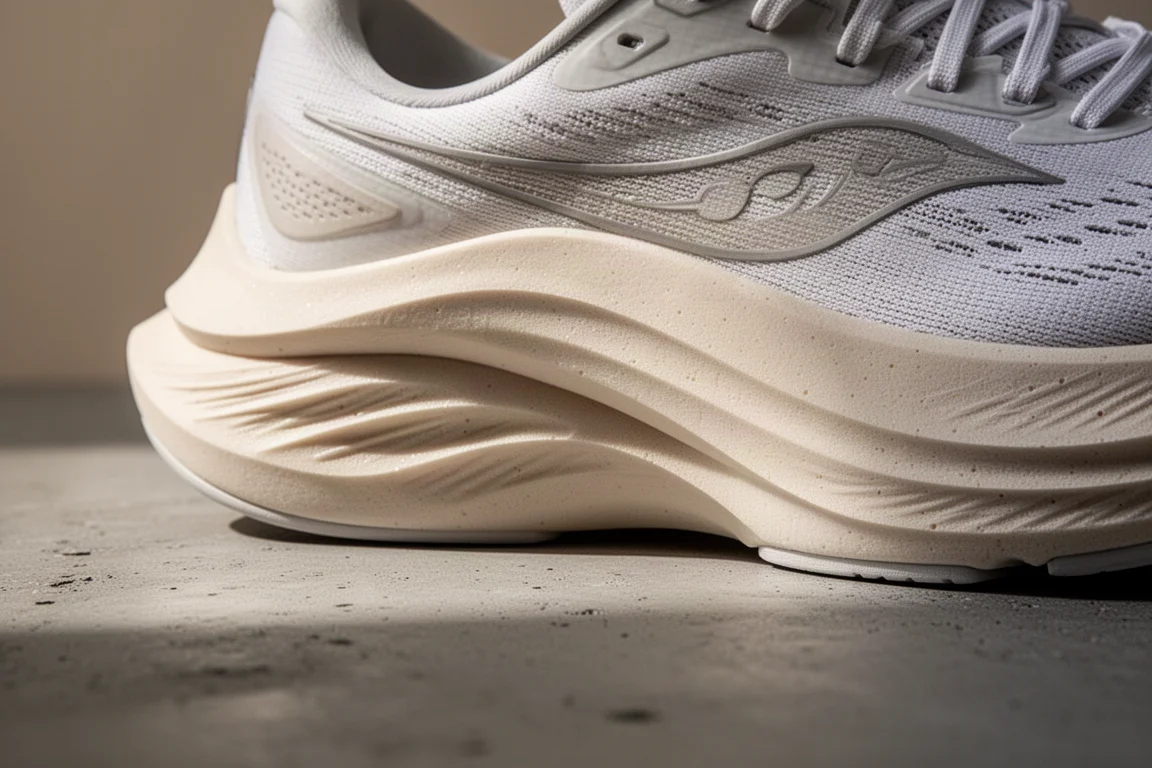
ASICS runs a deep lineup of foams, and the measurements show that the same base material can behave very differently depending on the shoe it lands in.
ASICS GEL-Nimbus 25
The GEL-Nimbus 25 uses FF Blast+ but feels firmer and denser underfoot than other versions of it, measuring between roughly 25 and 33 on the scale. That denser character gives the max-cushion ride a bit more structure than you might expect.
ASICS Novablast 3
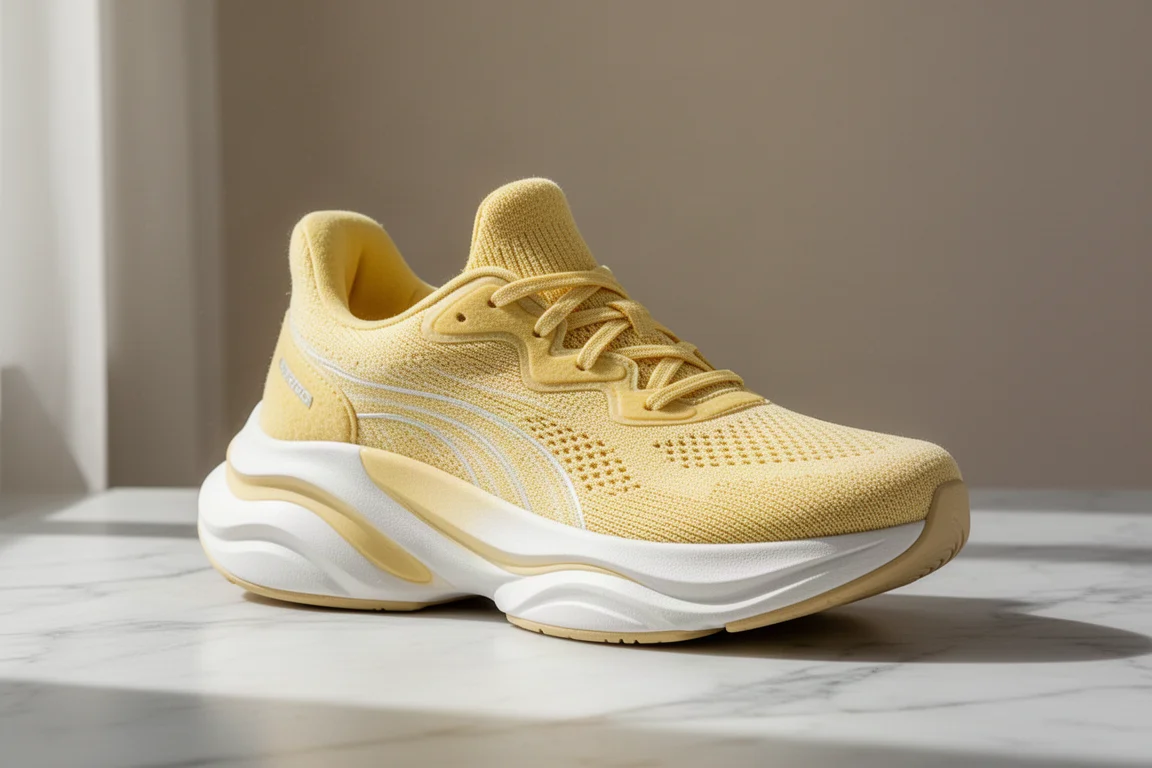
The Novablast 3 came in around 24 on the Shore A scale, and it reads as a genuine step forward. Refining the midsole and lowering the weight makes the whole setup more versatile, though the foam still leans plush rather than snappy.
ASICS Cumulus 24
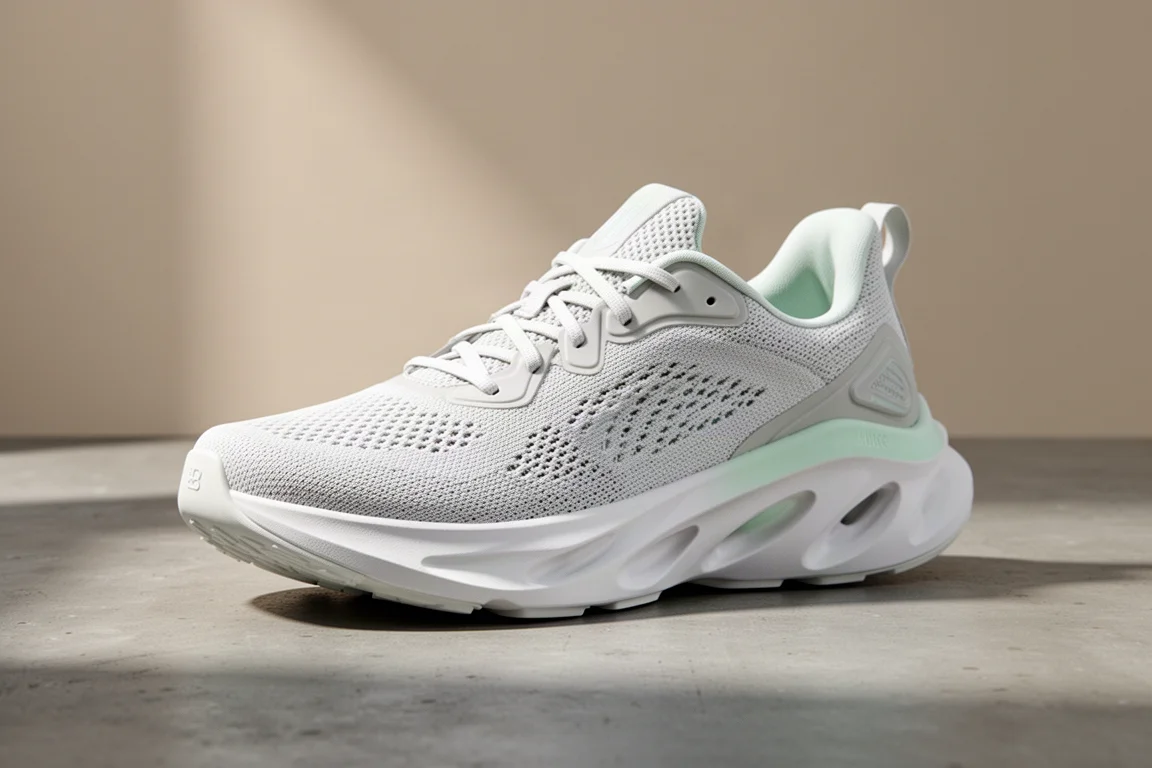
The Cumulus 24 measures about 27, sitting almost exactly on the collection average. It is a straightforward, balanced daily trainer whose FF Blast implementation feels more controlled than the very soft original version of the material.
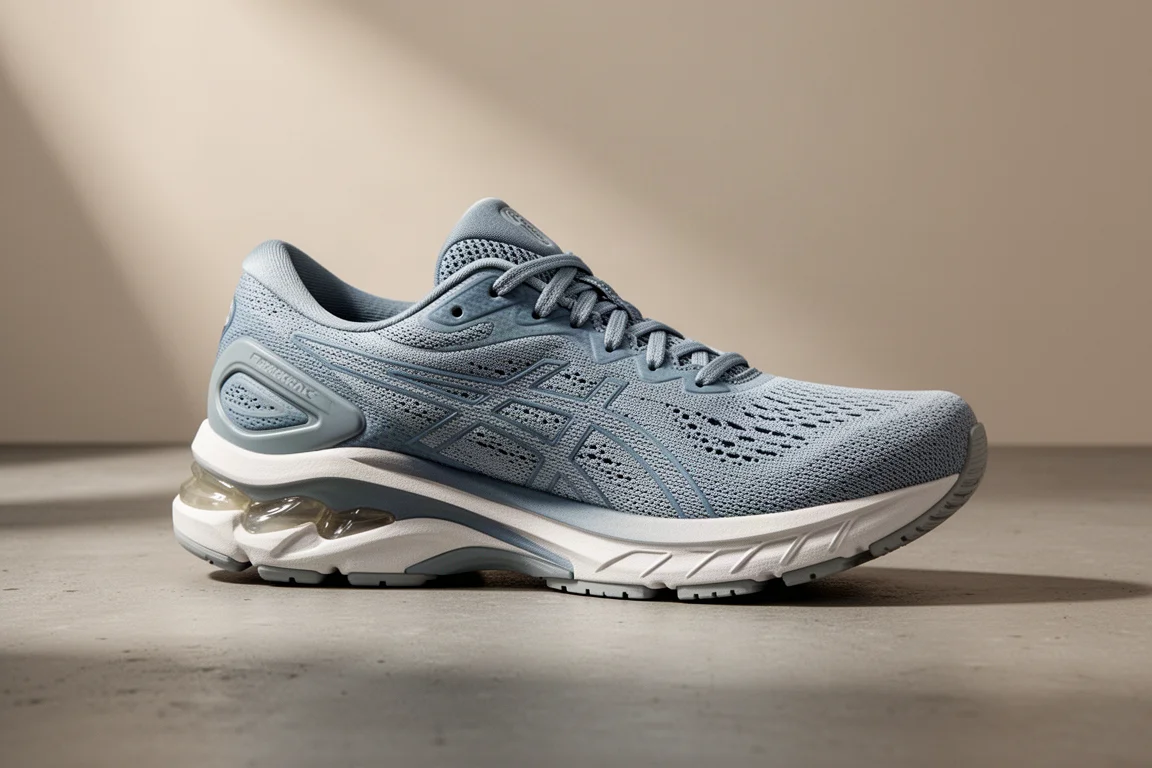
ASICS Magic Speed 1
The Magic Speed 1 matched the Novablast 2 at roughly 26, but the firmer, more responsive feel worked better in this shoe. For racing, slightly firmer is often the right call: it keeps you from feeling like you are falling into quicksand.
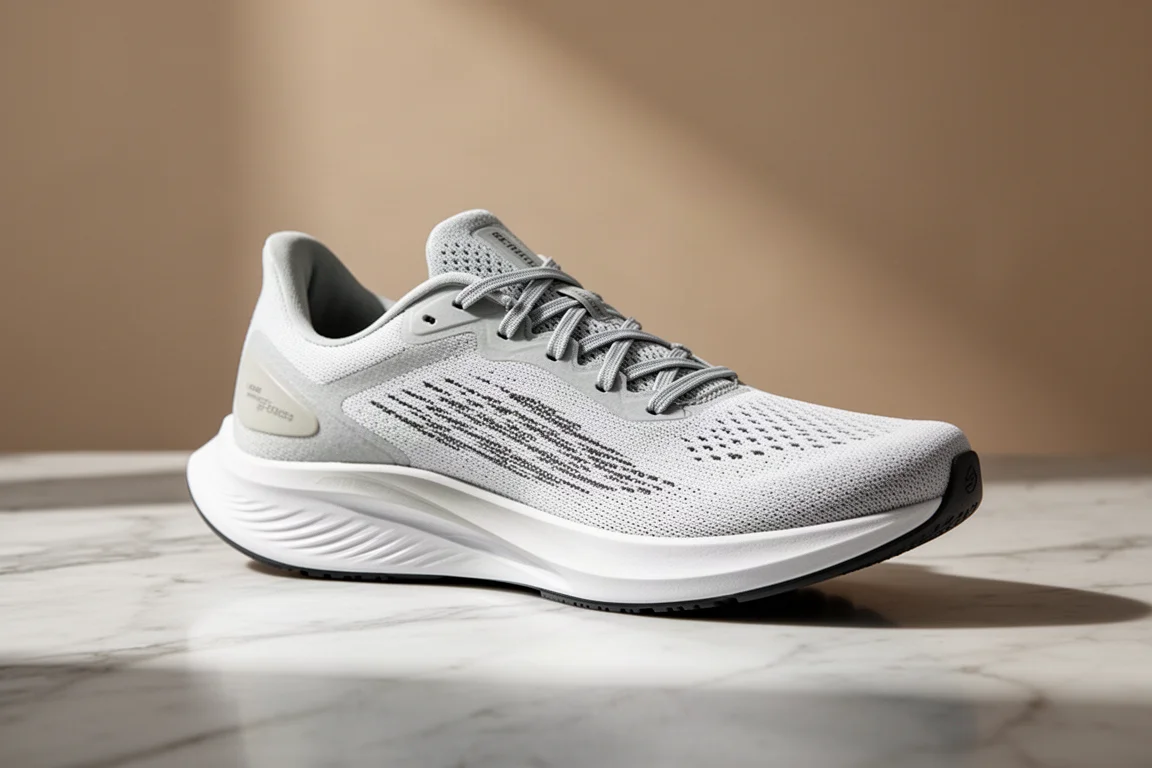
ASICS Glide Ride 2
FF Propel in the Glide Ride 2 is a different beast entirely, measuring about 41 and clearly the firmest ASICS foam tested. The thermoplastic frame guides the foot and reinforces the rocker through the mid to forefoot, making this a ride about shape rather than softness.
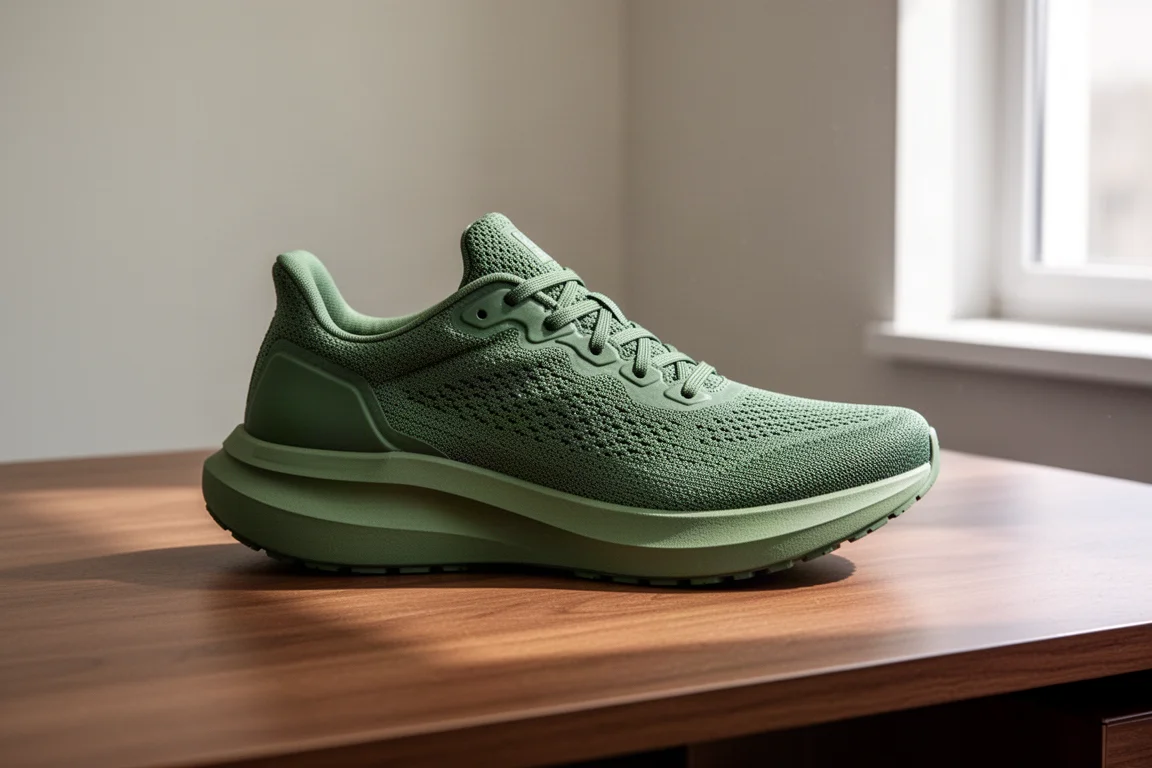
ASICS MetaSpeed Sky Plus
FF Turbo remains a favorite, and the MetaSpeed Sky Plus measured around 27 with about 66 miles on it, with the original Sky at roughly 30 after 100 miles. That slight hardening over time is worth noting, but the balance of stack, cushion, and forgiving responsiveness here is the standout of the ASICS range. It handles high pace for long stretches without punishing you.
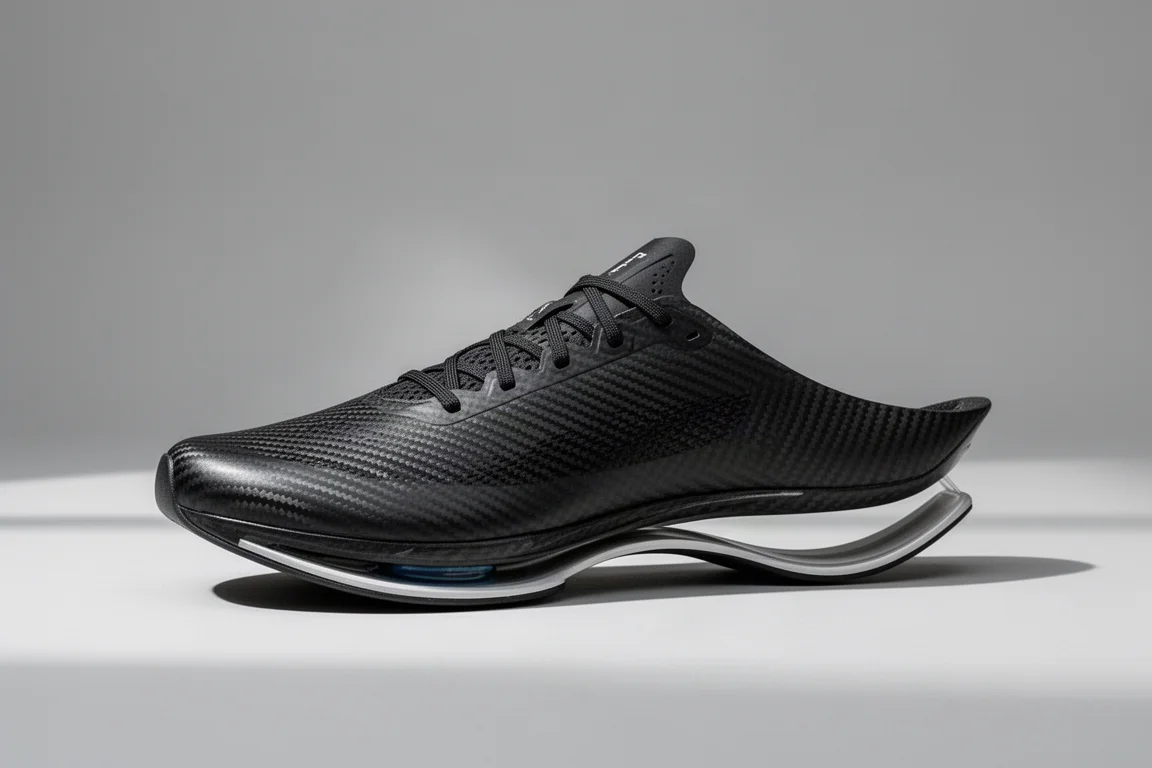

New Balance: Softness That Stays Consistent
FuelCell produced some of the most consistent readings in testing, and also the most curious contradictions.
New Balance FuelCell SC Trainer
The SC Trainer, SC Pacer, and TC all measured around 23, and the Rebel v2 landed within a point or two of that. What is remarkable is that a shoe with a massive stack shares the same foam softness as a much lower trainer, proof that geometry changes the ride completely. Impact protection here is second to none, though the ride can feel like all cushion and little return. That suits long, slow runs more than short, fast efforts.
New Balance Fresh Foam X 1080v13
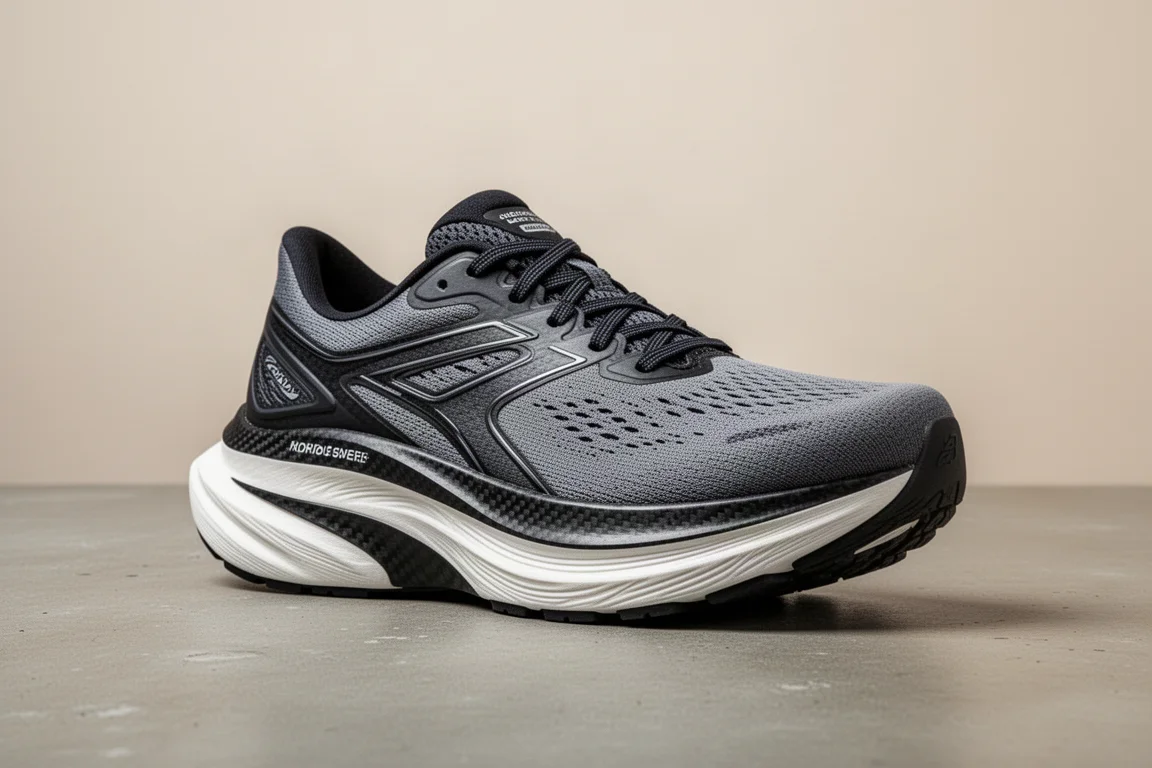
Fresh Foam X is not one clean category: measurements ranged from roughly 36 to 42 depending on the shoe. The 1080v13 sits toward the softer end and has always delivered a cushioned, comfortable ride, just not one that feels particularly exciting at pace.
New Balance Beacon 3
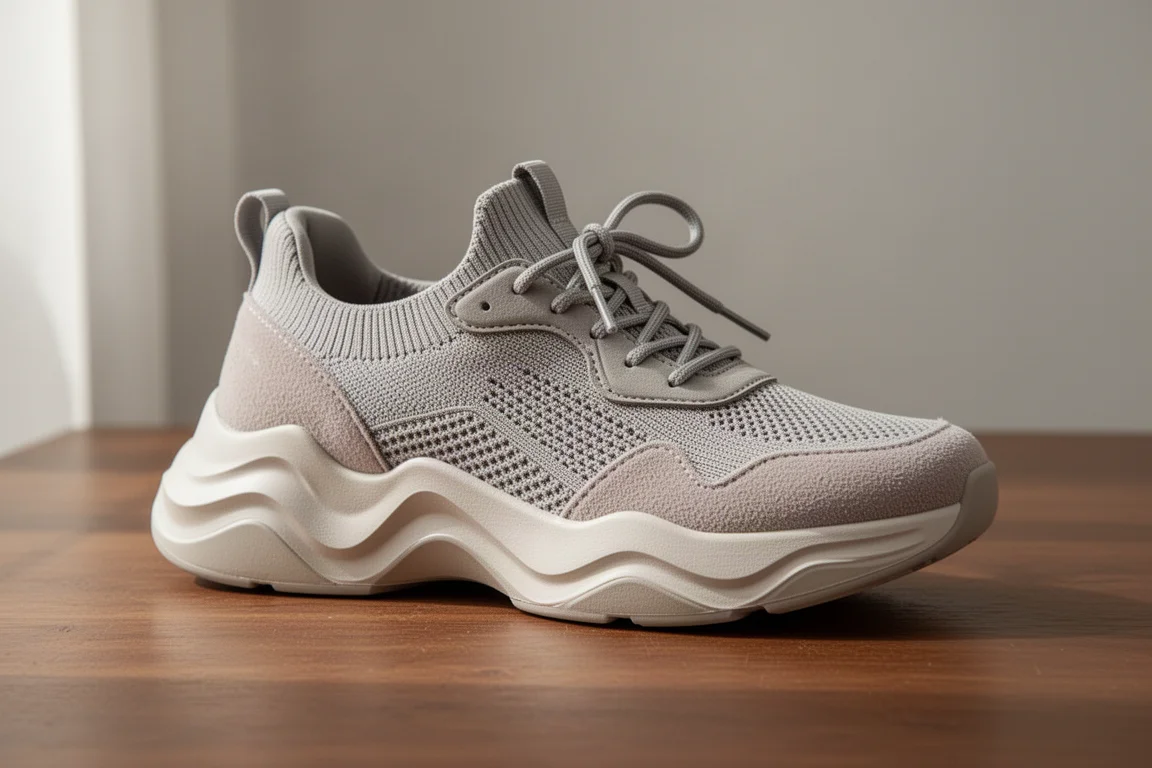
The Beacon 3 measured among the firmest foams tested, up near the low 40s. If you want a Fresh Foam shoe that leans guided and responsive rather than squashy, this is the one that leans that way.
Brooks: Guided Rather Than Squishy
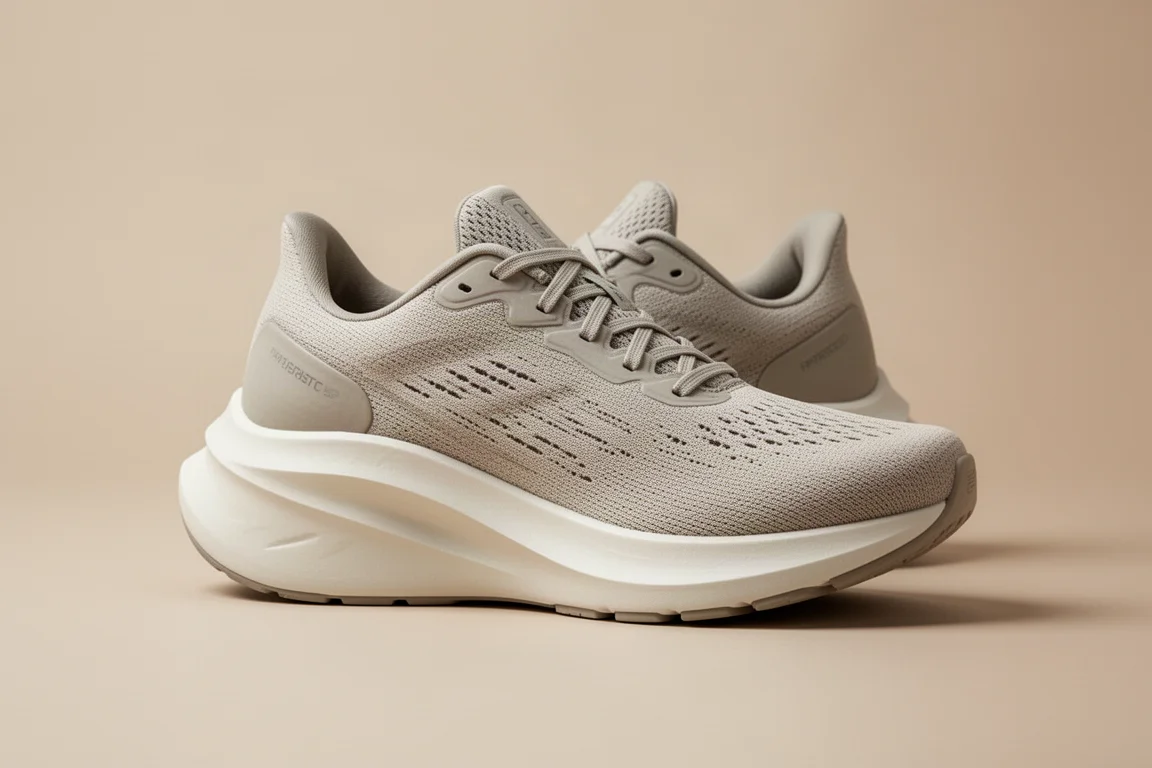
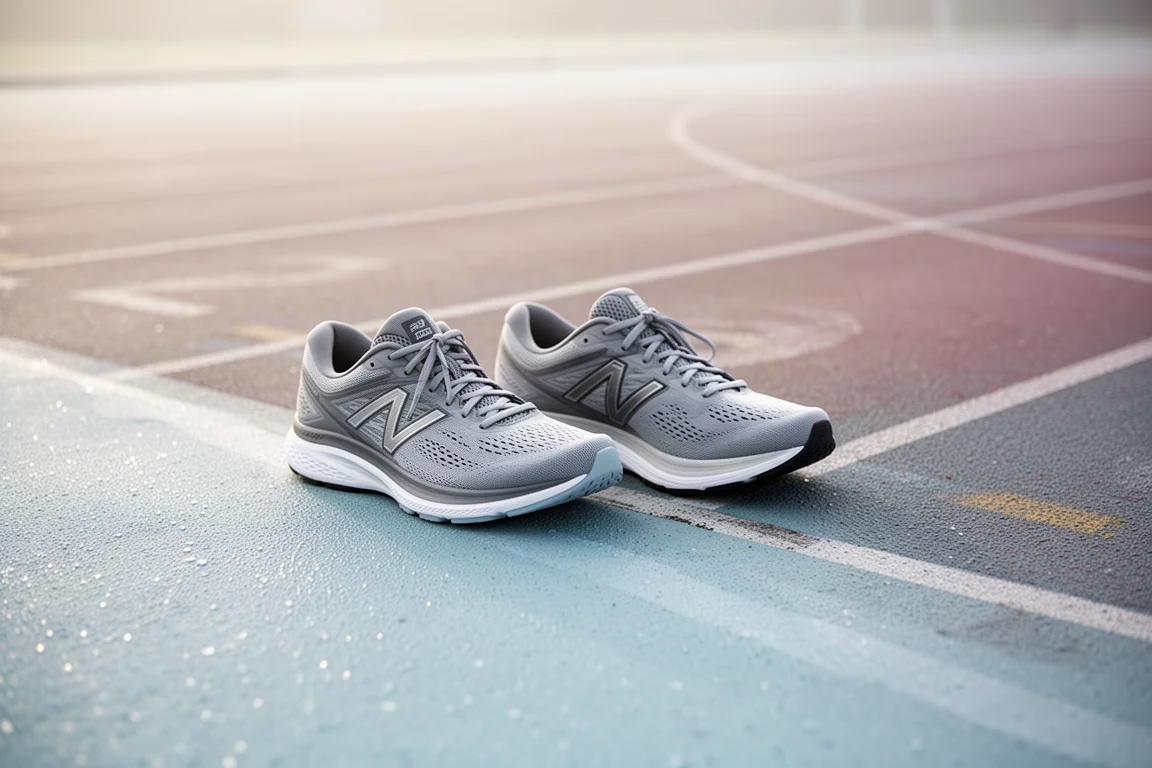
Brooks splits neatly into two camps based on these measurements.
Brooks Ghost 15
The Ghost 15’s DNA Loft v2 measured about 42, some 14 points above the average and one of the firmest foams in the entire test. That translates into a more guided shoe with more visible response, a good pick if an overly soft ride is not your thing.
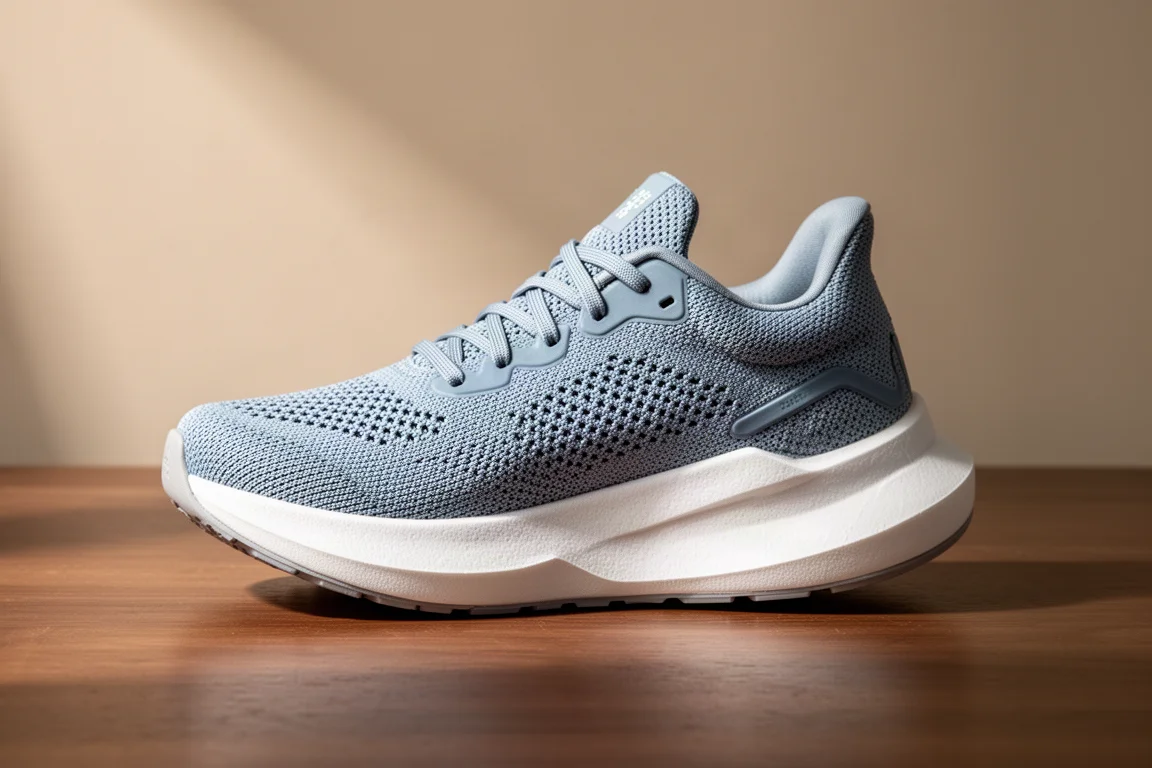
Brooks Hyperion Elite 2 and Hyperion Tempo
Both shoes use DNA Flash and measured around 30, which reads as clearly more responsive. The foam suits tempo pace and above, with the Hyperion Tempo in particular delivering a fantastic ride even though the Elite 2’s upper is the weaker part of that package.
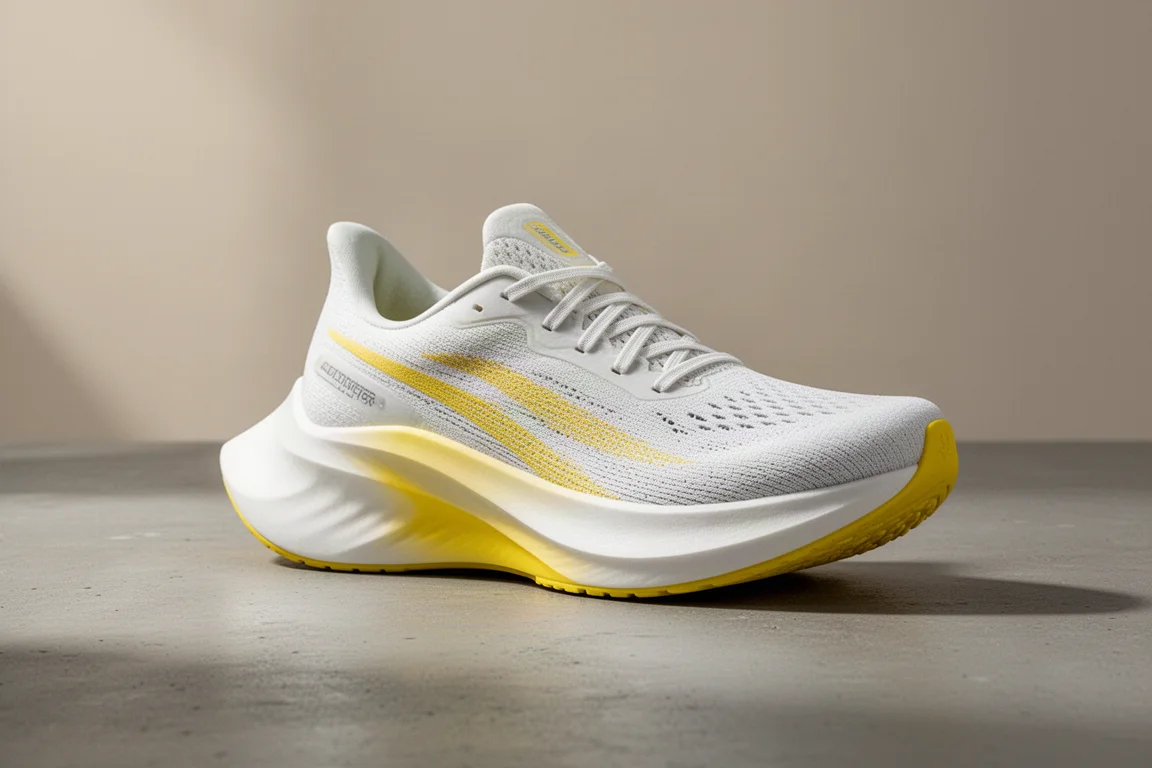
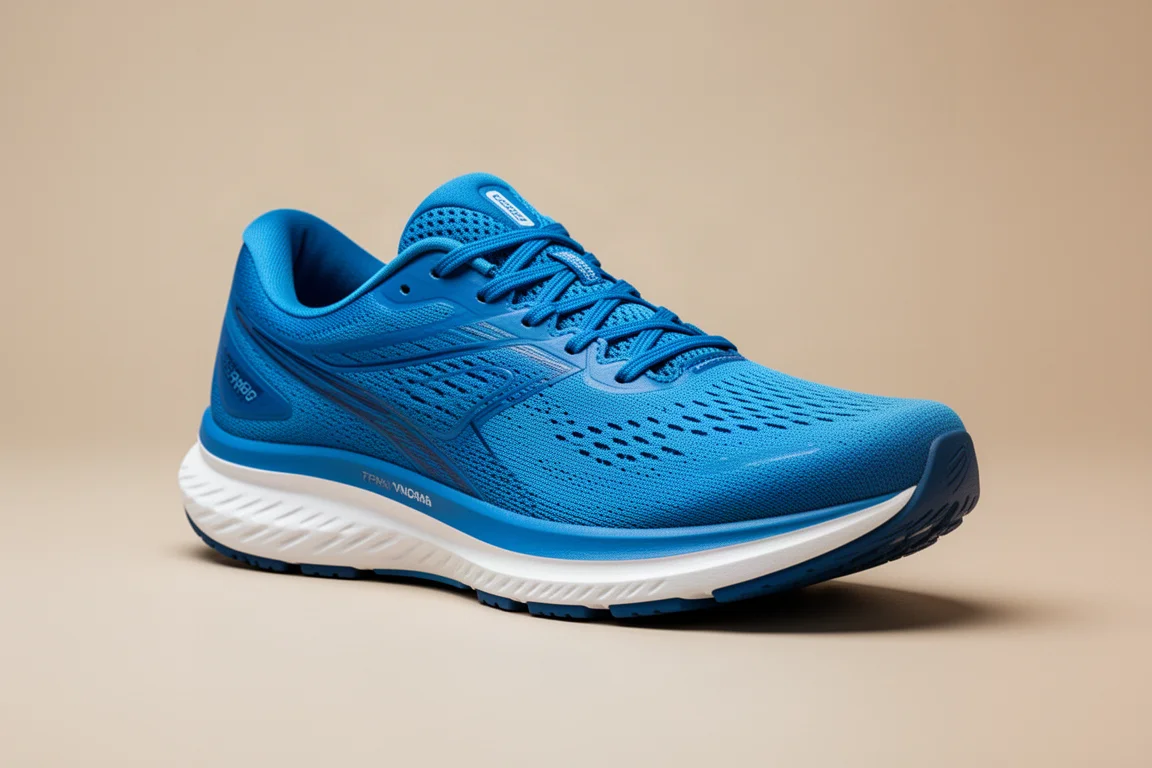
adidas and the Wider Field
Among racing shoes, the original Adizero Adios Pro and its v2 were absolute rockets, and it is tempting to credit the dual-density Lightstrike Pro approach for that. The Pro 3 did not quite hit the same heights, though it remains a serious race-day option.
adidas Adizero Adios Pro 3
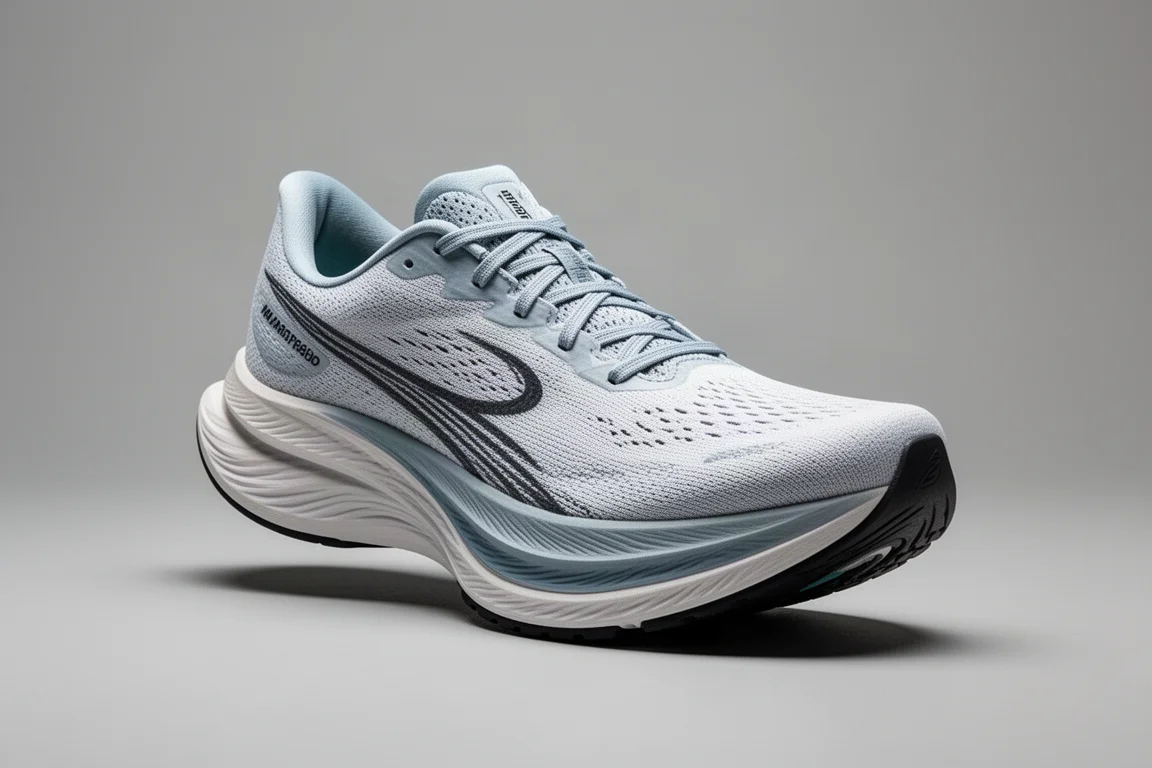
The Boston 9 deserves a mention too, especially given what boost turns out to be. It measured around 21, among the softest readings in the entire test, so the idea that boost is past its prime does not hold up on softness. It is simply heavier than newer alternatives.
adidas Adizero Boston 9
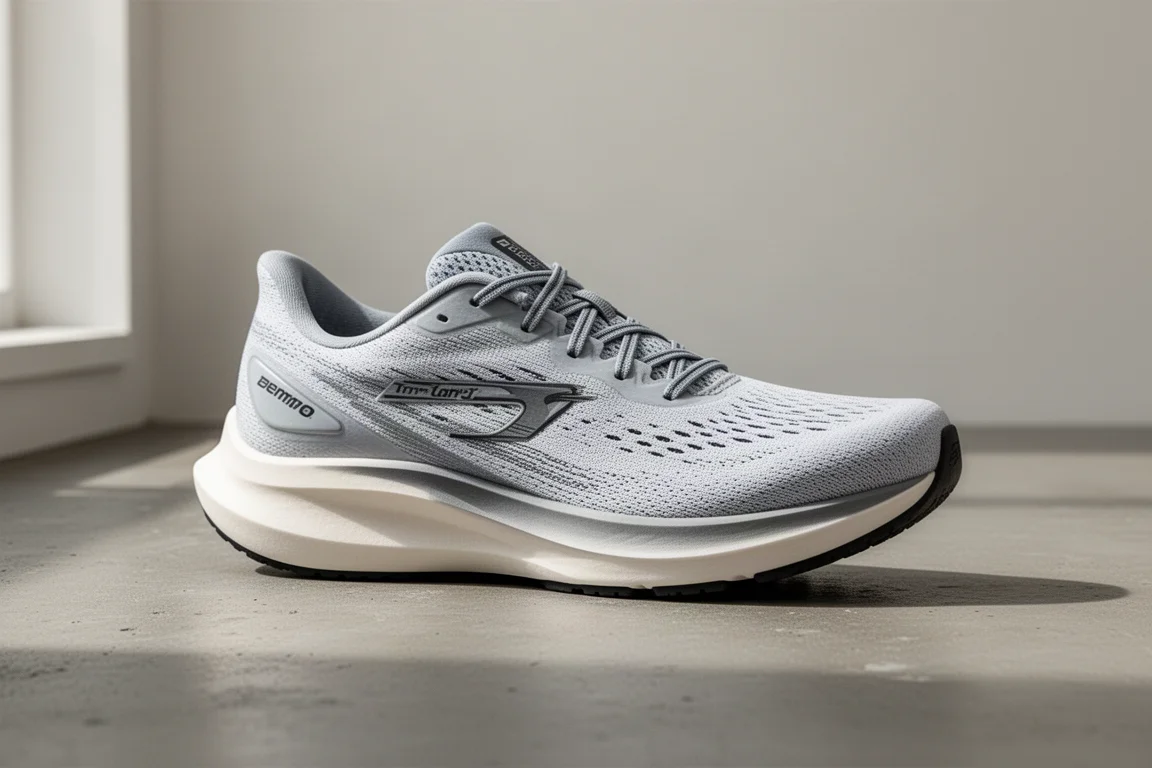
On the Reebok side, Floatride Energy is one of the most consistent foams around, reading at almost exactly the average of 28 across the Energy series and beyond. It strikes a good balance of cushion, responsiveness, and reasonable stability, and it barely changes with mileage. The Pebax-based Floatride Plus measured firmer, between about 32 and 36, and now appears mostly as a small forefoot puck rather than a full midsole.
If one shoe calls out most across everything measured, it is the MetaSpeed Sky Plus: the right balance of stack, cushion, and forgiving yet responsive feel. Softness is a data point, not a verdict, and the best shoe is still the one whose foam character matches the paces you actually run.
Conclusion
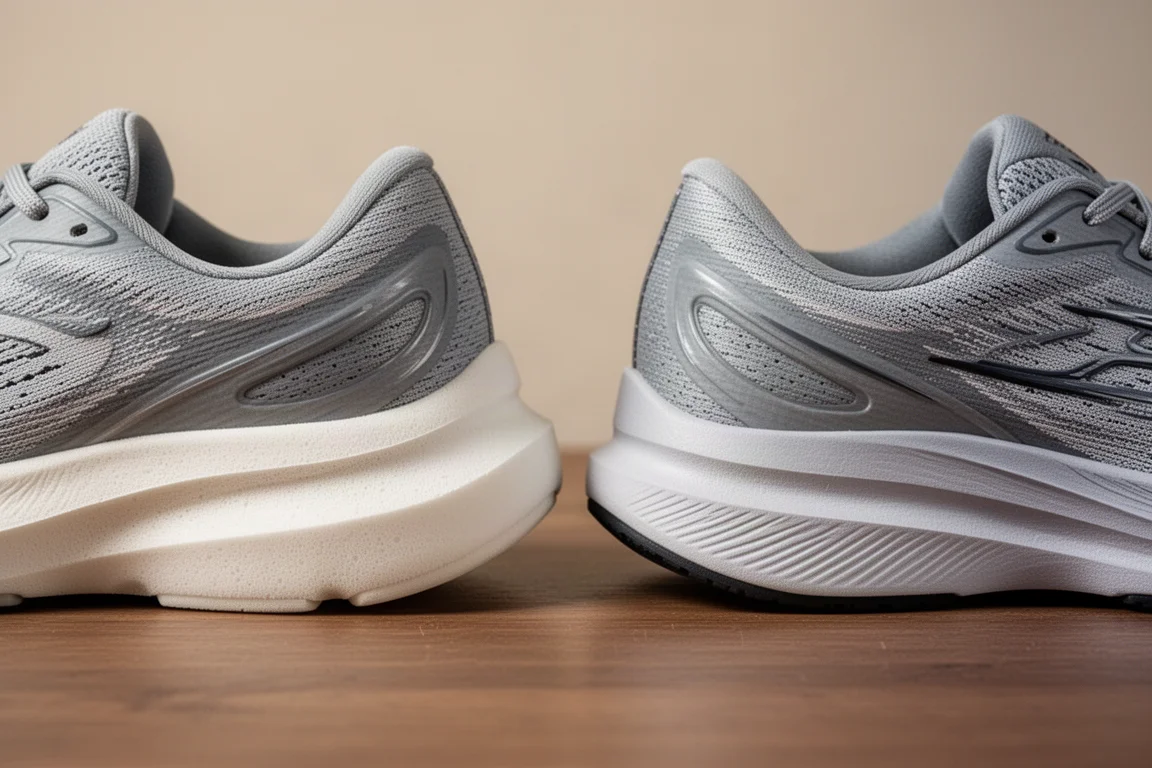
Fourteen shoes, one clear lesson: midsole softness does not decide whether a shoe is great. The Ghost 15 at 42 and boost at 21 prove that both ends of the scale can work, as long as the foam’s character matches the ride you want. Match the foam to your pace and distance, and the numbers become a genuinely useful buying tool.
Further reading
Related Reviews

Running Shoes
Best Road-to-Trail Running Shoes: Three Versatile Options for Mixed Terrain
A practical guide to three road-to-trail running shoes that handle both pavement and mild trails, with clear strengths and trade-offs for different runner types.

Running Shoes
Best Running Shoes for Achilles Tendonitis: Three Options Explained
Three running shoes with different heel drops and support features designed to help reduce Achilles tendon pain during walking and running.

Running Shoes
Best Running Shoes for Women: Five Top Choices Ranked
A ranked guide to five women's running shoes, from versatile daily trainers to high-performance racing options, with real strengths and trade-offs for each.