Running Shoes
First Look: Saucony Triumph 23, ASICS GEL-Kayano 32, Brooks Hyperion Max 3, New Balance FuelCell Rebel v5
Four notable running shoes, examined stack by stack: what is new, what changed, and which ones are worth a closer look.
Introduction
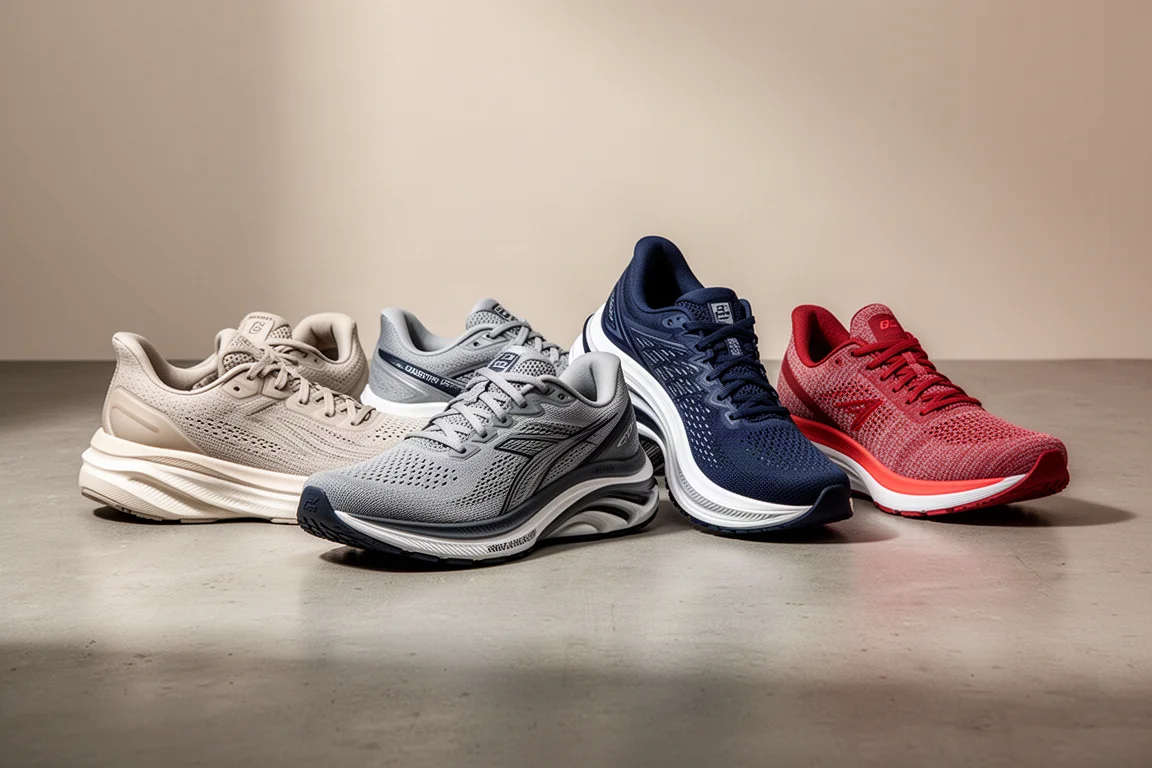
A fresh batch of running shoes is landing, and this round covers four very different answers to the same question: how much cushion do you actually want underfoot? Here is an early, stack-by-stack look at the Saucony Triumph 23, ASICS GEL-Kayano 32, Brooks Hyperion Max 3 and New Balance FuelCell Rebel v5, with an honest take on which ones justify a spot on the shopping list.
Saucony Triumph 23: Same Drop, Less Weight
The Triumph 23 keeps a 37 mm heel stack with 27 mm in the forefoot, which means the familiar 10 mm drop stays exactly as it was. That drop has always been the sticking point: the last version packed a lot of dense, firmer stack into the heel and felt prominent on foot, especially with the heavily padded cushioned tongue. For easy and recovery runs it works fine, but the combination of high drop and high heel stack is a lot to deal with.
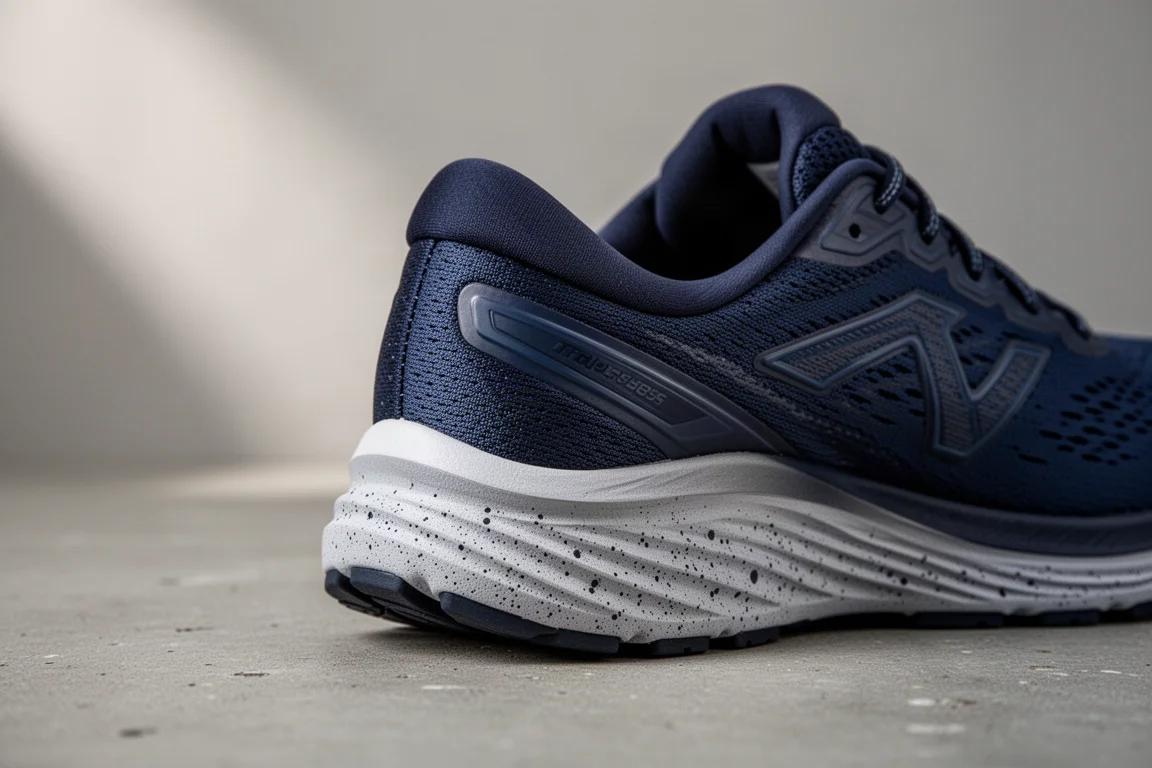
The good news is the weight. The sample size comes in at 263 g, a full 23 g lighter than the 286 g Triumph 22, and nearly an ounce is a meaningful difference. The PWRN PB midsole foam, a boost-like PEBA material, forms a consistent yet dense cushion, though the previous version felt oddly lacking in propulsion despite being very cushioned. The outsole carries the XT-900 rubber seen on the Triumph 21, which proved durable with only minor early wear and delivered great traction.
Retail is expected at 169 pounds in the UK, which puts the Triumph into the same price territory as shoes like the Magnamax, Glycerin Max and Vomero Plus. That crowded segment is well served already, and the 10 mm drop remains a genuine hurdle, so this one sits on the fence for now.
ASICS GEL-Kayano 32: A Very Subtle Update
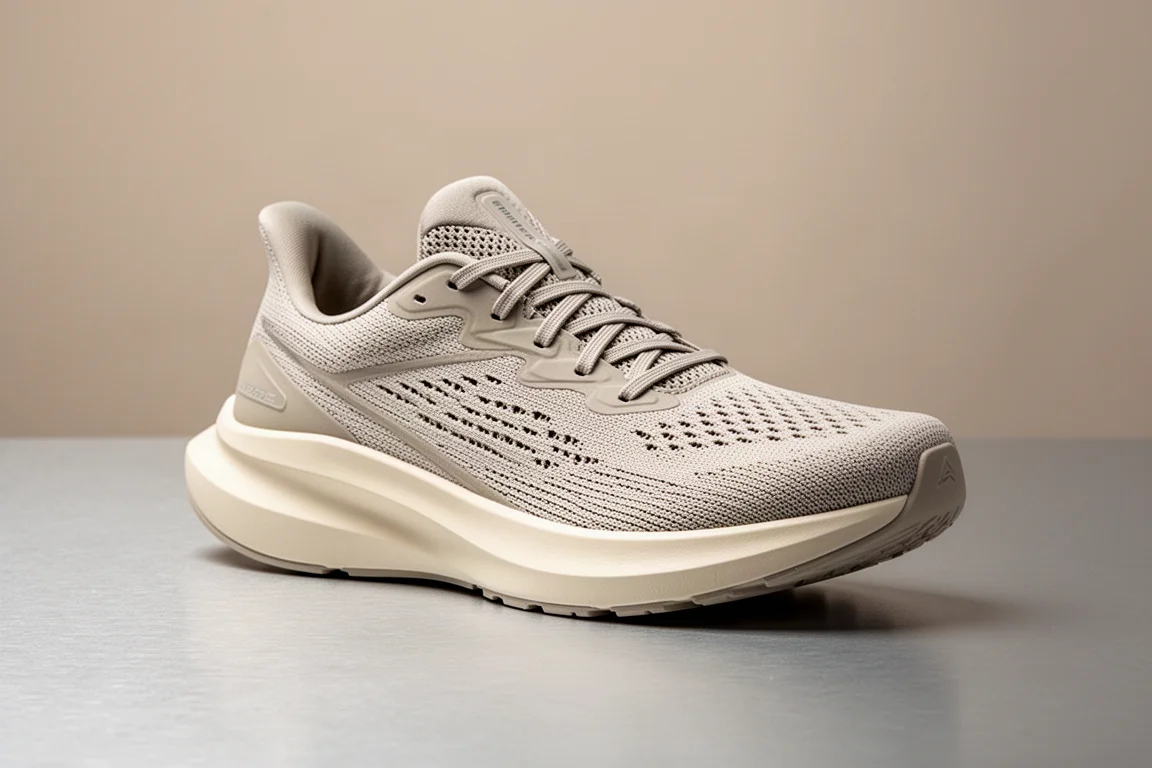
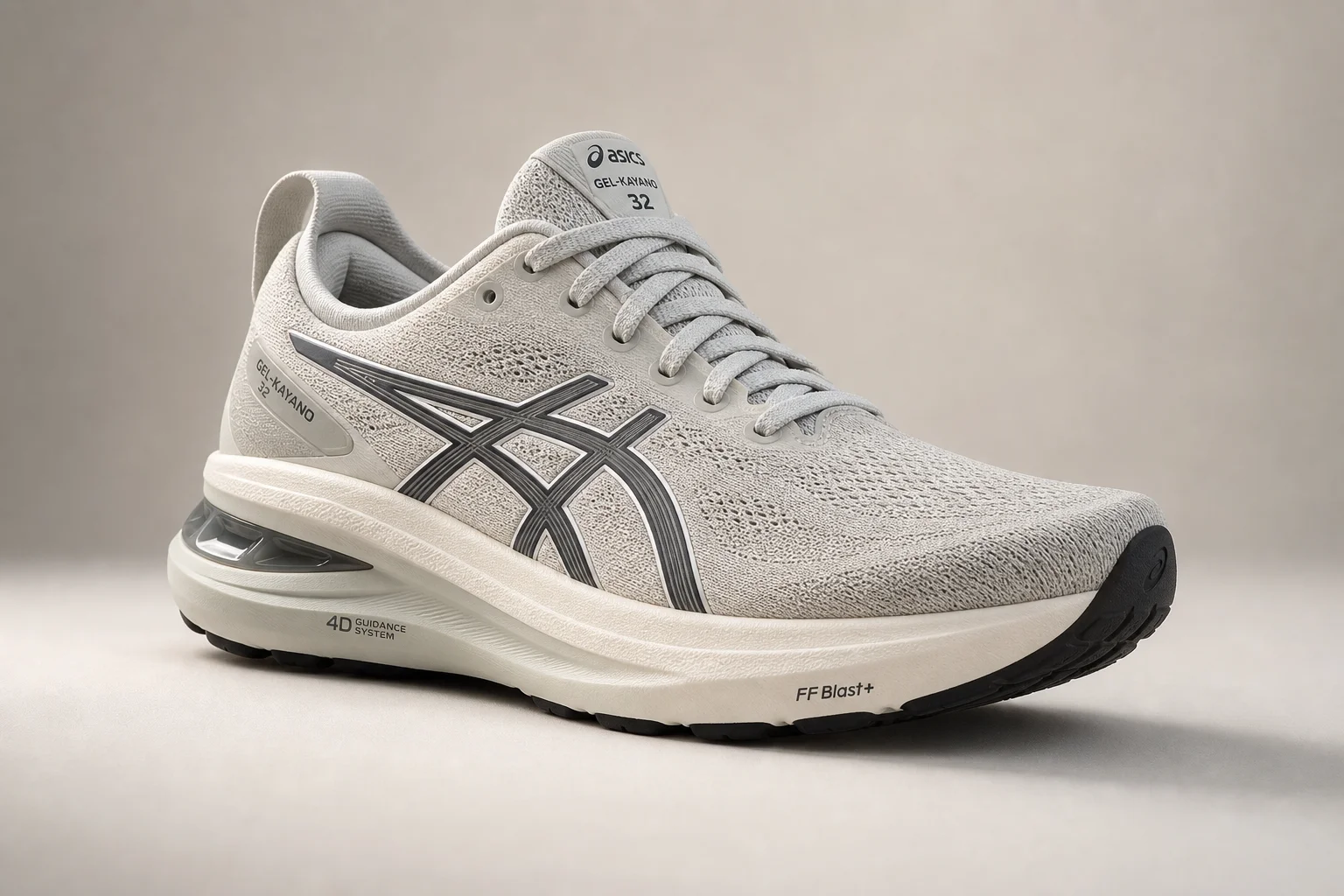
The Kayano line has now reached 32 iterations, and number 32 is a careful refinement rather than a reinvention. It remains ASICS’s cushioned stability option, built around the 4D support system that adds a slightly denser foam in the arch area. It is a far easier system to live with than the plastic-like shanks and support sections of older generations, even for runners who do not strictly need stability.
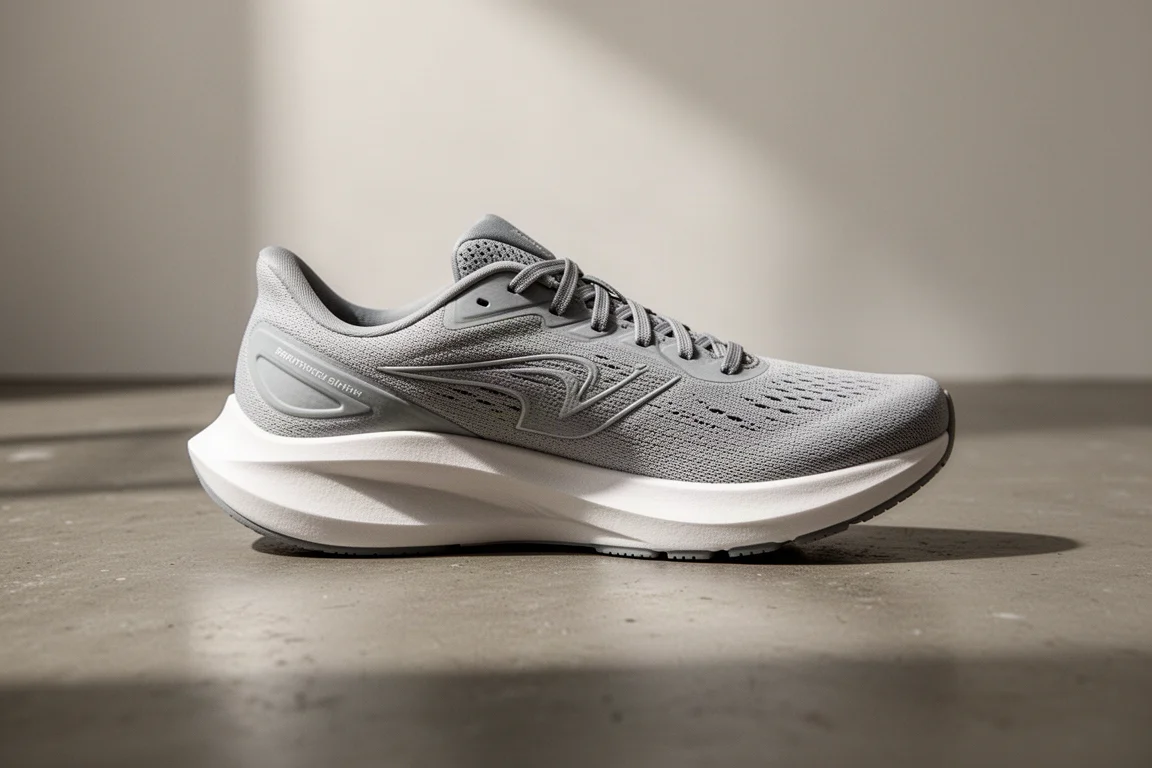
Flight Foam Blast Plus returns in the midsole, and the outsole design and layout are very similar to the previous model. The visible changes are minor: some upper tweaks, a slightly different lateral-medial sidewall, and a tongue whose padding is now more focused across the top of the foot rather than spread across the whole tongue. Weight drops from 305 g to 298 g, and there are reports of a touch more forefoot stack, bringing the drop down from 10 mm to around 8 mm and making it a little more comparable to shoes like the Magnamax or Glycerin Max.
At 180 pounds, the Kayano 32 asks a lot for what is essentially the same good, reliable, consistent midsole. Anyone who enjoyed the 31 will likely be happy here, but as an upgrade it is hard to get excited about.
Brooks Hyperion Max 3: Getting Bigger and Bigger
The Hyperion Max 3 is leaning hard into super trainer territory. The sample size weighs 288 g with a lower drop of around 6 mm, a reported 45 mm heel stack and roughly 39 mm in the forefoot. This is a shoe that keeps growing with every generation.
The midsole layers things up: DNA Gold, a PEBA-based material, sits nearer the foot on top of a nylon plate, with a more durable layer of DNA Flash 2 beneath. The previous version was responsive rather than soft and squishy, and the bootie-like construction delivered a great fit around the foot, a trait Brooks is sticking with. Most Brooks shoes fit generously in the toe box, so a half size down might actually sharpen things up.
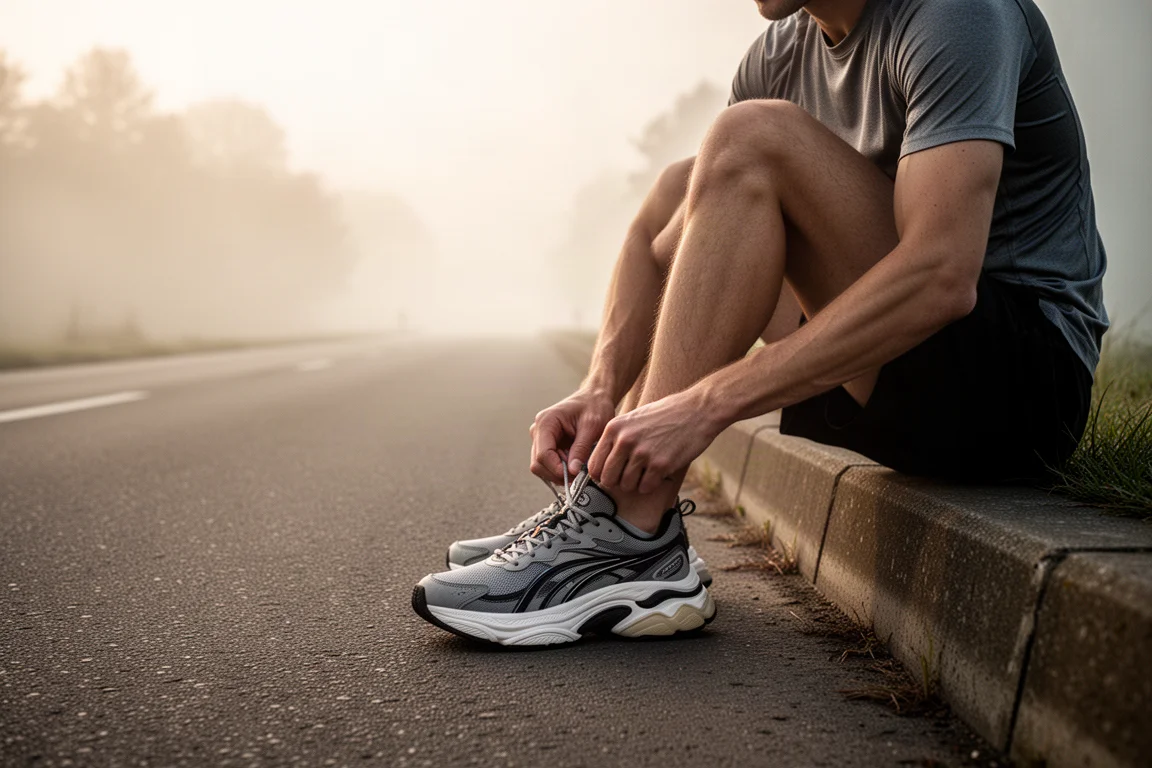
The concern is mass. At 288 g for a sample size, a larger size could push well past 320 g, which is on the heavy side for a shoe intended for faster paces and tempo work, especially when competitors around the 165 pound mark manage similar versatility under 300 g. It is an intriguing departure from a line that has historically worked well, but more detail on how soft the DNA Gold midsole actually runs would be welcome before committing.
New Balance FuelCell Rebel v5: A Revised Look
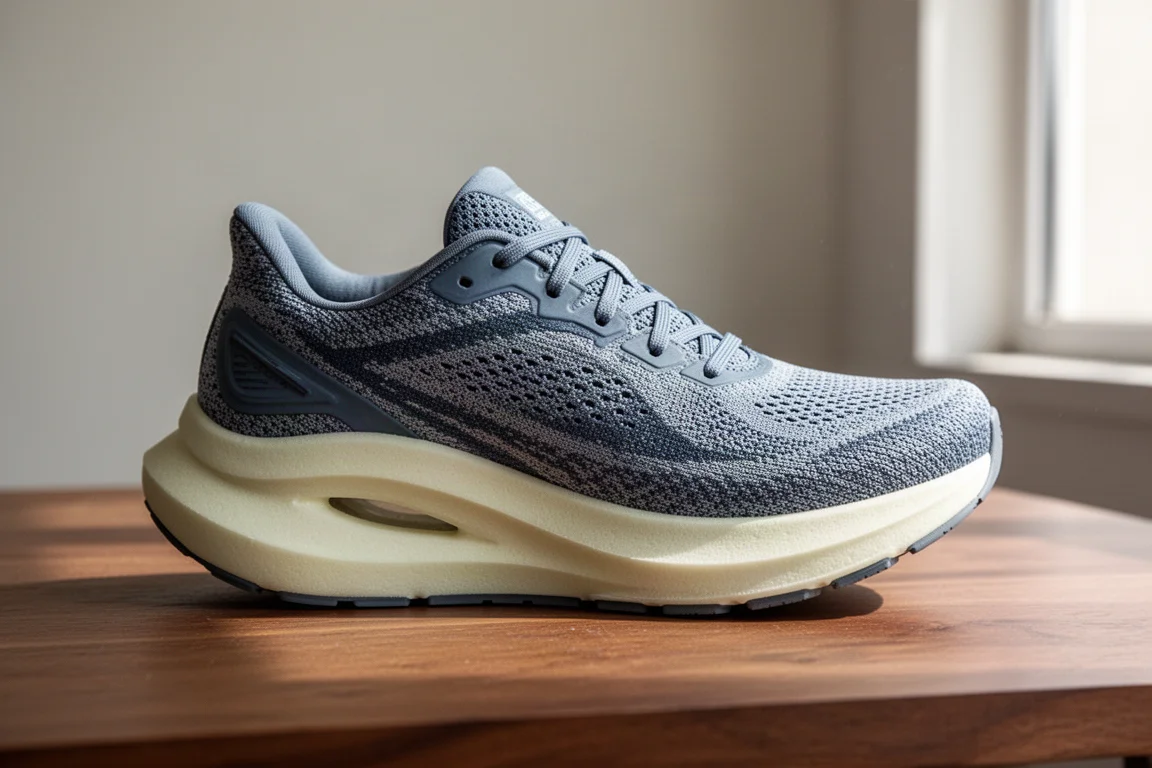
The FuelCell Rebel v5 gets a second chance after the v4 did not impress: that version was simply too soft and the upper let it down. The encouraging news is that the v5’s upper appears to be significantly improved, moving from the previous overly generous cut to a more form-fitting feel. The EVA-PEBA blend did not win over immediately, but the price and intended use case still make sense.
The stack is 35 mm at the heel and 29 mm in the forefoot for a 6 mm drop, and the sample size weighs in at a claimed 227 g, around 8 oz. That scales to roughly 255 g in a larger size, which is fair for a trainer of this variety with that stack. Worth noting: some reports suggest the shoe is actually heavier than the v4 by about 13 g, so there are some inconsistencies around the weight figures to watch.
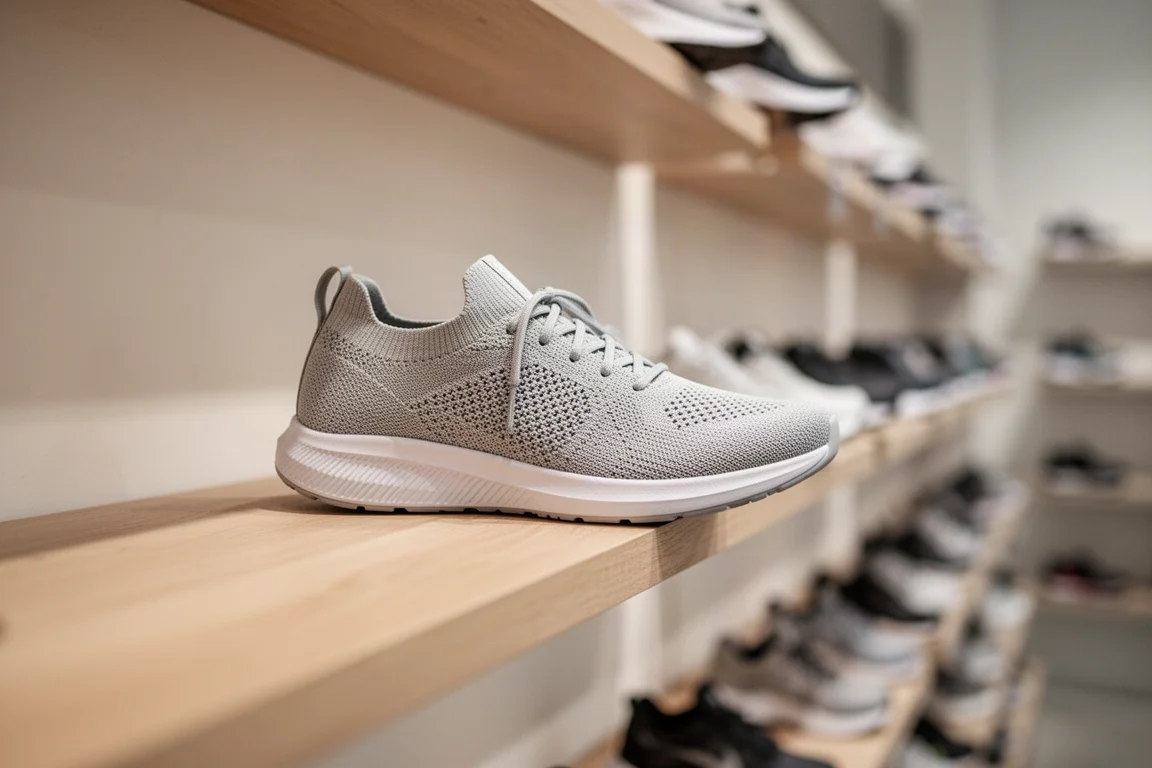
Availability is the current headache. Pairs have sold out in larger men’s sizes, with plenty of women’s sizes still around, and a new drop with seven or eight colorways is set to land in the US on 1 July. The only version released so far has been the red and black variant, so it will be interesting to see whether that colorway range reaches the UK too. At 140 pounds, if the upper really is better, this one earns a genuine recommendation for anyone after a light, moderately cushioned daily trainer.
Buying Advice
If you want maximum cushioning and do not mind a high drop, the Triumph 23’s weight savings make it more interesting than its predecessor, though the crowded premium cushioning category offers strong alternatives. If you are a Kayano loyalist, the 32 is a safe, consistent buy rather than a must-upgrade. The Hyperion Max 3 appeals to runners who want a tall, plated super trainer and can live with the weight, while the Rebel v5 is the value pick of the group, provided you can find your size in stock.
Conclusion
Of the four, the New Balance FuelCell Rebel v5 stands out as the one most worth hunting down, thanks to its lighter build and improved upper at a friendlier price. The Brooks Hyperion Max 3 is the wildcard worth watching, the Saucony Triumph 23 is a solid but divisive option held back by its drop, and the Kayano 32 is a dependable refresh for existing fans. Match the shoe to your actual runs, and none of these will disappoint badly.
Further reading
Related Reviews

Running Shoes
Best Road-to-Trail Running Shoes: Three Versatile Options for Mixed Terrain
A practical guide to three road-to-trail running shoes that handle both pavement and mild trails, with clear strengths and trade-offs for different runner types.

Running Shoes
Best Running Shoes for Achilles Tendonitis: Three Options Explained
Three running shoes with different heel drops and support features designed to help reduce Achilles tendon pain during walking and running.

Running Shoes
Best Running Shoes for Women: Five Top Choices Ranked
A ranked guide to five women's running shoes, from versatile daily trainers to high-performance racing options, with real strengths and trade-offs for each.