Rifle Review
Ruger Hawkeye 9.3x62 Alaskan Bush Rifle Review: A Compact Heavy Hitter
A close look at the Ruger Hawkeye chambered in 9.3x62, a compact stainless and laminated wood rifle built for heavy cover and close-range work.
Introduction
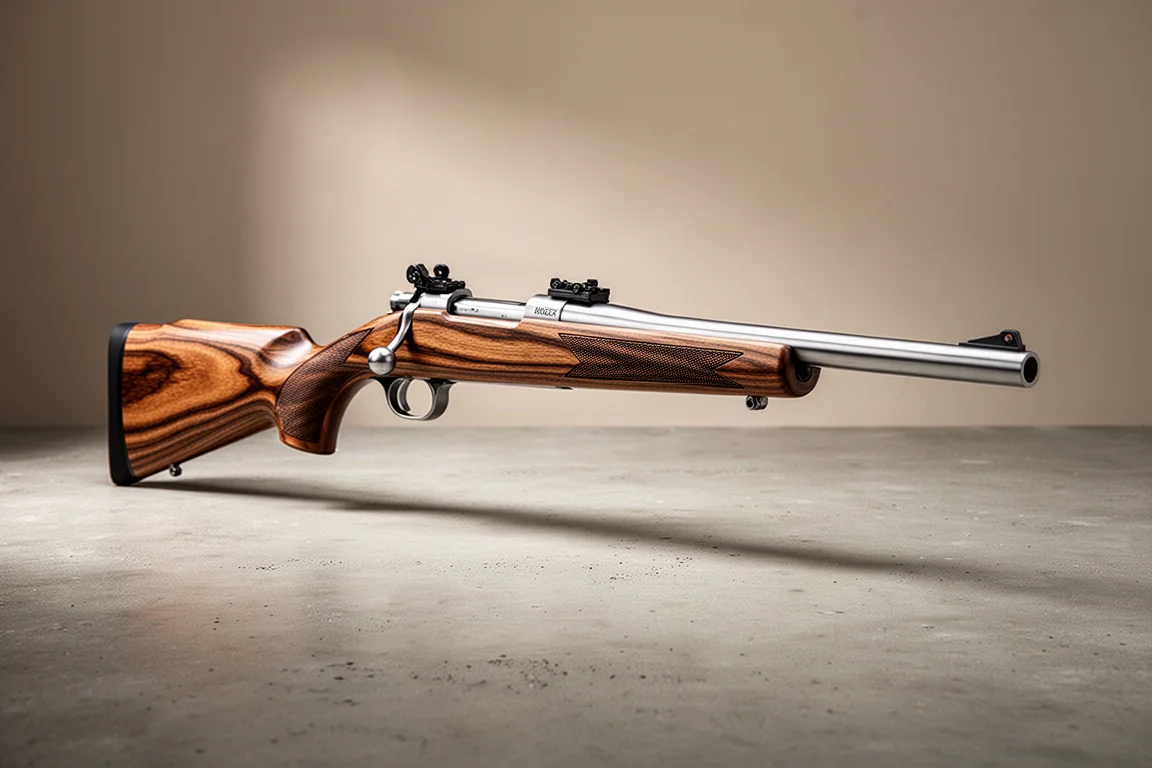
The 9.3x62 cartridge has a long history as a practical heavy-game round, and the Ruger Hawkeye is a well-regarded bolt action platform. When the two come together in one package, the result is an interesting rifle that seems purpose-built for heavy cover and close-range hunting. This particular example features a short 20-inch barrel, stainless steel construction, a laminated wood stock, and open iron sights. It is a configuration that suggests a specific role: a rugged, maneuverable rifle for brush country where shots are quick and targets are close.
First Impressions: A Compact Brush Rifle
The first thing that stands out is the short barrel. At roughly 20 inches, this rifle is noticeably more compact than a typical hunting rifle with a 24-inch barrel. That makes it easier to handle in thick cover, where a long barrel can snag on branches and slow down a quick shot. The stainless steel finish means rust is less of a concern in wet or humid conditions, and the laminated wood stock adds durability and stability. The open iron sights complete the package, keeping the rifle simple and dependable without relying on optics or batteries.
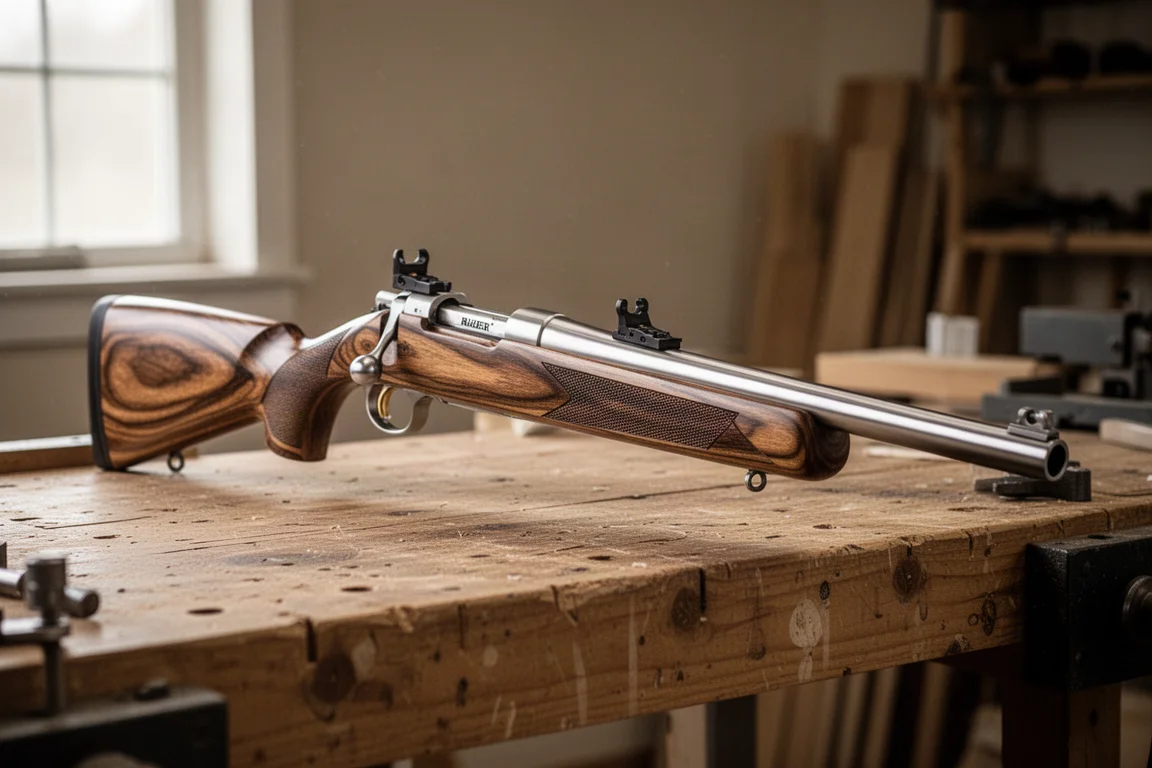
This configuration appears to be designed for a specific kind of hunting. The short barrel and iron sights suggest a rifle meant for close encounters in dense brush, where targets appear suddenly and at short range. It is the kind of rifle a guide or professional hunter might carry as a backup, or that a hunter might choose when expecting to push through thick cover after dangerous game.
The 9.3x62 Cartridge: A Grandfathered Classic
The 9.3x62 cartridge has an interesting history. It was developed in Germany in 1905 by Otto Bock, and it quickly gained a following among African hunters and farmers. The cartridge fires a .366-inch diameter bullet, typically around 285 grains, and it delivers substantial energy at close to medium range. What makes it notable is that it was grandfathered into regulations in several African countries that otherwise require a minimum of .375 H&H for dangerous game. Because so many hunters had used the 9.3x62 successfully for decades, authorities chose to allow it rather than ban a proven cartridge.
The 9.3x62 is similar in size to the .30-06, with roughly the same case length and a base diameter only slightly larger. That means it fits in standard-length actions and does not require an oversized receiver. It also means recoil is manageable, especially compared to larger cartridges like the .375 H&H or .375 Ruger. With a 285-grain bullet at around 2,400 feet per second from a 20-inch barrel, it delivers a heavy punch without the punishing kick of a magnum.
Controlled Round Feed and the Three-Position Safety
The Ruger Hawkeye action includes controlled round feed, a feature that matters in a rifle intended for dangerous game. The large claw extractor on the bolt face grips the cartridge rim as the round is fed from the magazine, ensuring positive extraction even if the bolt is worked quickly. This reduces the risk of a round being left in the chamber during a fast reload, a failure that can occur with push-feed actions when a shooter cycles the bolt too quickly.
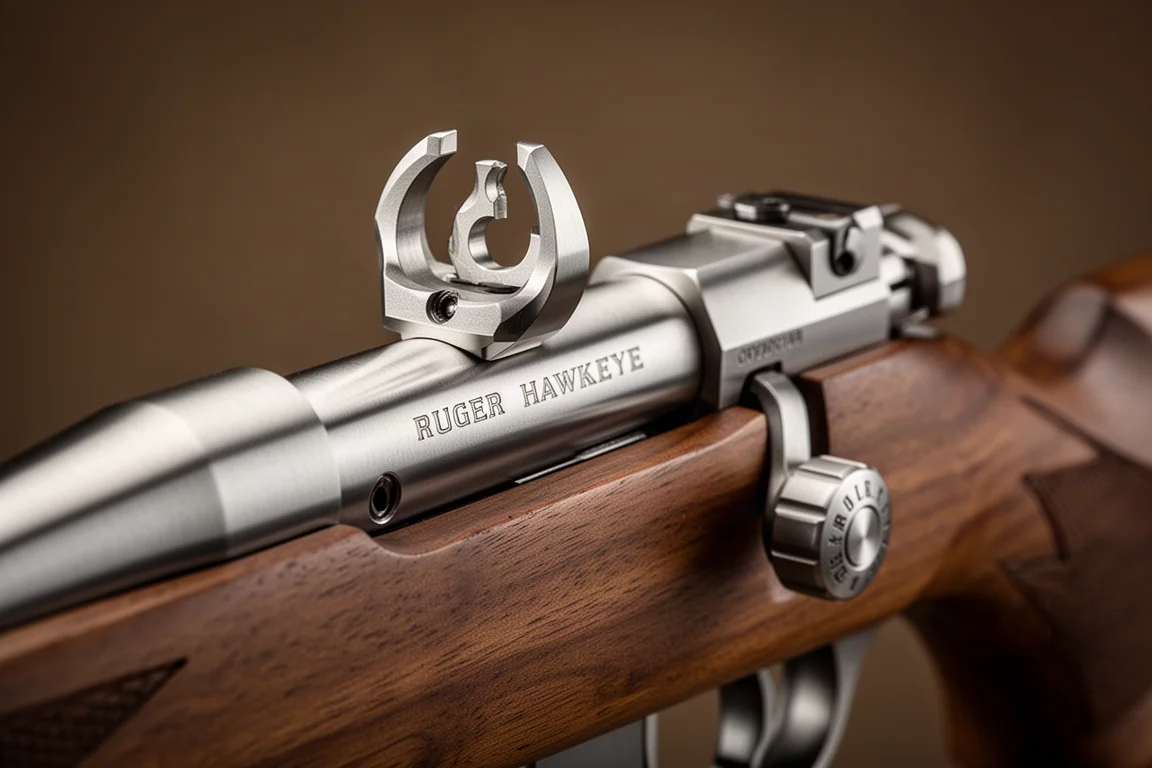
The three-position safety is another thoughtful feature. In the rear position, the bolt is locked and the trigger cannot be pulled, which is ideal when moving through thick cover where a branch might catch the bolt handle. The middle position allows the bolt to be opened for unloading while keeping the trigger locked. The forward position is ready to fire. This gives the shooter clear and deliberate control over the rifle’s status, which is reassuring in high-stress situations.
At the Range: Velocity and Recoil
Testing the rifle with factory ammunition produced some useful data. With a 285-grain load, velocities averaged around 2,377 to 2,396 feet per second from the 20-inch barrel. A 250-grain Nosler AccuBond load produced slightly higher velocities, closer to 2,600 feet per second. These numbers are a bit lower than the advertised velocities, which are typically measured from a longer 24-inch barrel, but the difference is expected with a shorter barrel.
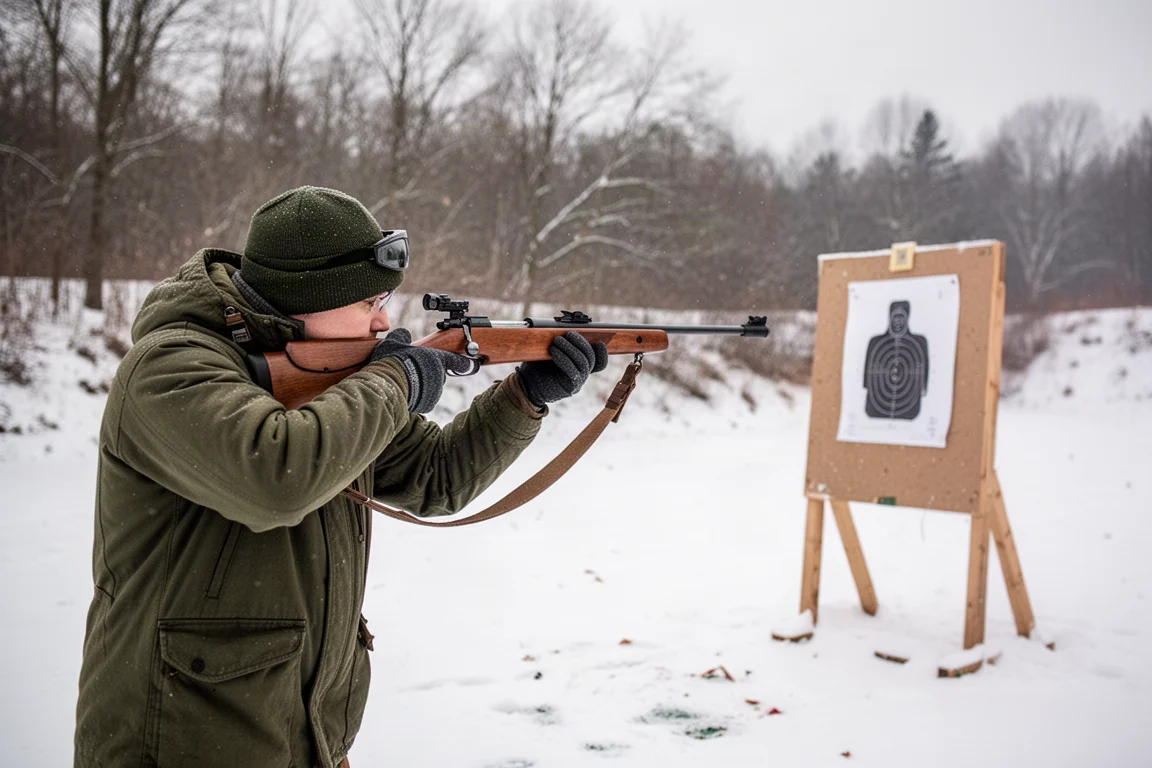
Recoil was a pleasant surprise. Both shooters described the rifle as mild, comparing it to shooting a .270 or a .30-06 rather than a heavy magnum. The combination of a moderate cartridge and a laminated stock makes for a rifle that is comfortable to shoot, even with heavier loads. That is a significant advantage for a rifle intended for quick follow-up shots in the field.
Sight Zeroing: The Shim Solution
The most significant issue with this rifle is the rear sight. The elevation is fixed, with no adjustment available, and in testing the rifle shot consistently low at 50 yards, roughly five to eight inches below the point of aim. At 100 yards, the drop was even more pronounced, with shots landing about 13 inches low. The manual suggests shimming the rear sight to raise the point of impact, but this is not an ideal solution for a rifle that should be ready to use out of the box.
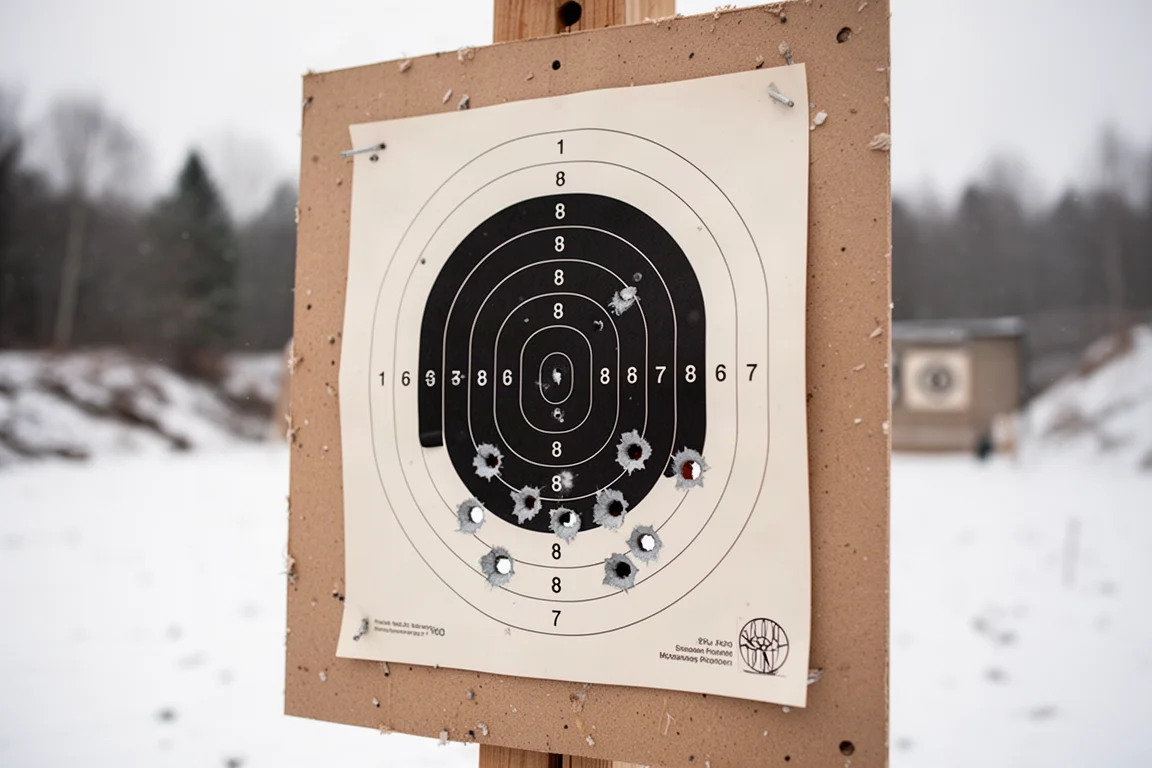
There is a workaround that proved effective during testing. By using the base of the front sight post, where it flares out, instead of the bead itself, the shooter can raise the point of impact significantly. With this technique, one shooter was able to place shots about an inch and a half high at 50 yards, which is a usable zero. However, this method requires practice and is not as intuitive as a properly adjusted sight. A custom front sight or a raised rear sight would be a more permanent fix.
Buying Advice
The Ruger Hawkeye in 9.3x62 is a well-built, rugged rifle that handles beautifully and shoots accurately. The action is smooth, the controlled round feed is reassuring, and the recoil is mild enough for extended shooting sessions. The short barrel and iron sights make it an excellent choice for hunters who work in thick cover and expect close-range shots at large game.
The main drawback is the fixed rear sight, which requires either a shim or a workaround to achieve a proper zero. This is an inconvenience that buyers should be aware of before purchasing. If you are comfortable with iron sights and willing to invest a little time or money in sorting out the elevation, this rifle offers a lot of capability in a compact package. It is also a distinctive choice, as few hunters will have a 9.3x62 Ruger Hawkeye on their block.
Conclusion
The Ruger Hawkeye 9.3x62 Alaskan Bush Rifle is a purpose-built tool for heavy cover and close-range hunting. It combines a proven cartridge with a rugged, compact platform that handles well and shoots accurately. The fixed rear sight is a notable flaw, but it is not a deal-breaker for someone willing to address it. For hunters who want a handy, hard-hitting rifle for brush country, this is a compelling option that stands out from the crowd.
Product link
View more details for Ruger Hawkeye 9.3x62
This product is mentioned in the review. Check the specifications, options, and compatibility before buying.
View more details for Ruger Hawkeye 9.3x62Further reading
Related Reviews
Rifle Cartridges
300 WSM vs 6.8 Western: A Field Comparison of Two Short Action Magnums
Two capable short action magnum rifles face off in real hunting conditions. Here is how the 300 WSM and 6.8 Western compare for elk and other big game.

Rifle Reviews
7mm Backcountry Review: A Practical Look at the Horizon Firearms Rifle
A hands-on look at the 7mm Backcountry cartridge in a 16-inch Horizon Firearms rifle, covering accuracy, velocity, and real-world hunting performance.
Hunting Gear
Best Trail Cameras for Hunting: Five Reliable Options for Wildlife Tracking
Five trail cameras designed for hunters and wildlife observers, each with distinct strengths in connectivity, image quality, battery life, and ease of use.