Rifle Cartridges
300 WSM vs 6.8 Western: A Field Comparison of Two Short Action Magnums
Two capable short action magnum rifles face off in real hunting conditions. Here is how the 300 WSM and 6.8 Western compare for elk and other big game.
Introduction
The debate over the ultimate short action magnum for big game hunting has two strong contenders: the 300 WSM and the 6.8 Western. Both cartridges deliver magnum-level performance in a compact action, but they approach the job differently. This comparison puts them through real field shooting at multiple distances, from a 300-yard setup to a 559-yard poke, plus an offhand shot at a mule deer that stood up unexpectedly.
The goal is not just to compare paper ballistics, but to see how each rifle and cartridge performs in the kind of positions hunters actually find themselves in.
The Rifles and Loads
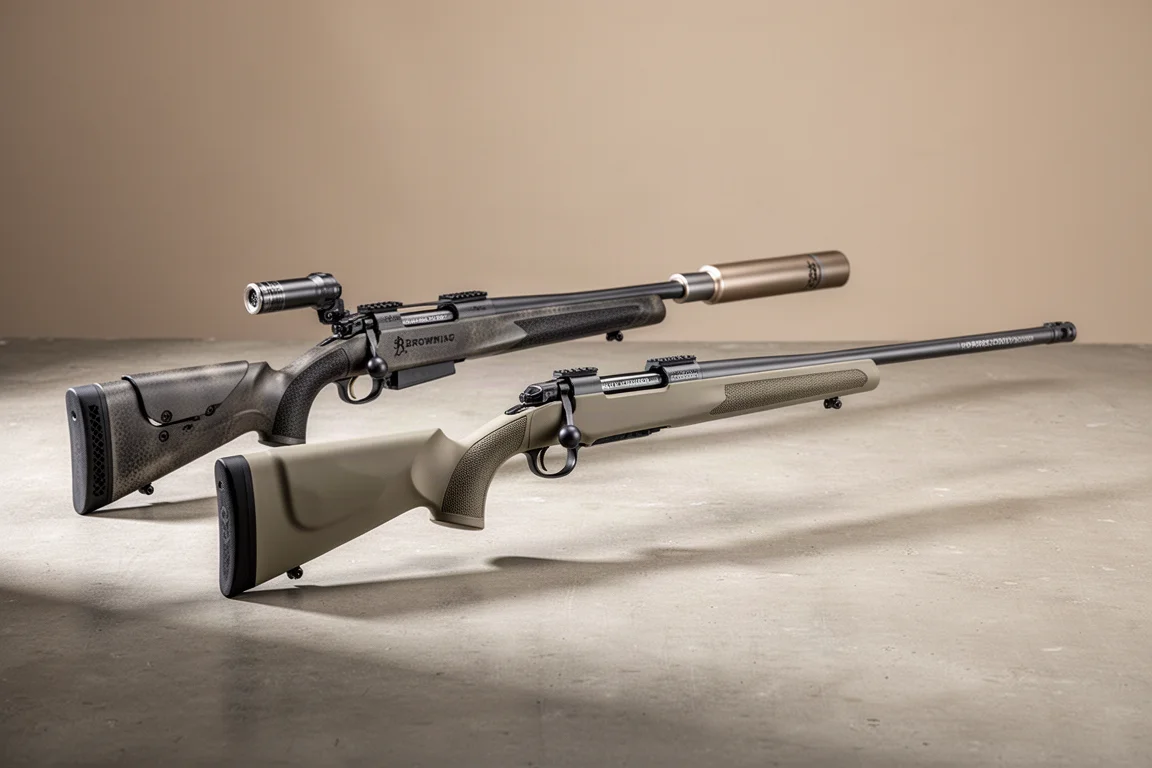
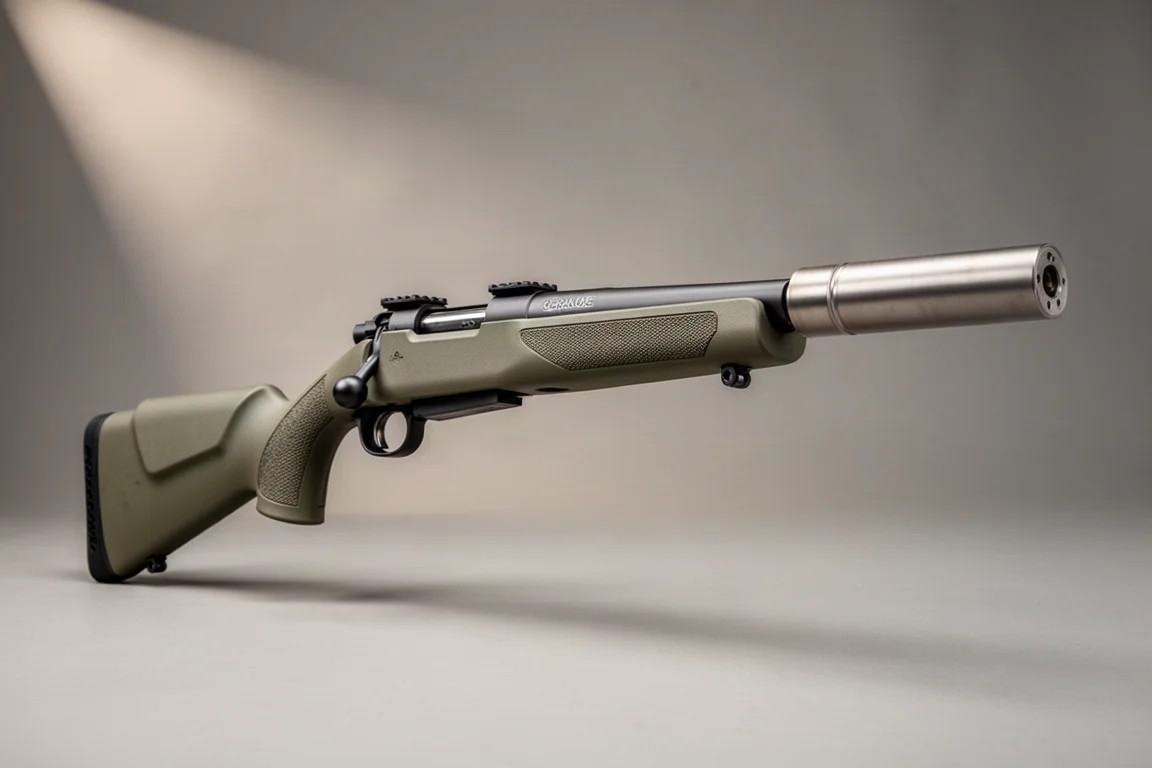
The 6.8 Western was represented by a Browning X-Bolt Western Hunter, a submodel that has since been discontinued but remains a favorite of its owner. The rifle has been Cerakoted and fitted with a Gunwerks 6 titanium suppressor up front. A VX-3 scope with a dial on top completes the setup. The owner describes it as basic and simple, but notes it shoots better than any rifle he has owned.
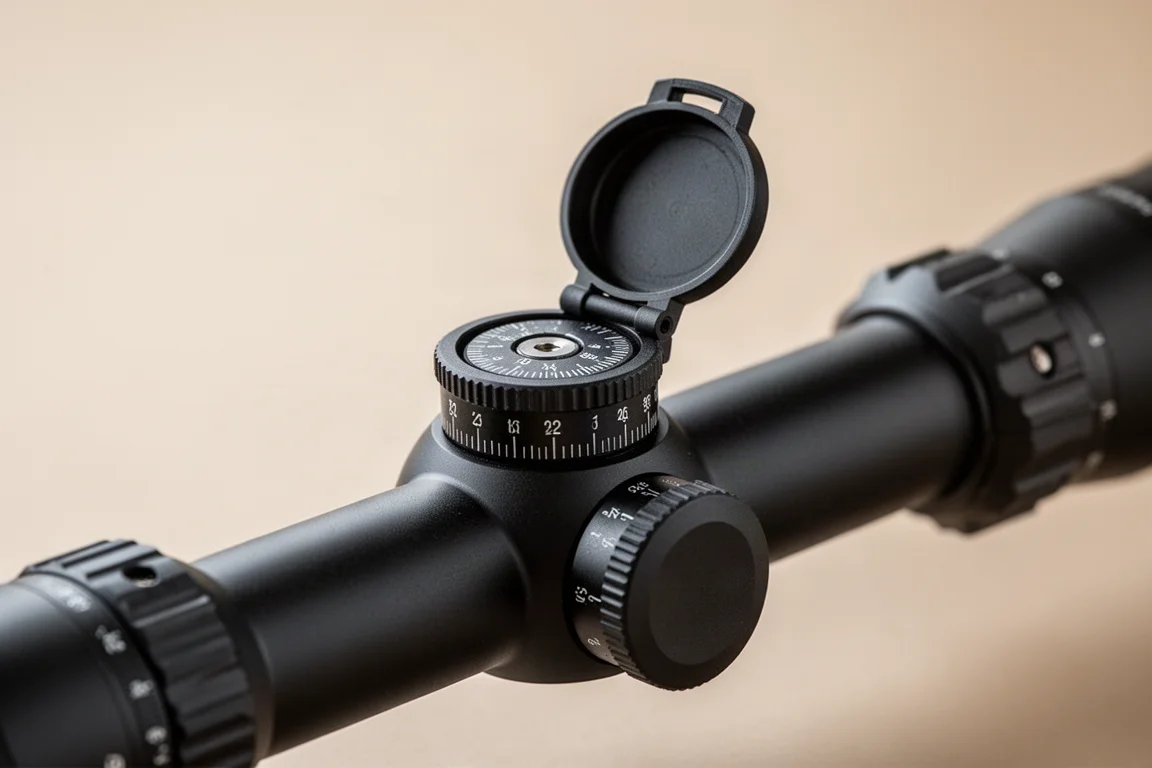
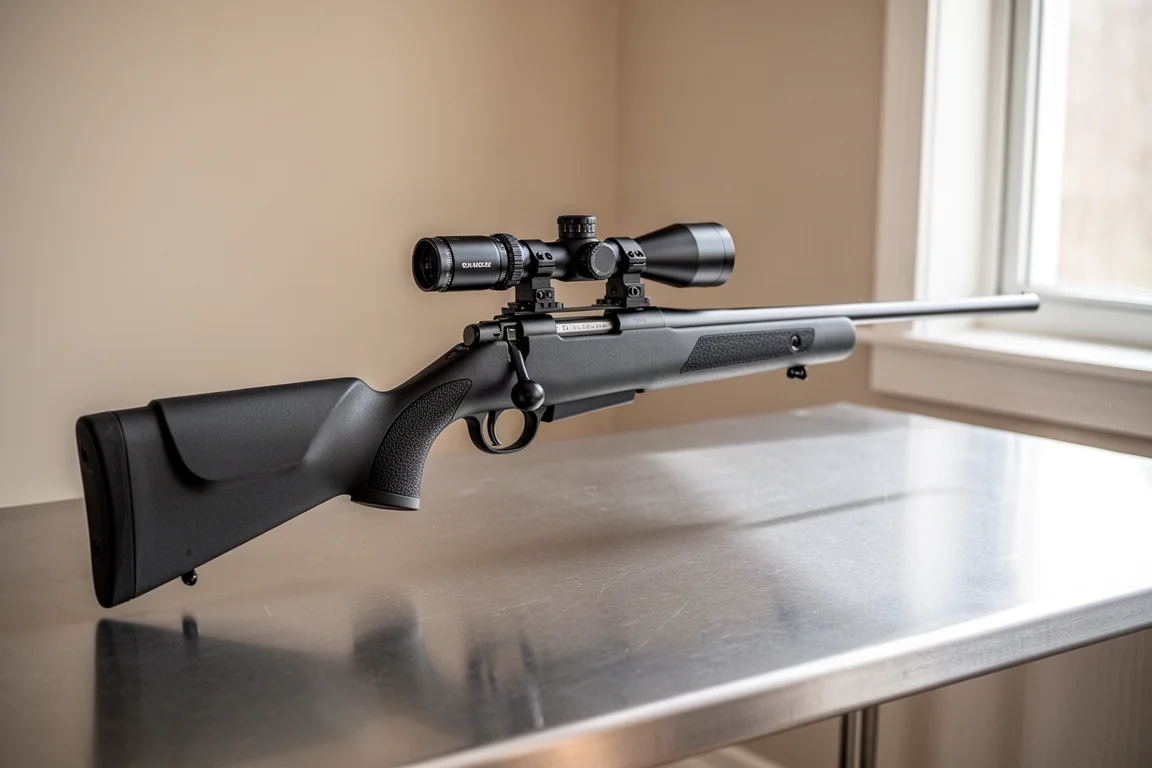
The 300 WSM was represented by an HS Precision Pro Series 2000, a lightweight rifle that has taken a deer in Kansas. It wears a synthetic stock with a comb shape the shooter likes, and a barrel of roughly 22 to 23 inches. A VX-7 scope with an unusual pop-up dialing system sits on top. The shooter admits he has not worked with this rifle much, and was using factory Norma ammunition with a 180-grain Bondstrike bullet.
The 6.8 Western was shooting a handload with a 175-grain Sierra Tipped GameKing bullet. The owner developed the load himself and proved its consistency with a 20-shot group measuring 0.9 inches, well under 1 MOA. The 300 WSM recorded a muzzle velocity of 3,020 feet per second with the 180-grain bonded bullet, while the 6.8 Western produced 2,770 feet per second with its 175-grain bullet.
Field Shooting at 300 Yards
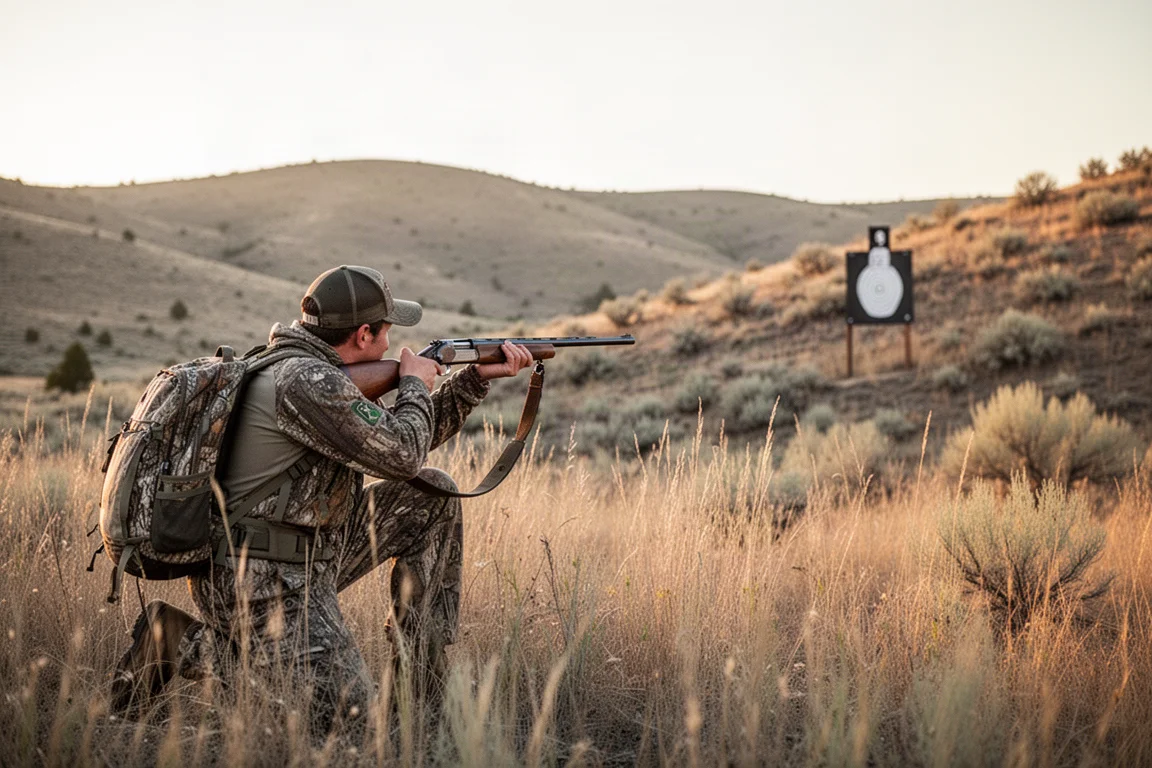
The first field test was a 300-yard shot at a black steel plate. The 6.8 Western shooter set up in a semi-sitting, semi-kneeling position, using a bipod extended over a backpack for support. He wrapped a hasty sling around his arm for extra stability and made solid contact with the plate.
The 300 WSM shooter faced a downhill slope that made sitting uncomfortable. He tried leaning into the shot, then switched to placing his pack in his lap for support. He managed to hit the plate as well, though the impact sounded less solid than the first shooter’s.
This first test highlighted something important: field positions matter more than bench accuracy. Both rifles were capable of hitting the target, but the shooter with the better setup had an easier time of it.
Pushing Out to 559 Yards
The second test moved out to 559 yards, a distance that demands real precision. The 6.8 Western shooter found a spot where the grass was shorter and used his pack to raise the bipod enough to shoot prone. He made a clean hit on the plate.
The 300 WSM shooter used a large sagebrush as a natural rest, leaning against it with his pack supporting his elbow. He needed about 4.3 MOA of adjustment and gave it 4.5. His first shot landed just off the left side and slightly low. A second shot caught the corner of the plate, but the hit was not as solid as the 6.8 Western’s.
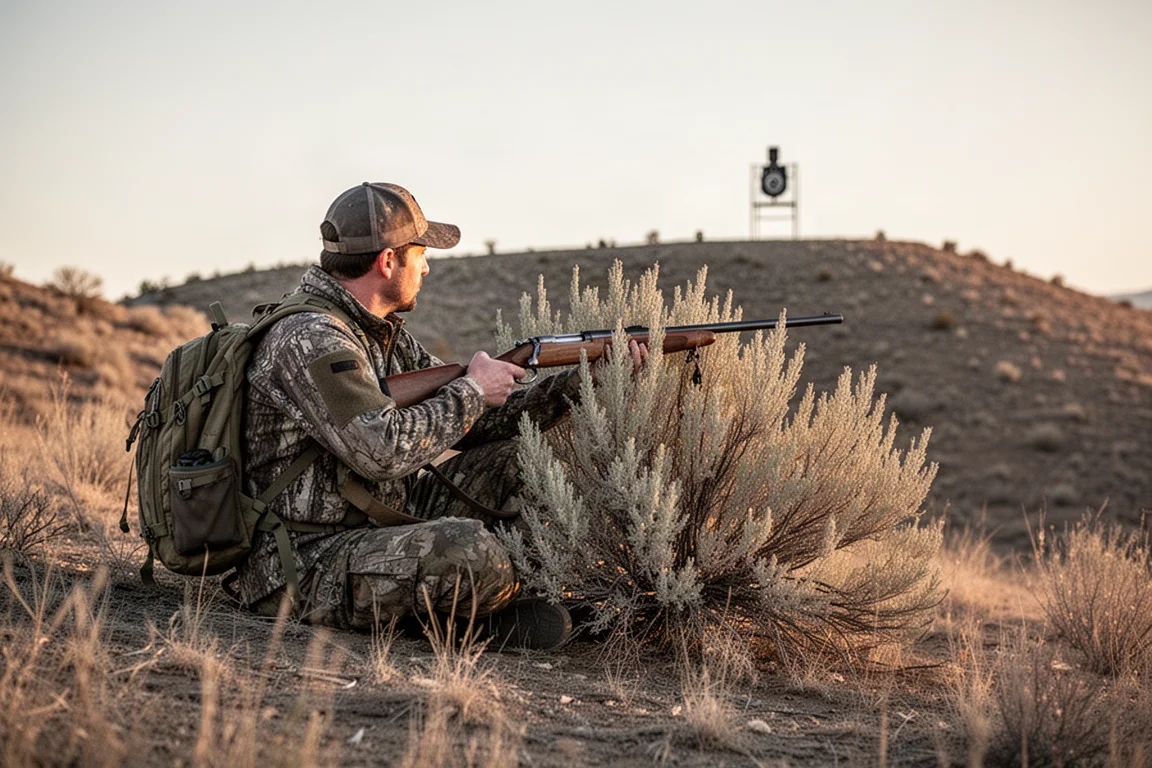
The shooter of the 300 WSM attributed the difference to the shooter rather than the cartridge, noting that lower recoil in the 6.8 Western might have helped. The 6.8 Western shooter agreed that recoil management was a fair point of comparison.
The Offhand Challenge
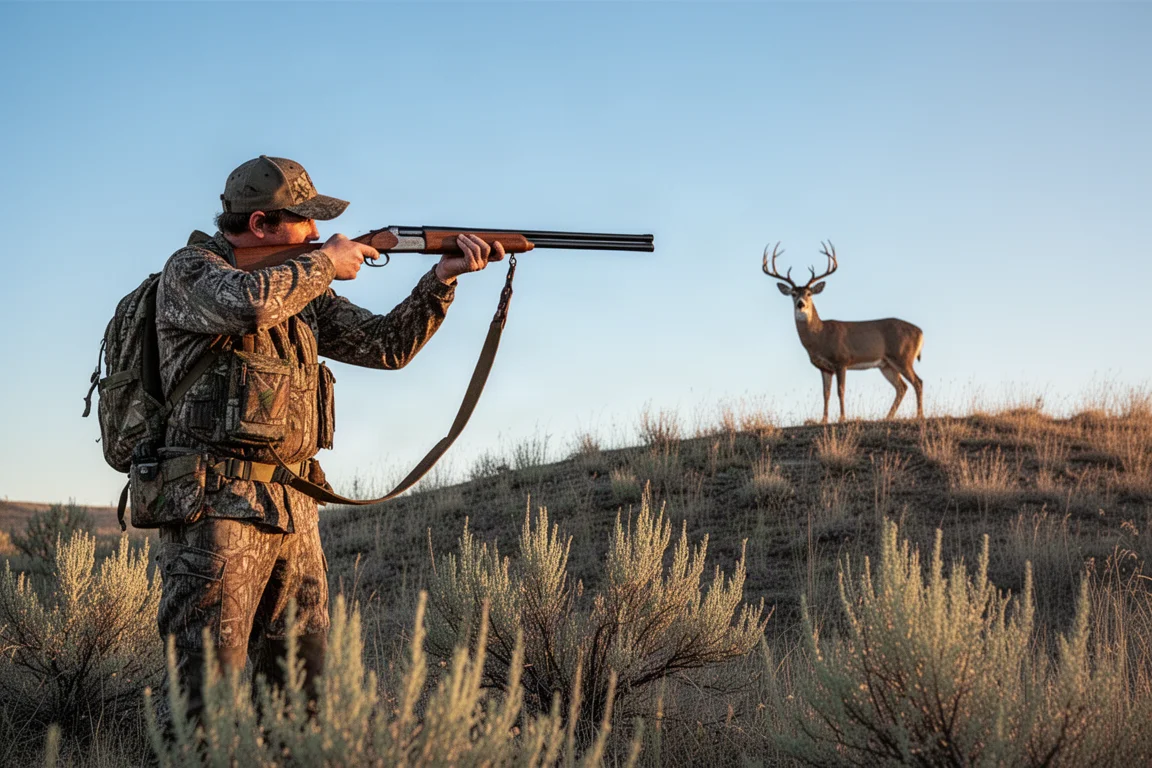
The final test came when a mule deer stood up on a ridge at roughly 200 yards. The 6.8 Western shooter had no time to get into a supported position and took the shot offhand. He made solid contact, spinning the deer around.
The 300 WSM shooter attempted a kneeling shot using his shooting sticks, but shot over the target. The problem was not the rifle: he had been dialed to 550 yards from the previous test and forgot to dial back down. He normally uses a maximum point-blank range setup that keeps him dead on out to about 280 or 300 yards, so dialing is not his usual practice.
This was a valuable lesson. In the excitement of a sudden opportunity, remembering to reset your dial can be the difference between a hit and a miss. The shooter noted that he should have been carrying the rifle at zero.
Cartridge Comparison
Both cartridges proved capable of taking elk and moose. The 300 WSM shoots a 180-grain bullet at 3,020 feet per second, which has long been the standard for the 300 Win Mag and Weatherby Mag. The 6.8 Western shoots a 175-grain bullet at 2,770 feet per second, but with a ballistic coefficient just under 0.600.
The 300 WSM is certainly more powerful on paper. The 6.8 Western is more shooter friendly, with lower recoil and a high-BC bullet that carries energy well downrange. The 300 WSM shooter noted that the higher BC bullet with a slight velocity advantage would keep more energy on target, but he did not think it would make a practical difference.
Both shooters agreed that shot placement matters more than energy. A well-placed bullet from either cartridge will get the job done on elk, moose, big bears, caribou, or African plains game like kudu, eland, and oryx.
Buying Advice
For hunters who want maximum power in a short action, the 300 WSM remains a proven choice. It has decades of field use behind it and a wide selection of factory ammunition. The HS Precision Pro Series 2000 is a lightweight, trim rifle that carries well and shoots accurately, though the example tested here was still being dialed in with a new scope.
For hunters who prioritize shooter comfort and recoil management, the 6.8 Western is an excellent modern option. The Browning X-Bolt Western Hunter proved exceptionally accurate, with a 20-shot group under 1 MOA, and the lower recoil made it easier to shoot well from awkward field positions.
View more details for Browning X-Bolt Western Hunter
View more details for HS Precision Pro Series 2000
Conclusion
Both the 300 WSM and the 6.8 Western are capable short action magnums for big game hunting. The 300 WSM offers more raw power, while the 6.8 Western offers a flatter-shooting, lower-recoil package that many hunters will find easier to shoot accurately in the field.
The real takeaway from this comparison is not which cartridge won, but how much field practice matters. Both rifles hit targets at 300 and 559 yards when set up properly. The misses came from forgotten dial adjustments and awkward positions, not from the rifles or cartridges themselves.
Hunters should practice their field positions before heading out, know their rifle’s trajectory, and remember to reset their dials. With the right bullet in the right place, either cartridge will serve you well on elk, moose, and other big game.
Further reading
Related Reviews

Rifle Reviews
7mm Backcountry Review: A Practical Look at the Horizon Firearms Rifle
A hands-on look at the 7mm Backcountry cartridge in a 16-inch Horizon Firearms rifle, covering accuracy, velocity, and real-world hunting performance.
Hunting Gear
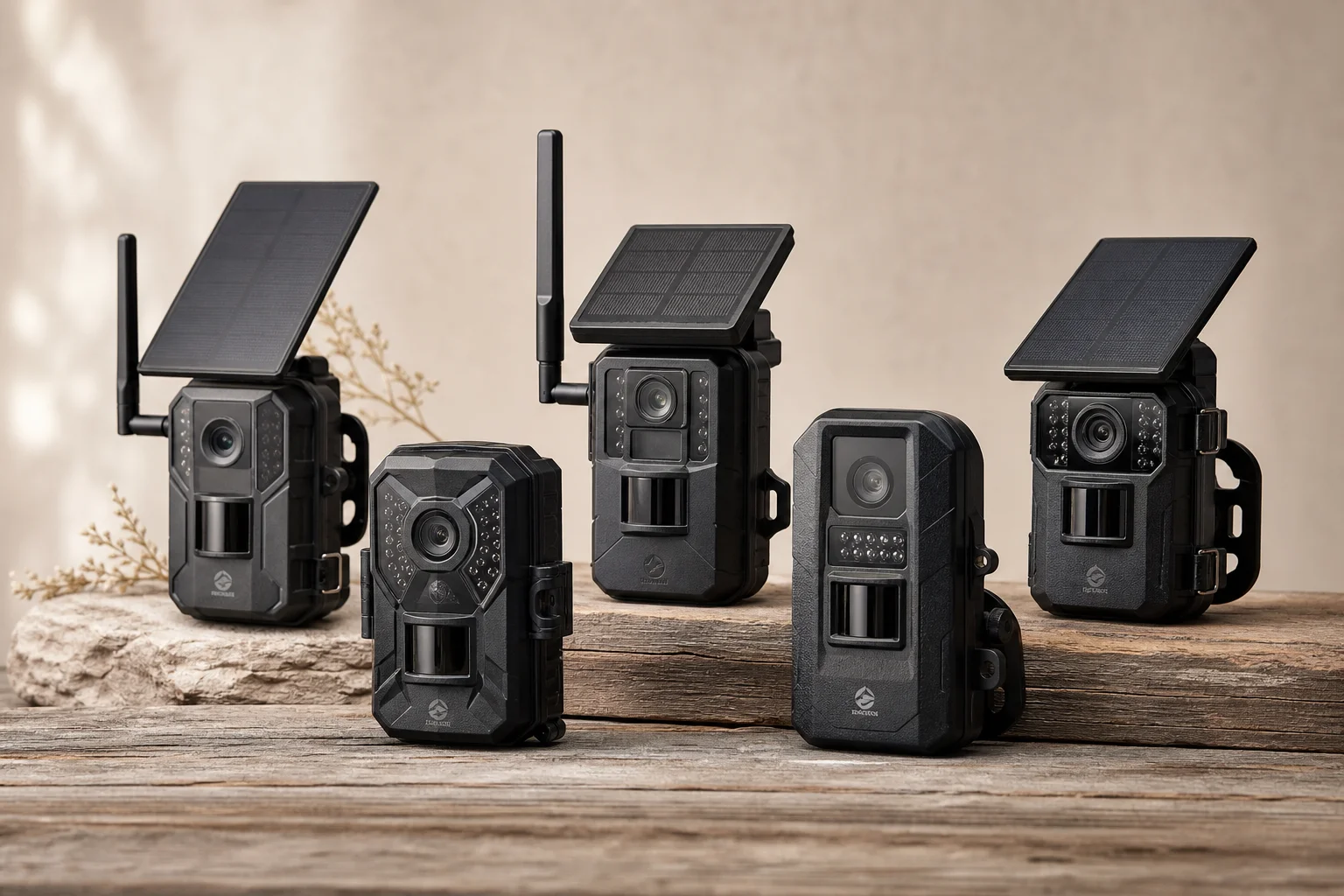
Best Trail Cameras for Hunting: Five Reliable Options for Wildlife Tracking
Five trail cameras designed for hunters and wildlife observers, each with distinct strengths in connectivity, image quality, battery life, and ease of use.

Rifle Reviews
Three Budget Rifles Put to the Test: CVA Scout, Glenfield Model A, and Savage Access Gen 2
We take three of the least expensive rifles on the market to the range to see how they handle, group, and perform in a hunting-style scenario.