Multitools
Roxon Flex vs GOAT Tool: Two Open-Source Modular Multitools Compared
Two genuinely different takes on the modular multitool: the polished, ergonomic Roxon Flex and the rugged, fully serviceable GOAT Tool. Here is how they actually differ.
Introduction
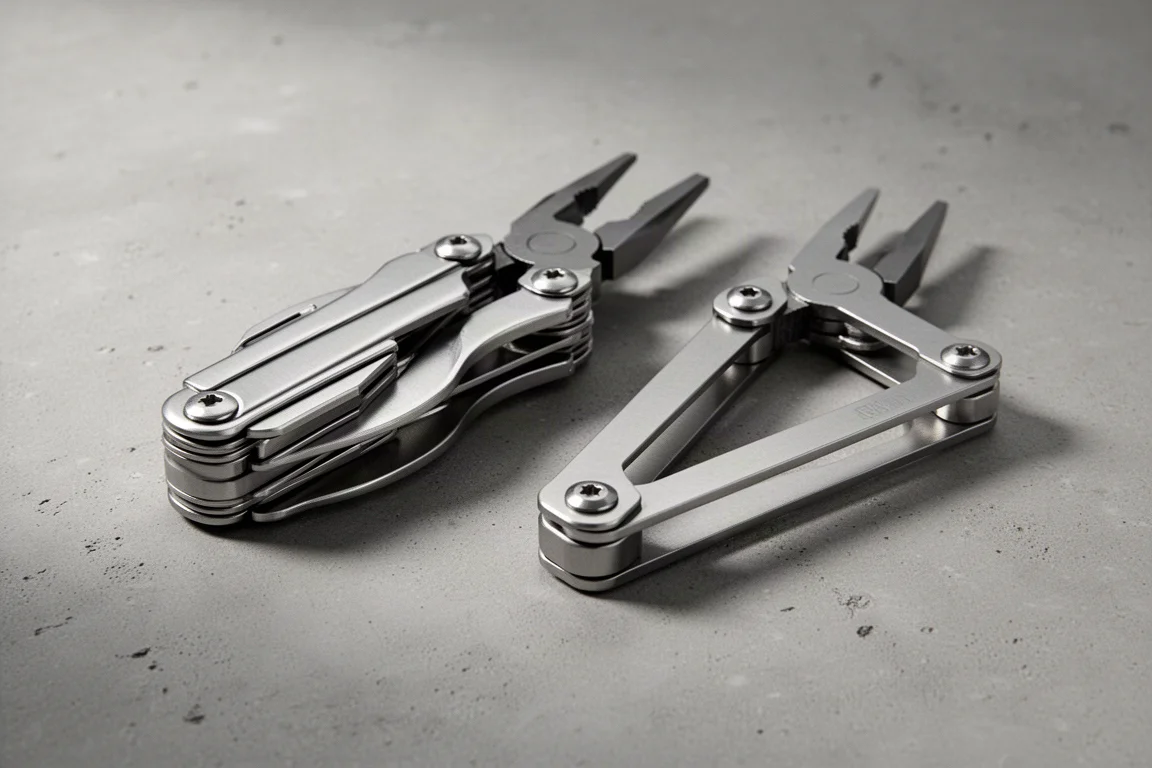
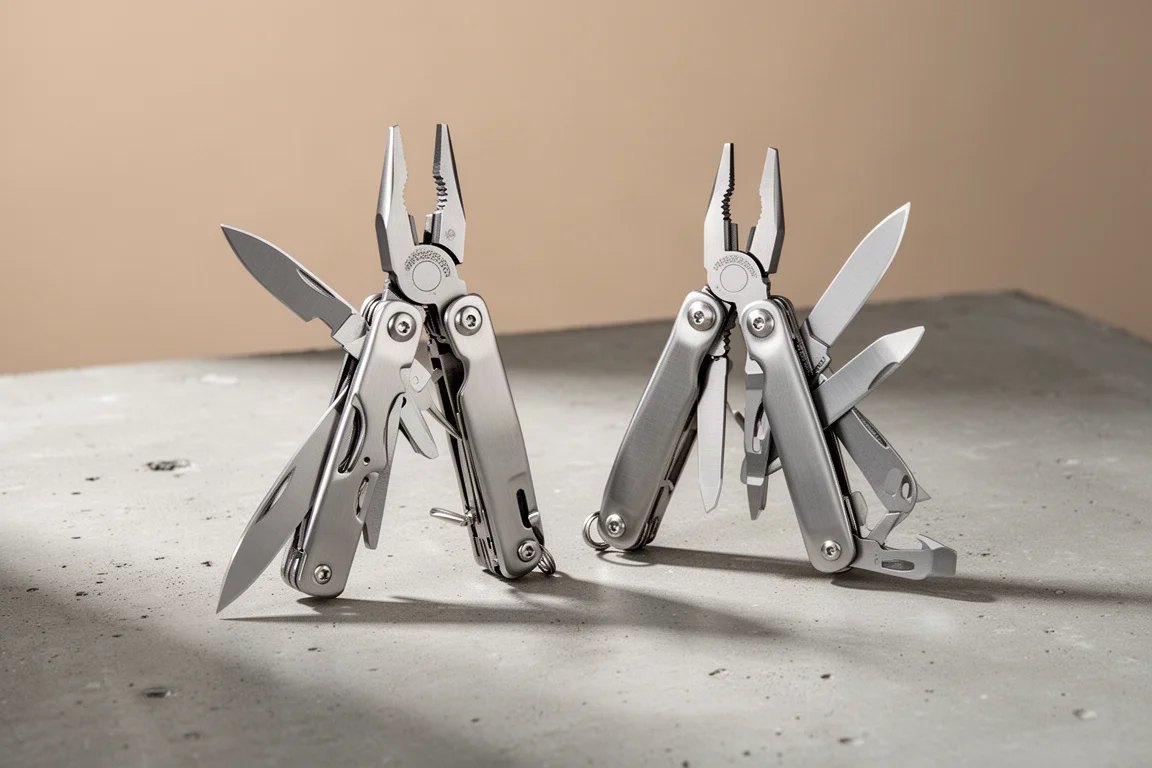
Modular multitools are finally having their moment. For over a century, modularity has existed in some form, but two recent plier-based platforms have turned it into a complete, coherent package: the Roxon Flex and the GOAT Tool.
There is an important bit of history to get straight first. Although the Flex is generating a lot of excitement, it was not the first multitool in recent memory to combine a modular platform with an open-source design. That distinction belongs to the GOAT Tool, an American startup product that is already on the market. So the real question is not whether the Flex makes the GOAT Tool obsolete. It clearly does not. The question is which design philosophy fits you better.
Roxon Flex: Comfort and a Clever Lock
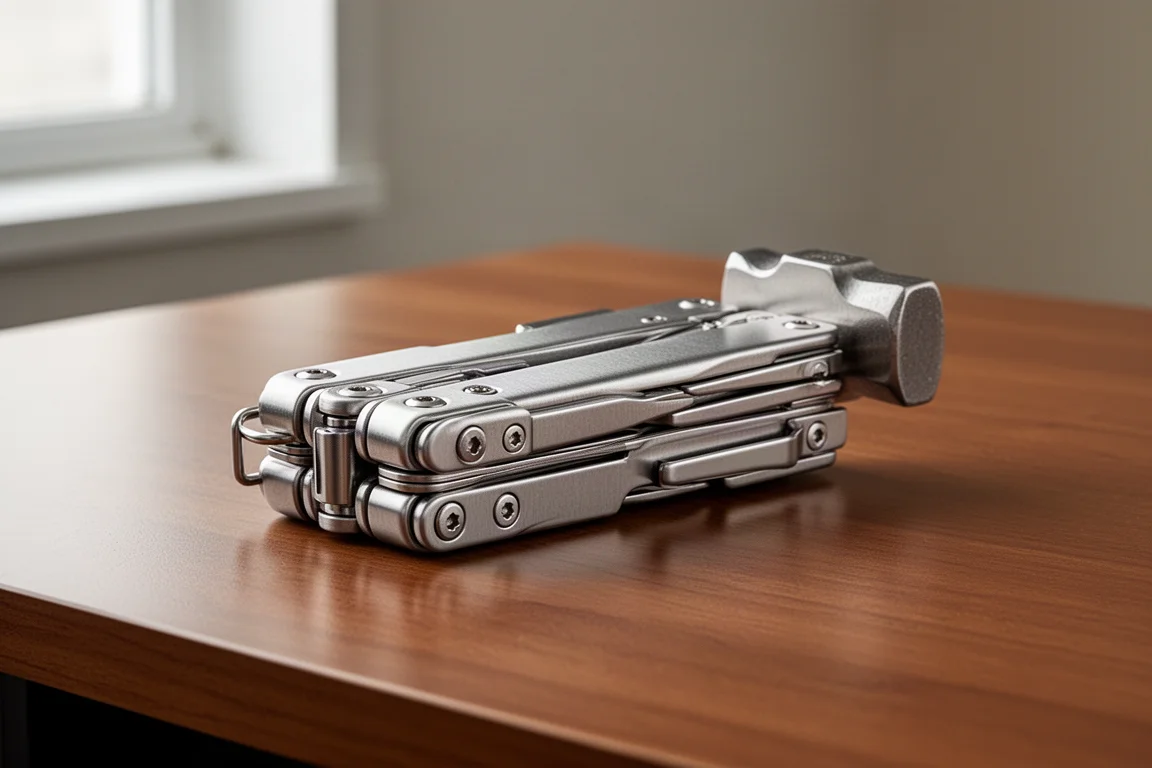
The Flex takes clear design cues in its shape that people have compared to the Victorinox Spirit, though the reason appears to be functional rather than imitative: the locking mechanism needed extra space in that part of the handle. The payoff is a handle that curves beautifully in plier orientation, and the result is arguably the most comfortable multitool to hold in both plier and blade use. Where something like a Leatherman Wave feels great in plier mode but awkward with a blade, the Flex manages both.
At 9 oz, it runs slightly heavier than the Leatherman Wave at 8.6 oz, partly because of secondary steel panels on both sides that aid ergonomics and conceal the locking hardware. That weight will be a real factor for anyone deciding whether to carry it.
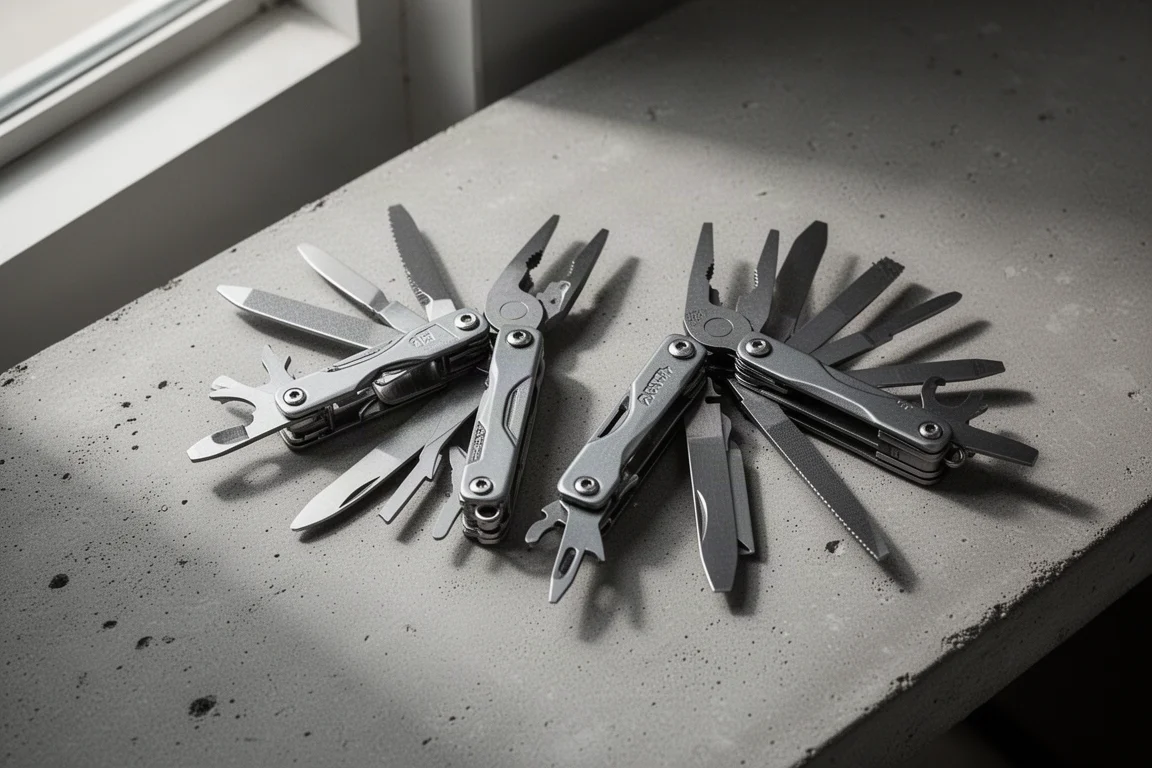
The tool set shown so far is subject to change since the Flex is not fully in production yet. Suggestions already under discussion include swapping the standard file for a small diamond file that could sharpen the blades, and shortening the scalpel holder to create a more compact combination. The chisel and scissors are particular standouts, with the scissors featuring a nicely profiled finger landing pad.
The locking system is the Flex’s most interesting engineering. Implements use a small three-sided secondary notch rather than the larger opening, which reduces natural play and makes everything feel far less fiddly. Open a tool fully, press the lock button all the way back, and a separate lock bar engages so the implement must rotate past 180 degrees before it can slide out. The D-shaped pivot stays fixed, and there is essentially no chance of a tool coming loose unintentionally. Sliding tabs also lock every implement into the handle, preventing accidental deployment, while one-handed opening remains simple.

The trade-off is that the Flex does not come with a one-handed opening blade at launch; blades sit flush and are deployed with a button. It is technically German legal as configured, though a one-handed blade could be added later. It also offers two long implements rather than four, and it lacks a full quarter-inch bit driver, using double-sided bits compatible with Leatherman bits instead.
GOAT Tool: Serviceable, Lighter, and Built for the Outdoors
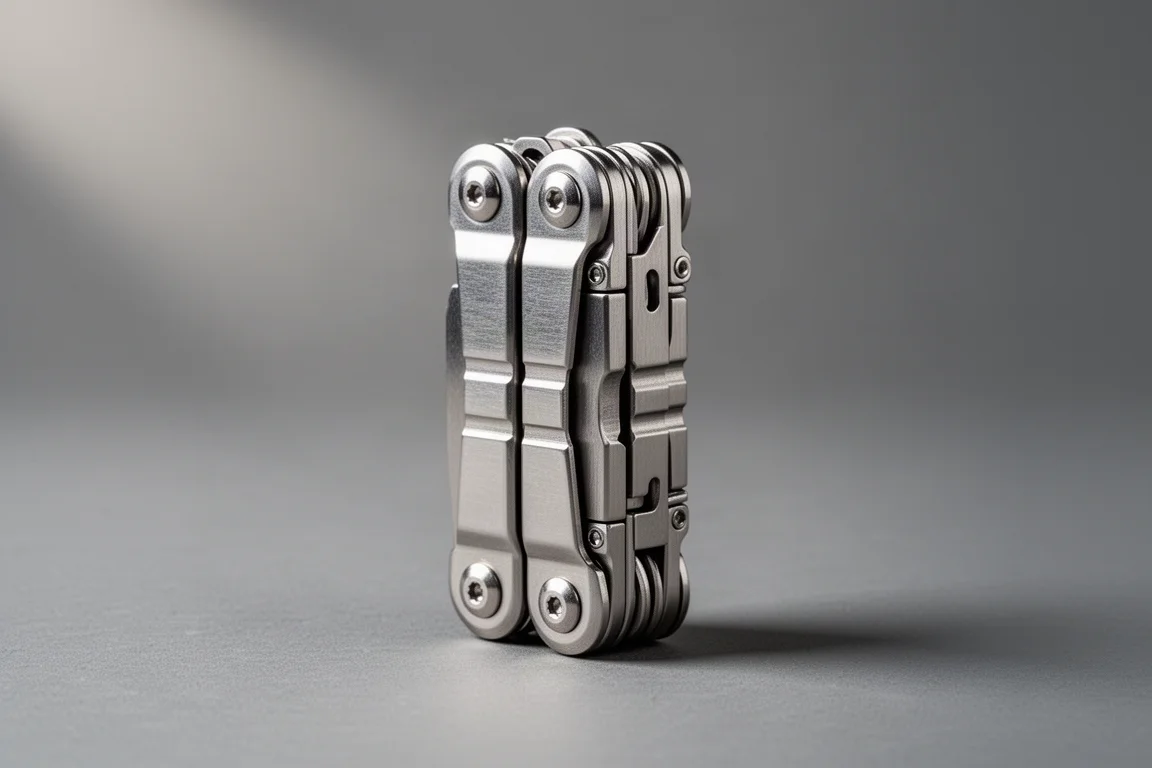
The GOAT Tool is currently available and comes with a lifetime warranty that even covers mechanical updates. If the release bar gets an improvement, existing owners will likely receive the new part directly. That kind of ongoing support is a significant advantage.
At 7.6 oz versus the Flex’s 9 oz, it is noticeably lighter, and it still manages to include a hammer. It offers four long implements instead of the Flex’s two, and it has a one-handed opening blade.
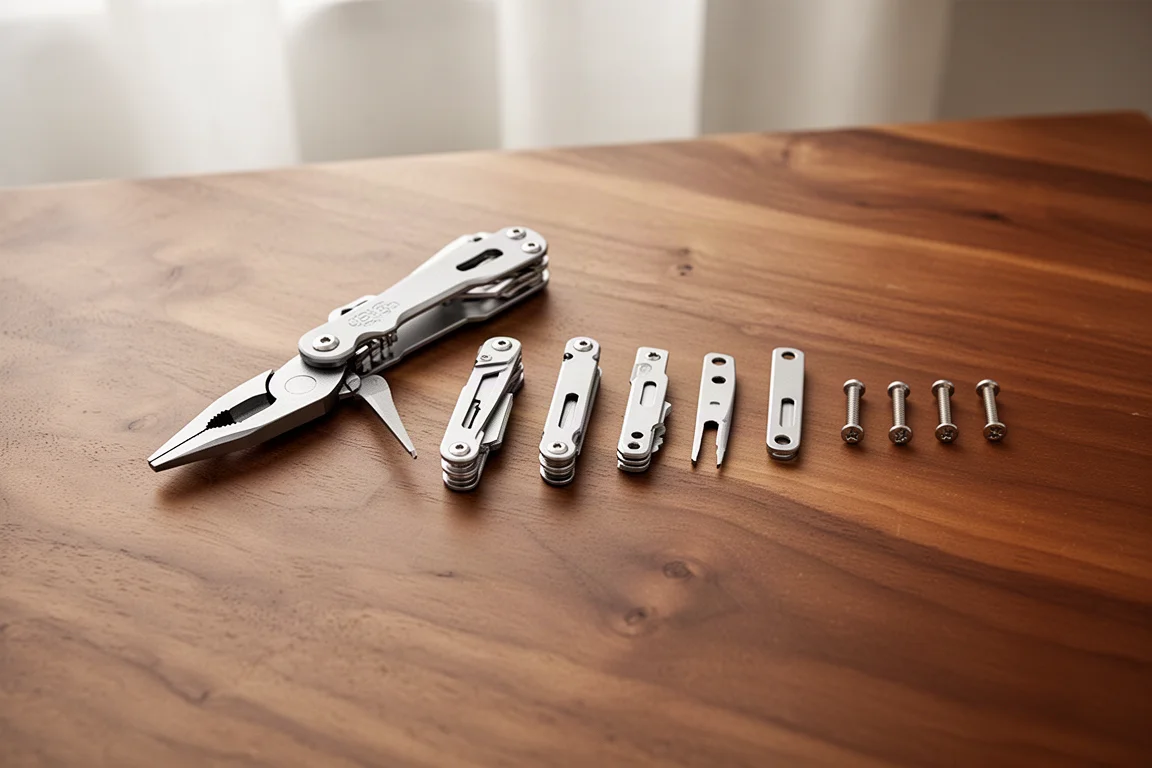
The bigger difference is serviceability. The Flex has mechanical pieces hidden under its scales; if it is dropped in salt water, cleaning the internal mechanisms would be very difficult. The GOAT Tool, by contrast, can be fully disassembled. It has been dropped in beach sand, gunked up, taken apart, reassembled, and worked flawlessly afterward, which makes it one of the few multitools you can confidently take into wet, sandy environments.
It is not without flaws. The mechanism sometimes deploys when opening tools, which can loosen the pivot and screws over time because the screws rotate with the pivot during unlocking. The wire cutters also need a much steeper relief edge to cut cleanly; as it stands, they cut poorly, and since the cutters are tied to the pliers themselves, that fix will take longer than a simple insert swap.
Which One Should You Buy?
Both tools are open source, so third-party makers could eventually expand either platform, though for now Roxon and GOAT are likely to be the primary sources of new inserts.
On materials, the Flex uses 4116 for the knife, chisel, and similar implements, with the rest in 2 and 3C steel. The GOAT Tool is 420 stainless except for the blade, which is surprisingly comparable. A future GOAT iteration moving to a 420 HC equivalent frame would meaningfully improve wear resistance, especially in the locking mechanism.
The Flex will be priced at $80, not including the bit kit, which sells separately for $10. Many would argue the kit should be included in the package. Where water and sand are involved, the GOAT Tool is the safer bet; for everyday urban carry where ergonomics and a refined lock matter most, the Flex has real appeal.
Conclusion
These are very different tools rather than direct competitors. The Roxon Flex brings polished ergonomics, a genuinely clever locking mechanism, and a refined out-of-the-box feel, while the GOAT Tool brings lower weight, more long implements, full field serviceability, and a lifetime warranty. Both platforms would benefit from continued improvement, and both prove that open-source modular multitools have arrived. Whichever you choose, the real winner is anyone who has been waiting for this category to mature.
Further reading
Related Reviews
Multitools
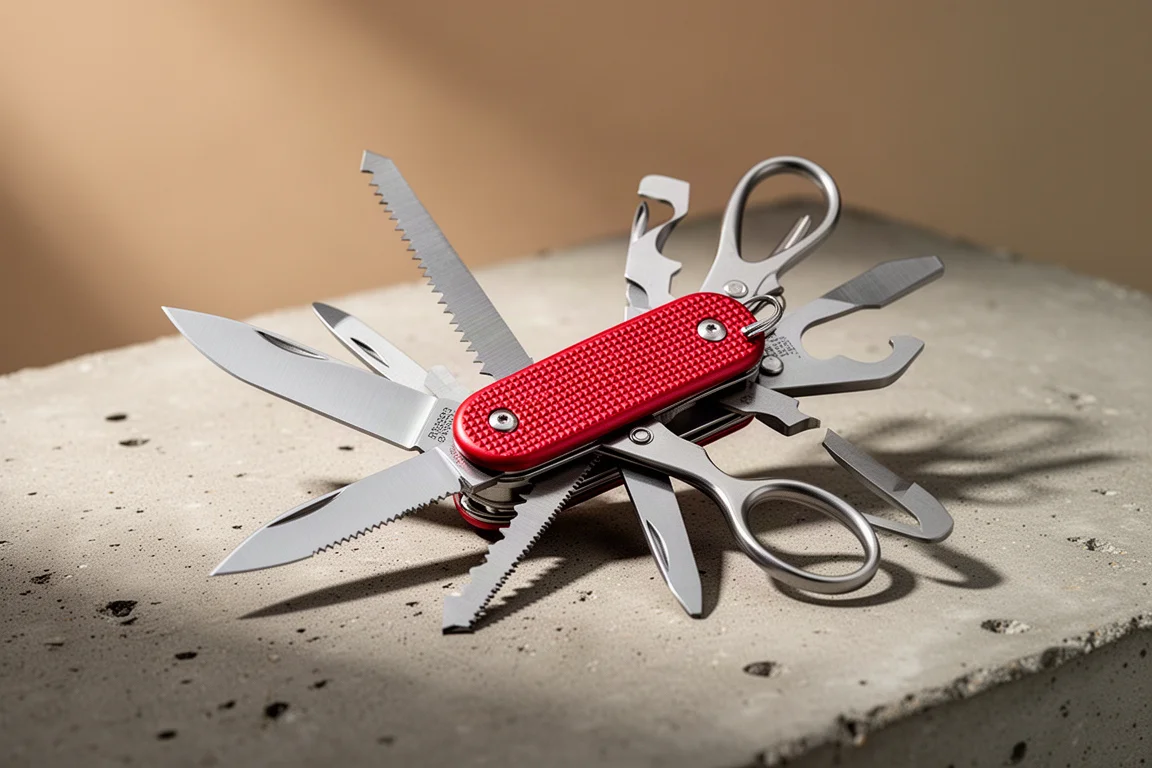
Victorinox Huntsman Swiss Army Knife Review: 15 Functions for Camp and Everyday Carry
A long-term look at the Victorinox Huntsman, covering what each of its 15 functions does, how the blades and saw perform, and the trade-offs to know before buying.
Multitools
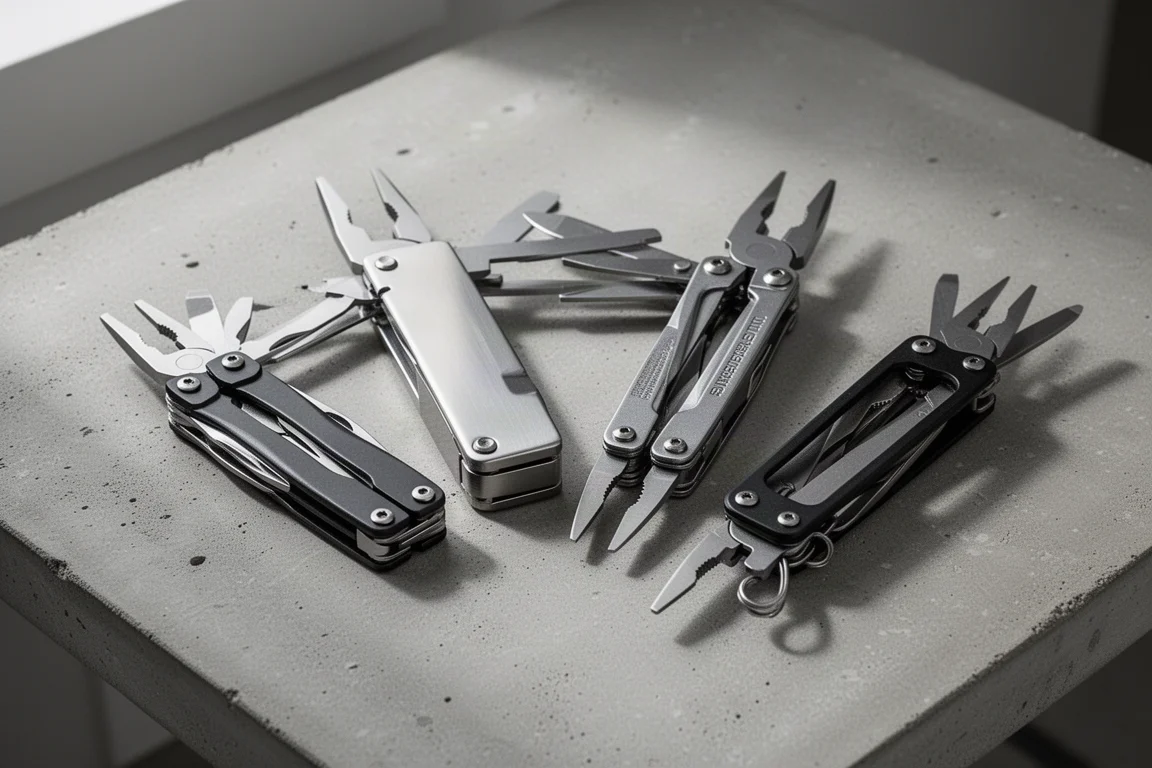
Multitool Cutter Test: Leatherman Arc, Surge, Super Tool 300 and Gerber Center Drive Put to Work
We stress-tested four popular multitools on coat hangers, nails and screws, and found where replacement high-hardness cutters genuinely pay off.
Multitools
Harbor Freight 20-in-1 Multitool vs Leatherman Wave: A $40 Wave Clone Worth a Look
Harbor Freight's new 20-in-1 multitool copies the Leatherman Wave formula closely, and in some areas it improves on it. Here is how the two compare.