Road Bike Wheels
Roval Alpinist vs Roval Rapide: Which Carbon Wheelset Fits Your Roads?
A practical comparison of the Roval Alpinist and Roval Rapide carbon wheelsets, covering aero depth, weight, crosswind stability and real test-course data.
Introduction
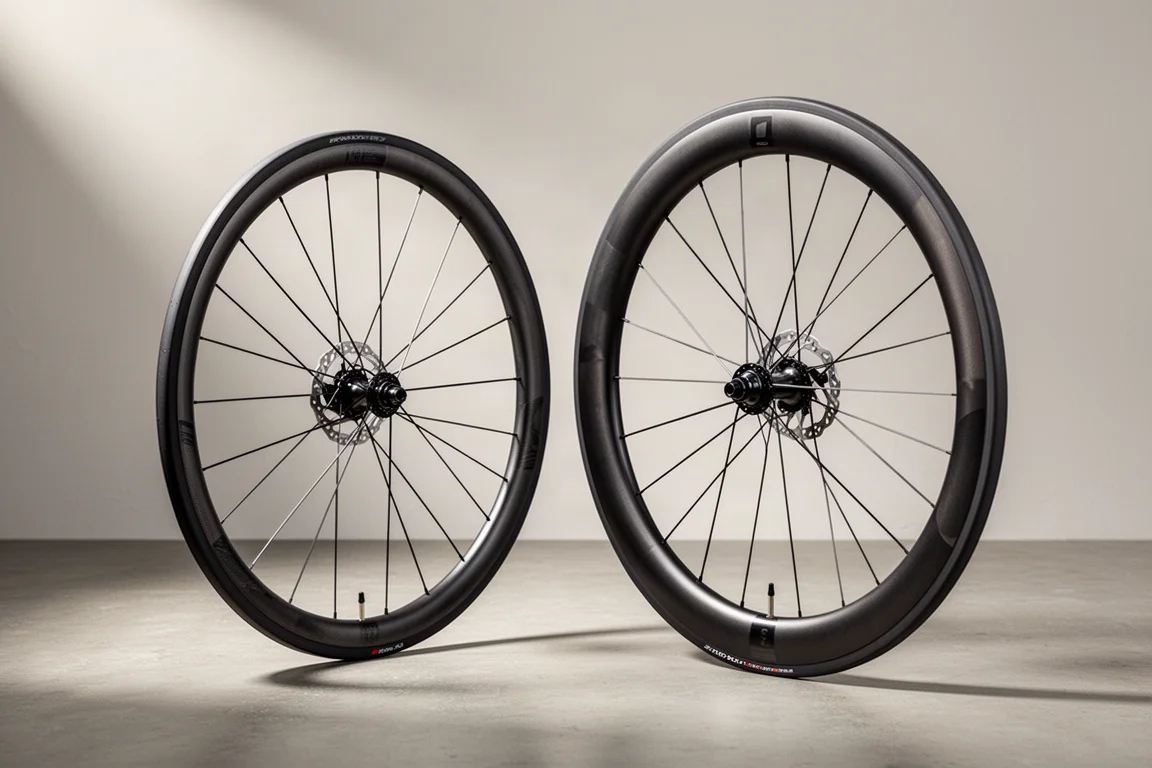
A carbon wheel upgrade usually comes down to one question for road riders: go shallow and light, or deep and aero? Roval builds both answers. The Alpinist wheelset is a shallow-rim design built around low weight and climbing performance, while the Rapide takes the opposite approach with a deep-section profile tuned for speed.
Both were ridden back to back on the same bike, with the same groupset, the same tyres and the same pressures, on the same day over a 10.6 km course. That makes the differences between them unusually easy to describe. This guide covers what each wheelset does well, where each one gives something up, and which makes more sense for the roads you actually ride.
Aero or Lightweight: The Core Decision
Deeper rims are generally faster than shallow ones because they manage airflow better at higher speeds. That advantage shows up most clearly on flat roads, where a deep wheel holds speed more easily and asks for less power to keep the pace high. Shallow, lightweight rims make the opposite trade. They give up some aerodynamic efficiency in exchange for lower rotating mass that feels sharper when the gradient pitches up.
The difference between the two is not subtle. Riding the deep-section set straight after the shallow set on the same route made the gap obvious almost immediately, with higher speeds arriving more easily on flat and rolling terrain.
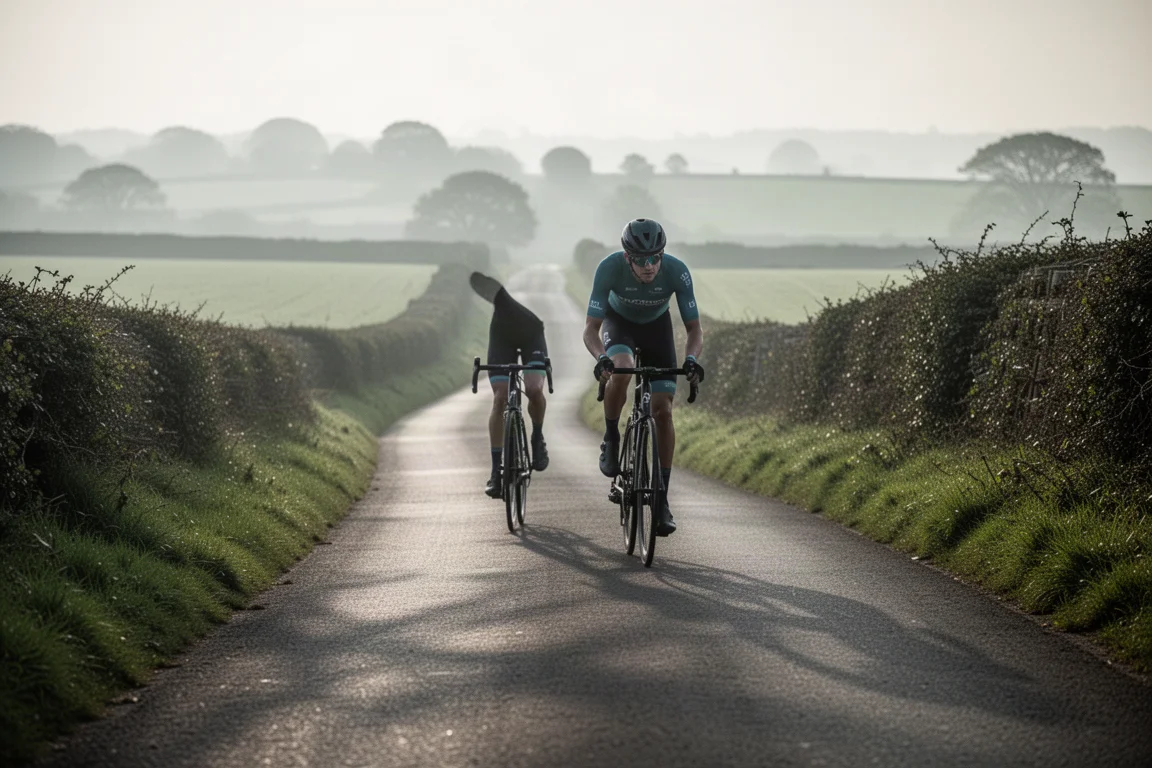
On gradients up to roughly five to seven percent, the deeper wheels still held an advantage as long as speed stayed high. It was only on genuinely steep, punishing climbs that the lighter wheels pulled ahead and felt more nimble and willing to be pushed uphill.
Roval Rapide Wheels: Deeper Rims, Faster Roads
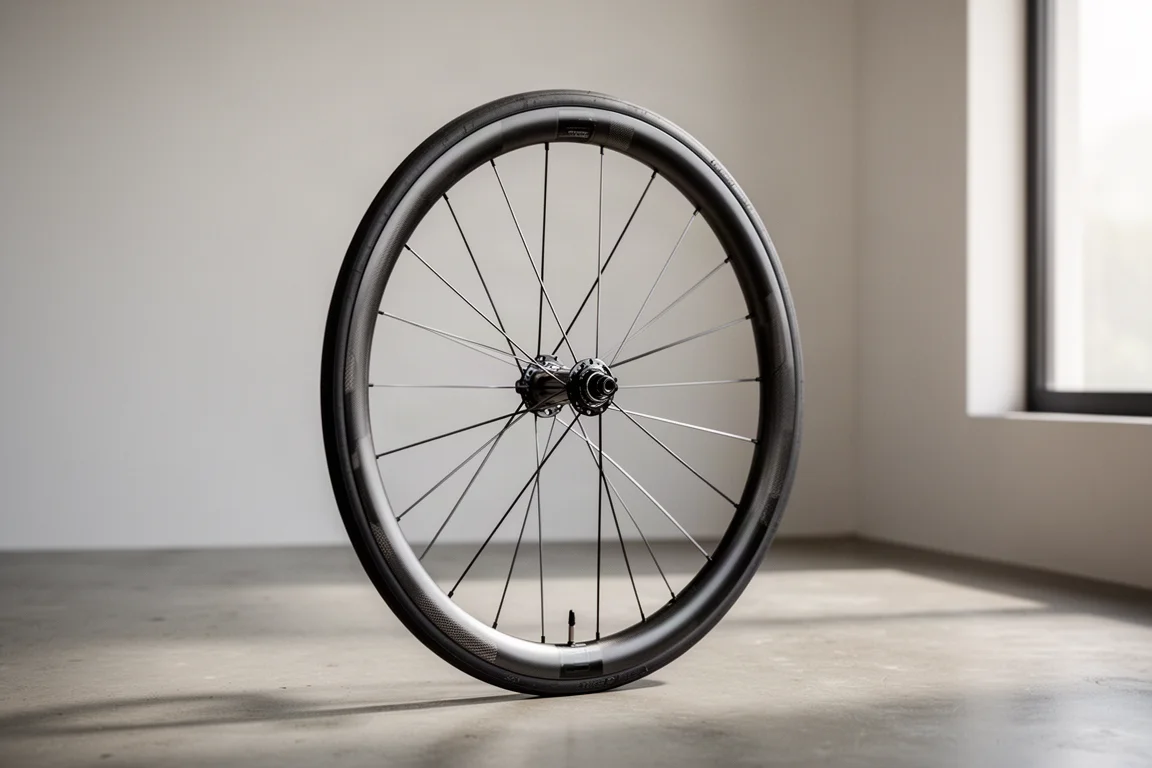
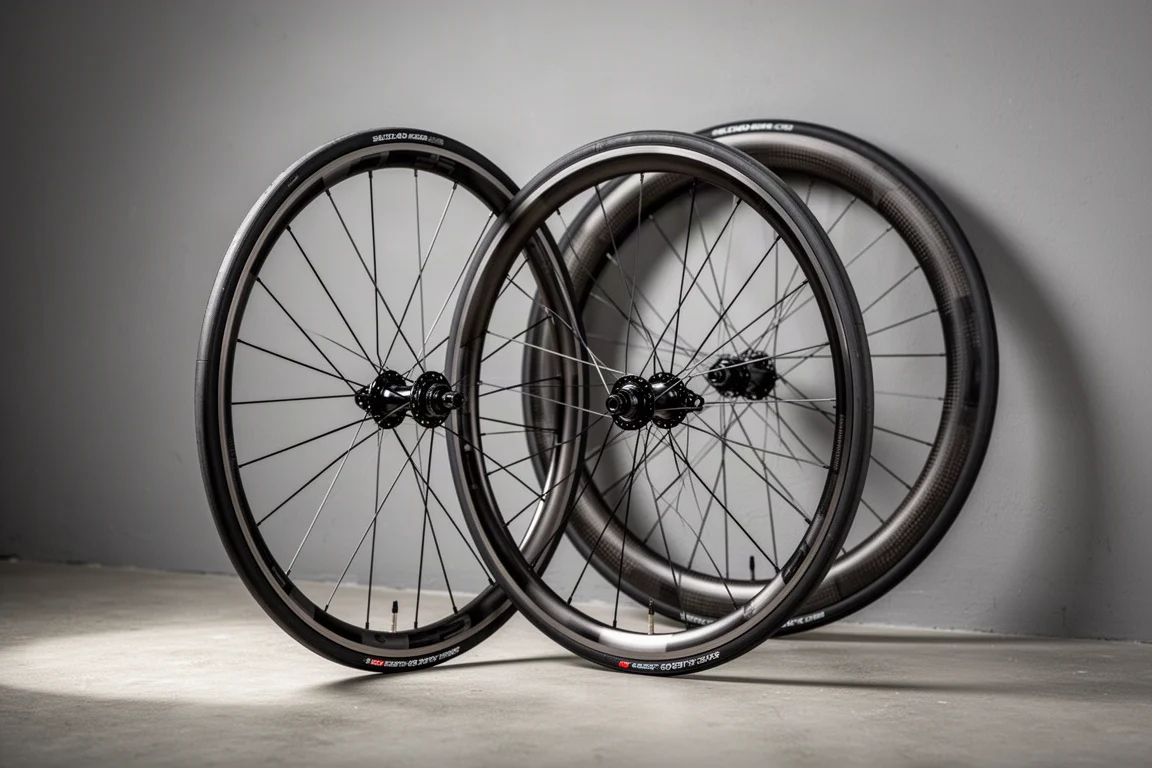
The Rapide is where Roval’s aerodynamic thinking is most visible. Its most striking detail is that the front and rear rims use different dimensions. The front rim is 51mm deep and a broad 35mm wide, which visually dwarfs the 26mm tyre fitted to it. The rear rim goes deeper at 60mm but narrower at 30mm. Roval’s reasoning is that airflow behaves differently at the front of the bike than at the back, so each rim is shaped for its own position.
Despite the deep, chunky look, the pair comes in at around 1,500 grams. Both rims share a 21mm internal width and a hooked, tubeless-compatible design. That combination gives riders two useful options: a high tubeless pressure ceiling, up to 110 psi, or a conventional inner tube and tyre setup if tubeless is not wanted. The rims arrive pre-taped with tubeless valves already installed, and fitting tyres was straightforward with an ordinary track pump.
Elsewhere the build includes aero spokes, external nipples for easy maintenance, and Roval’s own aero hubs with DT Swiss internals, including a star ratchet freehub for quick engagement.
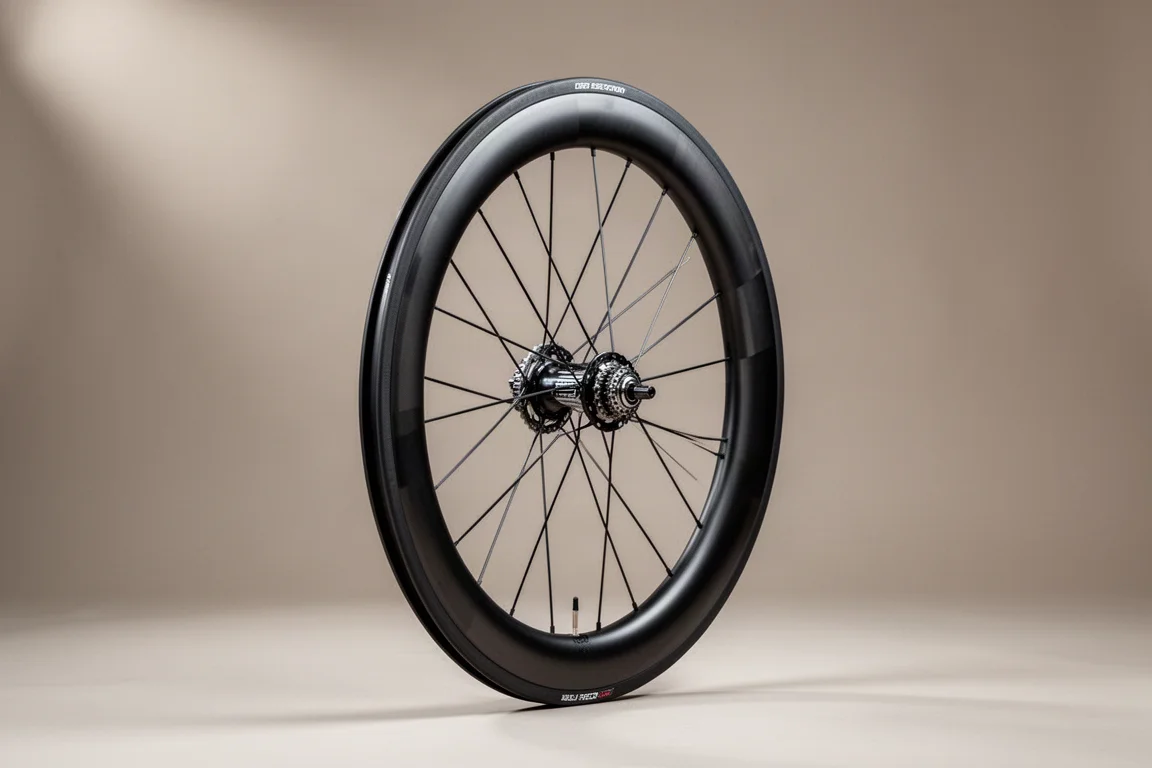
On the road, speed is the headline. High speeds come more easily and take less effort to maintain, and the wheels also feel quick and planted on descents, with plenty of lateral stiffness for tracking a line through tight, sweeping corners.
What the Test Data Showed
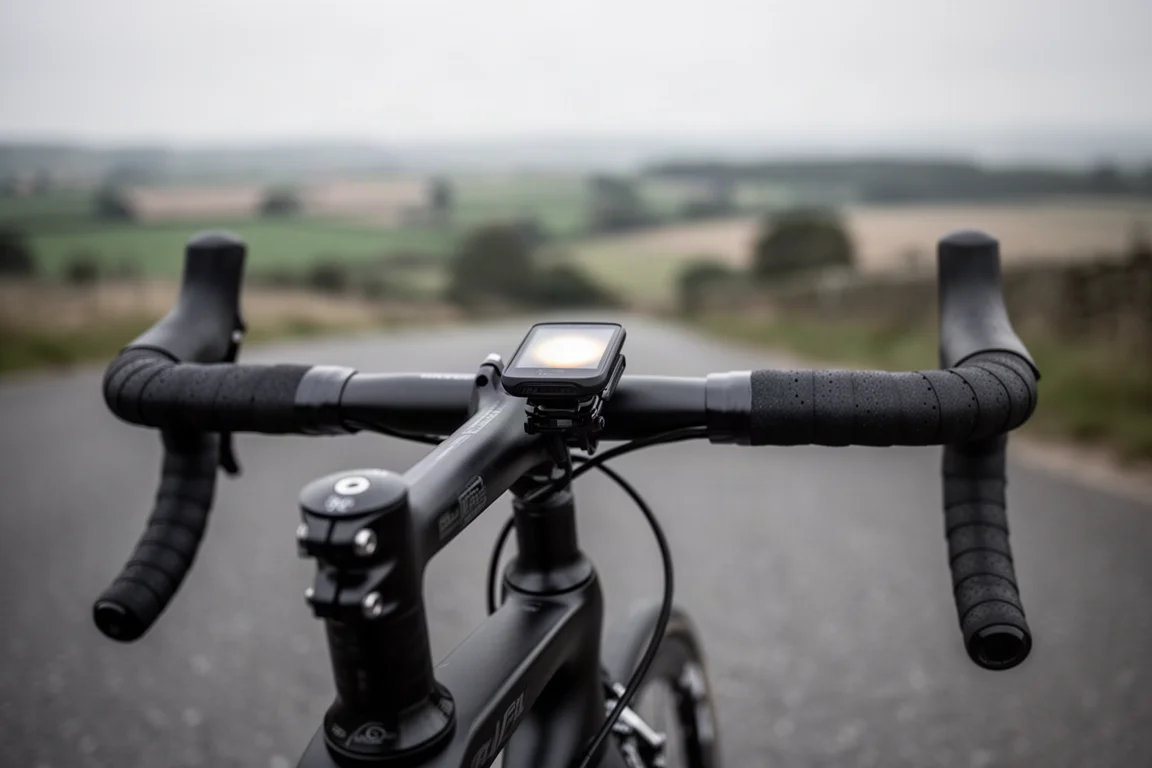
The comparison used a 10.6 km course built around a long steady climb of four to five percent that can be ridden in a big ring, then a fast sweeping descent, a flatter section, and a genuinely steep climb before finishing back on a long steady gradient. The same bike, groupset, tyres and tyre pressures were used, and both runs happened on the same day, with power and heart rate kept as consistent as possible at key points on the route.
On the shallow-rim Alpinist wheelset, average speed was 27.7 km/h at 213 watts with a heart rate of 142 bpm, for a total time of 23 minutes and 2 seconds. On the deep-section Rapide wheelset, the time dropped to 22 minutes and 23 seconds, with average speed up to 28.4 km/h and power at 221 watts, while heart rate stayed at 142 bpm on both runs.
That is roughly 40 seconds gained over 10 kilometres, a substantial margin on a course that included two real climbs. The deeper wheels were faster on the shallow climb, faster on the descent, faster across the flat sections and faster on the way back down. They only lost time on the very steep climb, where the lighter wheels had a clear advantage.
It is worth treating these numbers as a real-world comparison rather than a laboratory result. Keeping power inside a tight band on undulating terrain is difficult, so the honest reading is that the deeper wheelset was consistently quicker on this kind of route while the lighter one retained its edge on steep gradients.
Roval Alpinist Wheels: The Lightweight Option
The Alpinist sits at the other end of the range. Its shallower rim is designed to be as light as possible and optimised for climbing performance, and that is exactly where it showed its value. It is the wheelset that feels most responsive when the road tilts upward sharply and the pace turns into a grind rather than a cruise.
That said, the advantage is narrower than the marketing might suggest. On shallow gradients up to five, six or seven percent, the lighter wheels did not outpace the deeper set as long as speed stayed high. Their real strength appeared on the steepest pitches, where the lower weight made the bike feel more agile and easier to place precisely.
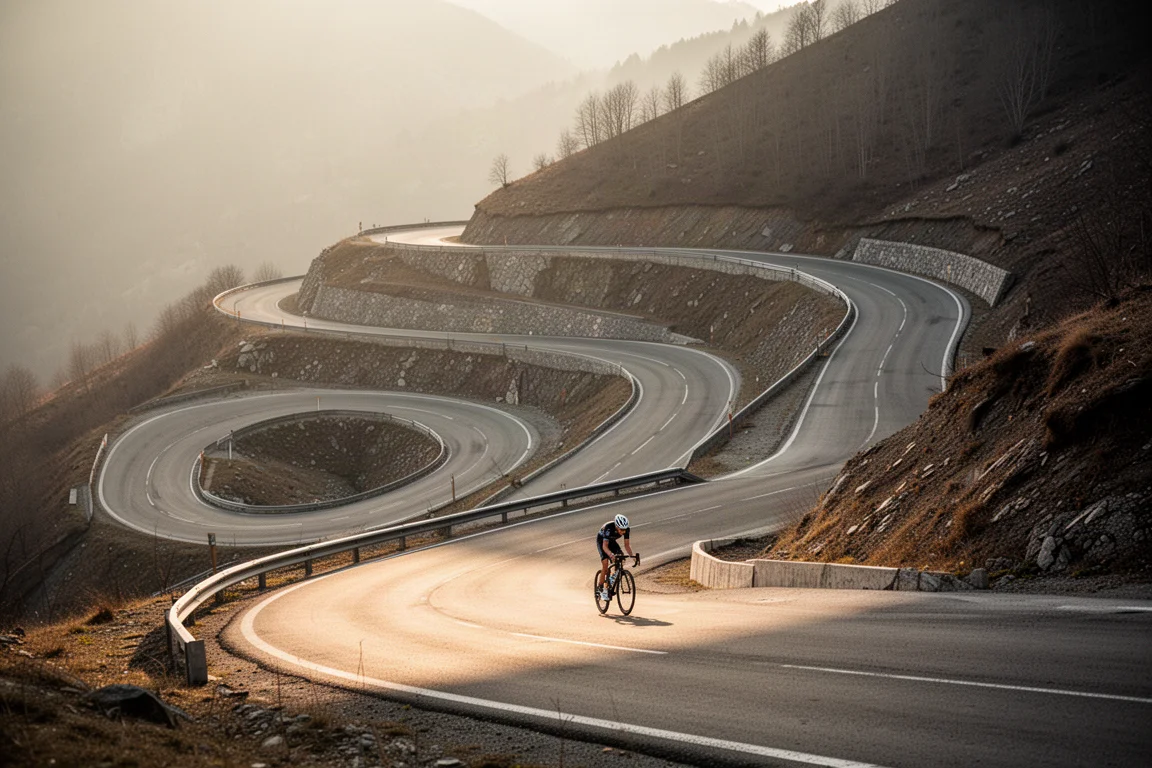
For riders who spend their time on long mountain climbs rather than rolling roads, that characteristic is the one that matters. It is a specific, genuine benefit rather than a general one, and it is the reason a rider focused on big ascents may still prefer the shallower wheel.
Crosswind Stability and Ride Comfort
Crosswind stability is the classic weak point of any deep-section wheel, and it is the first thing to check before buying one. Strong, blustery crosswinds and swirling country lanes can turn a fast wheel into a handful, with the front end pushed around and the rider fighting to hold a line.
The Rapide handles this better than its depth might suggest. In strong winds it stayed calm, predictable and easy to manage, on par with other deep-section wheelsets rather than worse than them. For riders worried about being blown around, that is reassuring rather than a compromise they have to accept.
Comfort is also better than expected. Even on a relatively narrow 26mm tyre, narrower than the 28mm many riders prefer, the ride stayed smooth on good tarmac and remained acceptable over gravel, cracks and potholes. It is not as cushy as a wide tyre on a compliant setup, but for a deep-section wheel that prioritises speed, the comfort level is reasonable.
The wheelset also stays composed under cornering load, with enough stiffness that the front end tracks the chosen line without flex, which matters more than outright comfort once the road starts to descend quickly.
Buying Advice
The decision comes down to where you ride. If your routes are rolling and varied, with climbs, descents and flat sections mixed together, the deeper Rapide wheelset is the faster choice overall, and roughly 40 seconds gained over a 10 km course is a meaningful return. It is also easy to live with in crosswinds and comfortable enough for long days in the saddle.
If you are a dedicated climber who spends most of your time on long, steep mountain roads, the lighter Alpinist wheelset remains the better match, because that is the terrain where it clearly comes out ahead.
Either way, the tubeless-compatible hooked rim design, pre-installed valves and straightforward track pump inflation make both wheelsets simple to set up and maintain. Before ordering, check your frame’s tyre clearance and the tyre width you intend to run, since the Rapide’s wide front rim in particular is designed around a specific airflow profile and a narrower tyre than its rim width might imply.
Conclusion
Both wheelsets do exactly what they were designed to do. The Rapide is the faster option across most real-world road terrain, with aero depth, strong crosswind manners and a more comfortable ride than its profile suggests. The Alpinist is the specialist tool for steep climbing, built around low weight and quick response on hard gradients. Match the wheel to the roads you ride most often and neither choice is likely to disappoint.
Further reading
Related Reviews
Road Bike Wheels
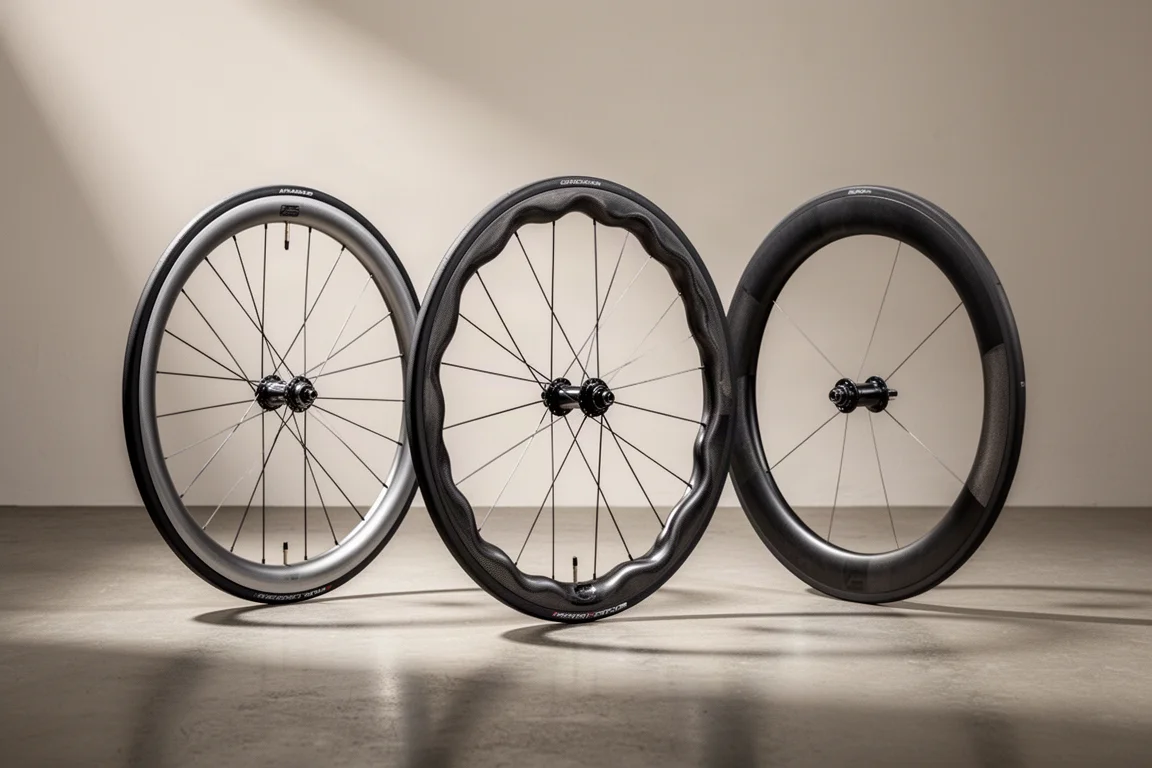
Best Rim Brake Road Wheels 2026: Seven Options for Every Budget
A practical guide to rim brake road wheelsets across almost every price point, plus custom build advice and a secondhand inspection checklist.
Road Bike Wheels
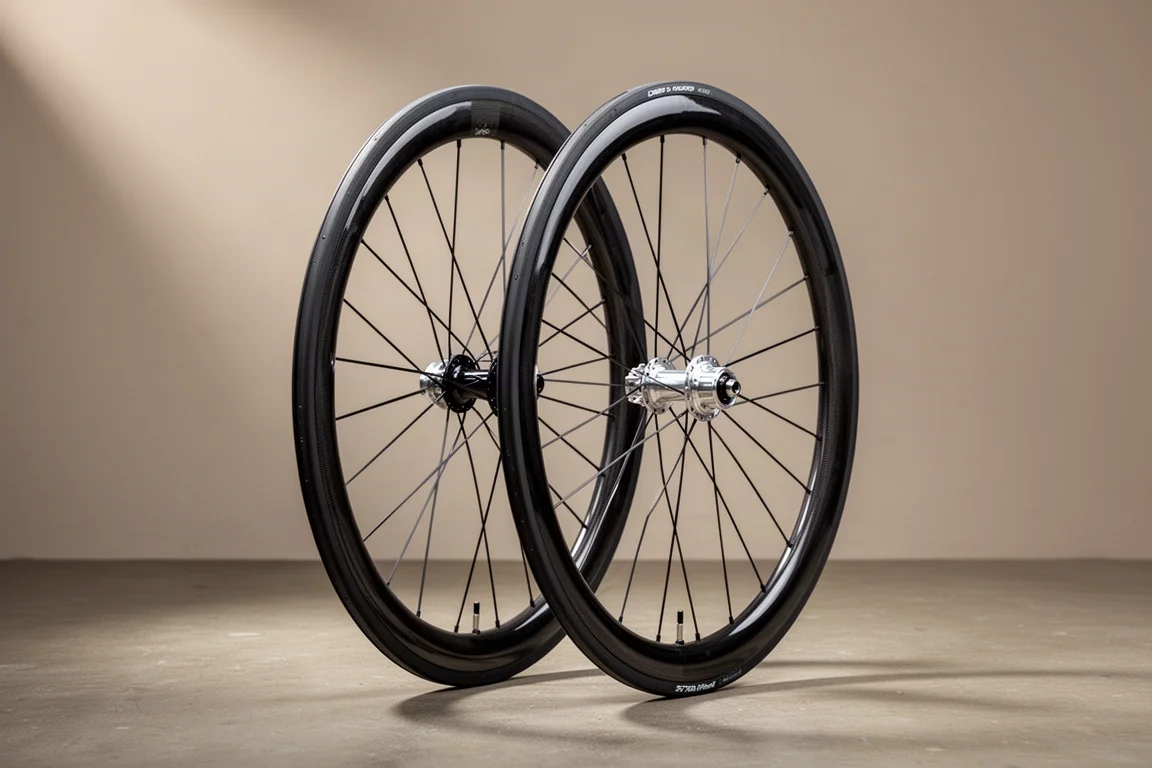
Best Road Bike Wheels: A Practical Tier Guide to Six Sets Worth Buying
Six road and gravel wheelsets compared, from accessible carbon upgrades to World Tour race wheels, with the trade-offs that matter before you buy.
Road Bike Wheels
Campagnolo Hyperon Review: A 37mm Carbon Wheelset Built for All-Round Road Riding
A mid-depth carbon road wheelset that climbs well, stays stable in gusty crosswinds and looks the part, with a few trade-offs worth checking first.