Snowboards
Rossignol XV Snowboard Review: A Softer, More Playful Freeride Shape
The redesigned Rossignol XV brings a softer flex, longer nose rocker, and strong camber pop, plus damping and edge trade-offs worth weighing before you buy.
Introduction
The Rossignol XV has been given a substantial overhaul, and the changes go well beyond graphics. The current version keeps the directional shape and the big-mountain positioning, but the flex and camber package have been reworked in ways that noticeably change how the board behaves underfoot.
That shift is the main story. The XV now rides softer and livelier than the model it replaces, which cuts both ways: it opens up playfulness and powder performance while giving up some of the composure that made earlier versions appealing to hard-charging riders.
This review covers the camber profile, the flex pattern, where the board performs, and the trade-offs worth understanding before you pick a size.
Design and Camber Profile
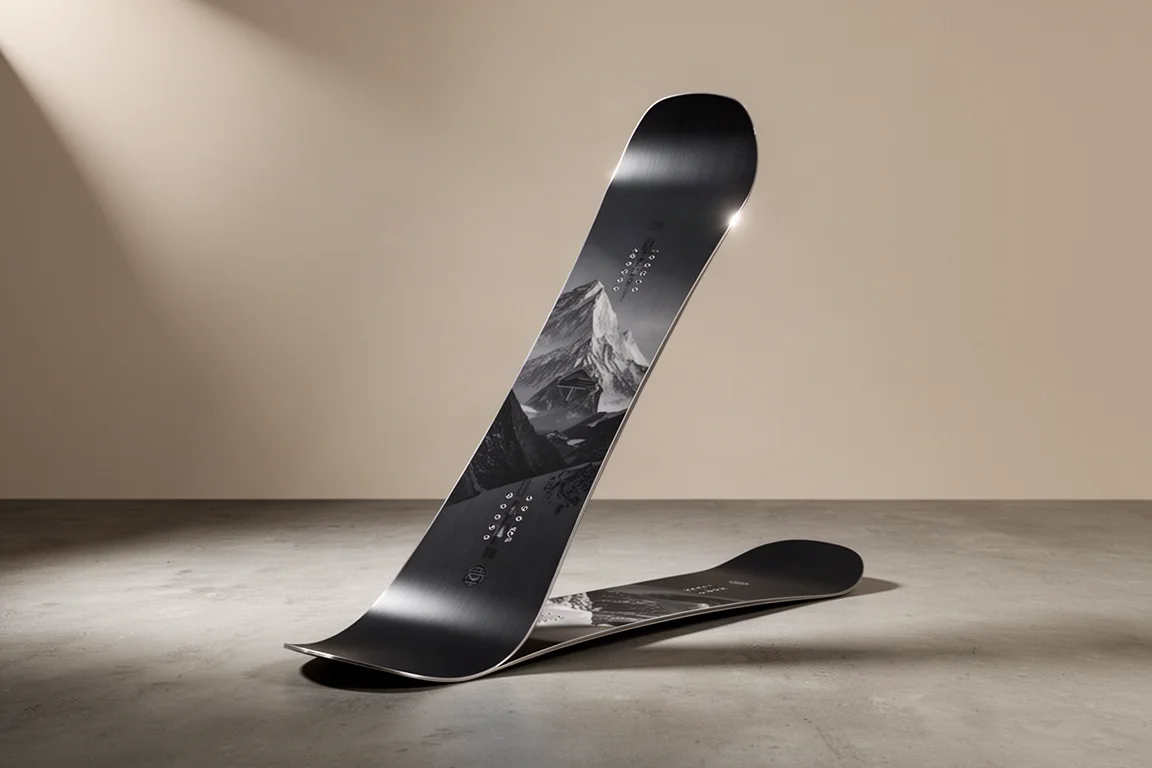
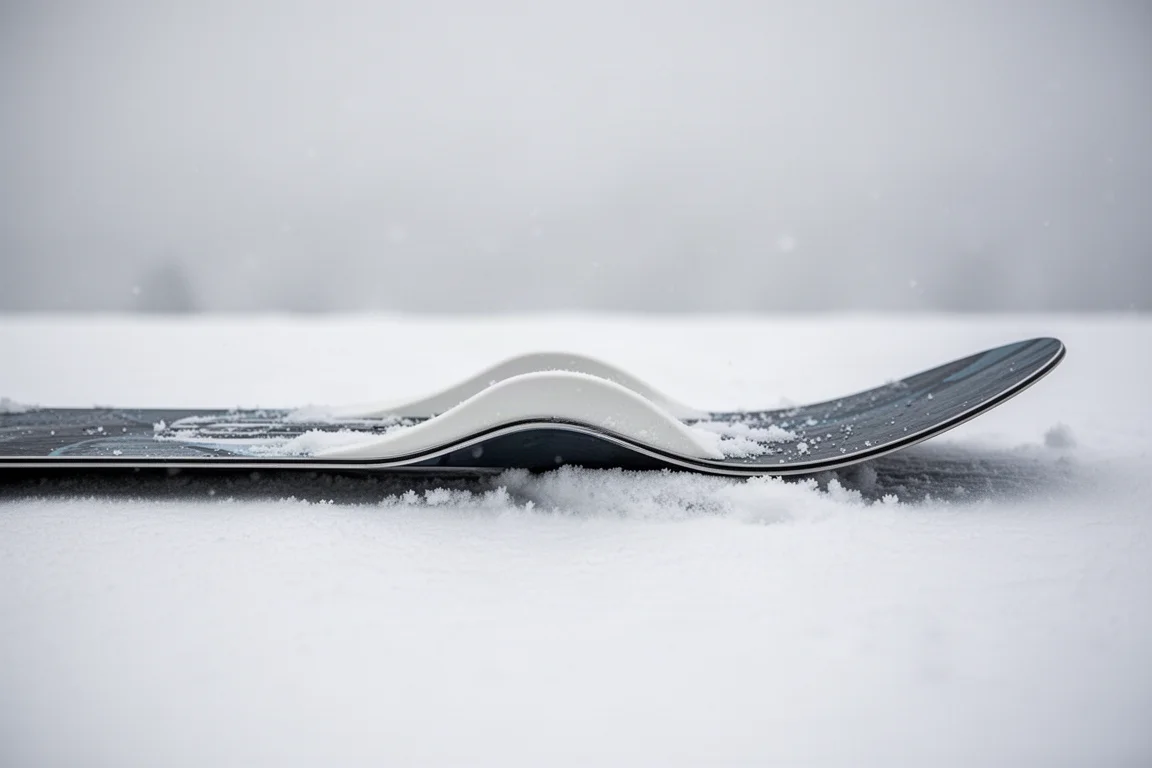
The XV uses Rossignol’s Amp Tech Elite camber profile, which combines 80 percent camber with 20 percent rocker. That rocker is split unevenly, with 15 percent in the nose and 5 percent in the tail. The longer nose rocker is intended to make turn entry and exit easier and to add float in powder, while the central camber section supplies the load, pop, snap, and drive that give the board its energy.
The board is offered in 156, 159, 162, 167, 161 wide, 165 wide, and 169 wide.
Flex is reverse directional. The nose is the stiffest zone and the flex softens progressively toward the tail, with the transition starting just outside the front insert pack and continuing to soften from there. Torsional flex sits in a reasonable middle ground: present, not abundant, and not so limited that stability suffers.
Sizes that fit your weight and stance width matter more than chasing a bigger number, since the flex and camber package carry across the range rather than changing dramatically between lengths.
Who This Board Is For
The redesigned XV suits riders who want a softer, more playful take on a freeride-shaped board. The longer nose rocker and the softened flex make it easier to press, butter, and float, which points toward riders who spend most of their time on moderate terrain, groomers, and softer snow.
It is a less natural fit for riders who want a stiff, heavily damped board they can run flat out through variable, chopped-up snow. If that is your priority, the current XV is a meaningfully different ride from the version it replaces, and it is worth being honest about which of those two boards you actually want.
Main Strengths
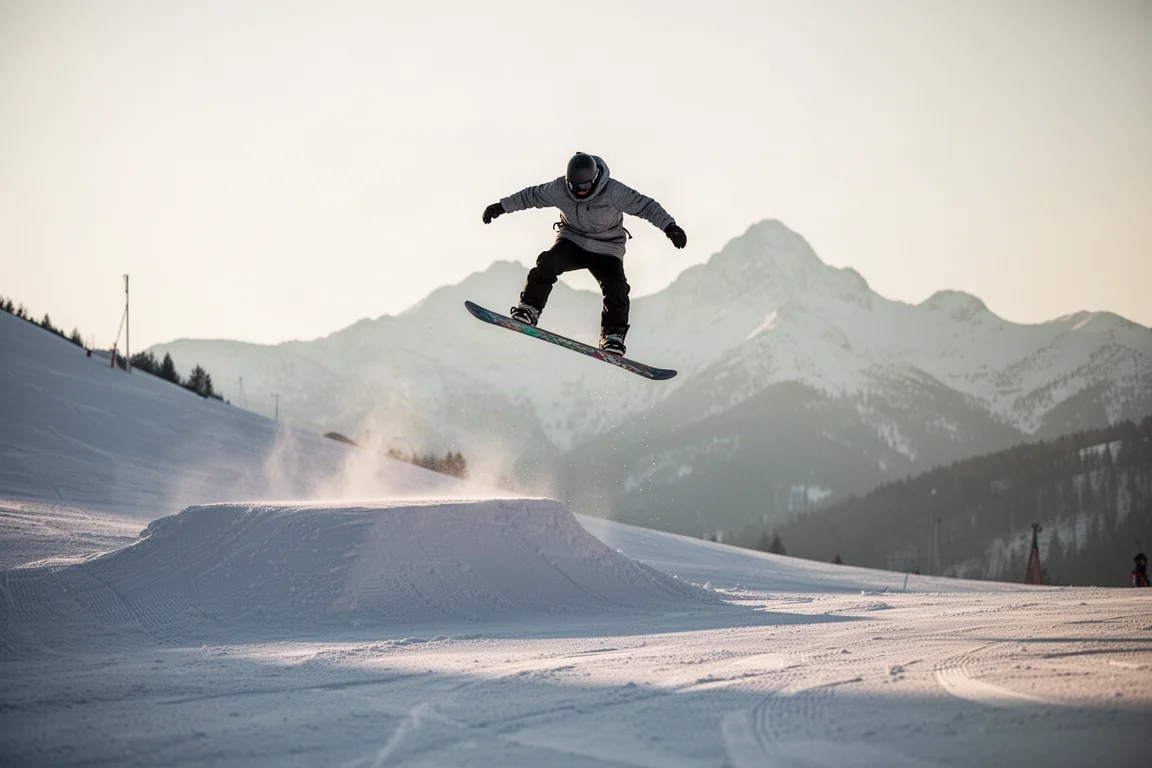
The camber section is the standout. It engages easily, and it delivers genuinely good snap for a board in this category. Loading the camber and rolling back onto the five percent tail rocker gives you a clean, rewarding pop, whether you are launching off a roller or finishing a turn.
The softened flex makes buttering noticeably easier, and high-speed wheelies on the tail are well within reach. The longer nose rocker makes pressing straightforward, and a 180 is easy to initiate, weight properly, and hold through the landing.
Float is helped considerably by the nose rocker, and on perfect groomers the board holds an edge cleanly. Torsional stiffness is adequate for stability without making the board feel locked into a single riding style.
Things to Consider Before Buying
Damping is the biggest concern. The XV transmits a lot of feedback through the feet. In lumpy, chopped terrain that becomes a harsh ride, and the energy that builds under the front foot resonates back through the camber section, so you feel the surface constantly. Long days on rough snow translate into leg cramps and foot fatigue.
Edge performance is inconsistent. Power transmission to the edge is strong but not smooth, and the board stops feeling locked in once you move onto firmer, steeper snow. On a clean groomer it holds well, but in harder conditions the edge leaves more to be desired and can disengage when you least want it to. Carving is not as sharp as it was on the previous version, and time spent on edge is tiring rather than confidence-building.
The softer flex has a flip side for presses and wheelies: catch something buried under the snow and the board bucks instead of absorbing it. This behaviour was confirmed to be representative of production boards rather than an outlier sample, so it is worth treating as a characteristic of the design rather than a build issue.
Terrain and Conditions Notes
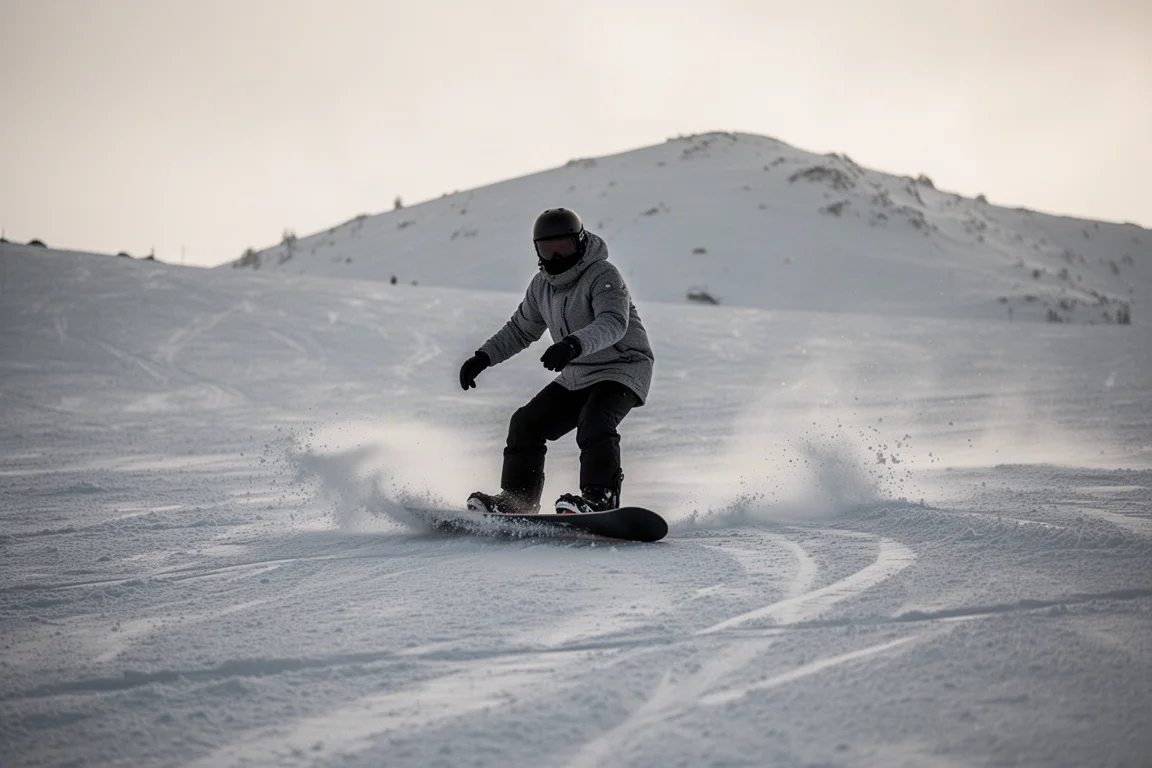
The XV is at its best in softer snow and on clean, well-groomed runs. The nose rocker helps it stay on top in powder, and the camber keeps enough energy in the board to feel responsive when you are not fighting the surface. Light, dry snow and smooth corduroy are where the design makes the most sense.
Push it into firmer, steeper, or tracked-out terrain and the picture changes. The lack of damping becomes obvious, the ride gets busy underfoot, and the edge is less dependable, which makes steep, firm lines feel more demanding than they should.
Matching the board to the conditions you actually ride is the practical takeaway here. If your season is mostly soft snow and groomers, the XV’s strengths line up well. If it is mostly firm, steep, and variable, the trade-offs will follow you everywhere.
Sizing and Setup Notes
The range runs from 156 through 169, with two wide options at 161 and 165. The board was ridden in the 162 paired with Rome Black Label bindings and K2 boots, a setup that sits on the softer side of the spectrum.
Riders who find the 162 lacking stability should note that stepping up to the 167 is unlikely to change the board’s fundamental ride character. The flex, camber profile, and minimal damping carry across the line, so sizing up is not a fix for the qualities described above.
Buying Advice
Choose the current XV if you want a playful, powder-friendly freeride shape with easy press and butter characteristics, and if your riding is built around softer snow and groomed terrain. It rewards riders who value pop, float, and a forgiving flex over high-speed composure.
Look elsewhere if you are chasing the damp, locked-in, hard-charging feel the XV used to deliver, or if you regularly ride firm, steep, variable snow where edge confidence and vibration control matter most. Those priorities and this board pull in different directions.
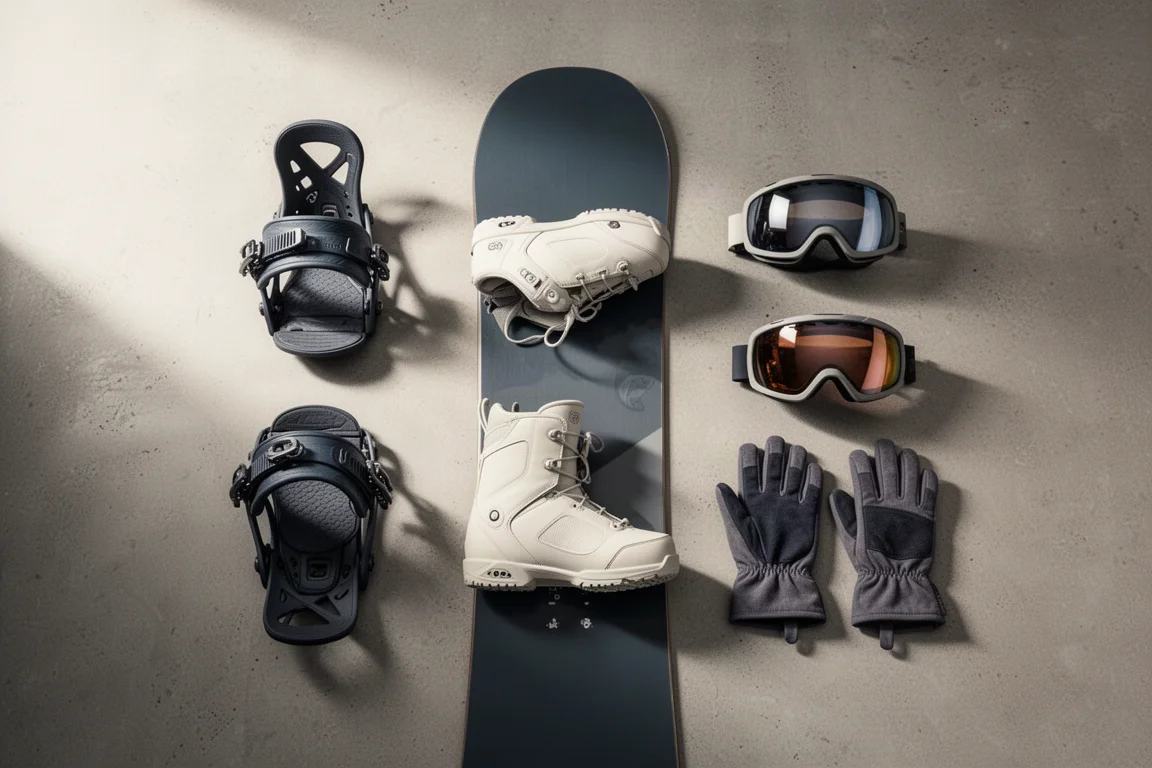
Pick your length based on weight, boot size, and the terrain you ride most, not as a way to buy back stability the design does not offer. Pairing the board with stiffer bindings will not change its underlying character either.
Conclusion
The redesigned Rossignol XV is a genuine departure from the board it replaces. It is softer, more playful, and easier to press, with a camber section that still delivers strong pop and a nose rocker that helps in powder. The trade-offs are a livelier, less damped ride and edge performance that loses confidence in firm, steep conditions.
Riders who want a mellow, floaty freeride-styled board for soft snow and groomers will find plenty to enjoy here. Riders who want the composure at speed that earlier versions were known for should look carefully before committing.
Product link
View more details for Rossignol XV Snowboard
This product is mentioned in the review. Check the specifications, options, and compatibility before buying.
View more details for Rossignol XV SnowboardFurther reading
Related Reviews

Snowboards
32 Middle Earth Scott Stevens Pro Model Snowboard Review: A Park Board With a Reversed Flex
A medium traditional camber park board with carbon V reinforcement that is stiffer in the tips and more playful between the feet. Here is how it rides and who it suits.

Snowboards
32 Snafu Review: A Directional All-Mountain Freestyle Board with Serious Pop
The 32 Snafu pairs a directional camber-rocker profile with a stiffening tail for powerful carves, big ollies, and a surprisingly damp ride.

Snowboards
32 XXX Pat Fava Pro Snowboard Review: A Stiff Camber Beast for Hard-Charging Riders
A full-width traditional camber deck that rewards aggression with stability and edge power, but demands effort everywhere else.