Snowboard Bindings
Rossignol XV Snowboard Binding Review: Stiff, Aggressive, and Not for Everyone
A close look at the Rossignol XV, a very stiff freeride binding with a rigid highback and direct power transfer, plus the fit and strap compromises worth knowing before you buy.
Introduction
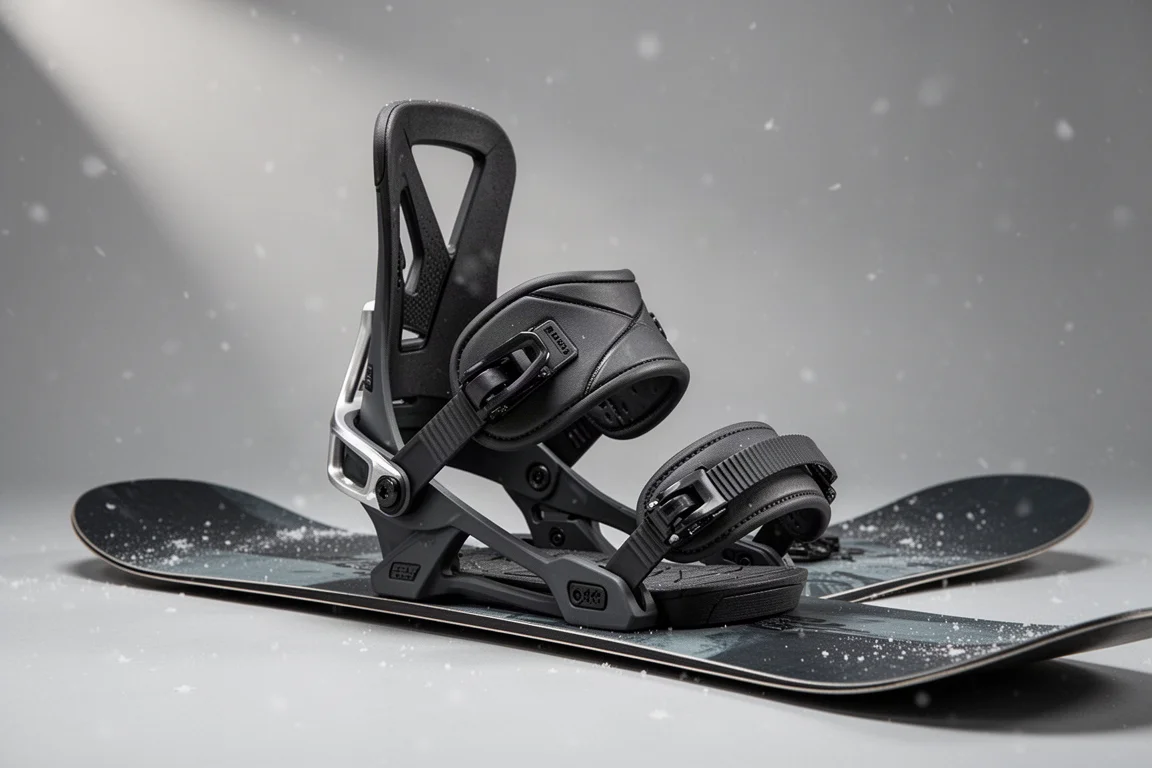
The Rossignol XV is the brand’s stiff, aggressive freeride binding, built around the riding of Xavier De Le Rue and aimed at snowboarders who want to drive a board hard rather than flex it. It was ridden at Copper Mountain on a sunny bluebird day with hero snow, in temperatures on the warmer side and a surface sitting somewhere between soft and creamy and fast and firm. The setup used K2 Thraxis boots and a K2 Cool Bean snowboard.
The short version: the XV is a very powerful, very locked-in binding with almost no lateral play. It puts a lot of energy straight into the board, and it asks a lot of the rider in return.
Who the Rossignol XV Is For
This binding is built for the high-end freeride rider who wants a highly responsive, stiff, rigid platform. The highback is genuinely rigid, and you feel it the moment you push into it. Overall flex is stiff with no meaningful lateral give, so the ride is dominated by the binding rather than shared with it.
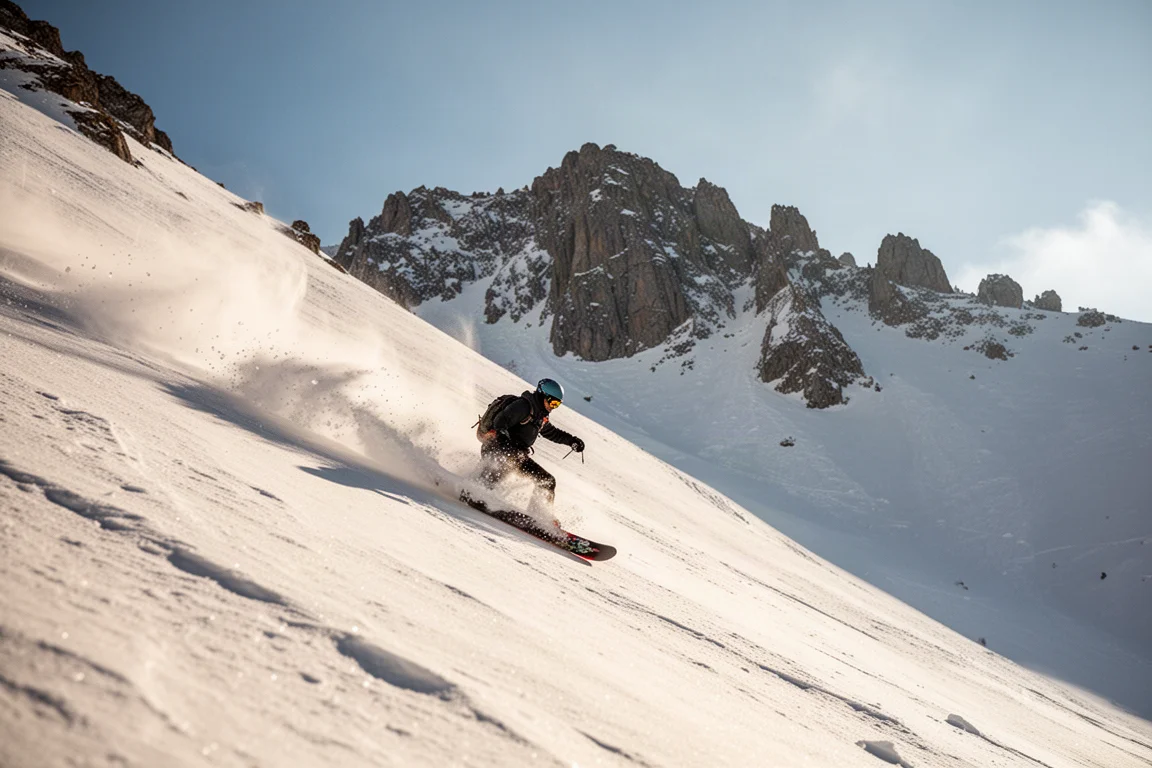
If that sounds appealing, the XV rewards a powerful, committed rider who wants to move force into the board from edge to edge. If you are looking for something playful, forgiving, or easy to move around underfoot, this sits at the opposite end of the category.
Main Strengths
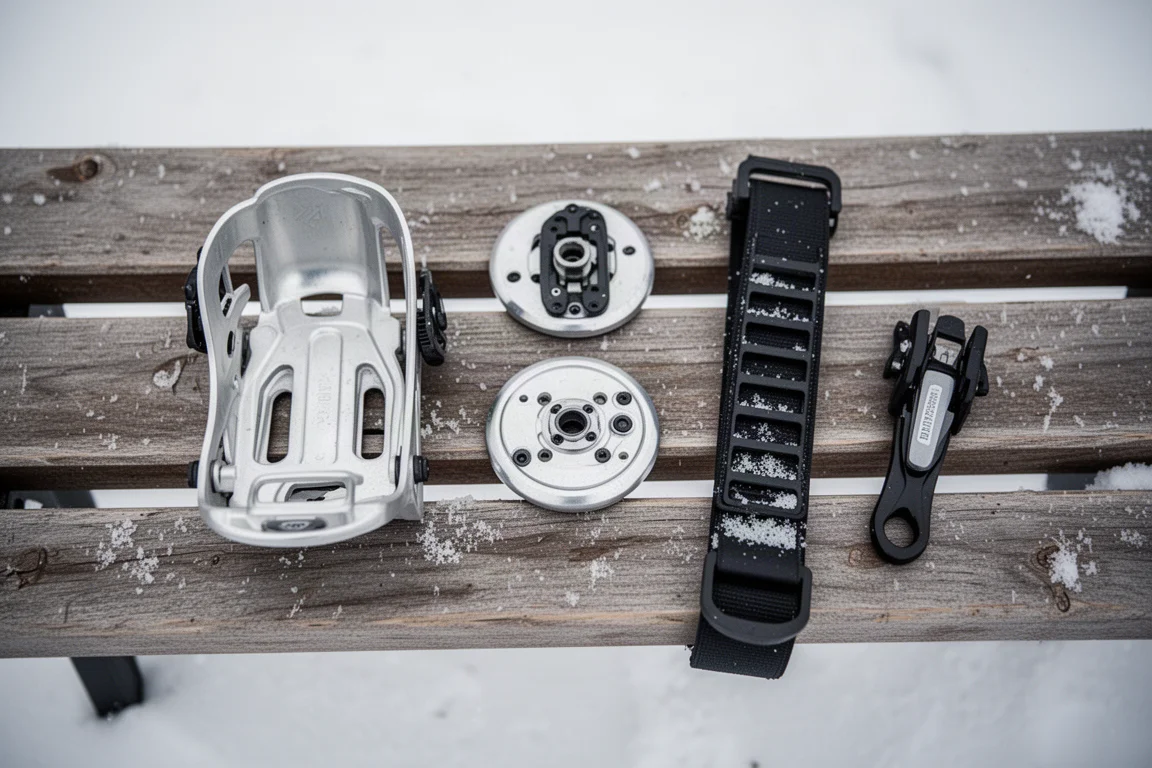
Power transfer is the headline. A large, old-school disc anchors the binding to the board, and the result is direct, immediate response. The XV takes up a lot of real estate on the deck, which is part of why so much of the input travels toe to heel and side to side instead of being absorbed by the binding itself. It is one of the stronger options in its own lineup.
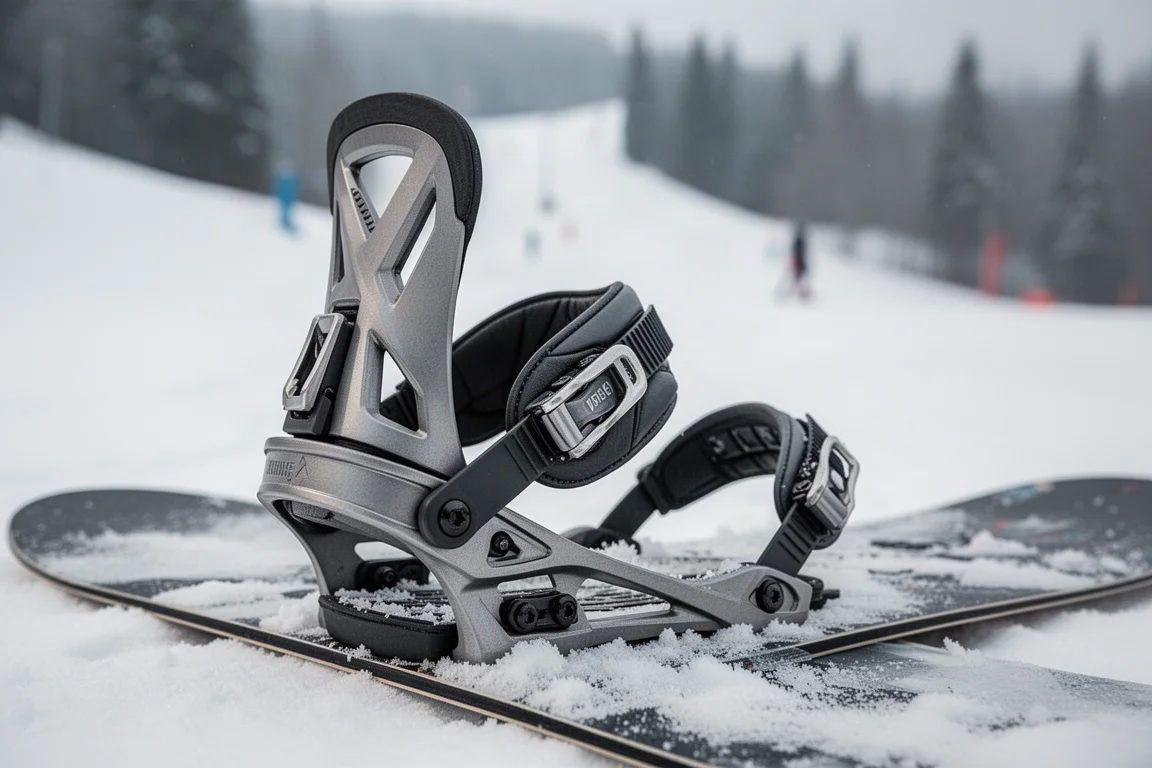
Adjustability is refreshingly straightforward. The heel cup slides across a wide range to cover boot sizes 8 to 13 by loosening two screws and moving it forward or back. Push-down tabs let you change heel strap length on the fly, two screws on the side of the highback handle rotation, forward lean is adjustable, and the toe ramp slides forward or backward using a small tab.
Things to Consider Before Buying
The heel cup and base tray use a one-size-fits-all approach covering sizes 8 to 13, which is a very wide span for a single platform and inevitably involves compromise. The push-down quick release on the heel strap and the sliding heel cup both read more like rental features than premium ones.
The highback also carries more natural forward lean than most boots even when the forward lean setting sits at zero. That presses on the spine of the boot and forces the knees into a bent position. Rotating the highbacks does reduce some of that built-in lean, though rotation is a personal preference rather than a fix everyone will want.
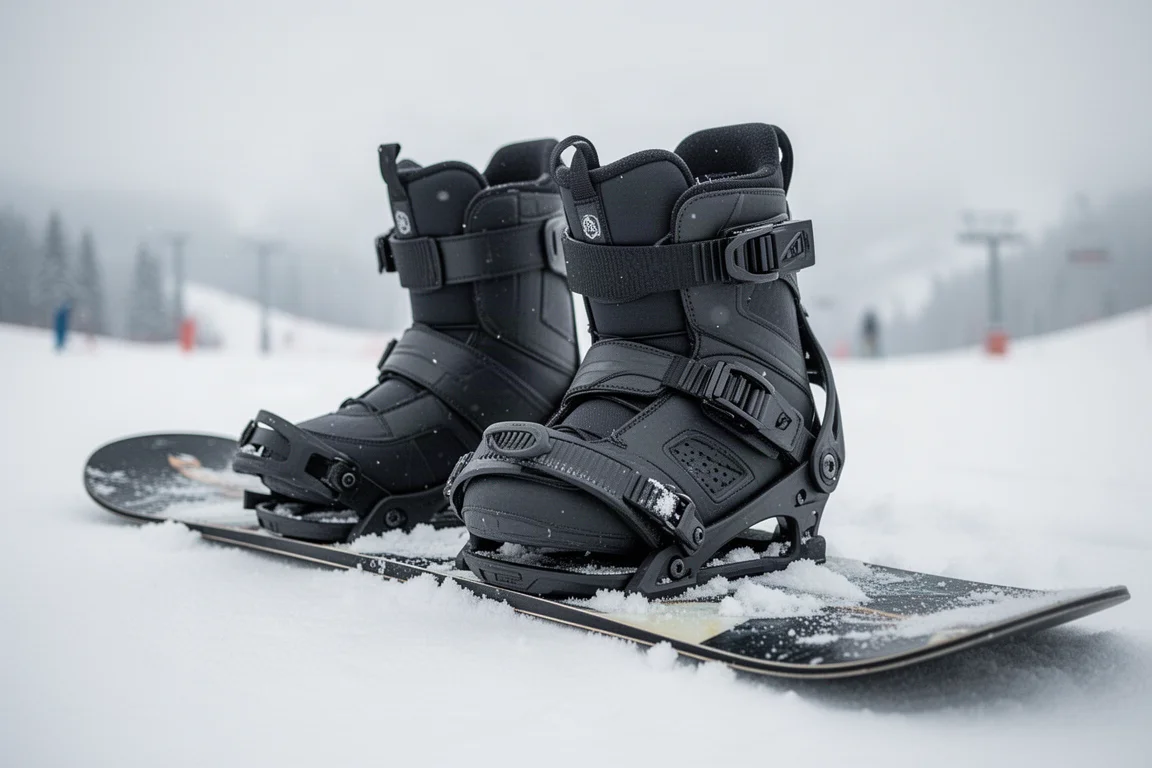
The heel strap uses an older, bulkier construction with multiple layers of material. It stretches and breaks in over time, and the shape of the cutout creates a pressure point where the thickness presses against the boot. The instep cutout does lock in and suits most boot shapes, but the strap is not as refined as what many other brands now offer.
The toe strap is neoprene with a cutout and fits most boot shapes, locking in whether it runs over the toe or over the top of the boot. The ratchets climb and do their job, but they are sticky straight out of the box, sometimes need a harder push to feed the ladder through, and would benefit from a wider mouth to guide it in. They do break in with use.
One more detail worth weighing: the large disc creates a noticeably bigger dead spot underfoot, and the binding simply occupies a lot of space on the board.
Buying Advice
The XV sits in the same conversation as bindings like the Burton Cartel X, the Bent Metal Solution and the Union Atlas. It is a strong choice if you want a domineering, highly responsive freeride binding and you are willing to accept the one-size heel cup, the built-in forward lean and the bulkier strap.
Boot compatibility deserves real attention here. Because the heel strap is thick and creates pressure points depending on boot shape, it is worth checking how your own boots sit in the binding before committing. If your riding is more all-mountain than committed freeride, the XV is likely more binding than you need, and something softer will probably serve you better.
Conclusion
The Rossignol XV is a very stiff, very responsive freeride binding that delivers power in a direct, uncompromising way. It is one of the better options in its own lineup, but the excessive natural forward lean, the size 8 to 13 heel cup and base tray, and the older, bulkier strap design are all real trade-offs. For a powerful freeride rider who wants maximum control and rigidity, it makes sense. For most riders, it is simply too much binding.
Product link
View more details for Rossignol XV Snowboard Binding
This product is mentioned in the review. Check the specifications, options, and compatibility before buying.
View more details for Rossignol XV Snowboard BindingFurther reading
Related Reviews

Snowboard Bindings
2024 Union Ultra Snowboard Bindings Review: A Cushy, Freestyle-Focused Favorite
Two seasons on the 2024 Union Ultra: a lightweight, tweakable freestyle binding with standout comfort, a damp molecular bushing, and thoughtful hardware fixes.

Snowboard Bindings
32 Team Phase Binding Review: A Fast Entry Binding Built for Freestyle Laps
The first binding from 32 uses the Phase chassis for quick step-in entry with a softer, freestyle-leaning flex. Here's how it performed on the snow.

Snowboard Bindings
Arbor Cypress Snowboard Binding Review: A Laid-Back Cruiser That Can Charge
A closer look at the Arbor Cypress binding's adjustability, strap feel, and that oddly tall highback before you decide to buy.