Snowboard Bindings
Rossignol Viper Binding Review: A Budget Binding With Clear Limits
An entry-level snowboard binding with basic adjustability, but notable weaknesses in straps, ratchets, and underfoot feel.
Introduction
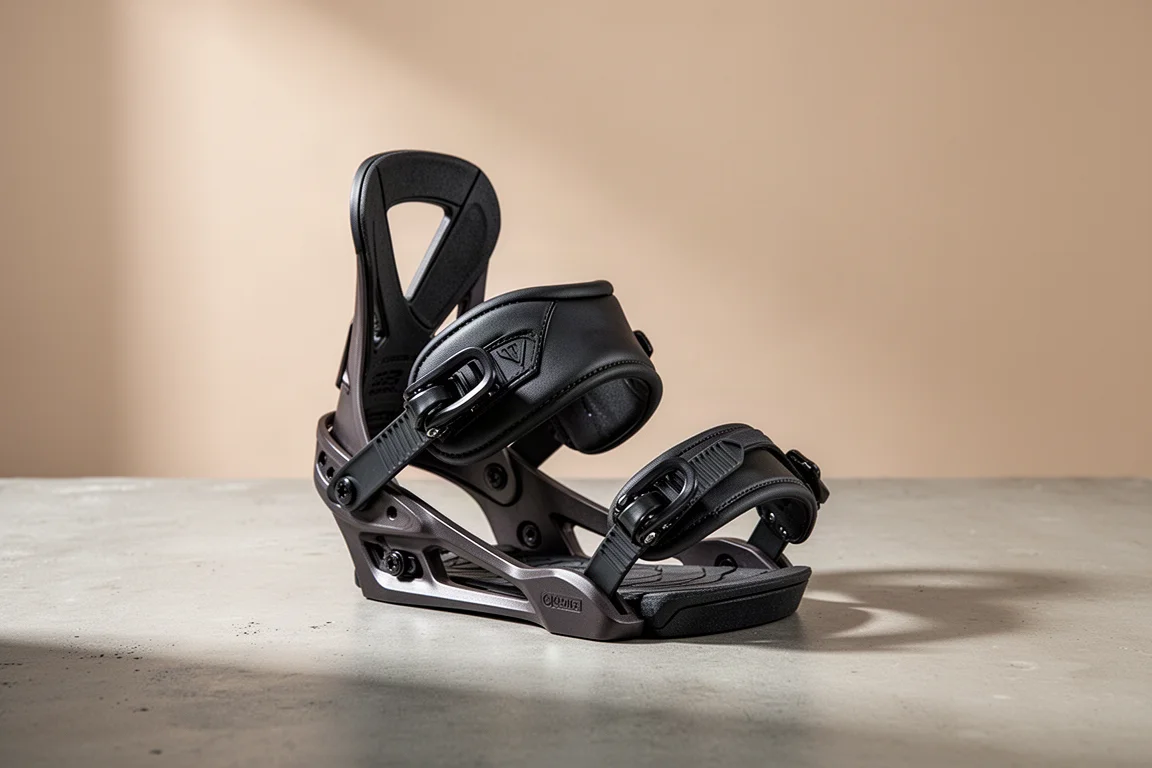
The Rossignol Viper is an entry-level snowboard binding aimed at riders who need a low-cost setup. It uses a simple base tray, a compact highback, and a two-strap design with basic adjustment points. On snow, it delivers a middle-of-the-road flex that sits in the beginner to entry-level range. Riders will notice it underfoot, but not in a way that adds precision or response.
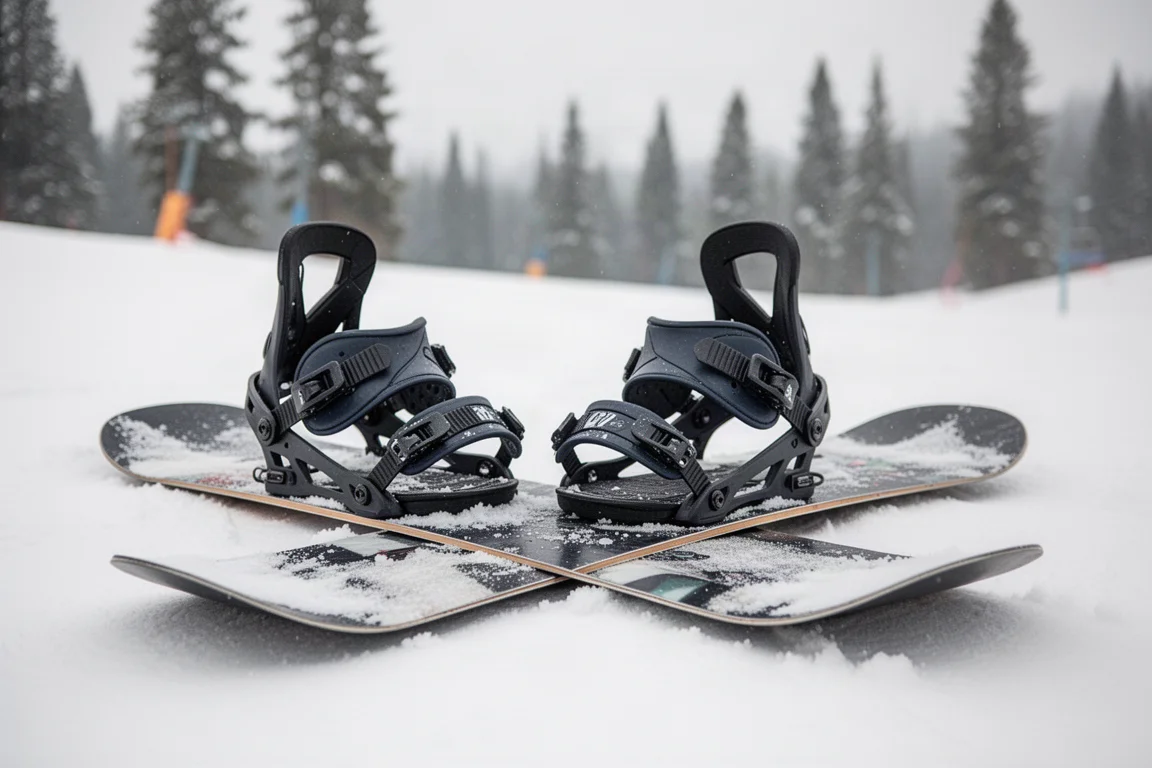
The binding was tested in mixed winter conditions, including fresh snow over groomed runs and firmer patches underneath. That surface mix is useful for exposing how a binding transfers pressure and how much play shows up through the base. The Viper’s overall ride feels dated compared with newer designs, with a large disc footprint that creates a pronounced dead spot underfoot. Lateral movement is also noticeable, and the flex from toe to heel feels muted rather than lively.
Who this product is for
The Viper is best understood as a budget binding for riders who want a basic way to get on the mountain and are not chasing refined board feel. It can suit someone building a first setup or replacing a worn-out binding on a very tight budget, as long as they accept the limits in fit, hardware quality, and underfoot response.
It is not a strong match for riders who want precise edge-to-edge control, quick fit adjustment, or a planted feel through the base. The binding’s design prioritizes a low entry price over the kind of performance that more experienced riders tend to look for.
Main strengths
The Viper does include a useful set of basic adjustment features. There is a sliding toe ramp that can move up or down to sit under the toe of the boot for leverage. The highback accepts forward lean adjustment. The heel strap has three mounting positions, and the toe strap uses push pins to help dial in the fit.
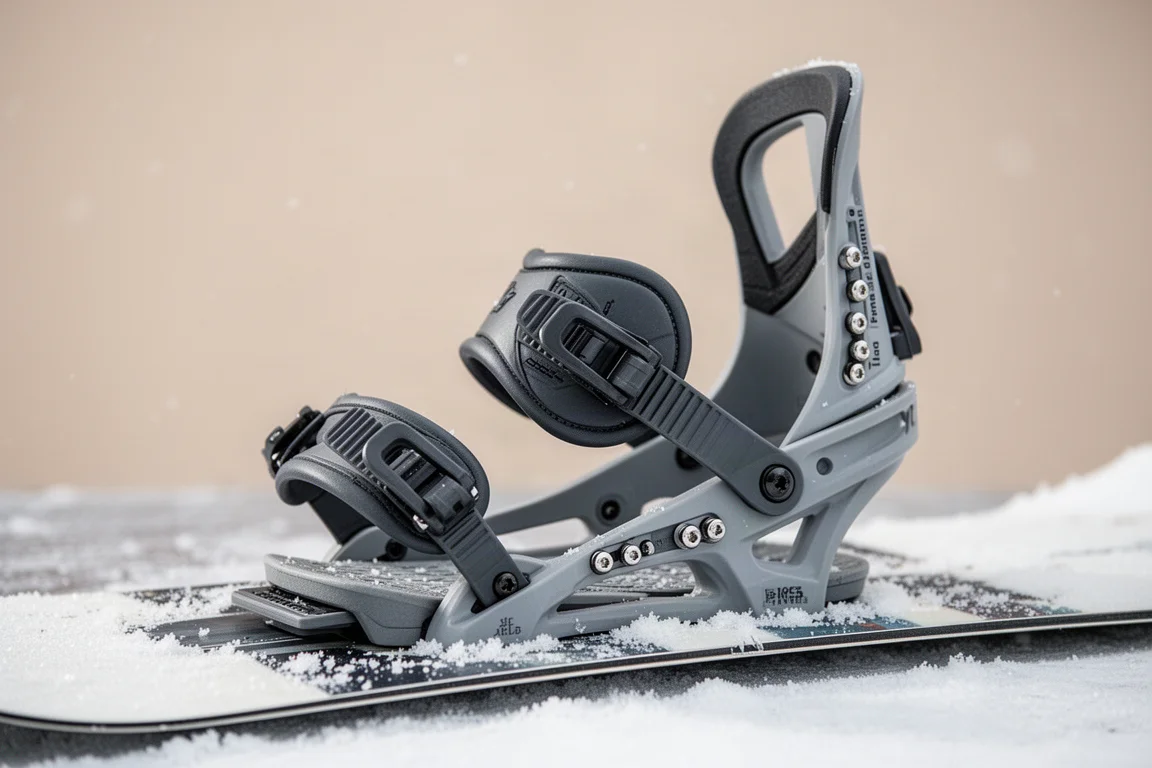
The one-finger quick release on the ratchets does work, and the ratchets can climb when tightening. The highback also does its job as a support point, with enough flex to push into on turns. These are functional basics rather than standout features, but they give the binding a complete set of entry-level adjustments.
Things to consider before buying
The straps are the first area to watch. The heel strap uses a minimalist design with no padding, relying on the boot’s instep for cushioning. Its plastic is more rigid than what many other bindings use, so it does not contour as smoothly around the boot. The toe strap is also hard and has trouble fitting many boot shapes, with a tendency to slide off.
Fit runs large for the stated size. On a medium-large binding, the straps felt closer to large or extra-large, requiring a lot of tightening to secure a size 10 boot. Riders with smaller boots may find the fit range awkward, and riders who want a secure, low-fuss strap system should look closely at this point.
The ratchets are another weak area. The one-finger release tab can push back while the main tab is coming down, causing it to get stuck. The ratchets are simple and cheaply made, and while they do tighten, they do not inspire confidence. There are better ratchet designs available on other bindings in the same general category.
The toe strap also released during use in testing. The design uses a pinch tab rather than a set screw, which can allow the strap to come free when it should stay locked. That is a meaningful concern for riders who want hardware that stays put through repeated runs.
Adjustability and fit
On paper, the Viper covers the essentials: toe ramp position, forward lean, three heel strap placements, push pins on the toe strap, and click-down lockdown clamps for sliding the heel strap up and down. These are welcome options at the entry level, and they give riders some room to tune the binding to their boots.
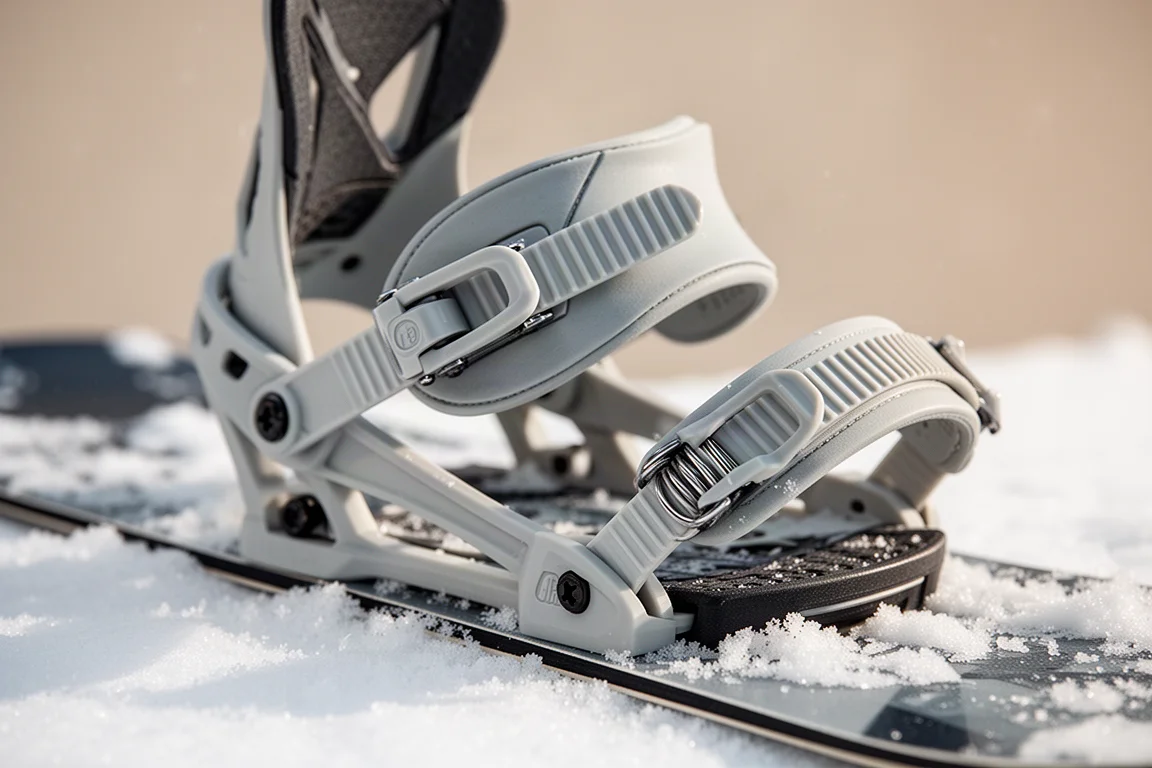
In practice, the fit is held back by the strap shape and material. The rigid heel strap does not wrap as evenly as softer designs, and the toe strap can struggle to stay centered on many boot profiles. The result is a binding that offers adjustment points but does not feel especially refined once those adjustments are made.
Ride feel and performance
The Viper’s flex is middle of the road for an entry to beginner binding. It is noticeable underfoot, but it does not translate into a responsive or energetic ride. The large base disc creates a wide dead spot beneath the foot, which reduces board feel and makes the binding feel less connected to the snowboard.
Lateral play is present, and the toe-to-heel flex feels dead rather than lively. On mixed snow, the binding does not add much precision or pop. It simply gets the rider attached to the board without offering the sharper response that better bindings can provide.
Buying advice
The Viper makes the most sense for a rider who needs a very inexpensive entry-level binding and is willing to accept clear compromises. If the goal is simply to get out on the snow with a basic setup, it can serve that purpose. Riders should still plan for the strap fit, ratchet behavior, and underfoot dead spot, because those traits affect comfort and control on every run.
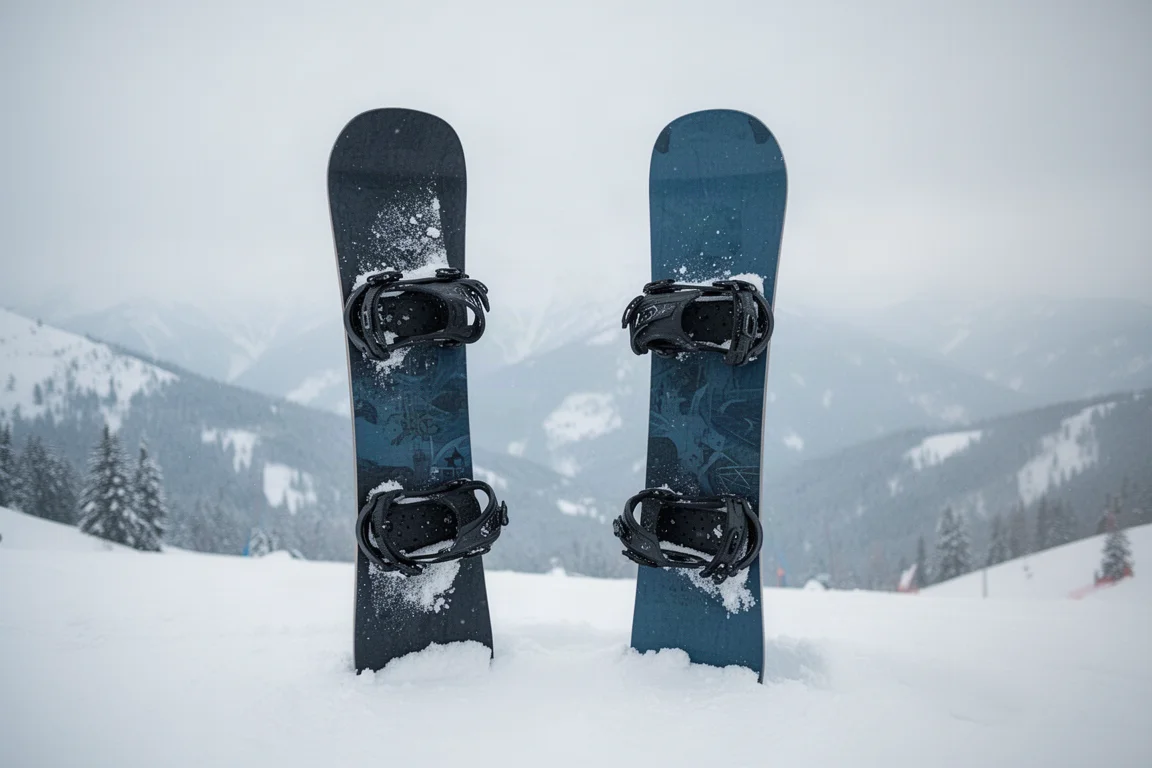
For most riders, comparable bindings are a better place to spend money. The K2 Indie, Rome Slice, and Ride C2 are all stronger alternatives to consider in the same general category. Rossignol has the resources and experience to build a more competitive binding, but the Viper does not match what the best budget options offer. Riders who want a binding they can grow with should compare those alternatives before choosing the Viper.
Conclusion
The Rossignol Viper is a budget entry-level binding with basic adjustability, a functional highback, and working quick-release ratchets. Those points are not enough to overcome its rigid straps, poor boot fit, sticky ratchet tab, large underfoot dead spot, and muted ride feel. It is a difficult recommendation for riders who want value, control, or a secure fit. Shoppers on a tight budget should compare the K2 Indie, Rome Slice, and Ride C2, and only choose the Viper if the price is the deciding factor and the limitations are acceptable.
Product link
View more details for Rossignol Viper Binding
This product is mentioned in the review. Check the specifications, options, and compatibility before buying.
View more details for Rossignol Viper BindingFurther reading
Related Reviews

Snowboard Bindings
2024 Union Ultra Snowboard Bindings Review: A Cushy, Freestyle-Focused Favorite
Two seasons on the 2024 Union Ultra: a lightweight, tweakable freestyle binding with standout comfort, a damp molecular bushing, and thoughtful hardware fixes.

Snowboard Bindings
32 Team Phase Binding Review: A Fast Entry Binding Built for Freestyle Laps
The first binding from 32 uses the Phase chassis for quick step-in entry with a softer, freestyle-leaning flex. Here's how it performed on the snow.

Snowboard Bindings
Arbor Cypress Snowboard Binding Review: A Laid-Back Cruiser That Can Charge
A closer look at the Arbor Cypress binding's adjustability, strap feel, and that oddly tall highback before you decide to buy.