Snowboards
Rossignol Sushi Wide Review: A Short, Wide Directional Board for Powder and Trees
A closer look at the Rossignol Sushi Wide, a fully directional short board with an AmpTech Elite camber profile, a highly butterable nose, and a tail that asks for a strong back foot.
Introduction
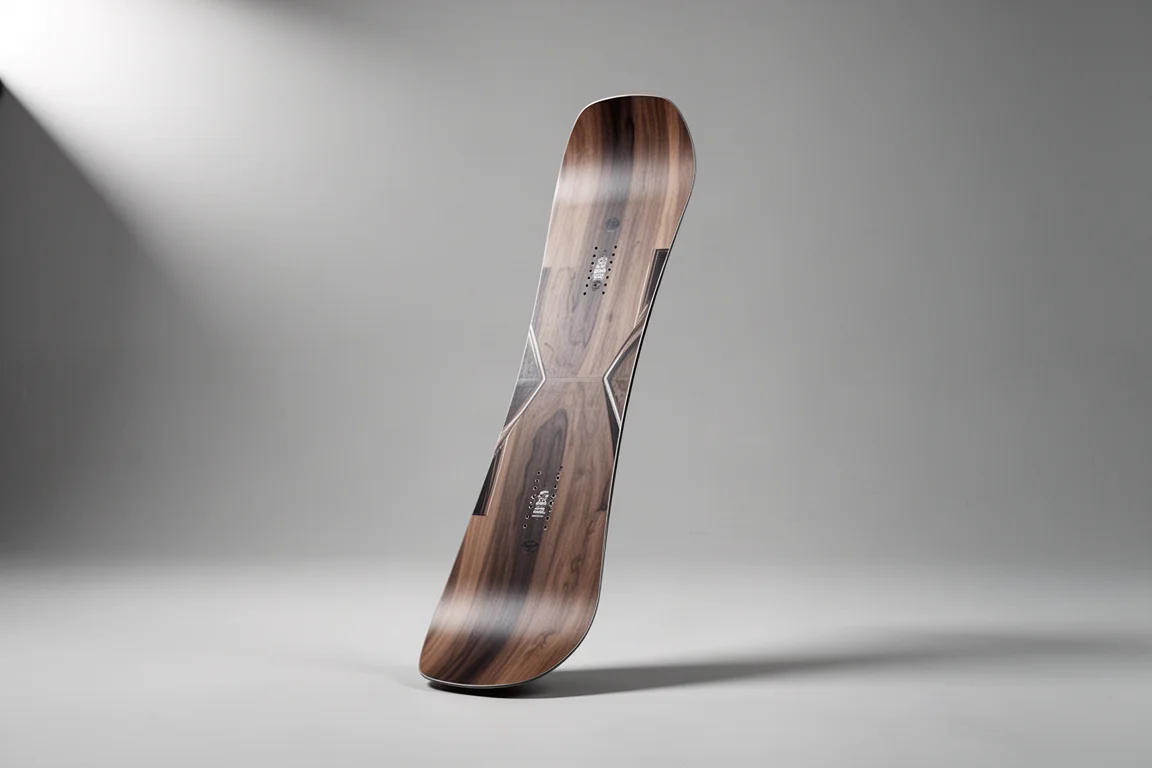
The Rossignol Sushi Wide takes a silhouette that is already generous underfoot and widens it further. It is a fully directional snowboard with a very short tail, a substantial setback, and a profile that leans heavily on camber underfoot while keeping the extremities loose. It comes in two sizes: 144 and 145 wide.
It was ridden in spring conditions at Arapahoe Basin, with overcast skies and fast moving clouds that opened into blue sky, wind, a dust layer sitting inside fresh snowfall, slightly cooler temperatures, and plenty of chop and chunder for good measure.
Who This Board Is For
This is a board for the resort rider who chases powder in the trees or spends time on lower angle pow. It floats easily, it turns quickly in tight glades, and it stays fun in soft snow.
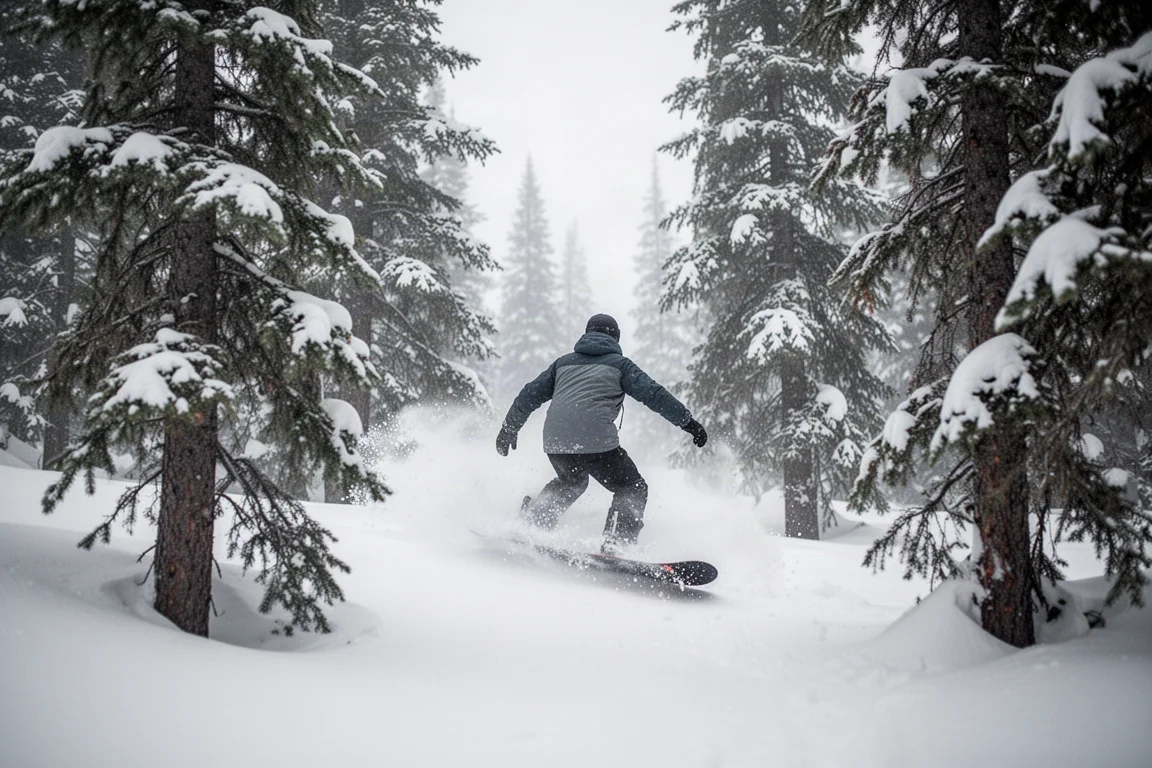
It is not trying to be an all-mountain workhorse. The shape, the setback, and the minimal tail all point toward soft snow, tight lines, and playful riding rather than high-speed groomer laps.
Shape and Flex: The AmpTech Elite Profile
The AmpTech Elite camber profile is 80 percent camber and 20 percent rocker. That means more rocker in the nose, full camber through the insert pack, and a smaller rocker section out in the tail. The result is the load, pop, snap, and drive of traditional camber combined with easier turn entry and more optimal float in powder.
The flex is fully directional. There is next to no tail and a lot of setback, so the nose is softer and that softness is accentuated by the rocker zone right where it meets the camber. From there the board progressively stiffens back toward the tail. Torsional flex is very rigid, a good deal of which comes down to the width. It can still be twisted and it retains a little snap, but overall it sits around the middle of the road for freeride flex.
Stability and Dampening
For the most part this board is very stable from inside the front insert back through the tail, and it still keeps its liveliness. The rocker in the nose will pick up chatter, and that chatter resonates back under the front foot, so it is something you feel rather than something the board hides.
What helps is the Light Frame core. It does a good job of absorbing micro vibrations so they do not seep into your feet, ankles, and knees and cause fatigue, which in turn helps you stay on the hill longer.
Pop, Buttering, and Carving
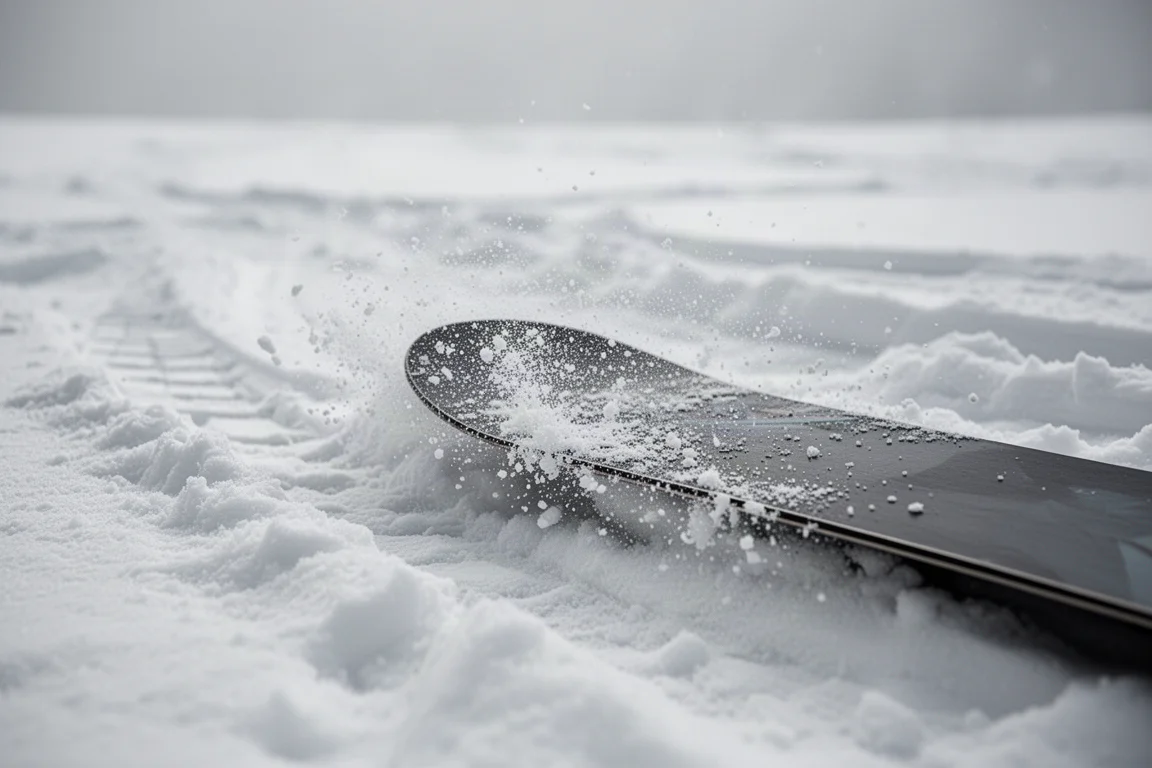
All of the pop on this board comes from the back foot, so it rewards a strong rear leg. Loading the camber and rolling back onto what little tail exists means pushing off the outside of your foot. What you put in is what you get out.
The nose is highly butterable. The rocker zone, the width, and the softer flex mean you can press into it and work through just about any butter variation. The tail is effectively non-existent, so tail presses become a high speed wheelie where you lean on the outside of your bindings and lift the tail off the snow.
Turn Initiation, Width, and Edge to Edge
Width shapes how this board initiates a turn. With a smaller boot it can feel sluggish. With a size 10 or up, you will not really notice it, because it comes down to the proportion between the board width and your boot size. Riding it with a size 10, edge to edge was fairly quick and not something that required managing.
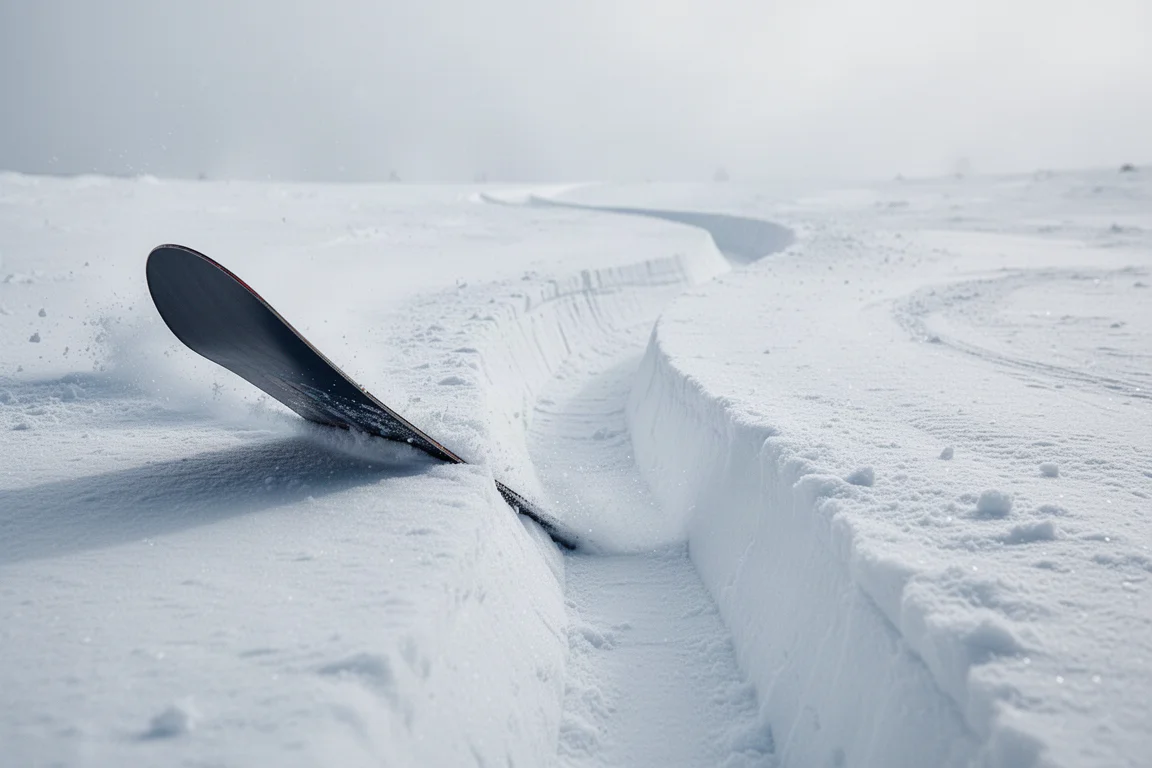
When you drive it from inside the rear foot, you can push off the tail by loading the camber, and that is what lets you apex a carve. Lay it over and rip a trench, or set a carve and swoop from one side of the trail to the other. For its size and dimensions, this board can genuinely carve.
Things to Consider Before Buying
- Nose chatter on firm or tracked snow travels back under the front foot, so the ride is not silent up front.
- Pop and tail presses demand a strong back foot rather than an even, two-footed input.
- Width and boot size matter. Riders on smaller boots may find turn initiation slower, while riders on a size 10 or above are unlikely to notice the extra width.
- The shape is purpose-built for soft snow, trees, and lower angle powder rather than groomer performance.
Buying Advice
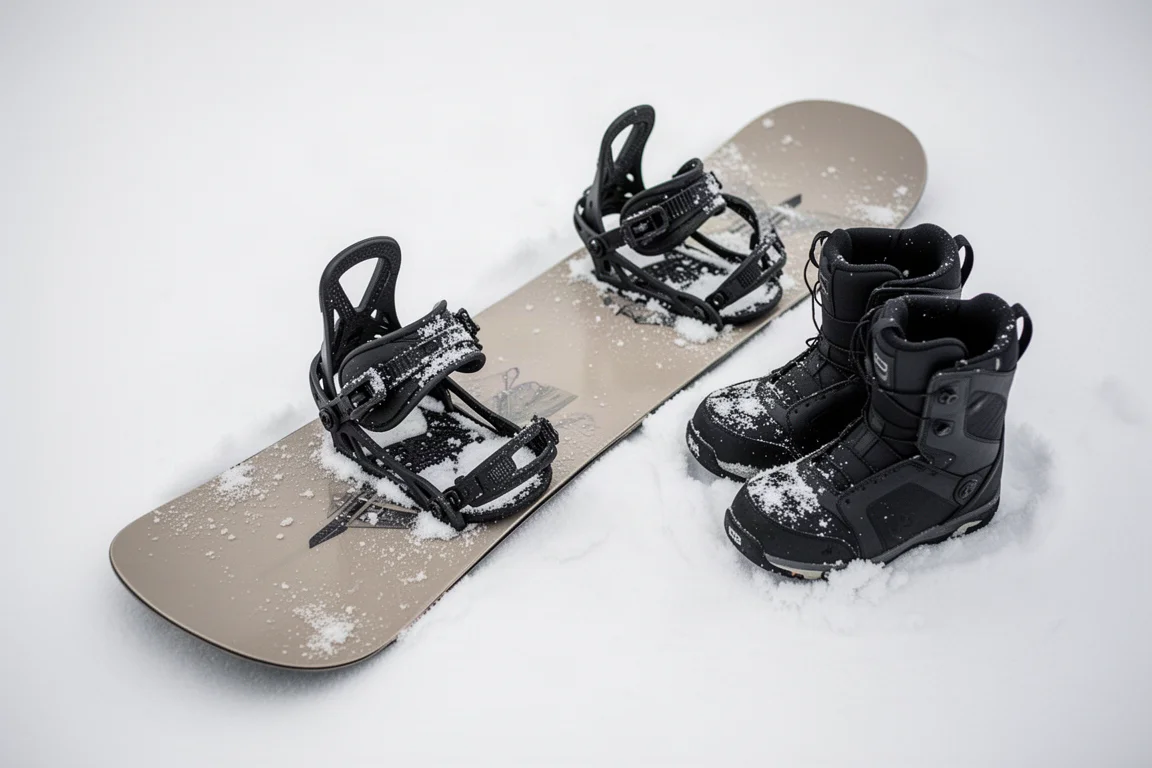
Setup matters here. It was ridden with Rome Black Label bindings and K2 Thraxis boots, and binding options that pair well include the Jones Orion, the Union Strata, and the K2 Lien AT. If you are cross-shopping shapes in this category, the Telos Backslash and the Lib Tech MC Wayfinder 2 sit in the same conversation.
The shape itself has stayed consistent, and there is little reason to expect that to change. Choose the 144 or the 145 wide based on your boot size and how much float you want, then match it with a binding that lets you drive the rear foot.
Conclusion
The Rossignol Sushi Wide is a short, wide, fully directional board that does a small number of things very well: floating in powder, weaving through tight trees, and staying playful under a rider who is willing to load it up from the back foot. If that describes the snow you ride most, it is a straightforward and enjoyable choice.
Product link
View more details for Rossignol Sushi Wide
This product is mentioned in the review. Check the specifications, options, and compatibility before buying.
View more details for Rossignol Sushi WideFurther reading
Related Reviews

Snowboards
32 Middle Earth Scott Stevens Pro Model Snowboard Review: A Park Board With a Reversed Flex
A medium traditional camber park board with carbon V reinforcement that is stiffer in the tips and more playful between the feet. Here is how it rides and who it suits.

Snowboards
32 Snafu Review: A Directional All-Mountain Freestyle Board with Serious Pop
The 32 Snafu pairs a directional camber-rocker profile with a stiffening tail for powerful carves, big ollies, and a surprisingly damp ride.

Snowboards
32 XXX Pat Fava Pro Snowboard Review: A Stiff Camber Beast for Hard-Charging Riders
A full-width traditional camber deck that rewards aggression with stability and edge power, but demands effort everywhere else.