Snowboards
Rossignol Super Revenant Review: A Smoother Take on the Freeride All-Mountain Board
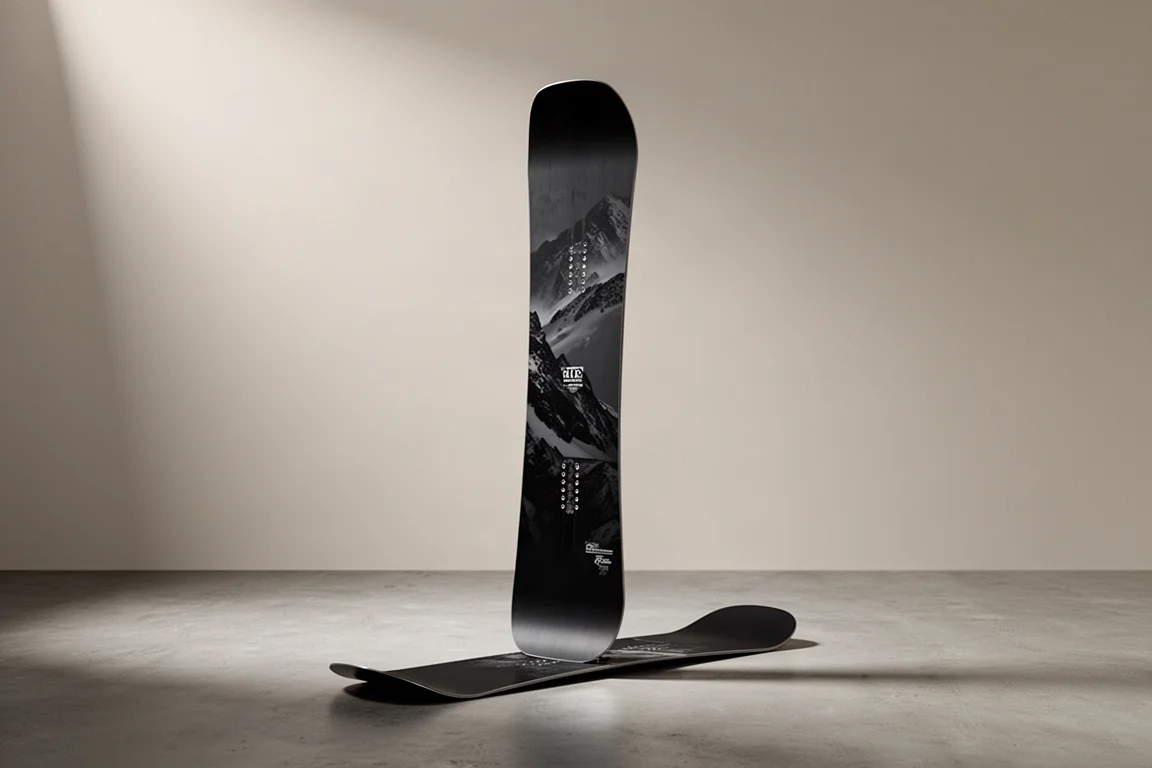
The Rossignol Super Revenant pairs AmpTek Elite camber with a surprisingly soft flex, delivering fluid carving and damp stability with one notable trade-off in pop consistency.
Introduction
The Rossignol Super Revenant carries a name that suggests a beefed-up version of the regular Revenant. In practice, it is not. Riders who have spent time on the standard Revenant will notice the Super is actually softer, which changes the character of the board considerably. This review covers how it rides, where it excels, and the one inconsistency you should know about before buying.
First Impressions on the Mountain
Testing took place at Copper Mountain on a sunny bluebird day. Conditions covered firm, fast corduroy on the groomed runs and leftover sun-baked, lumpy chop off-piste, with moderate winds at times. The board was paired with Rome Black Label bindings and K2 Thraxis boots.
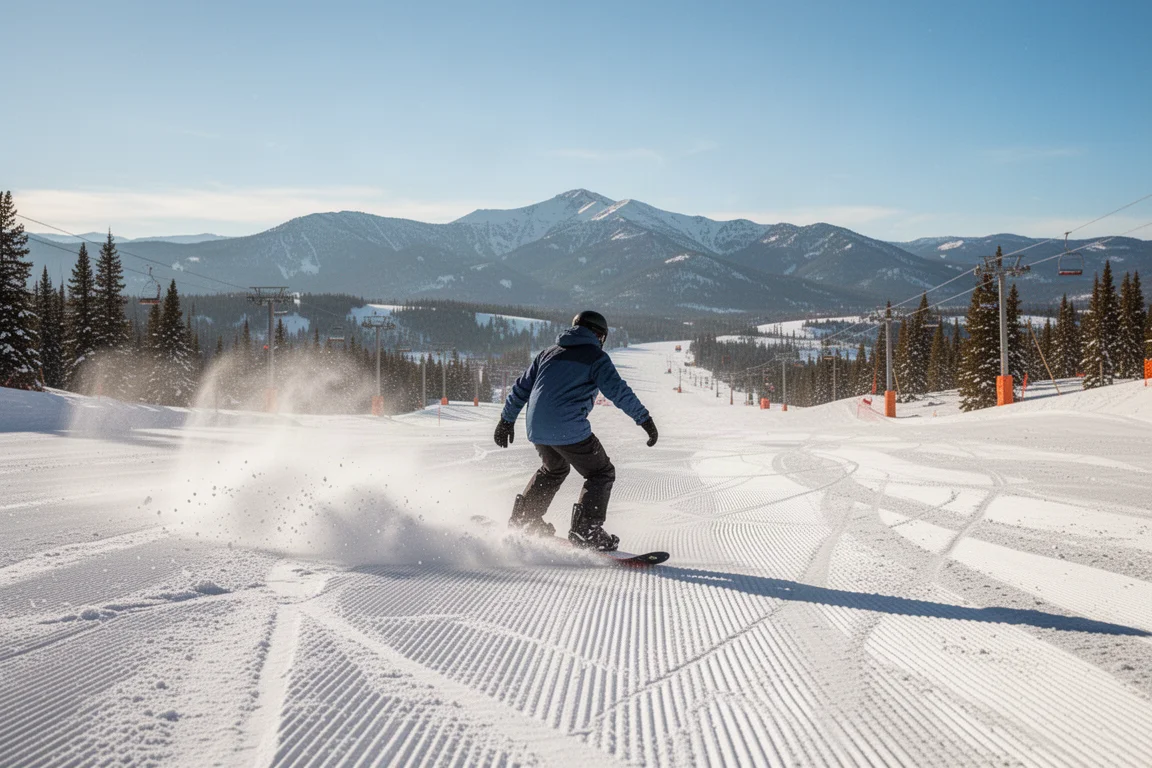
The Super Revenant uses Rossignol’s AmpTek Elite camber profile: a large camber section underfoot with rocker in the tip and tail. That camber provides pop, snap, and drive, while the rocker zones make turn entry and exit easier and help with float in softer snow. Size options include 154, 158, 159 wide, and 163 wide.
Flex, Stability, and Damping
Despite the Super branding, this board sits only slightly above middle-of-the-road in stiffness. There is more play in the tips, and the flex stiffens noticeably through the midsection. The torsional flex is very snappy and rebounds quickly. The rep attributed the softer feel to progression in the manufacturing process, and the on-snow impression supports that reading.

Stability is where the board earns real credit. It is smooth at speed and cuts through uneven terrain without transmitting much back underfoot. Even at top groomer speeds, there is only a tiny bit of flap way out in the tip, and nothing resonates underfoot. The ride feels very damp while still retaining lively properties, and overall it feels like a board you have already ridden for 100 days: predictable and familiar.
Pop and Playfulness
This is the board’s weakest area. There is plenty of carbon and a big camber section, so you can absolutely boost with it. The problem is inconsistency. The pop feels slightly delayed, and it reacts at different speeds depending on what you are hitting, whether a side hit, a wall climb, a roller, or a bump mid-run. The regular Revenant was more consistent in this regard.
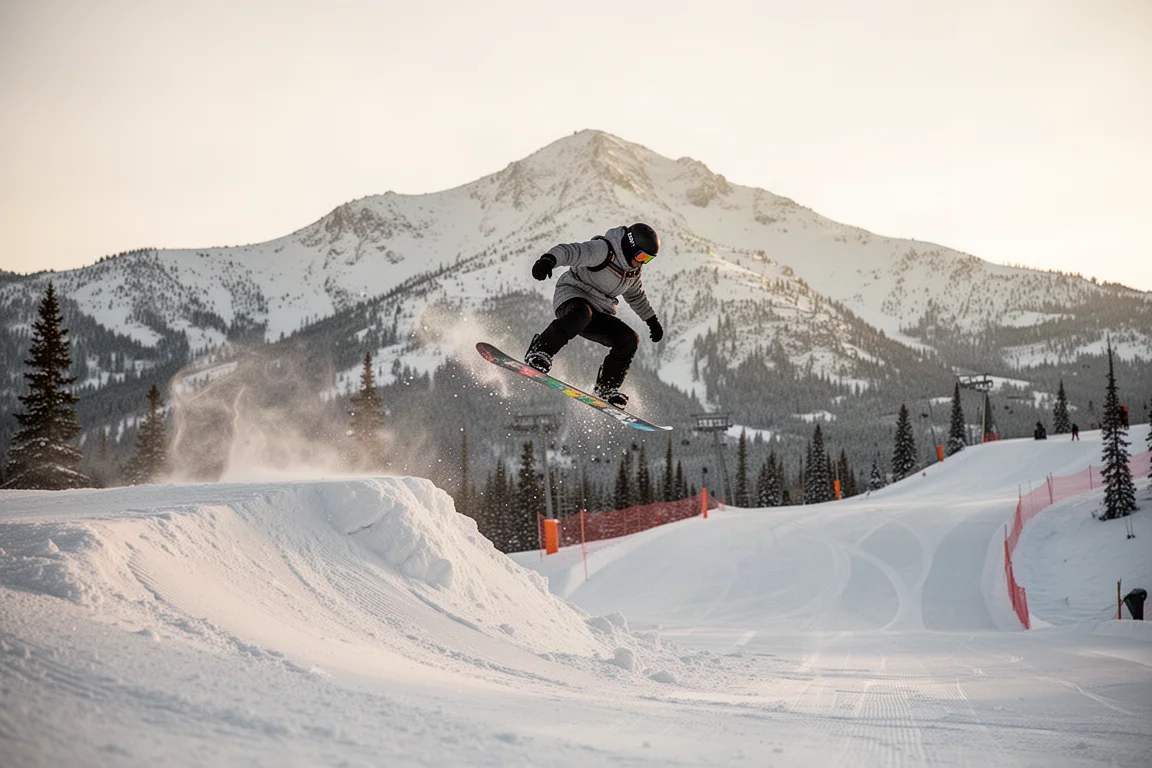
The trade-off is that the small rocker sections in the nose and tail are easier to activate when you press into them. Leverage your weight right where the rocker meets the camber and the board locks in, then springs out on release. Land on the nose after a frontside 180 and it takes a bit more effort, but what you put in is what you get back. Pop is workable once you learn its timing; it just demands a more calculated approach.
Carving: Where This Board Shines
Carving is the standout strength. Edge-to-edge power transmission is fluid: the board rolls and then simply grips, whether transitioning toe to heel or heel to toe. Added edge tech helps on firmer snow, locking in with precision. Short, tight, quick carves carry power out of them, and medium, mellow carves swoop from one side of the trail to the other with a calculated, controlled feel.

When you need to lay it over hard, this board will leave a trench. Aggressive carving is fully on the table. Compared to the carry-forward regular Revenant, the Super is more approachable: you do not have to push as hard to get the carve to engage, which makes it easier to manipulate for most riders.
Who This Board Is For
The Super Revenant suits riders who want an approachable all-mountain freeride board in the Revenant family. It is softer than the regular Revenant, which makes it friendlier for the everyman while still capable of being pushed hard when needed. Aside from the pop inconsistency, it feels mostly consistent across the rest of its performance envelope.
Comparable boards worth considering include the Stranda Descender, the Capita Kazu, and the Nitro Highlander. Recommended bindings are the Union Atlas, the Bataleon Astro Full Wrap, and the Yes Drive.
Buying Advice
If you valued the stiffer, more consistent pop of the regular Revenant, the Super may disappoint on that front, and it is fair to question what the Super designation actually adds beyond a new colorway. But if you want a damp, stable, exceptionally capable carving board that is easier to load and more forgiving, the Super Revenant makes a strong case. Figure out the pop timing early and the rest of the board rewards you.
For riders deciding between the two, the choice comes down to feel: the regular Revenant remains the stiffer, more consistent option, while the Super trades some of that for approachability and a smoother ride. Check current sizing and availability through the product panel below before committing.
Conclusion
The Rossignol Super Revenant is a good board for what it is: stable, damp, and outstanding on edge, with a flex that makes all-mountain freeriding more accessible. Its one real flaw is inconsistent, slightly delayed pop. If carving performance and ride comfort rank higher on your list than snappy ollie response, this board deserves a close look.
Product link
View more details for Rossignol Super Revenant
This product is mentioned in the review. Check the specifications, options, and compatibility before buying.
View more details for Rossignol Super RevenantFurther reading
Related Reviews

Snowboards
32 Middle Earth Scott Stevens Pro Model Snowboard Review: A Park Board With a Reversed Flex
A medium traditional camber park board with carbon V reinforcement that is stiffer in the tips and more playful between the feet. Here is how it rides and who it suits.

Snowboards
32 Snafu Review: A Directional All-Mountain Freestyle Board with Serious Pop
The 32 Snafu pairs a directional camber-rocker profile with a stiffening tail for powerful carves, big ollies, and a surprisingly damp ride.

Snowboards
32 XXX Pat Fava Pro Snowboard Review: A Stiff Camber Beast for Hard-Charging Riders
A full-width traditional camber deck that rewards aggression with stability and edge power, but demands effort everywhere else.