Snowboards
Rossignol Rising Elevator Review: A Soft-Flexing All-Mountain Snowboard
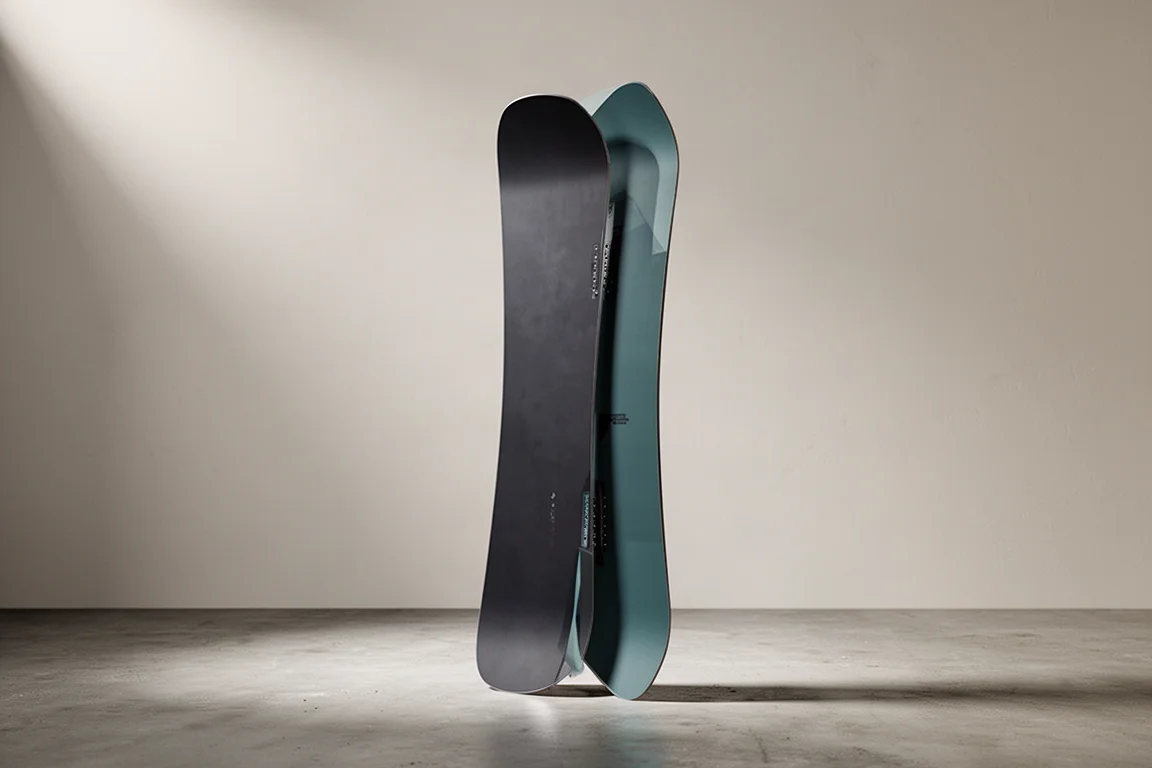
The Rossignol Rising Elevator pairs a soft directional flex with a smooth edge and a generous nose, landing at a mid price point of around $420.
Introduction
The Rossignol Rising Elevator is a directional all-mountain snowboard with a soft flex and a smooth edge. It sits at a mid price point of around $420, which is the range where many riders pick up a first board or add a second one to their quiver.
Two details shape how it rides. The flex is rated 3 out of 10, and the board skips the serrated edge found on several other Rossignol models in favour of a smooth, continuous edge. Combine that with rocker and camber between the feet, and you get a board that turns easily while still holding a line.
Who This Snowboard Is For
Riders who want an easy-turning all-mountain board are the core audience here. The soft flex and directional shape make the board approachable, and it is versatile enough to handle just about anything you want to do on a resort day rather than locking you into a single style of riding.
It also makes sense as a first board or a second board. If you are building a small quiver, the Rising Elevator can serve as the softer, more playful option alongside a stiffer directional board that you reserve for aggressive days.
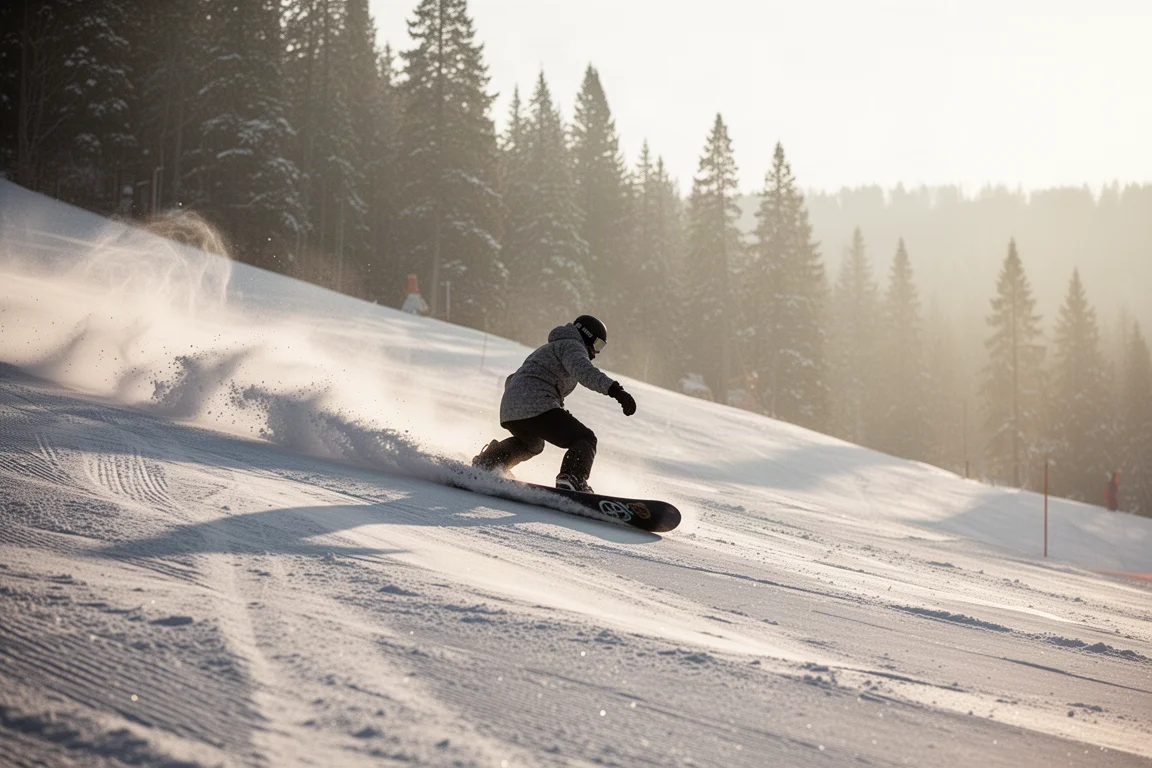
Riders who spend time in soft snow will get more out of it than riders who live on firm, icy hardpack. The nose carries a lot of height and radius, which is exactly what you want when the snow is fresh or soft, and it keeps the front of the board from diving.
Main Strengths
Turn Feel and Edge Control
Turn initiation is the headline. The board is very easy to turn, and it still holds a turn once you are in it, which is a balance softer boards do not always manage. That combination makes it forgiving without feeling vague underfoot.
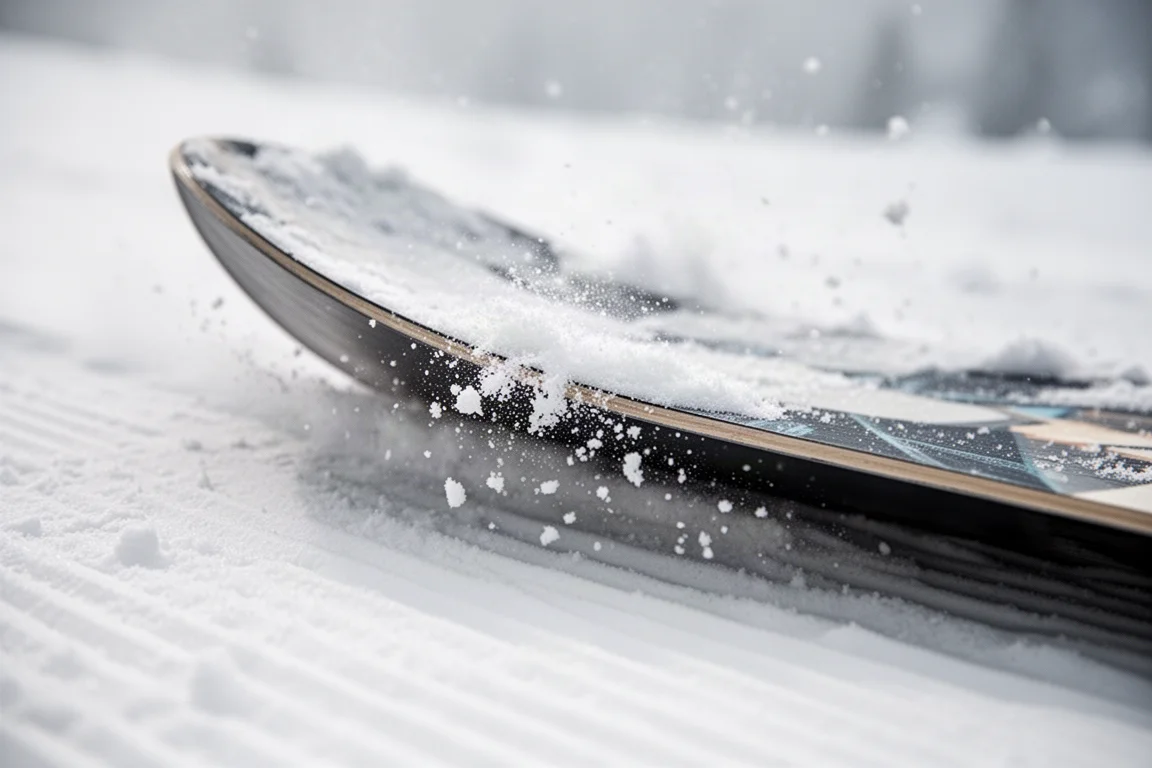
Edge hold is the more interesting part, because the Rising Elevator does not use a serrated edge. The smooth edge still bites well, and the mix of a soft flex with rocker and camber between the feet is what makes that work. The camber underfoot keeps pressure running along the edge, while the softer flex lets the board bend into the turn instead of fighting you.
Float in Soft Snow and Switch Riding
The nose is generous in both height and radius, which helps the board stay on top of new snow and soft snow rather than ploughing through it. That is the half of the shape that makes the board feel comfortable when conditions are forgiving.
The tail is shaped well for riding switch, so you are not locked into a single direction even though the overall shape is directional. Riders who like to land or ride away switch will find the back half of the board cooperative rather than punishing.
Things to Consider Before Buying
The flex rating of 3 out of 10 is the first thing to weigh up. Soft flex is what makes the board easy to turn and comfortable at lower speeds, but it also means more advanced riders may find the board leaves them wanting something stiffer when they push hard. If you already ride aggressively, this is a board to try before committing.
The smooth, non-serrated edge is the second consideration. It holds well, but riders who spend most of their season on firm or icy snow and want the most aggressive bite available may prefer a board with a serrated edge. The Rising Elevator is better matched to mixed and softer conditions.
It is also worth noting that the shape is directional. The tail works for switch, but this is not a true twin, so riders who split their time evenly between regular and switch may want to look at a twin shape instead.
Buying Advice
At around $420, the Rising Elevator lands squarely at a mid price point. For a board that can cover groomers, soft snow, and some switch riding, that is a fair ask, and it explains why it works as either an entry point into all-mountain riding or a relaxed second board.
Matching the Rising Elevator to Your Riding
If your priority is a board that turns easily, feels forgiving underfoot, and stays afloat when the snow softens up, this is a straightforward pick. It rewards a relaxed, all-mountain approach rather than a hard-charging one.
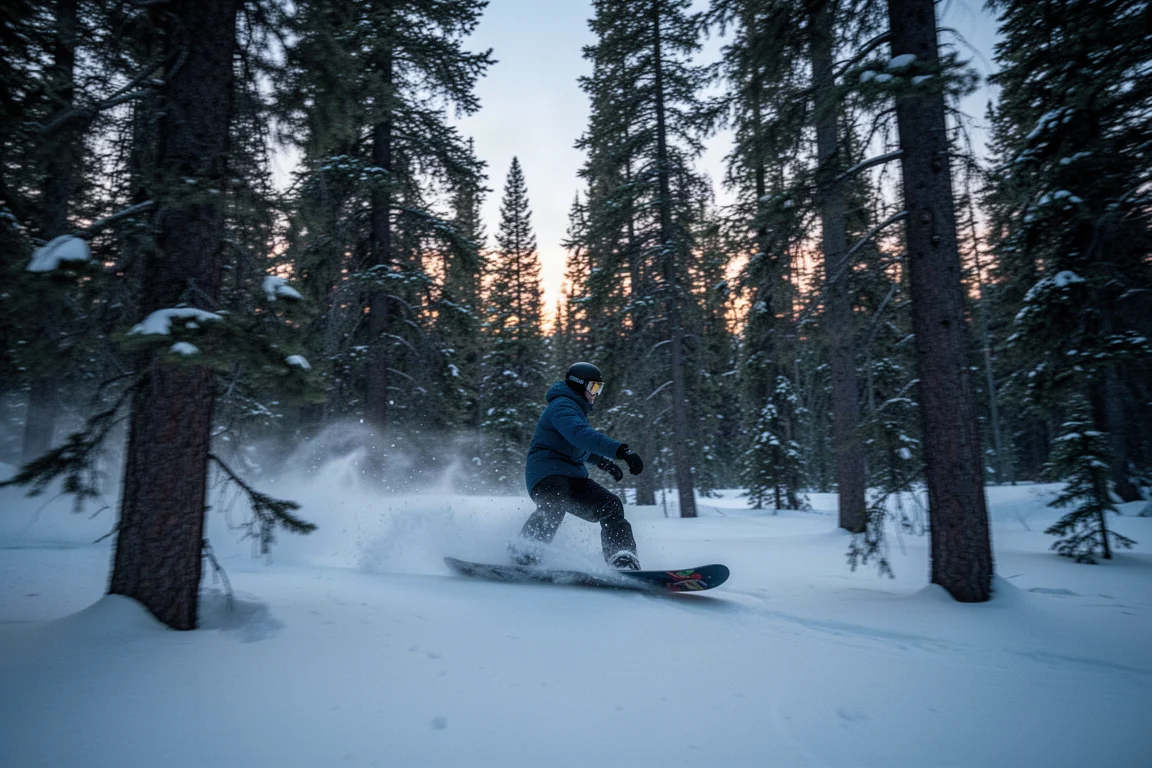
If instead you want a stiff, aggressive board that you can drive hard through firm conditions, the soft flex will likely feel like a compromise rather than a feature. In that case the smooth edge and the softer flex are working against what you are asking of the board.
Conclusion
The Rossignol Rising Elevator is an easy board to like if you value turn initiation, a forgiving flex, and a nose that handles soft snow. The combination of a 3 out of 10 flex with rocker and camber between the feet gives it genuine edge hold despite the smooth, non-serrated edge, and the tail keeps switch riding on the table.
At around $420 it sits at a mid price point that suits a first board or a second, softer option in a quiver. Just go in with clear expectations: this is a playful all-mountain shape for mixed and soft conditions, not a stiff hardpack weapon, and advanced riders who ride aggressively may want more board beneath them.
Product link
View more details for Rossignol Rising Elevator
This product is mentioned in the review. Check the specifications, options, and compatibility before buying.
View more details for Rossignol Rising ElevatorFurther reading
Related Reviews

Snowboards
32 Middle Earth Scott Stevens Pro Model Snowboard Review: A Park Board With a Reversed Flex
A medium traditional camber park board with carbon V reinforcement that is stiffer in the tips and more playful between the feet. Here is how it rides and who it suits.

Snowboards
32 Snafu Review: A Directional All-Mountain Freestyle Board with Serious Pop
The 32 Snafu pairs a directional camber-rocker profile with a stiffening tail for powerful carves, big ollies, and a surprisingly damp ride.

Snowboards
32 XXX Pat Fava Pro Snowboard Review: A Stiff Camber Beast for Hard-Charging Riders
A full-width traditional camber deck that rewards aggression with stability and edge power, but demands effort everywhere else.