Snowboards
Rossignol Jib Saw Review: A True Twin Snowboard Built for Edge Hold and Switch Riding
The Rossignol Jib Saw pairs a true twin shape and twin flex with camber underfoot and a touch of rocker, making it a stable, switch-friendly board for riders who like to stay on edge.
Introduction
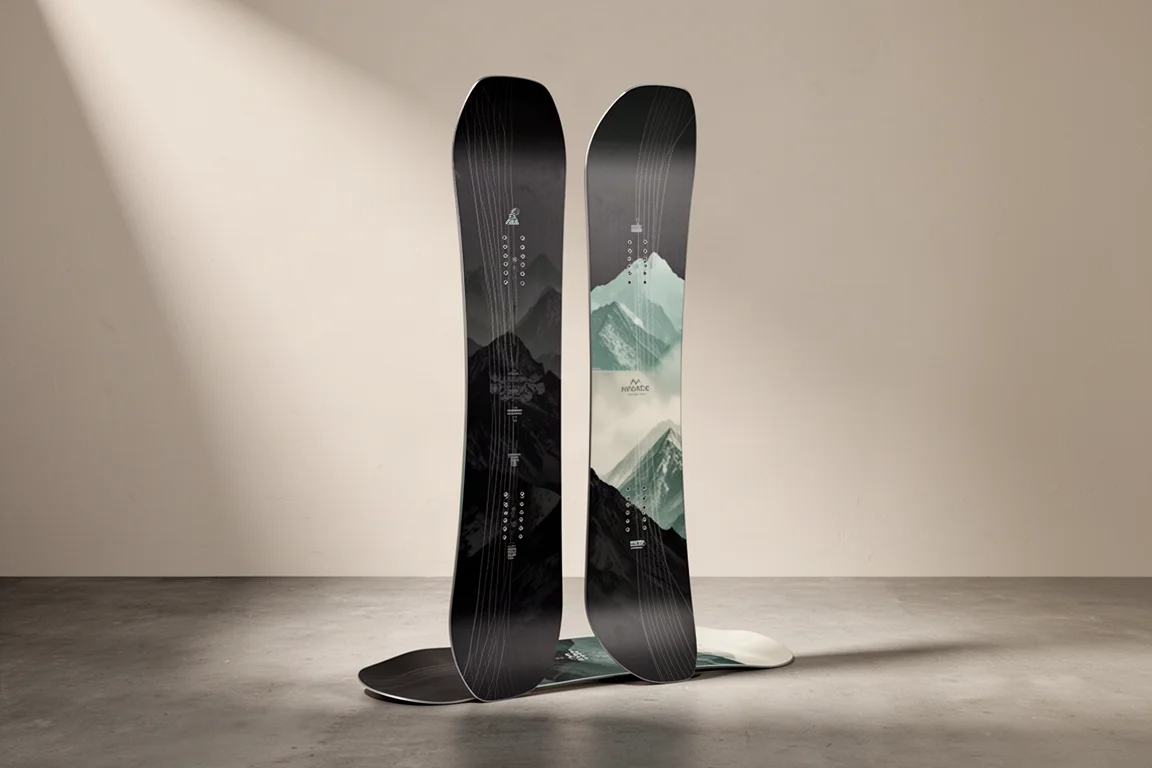
The Rossignol Jib Saw is a true twin snowboard that has held a place in the Rossignol line for a couple of seasons now. Its profile combines traditional camber through the middle with a small amount of rocker that lifts away at the tip and tail, so the board keeps a lively, connected feel underfoot while the contact points stay relaxed enough to stay forgiving.
It is available across a range of sizes and widths from 150 up to 159, which gives a good spread of options for different riders and boot sizes. On snow, the standout characteristic is how eagerly it settles into a turn. It wants to be on edge, and it stays composed while it is there.
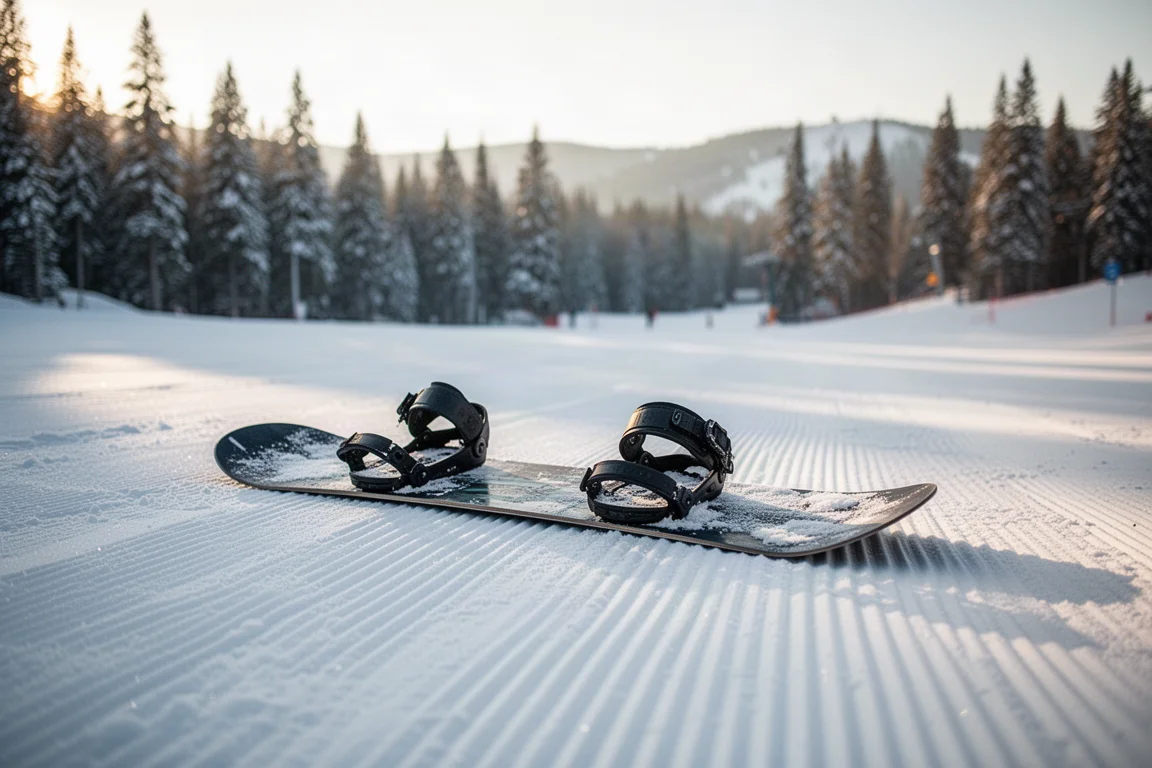
That combination of a twin outline, a twin flex and a camber-forward profile places the Jib Saw in a specific corner of the market. It is not trying to be an all-terrain cruiser or a dedicated powder shape. It is a board for riders who spend their time working the mountain edge to edge and who value a board that behaves the same in both directions.
Who This Snowboard Is For
The Jib Saw makes the most sense for riders who ride switch regularly and want a board that feels identical whichever way they are pointing. Because the shape and the flex are both true twin, there is no directional bias to adjust to and no compromise when you land or take off backwards.
It also suits riders who enjoy a board that engages quickly. The camber section gives it a positive, energetic character, and the slight rocker at the ends keeps the tip and tail from feeling overly grabby. That balance tends to appeal to intermediate and advanced riders who already have solid edge control and want a board that rewards it.
If your riding is mostly relaxed cruising, deep powder laps, or long days chasing soft snow off-piste, this is probably not the shape you are looking for. The Jib Saw is built around edge engagement and switch-friendly symmetry rather than float.
Design and Ride Character
The construction details are worth a closer look because they explain a lot of how the board behaves. Carbon stringers run through the core and are visible through the graphic, adding stiffness and response without pushing the board into the heavyweight category. It is not super light, but it is not super heavy either, which is generally a healthy sign for a board that needs to hold up to regular edge pressure.
The tip and tail share an identical outline, and the tip profile is not a pure radial curve. It runs slightly flatter, which gives the board a distinctive look and a slightly different entry feel at the ends. Many Rossignol shapes also use a serrated edge along the contact length, and the Jib Saw follows that pattern.

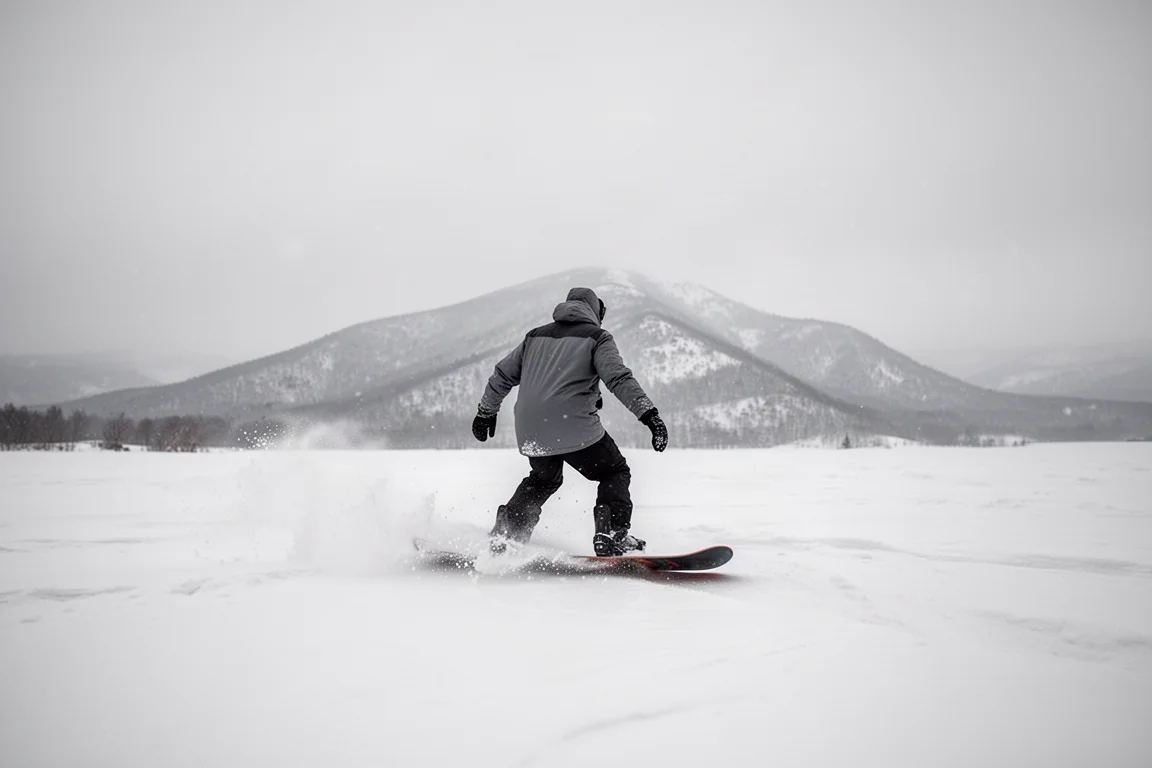
Ride character follows directly from that build. On edge, the board feels stable and planted rather than nervous, and it carries speed through a turn without asking much from the rider. The twin flex means the same response is available when you switch to your other direction, which is the whole point of this shape.
Main Strengths
The first strength is edge hold. The Jib Saw always wants to be on edge or in a turn, and that eagerness translates into a board that feels confident when you commit to a carve. Stability stays high even as you push it, which is reassuring on firmer snow.
The second is switch riding. With a true twin shape and a true twin flex, there is no difference between regular and switch beyond your own stance. Riders who split their time between the two directions will notice the lack of adjustment immediately.
The third is consistency. The board has been in the Rossignol line for a couple of seasons, and the design has not needed reinvention. That is usually a sign that the shape is doing what it was intended to do.
Things to Consider Before Buying
Weight is the main trade-off to weigh up. The Jib Saw sits in the middle of the range rather than at the light end, so riders who are specifically chasing the lowest possible swing weight for spins and presses may want to compare it against lighter alternatives.
Price is the other consideration. The board sits in the mid range and climbs toward roughly the upper part of that band, so it is a meaningful purchase rather than an impulse buy. It is worth being clear about whether edge hold and switch symmetry are priorities for you before committing, because that is exactly what the design is optimized for.
Sizing also deserves a little thought. With sizes and widths running from 150 up to 159, there is enough spread to match the board to your weight, boot size and intended terrain, but the jump between sizes does change how much board you are managing underfoot. A slightly larger size will feel more stable at speed, while a smaller one will feel quicker to move around.
Buying Advice
If you already know that you want a twin board with a camber-forward profile and you spend your days turning rather than floating, the Jib Saw is a straightforward fit. The carbon stringers, the slightly flattened tip profile and the serrated edge all point toward a board designed for grip and response rather than pure freestyle softness.
The most useful thing you can do before buying is match the size to your riding. Riders who want stability at speed and a stronger edge platform will generally be happier sizing up within the available range, while riders who prioritize quick, low-effort moves will prefer the smaller end.
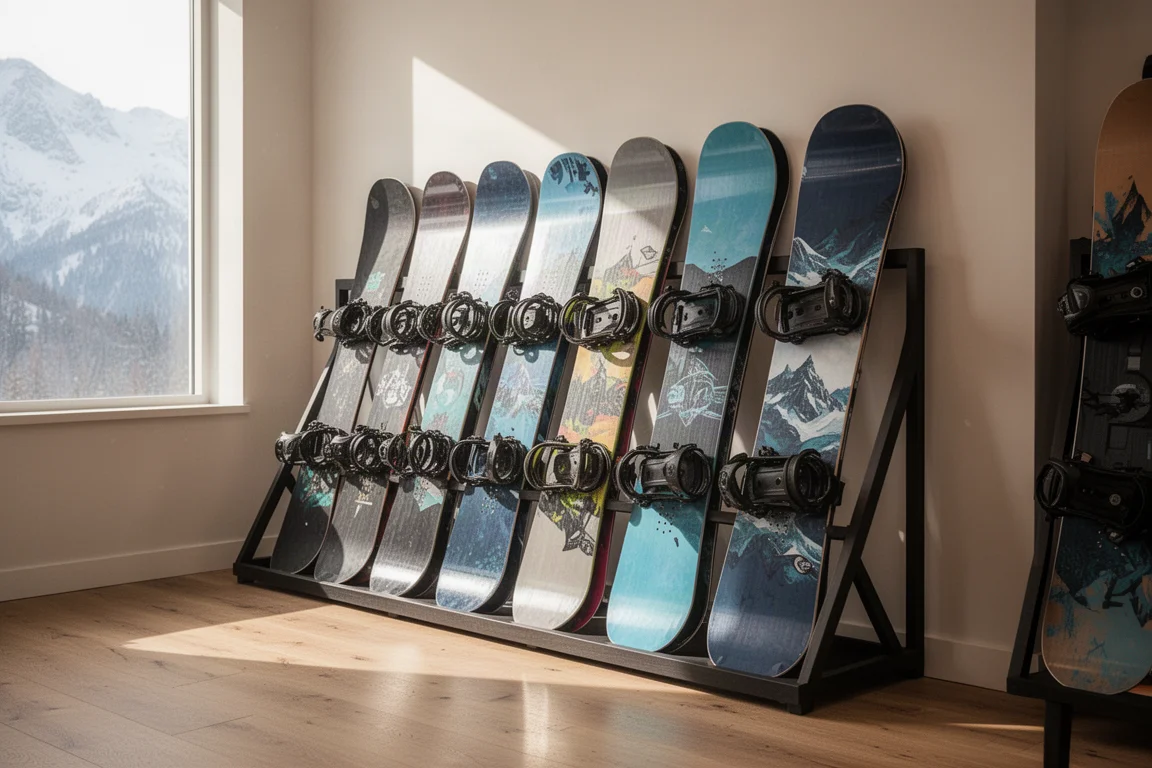
Because the board has been part of the line for a couple of seasons, you also have the benefit of a shape that has had time to prove itself rather than a first-year experiment. That makes it a lower-risk choice for anyone shopping within the mid range.
Conclusion
The Rossignol Jib Saw is a focused snowboard. A true twin shape, a twin flex, camber underfoot with a touch of rocker at the ends, and carbon stringers through the core add up to a board that is stable, eager to be on edge, and equally at home in either direction. It is not the lightest option on the wall and it sits toward the upper part of the mid range, but for riders who care about edge hold and switch riding, those trade-offs line up with what the board does well.
Product link
View more details for Rossignol Jib Saw
This product is mentioned in the review. Check the specifications, options, and compatibility before buying.
View more details for Rossignol Jib SawFurther reading
Related Reviews

Snowboards
32 Middle Earth Scott Stevens Pro Model Snowboard Review: A Park Board With a Reversed Flex
A medium traditional camber park board with carbon V reinforcement that is stiffer in the tips and more playful between the feet. Here is how it rides and who it suits.

Snowboards
32 Snafu Review: A Directional All-Mountain Freestyle Board with Serious Pop
The 32 Snafu pairs a directional camber-rocker profile with a stiffening tail for powerful carves, big ollies, and a surprisingly damp ride.

Snowboards
32 XXX Pat Fava Pro Snowboard Review: A Stiff Camber Beast for Hard-Charging Riders
A full-width traditional camber deck that rewards aggression with stability and edge power, but demands effort everywhere else.