Cross-Country Skiing
Rossignol Evo XC 55 R Skin vs Evo XT 55: Which Recreational Classic Ski Fits Your Winter
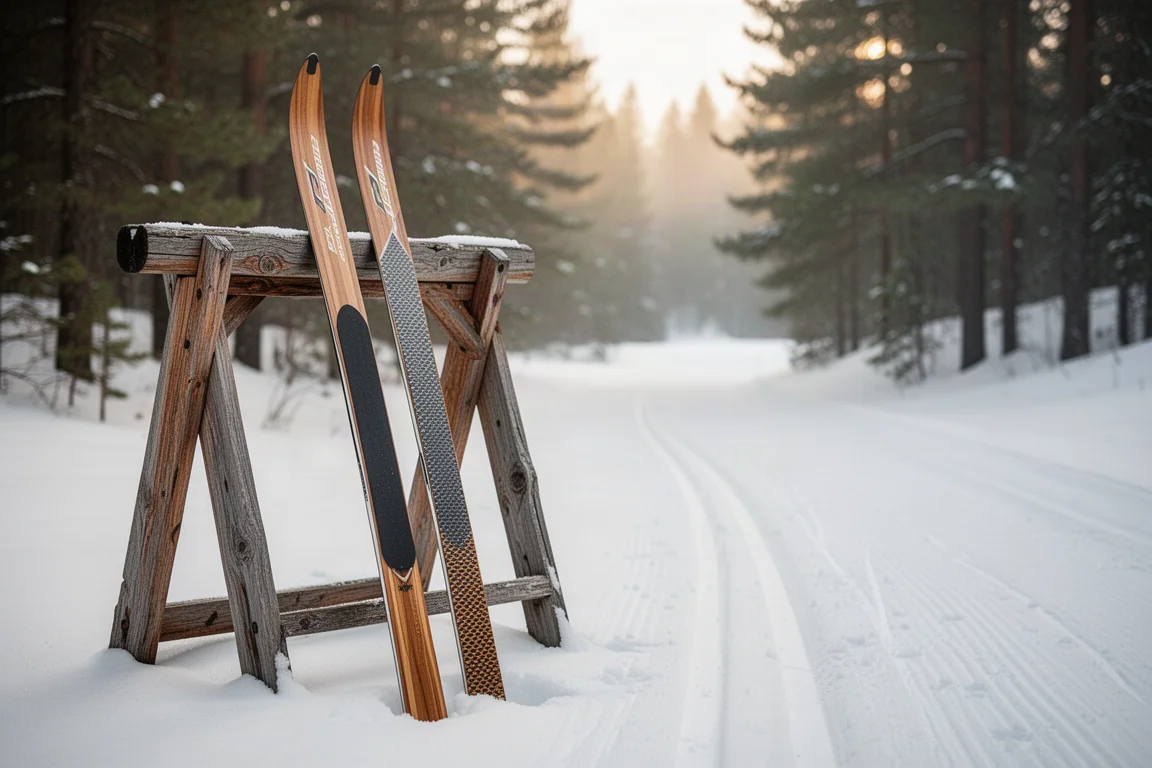
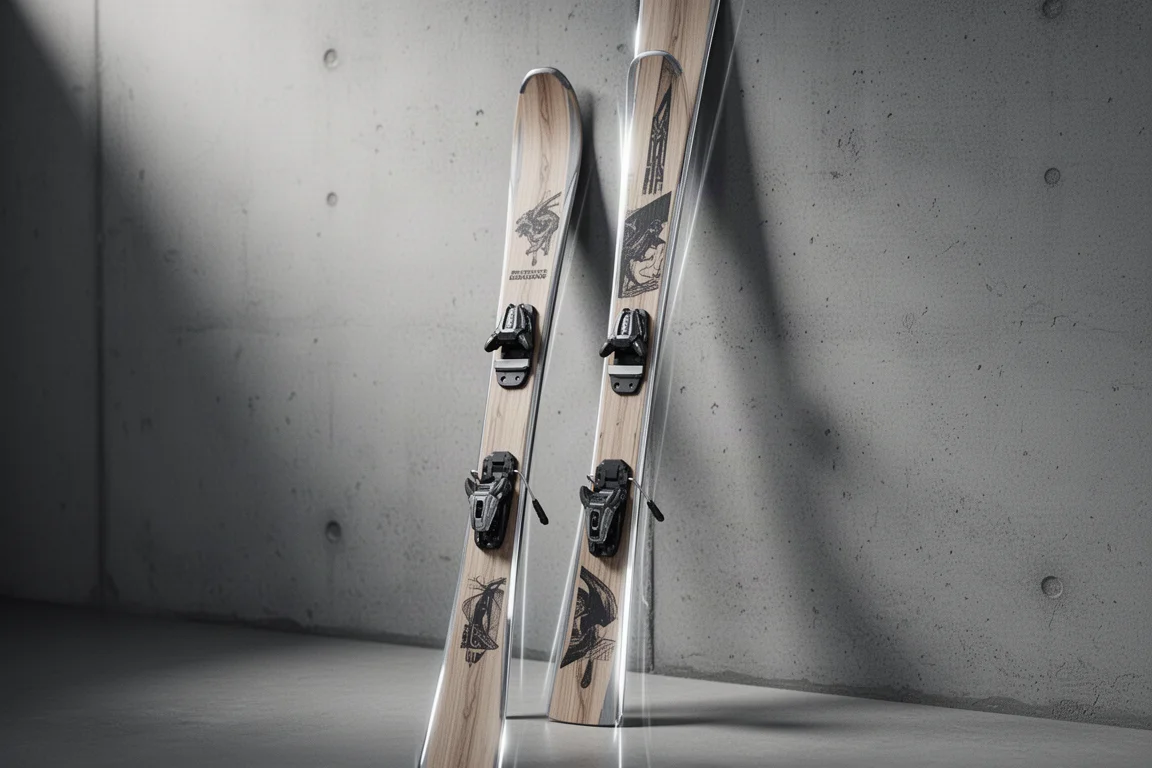
Two recreational classic cross-country skis compared: the Evo XC 55 R Skin with a skin grip zone for more glide, and the Evo XT 55 with a long fish-scale base for more grip.
Introduction
Classic cross-country skiing rewards skis that are easy to live with: enough grip to push off confidently, enough glide to cover ground, and a flex that does not demand race-level technique. The Rossignol Evo XC 55 R Skin and the Rossignol Evo XT 55 sit in exactly that space. Both are recreational classic skis built on a wood core, and both are aimed at skiers who want to put in distance rather than chase podiums.
The interesting part is how they generate grip. One uses a skin, the other uses a fish-scale pattern. That single difference shapes the personality of each ski and makes the choice between them fairly straightforward once you know how and where you ski.
How These Two Skis Differ
The two skis share a wood core and a very similar overall build, so the deciding factor sits in the grip zone underfoot.
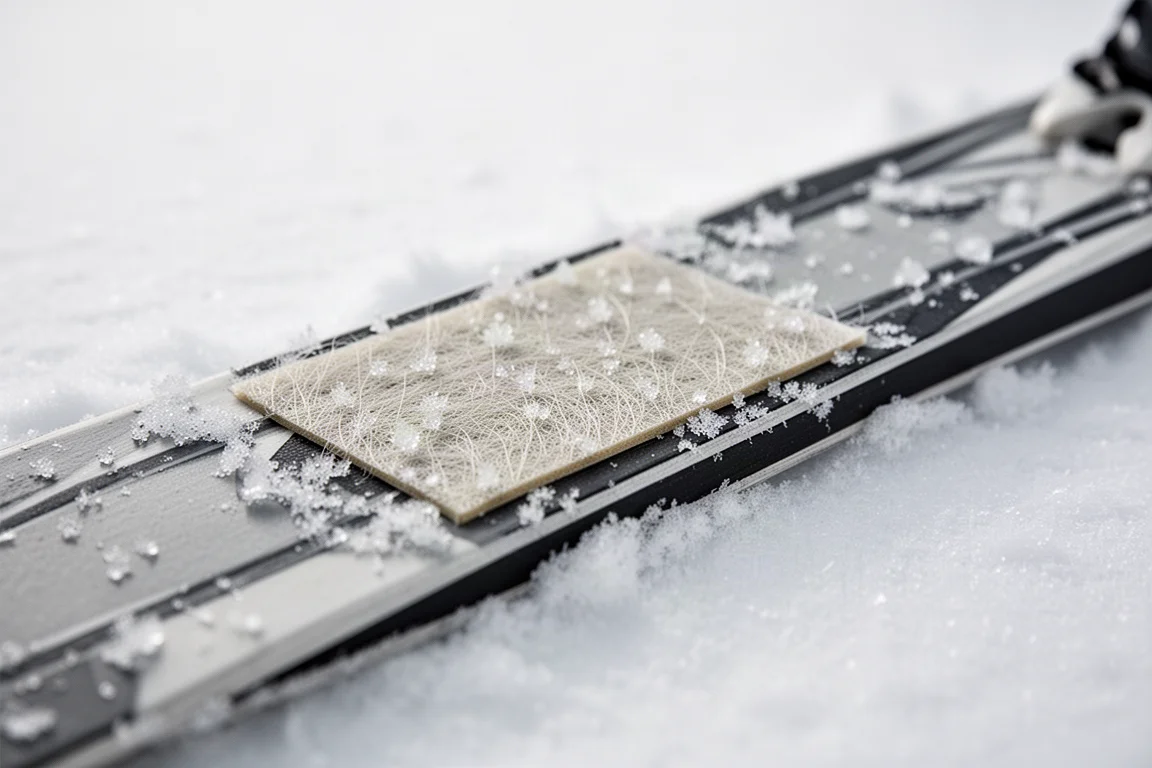
The Evo XC 55 R Skin uses an R-Skin grip zone instead of a waxed kick area. Skin grip has become increasingly common in this category and has even started appearing in racing, and its most practical benefit is simple: there is no kick wax to apply before you head out. You pick up the skis and go.
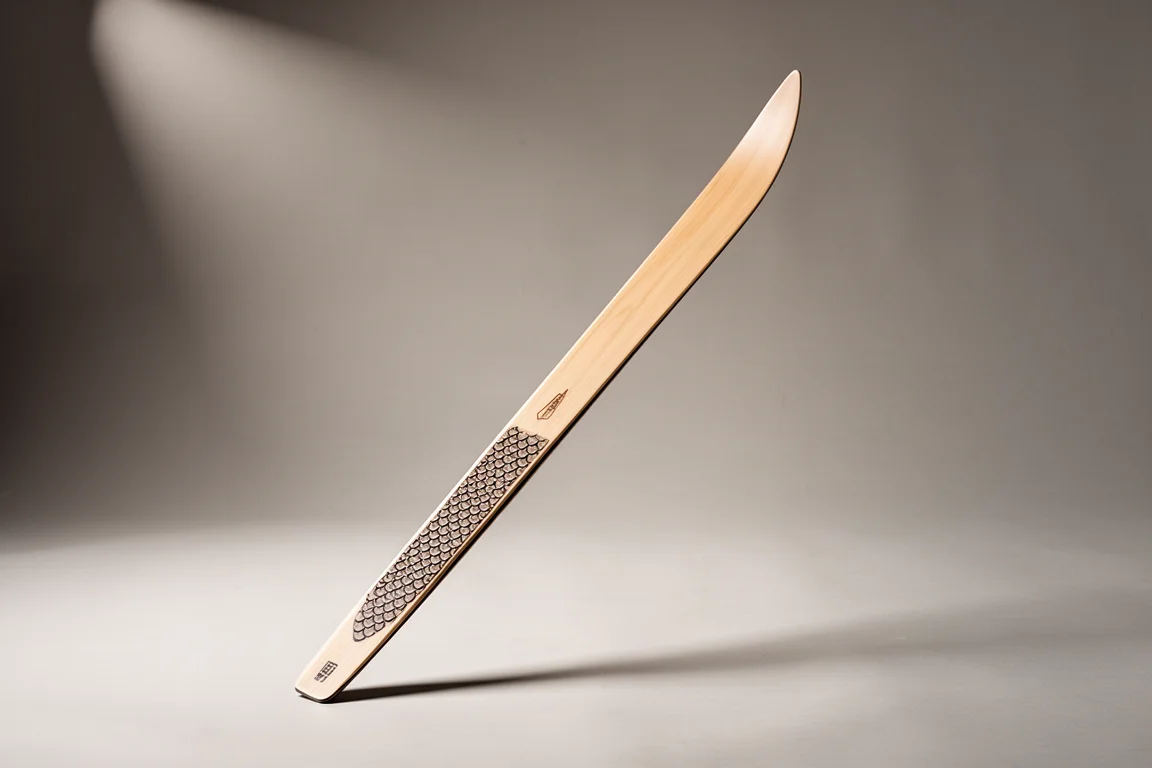
The Evo XT 55 takes the more traditional route with a long fish-scale zone. That pattern bites into the snow across a longer section of the base, which translates into more grip and less glide.
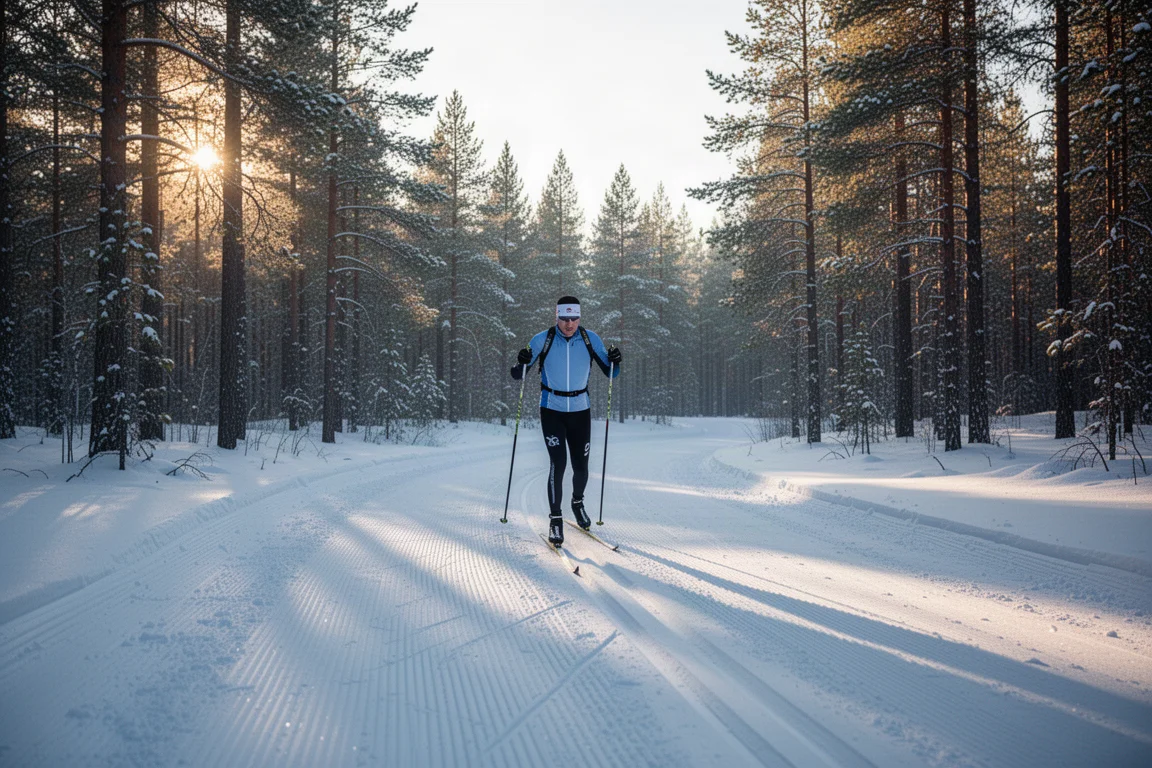
In practice, the skin version feels faster and more efficient, while the fish-scale version feels more anchored. Neither approach is better in the abstract. The right answer depends on whether you value covering distance or staying planted on uneven, unpacked snow.
Rossignol Evo XC 55 R Skin: Skin Grip With More Glide
The Evo XC 55 R Skin is the more efficiency-focused of the two. It is not a race ski, and it does not try to be. Instead it offers a forgiving, less stiff flex that lets you find grip without perfect weight transfer, which matters a great deal if your technique is still developing.
What you get in return is glide. The skin grip zone releases cleanly, so the ski feels snappy, energetic and responsive, with enough speed to make longer outings genuinely enjoyable. It is a good tool for building a more efficient stride, where you drive the leg through the motion rather than pushing back against the snow the way you would on a skateboard.
The 55mm platform is also wide enough to take off trail now and then. It is happiest on a groomed touring center track, but if you want to follow friends or family off the packed surface for a while, it will not feel unbalanced or out of place. Wider options such as the XC 65 or the OT 65 are worth a look if off-trail skiing is going to be your main diet.
Rossignol Evo XT 55: More Grip From a Full Fish-Scale Zone
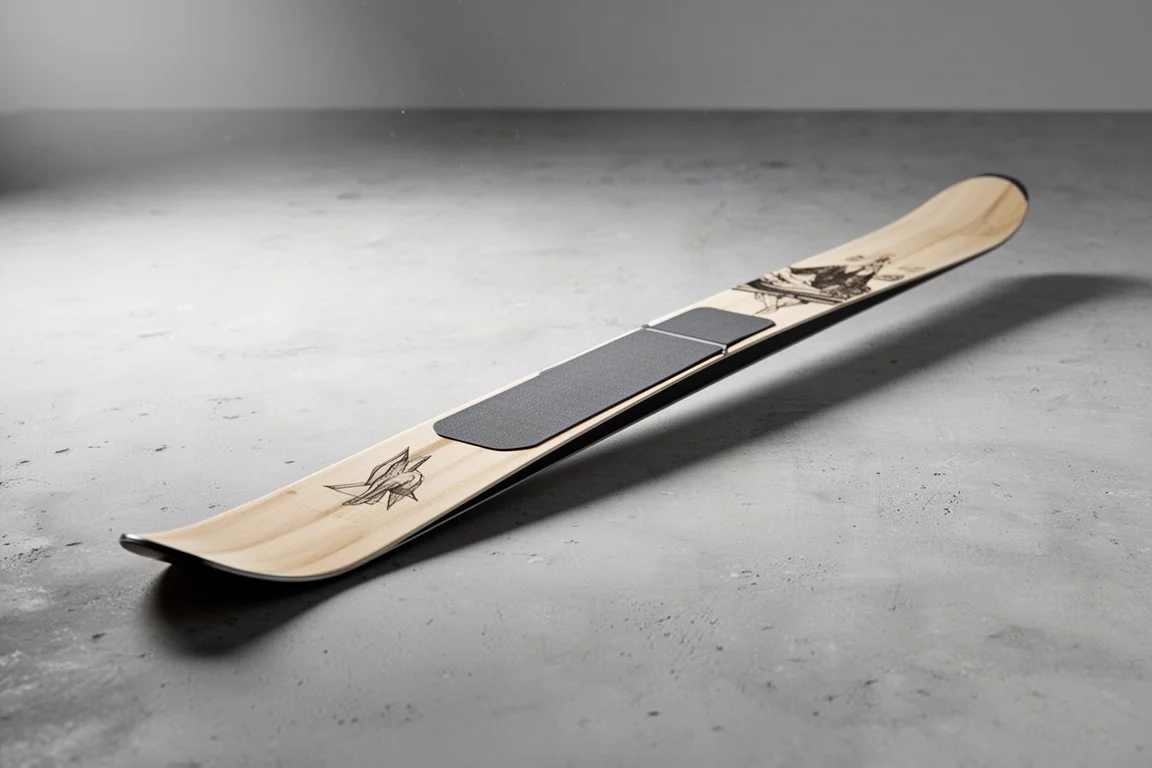
The Evo XT 55 keeps the same wood core and the same recreational character but swaps the skin for a long fish-scale grip zone. The result is a ski that holds better underfoot and gives up some glide in exchange.
That trade suits skiers who spend more of their time away from a groomed touring center, or who simply prefer the security of a base that grips readily in variable snow. If you find yourself pushing back on a skin ski and wanting more purchase, the fish-scale pattern is the more natural fit.
If your ambitions lean further off trail, the wider XC 65 and OT 65 models in the range offer more surface area and stability for unpacked terrain.
Bindings, Packages, and Getting Set Up
Both skis can be bought as a ski-and-binding setup, which is the simplest route if you already own boots and poles you are happy with. They are also available as a complete package with boots and poles included.
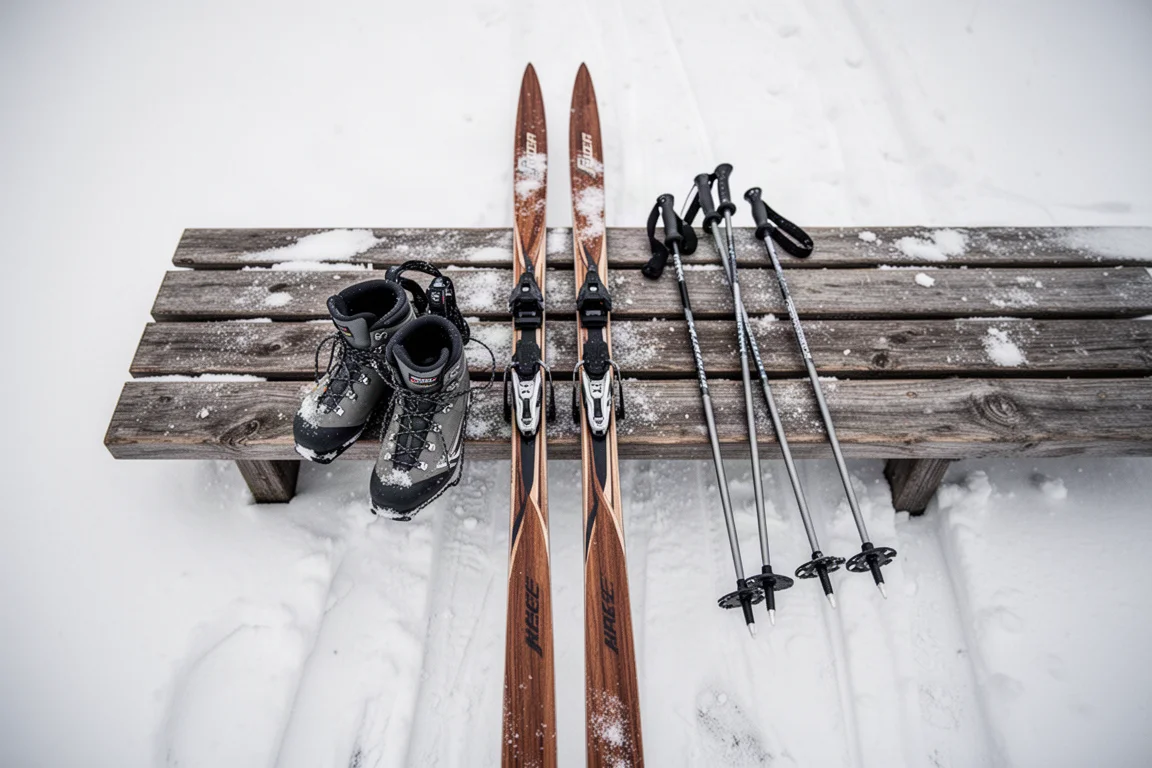
For anyone new to the sport, the package is the more economical path: buying the pieces together costs less over time than assembling the same kit item by item. It is also a sensible option if you are refreshing gear that has been in service for a very long time, since a current boot and pole pairing will feel considerably more responsive than a decades-old setup.
Buying Advice: Which Ski Fits Your Winter
Choose the Rossignol Evo XC 55 R Skin if your priority is distance and efficiency. It suits recreational skiers who spend most of their time at a groomed touring center, want a fitness-focused classic ski, and would rather skip kick waxing entirely. The softer flex also makes it the friendlier option for anyone still refining their technique, because grip comes more easily when your weight transfer is not perfect.

Choose the Rossignol Evo XT 55 if grip matters more to you than outright glide. It is the better match for skiers who venture off the groomed track more often, or who want a base that holds confidently in variable snow without any waxing decisions at all.
Neither ski is a race machine, and neither is priced like one. What both deliver is a well-rounded, forgiving platform that makes classic skiing genuinely enjoyable, whether you are chasing fitness or simply exploring local trails.
Conclusion
The choice between these two Rossignol classics comes down to a single question: do you want more glide or more grip? The Evo XC 55 R Skin leans toward efficiency and easy, wax-free outings on groomed tracks, while the Evo XT 55 leans toward traction for skiers who spend more time off the packed surface. Both share a wood core and a friendly, recreational flex, so either one is a confident starting point for a long winter on the trails.
Further reading
Related Reviews
Cross-Country Skiing
How to Choose Cross-Country Skis: A Practical Buying Guide by Price Tier and Terrain
A clear breakdown of cross-country ski types, width, length, and four price tiers, with specific models for groomed tracks, off-trail touring, skate skiing, and backcountry.
Cross-Country Skiing
Fischer Aerolite 60 Classic Review: Race-Inspired Value for Groomed Tracks
A classic cross-country ski that borrows race-ski shape and a lightweight core at a fraction of race-ski cost, with one clear catch: you have to wax it.
Cross-Country Skiing
Fischer Spider 62 Crown Review: A Versatile Off-Track Cross-Country Ski
A lightweight, stable off-track ski with a full metal edge, plus the trade-offs worth weighing before you buy.