Snowboards
Rossignol Diva Review: A Women's All-Mountain Twin Built for Grip
The Rossignol Diva pairs camber underfoot with rockered tips, a bowed edge profile, and perimeter urethane damping. Here is who it suits and what to weigh before buying.
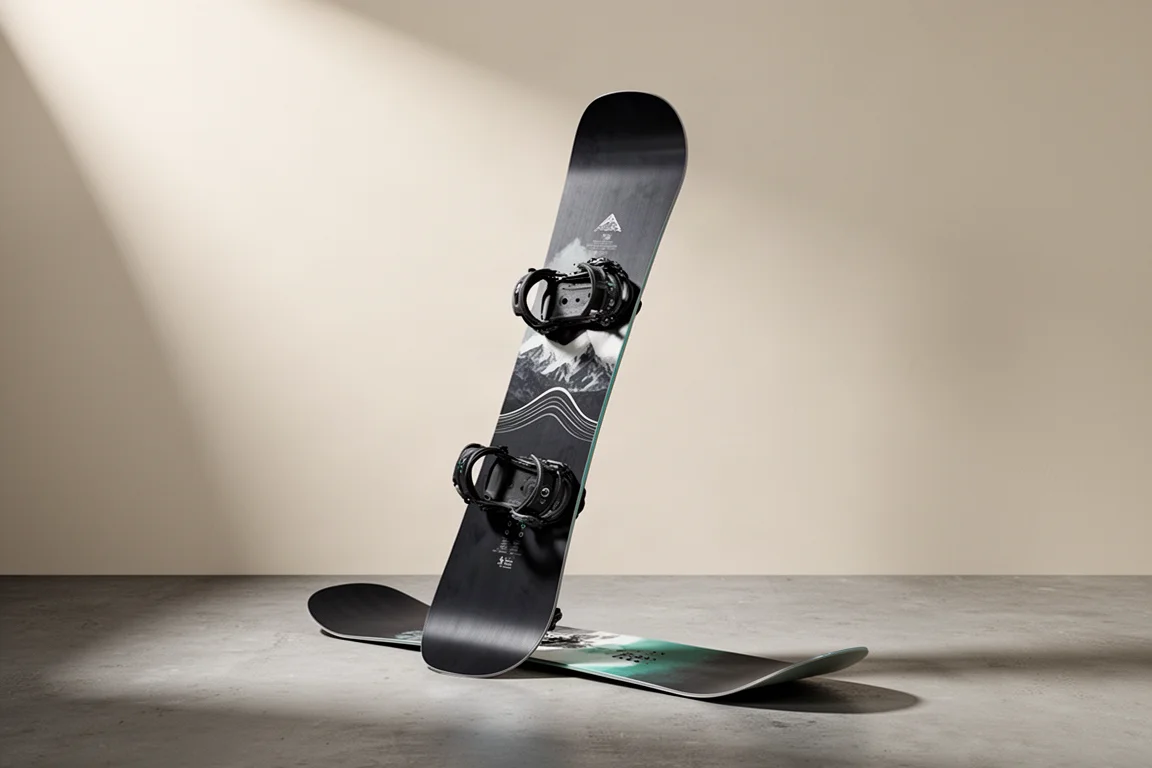
Introduction
The Rossignol Diva is a women’s-specific, twin-shaped snowboard aimed squarely at all-mountain riding, and it sits near the higher end of Rossignol’s women’s lineup. At $579, it is a considered purchase rather than an impulse one, so it helps to understand what the design is doing before you commit.
The short version: camber through the middle of the stance, rocker toward the tips and tail, an edge that bows outward slightly at the waist, and a urethane strip running the full perimeter of the core. Every one of those choices points toward a specific kind of rider, and knowing which kind you are makes the decision much easier.
Who the Rossignol Diva Is For
This board is built for intermediate to advanced riders, particularly women who already know what they want from a snowboard and spend their time across the whole mountain rather than in a single park lane.
The twin shape keeps things balanced and predictable when you ride switch, while the all-mountain intent means it is designed to handle groomers, firm snow, and whatever else the day delivers.
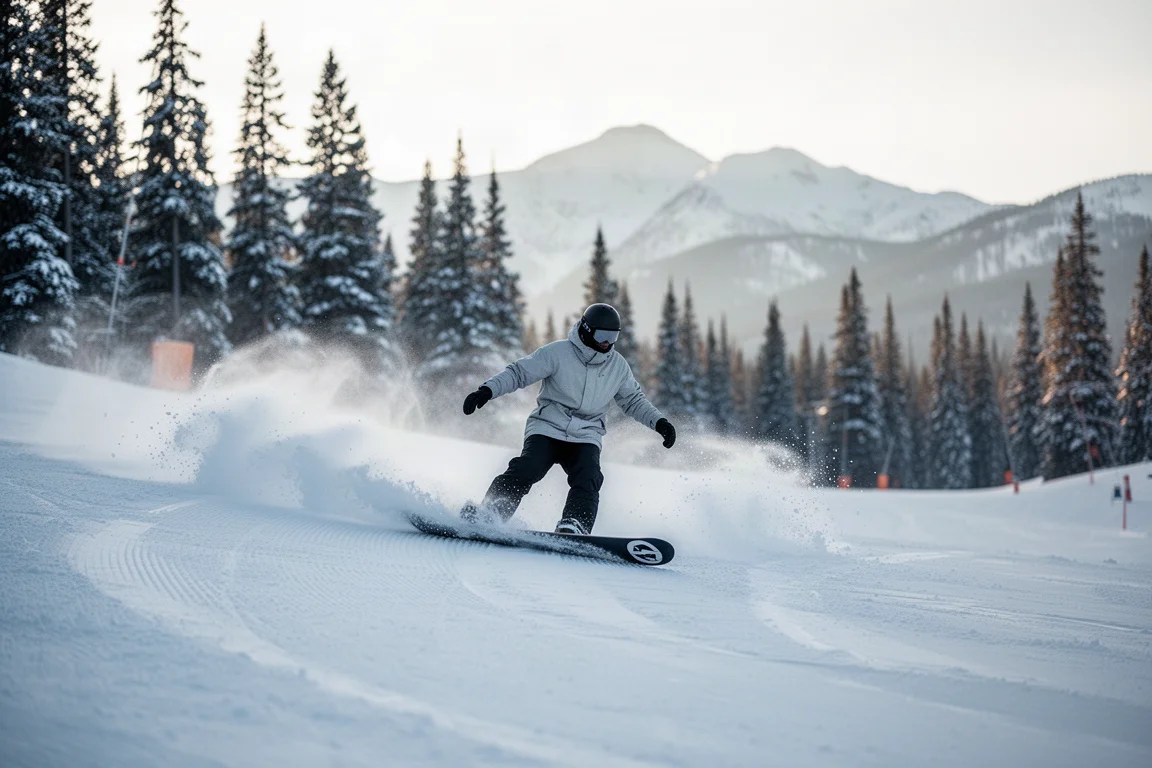
If you are still building your fundamentals, the Diva is likely more board than you need right now. Riders with a few seasons behind them who want a smooth, capable all-mountain twin are much closer to the intended audience.
Main Strengths
The Diva’s strengths are not scattered across a long feature list. They come down to three things working together: how the profile meets the snow, how the edge behaves when conditions get firm, and how the board feels underfoot.
Camber Underfoot With Rockered Tips
The profile places camber through the center of the stance, so the middle of the board sits slightly off the ground when unweighted. Press down into that middle section and the tips and tail lift, which is what generates the board’s edge hold on snow. Toward the ends, the profile transitions into rocker, keeping the contact points loose and forgiving.
That combination is why the Diva can feel planted on a groomer without becoming punishing once the snow gets chopped up.
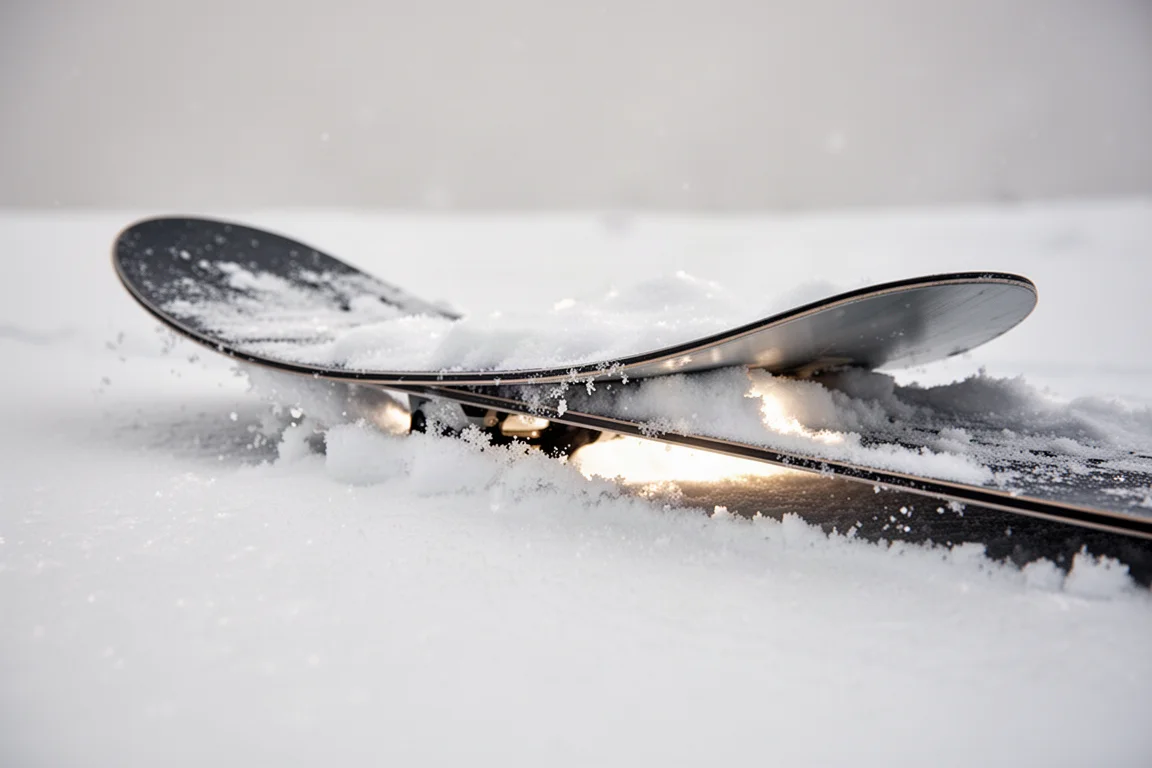
For riders who want a board that holds an edge without feeling locked into every turn, this profile is the most consequential design decision on the board.
Edge Grip for Firm and Man-Made Snow
The Diva’s edge bows outward slightly at the waist, adding a small amount of extra bite in the middle of the board. It is the sort of detail you notice most when conditions are unforgiving: early-season snow, hardpack, and man-made surfaces.
The benefit shows up in the middle of a turn, where a great deal of edge hold is decided. In softer snow, that extra contact is far less noticeable, which is exactly what you want from a feature like this. Think of it as a little extra grip available when the surface asks for it, and largely invisible when it does not.
Urethane Damping and an Even Flex
A urethane strip runs the full perimeter of the board, roughly an inch in from the edge, passing through the core from the topsheet to the base. Its job is to quiet the ride: it dampens vibration when you are on edge and helps keep the board settled on the snow rather than bouncing around.
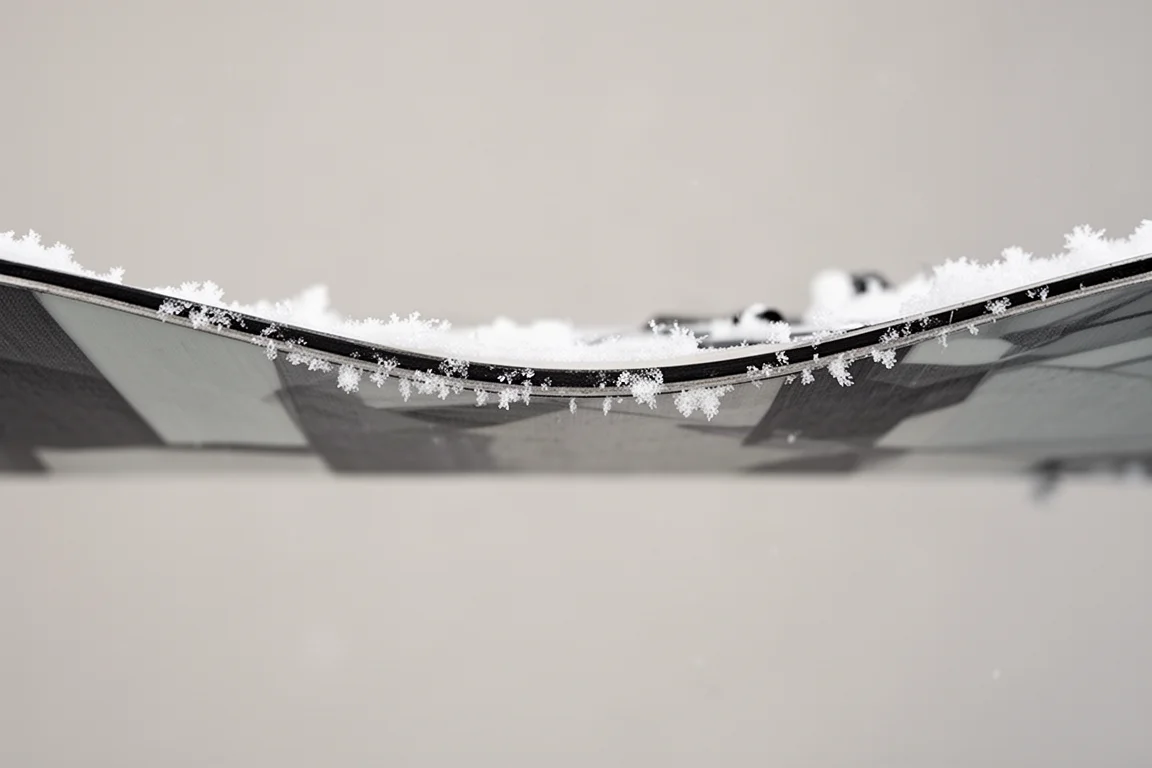
The flex itself feels even and smooth from tip to tail, which suits the all-mountain brief well. Add a strong finish and graphic treatment, and the Diva reads as a carefully made board rather than a spec sheet with a top sheet.
Things to Consider Before Buying
The $579 price places the Diva at the upper end of Rossignol’s women’s range, so it makes the most sense as a deliberate purchase rather than a first board.
It also asks for a certain amount of experience. The camber underfoot and the extra edge contact are genuine assets for a rider who is already comfortable on edge and knows how to work a turn, but they are not the most forgiving combination for someone still learning the basics.
Availability is worth checking before you commit, since this is a women’s-specific model rather than a shape that appears in every size run.
Buying Advice
Match the Diva to your riding rather than to its feature list. If you ride mostly all-mountain terrain, prefer a twin shape, and want a board that grips firm snow while staying composed through rough patches, the design lines up well with that brief.
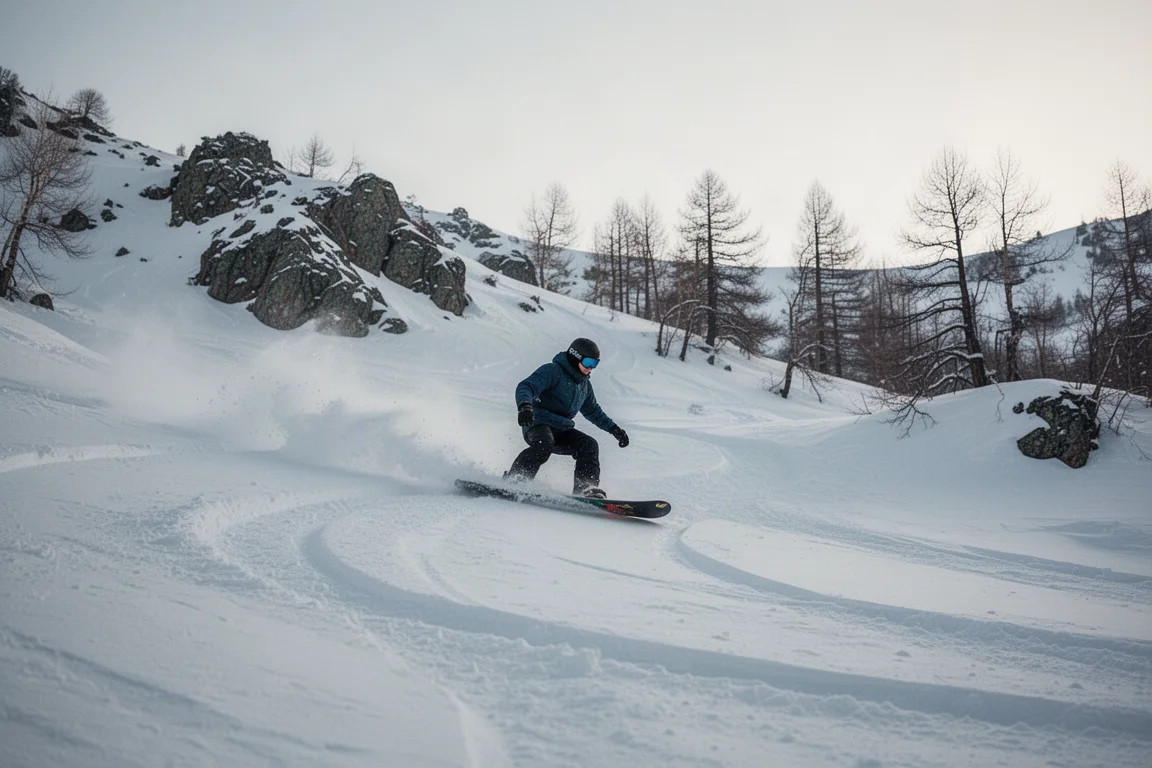
Riders who mostly lap the park or who want a dedicated powder shape will find better-fitting options elsewhere. The Diva is at its best as a single board that covers a wide range of resort conditions, which is precisely the job an all-mountain twin is meant to do.
If you are between sizes or unsure whether the camber-forward profile suits your style, it is worth talking through your riding with a shop before ordering. The board rewards a rider who knows what they want, so being honest about your level and terrain is the most useful thing you can do before buying.
Conclusion
The Rossignol Diva is a well-considered women’s all-mountain twin: camber underfoot for grip, rocker at the ends for forgiveness, a bowed edge profile for firm-snow bite, and perimeter urethane damping to keep the ride quiet. At $579 it is a real investment, and it makes the most sense for intermediate to advanced riders who want one smooth, versatile board for the whole mountain.
Product link
View more details for Rossignol Diva
This product is mentioned in the review. Check the specifications, options, and compatibility before buying.
View more details for Rossignol DivaFurther reading
Related Reviews

Snowboards
32 Middle Earth Scott Stevens Pro Model Snowboard Review: A Park Board With a Reversed Flex
A medium traditional camber park board with carbon V reinforcement that is stiffer in the tips and more playful between the feet. Here is how it rides and who it suits.

Snowboards
32 Snafu Review: A Directional All-Mountain Freestyle Board with Serious Pop
The 32 Snafu pairs a directional camber-rocker profile with a stiffening tail for powerful carves, big ollies, and a surprisingly damp ride.

Snowboards
32 XXX Pat Fava Pro Snowboard Review: A Stiff Camber Beast for Hard-Charging Riders
A full-width traditional camber deck that rewards aggression with stability and edge power, but demands effort everywhere else.