Snowboard Bindings
Rossignol Cuda Binding Review: Wide Fit Range, Real Compromises
A close look at the Rossignol Cuda snowboard binding, covering its one-size fit range, stiff flex character, adjustment hardware, and who should actually buy it.
Introduction
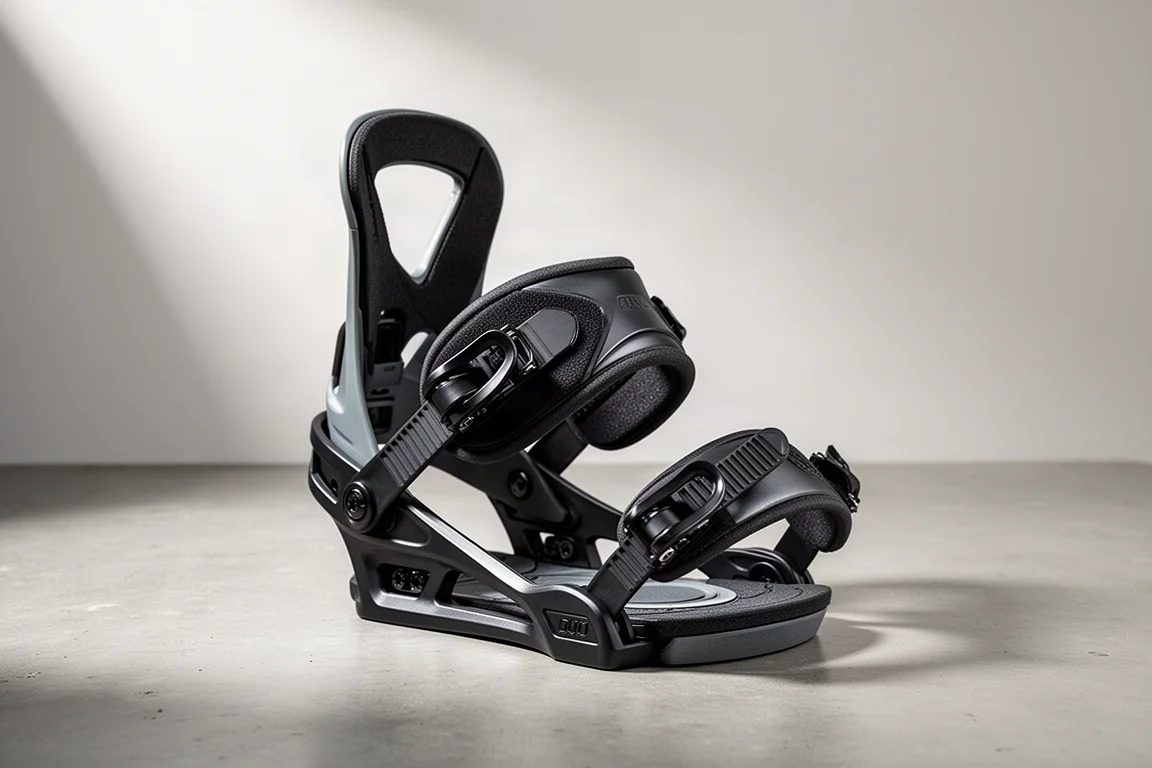
The Rossignol Cuda is sold as an all-mountain freestyle binding, and it spent a full day in mixed resort conditions: overcast skies, falling snow, fresh snow laid over groomed corduroy, and older snow off the runs. What stands out most is not the flex or the straps but the chassis underneath them, because the Cuda uses a single one-size design that covers a very wide range of boot lengths. That decision shapes the fit, the weight, the flex, and ultimately how the binding feels underfoot.
Who This Binding Is For
The Cuda is a one-size-fits-all binding, and that range is broad. It covers boot sizes 8 through 13, which is six full sizes and twelve once half sizes are counted. That makes it an obvious candidate for riders who share a board, keep a spare setup for guests, or want one binding that can move between different boots without being swapped out.
It is also aimed at the all-mountain rider who wants plenty of adjustment options. The highback rotates between two positions, forward lean is adjustable, and the toe ramp slides.
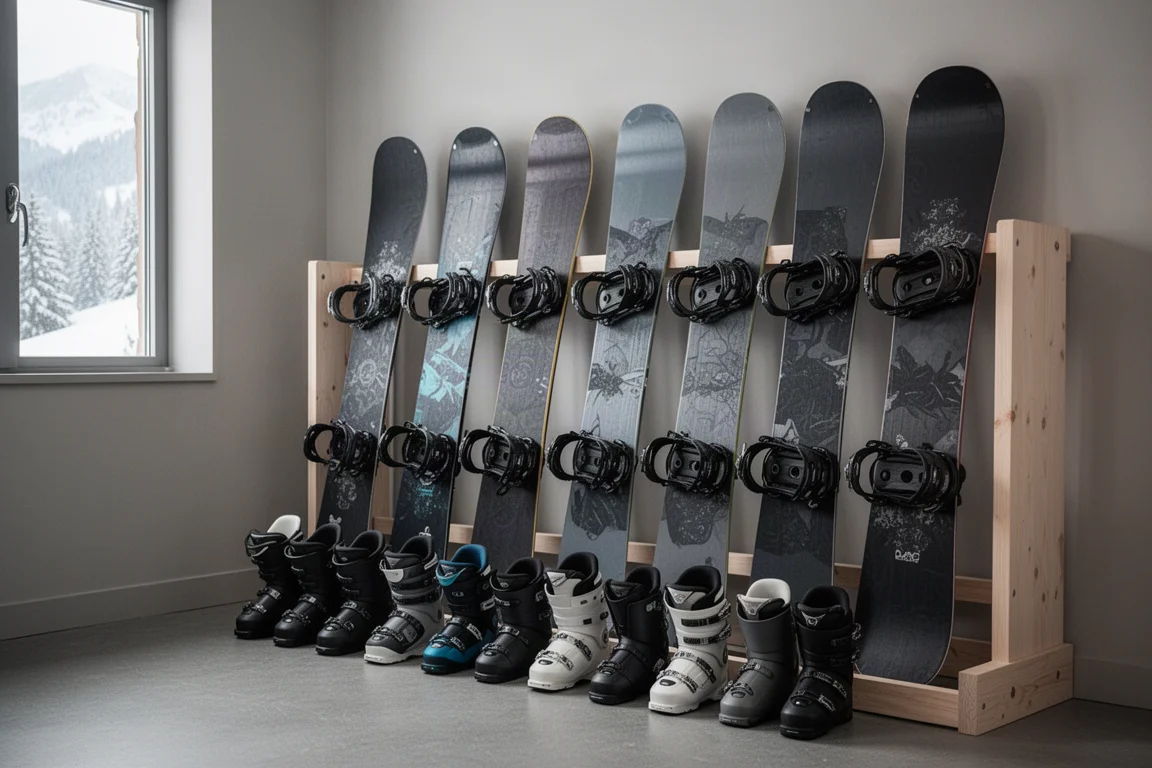
Where the approach gets harder to justify is precision. The base tray is built around the widest boot in the range rather than the smallest, so riders at the lower end of that fit window end up standing on more material than their boot actually needs. That is a trade-off worth understanding before buying, because it affects both the feel underfoot and the overall weight of the binding.
Main Strengths
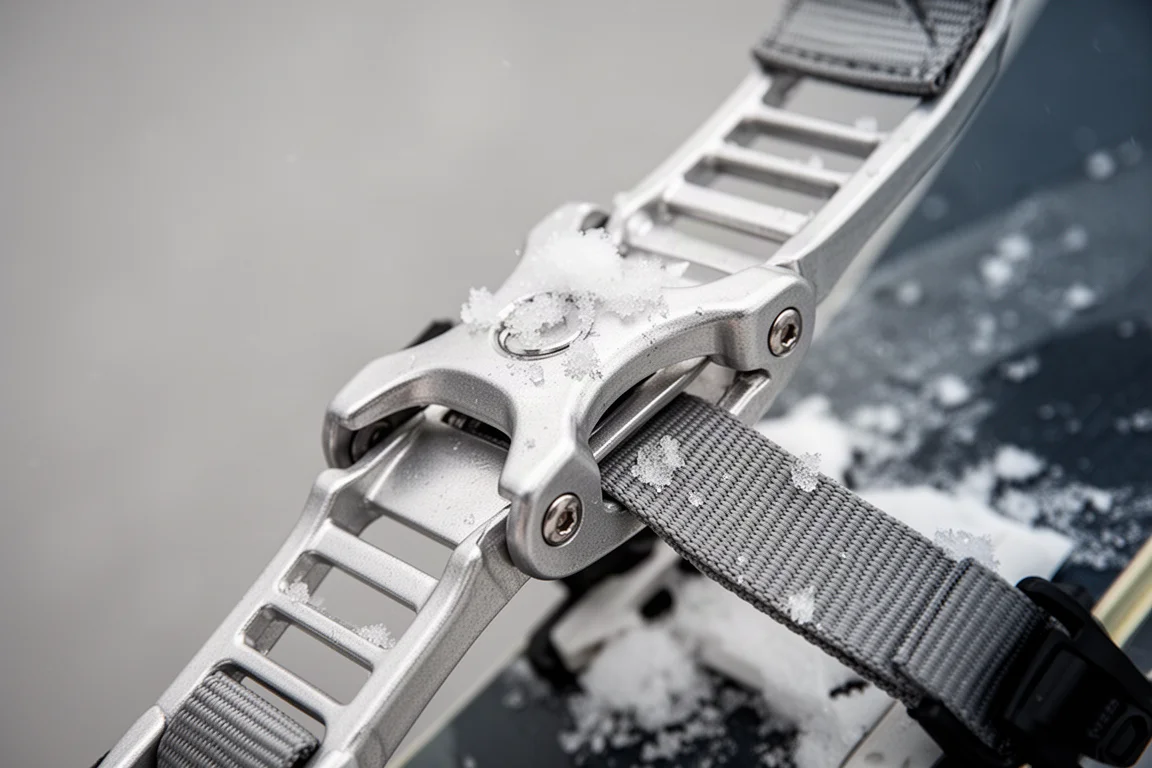
The hardware that handles entry and exit is the most convincing part of the Cuda. The ratchets climb well when tightening and release easily, and a one-finger quick release makes opening the straps straightforward. They can feel slightly sticky when new, though that is expected to ease as they break in.
The forward lean adjustment is genuinely quick. Flip the lever down, slide the highback to the angle you want, and lock it back into place.
Flex sits on the stiffer side of middle of the road, which suits riders who want a more supportive, aggressive feel rather than a soft, playful one. Riders who prefer a stiffer binding for charging groomers and mixed terrain will find more to like here than riders looking for a jib-friendly, flexible setup.
How the Cuda Rides on Snow
On snow, the Cuda feels stiff, and much of that stiffness comes from the size of the disc and the bulk of the base tray rather than from a carefully tuned flex pattern. The disc is large, which creates a noticeable dead spot underfoot, and the base tray is substantial. Because the chassis has to accommodate the largest boot in its range, there is simply more material in play than a single-size binding would carry. Apart from the ICS holds added to the disc, the disc itself reads as an unchanged design carried over from much older Rossignol bindings.
The result is a ride that feels muted rather than lively. The flex does not appear to be doing much work; it comes across as stiff and inert rather than responsive.
The highback also carries a small amount of natural forward lean out of the box, so riders who insist on a true zero-degree highback will not get that here. Otherwise, the highback does what a highback is expected to do without drawing attention to itself.
Things to Consider Before Buying
The pop cams used for adjusting the heel cup are a key detail. Instead of flip cams, they are pinched and slid up or down. They have been improved compared with earlier versions and they do lock in, but they can still come loose over time.
The heel strap is a two-piece design with a hard plastic exoskeleton and foam on the inside. The foam is relatively basic and it is attached at only two points, which allowed it to bunch up during a full day of riding. The toe strap is hard plastic with a small amount of give so it cradles over the boot, and it is otherwise unremarkable.
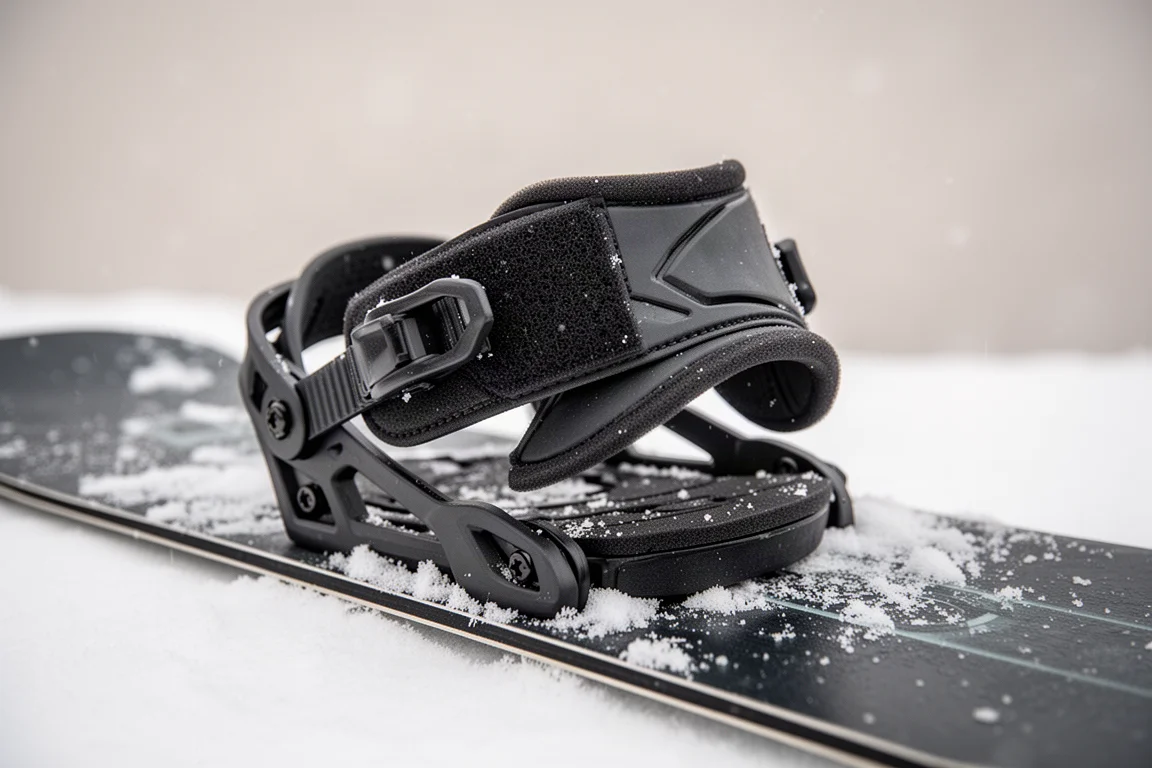
The ratchet on the heel strap could also use a wider mouth feed to make engaging the ladder strap easier. Release is fine; the friction sits on the engagement side.
How It Compares to Other Options
The Cuda sits in a category with well established all-mountain bindings such as the Union Force, the Burton Cartel, and the K2 Formula, all of which are generally considered stronger choices. Rossignol’s snowboards have a solid reputation for being fun to ride, so the gap here appears to sit with the binding line rather than with the brand as a whole. If you are shopping in this category, those comparisons are worth making before you commit.
Buying Advice
The Cuda makes the most sense for a fairly narrow set of buyers. If you genuinely need one binding to cover boot sizes from 8 to 13, or you want a stiff all-mountain binding and value a wide adjustment range, it can do the job. If you have a single boot size and you want a precise, lively ride, the one-size chassis works against you.
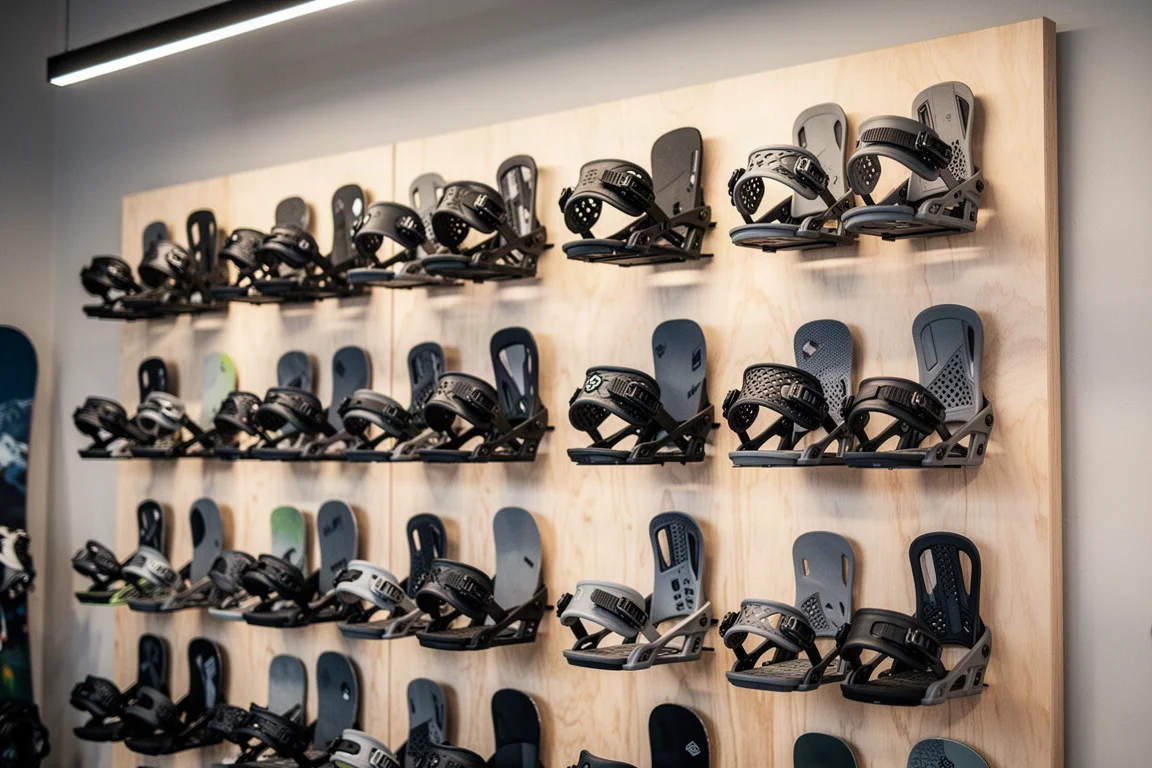
Before buying, decide which matters more: fit flexibility or ride quality. If it is ride quality, the comparable bindings named above are the more sensible starting point. If it is flexibility, the Cuda delivers that, as long as you accept the extra material and the muted feel that come with it.
Conclusion
The Rossignol Cuda covers an unusually wide fit range and brings stiff, supportive flex with quick forward lean adjustment, but the one-size chassis leaves it heavy on material, creates a dead spot underfoot, and pairs with a heel strap whose foam is basic enough to bunch up. It is a binding with real compromises, best treated as a specialist choice for riders who need that wide fit range or specifically want a stiff feel, rather than as a default pick for all-mountain riders.
Product link
View more details for Rossignol Cuda Binding
This product is mentioned in the review. Check the specifications, options, and compatibility before buying.
View more details for Rossignol Cuda BindingFurther reading
Related Reviews

Snowboard Bindings
2024 Union Ultra Snowboard Bindings Review: A Cushy, Freestyle-Focused Favorite
Two seasons on the 2024 Union Ultra: a lightweight, tweakable freestyle binding with standout comfort, a damp molecular bushing, and thoughtful hardware fixes.

Snowboard Bindings
32 Team Phase Binding Review: A Fast Entry Binding Built for Freestyle Laps
The first binding from 32 uses the Phase chassis for quick step-in entry with a softer, freestyle-leaning flex. Here's how it performed on the snow.

Snowboard Bindings
Arbor Cypress Snowboard Binding Review: A Laid-Back Cruiser That Can Charge
A closer look at the Arbor Cypress binding's adjustability, strap feel, and that oddly tall highback before you decide to buy.