Ski Gear
Rossignol Arcade 94 and Arcade 88 Review: Two All-Mountain Skis Compared
A close look at Rossignol's Arcade 94 and Arcade 88 all-mountain skis, including how they differ in stiffness, forgiveness, and the terrain each one suits best.
Introduction
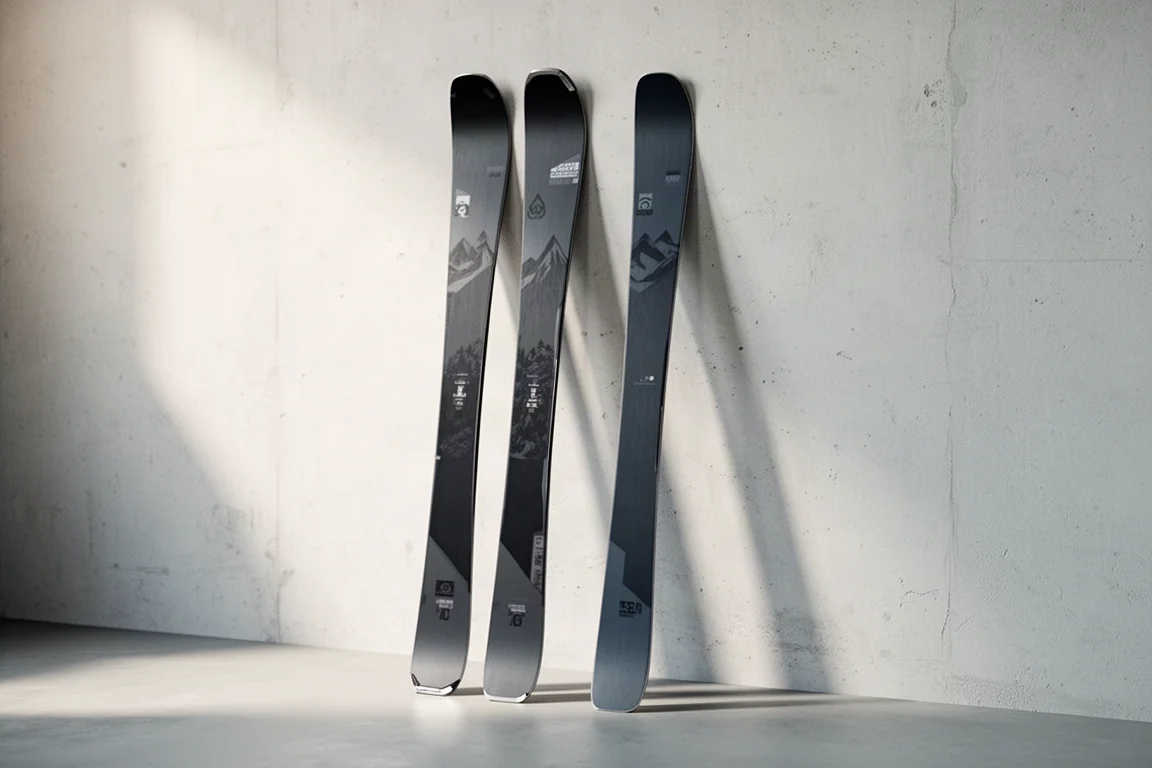
Rossignol’s Arcade collection picked up two new all-mountain models this season, and the pair is more interesting together than apart. The Arcade 94 and the Arcade 88 share a family feel built around camber, a strong underfoot core, and a tail that lets you know it is there, but they ask very different things from the person standing on them. One is supple, playful, and unusually easy to ski well. The other is stiffer, more energetic, and happiest when you commit.
Both were put through a full day on early-season snow, working through groomers, a steep pitch, and a rhythmic bump line, and the differences showed up within the first few turns.
What Sets the Arcade 94 Apart
The Arcade 94 slots between the Arcade 84 and the Arcade 88, and it borrows deliberately from both: the power of the 88 and the playfulness of the 84. The shape uses a modest amount of tip rocker and slightly less metal than the 88, yet the ski is still stout, with the torsional stiffness that lets it engage an edge and hold a long arc. The core is milled thicker in the tips and tails, and that is where the suppleness comes from.
It also leans more toward piste performance than the freeride-flavoured Sender 94, and it carries a clear echo of the older Experience 100: a wide, confident, traditional-feeling carver with a modern build.
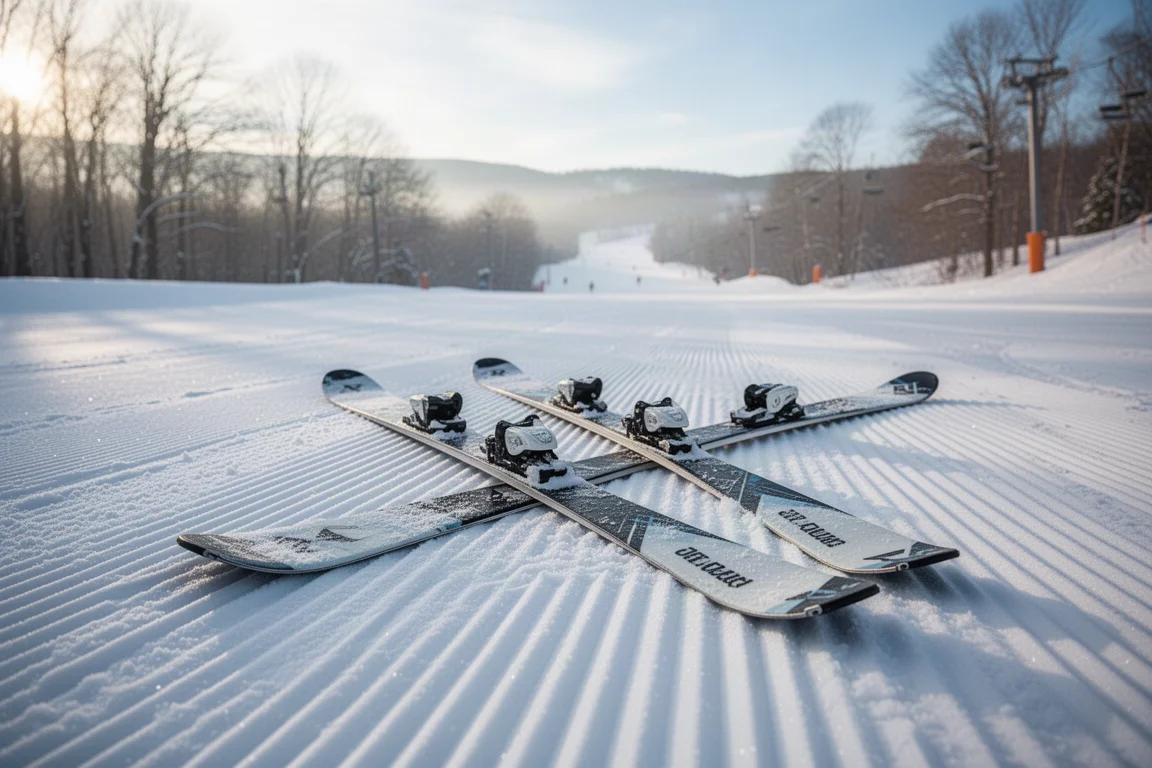
On paper that sounds like a compromise. On snow it reads as a genuinely versatile all-mountain ski, one that lets the skier decide how much versatility to use rather than forcing a single style.
Rossignol Arcade 94: On-Snow Impressions
The first thing that stands out is turn initiation. The tip shape, with its rocker profile and minimal taper, pulls you into the turn cleanly, and the torsional stiffness underfoot adds power through the middle of the arc. The tail is stiff and it does not wash out. Instead it rebounds and propels you into the next turn. The overall impression is intuitive but powerful, and easier to ski than the construction suggests.
There is also a strong sense of rhythm. On a long bump line the ski stayed in the pattern from top to bottom, and on groomers it moved from short skidded swings to longer arcs without complaint. The feel is traditional in the best sense: camber energy, rebound, stability, and smoothness, with enough suppleness in the tip and tail to keep it from feeling like all business.
Rossignol Arcade 88: A Stiffer, More Demanding Ski
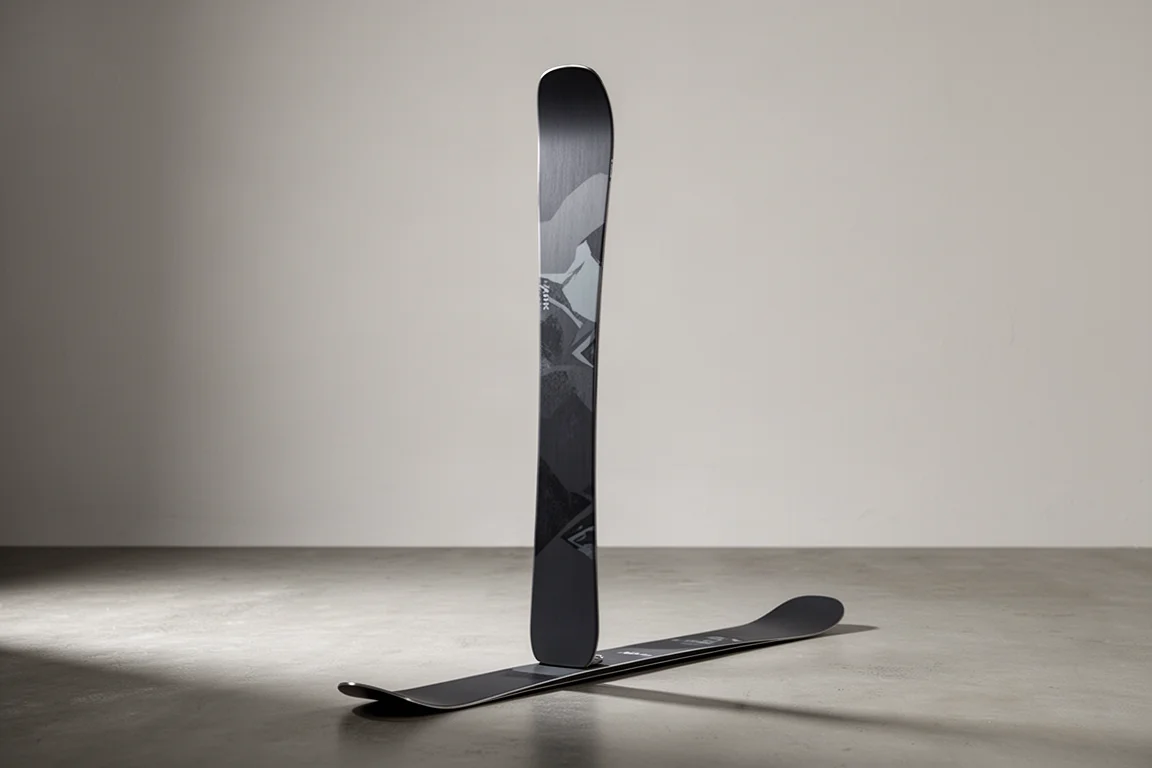
The Arcade 88 is the stiffer half of this comparison, and it makes no apology for it. It is noticeably firmer, with more to deal with and more effort required to access what it has, and in return it delivers a higher level of energy and performance. On firm, chunked-up snow it holds a little better than the 94, which is exactly where a stiffer tail and a more planted platform earn their keep.
That same stiffness makes it less comfortable in bumps and in quick, skidded short-radius turns. It is a ski for someone who wants to drive hard and be rewarded for it.
If your priority is maximum grip and energy rather than forgiveness, this is the more purposeful of the two, and the extra effort is the price of that performance.
View more details for Rossignol Arcade 88
Performance in Bumps, Steeps, and Mixed Snow
Bumps were a genuine surprise. The Arcade 94 stayed rhythmic through a full top-to-bottom line, with a supportive tail that lets you feel the snow without punishing you. On firm patches between the bumps it did not wash out, and it was quick enough for a ski with this much torsional stiffness. Even with a sore knee in the mix, the ski stayed manageable, which says a lot about how much forgiveness has been built into the flex.
On a steep groomer the picture was similar. The ski held a clean, round arc from entry to finish, and the only place it struggled was the firmest section at the top of the pitch, where a narrow, very stiff ski would be the better tool and where nothing in this width category would have done much better. The supple tip flex smoothed out the uneven snow when crossing the fall line, while the thick core underfoot and the sturdy tail held the whole way across.
The most useful quality is how the ski responds when you back off. It will hold when you drive it, and it will let you slip and shed speed when confidence dips, rather than demanding more input.
How the Arcade 94 Compares to Other All-Mountain Skis
The Arcade 94 lands in the crowded mid-90s all-mountain class, where the Stance 96, the Anomaly 94, and the Storm Rider 95 all accomplish similar things in different ways. Against the snappier-feeling options in that group, the Arcade 94 comes across as the damper, smoother ski, and one close comparator carries a little more power without a wide gap between them.
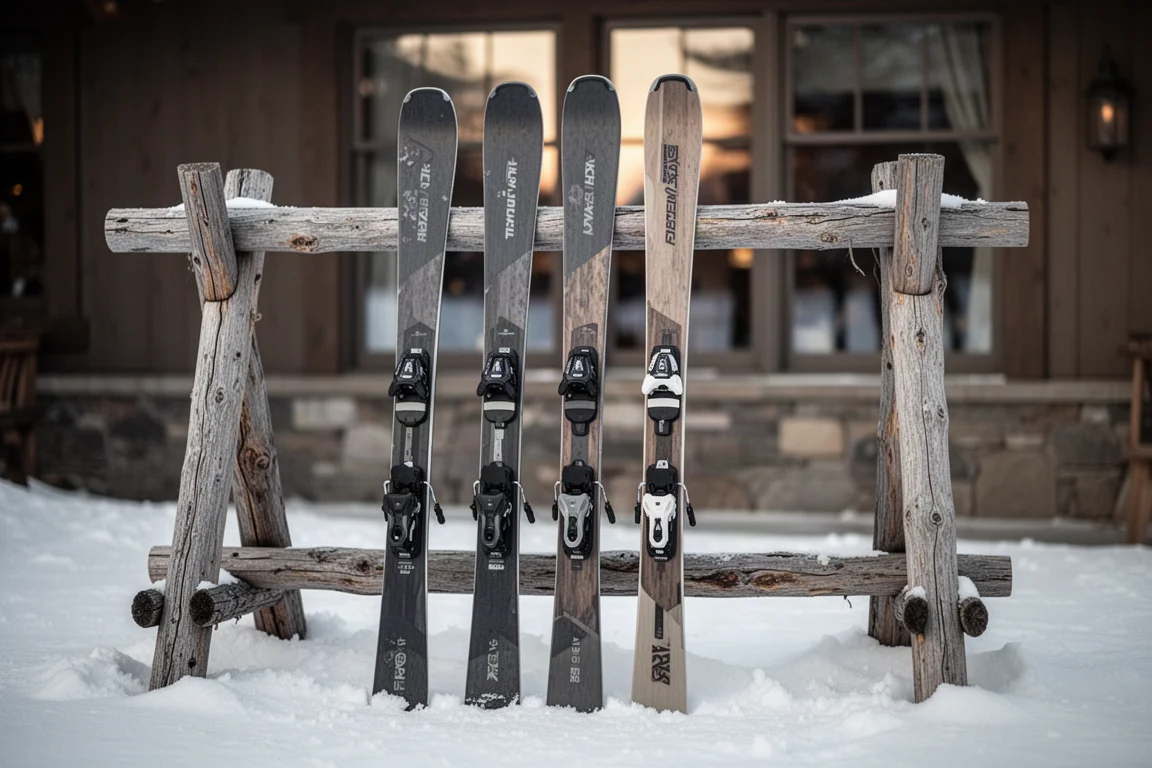
The narrower Arcade 88 is a different conversation. Where the 94 smooths things out and invites you to mix turn shapes, the 88 rewards a more committed, more traditional approach.
Sizing and Who Each Ski Suits
The lengths on snow were 178 and 186. The 186 is a lot of ski and suits a bigger, stronger rider, while the 178 came across as the more broadly usable option across a wide range of terrain and turn shapes.
Both models have multi-generational appeal. Skiers who grew up on traditional cambered shapes and still prefer that familiar feel will find a lot to like, and the modern width and shape are enough to interest younger riders who want a carving-oriented all-mountain ski.
The Arcade 88 suits skiers who want a stiff, energetic ski and are willing to work for the performance. The Arcade 94 suits skiers who want the same power but with more playfulness, more forgiveness, and an easier time in bumps and mixed snow.
Buying Advice: Choosing Between the Arcade 94 and Arcade 88
Start with how you like to ski. If you want a stiff, powerful, traditional-feeling ski and you are happy to drive it hard every run, the Arcade 88 is the more rewarding choice, particularly if most of your time goes to firm groomers and you want maximum edge hold.
If you want a ski that is powerful but not teeth-shatteringly aggressive, the Arcade 94 is the better fit. It holds an edge when asked, stays composed in bumps, and gives you room to back off when conditions or your own energy levels change. That combination is what makes it a genuinely well-rounded all-mountain ski rather than simply a wider version of the 88.
Conclusion
Two good skis, and a clear split between them. The Arcade 88 is the stiffer, more demanding option for skiers who want energy and performance and will work for it. The Arcade 94 takes the same foundation and adds suppleness, playfulness, and forgiveness, which makes it the easier recommendation for most skiers shopping in the mid-90s all-mountain category.
Further reading
Related Reviews

Ski Gear
2023 Blizzard Hustle vs Rustler: Six Freeride Skis Compared
Blizzard's 2023 Hustle collection rebuilds the Rustler shape with a lighter core and no metal. Here is how all six skis differ, and which one suits your riding.

Ski Gear
2023 Skis of the Year: Atomic Maverick 88 TI, Salomon QST 106, and Look SPX 12 Pro
Three standout ski picks for all-mountain carving, powder days, and reliable binding performance, with practical buying notes for 2023 models.

Ski Gear
2025 Nordica Enforcer 104 Review: A Directional Charger Replaces the 104 Free
The 2025 Nordica Enforcer 104 drops the Free name and the twin-tip personality, gaining weight, stiffness and composure in rough snow. Here is what changed and who it suits.