Ski Gear
Rossignol Arcade 84, Arcade 88, and Sender Soul 102: Three New Skis Compared
A practical look at three new Rossignol skis: the playful Sender Soul 102, the nimble Arcade 84, and the damp Arcade 88.
Introduction
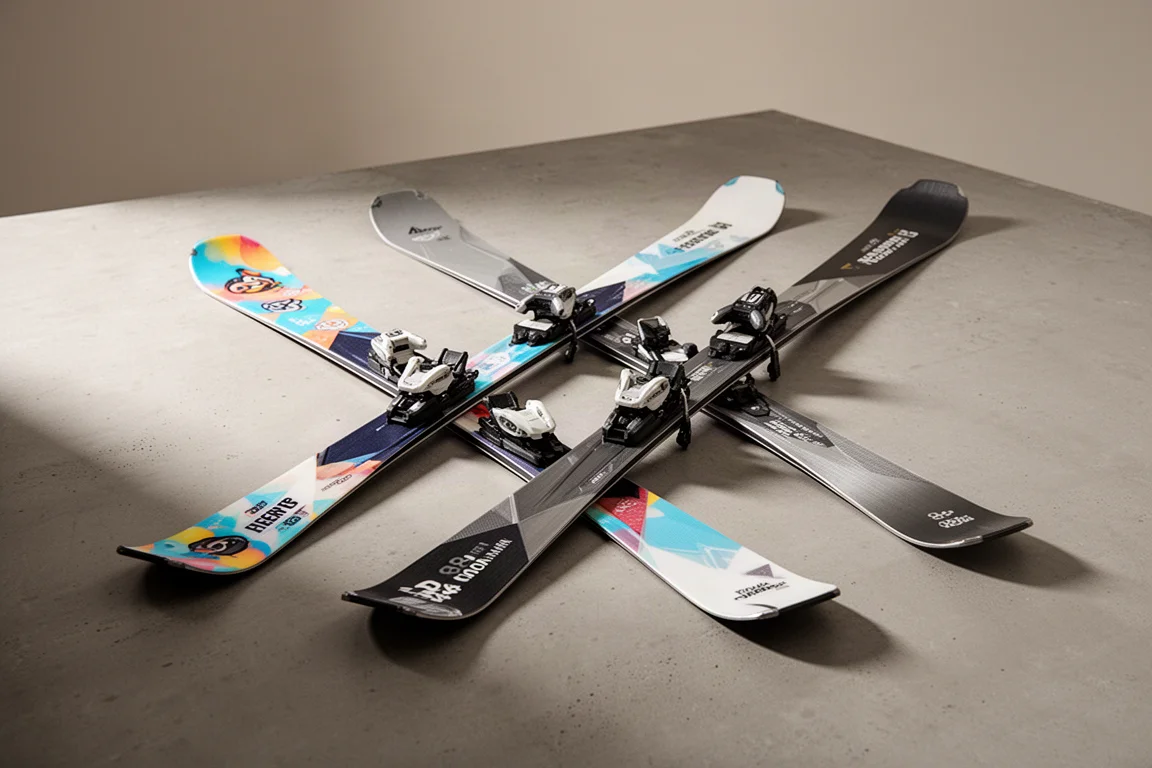
Rossignol has introduced three new skis that cover distinct parts of the resort and freeride spectrum. The Sender Soul 102 is a playful freeride model with a directional shape, the Arcade 84 is a nimble all-mountain ski for mixed conditions, and the Arcade 88 adds a full metal laminate for a damper, more confident ride. Each one has a clear personality, and the differences matter more than the numbers on the waist.
Rossignol Sender Soul 102: Playful Freeride Versatility
The Sender Soul 102 is designed to blend the versatility of the Sender 110 with the ease of use associated with the Soul 7. It has a directional shape with enough rise in the tail to stay playful, and it is noticeably less intimidating than the very twin-tippy Sender 110. On steep, firm groomers, the ski reaches its torsional stiffness limit and does not carve round turns with the authority of a dedicated frontside ski. As soon as it moves off trail, it comes alive. The mix of edge release and longitudinal stability makes it easy to release the tail, pivot in soft snow, and stay composed through chopped-up terrain. It is not overly demanding, so a wide range of skiers can enjoy it, but it remains trustworthy when the terrain gets steeper.
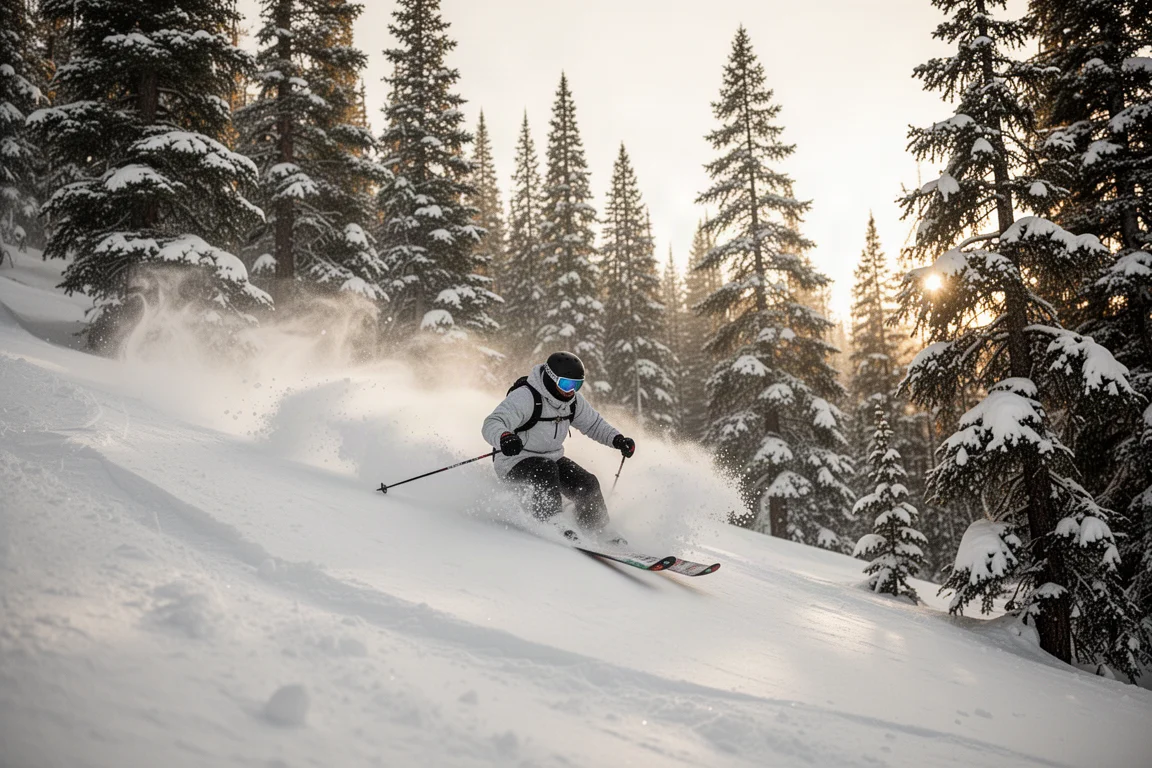
That balance makes the Sender Soul 102 a strong choice as a daily driver for someone who spends most of their time off-piste or in soft snow. It is also playful enough for side hits and switch skiing, even though its directional shape points toward freeride rather than park.
View more details for Rossignol Sender Soul 102
What Sets the Arcade Line Apart
The Arcade line takes over the upper tier of the Experience series. Rossignol built the Arcade 84 and Arcade 88 around the same core, but the two skis target different styles of skier. Both use tip and tail rocker, and both are intended for all-mountain use, yet the metal layup changes the feel significantly. The Arcade 84 is the more approachable option, while the Arcade 88 adds a full sheet of metal for damping and high-speed confidence.
Rossignol Arcade 84: Nimble Carving for All Conditions
The Arcade 84 is a nimble, playful carving ski that works well across changing resort conditions. It transitions edge to edge quickly, feels consistent from tip to tail, and has enough versatility to handle bumps, trees, and groomers. It is not a lesser ski than the Arcade 88. Instead, it is built for a different style of skier, one who prefers rounder turns and moderate speeds over full-gas charging. The ski has a metal layup on the foot, but it does not have the full tip-to-tail sheet found on the 88, which keeps it lighter and more playful. That makes it a strong option for a wide audience, including East Coast skiers who want a ski that can also travel west.
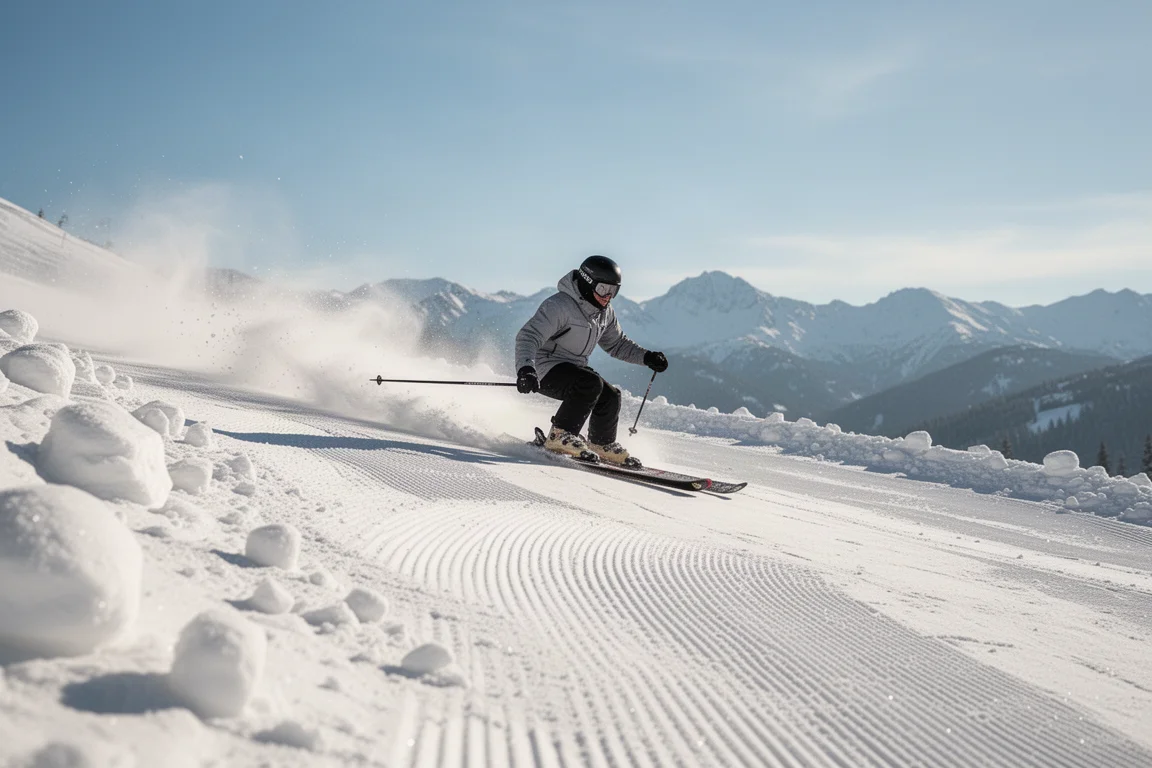
In mixed conditions, the Arcade 84 stays predictable and easy to maneuver. It can snap off a turn, slide a turn, and handle the bumps without feeling demanding. For skiers who want one ski that feels comfortable in a variety of terrain, this is the more forgiving of the two Arcade models.
Construction Differences: Arcade 84 vs Arcade 88
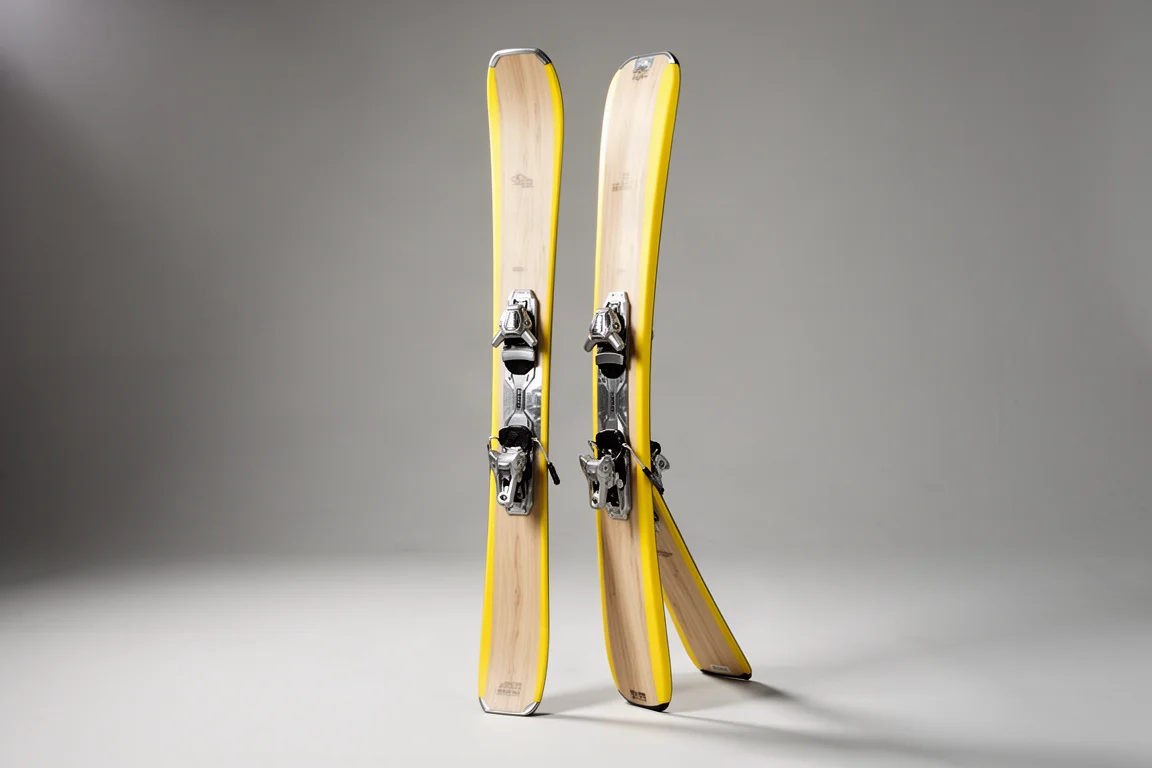
The main construction difference between the two Arcade skis is the metal laminate. The Arcade 88 uses a full tip-to-tail sheet of metal, which dampens the ski and gives it a cruisy, confident feel. The Arcade 84 uses a different layup that keeps it more playful and less damped. Both skis share the same core, and both are designed for all-mountain skiing, but the 88 is the better choice for skiers who want to go full gas and feel settled at speed.
Rossignol Arcade 88: Damped All-Mountain Confidence
The Arcade 88 is a true all-mountain ski with a damp, planted character. The full metal laminate absorbs vibration and keeps the ski composed when you open up the throttle. It is confident at high speed, stable through long turns, and versatile enough to handle a range of resort conditions. At lower speeds, it feels less playful than the Arcade 84, and it asks for a more active, forward stance. For skiers who prioritize stability and confidence, that trade-off is worthwhile. The Arcade 88 excels when you point it down a wide groomer and let it run.
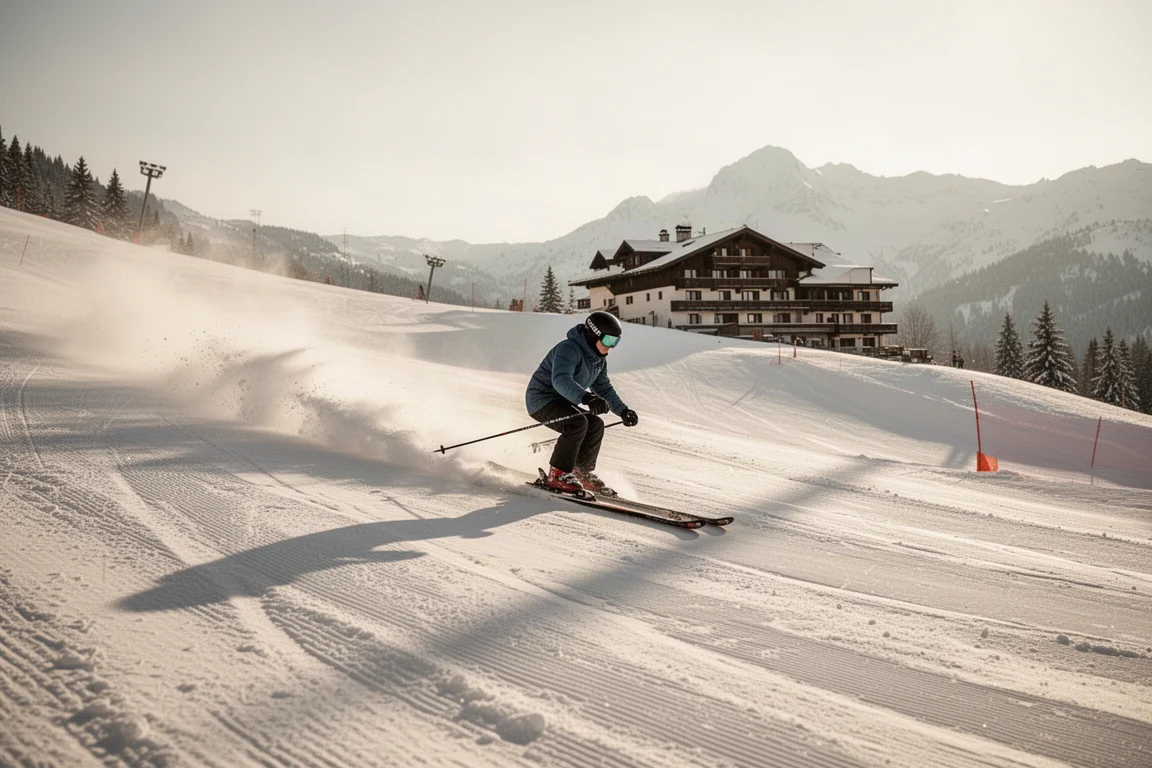
That said, the Arcade 88 is not a one-trick ski. It can handle bumps and softer snow, and its tip and tail rocker help it stay maneuverable when the terrain changes. It simply leans toward a stronger, more directional style of skiing than the 84.
View more details for Rossignol Arcade 88
Buying Advice: Which Rossignol Ski Fits Your Style?
Choosing between these three skis comes down to where and how you ski. The Sender Soul 102 is the most playful and freeride-oriented option, with a clear preference for soft snow and off-piste terrain. It is a good fit if you want a versatile daily driver that can still handle powder and chopped-up conditions. The Arcade 84 is the most approachable all-mountain ski of the group, with a nimble feel that suits bumps, trees, and moderate-speed carving. The Arcade 88 is the dampest and most confident at speed, making it the best choice for skiers who want a stable, planted ride on groomers and mixed resort terrain.
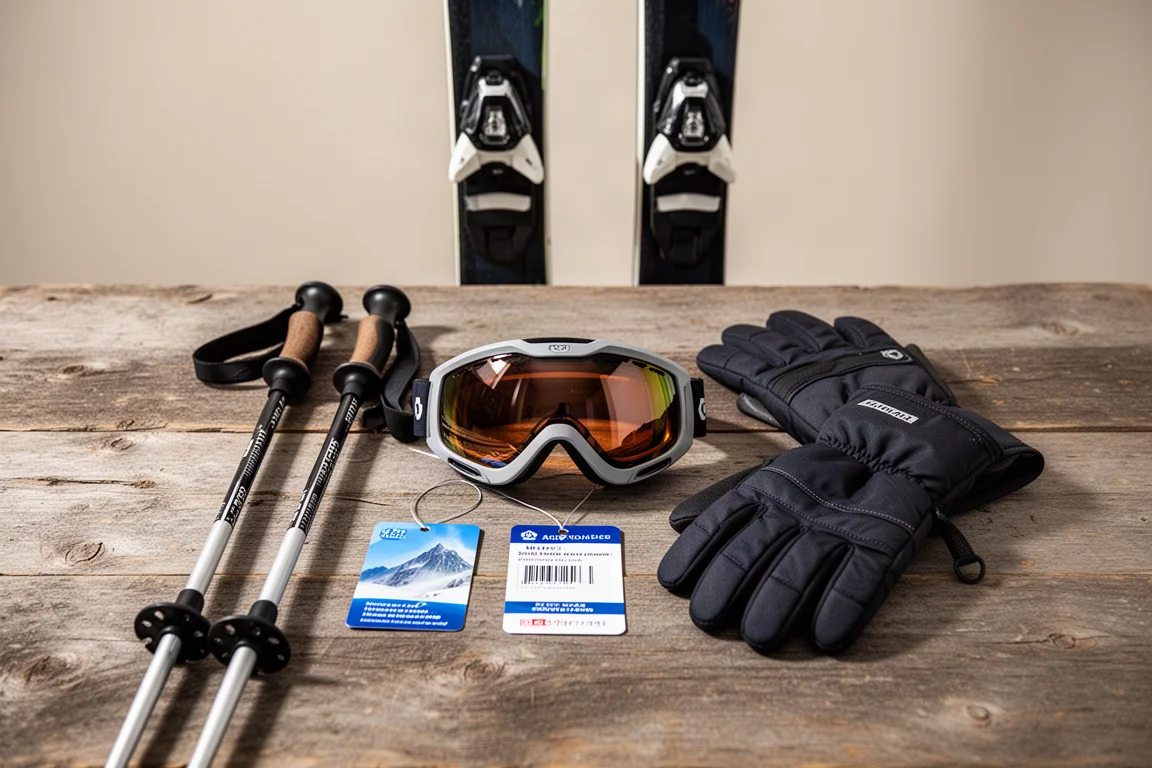
If you split your time between groomers and off-piste, the Sender Soul 102 offers the most versatility in soft snow. If you mostly ski groomed runs and want a playful, easygoing ski, the Arcade 84 is the natural pick. If you want a ski that feels rock-solid at speed, the Arcade 88 is the one to consider. All three share Rossignol’s focus on all-mountain versatility, but they deliver it in different ways.
Conclusion
The Sender Soul 102, Arcade 84, and Arcade 88 each serve a distinct purpose. The Sender Soul 102 brings freeride playfulness and ease of use to soft snow and off-piste terrain. The Arcade 84 delivers nimble, approachable carving for mixed conditions. The Arcade 88 adds damping and high-speed confidence for skiers who want a planted all-mountain ride. Matching the ski to your style and terrain is the most important step, and each of these models makes that choice clearer.
Further reading
Related Reviews

Ski Gear
2023 Blizzard Hustle vs Rustler: Six Freeride Skis Compared
Blizzard's 2023 Hustle collection rebuilds the Rustler shape with a lighter core and no metal. Here is how all six skis differ, and which one suits your riding.

Ski Gear
2023 Skis of the Year: Atomic Maverick 88 TI, Salomon QST 106, and Look SPX 12 Pro
Three standout ski picks for all-mountain carving, powder days, and reliable binding performance, with practical buying notes for 2023 models.

Ski Gear
2025 Nordica Enforcer 104 Review: A Directional Charger Replaces the 104 Free
The 2025 Nordica Enforcer 104 drops the Free name and the twin-tip personality, gaining weight, stiffness and composure in rough snow. Here is what changed and who it suits.