Art Supplies
RoseArt Art Supplies Retested: Were the Crayons Really That Bad?
We put vintage RoseArt markers, watercolors, colored pencils, and crayons up against Crayola and modern Cra-Z-Art to settle a childhood grudge.
Introduction
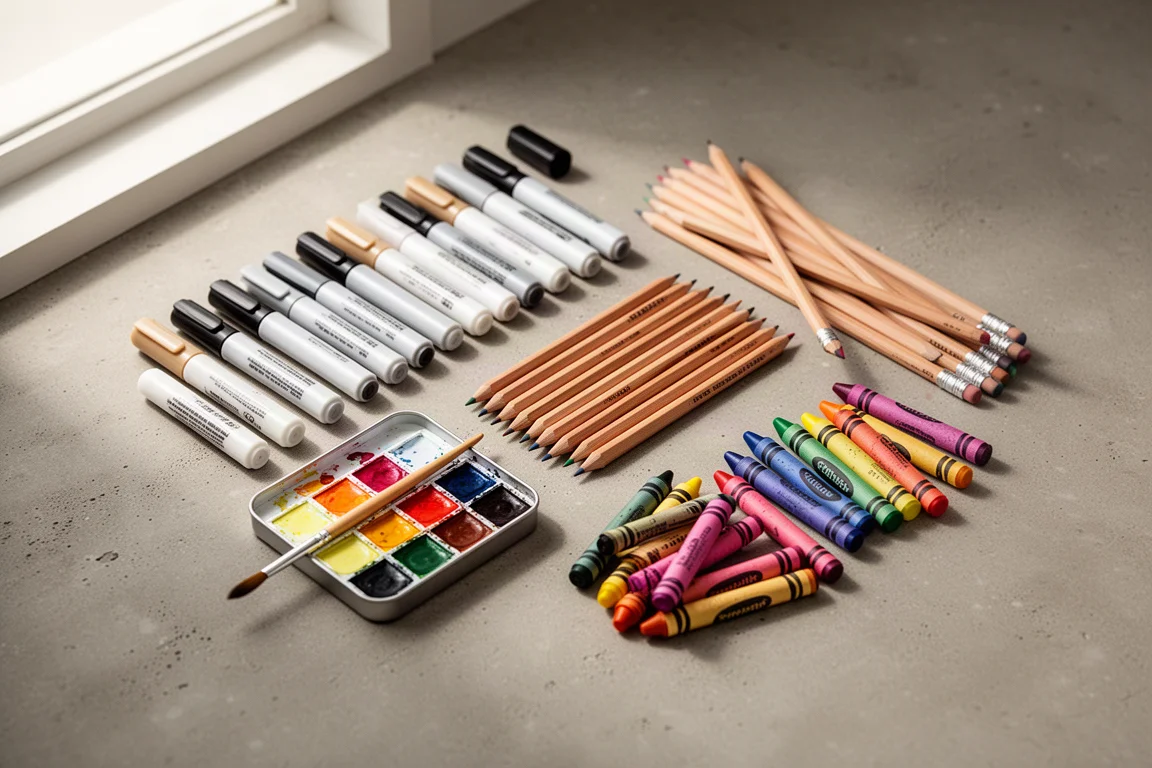
RoseArt has a reputation as the most disliked art brand of its era, and the dislike runs deep. Even years after the brand stopped existing as we knew it, it is far easier to find people complaining about RoseArt crayons than to find basic information about the company itself. Anyone who grew up between the late 1980s and the early 2000s likely remembers begging for the 64-count Crayola set with the sharpener on the back and getting something else instead.
Now that enough time has passed to look back objectively, the question is worth asking again: were we all just dramatic kids, or was RoseArt genuinely terrible? To find out, vintage RoseArt supplies from 2006 through 2012 were tested side by side with current Crayola products and modern Cra-Z-Art, the brand that effectively took RoseArt’s place.
RoseArt Markers (2012)
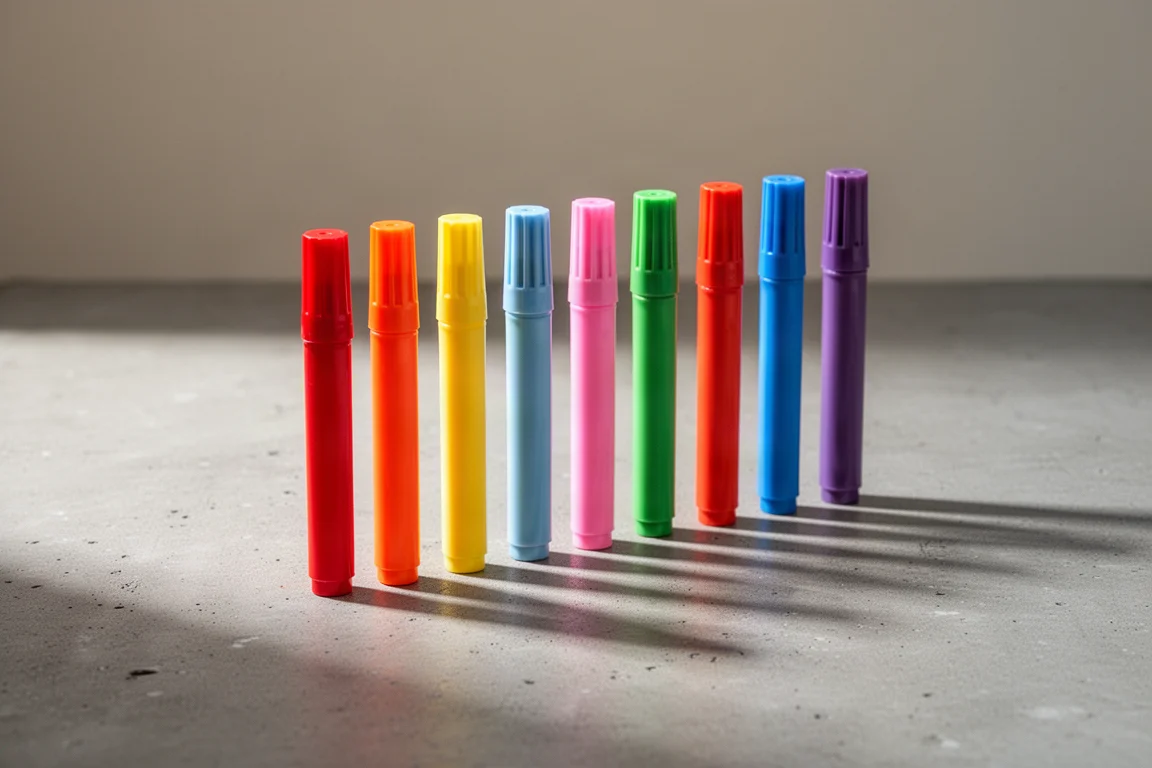
The first item tested was a 10-count set of RoseArt markers from 2012. The packaging looks nearly identical to Crayola’s, with one key difference on top: the caps have a notch that prevents the classic trick of stacking markers together like a sword. For generations of kids, that stacking was half the appeal of Crayola markers, so this design choice alone earned RoseArt some lasting resentment.
In actual use, though, the markers performed almost exactly like Crayola. Up close, the ink looks just slightly more muted, a tiny difference in quality that barely registers on the page. The far more dramatic comparison came from modern Cra-Z-Art markers, bought new and still found mostly dried out, while these decade-old RoseArt markers kept working. If both were free, Crayola would still win. But on a budget, the RoseArt markers got the job done fine.
RoseArt Watercolors (2009)
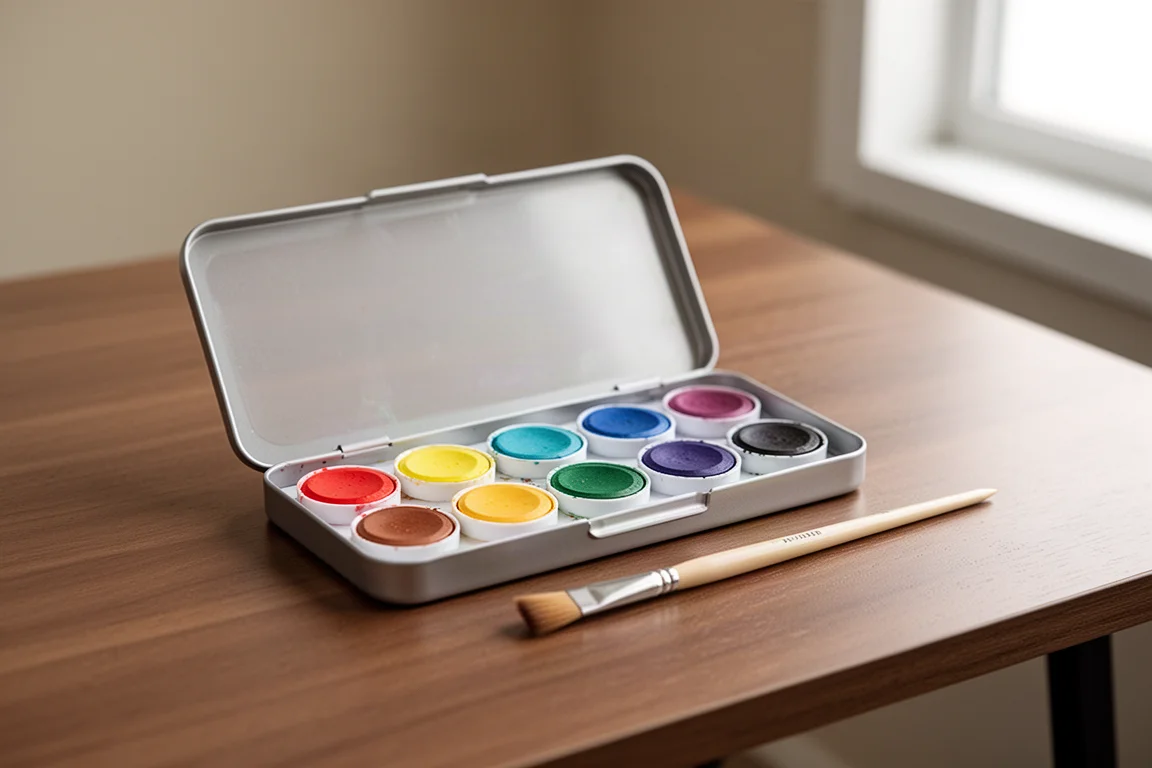
Next up was the 8-count RoseArt watercolor set from 2009, an item many kids of that era will remember owning. Tracking down a comparison was harder than expected: the standard 8-count Crayola watercolor was nowhere to be found at two different Walmart locations, Target, or Dollar Tree, so a mismatched older 16-pack served as the benchmark.
The first surprise was the included brush. Unlike the flimsy, wire-bristled, easily bent brushes found in modern budget watercolor sets, the RoseArt brush is a genuine watercolor brush, the kind that would not look out of place in an actual paint kit. On the page, both the RoseArt and Crayola paints behaved the way watercolor should, breaking down in water with vibrant color and smooth flow. It was genuinely pleasantly surprising.
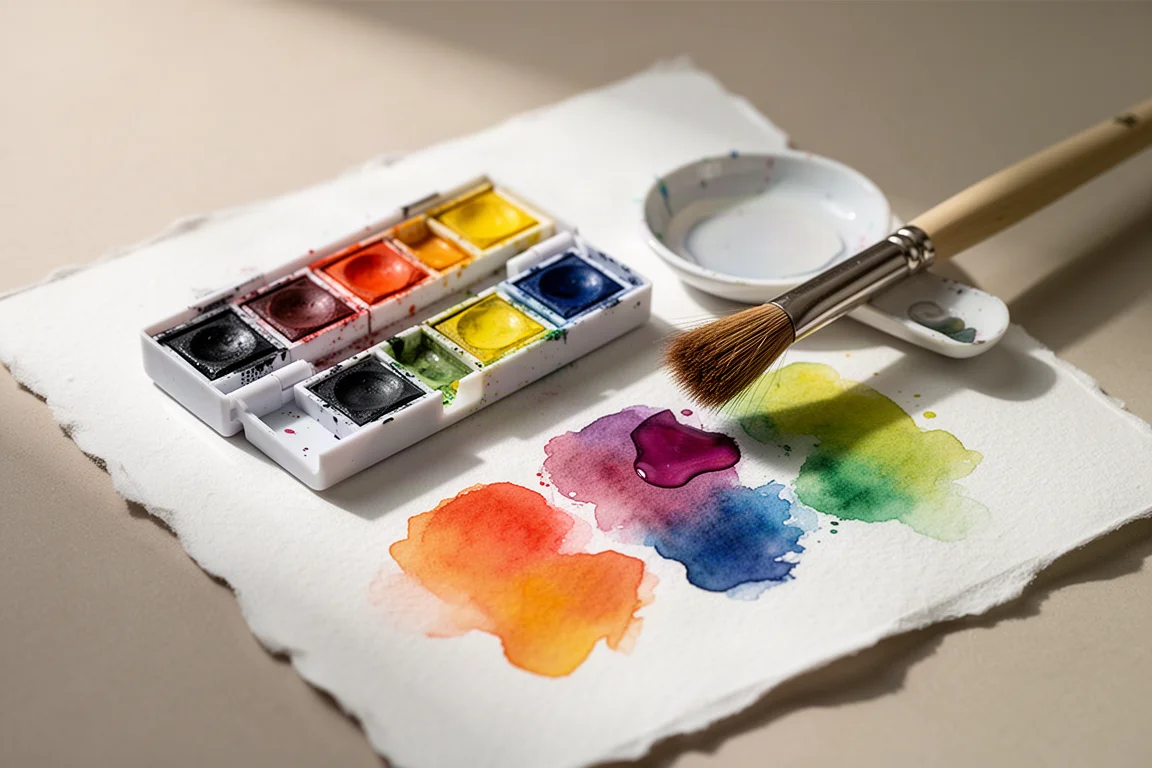
The modern Cra-Z-Art watercolors were the shock of the test. The paint barely broke down with water, dried with a crusty film texture you could feel, and left a strange indentation when the brush touched it, like dipping into mud. The RoseArt paint is ever so slightly tacky, with a hint of extra filler making it a touch thicker than Crayola, but otherwise the two are so similar it would be hard to care which one you picked up.
RoseArt Colored Pencils (2010)
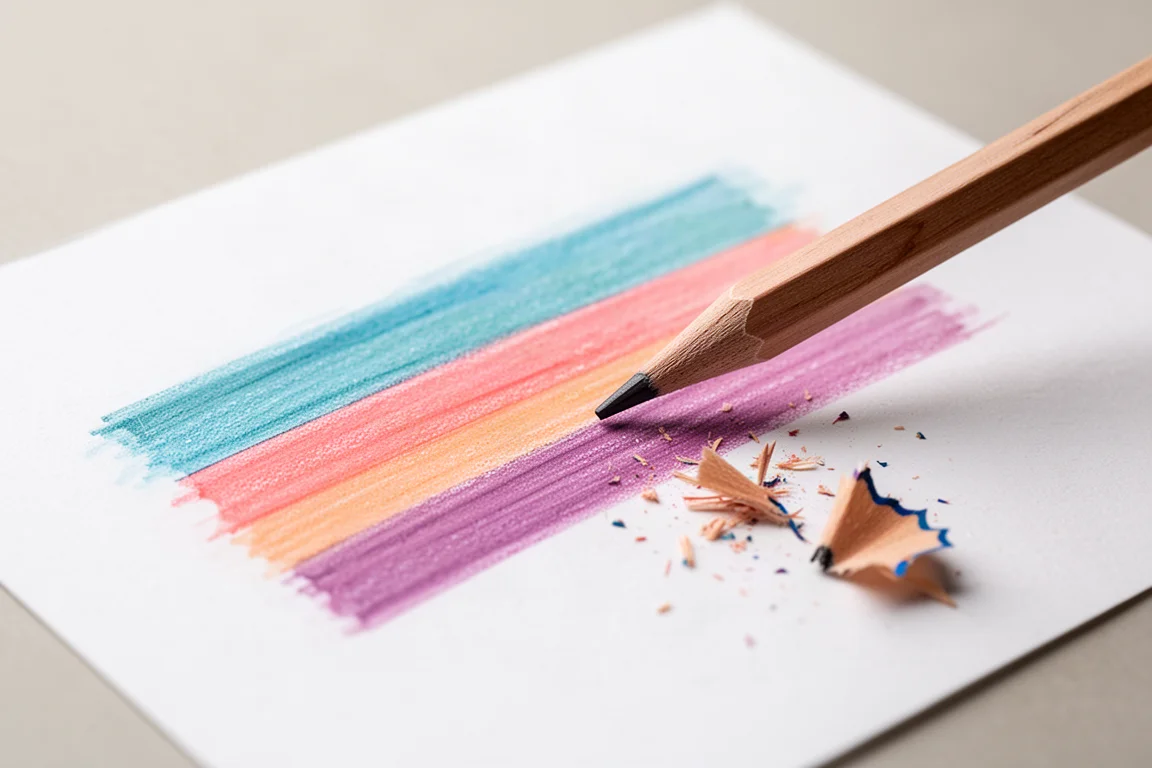
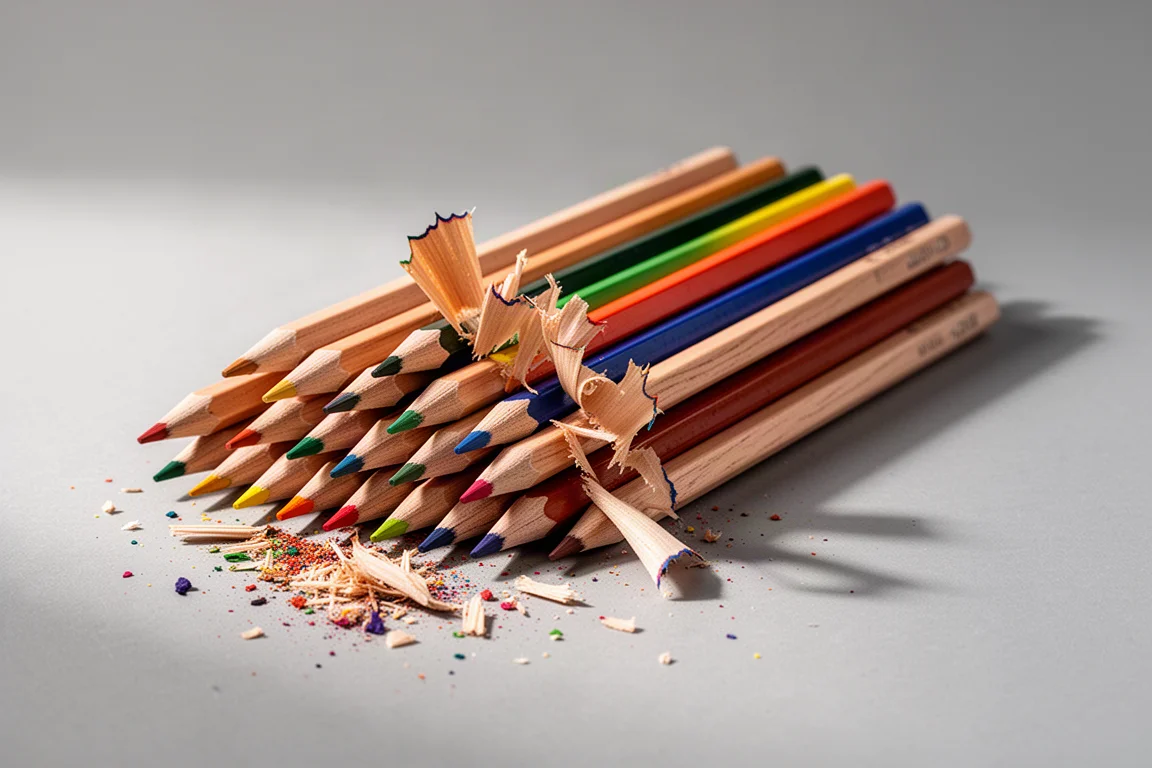
The 2010 RoseArt colored pencils may be the underdog of this whole lineup, and they delivered the biggest upset. Visually, they look like a direct imitation of the Crayola design, but in performance the story flips. In swatch testing, the RoseArt pencils went down more smoothly, with a creamier, less waxy laydown, no scratching, and in some shades even better color than the comparison pencils.
That matters because the Cra-Z-Art colored pencils were so scratchy they recalled fingernails on a chalkboard, leaving swatches that looked like the paper had been scored with a needle. If anything, the vintage RoseArt pencils came out ahead of the Crayola comparison in this category, which was not the expected result going in.
RoseArt Crayons (2006): The Main Event
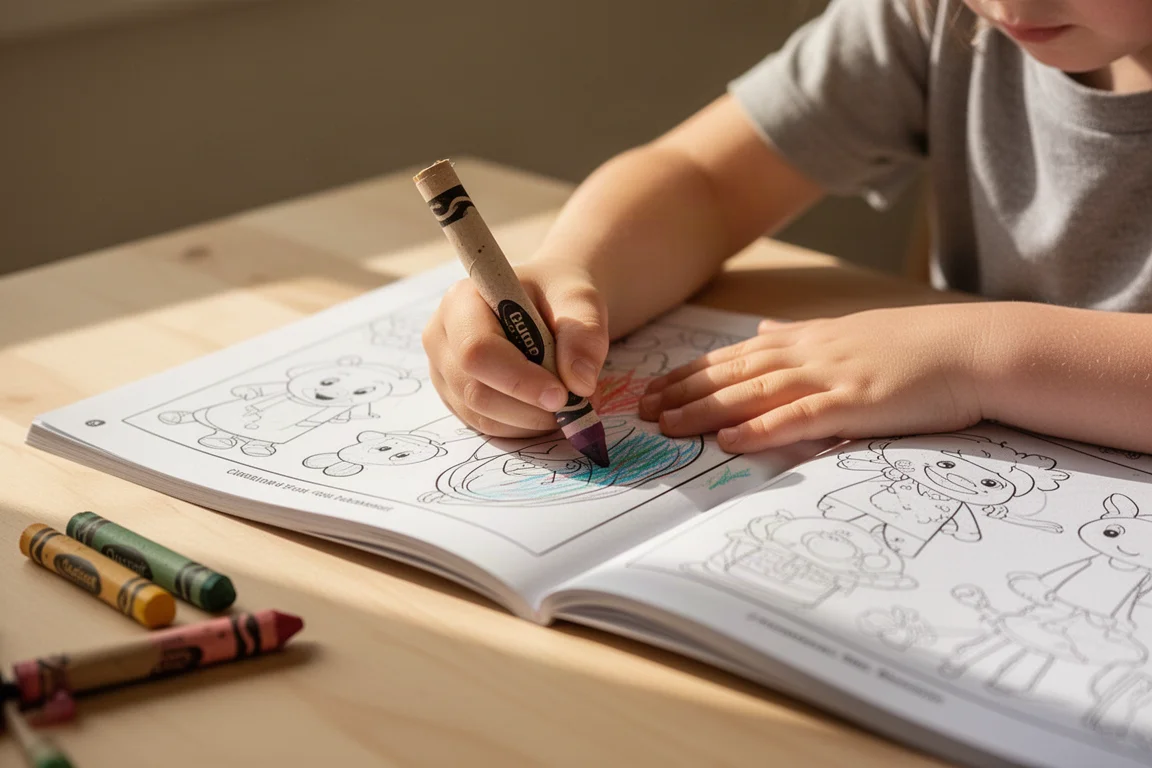
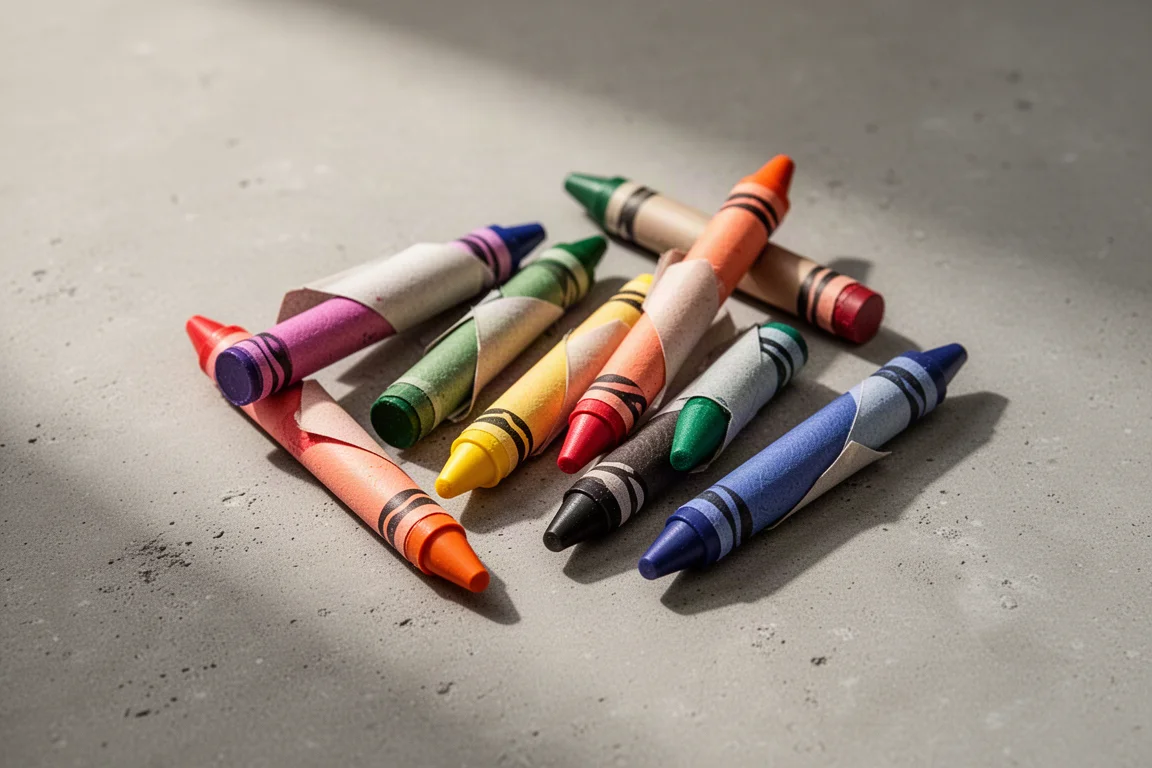
And then there are the crayons, the item everybody has been waiting for and the source of the brand’s entire reputation. The 24-count RoseArt crayons tested here date from 2006, and childhood memories of them are vivid: so waxy that drawing felt impossible, detail work that smeared and broke, an unpleasant smell, and wrappers that never stayed put. The whole experience, as memory tells it, was bleak.
The smell test delivered the expected verdict. The RoseArt crayons have essentially no scent at all, while the Crayola crayons smell exactly like childhood, arguably one of the best-known scents in the world. Cra-Z-Art crayons, for the record, smell like wet cardboard and dirt.
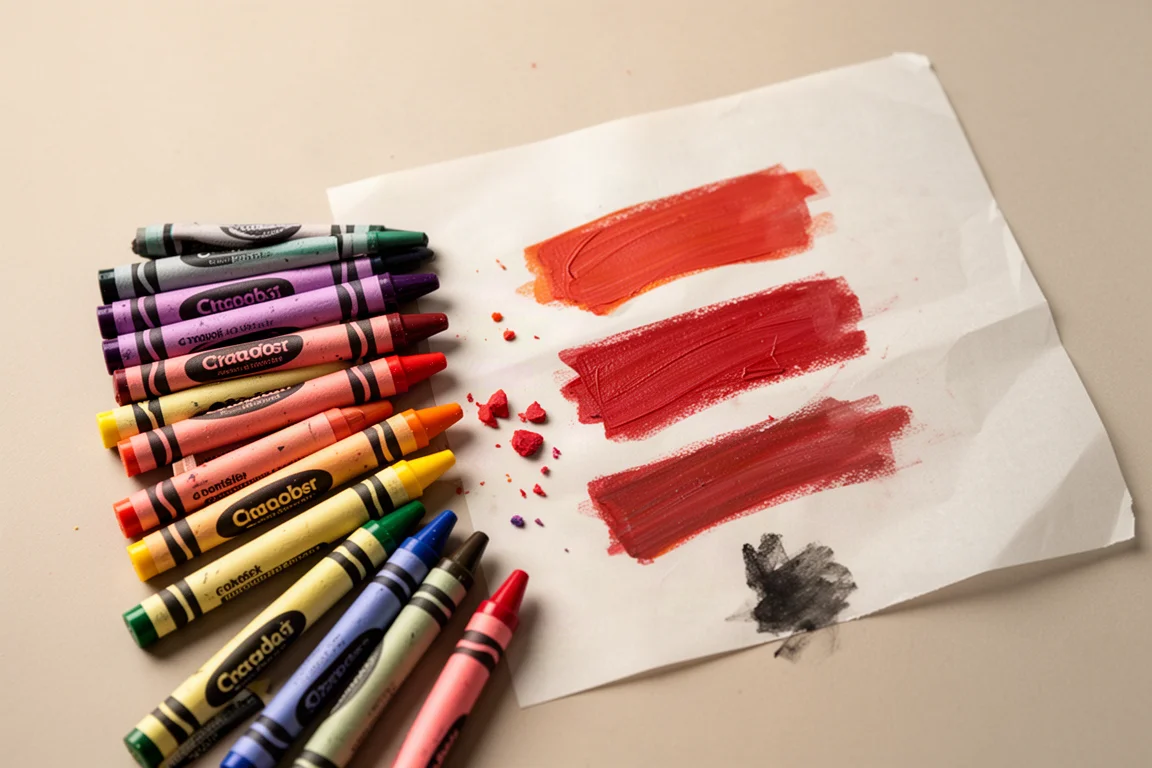
In actual swatching, the RoseArt formula was waxy, with a soft wax that heats up under the friction of drawing and builds up in dark, chunky patches. Small pieces of wax cling to the sides of the paper and, unlike pencil graphite, cannot simply be blown off. On plain printer paper, the RoseArt and Crayola swatches look nearly identical from a distance. The classic RoseArt quirk showed up too: stray flecks of other colors embedded in a single crayon, plus smearing that left a hand and paper blackened after a session.
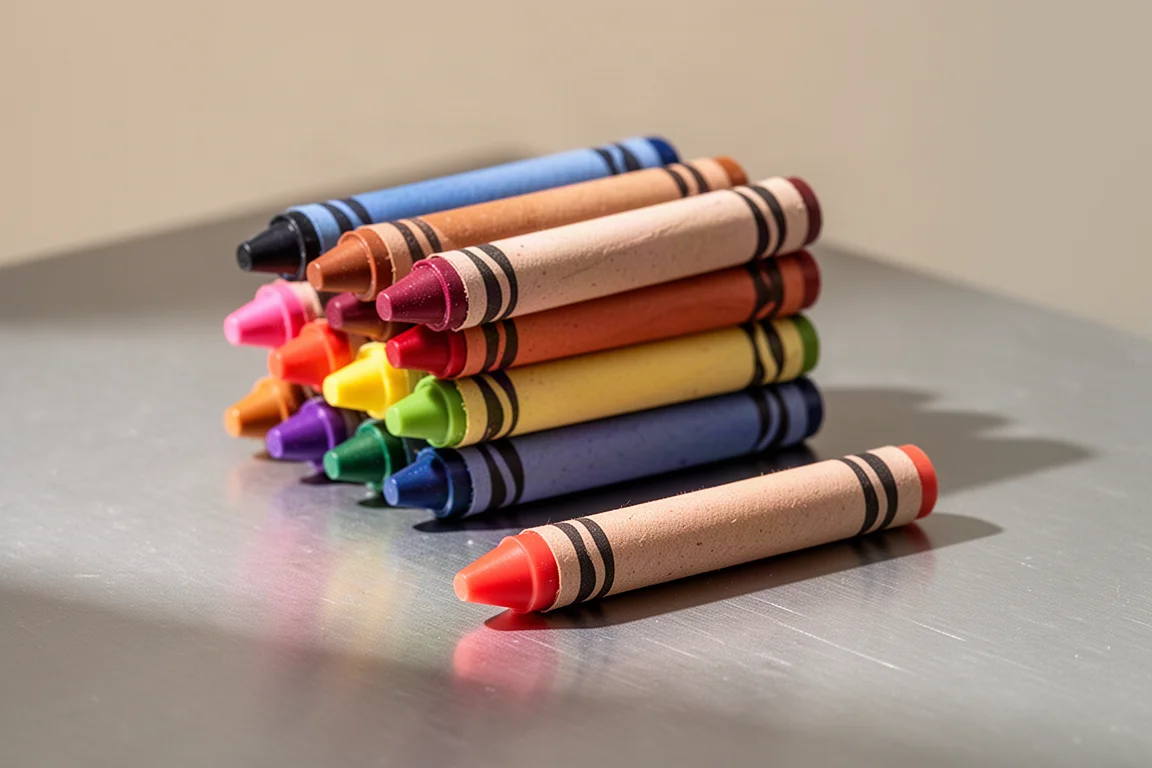
The real revelation of this category, though, is that modern Cra-Z-Art crayons are somehow worse. During swatching, one crayon simply stopped delivering color entirely, leaving pure clear wax rubbing onto the page with no pigment behind it. The Cra-Z-Art crayons were also noticeably sticky, a problem neither RoseArt nor Crayola had. On a scale from Crayola to Cra-Z-Art, RoseArt floats somewhere comfortably in the middle. Cra-Z-Art has truly redefined what a terrible crayon looks like.
The Verdict
Looking back with adult eyes, RoseArt was not the villain childhood nostalgia made it out to be. In the early 2000s, RoseArt supplies cost roughly half the price of Crayola, and several of the products tested here performed nearly identically to their more famous counterparts. The markers were only a hair more muted, the watercolors were nearly indistinguishable, and the colored pencils may have actually been better. The crayons were worse, no question, with waxy buildup and color contamination, but modern Cra-Z-Art crayons make even them look reasonable.
If you are choosing art supplies today, Crayola remains the safe default for crayons and markers. But the lesson of this test is that budget does not automatically mean bad, and a generation of kids may owe RoseArt a small apology. Justice for RoseArt.
Conclusion
RoseArt’s terrible reputation was earned mostly by one product: the crayons. The markers, watercolors, and colored pencils all held up remarkably well, in some cases beating both modern budget alternatives and, in the pencil category, even outperforming the benchmark. For parents stocking a craft drawer on a budget, the vintage RoseArt test suggests that mid-tier supplies can absolutely get the job done.
Further reading
Related Reviews
Art Supplies
Art Pop Watercolor Pencils 48-Color Set: A Thoughtfully Designed Student-Grade Option
The Art Pop 48-color watercolor pencil set blends well, dissolves smoothly, and includes artist-friendly details like barrel-printed color names, all at an affordable price.
Art Supplies
Artics Acrylic Markers 3mm Review: Versatile Paint Markers With a Few Caveats
A 48-color set of water-based acrylic paint markers that blend while wet, dry permanent, and keep the price low, though safety transparency remains a question.
Art Supplies
Best Art Supplies Worth Your Money: Pencils, Pens, Paints, and Paper That Earned Their Spot
After years of daily use and testing, these are the pencils, pens, watercolors, gouache, brushes, sketchbooks, and erasers that stand above the rest.