Snowboard Bindings
Rome Trace Snowboard Binding Review: A Solid Starter Option
A soft-flexing snowboard binding with trickle-down technology from Rome's higher-end lineup, tested on groomers, chop, and slush at Copper Mountain.
Introduction
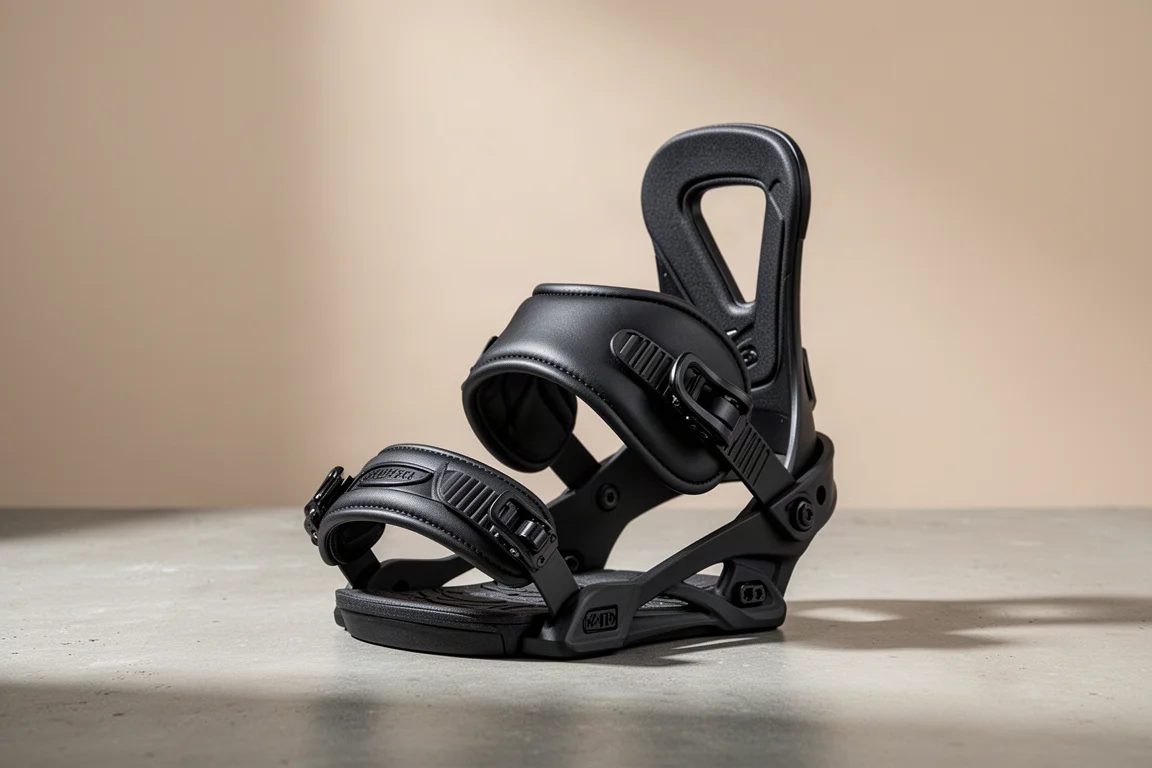
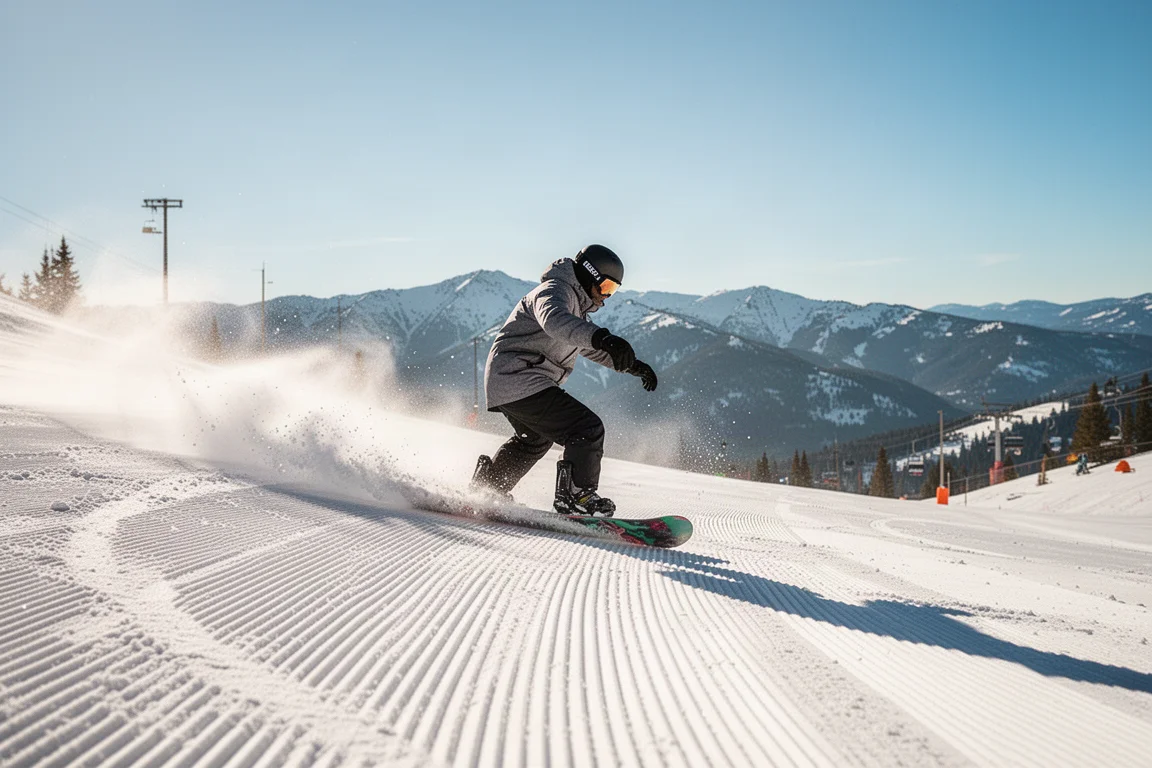
The Rome Trace sits in the entry-to-mid tier of Rome’s binding lineup, and after riding it on a sunny bluebird day at Copper Mountain, across perfect groomers, chop, chunder, and a bit of slush, the picture is clear: this is a meat-and-potatoes binding aimed at riders who are just starting out. It borrows trickle-down technology from Rome’s higher-end and older high-end products, and for what it is, it works well.
Testing was done mounted on a Ride Shadowband snowboard with K2 Thraxis boots, which gives a good sense of how it behaves with a stiffer boot underneath it.
Adjustability: Lots of Dials, One Annoying Design
The big adjustability story is a pair of set screws on the heel cup for lengthening and shortening the fit. Those same screws also house the highback rotation, so if you like rotating your highback you will need to play around with how it sits in that track. The catch: if you need to remove the heel straps, it all comes off as one piece, which is not a particularly convenient design.
Beyond the heel cup, you get push pins on the toe to move it forward or backward, flip tabs on both the heel and toe straps, a forward lean adjustment on the highback, and a footbed that can slide slightly forward or backward to dial in the fit under your boot.
Straps: Great Ratchets, Mixed Strap Quality
The heel strap uses Rome’s Proflex construction, a first-generation ankle strap design with no excess padding, since cushioning comes from the boot instead. It contours around the instep and locks down well, with a slight stretch when cranked tight. One thing to be aware of: this version of the strap tends to develop small tears over time.
The toe strap has a large cutout that fits over just about any boot shape. It is slightly more rigid than the heel strap, grips well, but creates a bit of pressure around the ratchet where it digs into the boot. It gets the job done, though Rome makes better toe straps elsewhere.
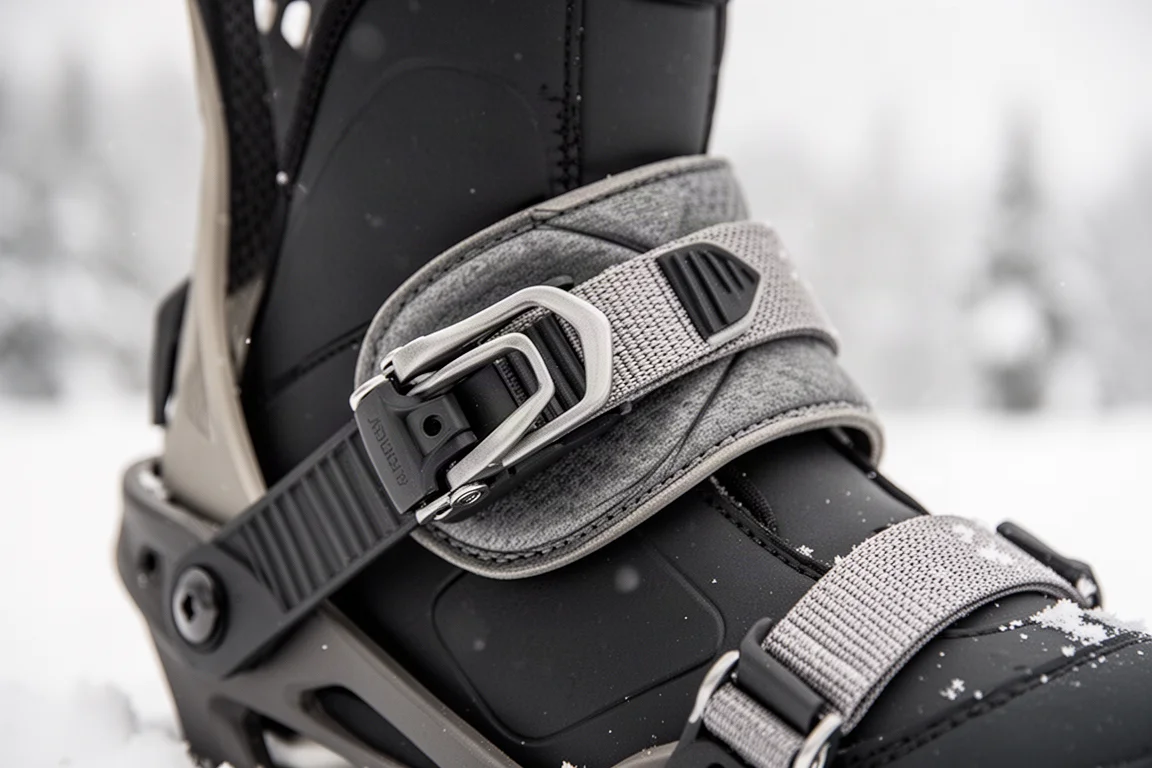
Where this binding genuinely shines is the ratcheting. The one-finger quick release works exceptionally well, and the ratchets are dialed in: they climb well, grip, stay locked, never slipped while climbing, never released prematurely, and never tore up the ladder.
Highback and Flex: Soft with Enough Backbone
The highback has a lot of play in it, which you can feel when tweaking around. But when you drive back into it, there is enough girth that you get real response. It is not the most responsive highback out there, but on a heelside carve it is there when you need it. The forward lean adjustment is the flip-up, slide-up-or-down style used across Rome’s highbacks, and it is easy to work with.
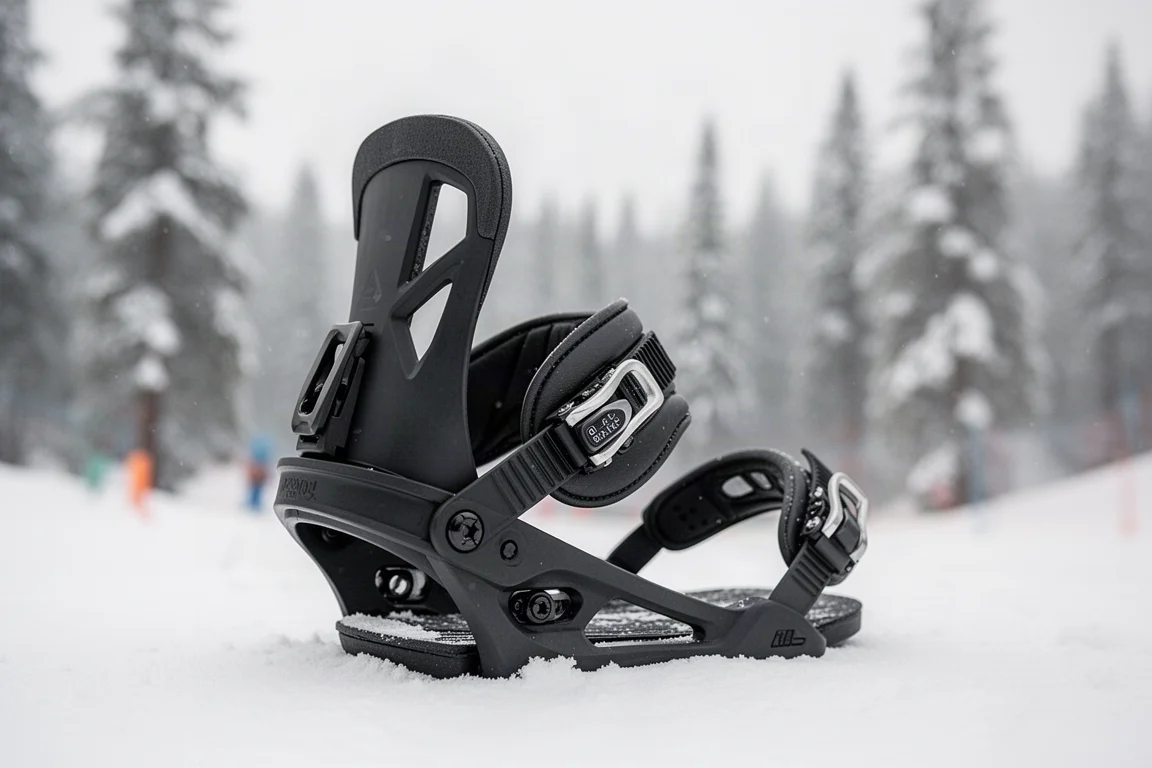
Overall this is a soft-flexing binding. You can feel real lateral give, and the straps have a lot of give fore and aft, so toe-to-heel transitions come with noticeable flex. Pair it with a stiffer boot and it gets more responsive; with a mid-flex or soft boot, it will feel less so. The slightly medium-mini disc actually fits a 2x4 pattern, though you get a bit more play with it.
Ride Quality and Dampening
The ride is smooth. A pad under the base absorbs chatter for the most part, and on slightly rutted-out terrain or frozen corduroy it does a good job of preventing foot fatigue. Bigger jarring hits do seep up through the base into the sole of your boot, but for what this binding is, the dampening is genuinely good.
Things to Consider Before Buying
The integrated heel cup design, where the screw handles the heel strap and highback as one piece, is annoying if you ever need to service the straps. The toe strap pressure point and the heel strap’s tendency to tear over time are also worth factoring in. Comparable bindings in this space include the Burton Freestyle-style options like the Battalion Fly, the Ride C-4, and the Union Strata-class offerings.
Conclusion
If you are just starting out and need a solid binding you will not quickly outgrow, the Rome Trace is a good option. It is not the best binding out there, and it is far from the worst, but the solid trickle-down tech, usable dampening, and excellent ratchets make it an easy recommendation for its intended rider.
Product link
View more details for Rome Trace
This product is mentioned in the review. Check the specifications, options, and compatibility before buying.
View more details for Rome TraceFurther reading
Related Reviews

Snowboard Bindings
2024 Union Ultra Snowboard Bindings Review: A Cushy, Freestyle-Focused Favorite
Two seasons on the 2024 Union Ultra: a lightweight, tweakable freestyle binding with standout comfort, a damp molecular bushing, and thoughtful hardware fixes.

Snowboard Bindings
32 Team Phase Binding Review: A Fast Entry Binding Built for Freestyle Laps
The first binding from 32 uses the Phase chassis for quick step-in entry with a softer, freestyle-leaning flex. Here's how it performed on the snow.

Snowboard Bindings
Arbor Cypress Snowboard Binding Review: A Laid-Back Cruiser That Can Charge
A closer look at the Arbor Cypress binding's adjustability, strap feel, and that oddly tall highback before you decide to buy.