Snowboard Bindings
Rome Trace Pro Heel Wrap Review: A Damp, Playful Binding for All-Mountain Riders
A carbon-chassis snowboard binding that cuts chatter on firm snow while staying playful enough for butters and jibs.
Introduction
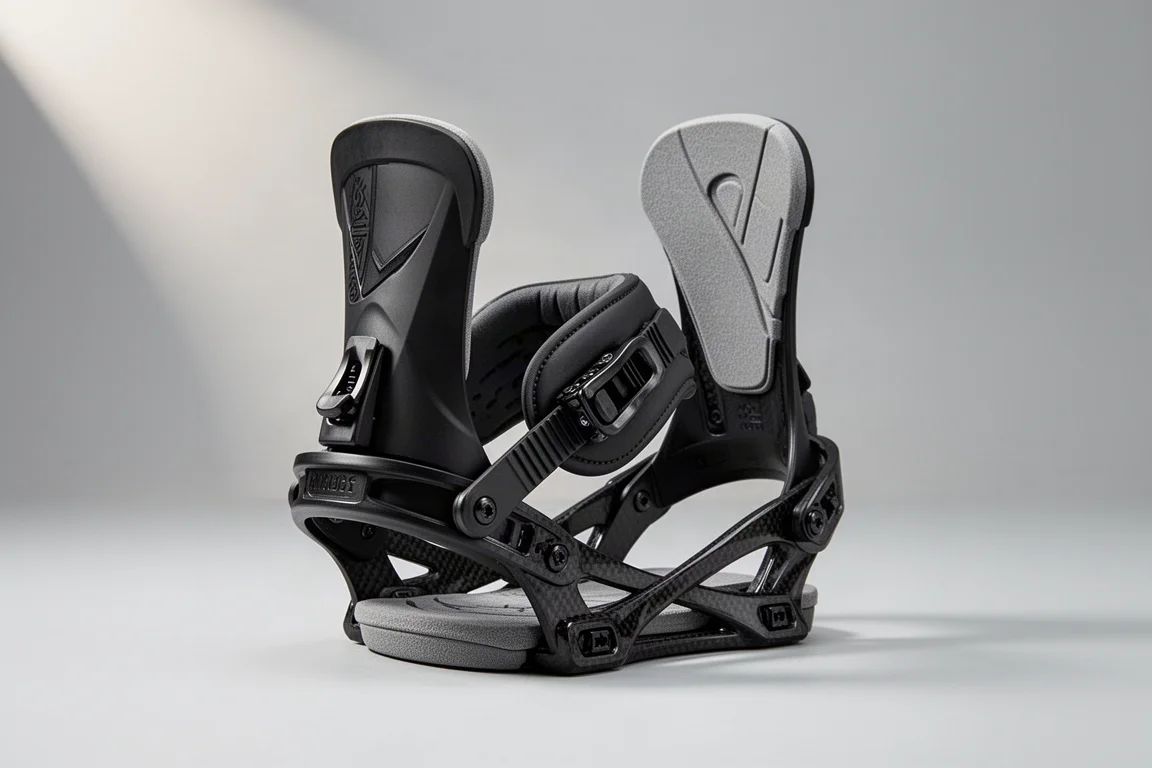
The Rome Trace Pro heel wrap sits in an interesting spot in the Rome lineup. It borrows the carbon chassis treatment from the brand’s high-end bindings, but it is deliberately simpler than the fully loaded models above it. The result is a binding that claims to do a bit of everything: responsive enough to charge, damp enough to survive firm snow, and playful enough to jib around when the mood strikes.
We rode it on a sunny spring-style day at Copper Mountain, starting on firm, crusty morning snow that never fully softened in the shade, before turning to sloppy slush by late afternoon. That mix of surfaces turned out to be a good proving ground for what this binding is actually built to do.
Adjustability: Simple, Sensible, and Tool-Free Where It Counts
The Trace Pro does not offer the endless customization of Rome’s flagship bindings, and that is fine. What it does have is a set of straightforward adjustments that get dialed in quickly. The highback uses a flip tab system for forward lean: flip it, slide it down, flip it back, done. The straps use the same flip tab approach with notched ladders, so once you set one side you can simply count down the notches on the other and have the whole binding dialed in within about five minutes.
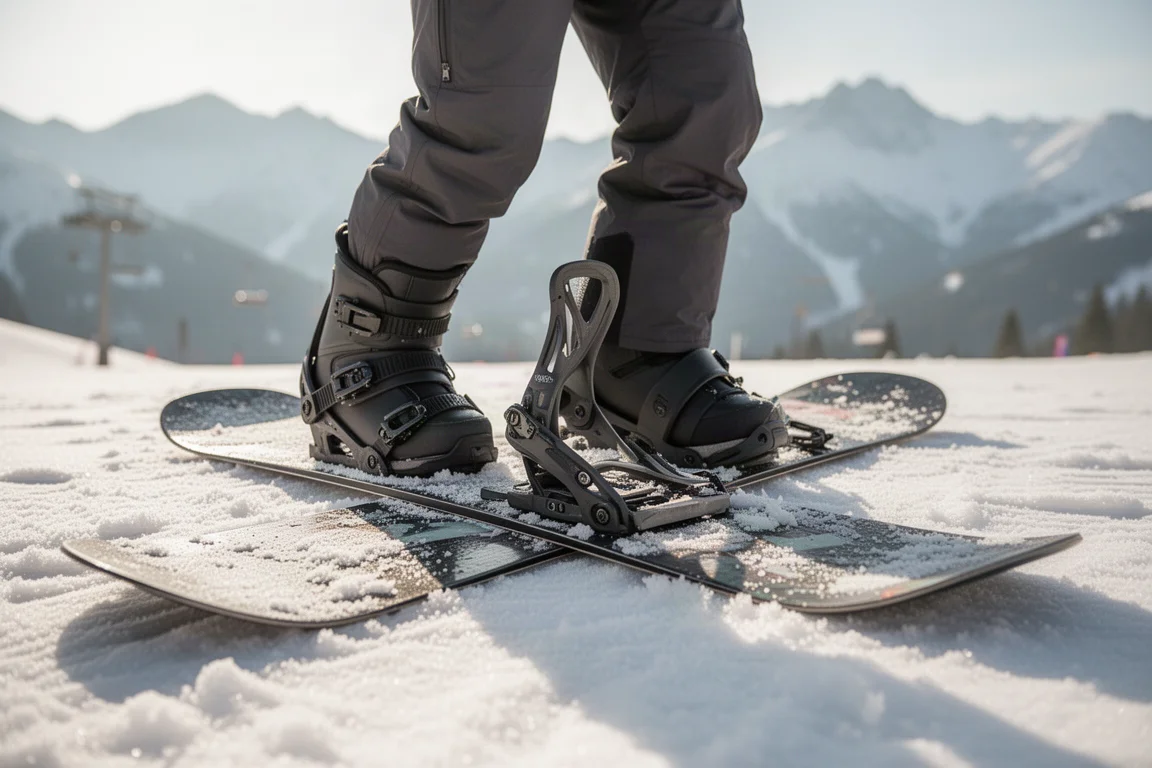
The toe strap can be positioned with a push-pull system, letting you run it over the toe or across the instep depending on preference. The heel cup slides fore and aft to center the binding on the boot, and the smart part is that you can do this with your boot strapped in and the binding mounted on the board. Loosen one screw on each side, slide until the boot sits centered, and re-tighten. The mini disc setup also allows micro adjustments side to side for dialing in stance width.
Straps: Some of the Best Molded Straps Around
The Ox Tech straps deserve their reputation. Both the ankle and toe straps are molded rather than padded, and they stretch to a degree that is genuinely impressive. The toe strap can be ratcheted down as far as it will go around a square-toe boot and it simply keeps conforming rather than fighting back. No pressure points showed up on the toes even at maximum tightness, which is not always the case with molded designs.
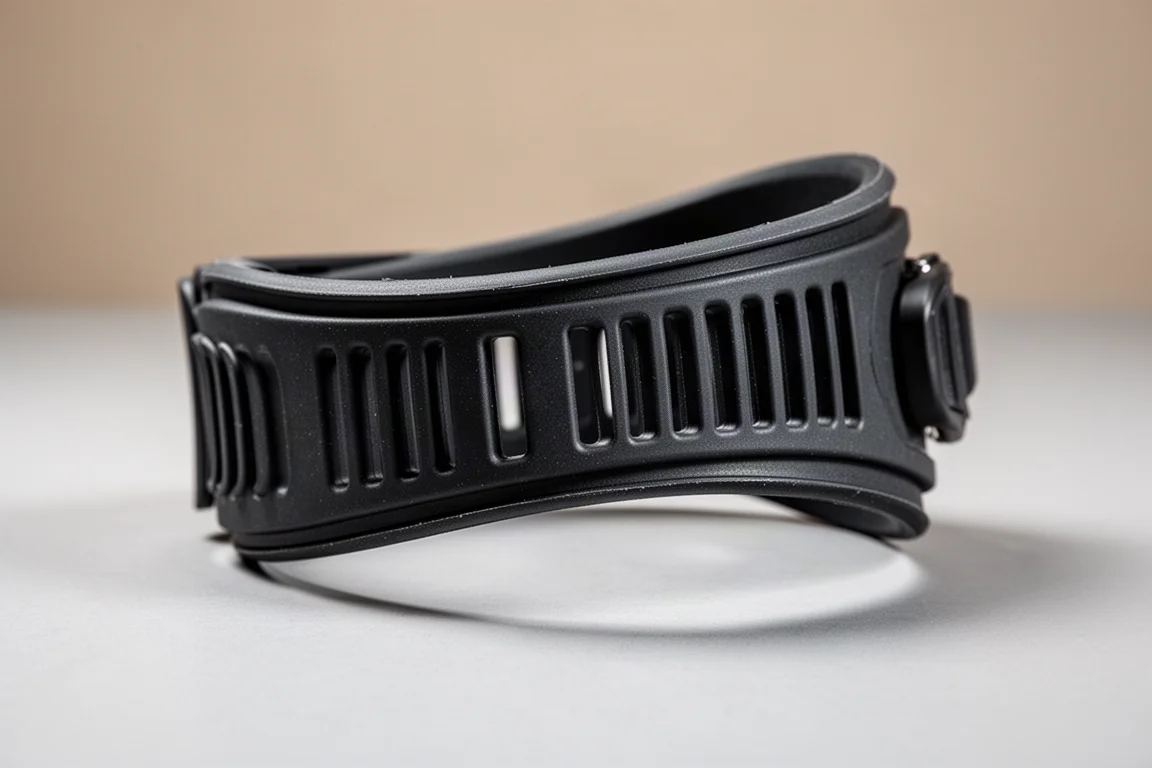
The ankle strap is firmer, holding its shape and sitting on the more responsive end of the spectrum. It stretches, but not as freely as the toe strap, so if you crank it absolutely as tight as possible you may eventually feel pressure against the ankle. In normal use it stayed comfortable while keeping the boot locked in, with a touch of lateral play that keeps the ride from feeling like a vice grip.
One clever extra: the connectors and ladders can be removed, flipped over, and swapped between bindings, which shifts the ankle strap lower onto the instep for a slightly surfier feel. The ratchets themselves are solid and easy to release with one finger. The toe ratchet has a little play in it, and cranking both straps to the final tooth under heavy force made the ladders slightly sticky and started to chew the last tooth, but spare parts are included and normal riders will never approach that kind of abuse.
Highback and Flex: Responsive Where It Matters
The highback is soft laterally but not flimsy. There is real rigidity in it, so tweaking and pressing still gives you feedback, and generous padding means no pressure points on heel-side turns. Heel-to-toe response is solid and predictable, and the highback hugs the boot closely with no gap or lag once you strap in. Forward lean adjusts on the fly with the flip tab if you suddenly want more support mid-run.
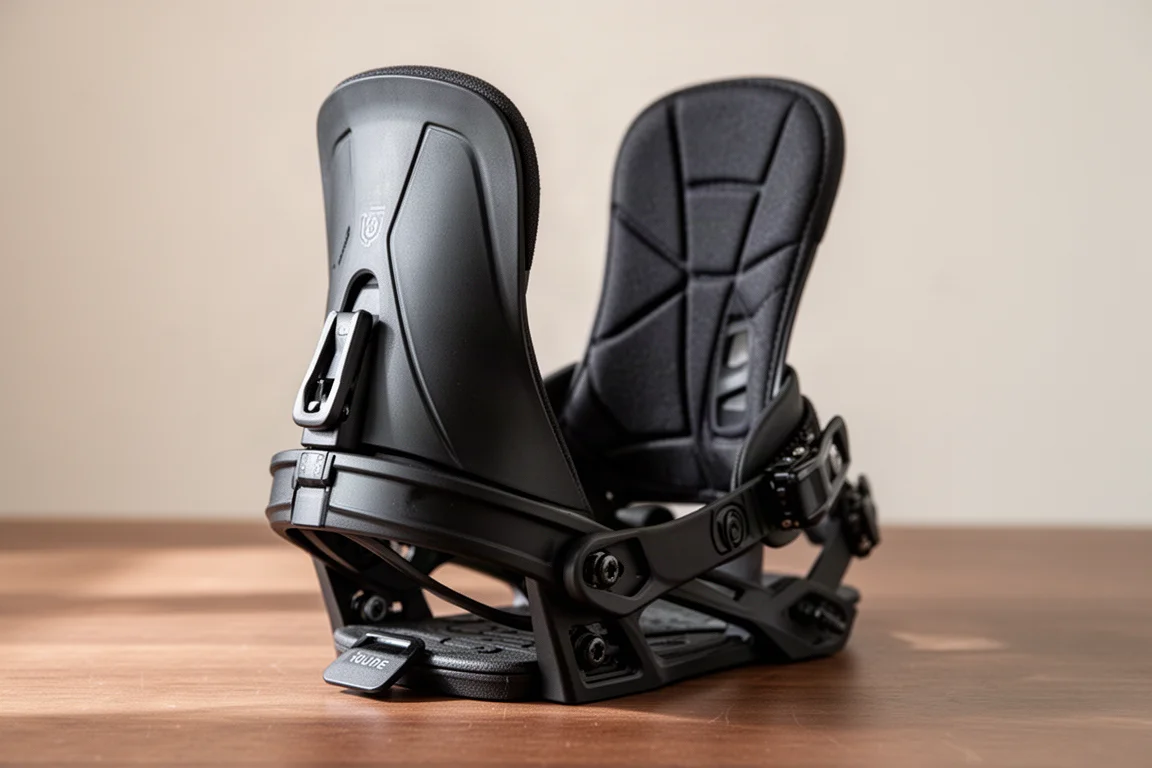
The chassis itself is very stiff. It is made from carbon, and almost all of the flex you feel comes from the straps and highback rather than the baseplate. Underfoot, thick padding lets the binding roll slightly while the chassis stays rigid, and the binding sits fairly high on the boot, which you notice when flexing into it. The overall character is responsive yet playful: locked in at the bottom, free enough up top to surf and tweak without losing the ability to power through the board.
How It Rides: Dampness Is the Headline
This is a genuinely damp binding. On the hard, iced-over morning crust, the uneven chatter was audible through the board but simply never reached the feet. Even charging at high speed over broken, firm snow, the Trace Pro kept cushioning everything without sending vibrations up through the boots and knees.
That damping is the single best reason to consider this binding. If you ride mostly firm or icy conditions, especially in the East, or pair it with a lively board, the Trace Pro will smooth out chatter and make the whole package noticeably more comfortable without numbing response entirely. It is more responsive than it is playful, but the softer highback keeps enough personality for butters and jibs.
Honestly, the carbon chassis feels like overkill here. The binding is nearly identical to the Battalion Blaster, and the carbon mostly serves to separate the Trace Pro from the pack and add a bit of extra oomph. It works, but it is not the reason to buy this binding. The straps and the damping are.
Who This Binding Is For
The Trace Pro is aimed at the rider who likes to charge and dabble in a bit of everything, but who does not need the stiffest, most expensive binding on the wall. It suits someone who wants genuine response for hard carving and fast runs while still keeping a playful attitude for jibbing and buttering, and who would rather not spend half their budget on bindings.

If that sounds like you, and especially if chatter and vibration on firm snow are a recurring annoyance, this binding fits the brief remarkably well. Comparable options worth checking include the Battalion Blaster heel wrap, the Union Force, and the Ride Drone.
Buying Advice
Buy the Rome Trace Pro if your priority list looks like this: comfortable straps you can crank down without pain, serious damping for firm and uneven snow, and a middle ground between full send mode and playful cruising. Its adjustability is quick and sensible, its build is well refined, and its flex balance suits all-mountain riders who want one binding for nearly everything.
Skip it if you want maximum high-end adjustability or an ultra-stiff, fully locked-in freeride weapon. In those cases, Rome’s higher-end models or a dedicated stiff binding will serve you better.
Conclusion
The Rome Trace Pro heel wrap is a comfortable, well-damped, and quietly capable binding that does almost everything well. Its straps are among the best molded designs on the market, its damping is exceptional for the price bracket it targets, and its carbon chassis keeps it responsive without tipping it into harsh or demanding territory. For all-mountain riders who want to charge in the morning and butter in the afternoon without swapping gear, it is an easy recommendation.
Product link
View more details for Rome Trace Pro Heel Wrap
This product is mentioned in the review. Check the specifications, options, and compatibility before buying.
View more details for Rome Trace Pro Heel WrapFurther reading
Related Reviews

Snowboard Bindings
2024 Union Ultra Snowboard Bindings Review: A Cushy, Freestyle-Focused Favorite
Two seasons on the 2024 Union Ultra: a lightweight, tweakable freestyle binding with standout comfort, a damp molecular bushing, and thoughtful hardware fixes.

Snowboard Bindings
32 Team Phase Binding Review: A Fast Entry Binding Built for Freestyle Laps
The first binding from 32 uses the Phase chassis for quick step-in entry with a softer, freestyle-leaning flex. Here's how it performed on the snow.

Snowboard Bindings
Arbor Cypress Snowboard Binding Review: A Laid-Back Cruiser That Can Charge
A closer look at the Arbor Cypress binding's adjustability, strap feel, and that oddly tall highback before you decide to buy.