Snowboards
Rome Freaker 2025 Review: A Directional Twin With Serious Snap
The Rome Freaker got a new shape for 2025, with Fusion camber, bamboo rods, and noticeably more power and edge hold than the previous version.
Introduction
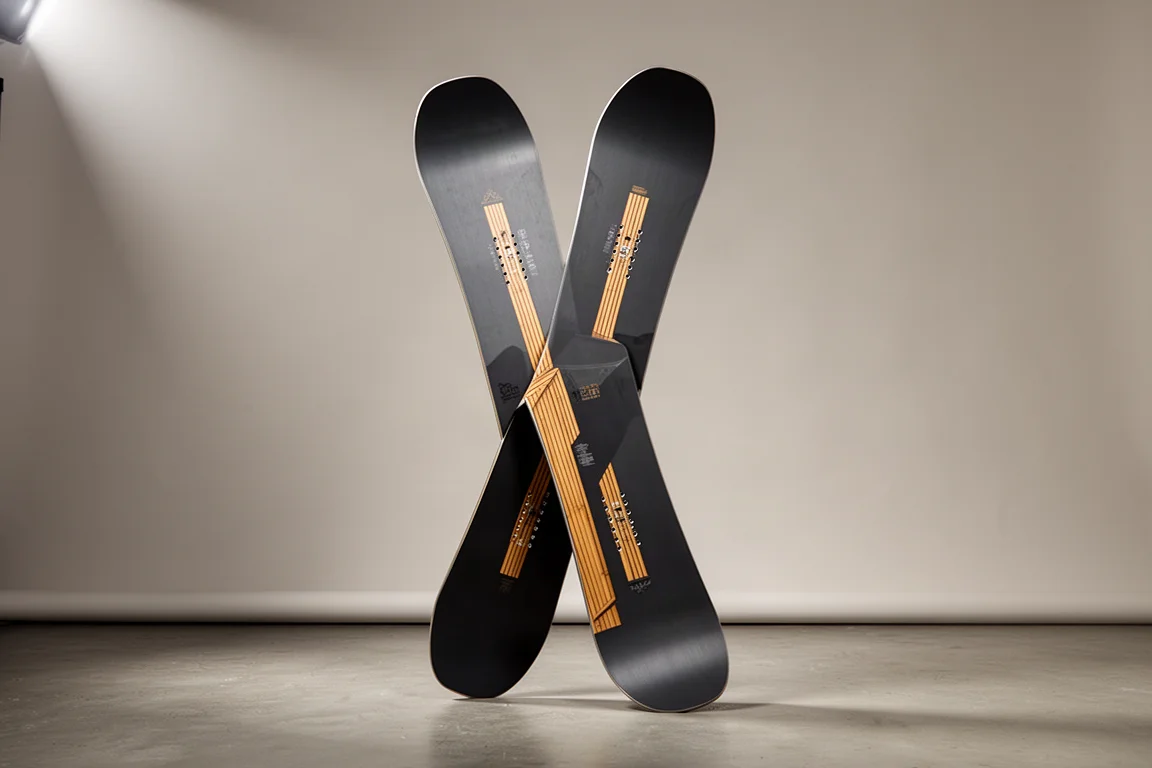
The Rome Freaker received a new shape for 2025, and it is a meaningful change rather than a cosmetic refresh. The board uses Rome’s Fusion camber, which is traditional camber underfoot flowing into a micro rocker in the tip and tail. That combination gives you the load, pop, snap, and drive of camber where it matters, while the rocker in the tips makes turn entry and exit easier and creates a generous sweet spot for pressing and buttering.
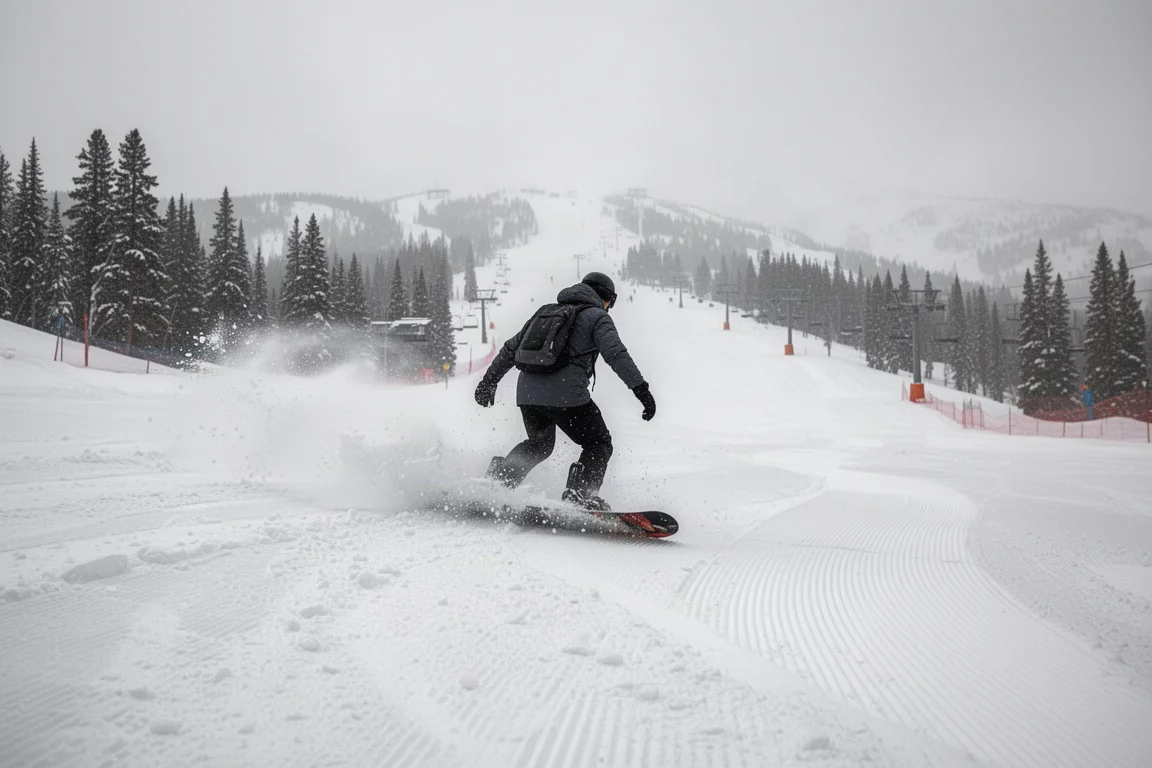
It is available in 153, 156, 159, 157 wide, and 160 wide, so most riders should find a size that works. This review is based on riding it at Copper Mountain on a day with a little bit of everything: chunder, dust on crust, corduroy, ice, and high winds, paired with Rome Black Label bindings and K2 Thraxis boots.
Who This Board Is For
Rome leaned into a directional flex on this board even though it is a directional twin. The nose is softer because there is only one Omega bamboo rod up front, while the tail carries two, so the flex progressively stiffens from nose to tail. The difference is not dramatic, but it is there, and a key flex point sits right inside the rear foot so you can elevate the front of the board when you drive your knee into it.
This is a board for someone who likes serious snap and wants one board that can do it all. It is a quintessential directional twin in that sense: playful enough to press, powerful enough to charge.
Main Strengths
The torsional flex is very reactive rather than soft and spongy. You can twist the board, but expect it to snap right back. Stability is strong too: any chatter in the nose mostly dissipates before it reaches the front foot, and through roughed-out terrain the board stays on top, pushes through everything, and wants to keep charging.
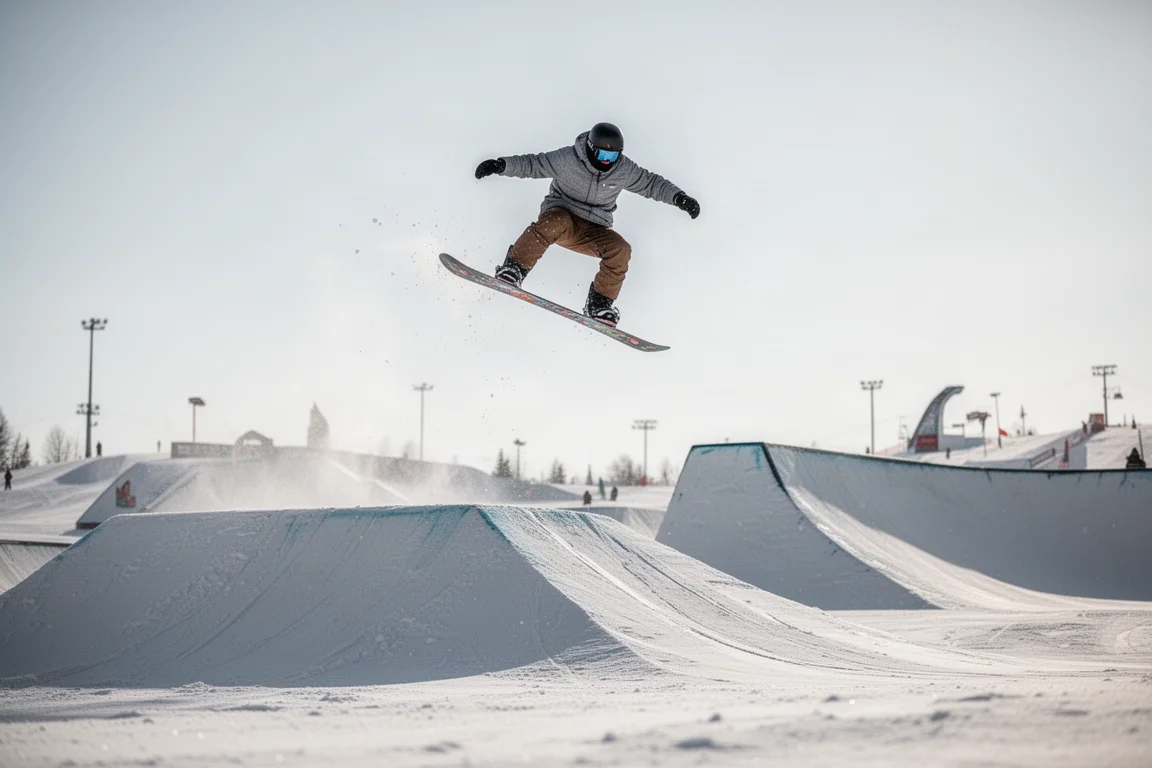
The camber profile is easy to load up. Roll back on the tail, engage those two rods, and the board springs you higher and further. It handles small, medium, and large jumps without complaint, popping off the lip and carrying you past the knuckle. Even if you do not load it up and simply let the lip throw you, the board still reacts and springs.
Pressing, Buttering, and Jibbing
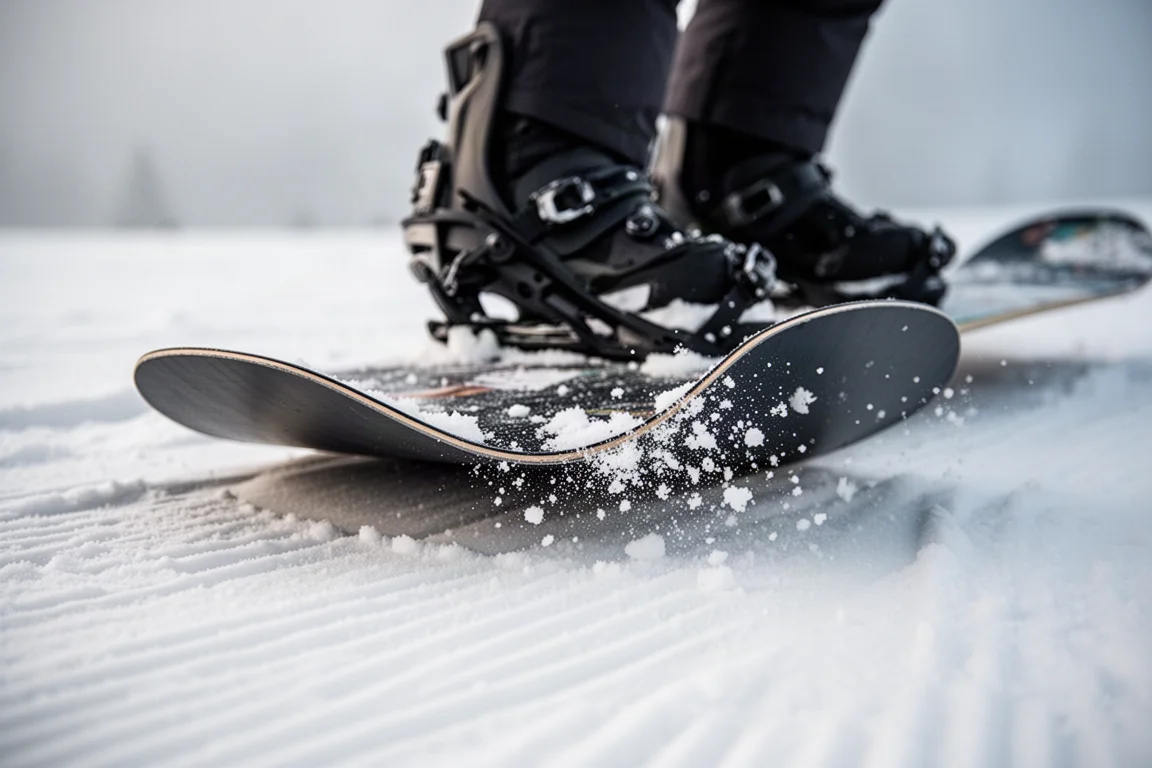
The rods sit right where the sweet spots are in the nose and tail. The nose is easier to press since there is only one rod in it: get your weight out over it, it flexes in easily, you can hold it, and at the end of the butter it springs you right out. The tail takes more effort and you will find yourself sitting on it more, but you get double the spring out of it when you engage both rods.
Jibbing follows the same logic. The board is highly reactive, so you need to push and keep your weight out over the nose or tail to hold a press, and it springs you out at the end of the feature. Sideways, it locks in around the feature without clapping out. It is not the most forgiving board in this respect, but if you know how to jib you will have a fine time, and if you do not, it will teach you to correct some bad habits.
Edge Performance and Carving
The biggest change with the new shape shows up on edge. Power transmission from toe to heel is fluid and smooth, and you can feel the power without the board holding you back. The reactive torsional flex means you can ankle steer, but the board will add spring on top of what you put in.
That flex point in front of the back insert pack is the key. Driving the board on edge, even at medium speed, you can push into it, load the camber, disengage the front, and loop the board out of a carve and lay it over aggressively. Medium mellow carves are where it really changes: you can go from a medium carve to a hard carve with very little change in power, and at speed you can get remarkably aggressive with it. Short, tight, quick carves are simple ankle-steering affairs.
Things to Consider Before Buying
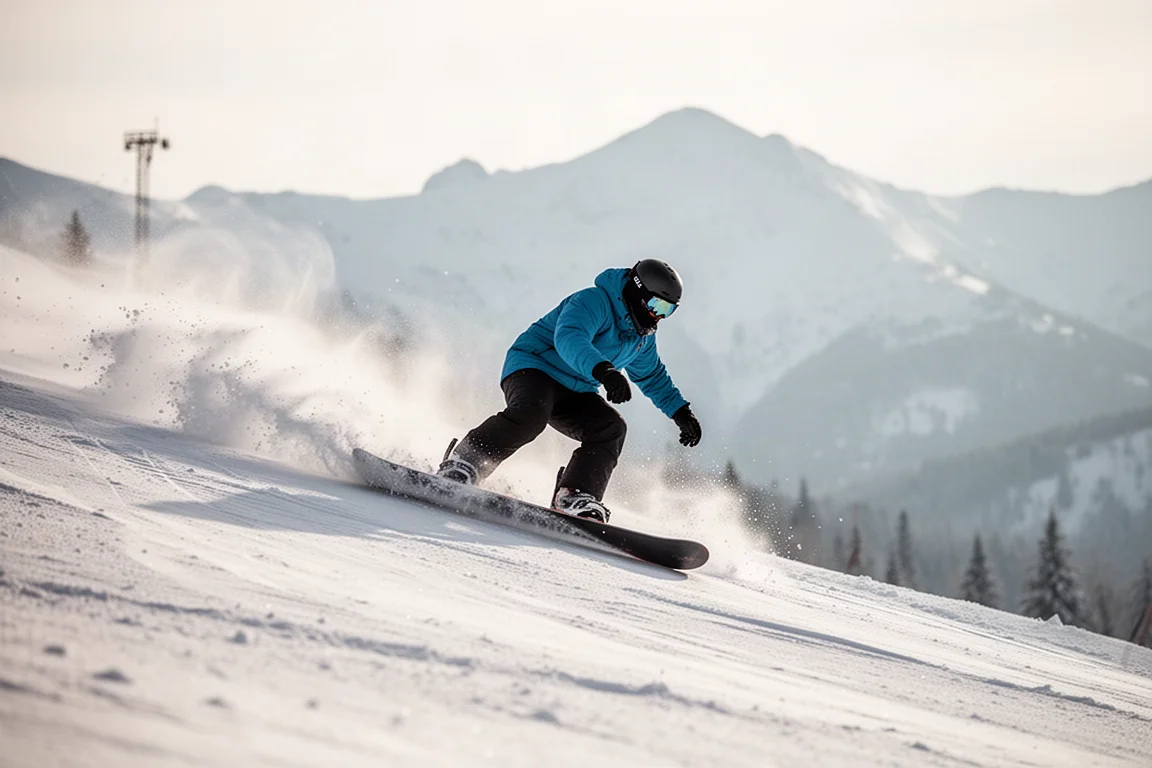
This board rewards skill. The tail press takes effort, and presses in general demand that you commit your weight out over the contact point. If your press technique is weak, the reactive nature of the board will expose it. It is also worth noting that it is not as forgiving as some other boards, so beginners may find it demanding.
On the plus side, if you liked the old Freaker, this version has more snap, more power, better edge hold, and better edge initiation. It is the kind of board you do not want to get off at the end of the day, and it would work as a daily driver.
Buying Advice
Comparable boards worth looking at include the Bataleon Beyond Medals, the Ride Shadowban, and the Rossignol One. If you are pairing it with bindings, the Rome Katana, Yes Standard bindings, or the Union Force are recommended matches.
For riders considering it as a single quiver board, the mix of camber drive, easy turn entry, and press-friendly tips makes a strong case.
Conclusion
The 2025 Rome Freaker is a quintessential directional twin with serious snap, strong edge performance, and a camber-rocker profile that balances power with pressability. It suits riders who can handle its reactive character and want one board to carve, jump, and jib. If that description fits, it belongs on your shortlist.
Product link
View more details for Rome Freaker
This product is mentioned in the review. Check the specifications, options, and compatibility before buying.
View more details for Rome FreakerFurther reading
Related Reviews

Snowboards
32 Middle Earth Scott Stevens Pro Model Snowboard Review: A Park Board With a Reversed Flex
A medium traditional camber park board with carbon V reinforcement that is stiffer in the tips and more playful between the feet. Here is how it rides and who it suits.

Snowboards
32 Snafu Review: A Directional All-Mountain Freestyle Board with Serious Pop
The 32 Snafu pairs a directional camber-rocker profile with a stiffening tail for powerful carves, big ollies, and a surprisingly damp ride.

Snowboards
32 XXX Pat Fava Pro Snowboard Review: A Stiff Camber Beast for Hard-Charging Riders
A full-width traditional camber deck that rewards aggression with stability and edge power, but demands effort everywhere else.