Snowboard Bindings
Rome Crux Binding Review: A Soft, Minimal Freestyle Binding for Park Riders
The Rome Crux is a soft, playful snowboard binding with a minimalist strap design. Here is how it performs, where it fits, and what to check before buying.
Introduction
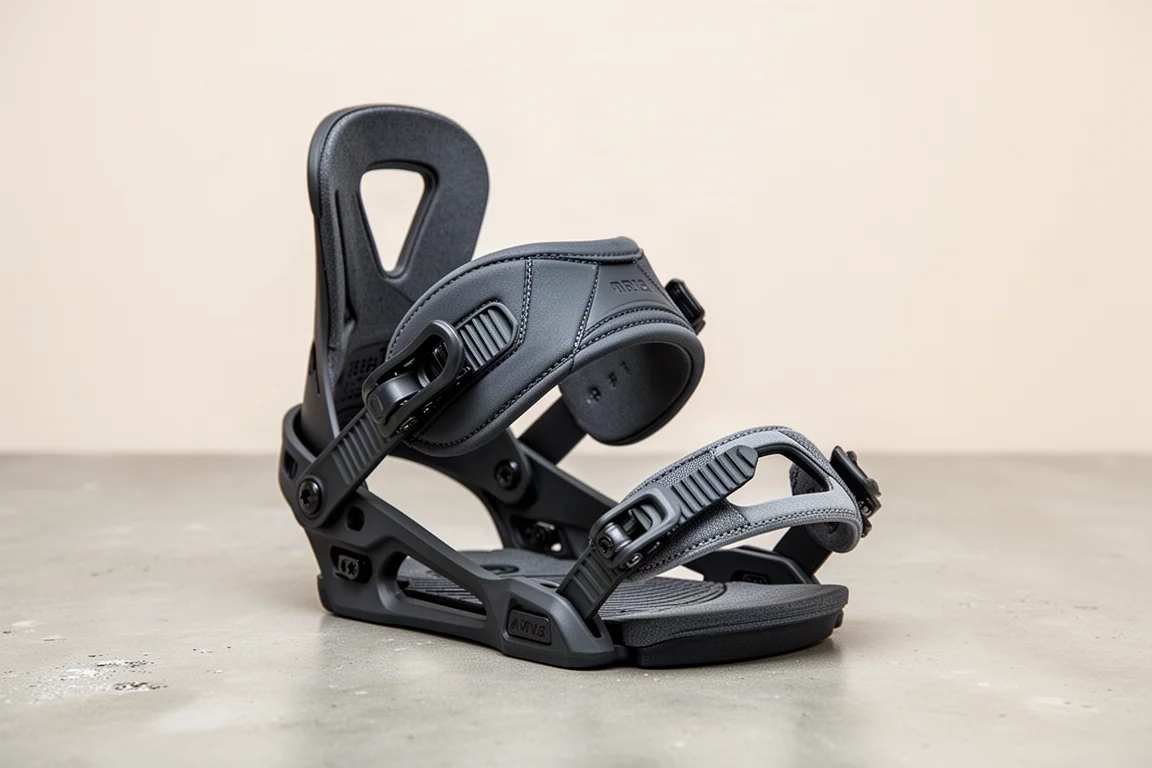
The Rome Crux is a soft-flexing freestyle binding built around a stripped-back chassis, unpadded straps, and a very direct ride feel. It was put through a mixed day of spring-like conditions: overcast skies, low to moderate winds, falling snow, heavy powder off the runs, soft creamy groomers, chunder, and slush on the lower mountain. The setup paired the binding with a volume-shifted board and K2 Thraxis boots, which is a useful reference point, because the boot does a large share of the cushioning work here.
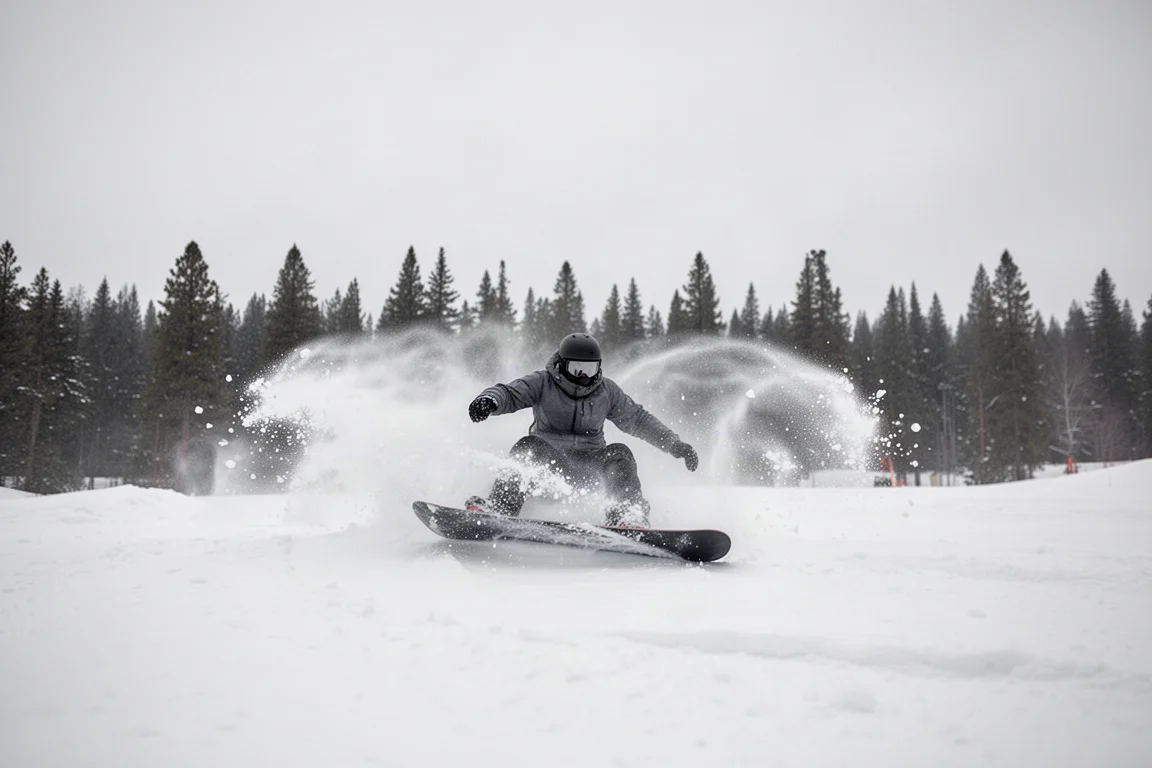
That range of conditions matters for a binding like this. The Crux does not try to smooth anything out, so the way it behaves in soft snow, tracked chunder, and wet slush tells you more about its character than a single groomer lap would.
Who the Rome Crux Is For
This binding is aimed squarely at the budget-conscious park rider. If you want a soft, playful setup that lets you move the board around underneath you, twist into presses, and feel the terrain through your feet, the Crux fits that brief.
It also appeals to riders who miss the simpler bindings of years gone by. There is no foam padding on the straps, no extra hardware for dampening, and no attempt to isolate you from the snow. Everything you feel comes through the boot, the straps, and the baseplate.
It is a poor match for riders who want a quiet, damp ride at speed, or who prefer a stiffer binding for aggressive all-mountain charging.
Main Strengths
The ratchets are the least complicated part of the package, and they work. One-finger quick release is available on both the toe and the heel, the ladders climb cleanly, and they stay locked in without sticking. They behave like the ratchets on other bindings from the same brand, which is a good thing.
The heel strap is deliberately minimal. The plastic is more rigid through the middle with a little give on the outside, and there is no foam padding at all. That means the boot supplies the cushioning, which in turn gives the strap more feel and more give under load.
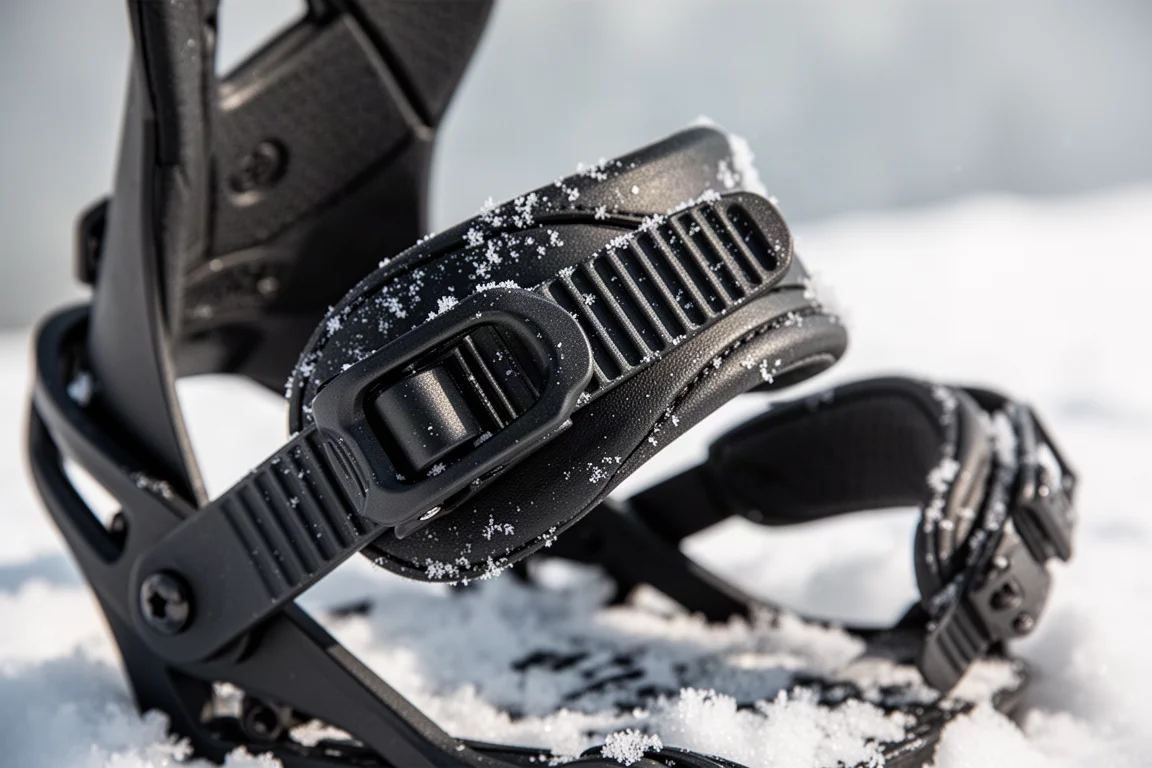
The toe strap uses one of the largest cutouts around, so it will accommodate a wide range of boots. The plastic is malleable and flexes easily, so it contours without much effort.
The highback is similarly simple. Forward lean adjustment is a quick flip-and-slide affair that locks into place, and the highback itself is soft and playful with plenty of give. Push hard into it and you will feel it flex rather than resist.
Adjustability and Fit
There is a reasonable amount of adjustment on paper. Pop cams let you lengthen or shorten the toe and heel straps to centre them on the boot. A placement on the outside of the heel cup rotates the highback so you can run it parallel to your heel edge. Pop pins give three positions for the toe strap, and the toe ramp slides forward or backward to tune the footprint.
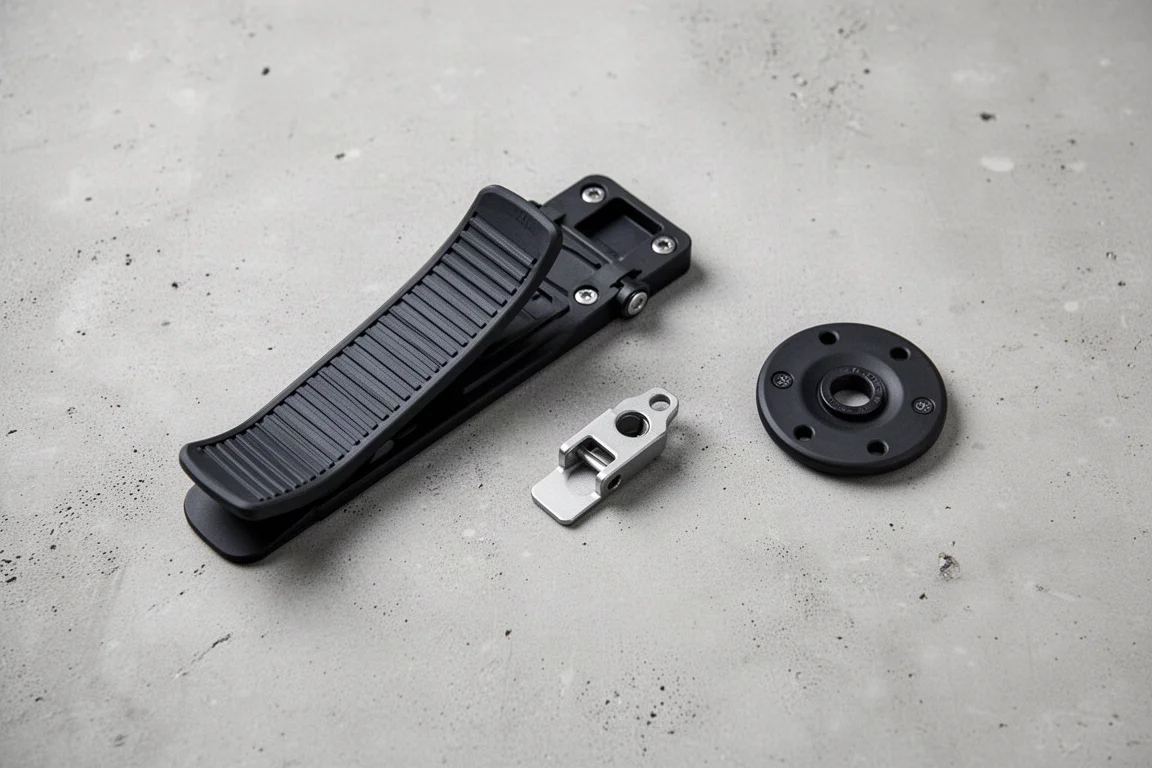
The toe ramp is where things get frustrating. It is held in place by a small metal locking mechanism that spins, and it is far more complicated than the job requires. A simple plastic tab would do the same work with less fuss, and in practice the mechanism is awkward to operate and easy to fight with.
Fit is the other thing to watch. The oversized toe strap cutout is generous enough to swallow many boots, but depending on your boot shape it can be too large and fail to hold the way it should. Both available sizes accepted the same boot during testing, and the heel strap still left something to be desired, so this is a binding worth trying with your own boots before committing.
Things to Consider Before Buying
Expect to feel everything. There is no padding in the straps and no dampening in the chassis, so chatter, ice, and hard landings all travel straight to your feet. Riders who like a cushioned ride will notice the difference immediately.
The flex is genuinely soft, and a large part of that comes from the chassis. The heel hoop is missing on the outside, which opens up lateral play, and the straps add their own give from toe to heel. An older-style large disc is the main thing holding any of that flex back.
The highback is soft enough that a hard forward push produces noticeable give. That is the character of the binding rather than a fault, but it means the Crux is not the tool for riders who want a stiff, supportive platform.
Adjustability is also more limited than the spec sheet suggests, and the toe ramp hardware is the least pleasant part of the ownership experience.
Buying Advice
The Crux makes the most sense as a dedicated park and freestyle binding for riders on a budget who want soft flex, maximum board feel, and a very simple build. If that describes your riding, the trade-offs are mostly things you will not miss.
If you want a more damp, more supportive ride, it is worth comparing the K2 Indy, the Burton Mission, and the Union STR, all of which sit in a similar conversation. Those options will not necessarily feel softer or livelier, but they approach the same category with different priorities.
Whatever you choose, bring your boots. Strap fit is the single biggest variable here, and a binding that fits one boot shape well can feel vague on another. A shop fitting or a careful return policy is worth more than any spec comparison.
Conclusion
The Rome Crux is a deliberately minimal, very soft freestyle binding with good ratchets, a direct feel, and a price-conscious positioning. It rewards riders who want to feel the mountain and move the board around, and it frustrates anyone expecting padding, dampening, or a refined toe ramp locking system. Buy it for the park, match it to your boots, and know that the flex is the whole point.
Product link
View more details for Rome Crux
This product is mentioned in the review. Check the specifications, options, and compatibility before buying.
View more details for Rome CruxFurther reading
Related Reviews

Snowboard Bindings
2024 Union Ultra Snowboard Bindings Review: A Cushy, Freestyle-Focused Favorite
Two seasons on the 2024 Union Ultra: a lightweight, tweakable freestyle binding with standout comfort, a damp molecular bushing, and thoughtful hardware fixes.

Snowboard Bindings
32 Team Phase Binding Review: A Fast Entry Binding Built for Freestyle Laps
The first binding from 32 uses the Phase chassis for quick step-in entry with a softer, freestyle-leaning flex. Here's how it performed on the snow.

Snowboard Bindings
Arbor Cypress Snowboard Binding Review: A Laid-Back Cruiser That Can Charge
A closer look at the Arbor Cypress binding's adjustability, strap feel, and that oddly tall highback before you decide to buy.