Snowboard Bindings
Rome Black Label Bindings Long-Term Review: What 150 to 300 Days of Riding Does
A long-term look at the Rome Black Label bindings after more than 150 days on the least-used pair and close to 300 on the most-used, covering what wears out, what breaks, and what you can fix yourself.
Introduction
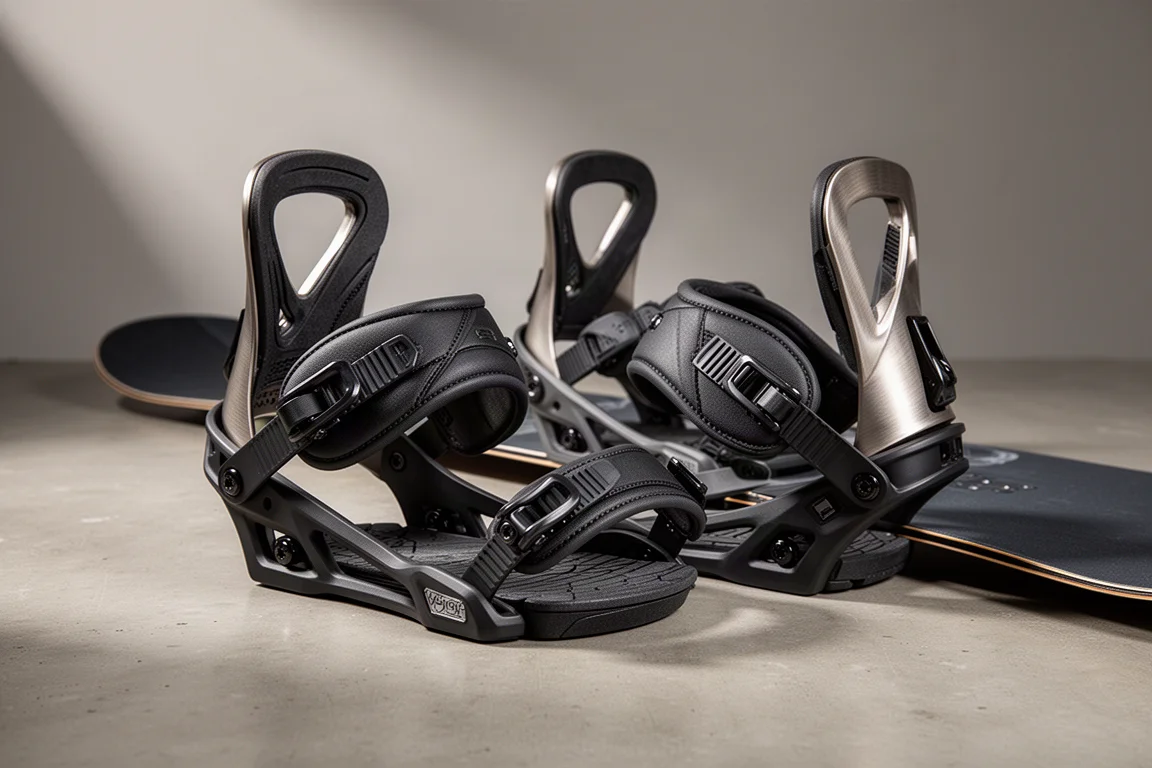
Bindings are the piece of snowboard equipment most riders can hold on to the longest. With basic care and a willingness to swap individual parts, a well-built pair can stay in service across multiple seasons while boots, outerwear and decks wear out around it. Parts are easier to replace on a binding than on any of those other items, which is what makes them worth maintaining rather than discarding.
The Rome Black Label has been ridden across three pairs, with the least-used set carrying somewhere between 150 and 200 days and the most-used set closer to 300 days. That is several seasons of lift lines, sun exposure and repeated strapping in and out. What follows is a plain account of what actually failed, what merely wore down, and which of those things a rider can fix at home.
None of the failures recorded across those three pairs ended a season early. That is the headline finding, and it shapes everything below.
Who the Rome Black Label Bindings Are For
These bindings suit riders who put in a lot of days and intend to keep the same pair for several seasons. They also suit riders who are comfortable doing small maintenance tasks: checking screws, applying thread adhesive, and swapping a strap or a ladder when it wears.
They are less obviously aimed at someone who rides a handful of days a year and replaces gear frequently. The value of a serviceable two-piece binding shows up over time, not in the first month. If you prefer to buy once and never open a tool, the repairability matters far less to you.
Main Strengths: Durability Across Multiple Seasons
The footbed is one of the quiet successes. After heavy use, the foam showed very little compression, and it continued to work as a dampening layer rather than packing out into a hard slab. The clip tabs at the back of the footbed, which hold it flat against the binding, are the only part of that assembly that has given trouble, with one broken tab on each pair and occasional difficulty getting them to clip in cleanly. Replacements are available through warranty and are also sold separately. Canted footbeds can be swapped in, and running the flat footbed is a straightforward option.
The two-piece construction is the other structural advantage. A nylon composite footbed base tray carries the load while an aluminium heel cup handles the lateral stiffness. Because those are separate components, a damaged heel hoop can be replaced on its own rather than condemning the whole binding. That design choice is what keeps a heavily used pair serviceable.
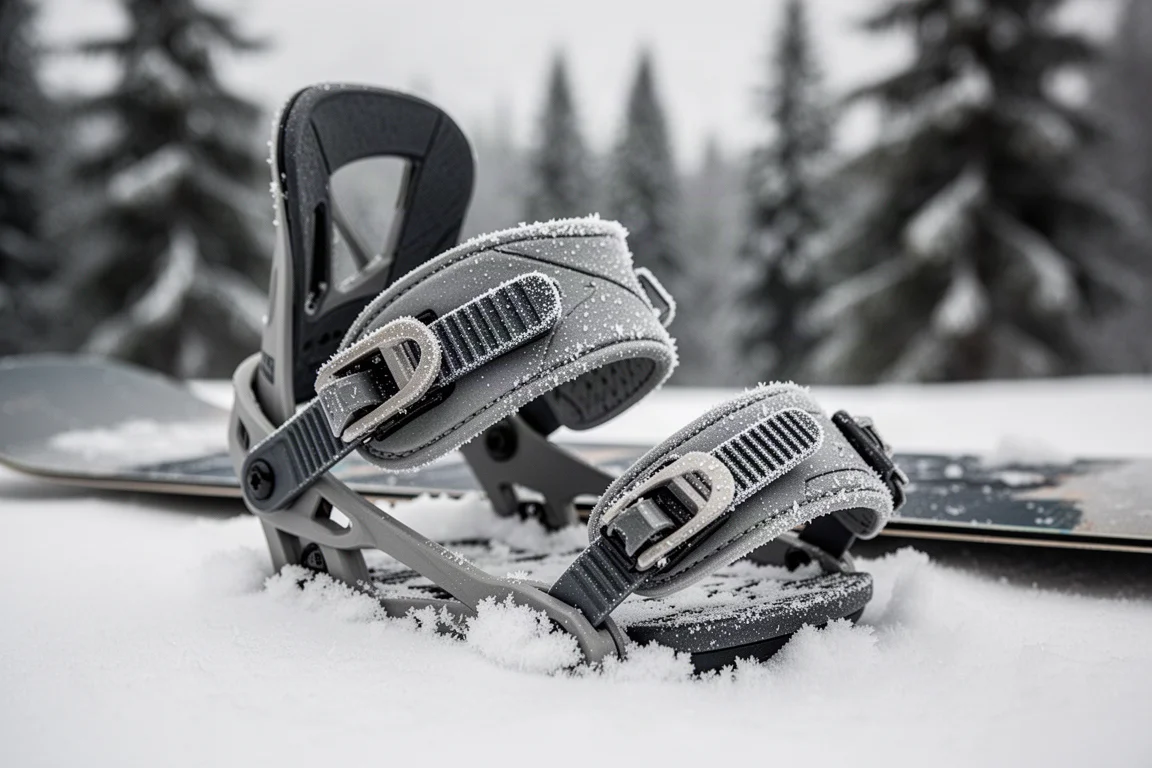
The ankle strap is worth calling out separately. The foam used in the Ultra Light ankle strap does not break down the way multi-piece constructed straps can, so it contours to the boot and holds its shape instead of stretching out over time. After heavy use there is some padding wear and the strap looks broken in, but there is no structural breakdown and no sign of the pressure points that develop when a strap stretches unevenly.
Where Wear Shows Up First
The most common failure across all three pairs was the toe strap. The mesh on the inside hardened over time and cracked, and on one pair it was blown out badly enough that it looked ready to let go. Warranty support supplied a set of replacement toe straps. Leaving gear in the sun through the off season is one likely contributor, but toe straps also live in the elements every day of the season and take repeated ratchet pressure.
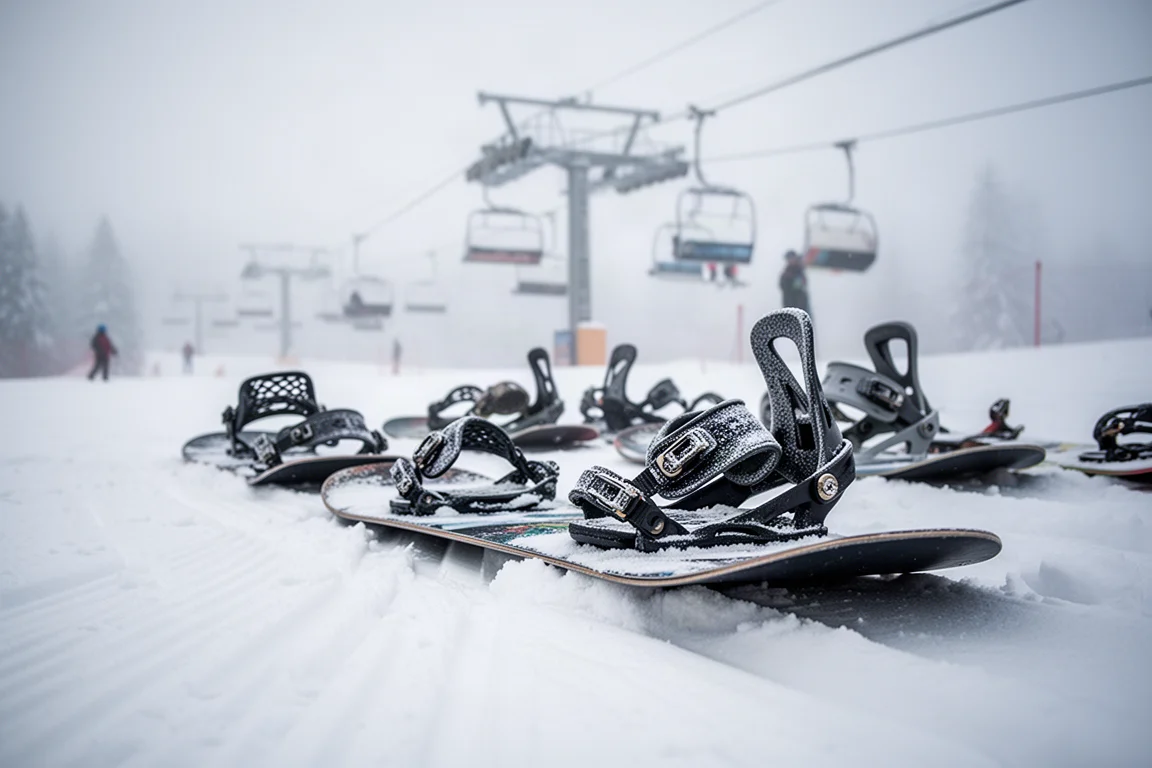
Ratchets were the second recurring issue. Two release tabs snapped off. In one case the entire ratchet was obliterated, likely after a skier stepped on it in a lift line while it hung off the edge of the board; the ratchet could be pushed back down to the base and replaced without drama. The second snapped tab was mostly cosmetic and the ratchet still functioned. All the other original ratchets remain in service.
Ladder strap teeth wear down gradually from repeated cranking and releasing. No pair here has fewer than 150 days, and all are still on their original ladders, but the wear is visible. Replacement ladders are inexpensive and simply pop in, which effectively renews the strap.
The highback broke once, from being stepped on in a lift line while kicking it down. It peeled back and cracked, the rider finished the day on it anyway, and a highback from another pair was used to complete the set. A highback is an expensive part when it does break, but this is a rare event. The previous instance was roughly eight or nine years earlier, when a low-swinging chairlift caught a kicked-down highback and snapped the top off.
How to Inspect a Set of Bindings Before You Replace Them
For a unibody binding, where the heel hoop and base plate are one solid piece, flip it up and look at the underside. If a foot pad covers it, pull the pad off first. Look for stress cracks around the top where the mounting disc seats, then check the grooves where the teeth engage to make sure they are not worn to the point that the disc sits sloppy.
Flip it over and inspect the sides for stress cracks. The most useful signal is any area turning chalky white, which indicates the material is drying out. As it dries, it loses its natural flex, and that is precisely where bindings crack and break down. Bindings produced in the last five years are unlikely to show this yet, since they are still inside that five to ten year window. On anything ten years or older, this check is worth doing properly.
For a two-piece construction like the Black Label, check the screws and the points where the heel cup attaches to the base tray, looking for cracks or fatigue in the metal. Then move to the straps: check for worn areas that no longer grip, wear from the ratchets on the ladder straps, and slits, cracks or fatigue in the toe straps. Grab the highback and rotate it to feel for any give, inspect its padding, and work through the binding screw by screw.
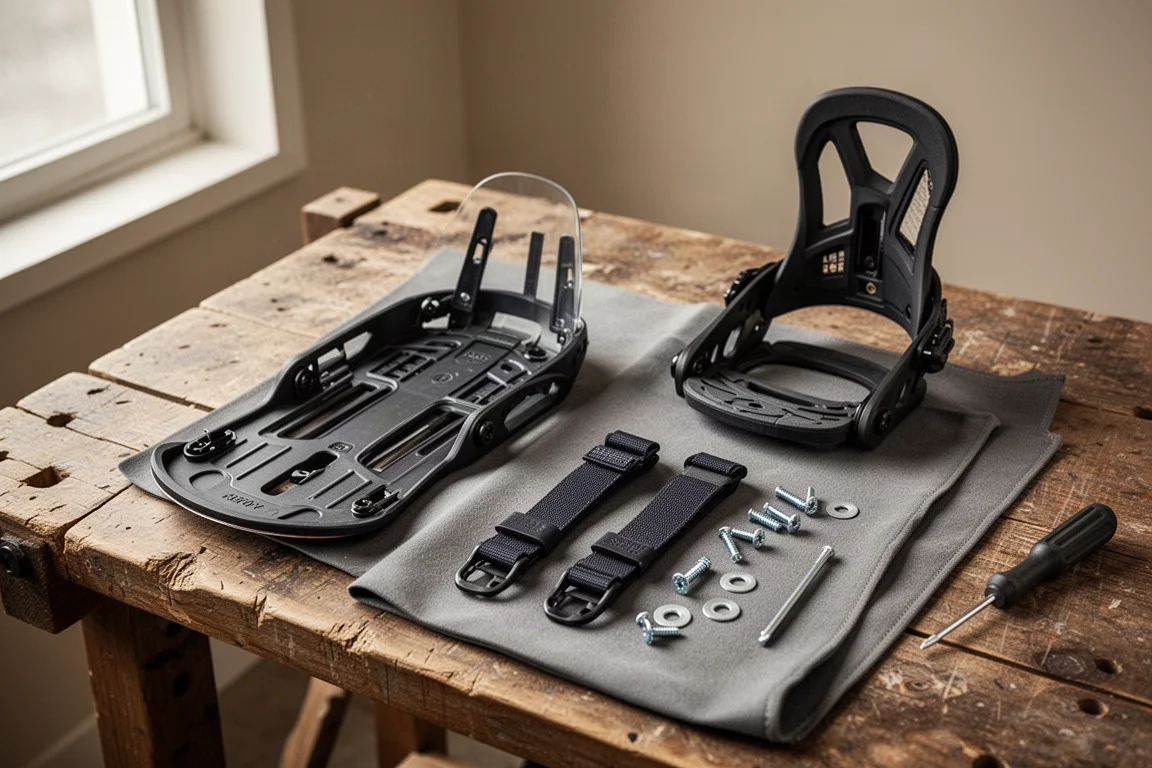
If the base tray, heel cup, highback and straps all pass those checks, the binding is still good to ride. Parts can also be upgraded individually, so a rider on a budget can rebuild a set rather than replace it, or experiment with a different strap to change how the binding feels underfoot.
Maintenance Habits That Extend Binding Life
Screws are the maintenance item that matters most. Heel cup screws tend to loosen every five to ten days of riding if nothing is done about it. A thin coat of super glue or blue Loctite painted onto the threads, rather than gobbed on, followed by tightening, keeps them seated. Mounting screws deserve the same treatment, particularly for riders who move bindings between boards, since repeated swaps wear the threads and strip the factory thread locker.
Checking screws is a habit rather than a repair. On the last day of a season, a toe ratchet came loose because the screw had released from the toe and had not been checked recently. Adhesive and a tighten would have prevented it. Beyond fasteners, the maintenance list is short: replace toe straps when the mesh cracks, replace ladders when the teeth round off, and keep a spare highback if you want insurance.
Things to Consider Before Buying
Not every failure belongs to the binding. Lift line damage from skis and boots is a real risk for any binding, and sun exposure in the off season can harden the inner mesh of a toe strap. Scuffed paint on the aluminium heel cup is cosmetic and not a defect. One heel cup here picked up a small dent from being dropped hard, with no structural effect noticed, and past aluminium heel cups from other brands have been bent and still finished a season. Only an abnormally deformed heel cup would justify replacement, and on a two-piece binding the heel hoop can be bought on its own.
Strap preference is worth thinking about before you buy. The current generation ships with the Aux Tech ankle strap, while the earlier Ultra Light strap has a following among riders who prefer its feel. Some riders swap between them to keep a quiver consistent, and some report that Aux Tech straps stretch over time and develop pressure points where the Ultra Light foam does not.
Expect to spend a little on consumable parts across several seasons. Toe straps, ladders and footbed clip tabs are the items that come up, and the ability to buy them individually is the reason a heavily used pair can keep going.
Buying Advice
Buy the Rome Black Label if you ride a lot, plan to keep one pair of bindings for years, and are willing to spend a few minutes on maintenance a couple of times a season. The two-piece build is the strongest argument in its favour: separate base tray and heel cup mean damaged parts can be replaced instead of the whole binding.
Budget for the small stuff as well. A set of replacement toe straps, a couple of ladders and some thread adhesive cost far less than a new pair of bindings, and they are what keep a well-used set in rotation. If you swap bindings between boards often, be prepared to refresh mounting screws sooner, since that is the scenario where threads wear fastest.
If you ride a handful of days a season, the repairability premium may not pay off for you, and a simpler binding will do the job. If you ride a hundred days or more, the maths works out differently.
Conclusion
After more than 150 days on the least-used pair and close to 300 on the most-used, the Rome Black Label bindings are still in service. The realistic failure list is short and mostly consumable: toe straps, a couple of ratchet release tabs, footbed clip tabs, worn ladder teeth and screws that need adhesive. The single highback break came from a lift line accident, not from normal riding.
The plan is to run all three pairs for another season, which adds at least another 150 days spread across the sets. That is a reasonable expectation for a binding that is built to be maintained rather than replaced, and it is why bindings remain the piece of snowboard gear most riders can hold on to the longest.
Product link
View more details for Rome Black Label Bindings
This product is mentioned in the review. Check the specifications, options, and compatibility before buying.
View more details for Rome Black Label BindingsFurther reading
Related Reviews

Snowboard Bindings
2024 Union Ultra Snowboard Bindings Review: A Cushy, Freestyle-Focused Favorite
Two seasons on the 2024 Union Ultra: a lightweight, tweakable freestyle binding with standout comfort, a damp molecular bushing, and thoughtful hardware fixes.

Snowboard Bindings
32 Team Phase Binding Review: A Fast Entry Binding Built for Freestyle Laps
The first binding from 32 uses the Phase chassis for quick step-in entry with a softer, freestyle-leaning flex. Here's how it performed on the snow.

Snowboard Bindings
Arbor Cypress Snowboard Binding Review: A Laid-Back Cruiser That Can Charge
A closer look at the Arbor Cypress binding's adjustability, strap feel, and that oddly tall highback before you decide to buy.