Snowboards
Rome Artifact Pro Review: A Park-First True Camber Board
The Rome Artifact Pro pairs true camber with a playful soft flex, making it a strong pick for advanced park riders, though it demands softer snow to shine.
Introduction
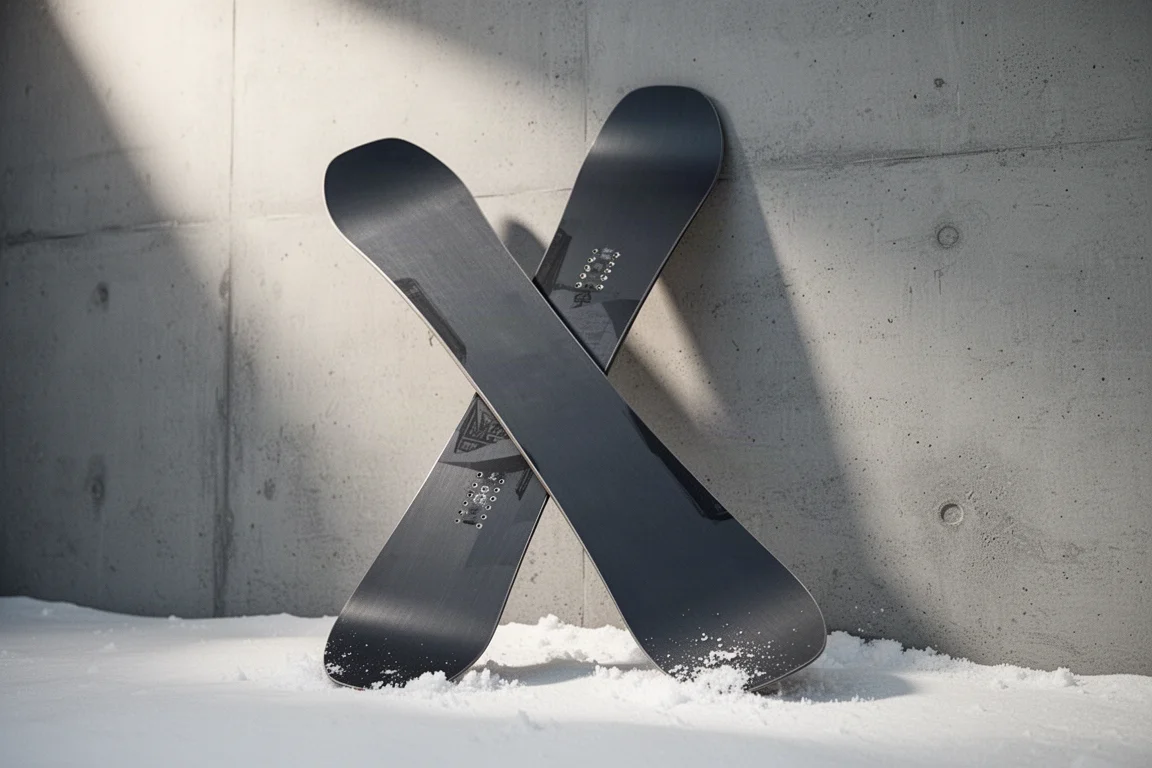
The Rome Artifact Pro is a true camber park board aimed squarely at advanced riders. Rome equips it with the Stay Positive camber profile, a classic tip-to-tail camber shape that delivers the drive, pop, and snap you expect from traditional camber construction. It also carries rods in the nose and tail that add a distinct rebound character to presses and takeoffs. After riding it through a full resort day, the picture is clear: this is a board that thrives in the park and on fresh groomers, with some clear limitations elsewhere.
First Impressions on Snow
Testing took place at Copper Mountain on a sunny, warmer day, though the groomers stayed perfect and firm. Shaded areas held their firmness throughout the day while everything else softened slightly, but nothing turned to soup. The board was paired with Ride Fuse boots and Jones Mercury bindings.
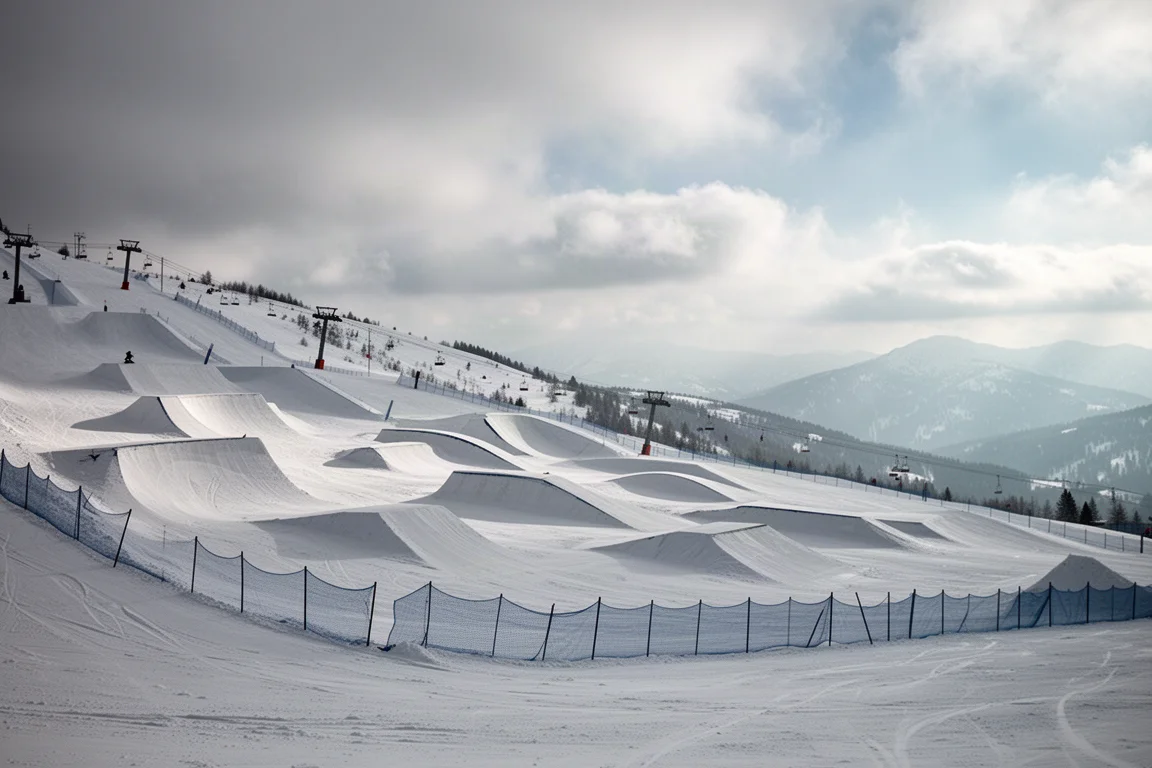
The first thing that stands out is the flex. Softer than the middle of the road, the Artifact Pro is easy to foot steer torsionally since there are no rods running through the center of the board. The nose and tail carry a bit more snap and may feel slightly stiffer when flexed, but not by much. That liveliness cuts both ways: with few dampening agents in the construction, you feel fresh corduroy underfoot, and push piles or choppy terrain expose a lack of stability. Where the board truly excels is the park and clean groomers with few obstacles in the way.
Ollies and Jumps
Loading the board for an ollie is easy, and the rod in the tail provides a nice rebound. Do not expect to go to the moon, but the pop is satisfying. Translated to jumps, the effect is even better: it honestly feels like there is near-auto pop, with the rod in the tail making the board naturally want to launch off the lip so you barely have to work for it.
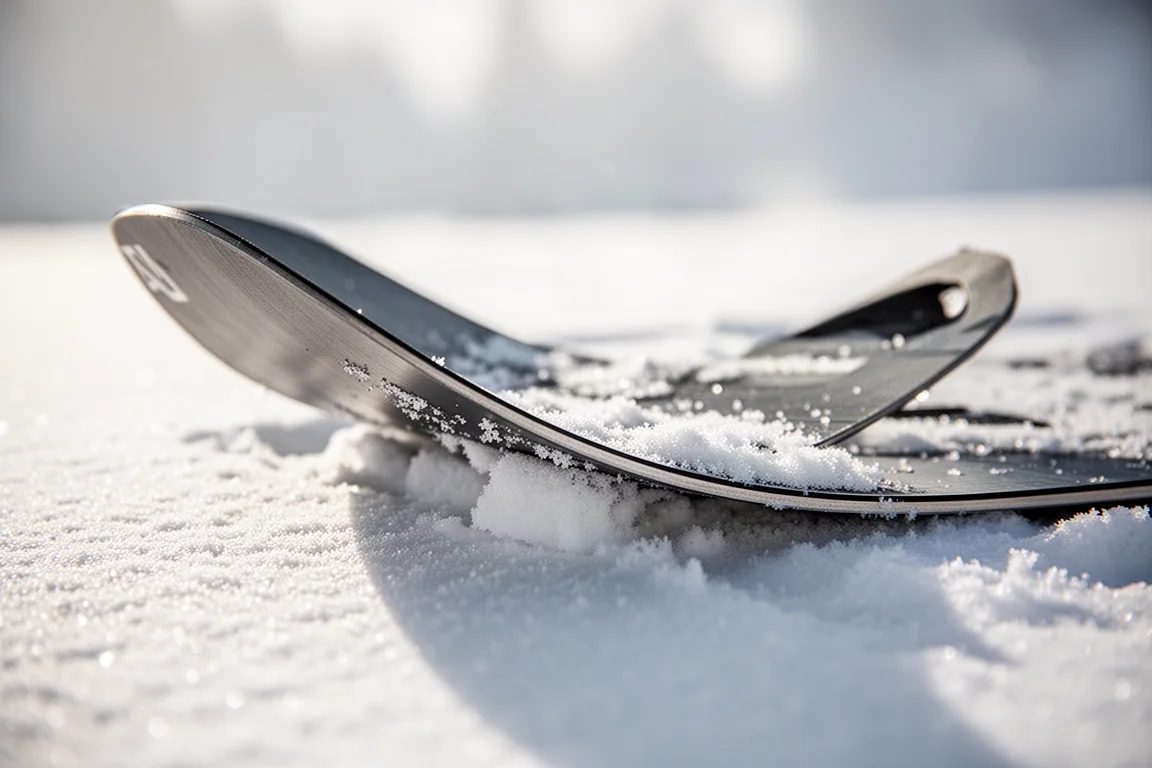
That said, size discipline matters. Medium to smaller jumps are the sweet spot. On anything too large, the soft flex simply does not hold up well on takeoff or landing when you come in hot.
Butters and Jibbing
Buttering this board is unusually forgiving because there are two sweet spots on both the tail and the nose. Lean back slightly and you get a broad flexing area while the rod stays straight. Lean all the way back and you engage the double kick tail, which is flat at the first part and holds you there, opening up spicier tail-drag style butters. Expect a slight pop out of the nose too, again thanks to the rods doing the work.
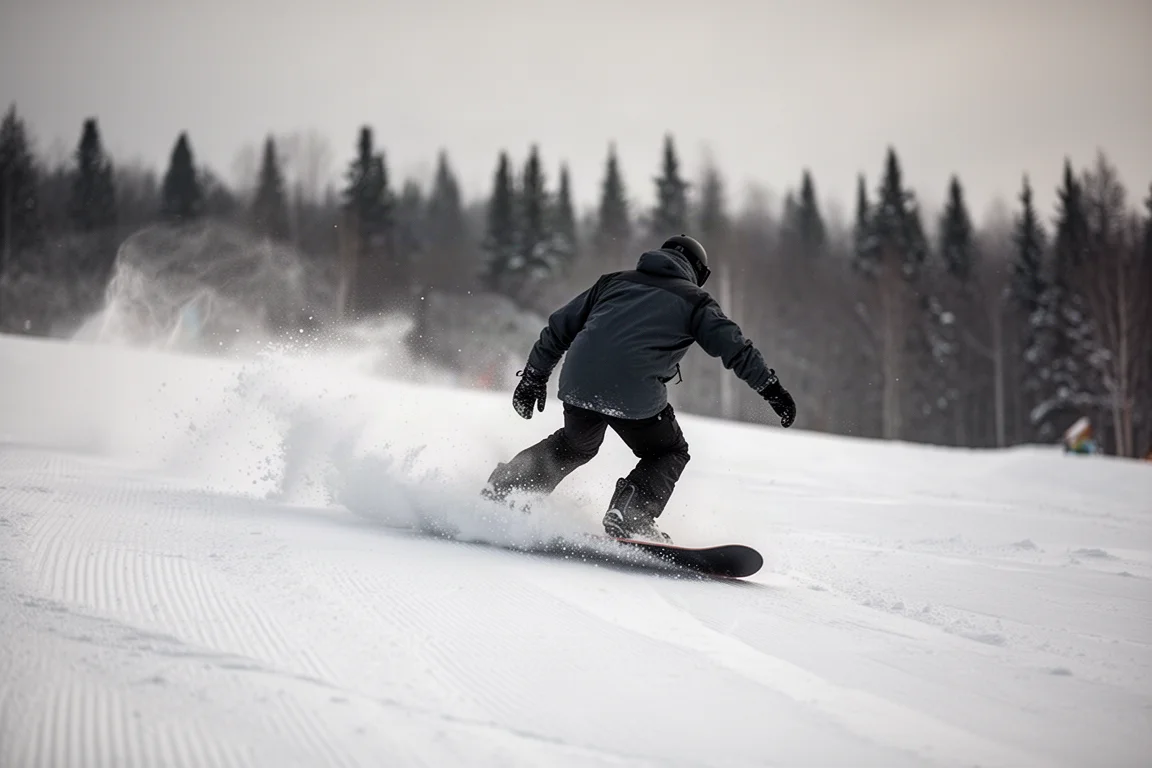
Jibbing is where the soft flex pays off most. Getting onto tail presses, nose presses, and slides is easy thanks to the large sweet spots, and when you come in sideways, the board cradles the rail well. It stays smooth after the landing without digging in or sliding out on heels, and once landed flat, it stayed flat throughout testing.
Carving and Edge Hold
On firm morning snow, carving was not the highlight. Many turns felt like setup turns rather than genuinely engaged edges, and medium to large carves struggled to bite as deeply as desired. That is the trade-off of the softer flex. As the snow softened later in the day, the board dug in noticeably better, and short, quick carves were money all day long, which fits a board made for the park. Approaching rails held up fine even on harder surfaces, and euro carves are possible if you wait until conditions are not super icy or hard.
Who This Board Is For
The Artifact Pro is built for the overall park rider on the advanced end of the spectrum. If it sounds appealing but you are not quite at that level, the regular Rome Artifact is worth a look instead. It was great in the park, but for bigger all-mountain terrain or especially super icy conditions, it is not the right tool since it does not bite in enough. On softer slush or lighter snow, however, you will be just fine.
Comparable boards include the Ride Kink, the Lib Tech Off Ramp, and the Bataleon Disaster Plus. Recommended bindings pairings are the Rome 390 Boss, the Union Force, and the Salomon Hologram.
Conclusion
The Rome Artifact Pro delivers genuine true camber snap and a playful, jib-friendly flex that makes it a joy in the park, from butters and rails to medium jumps with effortless pop. The compromises are equally clear: it is lively rather than damp, and it needs softer snow to carve well. For the advanced park rider whose days revolve around jumps and jibs, it is a compelling pick; riders facing ice or big-mountain terrain should look elsewhere.
Product link
View more details for Rome Artifact Pro
This product is mentioned in the review. Check the specifications, options, and compatibility before buying.
View more details for Rome Artifact ProFurther reading
Related Reviews

Snowboards
32 Middle Earth Scott Stevens Pro Model Snowboard Review: A Park Board With a Reversed Flex
A medium traditional camber park board with carbon V reinforcement that is stiffer in the tips and more playful between the feet. Here is how it rides and who it suits.

Snowboards
32 Snafu Review: A Directional All-Mountain Freestyle Board with Serious Pop
The 32 Snafu pairs a directional camber-rocker profile with a stiffening tail for powerful carves, big ollies, and a surprisingly damp ride.

Snowboards
32 XXX Pat Fava Pro Snowboard Review: A Stiff Camber Beast for Hard-Charging Riders
A full-width traditional camber deck that rewards aggression with stability and edge power, but demands effort everywhere else.