Snowboards
Rome Agent 20th Anniversary Review: A Consistent All-Mountain Freestyle Snowboard
A close look at the Rome Agent 20th Anniversary, its Fusion Camber profile, freestyle-leaning flex, jump and butter performance, and the trade-offs to weigh before buying.
Introduction
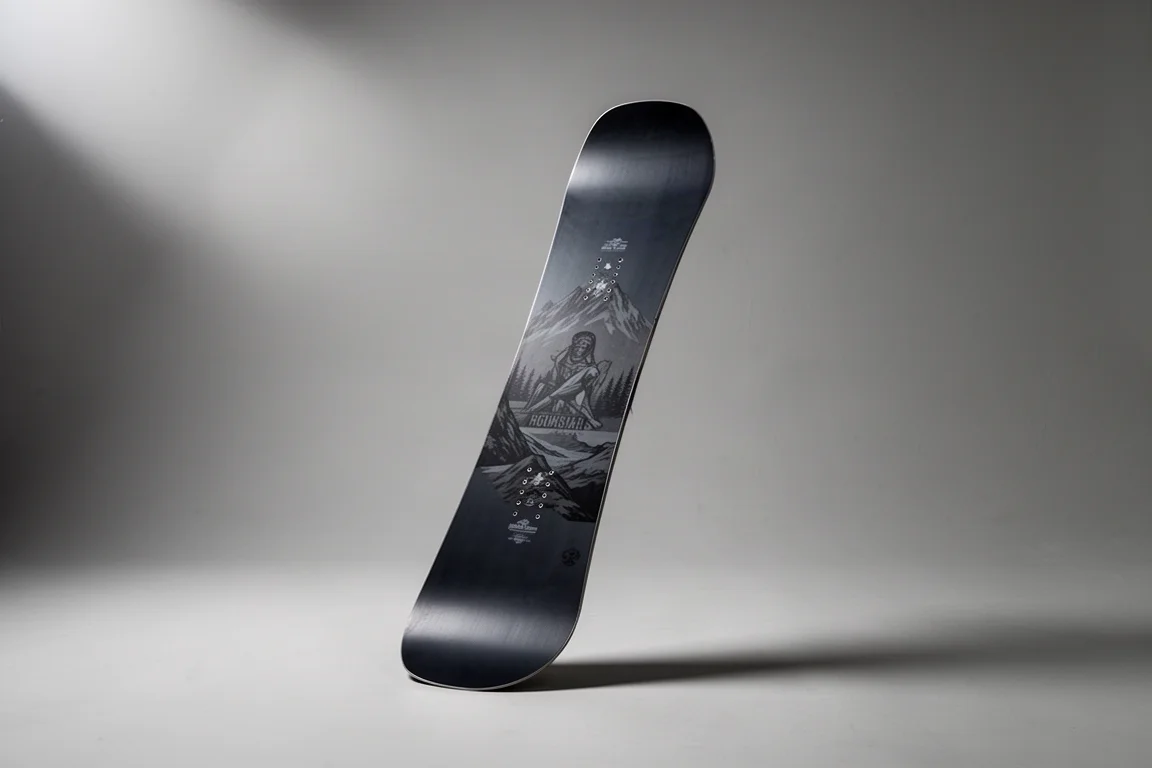
Twenty seasons is a long run for any snowboard model, and the Rome Agent 20th Anniversary marks exactly that milestone as the longest-running deck in Rome’s lineup. It carries Rome’s Fusion Camber profile, which pairs a dominant camber section with a small rocker zone in the tip and tail.
This breakdown covers how the board behaves across groomers, slush, chop, and park features, where its flex sits in the all-mountain freestyle range, and which riders will get the most out of it.
Who This Board Is For
The Agent 20th Anniversary is built for the all-mountain freestyle rider who wants a predictable, middle-of-the-road ride with a freestyle-leaning flex. The tips are softer, and that softness is accentuated right where the rocker zones sit. The middle stiffens up just a little, and there is a noticeable amount of torsional flex in reserve.
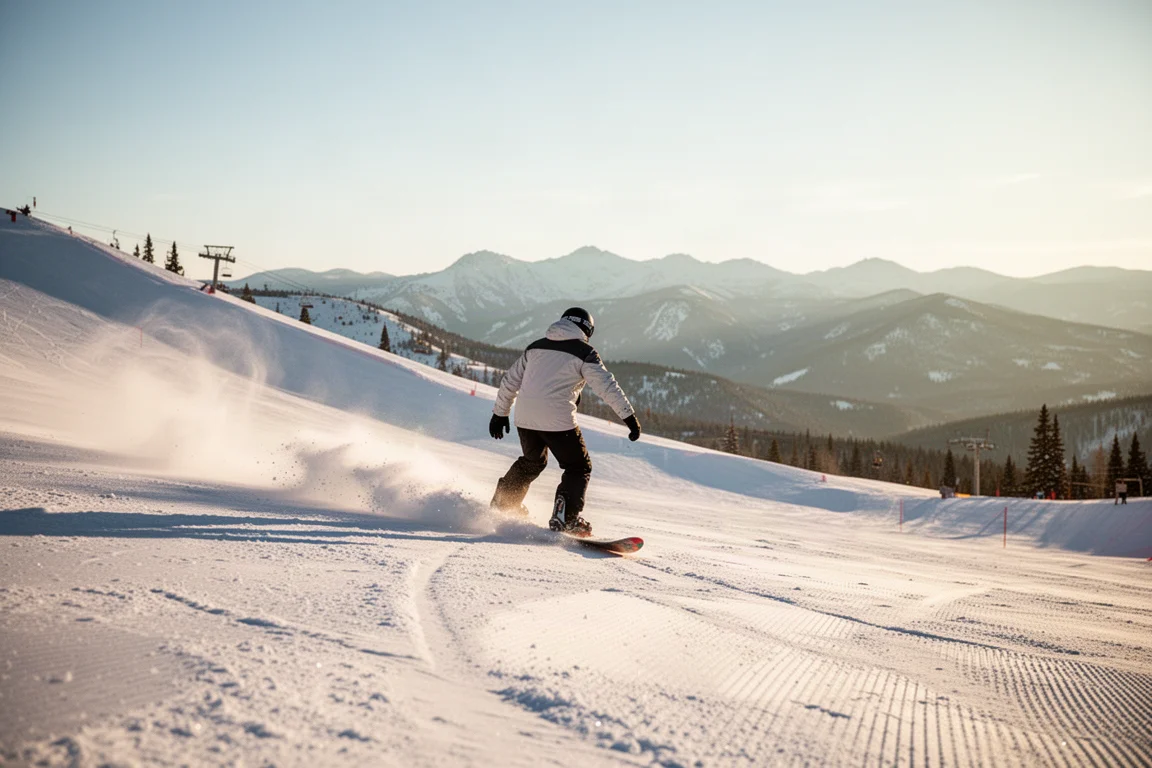
The defining quality here is consistency. The board handles whatever terrain or feature is in front of it with ease, and it feels familiar almost immediately, closer to a deck that has already seen a hundred days of riding than a fresh one out of the wrapper. For riders who value that kind of reliability, it is the most approachable option in the Rome lineup.
Sizing runs across 148, 151, 154, 157, and 160, with 155W, 158W, and 161W available for riders who need a wider platform.
Main Strengths
Ride feel sits squarely in the middle of the all-mountain freestyle range, with a clear lean toward freestyle flex. Softer tips, a slightly stiffer waist, and noticeable torsional flex add up to a board that is playful without feeling vague.
Fusion Camber and How It Rides
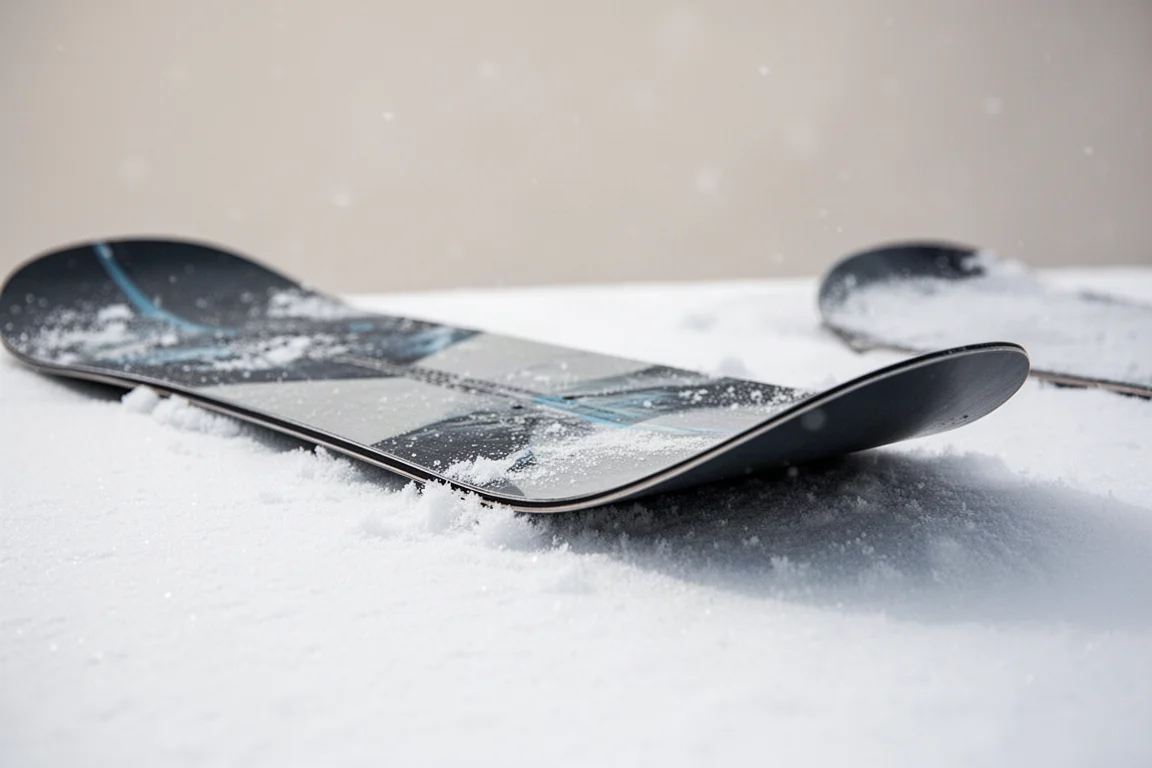
Fusion Camber is essentially a camber-dominant rocker profile. The camber line runs down to just before the tip and tail kick, and beyond that point there is a micro rocker zone.
That combination delivers the load, pop, snap, and drive of traditional camber, while the rocker in the tip and tail brings easier entry and exit from turns, better pressability, and more optimal float in powder.
On snow, the camber section never feels like something you have to load up before it engages. It rides as though it is already loaded and waiting to rebound.
Stability comes with a caveat. In rutted-out terrain the tips will chatter, and that chatter resonates slightly underfoot. Keeping the knees bent and staying on top of the camber is the way to manage it. Riders who already understand how camber reacts will find the board behaves exactly as expected, and riders who do not may spend a few runs adjusting.
Pop, Jumps, and Pressing
Snap is solid. Side hits, rollers, and whatever natural launch ramp happens to be in the path all get boosted without a second thought. There is a rod in the nose and tail positioned right where the rocker sits, so when the camber comes down and loads, pushing into that zone produces a springboard effect.
Jumps of every size are within range, and small, medium, and large all work. Medium and larger jumps are the board’s strongest suit, with reliable snap off the lip that removes the guesswork about clearing the knuckle or landing in the sweet spot.
Buttering has a few quirks that work in the rider’s favor. The double kick in the tip and tail gives plenty of leverage when pressed out fully. There is also a very small sweet spot in the rocker just outside the rod and before the tip kick. Engaging it loads the rod, and pressing past that point does not fight back. Swivel out on the tip using the double kick, then disengage slightly and the rod re-engages to snap back out of the butter variation.
Jibbing follows a similar pattern. The board locks into presses and the rod delivers snap off the end of a feature. Ridden sideways, it cradles slightly around the feature and slides through. It suits slightly faster jib approaches and bigger features better than slow technical rail work, yet it still presses easily and never feels like extra effort for what it gives back.
Carving and Edge Control
Edge-to-edge transmission is fluid and immediate, and the board feels broken in from the first turn. Swoopy carves from one side of the trail to the other come naturally.
There is enough power for riders who want to push. Driving a knee in and down loads the center of the camber, and pushing off the tail lets the board apex a carve, lay over, and slingshot out of the turn.
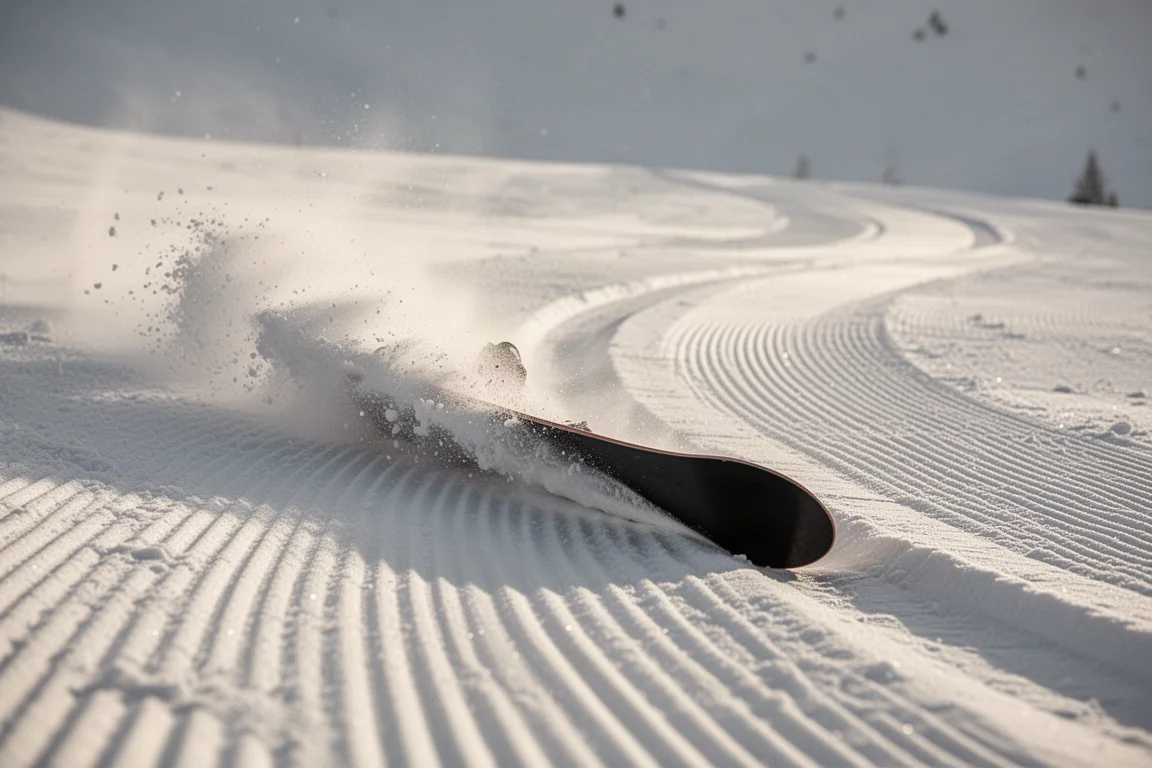
It is equally happy to be ridden lazily. Ankle steering and mellow setup turns are all that is required for relaxed cruising, so the board lets you carve when you want to and back off when you do not.
Things to Consider Before Buying
Tip chatter in rutted terrain is the main trade-off, and it resonates slightly underfoot. This is a board that rewards an active, engaged stance rather than a passive one.
Buttering has genuine quirks. Riders who already know how to butter will find the board works with them, but those still learning the technique will need time to find the small sweet spot in the rocker and understand how the rod loads and releases.
The freestyle-leaning flex also means it is not the stiffest or most aggressive carver in its class, which is worth weighing against how much of your riding happens on firm, hardpacked snow.
Comparable boards include the Public Dispute, the K2 Medium, and the Niche Crux, which sit in a similar part of the market and are worth trying alongside the Agent if you can.
Buying Advice
The Agent 20th Anniversary makes the most sense for all-mountain freestyle riders who want one board that behaves consistently across groomers, slush, chop, powder, jumps, jibs, and presses. Twenty years of iteration on the longest-running model in the Rome lineup shows in how little the board surprises you, and in how quickly its limits become predictable.
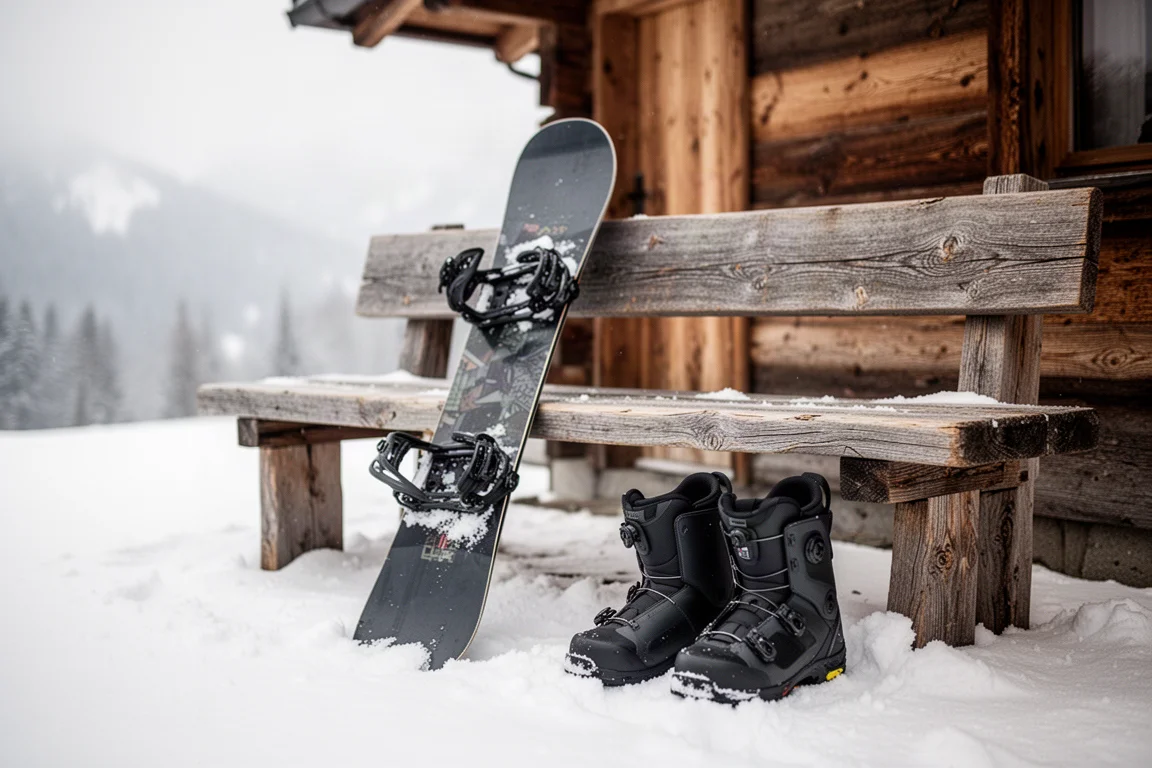
It is available in 148, 151, 154, 157, 160, 155W, 158W, and 161W. Match the length to your normal all-mountain freestyle sizing and step to one of the wide options if you need a wider platform.
Bindings are worth planning for. Rome Katana, Bent Metal Joint, and the K2 lineup are natural pairings, and the board has been ridden with Rome Black Label bindings and K2 3 Axis boots.
Conclusion
The Rome Agent 20th Anniversary is the consistent choice in the Rome range: a camber-dominant Fusion Camber profile with micro rocker in the tip and tail, a freestyle-leaning flex, and dependable snap for jumps, presses, and jibs. It asks for an engaged stance in rutted terrain and a little patience when learning to butter, but for all-mountain freestyle riders who want to know exactly what the board will do before they strap in, that predictability is the whole point.
Product link
View more details for Rome Agent 20th Anniversary
This product is mentioned in the review. Check the specifications, options, and compatibility before buying.
View more details for Rome Agent 20th AnniversaryFurther reading
Related Reviews

Snowboards
32 Middle Earth Scott Stevens Pro Model Snowboard Review: A Park Board With a Reversed Flex
A medium traditional camber park board with carbon V reinforcement that is stiffer in the tips and more playful between the feet. Here is how it rides and who it suits.

Snowboards
32 Snafu Review: A Directional All-Mountain Freestyle Board with Serious Pop
The 32 Snafu pairs a directional camber-rocker profile with a stiffening tail for powerful carves, big ollies, and a surprisingly damp ride.

Snowboards
32 XXX Pat Fava Pro Snowboard Review: A Stiff Camber Beast for Hard-Charging Riders
A full-width traditional camber deck that rewards aggression with stability and edge power, but demands effort everywhere else.