Running Shoes
Rocker Sole Running Shoes: Why Not All Rockers Are Created Equal
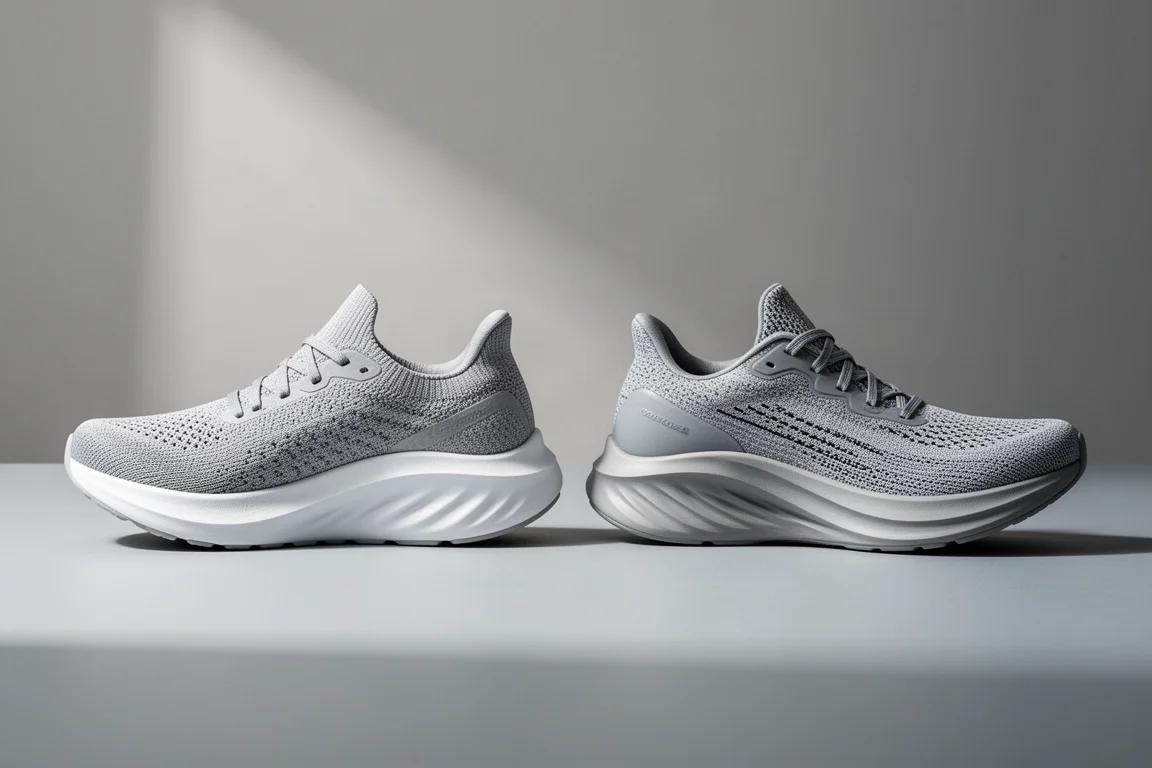
Two everyday trainers with similar rocker shapes can load your legs very differently. Here is why midsole stiffness changes everything.
Introduction
Rocker soles are one of the biggest trends in the running shoe industry right now. A rocker simply means a curved shape under the shoe, designed to help shift some of the demand placed on your body through the different rocker points of the foot. But here is the catch: two shoes can have nearly identical rocker silhouettes and still act completely differently. We put two current trainers side by side to show why.
What a Rocker Sole Actually Does
There are several rocker zones in play across a stride: a heel rocker, an ankle rocker, and a forefoot rocker. The goal of a rocker is to decrease demand on those areas, most notably taking some load off the calf, and there is good research showing that this does happen if you have the right kind of rocker.
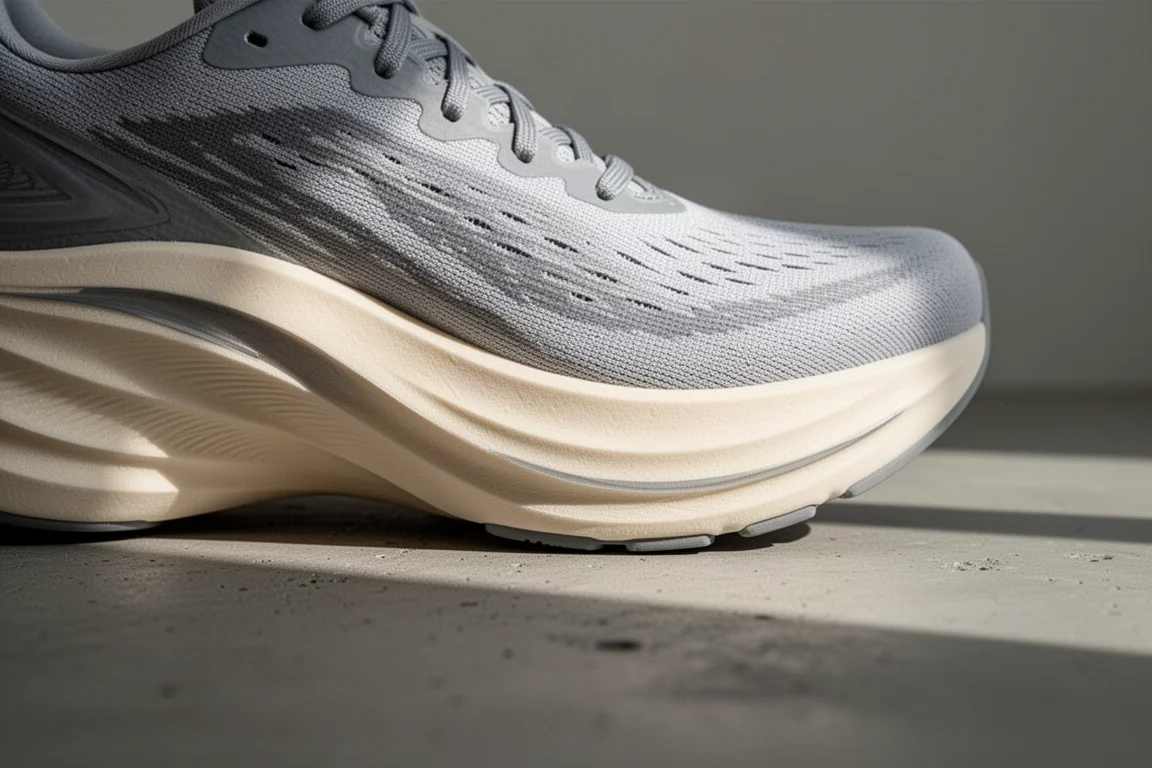
The key word is “right.” Research on rockers looks at a very specific type: a specific apex, meaning the point where the sole starts to curve upward, a specific angle, and a specific stiffness. Just because a shoe has the shaping of a rocker does not mean it will produce the biomechanical changes a true rocker is meant to deliver.
New Balance 1080 v12: A Flexible Rocker
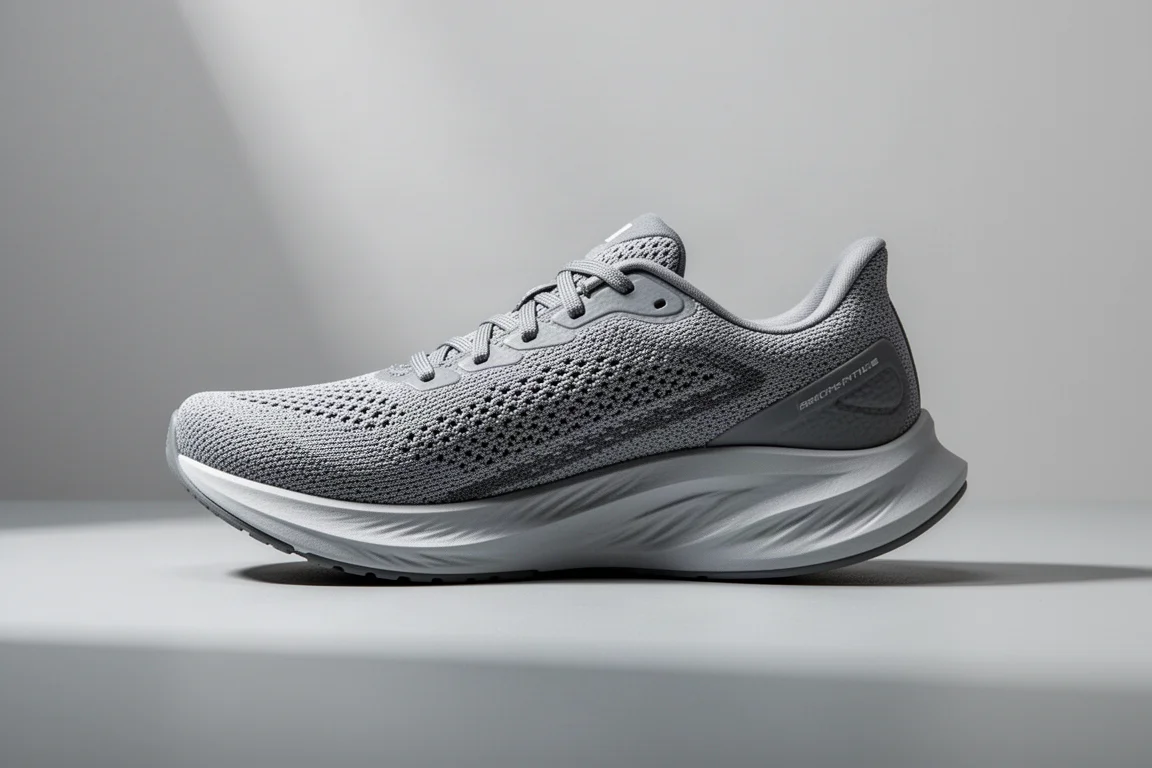
The New Balance 1080 v12 shows a clear rocker profile, with a large curve rising toward the forefoot and a smaller curve at the heel. On paper, it looks exactly like the kind of shoe that should reduce calf load.
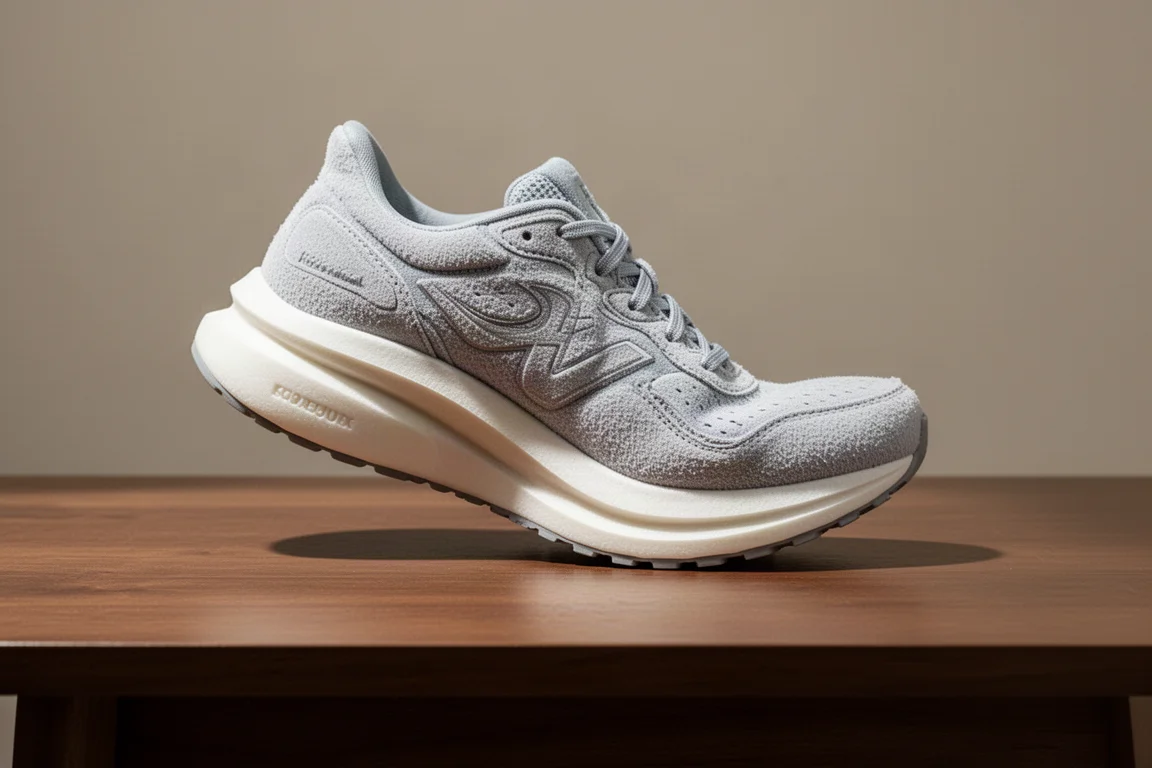
In practice, the 1080 v12 bends easily. It has a lot of flex, and the sole flattens out as you run. That flexibility means it will not meaningfully take load off the calf, because your foot still works through its own forefoot rocker during the stride. It remains a plush, comfortable daily trainer, but it should not be bought specifically for its rocker geometry alone.
Reebok Floatride X: A Rigid, Plate-Driven Rocker
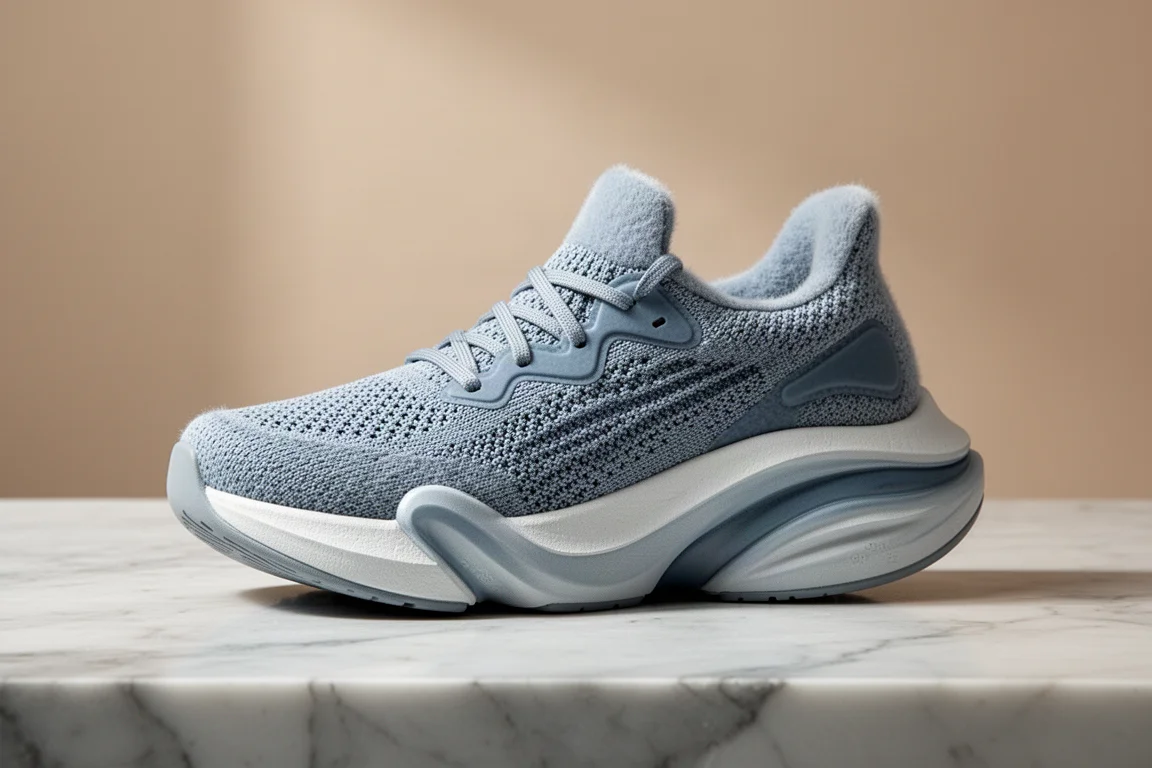
The Reebok Floatride X has a very similar silhouette, with a comparable rocker sole shaping in the forefoot. Placed side by side with the 1080 v12, the two shoes mirror each other remarkably well.
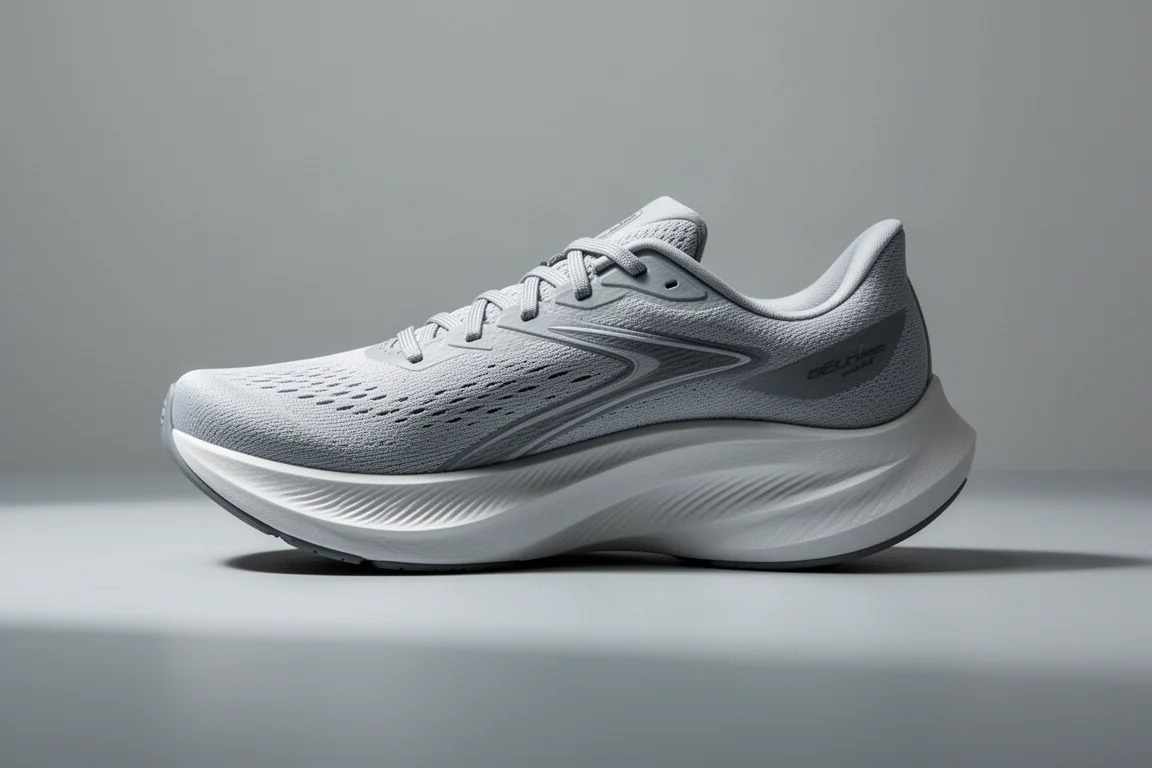
The difference is stiffness. The Floatride X does not bend, because it contains a carbon fiber plate. That rigidity is far more likely to deliver the biomechanical change a rocker is designed for, potentially shifting some load away from the calf. Whether taking load off the calf is actually good for your running is a separate question, and one worth discussing with your own needs in mind.
Which Rocker Suits Your Needs?
When comparing shoes, do not shop by rocker shape alone. Consider three things: where the apex sits, the angle of the curve, and above all how stiff the sole is. A flexible shoe with rocker styling will flatten under load and behave like a conventional trainer, while a rigid, plate-equipped shoe holds its geometry and can genuinely change how your legs work.

If your priority is a soft, flexible everyday ride, the 1080 v12 fits that brief. If you want the full biomechanical effect that rocker geometry promises, a rigid shoe like the Floatride X is the more likely candidate.
Conclusion
Not all rockers are created equal. Shape is only the starting point; stiffness determines whether a rocker actually changes anything for your body. Match the shoe to the effect you want, rather than to the curve you see under the sole.
Further reading
Related Reviews

Running Shoes
Best Road-to-Trail Running Shoes: Three Versatile Options for Mixed Terrain
A practical guide to three road-to-trail running shoes that handle both pavement and mild trails, with clear strengths and trade-offs for different runner types.

Running Shoes
Best Running Shoes for Achilles Tendonitis: Three Options Explained
Three running shoes with different heel drops and support features designed to help reduce Achilles tendon pain during walking and running.

Running Shoes
Best Running Shoes for Women: Five Top Choices Ranked
A ranked guide to five women's running shoes, from versatile daily trainers to high-performance racing options, with real strengths and trade-offs for each.