Multi-Tools
Rock Tool GenR Review: A Wave-Style Multi-Try Pushes Into Premium Territory
The Rock Tool GenR takes the popular Wave-clone format and upgrades the blade steel, coating, and quality control. Here is whether it justifies the jump over budget clones.
Introduction
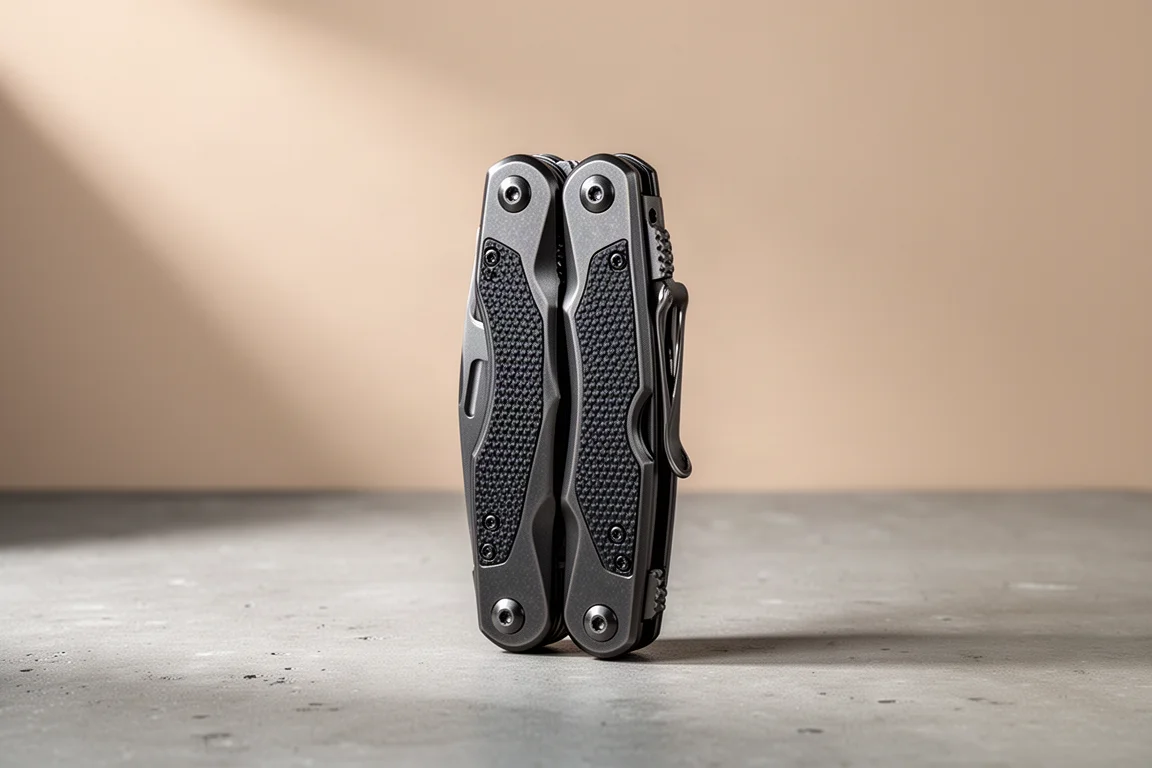
The Rock Tool GenR has picked up a lot of attention recently, and for good reason. It takes a very familiar multi-tool format, one that budget brands have been refining for years, and pushes it into a slightly higher tier with better materials. The core question is simple: is it worth the price, or should you skip it and stick with a cheaper clone?
This review looks at what the GenR does well, where it falls short, and whether the upgrades justify spending more.
Background: The Wave-Clone Format
If you have never handled this style of tool, some context helps. These are essentially hybrid designs based on an implementation pioneered by Tim Leatherman and the team behind the Leatherman Wave. The relevant patents started in 1998 and expired in 2018, and since then a wave (no pun intended) of budget multi-tools has adopted the same basic architecture, refining it to near-perfection.
The GenR is Rock Tool’s attempt to jump up a tier within that space. The biggest headline is the VG10 blade steel, a meaningful step up from the 7Cr18Mov steel found in something like the Byberry version of the same format. Whether that difference justifies the roughly $25 gap between the two depends heavily on what you value in a tool.
Tool Set and Blade Steel
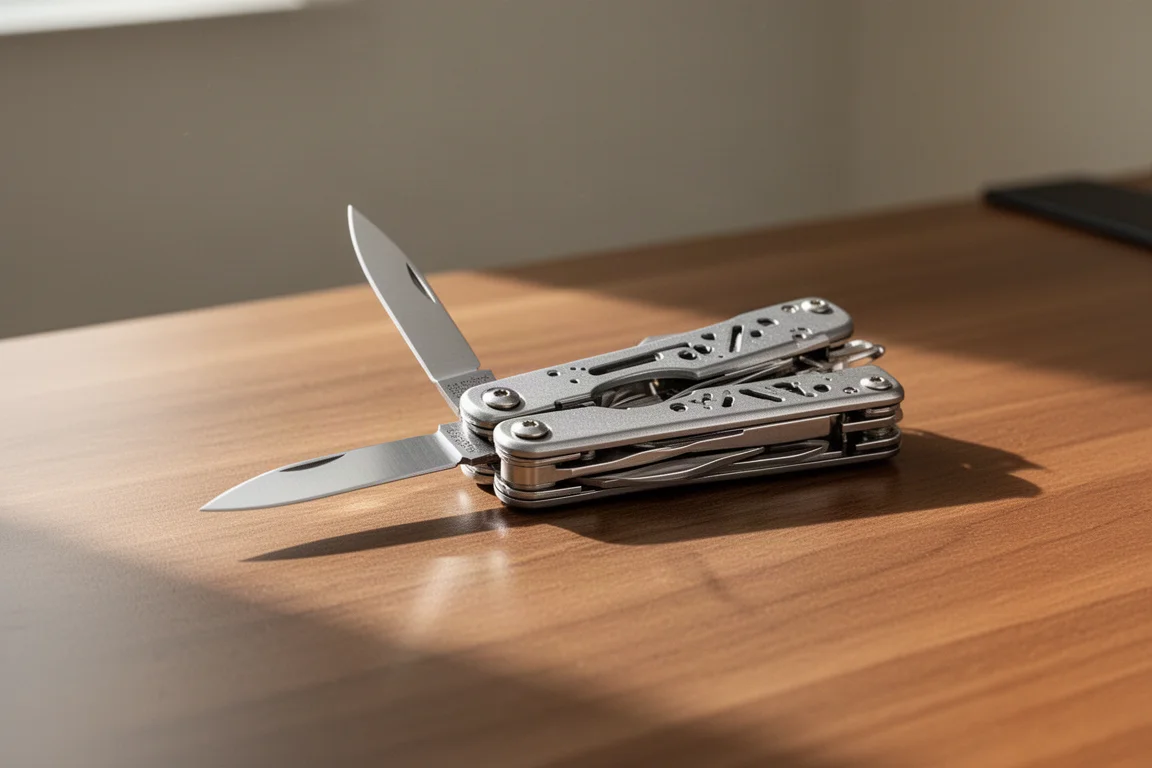
The outside-accessible tool set is where this format shines, and the GenR covers it well. You get a straight blade in VG10 that came very sharp out of the box, with a decent grind that is slightly thicker toward the tip. That unevenness is minor and can always be corrected with resharpening.
On the other side sits a serrated blade in a Charge-style configuration, complete with a pull cutter, a genuinely useful addition. There is also a tapered saw, which is thicker at the teeth than at the spine so it will not bind in wood, exactly as it should be.
The fourth outside tool is a full-size scissor, something you never get on a Wave or Charge. It is one of the things people love most about the Leatherman Surge, and having it on the outside here is a real differentiator. The scissor cuts decently, though it needs firm pressure applied in a particular direction to perform correctly, which is common across multi-tools in general. Its one drawback is a slightly rounded tip that prevents precision cuts at the very point, unlike Victorinox scissors which excel there. Enthusiasts can modify the tip grind with a Dremel or belt grinder to restore precision cutting.
One layout note: the straight blade sits opposite the pocket clip, so it is immediately accessible. The Byberry puts the serrated blade in that position instead. Neither choice is strictly better, since some users prefer quick access to the serrated blade for daily tasks while keeping the straight edge reserved and sharp.
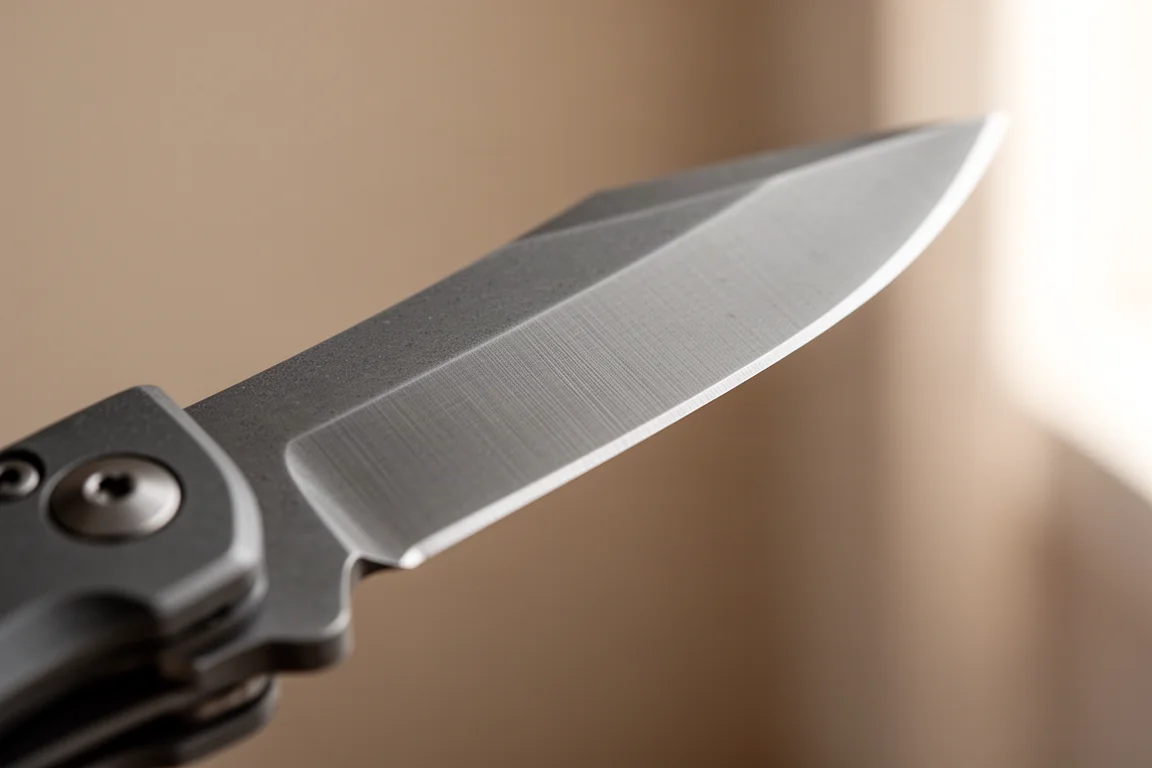
The handles carry a titanium nitride coating styled after the Leatherman Free series look. The coating protects the scales and, frankly, helps the tool feel less like a direct imitation. It does not protect any other components, though: the remaining hardware is made in steels that will rust normally, so basic maintenance still applies.
Pliers and Bit Driver
Inside, the plier head shape will look familiar to anyone who has handled the Leatherman Arc or Free P4. Plier head shapes are not patentable, and since Leatherman described that design as the strongest head they had produced, it makes sense that clone makers adopted it. The frame is also wider than a Wave or even a Surge, which allows thicker plier heads and, importantly, full-size bit drivers.
Both the GenR and its Byberry sibling include a full 4.5-inch double-sided bit driver with a ball detent, and both ship with spare bits. That is something even the Leatherman Wave does not do. Another neat trick: a 6 mm by 1 mm disc magnet can be dropped into the driver to accept standard quarter-inch bits, and it holds without any glue while still working with the ball detent.
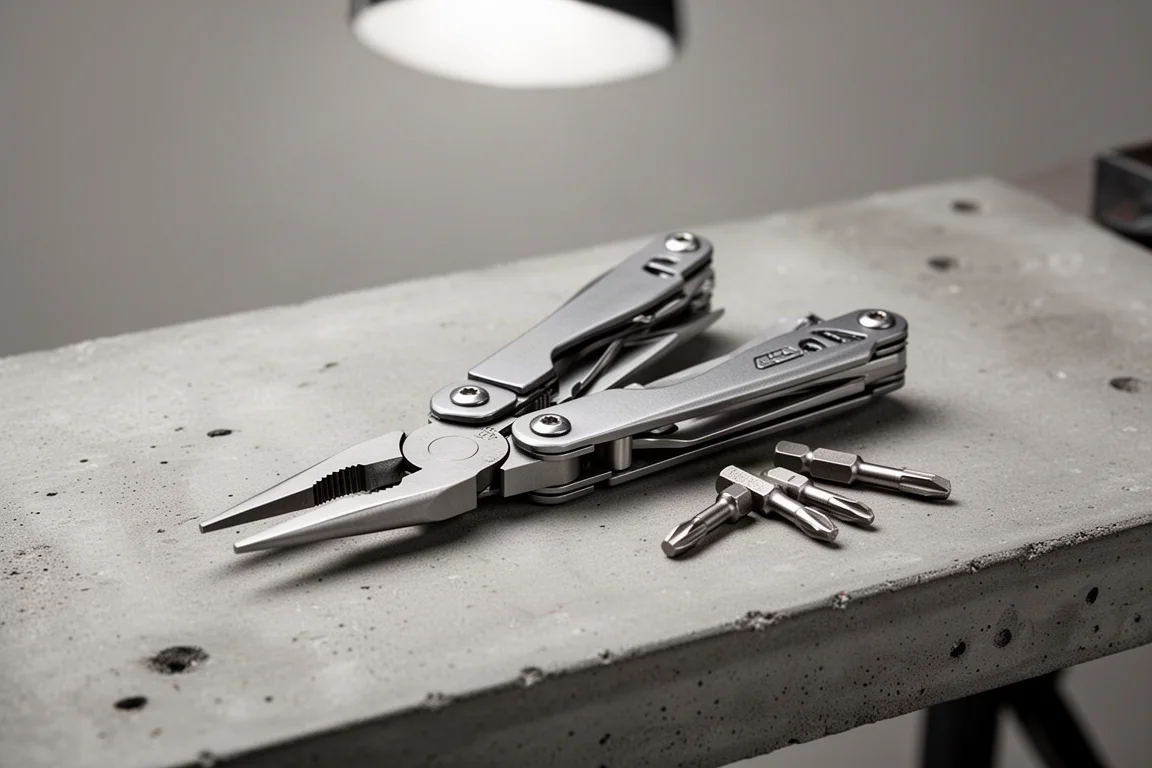
On the inner side, both tools carry five implements, including a diamond file, a cross-cut file on the back suitable for sharpening a knife or touching up hardened steel parts, a micro driver with a Phillips head, and a very sharp awl. Two quality-control observations stand out: the Phillips on the GenR’s micro driver is noticeably better formed than the Byberry’s, which is a pleasant surprise, and the GenR’s awl tip is sharper. The diamond file on both should never be used as a flathead screwdriver.
Weight and Carry Considerations
Here is where some of the goodwill wears off. The GenR approaches the 10-ounce mark, which is a lot for an everyday tool. For comparison, the Leatherman Arc weighs 8.6 ounces, and the Leatherman Curl sits at 7.6 ounces. The Wave-clone format means the tools are all in a similar weight ballpark, but the GenR’s extra heft is noticeable in the pocket.
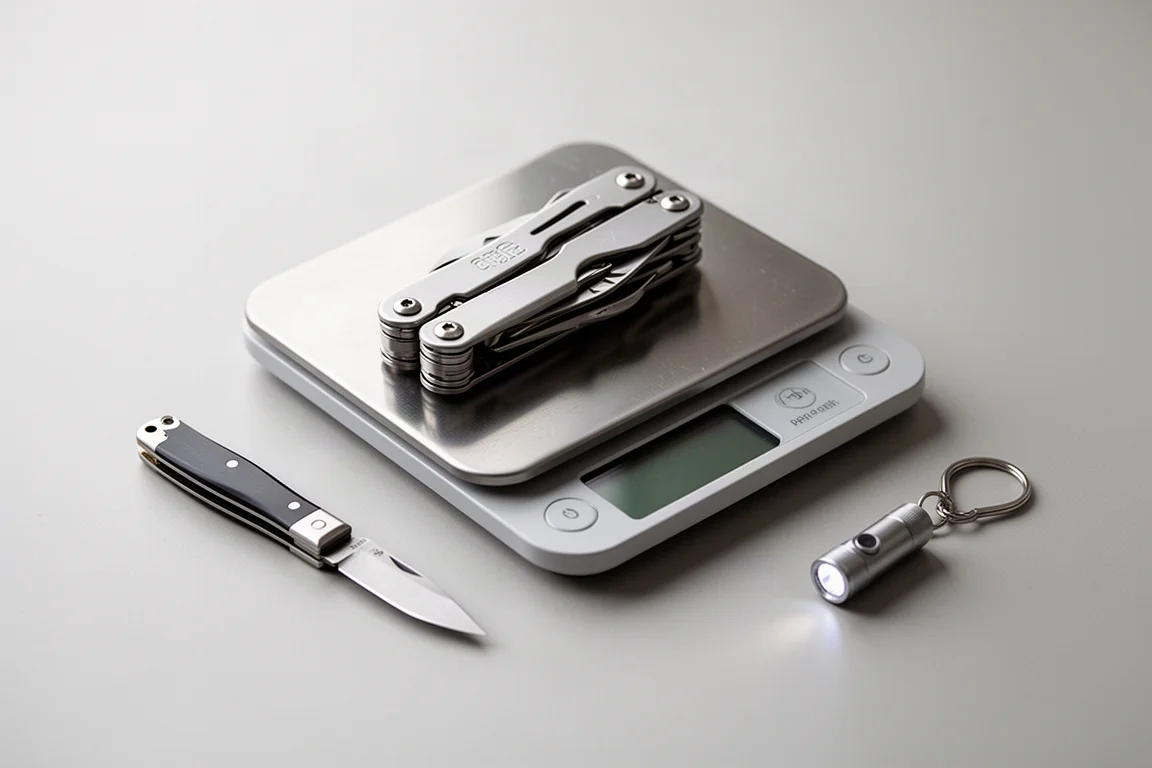
Part of the problem is avoidable. The frame uses four solid steel spacers that provide no real structure and simply add weight. Swapping them for G10 or a lighter polymer would have trimmed meaningful grams. A slimmer two-layer variant, similar in spirit to the Free P2, would make a very compelling compact EDC option in the sub-$50 range.
Verdict: Worth the Upgrade?
So, is the GenR worth roughly $25 more than the $30 Byberry version? Closer than expected, but probably not. The VG10 steel is genuinely much better than 7Cr18Mov, the quality control appears slightly better, and the titanium nitride coating is a nice touch. But doubling the price for those gains is a hard sell, especially since the Byberry occasionally drops to as low as $23 to $26.
The bigger issue is positioning. At $55, this no longer qualifies as a true budget tool. For around $50 you can step up to a Leatherman Bond, which has a different tool set but is assembled in the United States with a 25-year warranty and strong quality control. Once the price climbs past the budget bracket, the GenR’s value proposition weakens considerably.
That said, budget tools serve real purposes: backups, loaners, and tools you can stash in places you would never risk a premium piece. Ironically, the GenR’s improved finish makes it a tool you might be less willing to loan out, which cuts against that role.
If Rock Tool trimmed the price, or offered a lighter two-layer variant, this would be much easier to recommend. As it stands, the upgraded blade steel and better quality control are appealing, but many buyers will be better served by the $30 alternative.
Conclusion
The Rock Tool GenR is the most refined version of this format we have seen, with a tool combination that no major manufacturer currently offers. The VG10 blade, titanium nitride coating, included spare bits, and improved quality control are all genuine steps forward. The question is whether those steps justify a near-double price premium over capable budget clones, and for most buyers, they probably do not. If you value the upgraded steel and finish and the price does not bother you, it is a very good tool. If you want maximum value, the cheaper clone remains the smarter buy.
Product link
View more details for Rock Tool GenR
This product is mentioned in the review. Check the specifications, options, and compatibility before buying.
View more details for Rock Tool GenRFurther reading
Related Reviews
Multi-Tools
Leatherman Wave Plus Review: A Pliers-First Multitool for Bike Trips
Why a pliers-first multitool earns permanent space in a touring kit, and what to weigh before paying for the Leatherman Wave Plus.
Multi-Tools
Best Budget Multi-Tools Under $50: Four Picks Worth Considering
A compact SOG original and three value-focused clones, with honest notes on which ones deliver real value and where to draw the price line.
Multi-Tools
Best Multitools for Hard Wire Cutting: Which Pliers Actually Survive the Test
We put a lineup of classic and modern multitools up against a simple challenge: cutting coat hanger wire cleanly without damaging the cutters.