Cycling Bikes
Road Bike vs Triathlon Bike: Canyon Aeroad CFR and Speedmax CFR Compared
A direct comparison of an aero road bike and a dedicated triathlon bike on a mixed course of climbing, flat road and technical descent.
Introduction
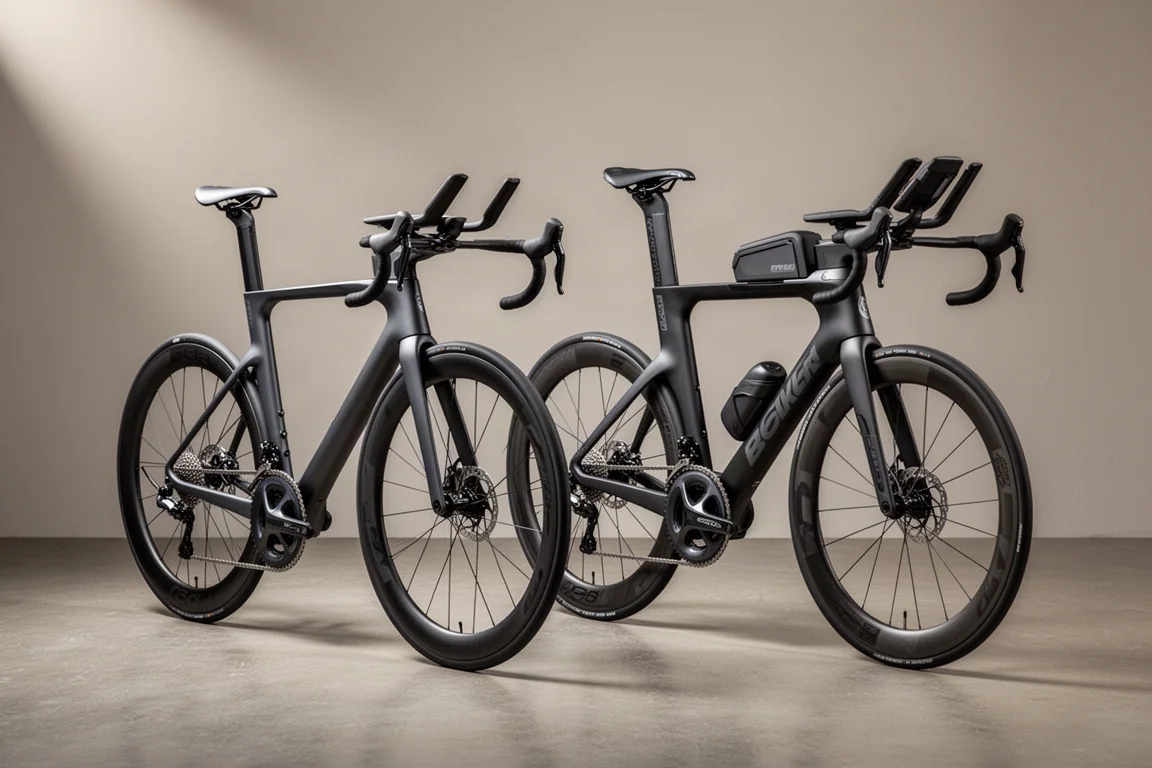
The conventional answer to the road bike versus triathlon bike question is simple: for a triathlon, ride the dedicated triathlon bike. Its aerodynamics are shaped around the position you race in, and its frame is designed to carry hydration, nutrition and spares without improvisation.
That answer holds up well on a flat course. The complication is that many race courses are not flat. Some roll, some climb for kilometres, and some throw in twisting descents. On that kind of route the decision becomes far less obvious.
We put the two approaches head to head on a roughly 20 km route assembled from a well-known championship course, combining a 4 km climb, a 5 km flat out-and-back section and a 4 km descent, with both rides held at an average of around 220 watts. The result was closer than expected, and on the day it flipped entirely.
What Separates a Road Bike From a Triathlon Bike
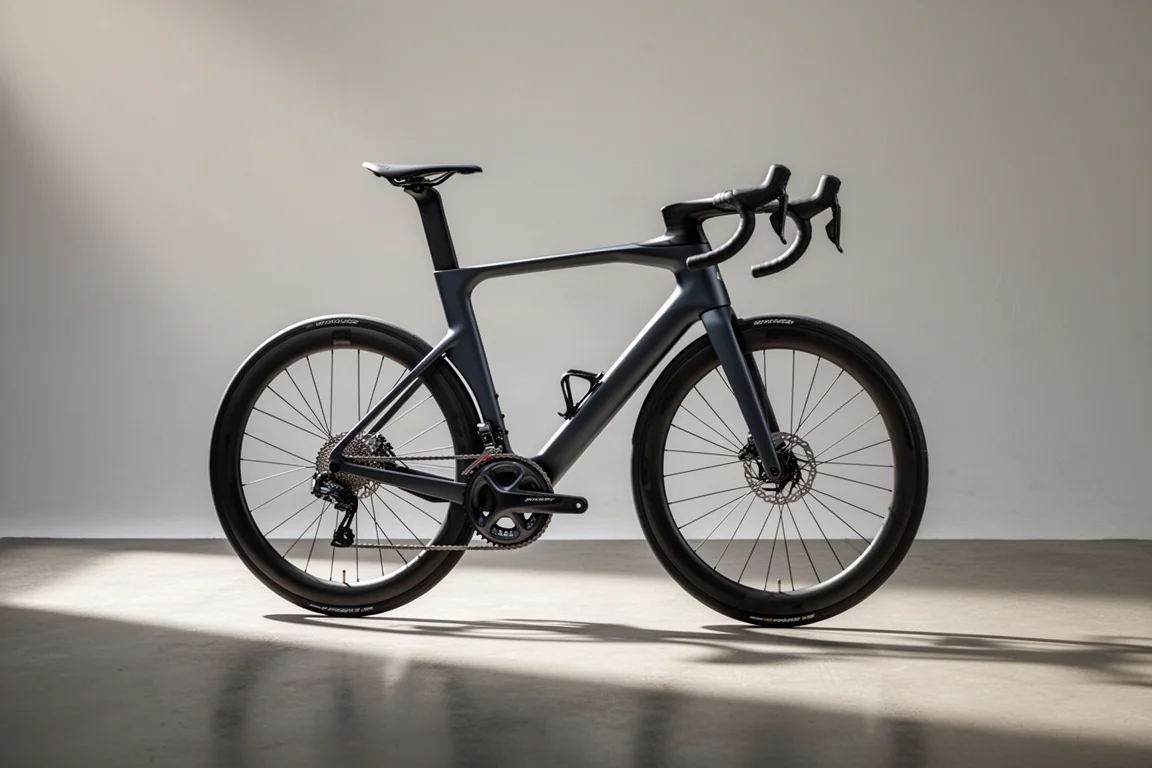
The two categories overlap more than the labels suggest. The aero road bike used here weighs just over 7.2 kg and ships with integrated aero bars, a feature that is becoming more widely available and remains one of the most effective speed upgrades you can make to a road bike. With that weight and that cockpit, it edges into all-rounder territory.
The triathlon bike takes the opposite route. It weighs a little over 9.5 kg and trades some of that lightness for aerodynamic shaping and purpose-built triathlon features: an internal bladder inside the frame with a straw, an inbuilt bento box, a storage compartment for spares, and the option for rear hydration mounted directly to the seat post.
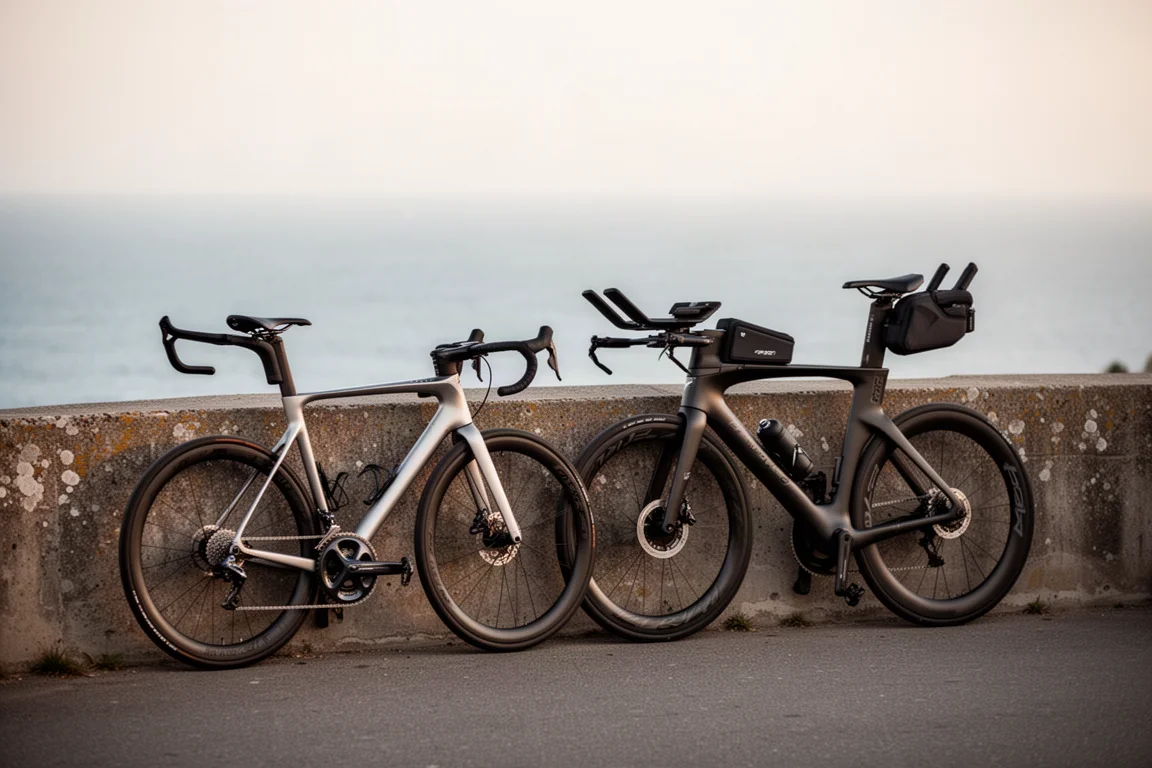
Those integration choices matter more than they first appear. On a road bike, carrying drink, gels and spares means adding a front hydration system, rear bottle cages, a bento box and somewhere to attach tools. On a triathlon bike, those needs are designed into the frame from the start, which is where the aerodynamic advantage quietly widens.
Canyon Aeroad CFR: Aero Road Speed With Climbing Manners
The Aeroad CFR is classified as an aero road bike, and at just over 7.2 kg it is a genuinely light one. That pairing of low weight and serious aerodynamic efficiency is what made it so effective on the climbing portion of the route.
On the climb it was 21 seconds quicker than the triathlon bike, with most of that advantage arriving in the first 2.5 km at an average gradient of 6 percent. Once the gradient eased over the final 1.5 km, the two bikes produced similar splits. The bike also felt composed on the descent, where its lighter, more agile handling is at its most useful.
Canyon Speedmax CFR: Built for Sustained Aero Position
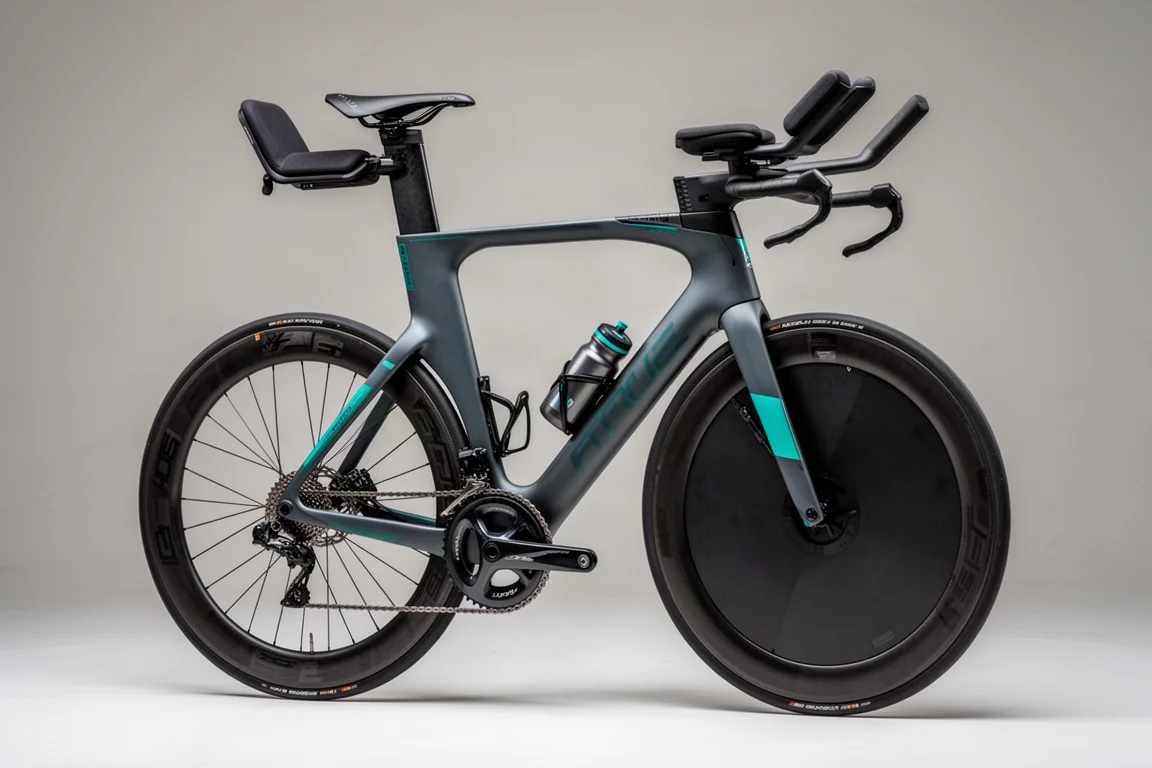
The Speedmax CFR is an out-and-out speed machine. Its geometry is designed to place a rider in a more aerodynamic position and to make that position sustainable over a long effort, which is exactly what a triathlon demands from the bike underneath you.
On the flat out-and-back section it was 11 seconds quicker than the road bike. That is where the dedicated platform does its clearest work, and the integrated hydration and storage extend that advantage on race day by removing the drag and clutter of bolt-on solutions.
Climbing: Where the Lighter Bike Took the Advantage
Aerodynamics becomes a smaller factor below roughly 15 km/h, or about 9 mph. As a ballpark, that crossover sits around a 7 to 7.5 percent gradient for a strong or elite cyclist, and amateur riders may slow to that point on gradients as low as about 4.5 percent. For much of the steepest part of this climb, the pace sat close to that threshold, which is precisely where a 2 kg weight difference starts to count for more than aerodynamic tube shapes.

That crossover point is the single most useful number to keep in mind if your local terrain is genuinely hilly. It also explains why a lighter, still very aerodynamic road bike can hold its own against a dedicated race machine on anything that points upward for long enough.
Flat Sections and Descending: Small Margins Both Ways
On the flat section, the triathlon bike was 11 seconds quicker, which is the outcome most riders would predict. On the descent, the road bike was only 1 second quicker. It feels noticeably more agile through corners, but the triathlon bike remained comfortable and controlled throughout, and the gap was far smaller than the handling difference suggests.
Overall, the triathlon bike covered the route in 34 minutes 28 seconds at an average of 221 watts. The road bike covered it in 34 minutes 17 seconds at an average of 218 watts, making the road bike 11 seconds quicker across the full 20 km. Modelling done before the ride had predicted the triathlon bike ahead by 11 seconds at 220 watts, and also ahead at 300 watts by 13 seconds, so the day did not follow the numbers.
One detail matters for interpretation: the road bike used here is a top-of-the-line aero model. A less aerodynamic road bike would likely show a wider gap to the triathlon bike on flat roads, and extending the flat middle section of this route would shift the balance back toward the triathlon platform.
Practicality, Comfort, and On-Bike Storage
This is where the triathlon bike separates itself most clearly. To stay in the aero bars while drinking on a road bike, you need to add a front hydration system. To carry bottles behind the saddle, you need cages. Gels need a bento box, and spares need to be attached somewhere on the frame.
The triathlon bike arrives with those answers already built in. There is an internal bladder in the frame with a straw, an inbuilt bento box, a storage compartment for spares, and a rear hydration mount that fixes cleanly to the seat post. On a long, flat race day, those features are not just convenience, they are part of the aerodynamic package.
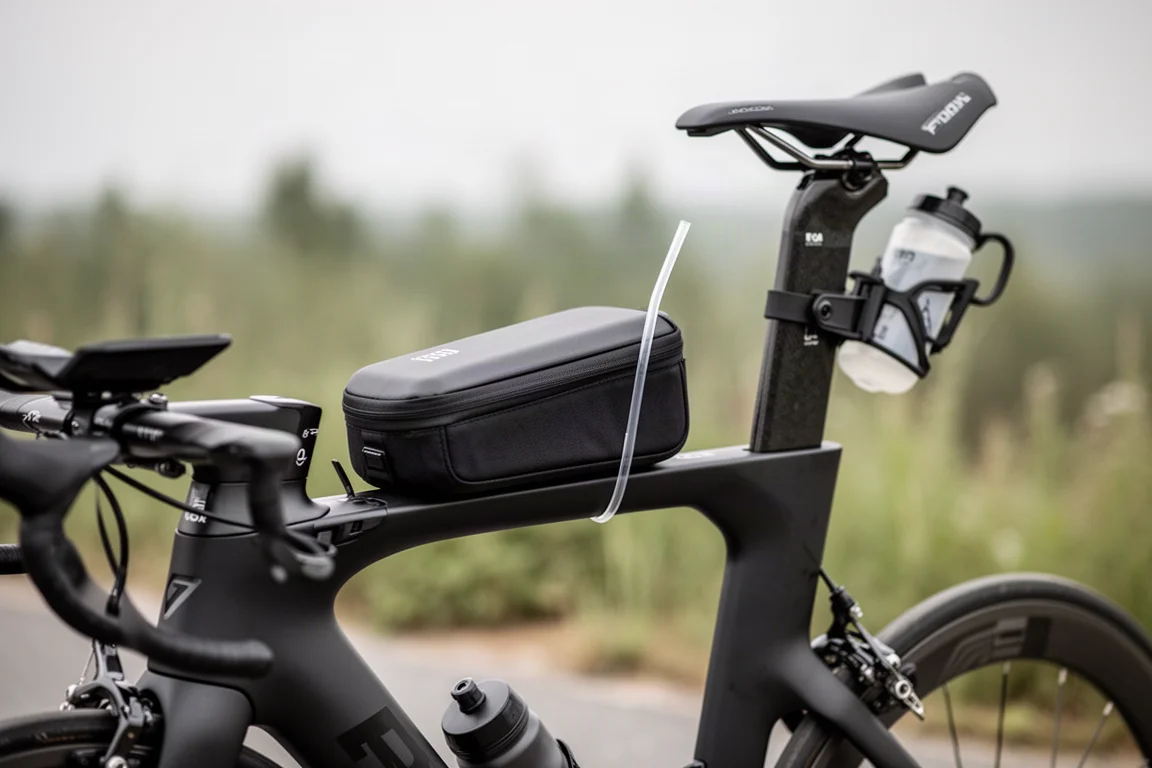
Comfort plays a role too. The triathlon bike geometry exists to hold a rider in an aerodynamic position for extended periods, and it delivered on that front here. For anyone who has spent years racing on that platform, the position is sustainable in a way that a road bike with clip-on bars rarely matches without careful setup.
Setup Details That Affect the Comparison
Both bikes ran the same wheels, the same tyre choices and the same pressures, and their bar setups were matched as closely as possible. Neither carried front hydration systems, rear bottle cages, aero bottles or other triathlon accessories, so the comparison reflected the frames rather than the luggage.
On the road bike, the saddle was raised and moved forward to optimise the position for the aero bars. That adjustment is worth repeating for anyone running aero bars on a road bike, because the standard road position is rarely efficient once your forearms are on the extensions.
Buying Advice: Matching the Bike to Your Course
The honest answer depends on the course in front of you. A route with long flat sections hands a clear advantage to the triathlon bike, and its integrated hydration and storage make it the more practical choice for racing. A route with a lot of climbing and descending and almost no flat road hands the advantage to the road bike, particularly a light aero model like the Aeroad CFR.
For a course with a bit of everything, comfort and confidence decide it. The bike you can hold an aerodynamic position on for hours will beat the theoretically faster bike you cannot settle into. If you race on a road bike with aero bars, spend the time to get that position right before you spend money anywhere else.

It also helps to be realistic about how you will use the bike outside race day. A triathlon bike is a focused tool, while an aero road bike covers group rides, training and technical terrain with far fewer compromises.
Conclusion
The triathlon bike remains the default recommendation for triathlon, and the Speedmax CFR shows why: integrated hydration, inbuilt storage and a geometry built for sustained aerodynamic effort. On flat courses, that combination is difficult to beat.
The Aeroad CFR shows the other side of the argument. At just over 7.2 kg with integrated aero bars, it was 21 seconds faster on the climb and 11 seconds faster overall on a mixed 20 km route, even though it gave away 11 seconds on the flat. If your races are hilly, rolling or technical, a light aero road bike deserves serious consideration. If they are flat and fast, the dedicated triathlon platform still has the stronger case.
Further reading
Related Reviews
Cycling Bikes
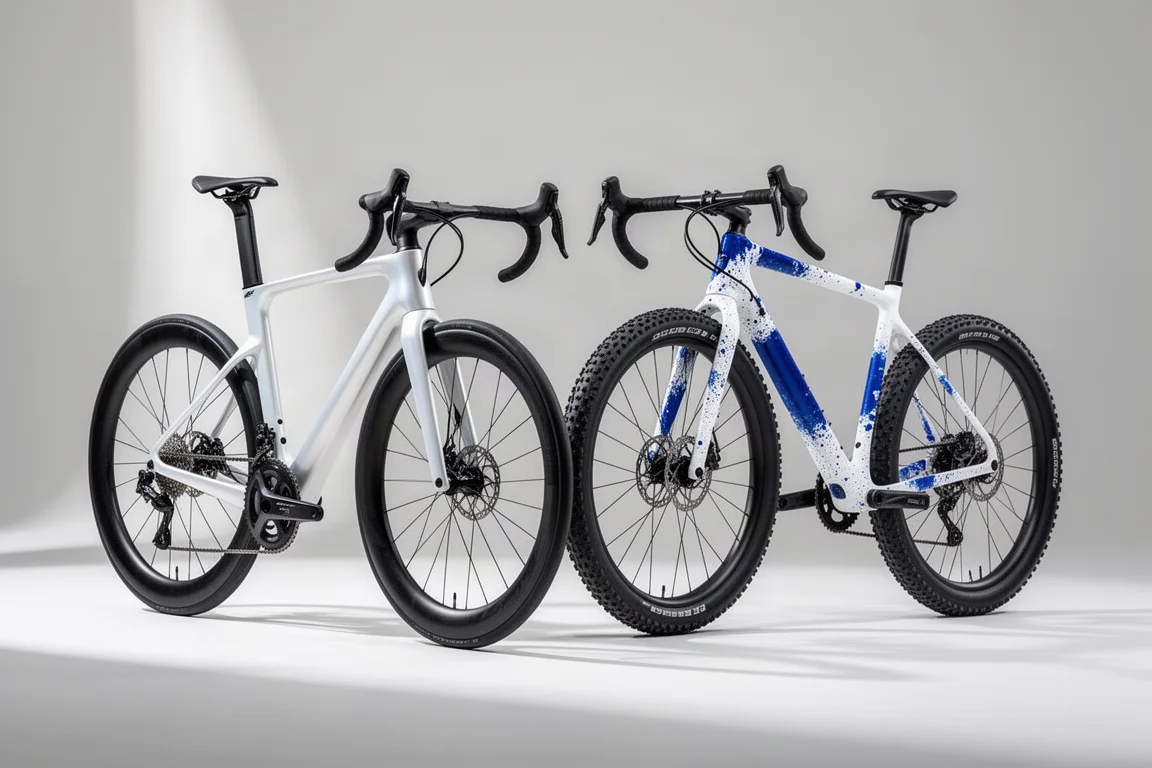
Best Bikes by Budget 2026: What £1,000, £3,000 and £5,000 Buys
A practical guide to the bikes worth considering at three price points, from aluminum gravel bikes to carbon road machines, with the trade-offs explained.
Cycling Bikes
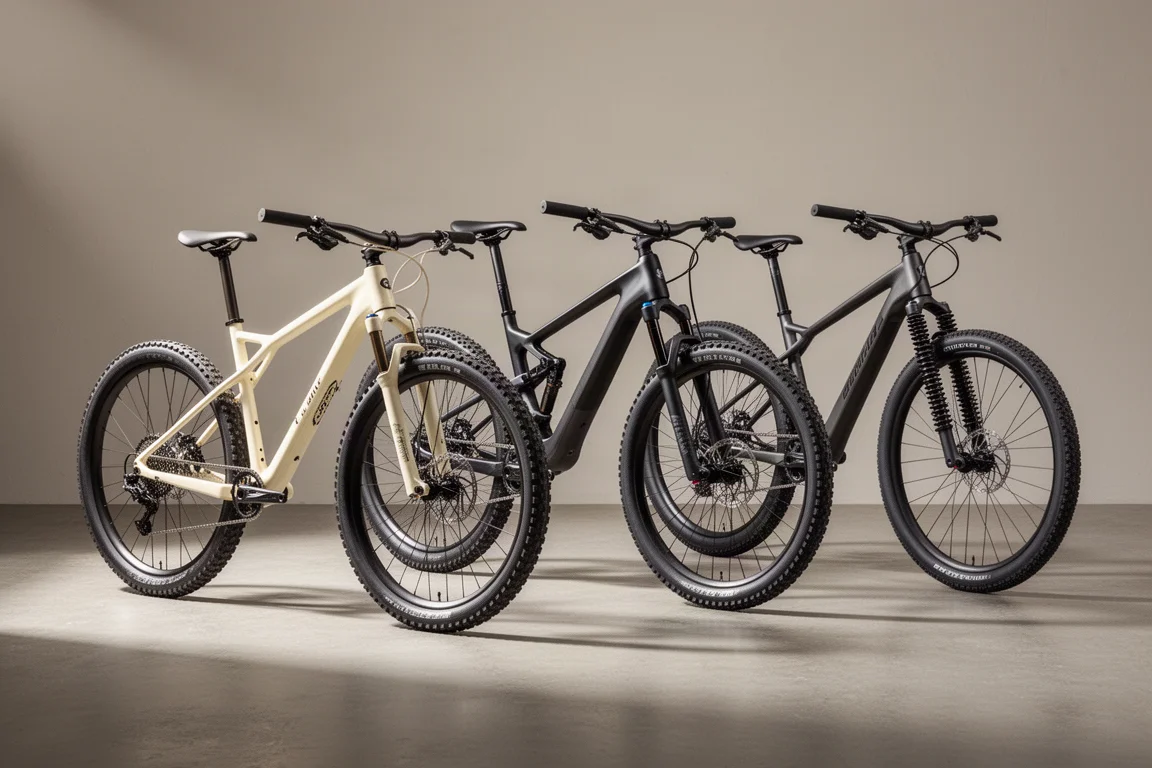
Best Bikes for Mixed Off-Road Terrain: Three Approaches Tested
A steel cross-country hardtail, a lightweight full suspension cross-country bike, and a mountain-bike-leaning gravel bike compared for long mixed off-road days.
Cycling Bikes
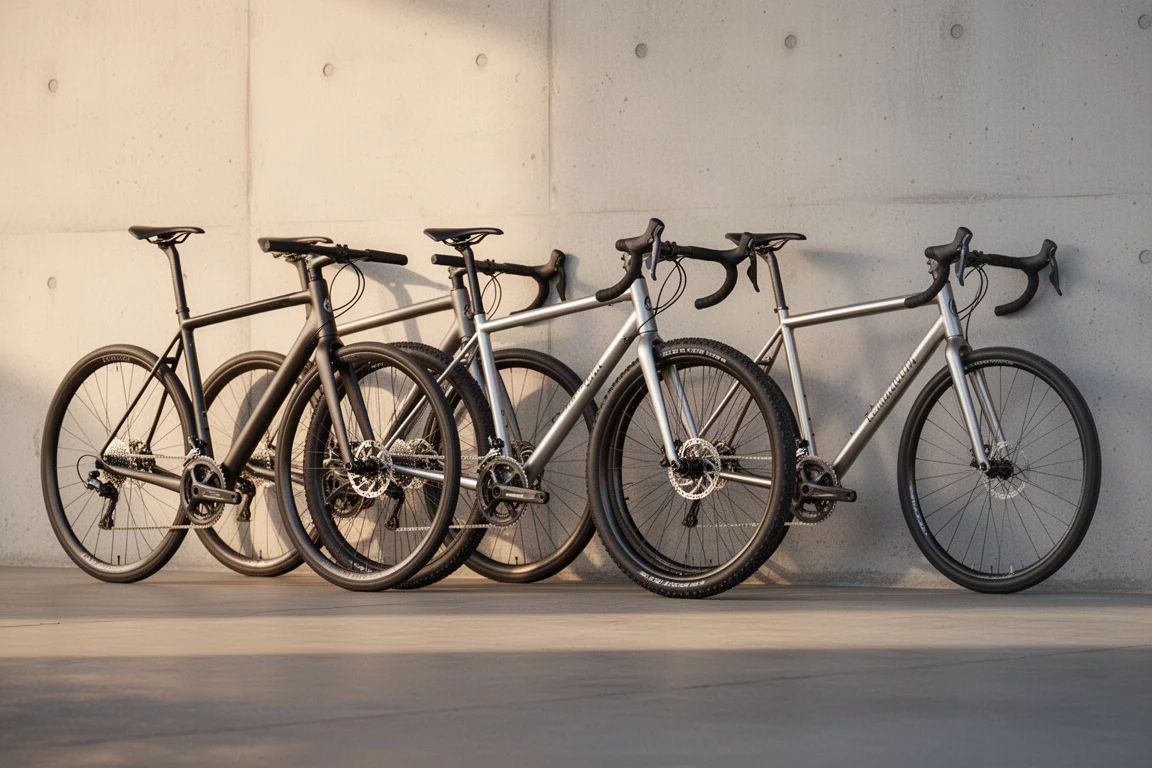
10 Road and Gravel Bikes Worth Knowing: Workshop Favorites
Ten road, gravel and all-road frames that hold up in daily workshop use, from Italian stainless steel to titanium, steel and hand-woven carbon.