Cycling Upgrades
Road Bike Upgrades You Probably Don't Need: Ultegra vs Dura-Ace and Where to Spend Instead
A practical look at road bike upgrades that rarely pay off, plus how Shimano Ultegra and Dura-Ace differ and which one makes sense for most riders.
Introduction
Upgrading a road bike is genuinely enjoyable. Whether the goal is going further, going faster, or simply riding in more comfort, there is always something tempting to bolt on. The catch is that a lot of popular upgrades cost a great deal while changing very little about how fast you actually ride. What follows is a look at the changes that most often fail the cost-to-benefit test, along with two groupsets that sit right at the centre of that conversation.
How We Judge Whether an Upgrade Is Worth It
The test applied here is simple. What does a change cost, and what does it return in speed, weight, or comfort? An upgrade that saves a handful of grams, or a fraction of a watt, at a four-figure price is a poor return for almost every rider. An upgrade that reduces maintenance, or that delivers a measurable gain for very little money, is a different proposition entirely. Weight, aerodynamic drag, rolling resistance, and ongoing upkeep all get weighed against the asking price.
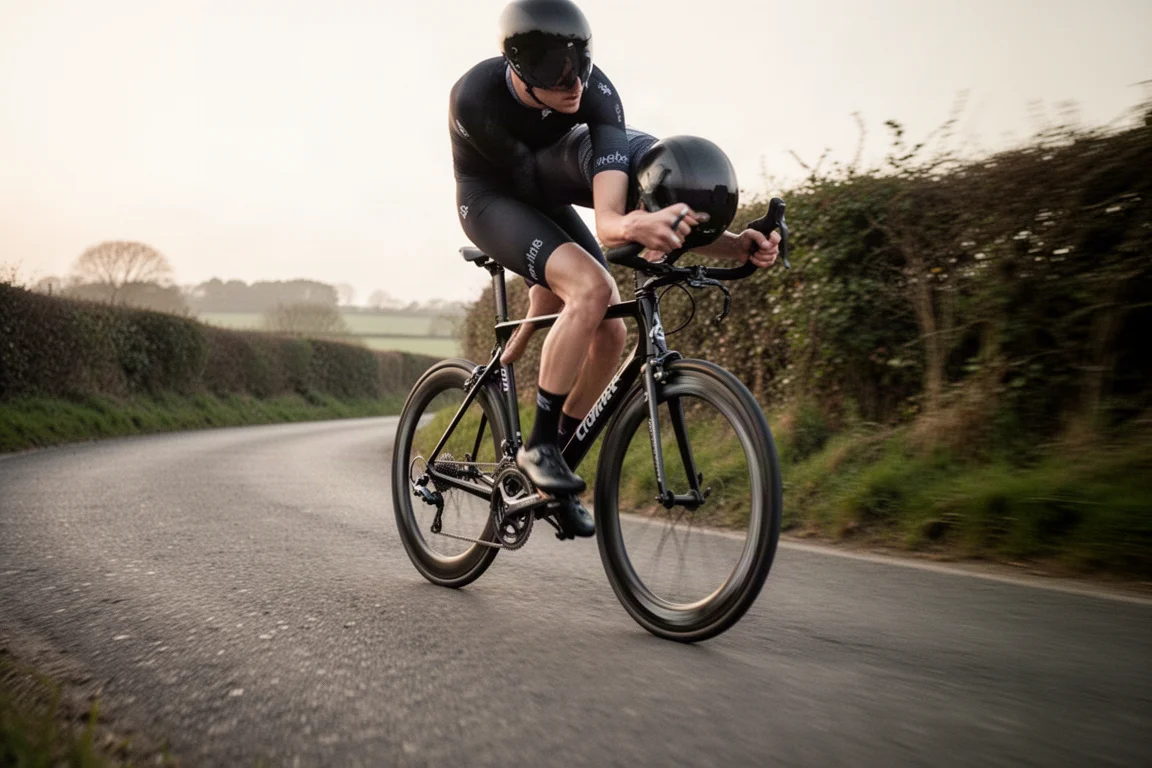
Position on the bike, and the quality of the parts that already work well, matter far more than the badge on the cranks. With that in mind, the biggest spending mistake on a road bike is the most predictable one, and it starts at the very top of the range.
Shimano Ultegra: The Sensible Second-Tier Choice
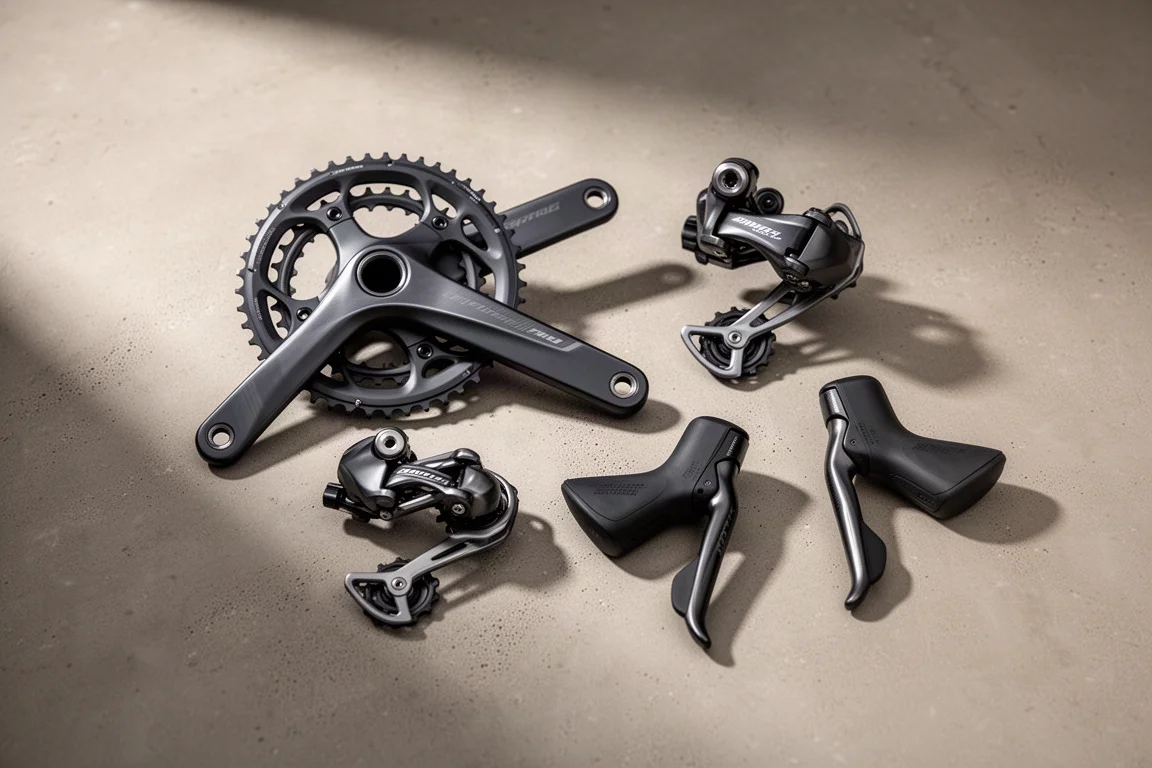
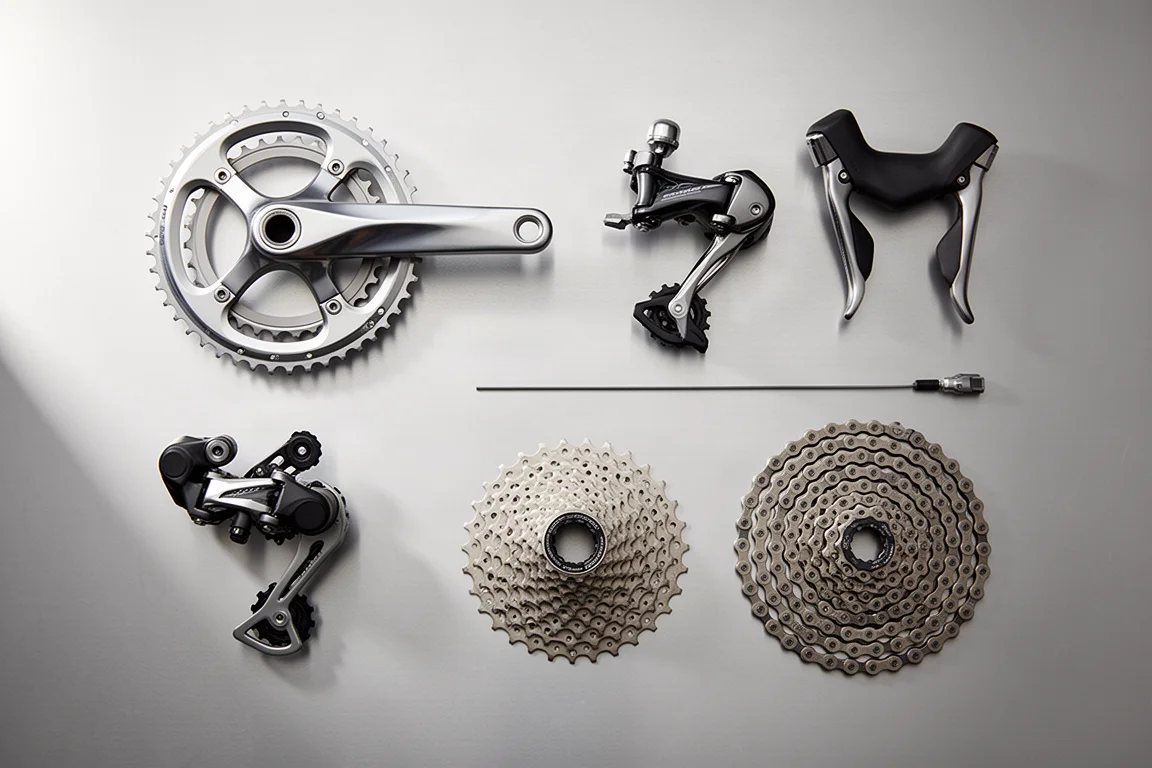
Flagship carbon frames and top-end groupsets are marketed as the obvious destination, yet for anyone who is not racing professionally, the difference over second-tier versions is small. Shimano is the clearest illustration of this. In their latest electronic form, Ultegra and Dura-Ace share exactly the same motors, the same battery, and the same features. What separates them is the material and the resulting weight, not the way the bike shifts or the way it feels to ride.
That makes Ultegra the smarter purchase for the vast majority of riders. You get the same electronic shifting behaviour and the same feature set, and you keep a significant amount of money available for other things. The saving is not a compromise in function. It is a compromise in grams.
Shimano Dura-Ace: Who the Flagship Is Really For
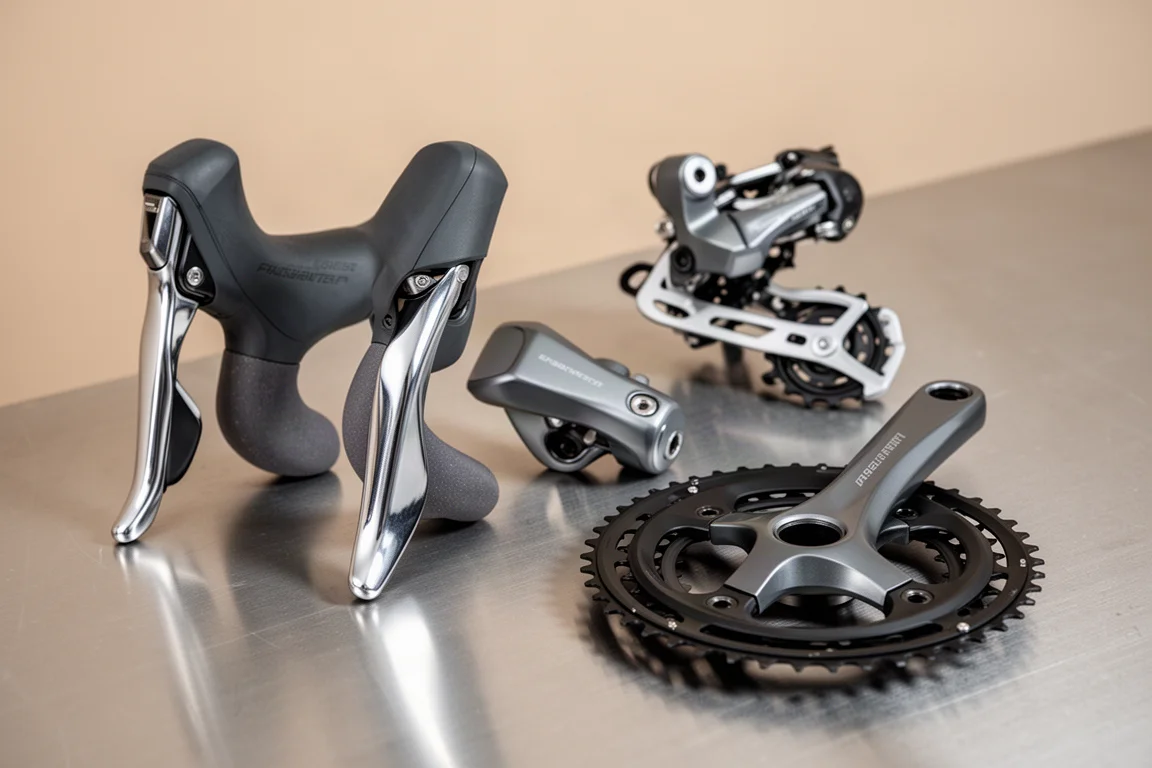
Dura-Ace earns its place at the top of the range, but the honest framing is this. The lighter materials used in the flagship groupsets save just under 300 grams, and that saving costs roughly an extra £1,100 or $1,500 compared with the equivalent Ultegra build. For a professional road racer, where every gram is part of the job, that trade can be justified. For everyone else, the performance benefit is tiny relative to the price jump.
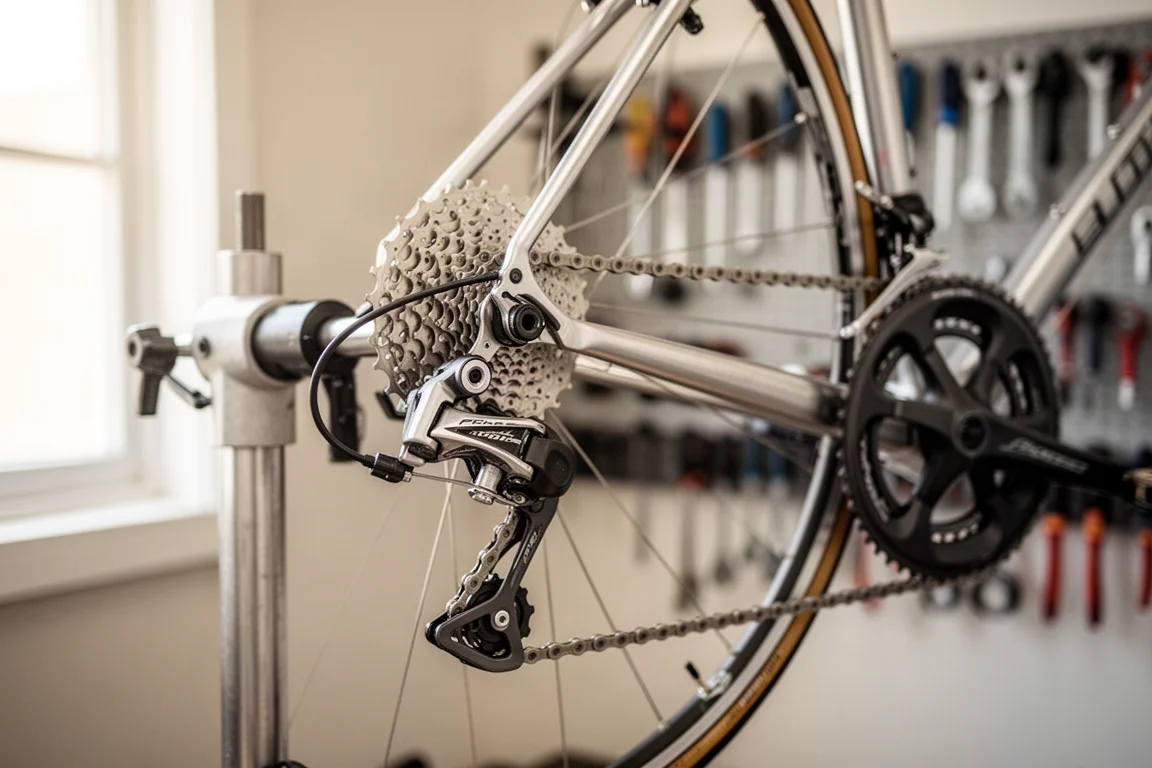
Dura-Ace remains an excellent groupset, and there is nothing wrong with choosing it when the budget allows and the ownership experience is the point. The question worth asking is whether that weight saving is worth the premium for the riding you actually do. In most cases, the answer is no.
Upgrades That Rarely Pay Off: Tubeless Conversions
Tubeless tires have improved enormously, but the upgrade is not automatically worthwhile. Rolling resistance testing shows that running a latex inner tube inside a tubeless tire was only about 0.4 watts slower at 60 PSI than the same tire set up tubeless with 20 ml of sealant. In other words, the speed advantage of going tubeless is very small.
Maintenance is the bigger consideration. Tubeless setups need sealant topped up at intervals that depend on conditions and on your setup. Riders in hot climates, or those commuting on debris-strewn city streets, may find themselves refreshing sealant fairly often. Converting also requires tubeless-ready wheels, and buying new wheels to get there can cost hundreds, if not thousands. If you already own tubeless-ready wheels and want fewer punctures, the conversion can be an economical one. If you dislike bike maintenance, it may simply buy you work you do not want to do.
Upgrades That Rarely Pay Off: Carbon Bars and Aero Kit
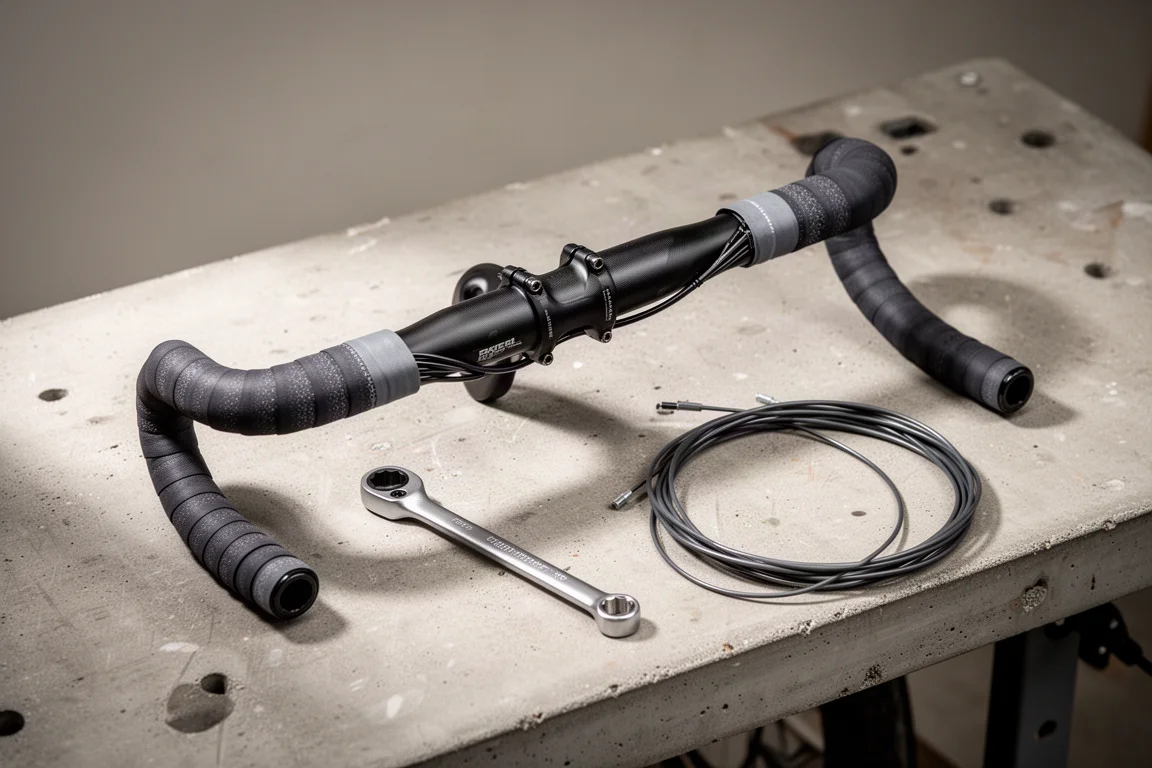
Carbon handlebars are a classic case of an upgrade bought for the wrong reasons. They are usually chosen for one of three things: a small weight saving, a reduction in road buzz reaching the hands, and the aerodynamic shapes that carbon allows manufacturers to mould. All three are real, but the gains are small. Even the best carbon handlebars typically save only a few grams or a few watts, while the price difference against a good alloy bar can be substantial. There is also a practical catch. After a drop or a crash, many brands advise replacing a carbon bar as a precaution.
Aerodynamic accessories deserve the same scrutiny. Oversized pulley wheel systems and expensive socks appeal to riders who enjoy top-end kit, but measured cost-per-watt testing shows how poorly they compare with cheaper options. Spending large sums on aerodynamic bolt-ons is not an efficient route to a higher average speed.
Power Meters: Only Worth It If You Use the Data
Power meters are now common on new bikes, but the tool only earns its place if the numbers change what you do. A power meter is, at its core, a device for getting fitter and faster through structured training. If you are not following a training plan and not using the data to chart progress, it mostly adds weight to the bike and takes money out of your pocket.
They come in several forms, with sensors placed in pedals, cranks, crank spiders, and even wheel hubs, and each format has its own strengths and drawbacks. Some units report pedal balance, which can be genuinely useful information for preventing or recovering from injuries. Analysing power numbers, comparing them with riding friends, and getting a sense of how strong professionals really are is enjoyable. The practical point stands, though. A power meter costs at least a few hundred, and the best ones cost considerably more, which is a lot to spend on data you never act on.
Buying Advice: Matching Spend to Real Gains
The best value upgrade in cycling is free. Testing a more aerodynamically efficient riding position against a baseline position saved over 30 watts, which is more than most paid upgrades deliver. The cost is time, because holding that position comfortably requires training and patience. It is still the single most effective change available to most riders.
The same principle shows up elsewhere. At national hill climb championships, where low weight matters more than anywhere, many of the fastest bikes are built from well-priced parts rather than the most expensive ones. Light weight and speed do not require a huge budget. They require choosing the right places to spend.

A sensible order of spending looks like this. Sort out your position and your training first, choose second-tier components where the flagship only adds grams, keep a good alloy handlebar unless you have a specific reason to change, treat tubeless as a puncture decision rather than a speed decision, and buy a power meter only if you will use the data. Each of those choices keeps money available for the things that genuinely change how the bike rides.
Conclusion
None of this is an argument against upgrading. It is an argument for upgrading deliberately. Shimano Ultegra delivers the same electronic shifting features as Dura-Ace for far less, and for most riders that is the better purchase. Beyond the groupset, the biggest gains come from position, training, and a clear-eyed view of cost versus benefit. Spend where the return is real, and skip the rest without regret.
Further reading
Related Reviews
Cycling Upgrades
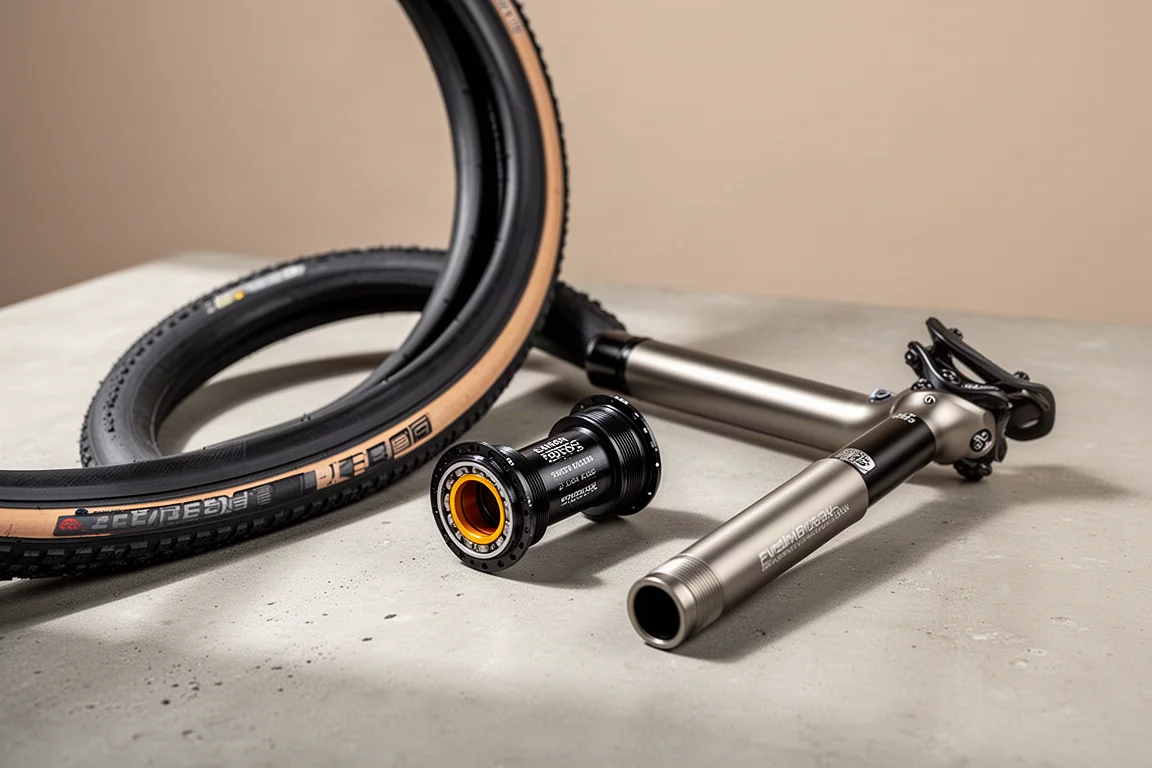
Best Bike Upgrades 2026: Three Practical Upgrades for Better Riding
A supple race tire, a durable ceramic bottom bracket, and a suspension seat post each offer distinct benefits and trade-offs.
Cycling Upgrades
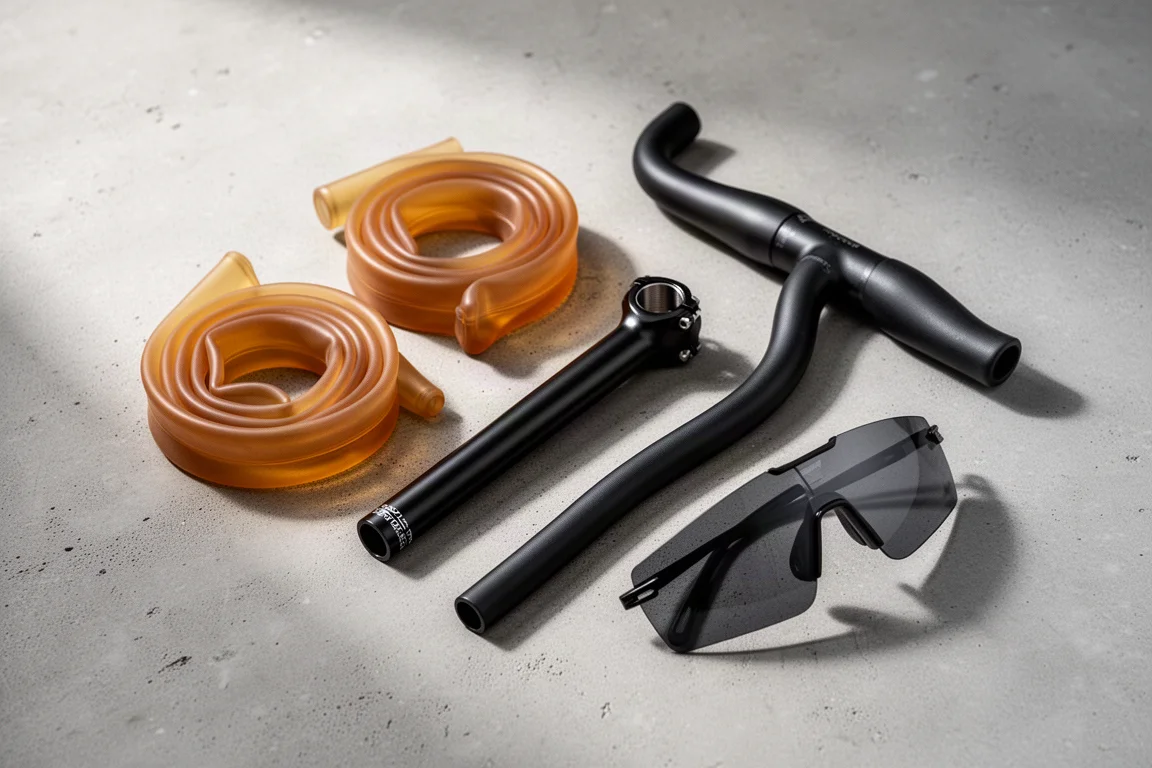
Cheap Road and Gravel Bike Upgrades: Five Budget Picks Worth Buying
Five low-cost upgrades for road and gravel bikes, from latex inner tubes with a measurable speed gain to budget stems, handlebars and sunglasses.
Cycling Upgrades
Best Value Bike Upgrades: Handlebars and Arch Support Insoles Worth Buying
Three low-cost cycling fit upgrades that change how a bike feels: a narrow internally routed handlebar and two arch support insole options.