Cycling Upgrades
Best Value Bike Upgrades: Handlebars and Arch Support Insoles Worth Buying
Three low-cost cycling fit upgrades that change how a bike feels: a narrow internally routed handlebar and two arch support insole options.
Introduction
Bike upgrades are usually discussed in terms of wheels, frames and groupsets, but the changes that most affect how a bike actually feels often cost a fraction of that. Handlebar width, foot support and stem length all influence comfort, power delivery and aerodynamics, and on a regular everyday bike they can be adjusted relatively cheaply.
This guide covers three upgrades with clear value: a narrow, internally routed handlebar, a premium arch support insole, and a lower-cost off-the-shelf insole. Each one works on a contact point where a small change in fit translates into a noticeable change in the ride.
What Makes These Upgrades Worth Buying
Three things separate a worthwhile upgrade from a marginal one: cost, the effect on the rider, and compatibility with the bike.
The cost side is straightforward. Handlebar width can be changed for as little as 50 to 60 pounds, arch support insoles start at around 30 to 40 pounds, and small hardware tweaks can cost only a few pounds each. Compared with performance parts, the outlay is minimal.
The effect is where these parts earn their place. Handlebars, insoles and pedals are the interfaces between the rider and the bike, and they influence hip function, weight distribution and how much of your effort reaches the pedals rather than being lost.
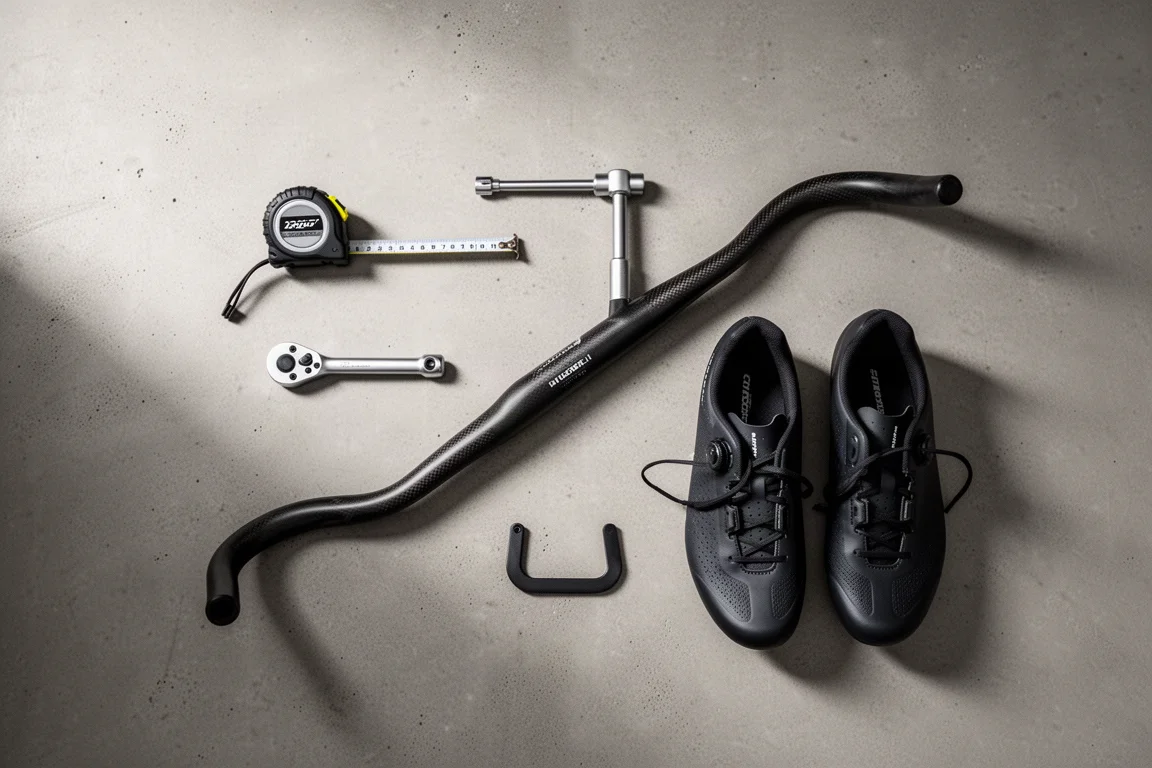
Compatibility is the one thing to check first. On a fully integrated cockpit or a proprietary aerodynamic seat post, these changes are not straightforward. On a regular bike, handlebars, insoles and small hardware items can be swapped without much trouble.
Best Handlebar Upgrade: Deda DCR02 DCR
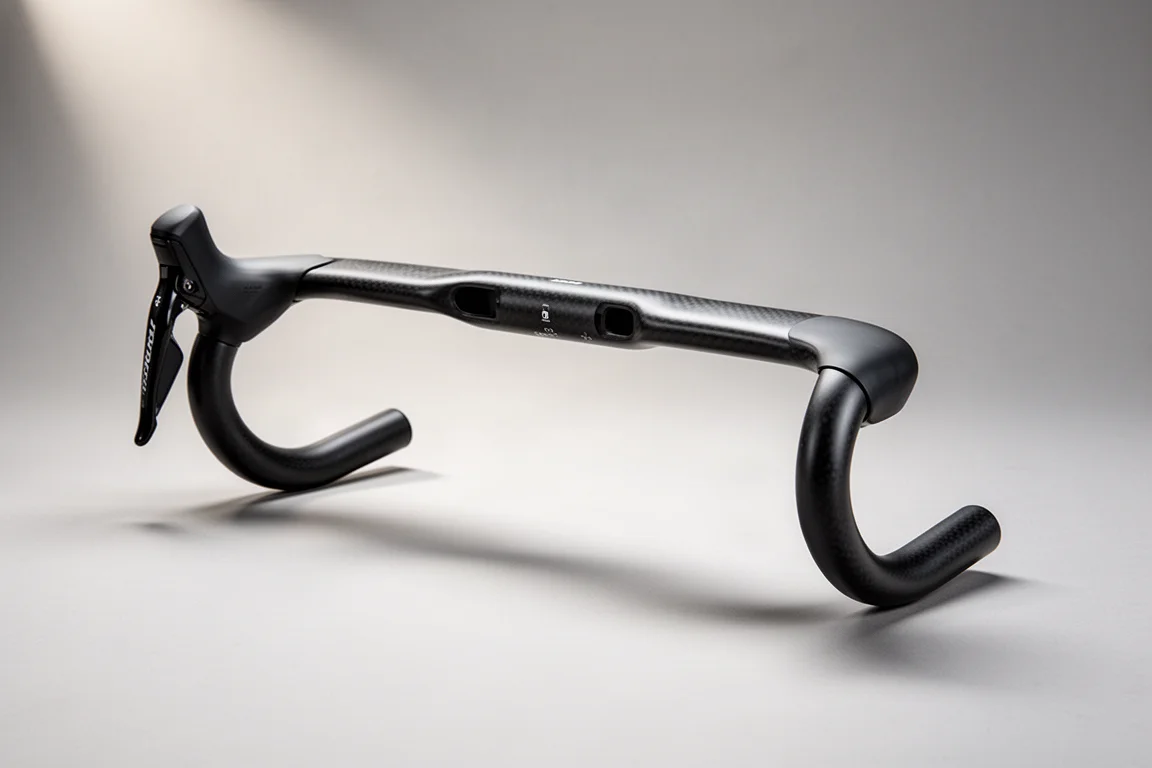
Handlebar width is one of the most overlooked fit variables on a bike. The Deda DCR02 DCR is an internally routed bar, so it works with an integrated front end, and it is available in widths from 34 cm all the way up to 44 cm.
Sizing starts with a measurement, not a guess. The reference point is the acromion process, the outer end of the shoulder blade, measured straight across. Most men measure between 38 and 41 cm, which makes 40 cm the most popular size, while most women measure between 32 and 38 cm. A rider measuring 34 cm should be on a 34 cm bar, not the wider bar that came on the bike.
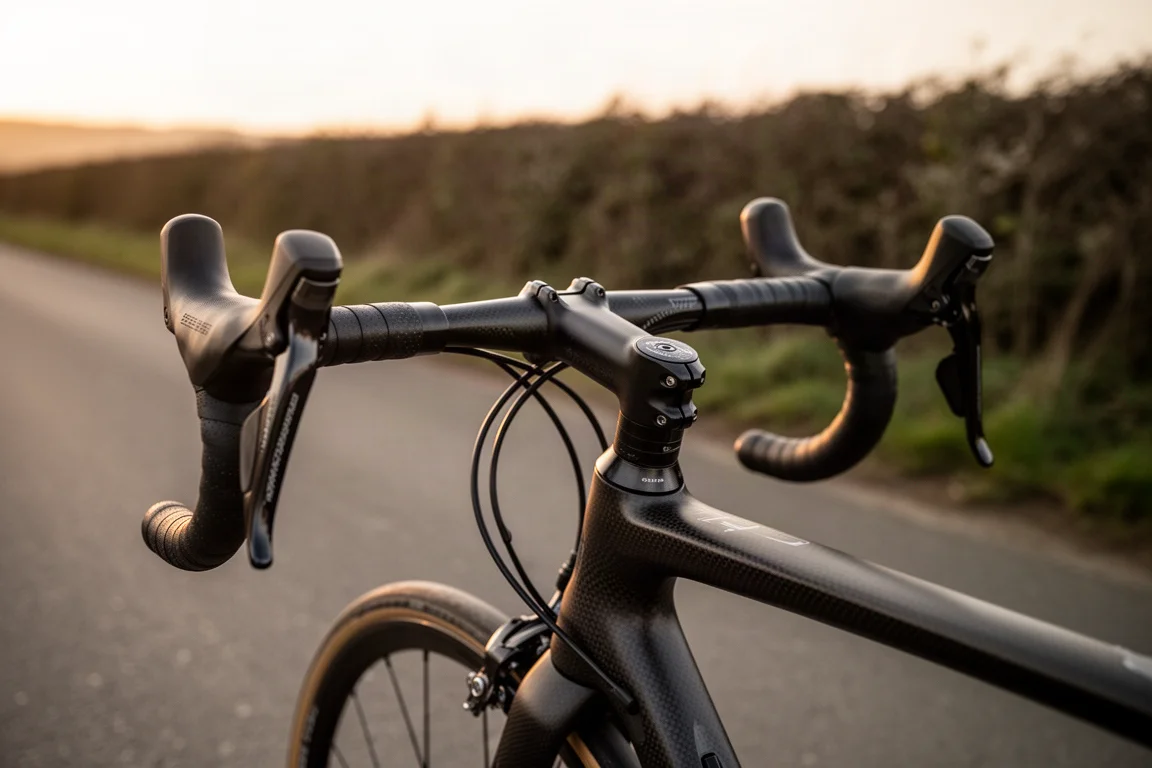
The performance argument for a narrower bar is simple. Narrower width brings the hands closer together, reduces frontal area and makes the rider more aerodynamic, which means going faster for the same effort. For most riders, the optimal bar is narrower than the one fitted as standard, so this is a rare upgrade that improves both comfort and speed.
Pricing is modest: a handlebar width change can be had for as little as 50 to 60 pounds, and similar bars come in a wide range of sizes.
Best Arch Support Insole: G8 2620
Arch support is the most commonly neglected part of cycling equipment. The whole foot, shoe and pedal interface is where power is either delivered or lost, and it is routinely overlooked in bike shops and fit sessions alike.
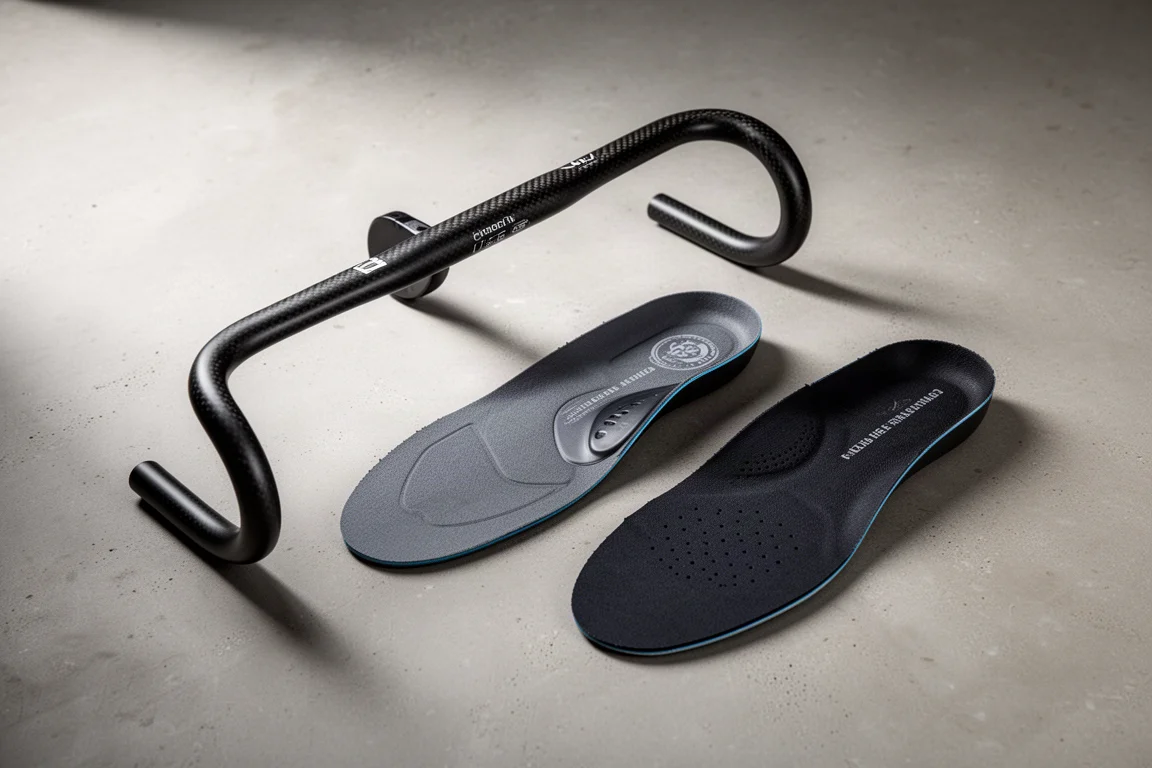
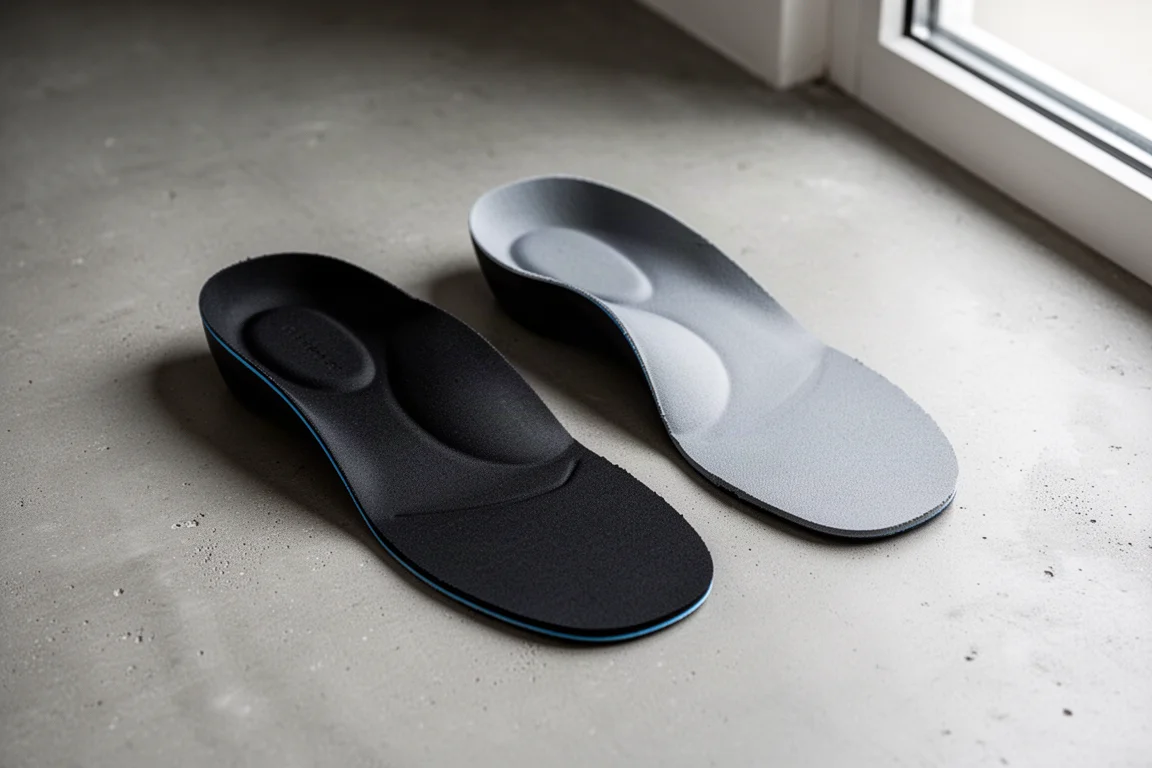
The G8 2620 is the premium option here, and the reason it stands out is its rigid heel cup. That structure makes the insole well suited to modification, because the heel is often adjusted to block pronation of the ankle joint. Fit work also points to a striking benefit: adding arch support has been found to reduce pressure through the saddle by up to 50 percent.
At around 95 pounds a set, it is a serious purchase, but it is also one of the few changes that can improve saddle comfort and pedalling mechanics at the same time.
Best Value Insole: Superfeet
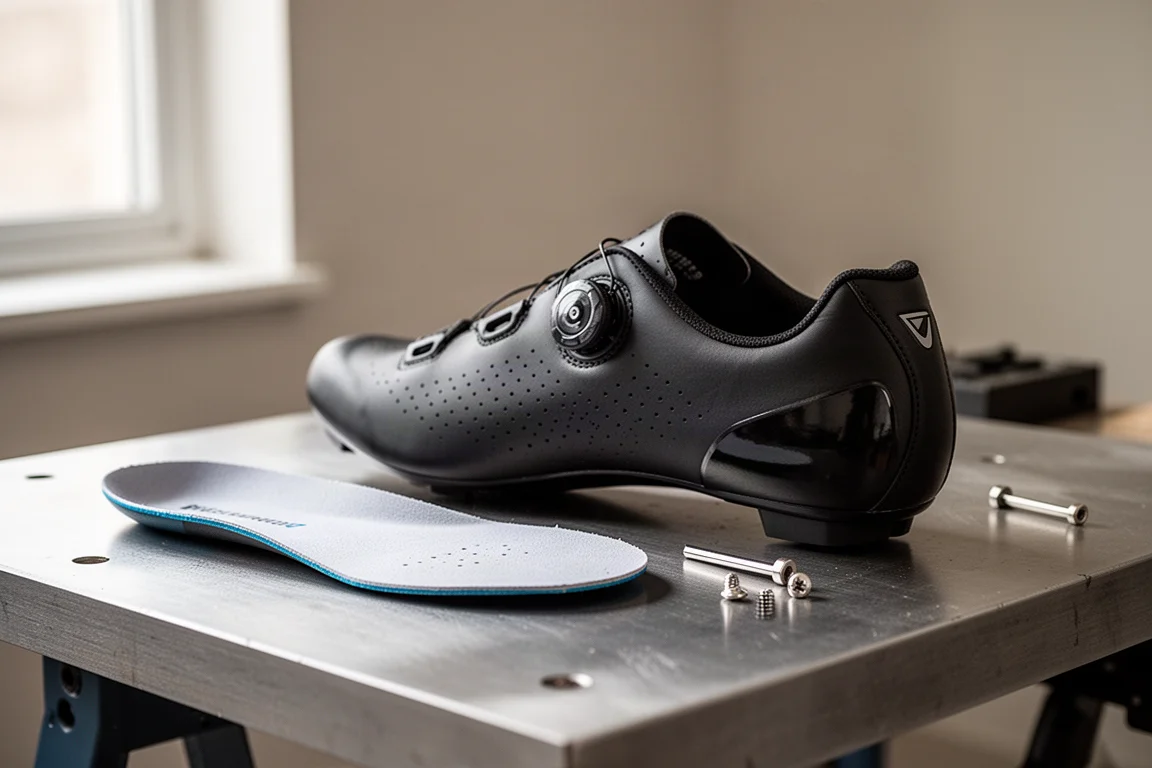
If a full-price arch support insole is more than you want to spend, an off-the-shelf option such as Superfeet gets most of the way there for almost half the money, typically around 30 to 40 pounds.
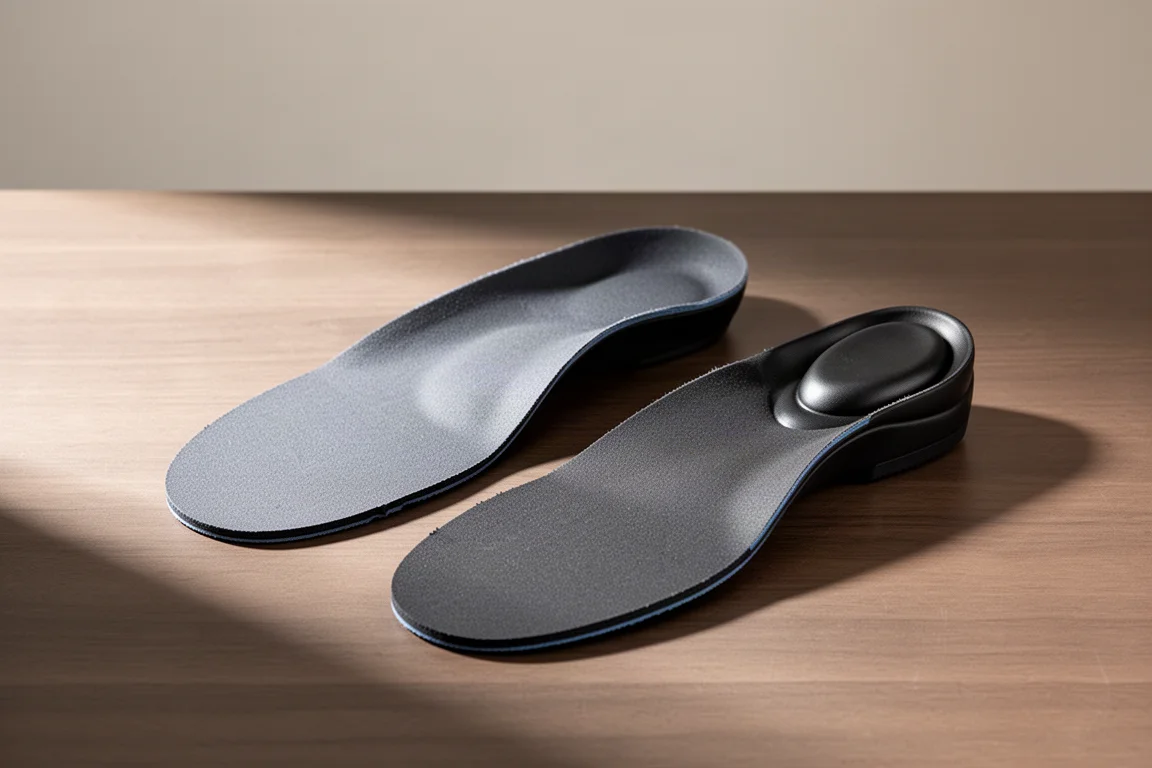
The Superfeet insole has a firm rigid heel cup, which is the feature that matters most for controlling ankle movement. What it lacks is adjustability in arch height, so the support is fixed rather than tuned to your foot. For riders who want to address saddle pressure and foot stability without committing to a customised setup, that is still a meaningful improvement over riding with the flat insole that came in the shoe.
It is a sensible first step if you have never used arch support before, and a reasonable spare-set option for riders who already know they benefit from it.
Buying Advice: Getting the Fit Right
Change one thing at a time and measure before you buy. For handlebars, confirm the clamp diameter, since most modern bars use the 31.8 mm standard while some very cheap options still use the older 22.2 mm fitting.
It also helps to think about how these changes interact. Moving the saddle forward with an inline seat post can open up the hips and improve pedalling dynamics, but it often leaves the rider feeling cramped, which is why a 15 to 20 mm longer stem is commonly paired with it. Stem length itself is a tuning tool: shorter if the bike feels too long and the controls are hard to reach, longer if you want a more stretched, aerodynamic position. Go too short and the handling turns erratic, go too long and the bike steers like a boat tiller, and anything beyond about 120 mm usually points to a position problem, a frame that is too small, or simply wanting more reach than the bike needs.
For riders on the larger side, or those with a bowing of the shin bone known as tibial varum, a 2 mm pedal washer is another very cheap change that widens stance and can improve hip function and posture at the top of the pedal stroke.
Whichever route you take, start with the item that matches your biggest discomfort. Saddle pressure and unstable feet point towards insoles; numb hands, shoulder tension or a sense of pushing too much air point towards handlebar width. A structured fit session is the most efficient way to work out which of these applies to you before spending anything.
Conclusion
None of these upgrades is glamorous, and none of them will transform a bike on looks alone. What they do is tune the three points where the rider meets the machine, and that is where comfort, power delivery and aerodynamics are decided. The Deda DCR02 DCR handlebar brings width and internal routing into line with a modern front end, the G8 2620 delivers premium arch support with a rigid, modifiable heel cup, and Superfeet offers a lower-cost entry into the same idea. Buy the one that matches your fit problem, and the return on a modest spend is easy to feel on the very next ride.
Further reading
Related Reviews
Cycling Upgrades
Best Bike Upgrades 2026: Three Practical Upgrades for Better Riding
A supple race tire, a durable ceramic bottom bracket, and a suspension seat post each offer distinct benefits and trade-offs.
Cycling Upgrades
Cheap Road and Gravel Bike Upgrades: Five Budget Picks Worth Buying
Five low-cost upgrades for road and gravel bikes, from latex inner tubes with a measurable speed gain to budget stems, handlebars and sunglasses.
Cycling Upgrades
Bike Upgrades Worth Buying: A Practical Tier List for 2026
Eight bike upgrades that genuinely change how a bike rides, plus the parts that rarely justify their price and how to decide what to buy first.