Cycling Bikes
Seven Road and Gravel Bikes Worth a Closer Look
A practical roundup of seven long-term ownership bikes, from fast carbon road frames to a gravel platform and a front-loading cargo bike.
Introduction
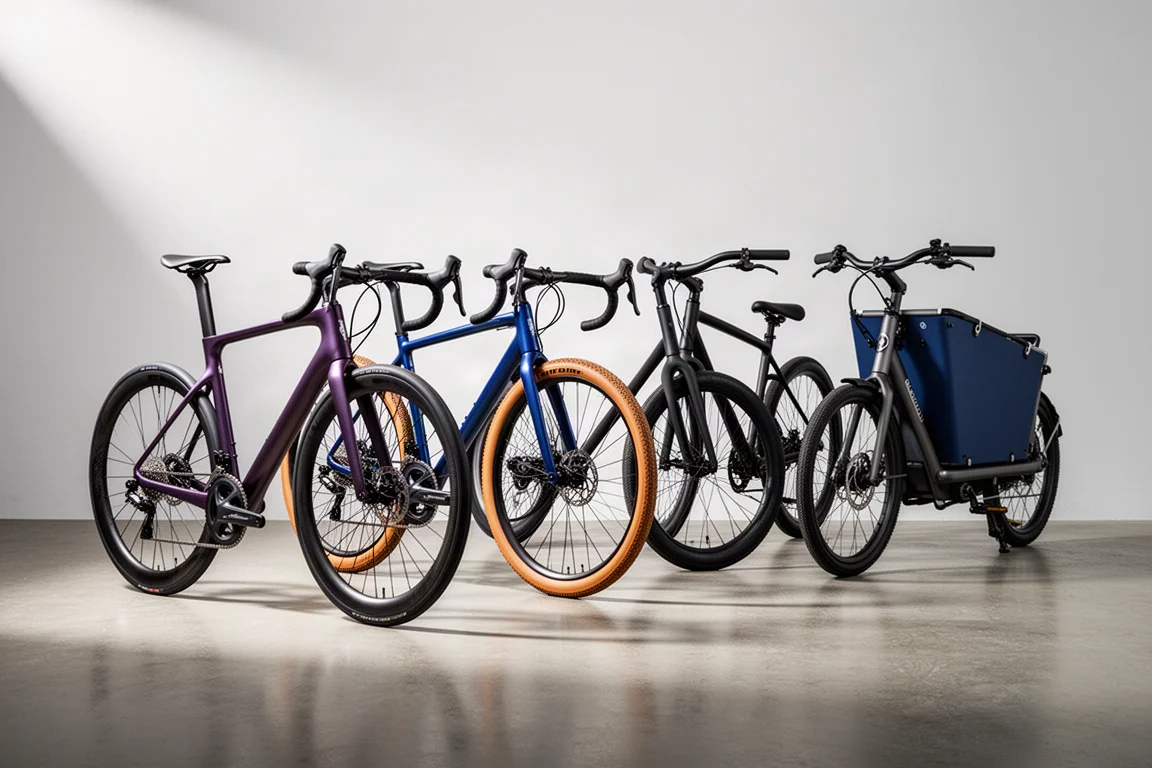
A bike proves itself over seasons, not weekends. The seven models in this roundup have each been owned and ridden long enough to show what they are really like to live with: how they cope with commuting, climbing, touring and bad weather, and which small design decisions turn out to matter most.
The spread here is deliberately wide. There are carbon road frames, a gravel platform, a fixed-gear build and a front-loading cargo bike, which makes the differences between them much easier to see.
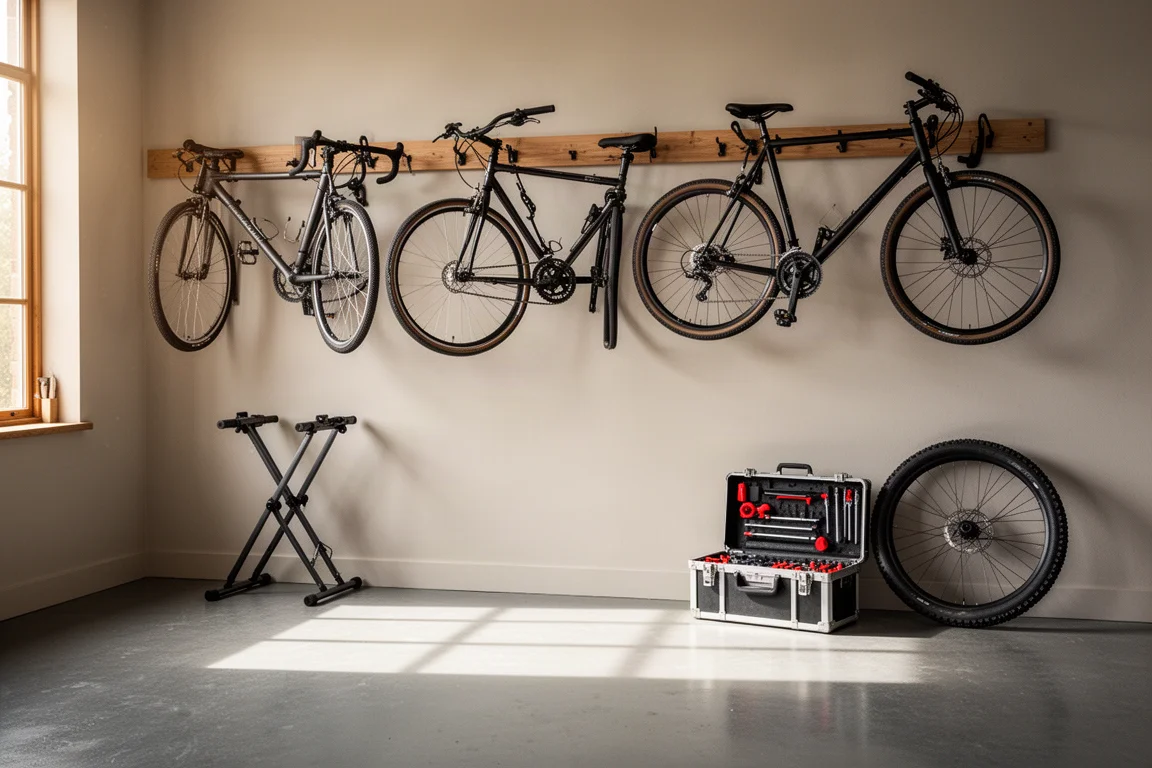
What follows is a practical look at each bike: what it does well, where it compromises, and who it suits. Build specifications, paint options and pricing vary by year and region, so check current listings before you commit.
How These Bikes Were Chosen
Every bike here has been ridden hard across multiple seasons rather than sampled briefly. That long exposure is what surfaces the useful details: whether a frame’s geometry works for smaller riders, how serviceable a drivetrain is at home, whether a cockpit can be changed without a second mortgage, and how easily tyres can be mounted at the roadside.
The mix also covers the main ownership styles. Two carbon race frames, one gravel platform built around comfort, one gravel bike built around speed, a fixed-gear city bike and a cargo bike that replaces short car journeys. Read them side by side and the trade-offs become clear.
Wilier Zero SLR
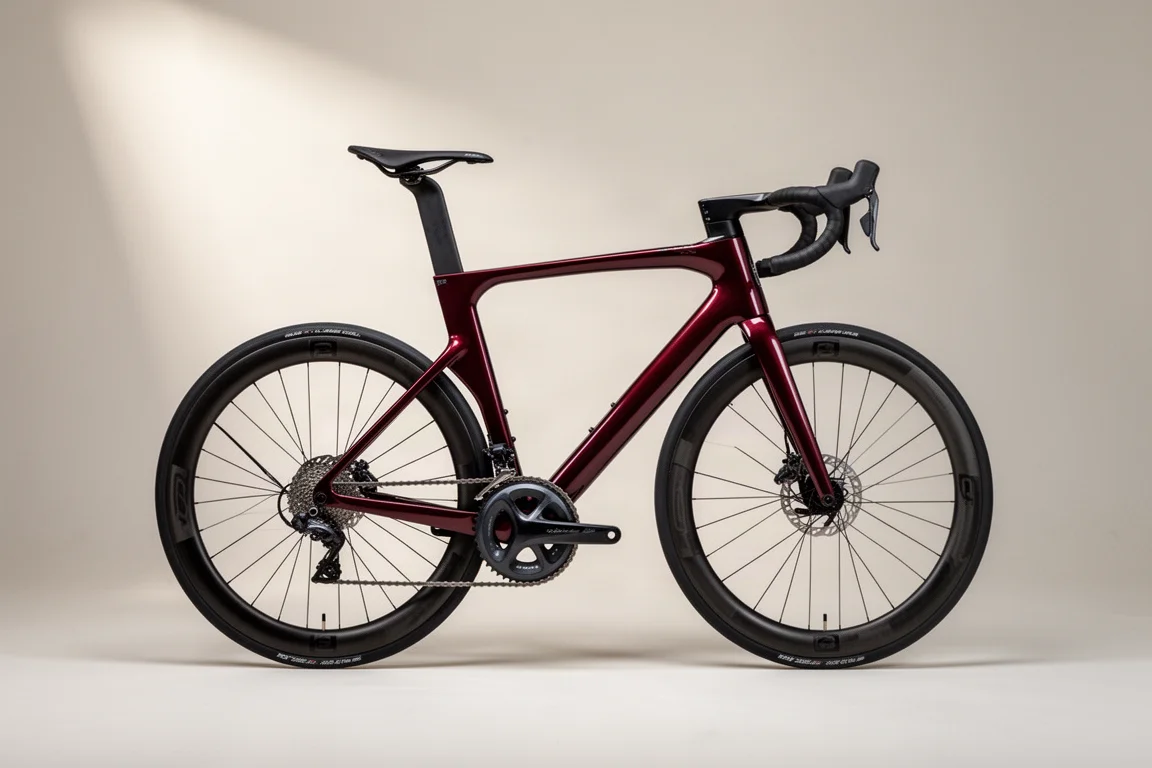
The Wilier Zero SLR is a carbon road frame with a fully integrated cockpit and, in this build, a Shimano Dura-Ace 11-speed groupset. The integrated seat post clamp sits slightly proud of the top tube junction, which is the one detail that tends to divide opinion on an otherwise very clean design.
The finish is the standout. The paint is a considered, rich colour that looks considerably better in person than it does on a screen, and the overall build reads as a bike people stop and look at.
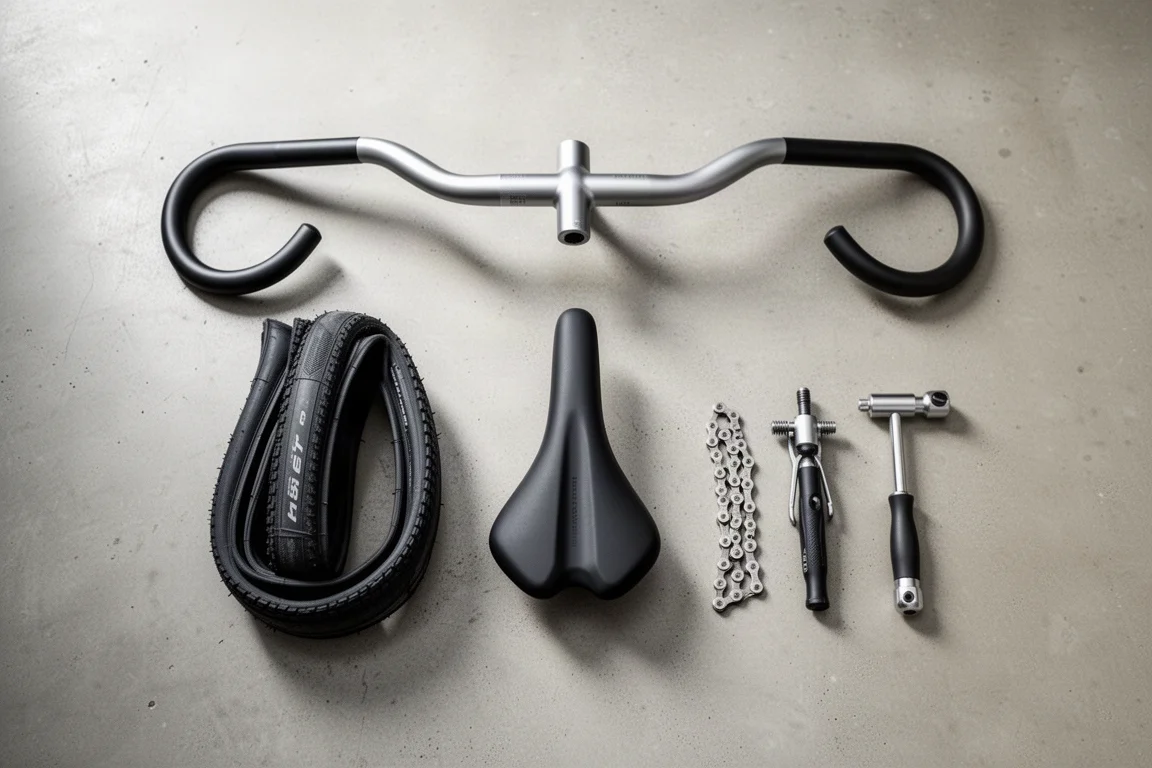
Setup on this example runs 170 mm cranks and 40 cm bars, with the bar width effectively fixed at the point of purchase. That deserves some thought, because replacing a one-piece cockpit means sourcing an integrated bar and stem with the right angles and reach. When this bar was listed, it retailed at roughly €800, which makes bar width a long-term decision rather than a tuning option.
Wheel and tyre fitment is the other practical point. The original wheelset made tyre mounting and removal unusually difficult, to the point where several levers and a lot of patience were needed at the roadside. Moving to a Shimano wheelset resolved it, so it is worth checking how a given rim and tyre combination behaves before buying.
Canyon Ultimate CF SLX
The Canyon Ultimate CF SLX is a lightweight climbing frame, and this example dates from around 2018. Its tinted clear coat sits over the carbon, so the layup is visible through the gloss finish, and the frame pairs a dark base colour with amber tan-wall tyres for a strong, simple look.
It has done far more than climbing. This bike has covered bikepacking trips, short time trial efforts and long mountain ascents, and it stays light and quick regardless of what it is loaded with. The build is a deliberate mix: Dura-Ace cranks with Ultegra shifters and rear derailleur, and 165 mm cranks for a shorter pedal circle.
Fit is the caveat. This frame ran slightly large for its owner, which required a short stem and shifters rotated up to bring the reach in. If you are between sizes, that is the variable to get right before anything else.
Cannondale Topstone Carbon
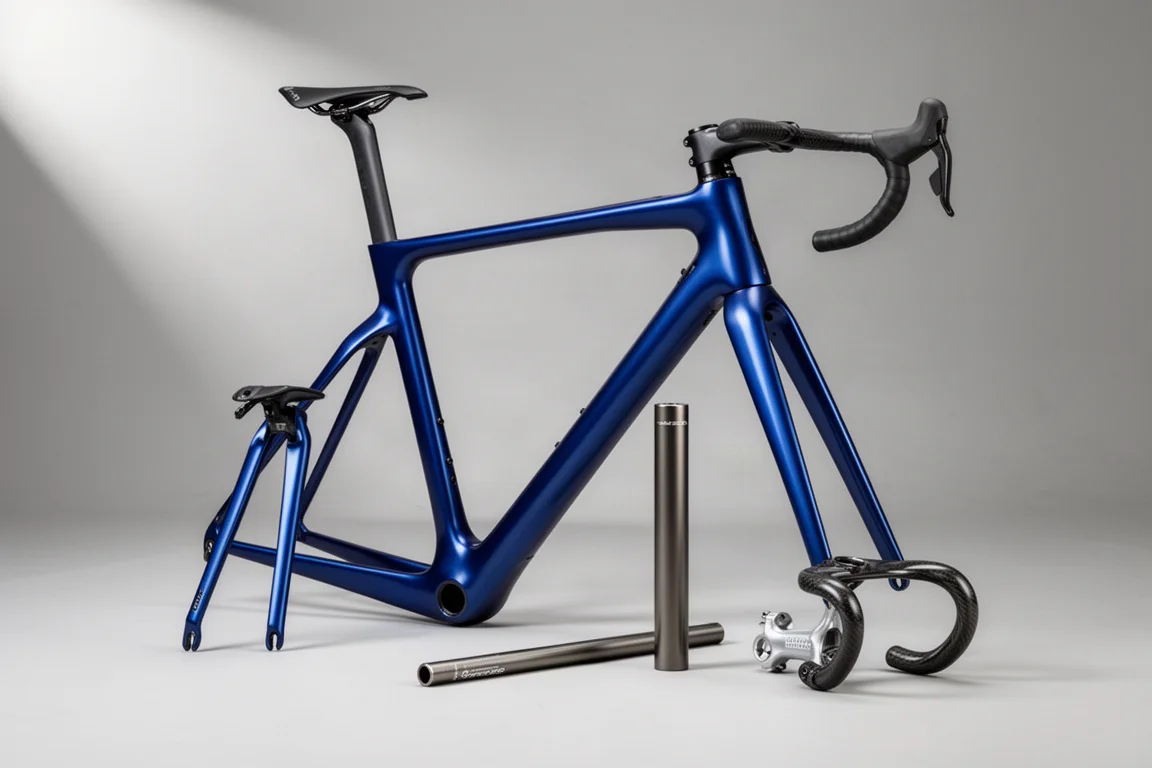
The Cannondale Topstone Carbon is a gravel platform built around Kingpin, Cannondale’s rear compliance design. A pivot sits where the seat stays meet the seat tube and allows a small amount of flex, though in practice the movement is subtle because the structure is still carbon against carbon. Think of it as a comfort feature rather than suspension.
The more interesting engineering sits in the smaller frame sizes. The head tube is noticeably longer and the front centre is pushed out, which lets smaller riders run 700c wheels without toe overlap. That is a genuinely useful piece of design for anyone who has struggled with a cramped front end.
This build uses a 2x Ultegra RX groupset, which suits a bike that spends time on gentle off-road paths and on tarmac. One practical limit: the front triangle on smaller sizes is tight enough that a frame pump will not fit inside it, so plan on a mini pump or CO2.

The result is a gravel bike that feels calm on mixed surfaces without losing its road manners. If your riding is mostly gentle tracks, coastal paths and quiet lanes rather than technical terrain, that balance makes more sense than a sharper, more demanding gravel race setup.
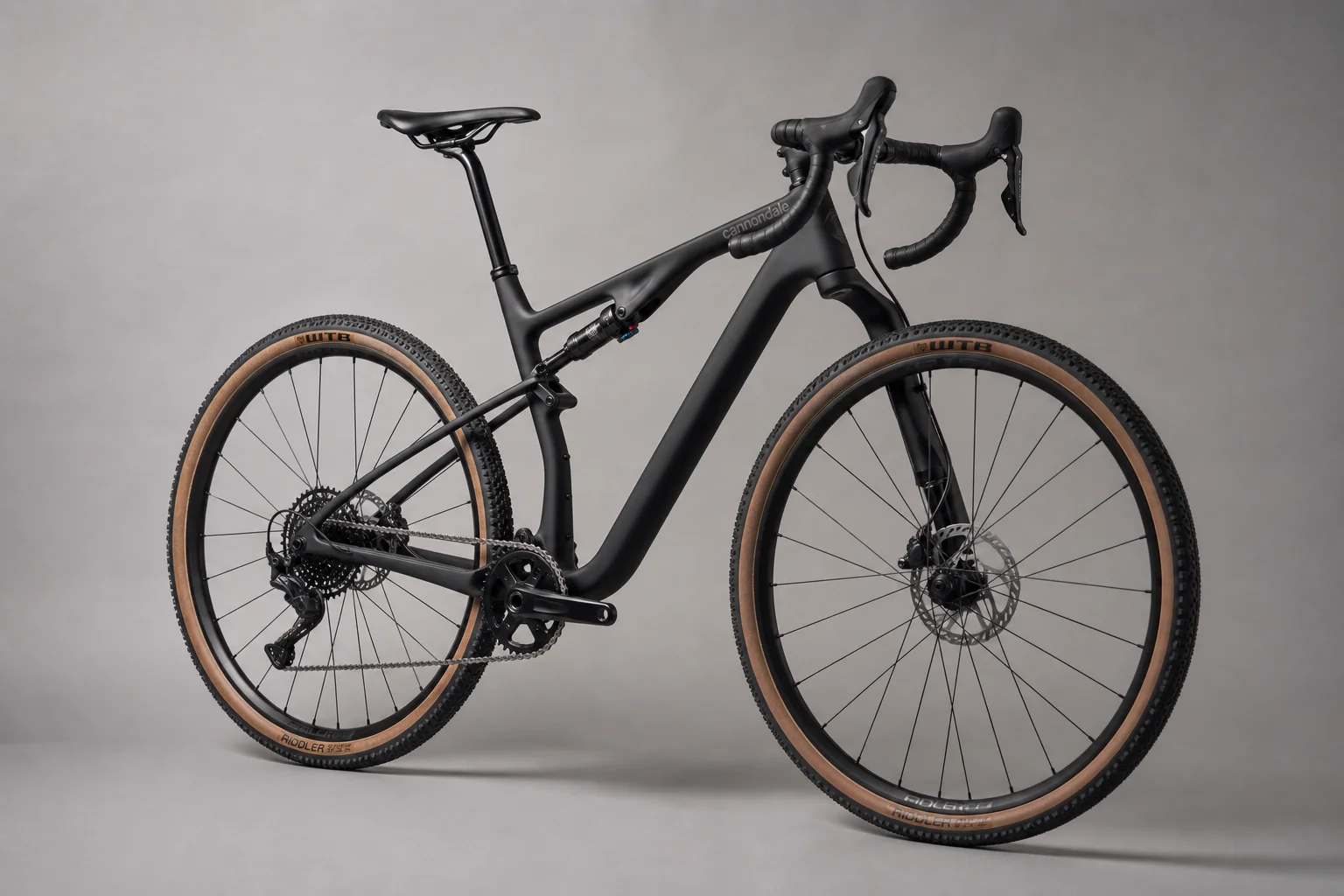
Cinelli Mash Histogram
The Cinelli Mash Histogram is a fixed-gear bike with track-derived geometry and a low, long front end: a long negative-rise stem, a compact head tube and bullhorn bars with grips at the ends. It is one of the most distinctive silhouettes in this group.
It has also been one of the hardest working. This bike has covered more than a decade of commuting, bike touring and long days out, and it has been repainted along the way. Fixed-gear drivetrains are mechanically simple, which is exactly why builds like this last: fewer parts, less to service, less to go wrong.
The trade-off is gearing. A fixed drivetrain has no freewheel and no gears, so sustained climbing is limited unless you run a flip-flop hub and switch to a lower ratio. For flat city riding and rolling terrain, that is rarely a problem.
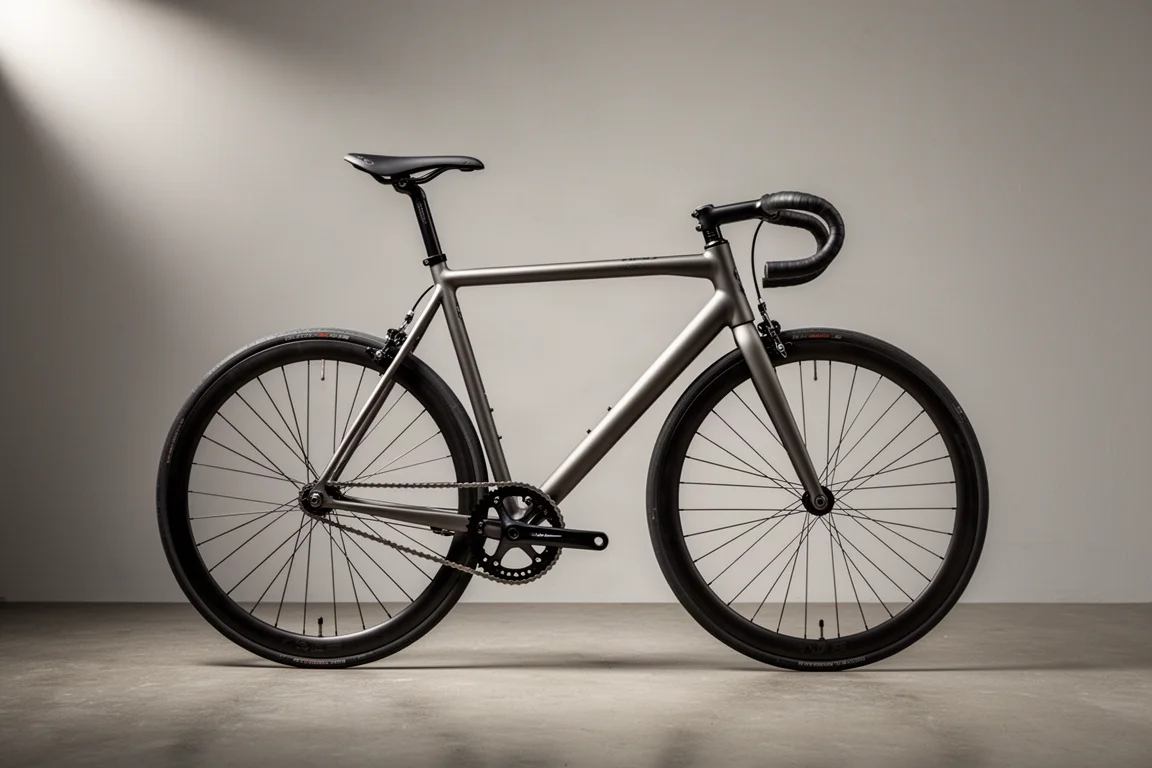
Scott Addict RC
The Scott Addict RC in this build is a rim-brake frame, a version that was not widely sold at retail and largely came through development and team channels. That makes it a rare starting point for a build.
Everything bolted to it was chosen for practicality. The drivetrain is a wireless SRAM Force 2x setup, one generation back from the current Force, and the cockpit uses an alloy stem with short, shallow carbon bars. The saddle sits well forward on an inline seat post, which creates an aggressive position.
The real argument for this bike is serviceability. With rim brakes and a wireless drivetrain, everything can be adjusted or replaced without a hydraulic bleed kit, which keeps home maintenance quick and inexpensive. The wheels are the compromise: shallow alloy rims with a fairing bonded over the top, which gives a blacked-out look with a braking surface that actually works with rim brakes, at the cost of extra weight and a premium price for what sits underneath.
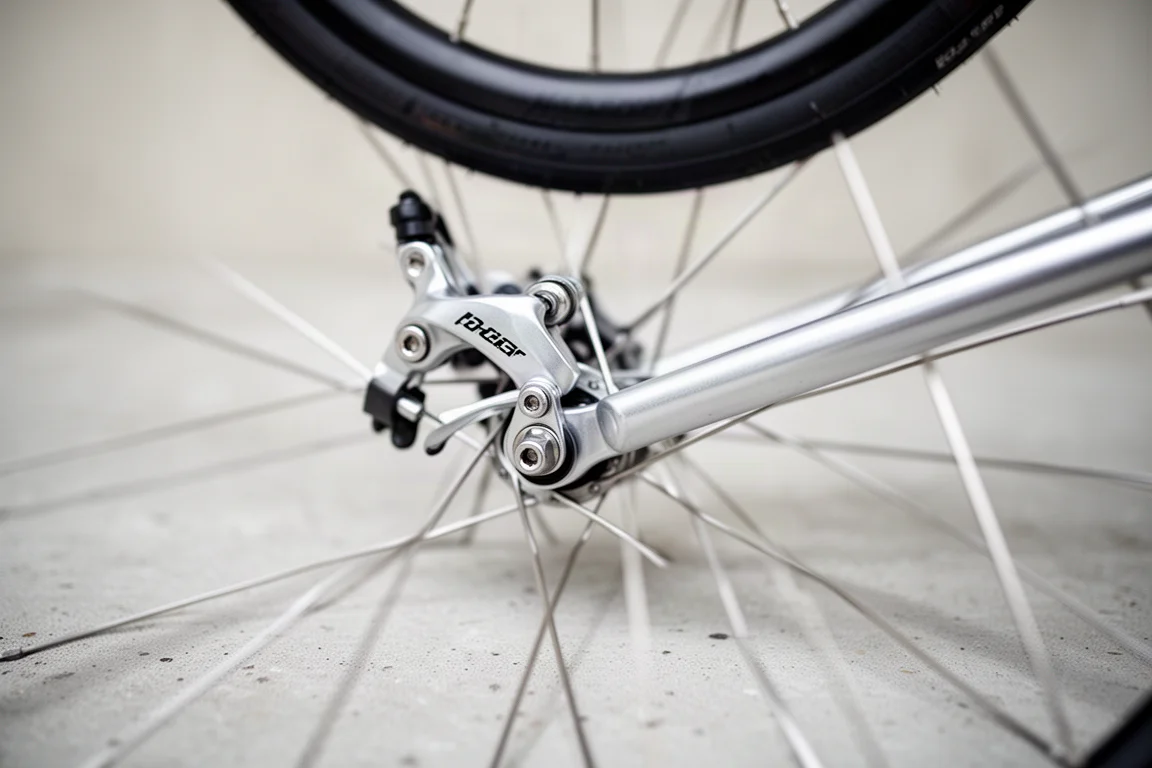
The frame geometry is old enough to be genuinely appealing, with a ride quality that rewards a forward, committed position. If you can live with the wheel compromise and the fit, it is a fast and unusually easy bike to own.
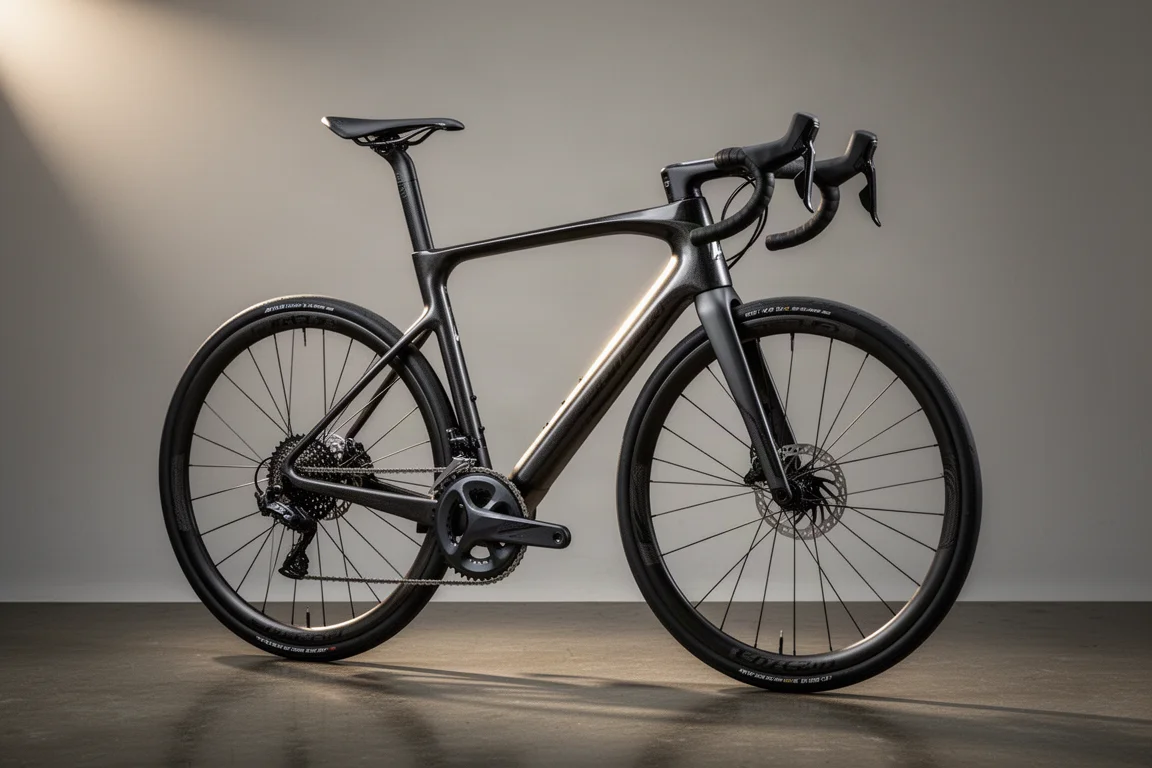
Scott Addict Gravel Tuned
The Scott Addict Gravel Tuned takes a road-adjacent platform and opens up the clearance for gravel tyres. The frame was supplied directly, while the rest of the build was assembled separately, including a set of Scope gravel wheels that happen to match the frame graphics closely.
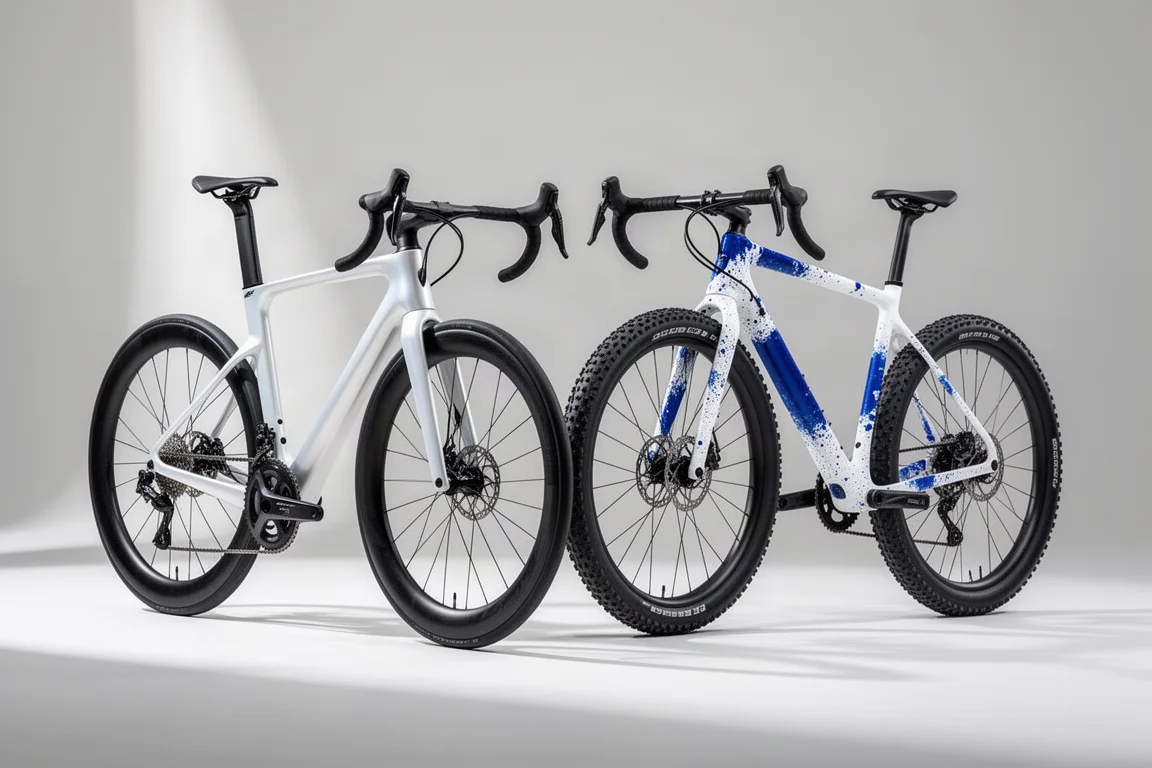
That clearance is the point. With slick tyres it behaves like a fast road bike, and with gravel tyres it handles rough surfaces without feeling slow or vague. It is quick enough on tarmac that many riders would leave gravel tyres on and not bother switching.
The design also allows a second wheelset, so one frame can serve as both a road bike and a gravel bike. The paint is a two-tone treatment with white on the fork and seat stays against a darker main triangle, and the graphics on this generation have since been revised.
Omnium Mini Max
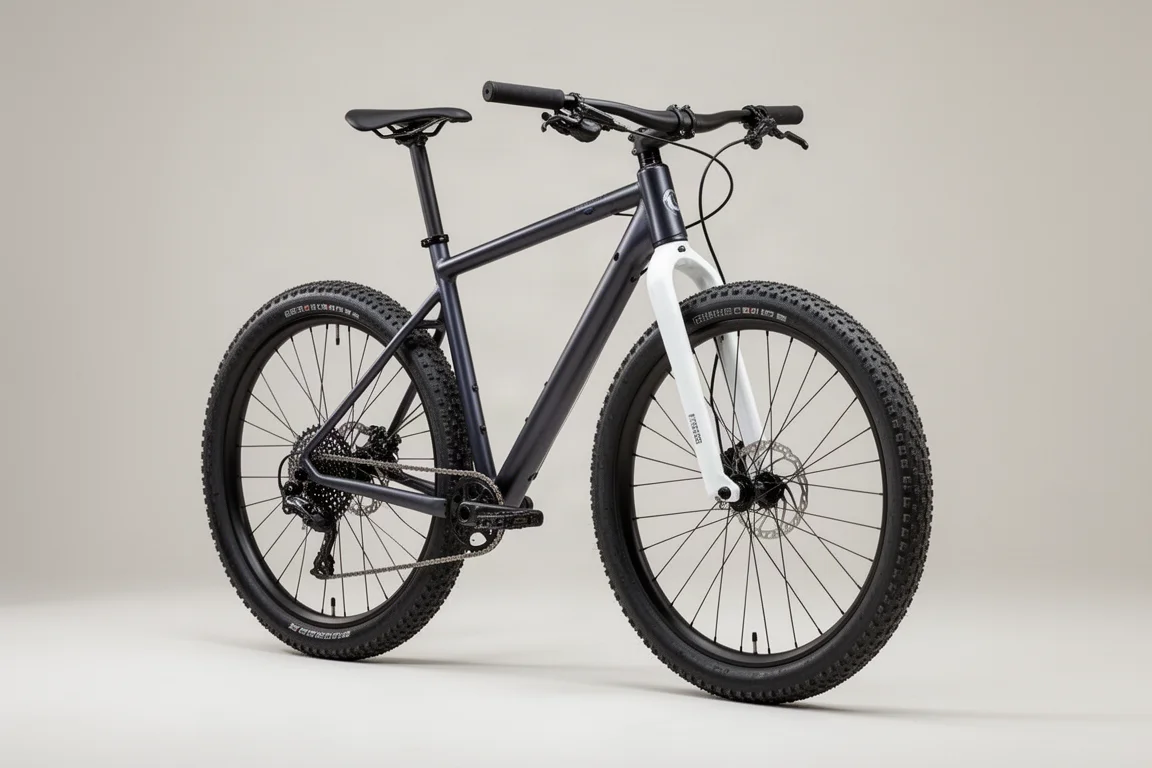
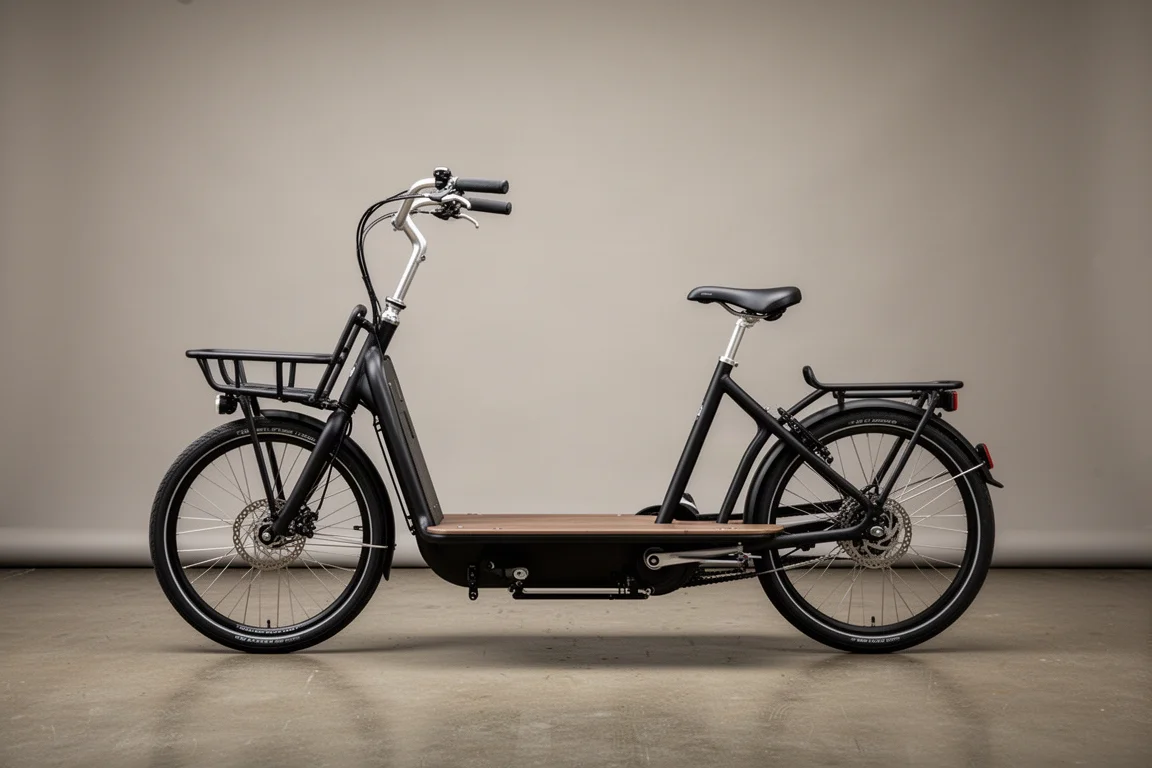
The Omnium Mini Max is a front-loading cargo bike, built around a long and stable platform that carries the load over the front wheel rather than behind the rider. This particular build was specified around a specific commute, with the motor chosen to handle steep climbs without needing a charge every day.
That is what makes it interesting. Used for short urban journeys, a bike like this can genuinely replace a car, and it stays stable when loaded with cargo or a pet. The platform is also low enough to keep the centre of gravity manageable at low speed.
The compromises are weight and power. It is heavy, as any cargo bike is, and more motor assistance would help on the steepest gradients. For flat cities and moderate hills, though, it covers ground that most bikes cannot.
Buying Advice
Start with the riding you actually do rather than the category you think you belong in. If speed on tarmac is the priority, the Wilier Zero SLR and Canyon Ultimate CF SLX are the sharpest tools here, with low weight and quick handling. If your routes mix sealed roads with gentle gravel, the Cannondale Topstone Carbon and Scott Addict Gravel Tuned will cover more ground more comfortably. For flat city riding, the Cinelli Mash Histogram’s simplicity is hard to beat, and for carrying loads or replacing short car trips, the Omnium Mini Max is in a category of its own.
Serviceability deserves more weight than it usually gets. Rim brakes and mechanical or wireless drivetrains can be maintained at home with basic tools, while integrated cockpits and hydraulic lines are best left to a workshop. That difference shows up every time you need a new bar, a new cable or a brake bleed.
Fit comes before specification. A frame that is one size too large will need a short stem and an awkward position, and on a bike with an integrated cockpit, correcting that later can cost more than the upgrade is worth. Get the reach and bar width right at the point of purchase, and confirm that the tyre and wheel combination you want will actually mount on the rims you are buying.
Conclusion
None of these bikes is universally better than the others. The Wilier Zero SLR is a beautiful, fast road bike with an integrated cockpit you should commit to carefully. The Canyon Ultimate CF SLX is a genuinely light climber that has proven itself across bikepacking and long ascents. The Cannondale Topstone Carbon is thoughtfully designed for smaller riders and mixed surfaces. The Cinelli Mash Histogram earns its place through a decade of hard use. The Scott Addict RC makes a strong case for rim brakes and simple maintenance, the Scott Addict Gravel Tuned is the fastest way to cover both tarmac and gravel with one frame, and the Omnium Mini Max does a job no other bike here can.
Pick the one that matches your terrain, your maintenance appetite and your fit. Those three factors matter far more than any single component line on the spec sheet.
Further reading
Related Reviews
Cycling Bikes
Best Bikes by Budget 2026: What £1,000, £3,000 and £5,000 Buys
A practical guide to the bikes worth considering at three price points, from aluminum gravel bikes to carbon road machines, with the trade-offs explained.
Cycling Bikes
Best Bikes for Mixed Off-Road Terrain: Three Approaches Tested
A steel cross-country hardtail, a lightweight full suspension cross-country bike, and a mountain-bike-leaning gravel bike compared for long mixed off-road days.
Cycling Bikes
10 Road and Gravel Bikes Worth Knowing: Workshop Favorites
Ten road, gravel and all-road frames that hold up in daily workshop use, from Italian stainless steel to titanium, steel and hand-woven carbon.