Camping Gear
RJVW USB-Powered Fan Review: A Lightweight Camping Fan for Hot Nights
A compact USB fan that runs from any power bank, weighs about 6 ounces, and makes warm-weather camping in a tent or vehicle far more comfortable.
Introduction
Warm-weather camping usually comes down to one thing: moving air. A tent or a vehicle interior can feel unbearable on a hot, humid night even when the outside temperature is only moderately high, because mesh walls block airflow and hold warmth inside. A small USB-powered fan solves that problem directly, and it does so without adding meaningful weight or cost.
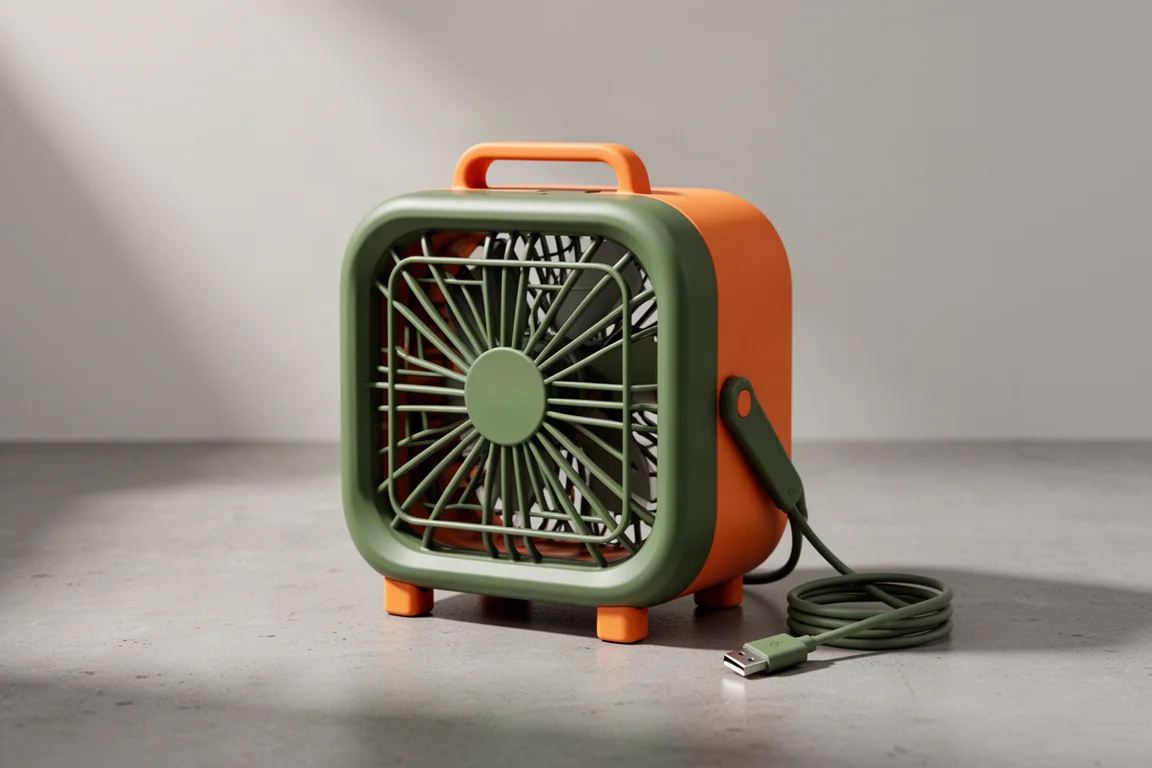
The RJVW USB-powered fan is one of those simple accessories. It is a compact plastic fan with a rotating head, a three-speed selector, and a fixed USB cable that runs from any power bank or power station. It has been part of summer trips since 2020, and the design has stayed essentially the same: light, inexpensive, and easy to live with.
Who this product is for
This fan suits backpackers, overlanders, and tent campers who need airflow in an enclosed space rather than a whole-room cooling solution. It is also useful for anyone who already carries a USB power bank and wants a low-draw way to stay comfortable while eating dinner at a camp table or sleeping in a vehicle on a rainy night with no ventilation.
Several companies build nearly identical fans, and the hardware is often interchangeable between brands. The RJVW version is notable mainly for its color options, which change over time. The green and orange combination has been the most consistently available, and it is the version that stands out most visually.
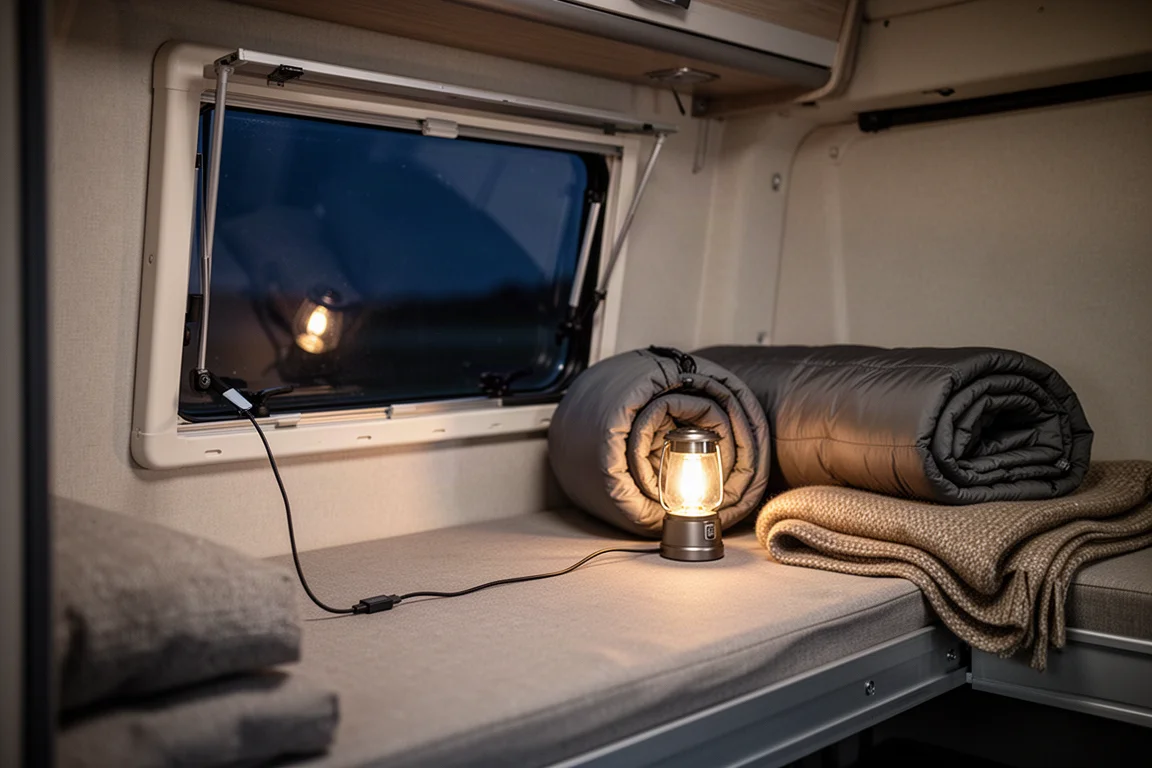
Because the fan runs from USB rather than an internal battery, it never needs its own charging routine. It simply plugs into whatever power source is already on the trip, which makes it a natural fit for setups built around a power bank, a power station, or a vehicle’s USB outlet.
Main strengths
Lightweight, Compact Build
At roughly 4.7 inches by 4.7 inches and about 2 inches deep, the fan takes up very little room in a backpack. It weighs about 6 ounces, so it adds almost nothing to a pack’s total weight. Rubber feet on the base keep it from sliding across a table or tipping over inside a vehicle, and the head rotates a full 360 degrees so the airflow can be aimed without moving the housing.
Airflow, Noise, and Battery Draw
The single control button cycles through low, medium, high, and off. Low is quiet enough to sleep beside, medium is clearly audible but still easy to sleep through, and high moves the most air while also being the loudest of the three settings. For most warm nights, low and medium provide plenty of airflow, and high is rarely necessary.
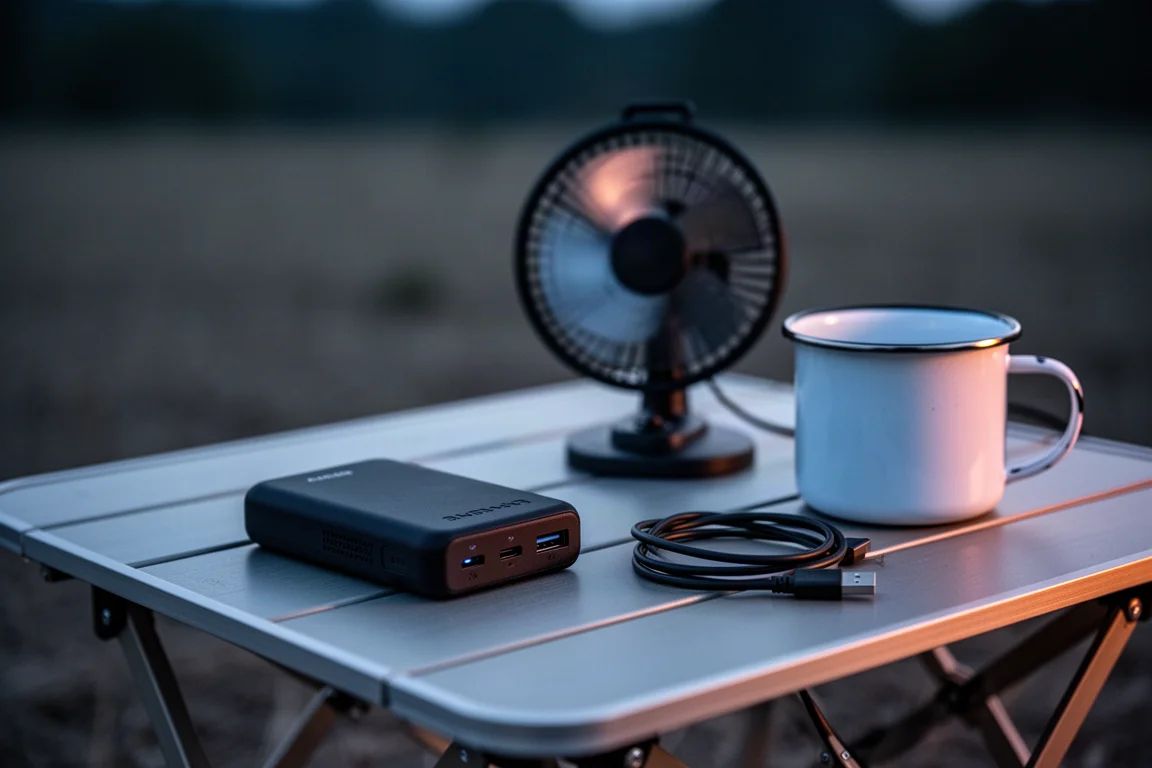
Power draw is modest. On high the fan pulls about 5 volts at 1 amp, so a 10,000 mAh power bank can run it on low or medium through the night for several nights in a row. That efficiency matters on longer trips, where every watt-hour is shared between lights, phones, and other devices.
Durability Over Multiple Seasons
The build has held up through years of repeated summer use without failures. The 3.9-foot cable gives enough reach to place the fan on a table next to a power station or to string it up inside a tent, and inexpensive USB extension cables can add more length if needed. The protective screen over the blades keeps fingers and fabric away from the moving parts, which is a practical detail in a crowded tent.
Things to consider before buying
Size and Single-Person Coverage
This is a small fan, and its coverage is best suited to one person. Two people sharing a space will generally want two fans rather than one, since a single unit will not move enough air across a wide sleeping area. That is a limitation of the size rather than of the airflow itself, and it is worth planning for on trips where two people share a tent or a van.
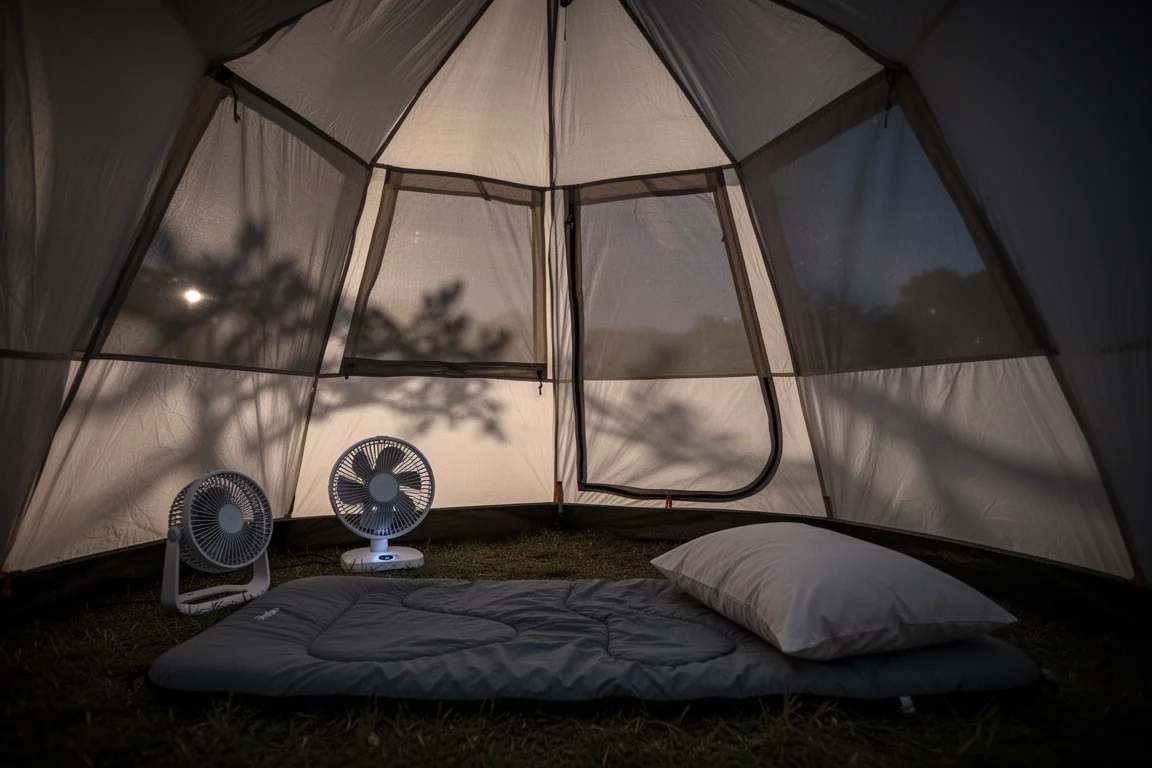
For solo campers, though, the footprint is an advantage. It sits on a nightstand, a camp table, or the floor of a tent without taking up meaningful space.
USB-A Connector and Price Variability
The cable ends in a USB-A connector rather than USB-C, so it needs a power source or adapter that matches. Most power banks and power stations include USB-A ports, but it is worth checking before a trip.
Pricing for this style of fan moves around. It has been seen at roughly $9 at times, and closer to $13 to $15 at others, and the available colors change frequently as well. Anyone set on a specific colorway should expect availability to shift.
Buying advice
For hot-weather camping, this fan earns its place because it is inexpensive, light, and energy efficient at the same time. It is not a replacement for ventilation or shade, but it changes how a tent or a vehicle interior feels at night, which is often the difference between a comfortable trip and an uncomfortable one.
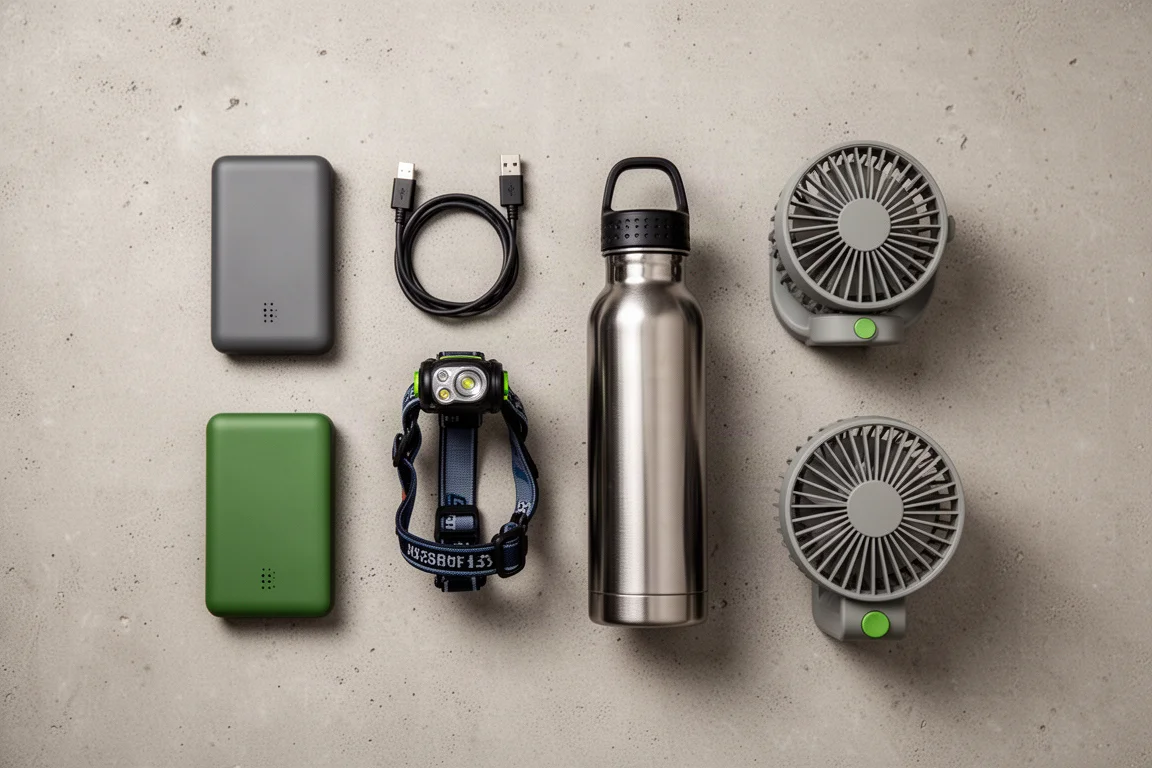
Pair it with a 10,000 mAh power bank and it will run for multiple nights on low or medium, which covers most summer trips without any additional planning. Buyers who need to cool two people should budget for two units, and buyers who prefer USB-C charging should check their power source or plan for an adapter.
Conclusion
The RJVW USB-powered fan is a straightforward accessory that does one job well. It is compact, about 6 ounces, quiet enough on its lower settings for sleep, and efficient enough to run for nights at a time from a modest power bank. Its main limits are size and its USB-A connection, and neither is a dealbreaker for solo campers.
For backpacking, overlanding, and tent camping in warm conditions, it is an easy recommendation at a budget price, and the green and orange colorway makes it simple to spot inside a packed vehicle.
Product link
View more details for RJVW USB-Powered Fan
This product is mentioned in the review. Check the specifications, options, and compatibility before buying.
View more details for RJVW USB-Powered FanFurther reading
Related Reviews
Camping Gear
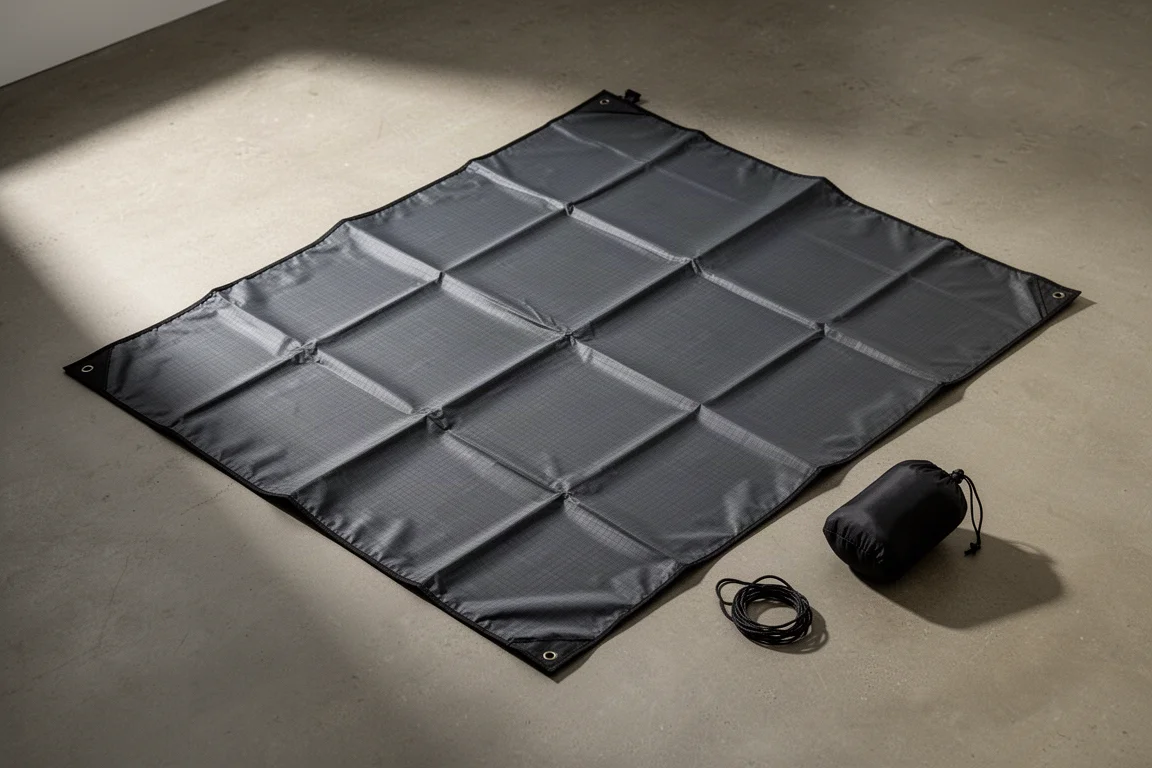
3FUL Ultralight Ground Sheet Review: A Two-Person Footprint Worth Packing
A 6.7 oz two-person ground sheet in ripstop silnylon, priced around $30. Here is what it protects, what it does not do, and who should pack it.
Camping Gear
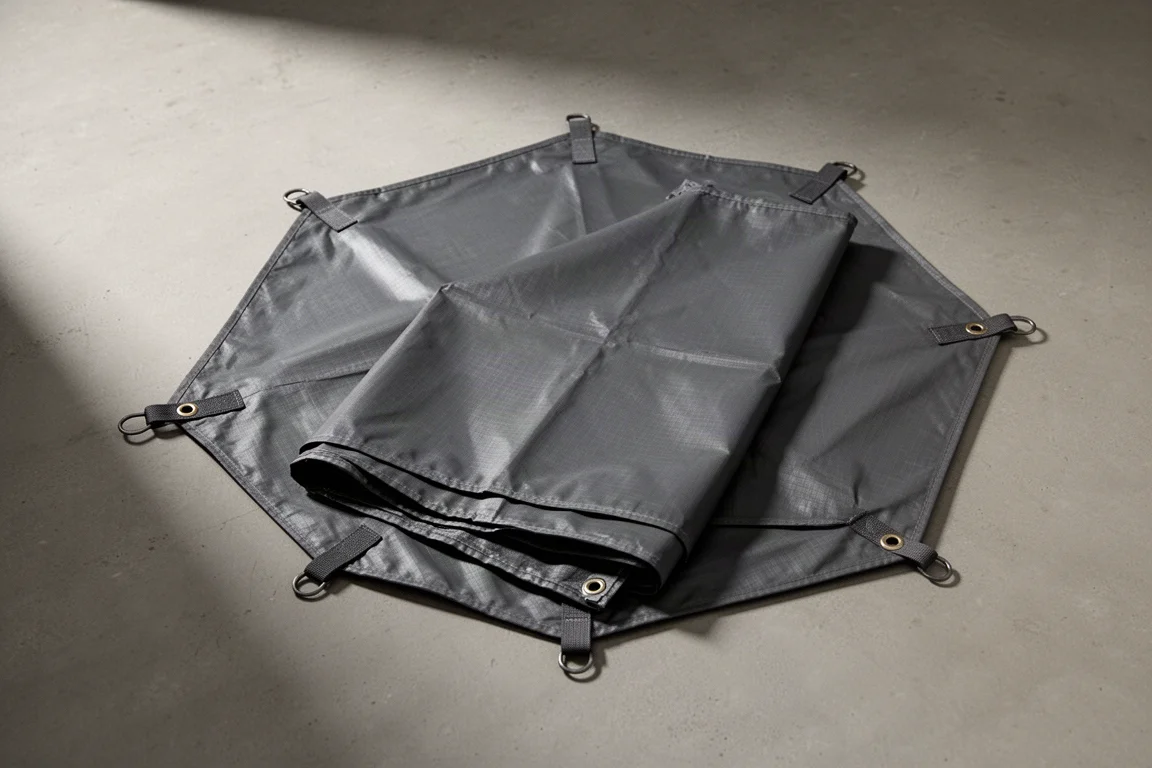
Backcountry Light Dual-Function Tarp and Floor Review: A Footprint First
A dual-purpose tent floor and tarp that keeps falling rain off you, but cannot block wind. Here is where it works and where it does not.
Camping Gear
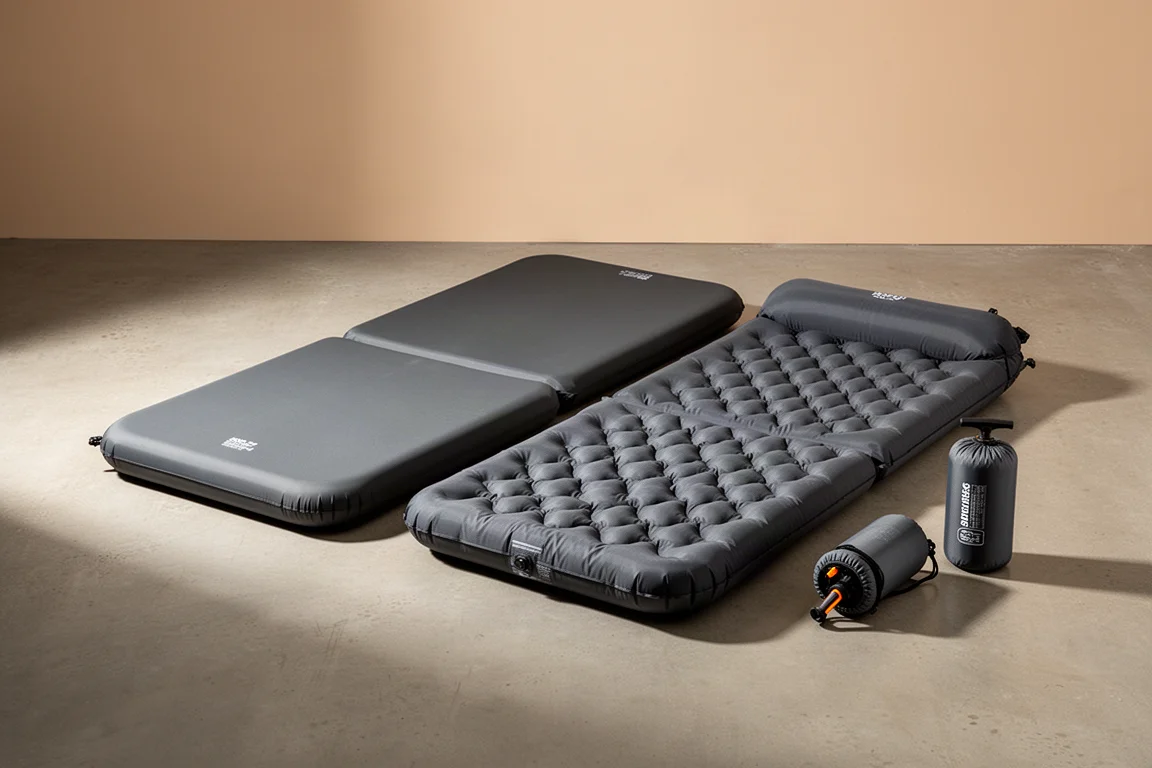
Best 2-Person Camping Mattresses for Couples: 10 Options Compared
A practical comparison of ten two-person camping mattresses, covering self-inflating pads, air pads and air mattresses for couples.