Knives
Ritter Hogue Special Edition MagnaCut: Close to a Perfect Pocket Knife
A carbon fiber, MagnaCut-bladed folding knife with outstanding action and ergonomics, plus a few quirks worth knowing before hunting one down.
Introduction
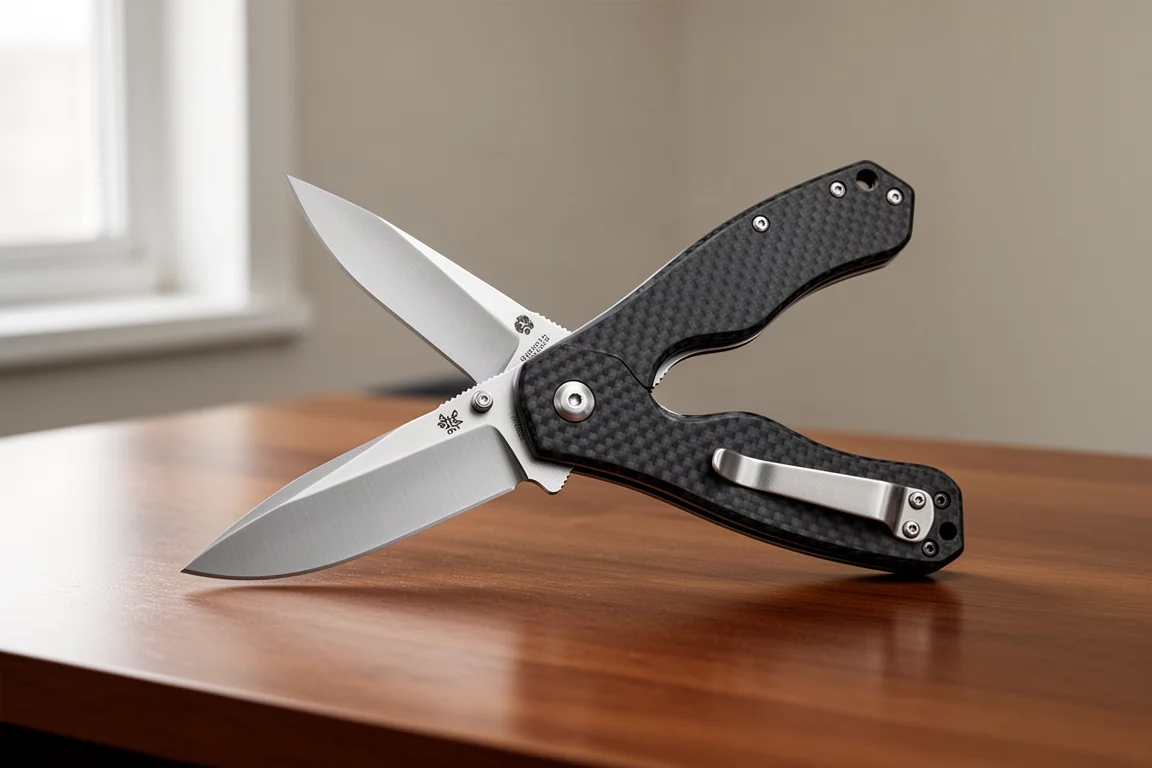
Some knives earn enthusiasm through hype, and some earn it by simply getting nearly everything right. The Ritter Hogue Special Edition falls firmly into the second category. With carbon fiber handles, a MagnaCut blade, and a three and a half inch blade variant that feels considered in every dimension, this is about as close to a near-perfect pocket knife as we have handled. It is not flawless, and the reasons why are genuinely unusual, but it is an exceptional piece of work overall.
Who This Knife Is For
This knife suits enthusiasts who care about blade steel, lock quality, and ergonomics in equal measure. If you want an ambidextrous lock, a neutral contoured handle that works in both reverse and front grip, and one of the best blade steels currently available in a production folder, this design checks nearly every box. It is less suited to buyers on a tight budget, since the Special Edition sold out almost instantly at launch and now lives on the secondary market.
Specifications and Build
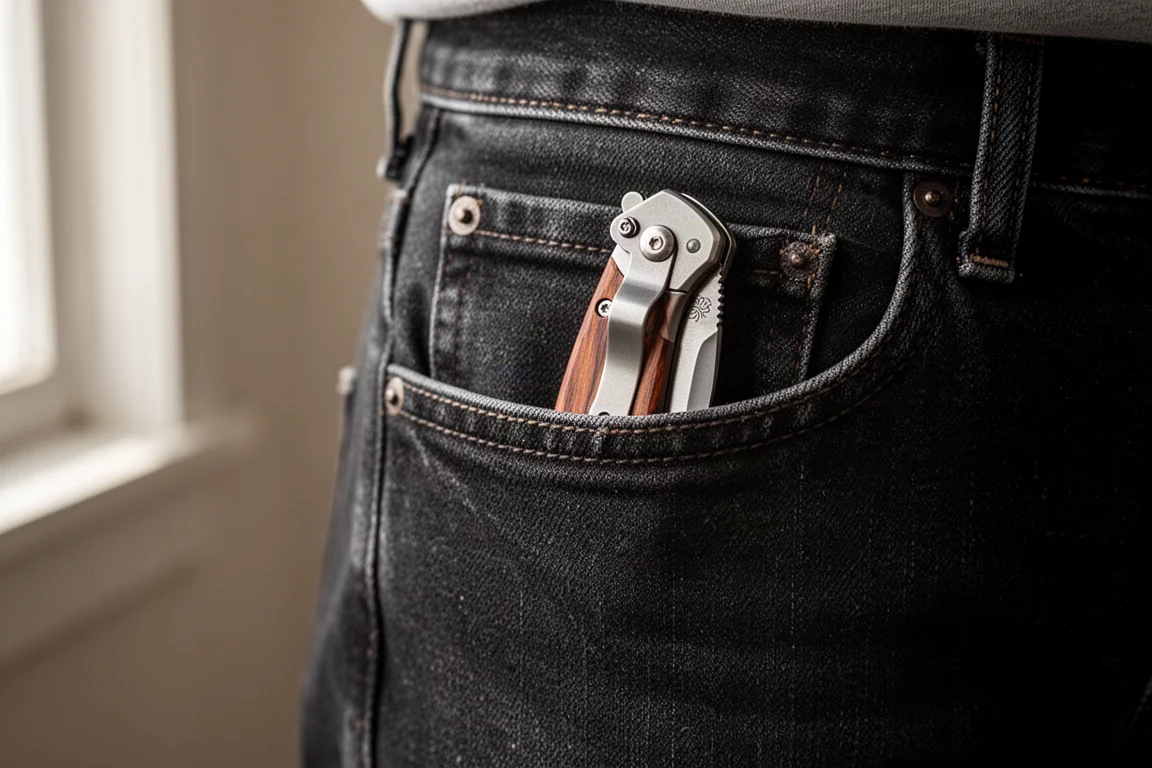
The blade length is just under three and a half inches, and the closed overall length is around four and three-quarter inches. The contoured handle on this variant is finished in carbon fiber, and the knife carries a deep carry pocket clip with a shape that is genuinely well executed. The crossbar-style lock used here is widely regarded as one of the most robust and long-lasting lock designs on the market, and the format has already been put through its paces by many owners before this steel upgrade came along.
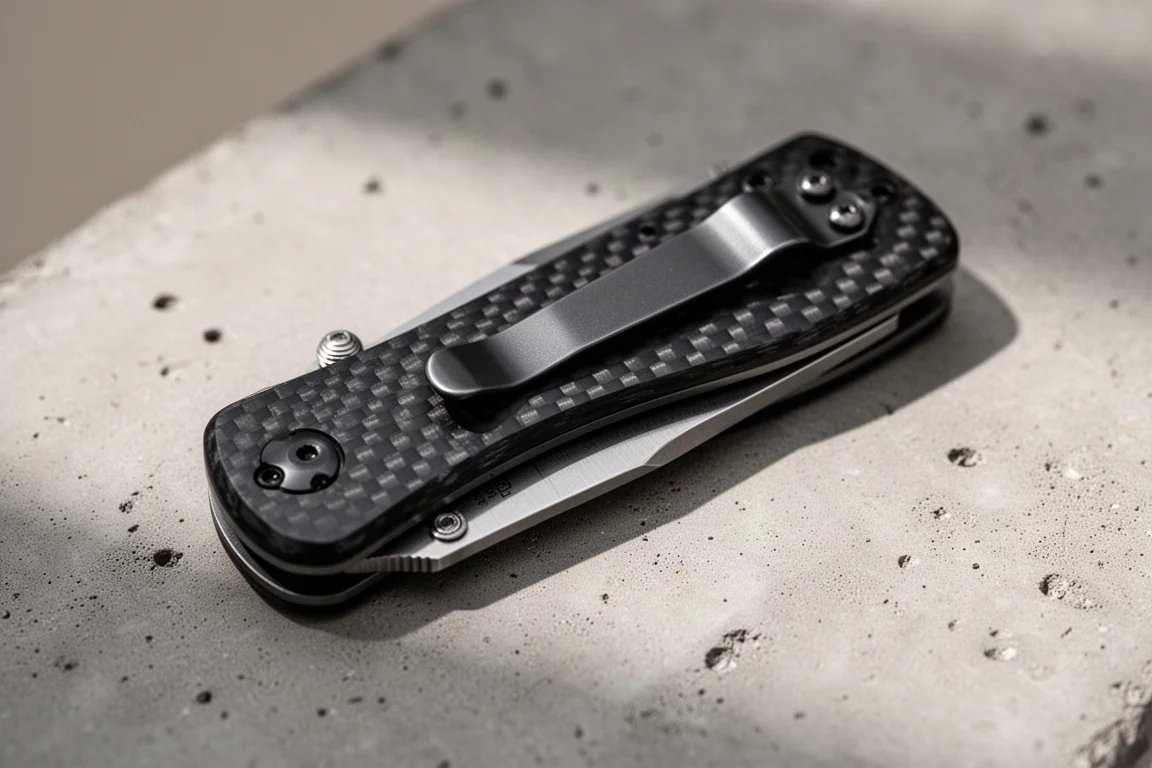
The milled carbon fiber scales look excellent, and the edges where the hand contacts the handle have been carefully filed down. Carbon fiber can sometimes leave sharp edges, but the finishing here is impressive where it counts.
Blade Steel and Edge Performance
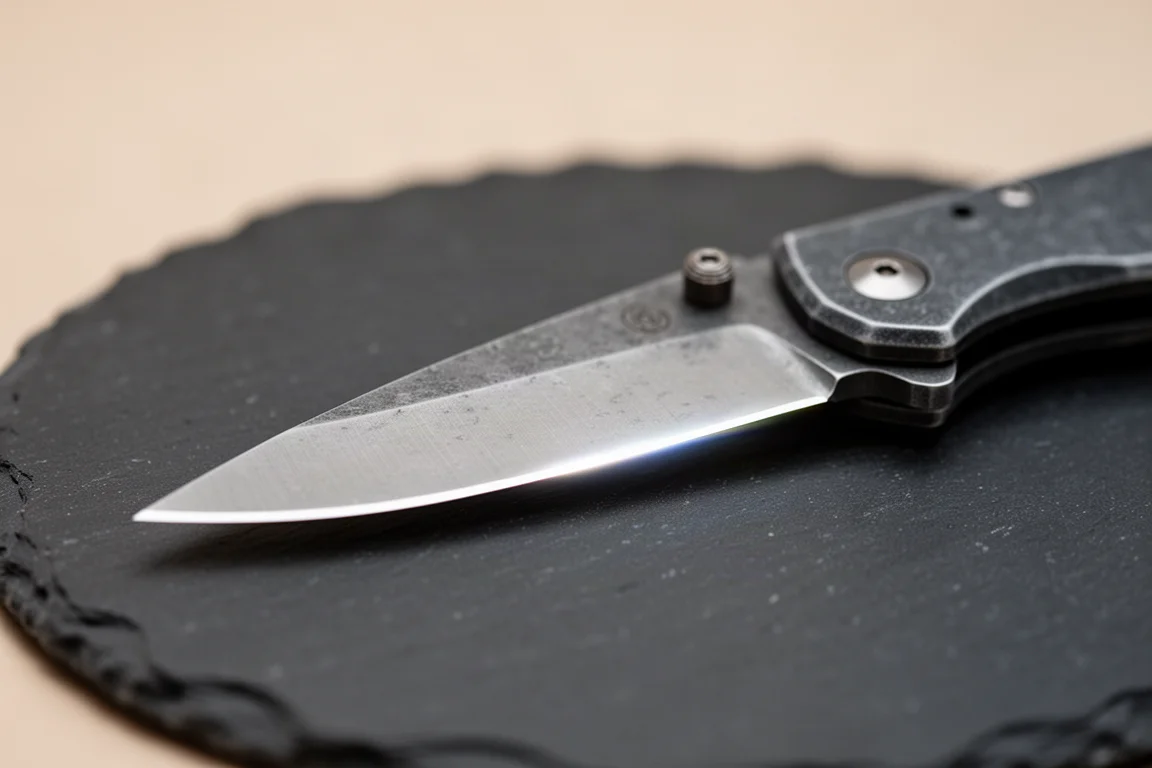
MagnaCut is close to the holy grail of pocket knife steels. It is tough, nearly corrosion proof, holds an edge remarkably well, and is easier to sharpen than M390, a steel commonly used in premium folders. On this knife it runs at 63 to 65 HRC, which puts it firmly in the performance tier of production blades.
Out of the box, the factory edge is extraordinary. This may be the sharpest production knife we have handled, and while it is clearly a working edge rather than a thin polish-only angle, it is genuinely ridiculous how keen it is straight from the factory.
Lock, Action, and Handling
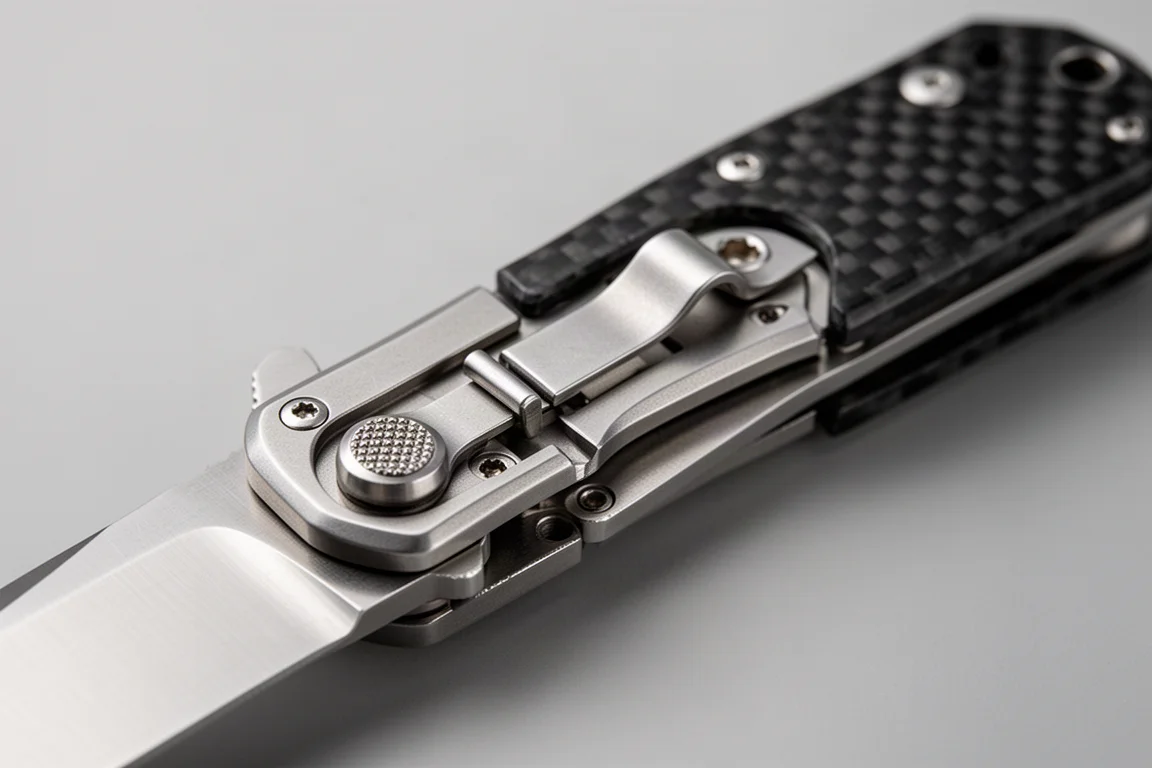
The crossbar lock button is the best we have experienced from any maker, with enough grip texture that it can be worked with one finger without slipping. The action is superb, running on what appear to be phosphor bronze washers, and it is smoother than a washer-based knife has any right to be. It also outclasses the action of far more expensive lockback folders from major brands.
Ergonomics are excellent in both reverse grip and standard front grip, with a neutral curvature and more than enough room for larger hands. A small but clever detail: where the blade spine ends, it curves down rather than coming to a sharp point. That means less chance of binding when pulling through fibrous material, since the cut tends to roll free instead of snagging. The jimping is shallow and cleanly cut, so it never roughs up your fingers.
The Quirks Worth Knowing
The carbon fiber texturing creates two real issues. First, the crosshatch pattern sits directly under the pocket clip area, and it behaves like sandpaper against fabric. This may be the biggest pocket-destroying knife we have encountered, and fixing it would take five minutes with sandpaper, which feels absurd on a brand-new premium knife. Second, the inside of the lock bar was not smoothed the same way, so when the lock snaps forward, skin can get pinched between the lock bar and the sharp carbon fiber frame. Neither issue breaks the knife, but both are worth knowing before paying secondary market prices.
Buying Advice
Only around 200 of these Special Edition knives were made, and they sold out almost instantly at $208, well below the $250 MSRP, because milled carbon fiber, MagnaCut at this hardness, and US manufacturing at that price was remarkable value. Since the exact model is unlikely to be remade, secondary market pricing is unpredictable. If the texture quirks bother you, waiting for a standard version with G10 handles and the same MagnaCut steel at the same hardness may be the smarter move. Meanwhile, the Hogue Deka in MagnaCut, available for under $130, is probably the best value route into this steel right now.
Conclusion
The Ritter Hogue Special Edition is a few small details away from being the closest thing to a perfect pocket knife we have handled. Ambidextrous lock, superb ergonomics, exceptional action, and MagnaCut steel all land exactly where they should. The carbon fiber texture under the clip and around the lock bar are the only real complaints, and both are easy to live with or fix. If a G10-handled MagnaCut version ever arrives, it will make a lot of people very happy.
Product link
View more details for Ritter Hogue Special Edition MagnaCut
This product is mentioned in the review. Check the specifications, options, and compatibility before buying.
View more details for Ritter Hogue Special Edition MagnaCutFurther reading
Related Reviews

Knives
Benchmade Mini Narrows Review: A Pocket Knife That Disappears in Your Pocket
The Benchmade Mini Narrows is a remarkably thin and light pocket knife with impressive engineering, but a high price and dull factory edge make it a tough recommendation for most buyers.
Knives
Best Knives Under $1,000: Premium Folders Worth the Investment
A look at premium folding knives around the $1,000 mark, from upgraded classics to purpose-built masterpieces, and what actually justifies the price.
Knives
Best Outdoor and EDC Knives: 8 Blades Worth Carrying
A practical lineup of eight fixed-blade and folding knives for hiking, backpacking, and everyday carry, with honest notes on what each one does best.