Snowboards
Rising Retox Snowboard Review: A True Twin Park Board for Riders Ready to Step Up
A true twin camber snowboard aimed at park riders, with a forgiving flex between the feet, strong pop underfoot, and an easy-riding feel for intermediates.
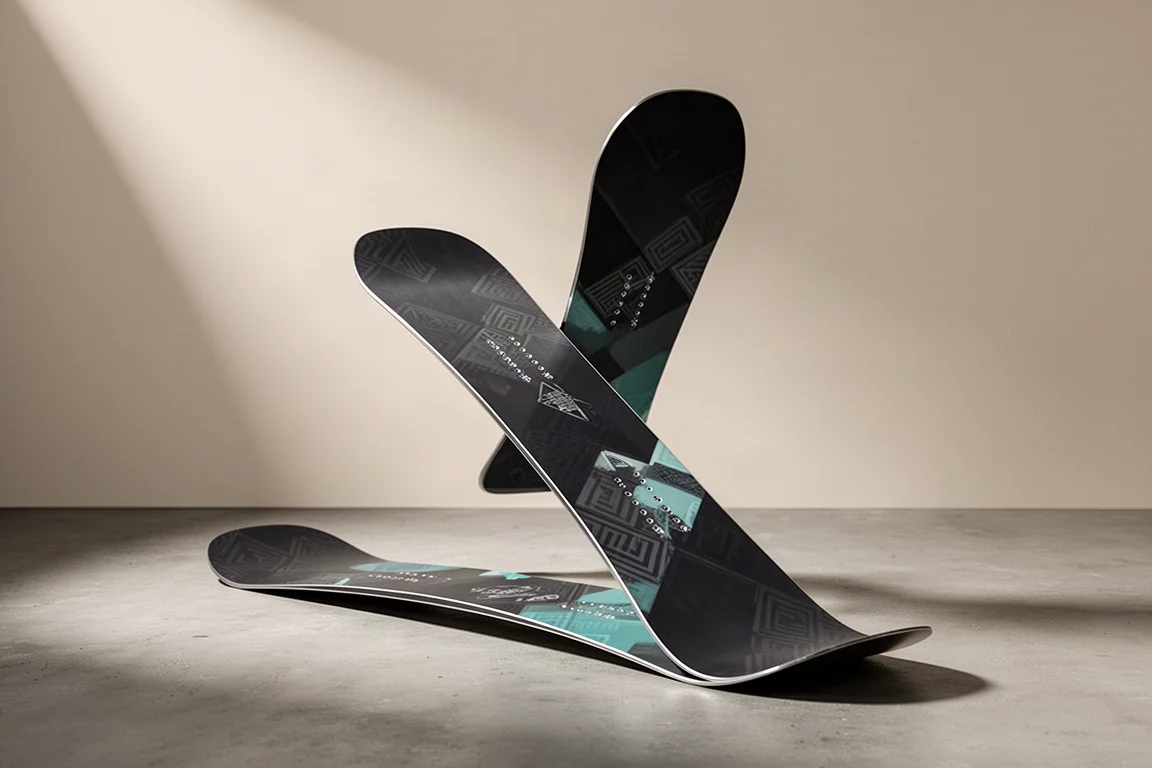
Introduction
Rising has been building snowboards for around 36 years, and that kind of history tends to show up in the details. The Retox is a true twin camber board that sits squarely in park territory, and it earned an overall score of 7 during on-snow testing. The feedback around it pointed consistently in one direction: this is a genuinely good park board for an intermediate rider who is ready to step up a level.
That combination matters more than it might sound. A board that is too aggressive can punish a rider who is still building confidence, while a board that is too soft runs out of support the moment tricks get bigger. The Retox aims at the middle of that range, and the way it gets there is worth looking at closely.
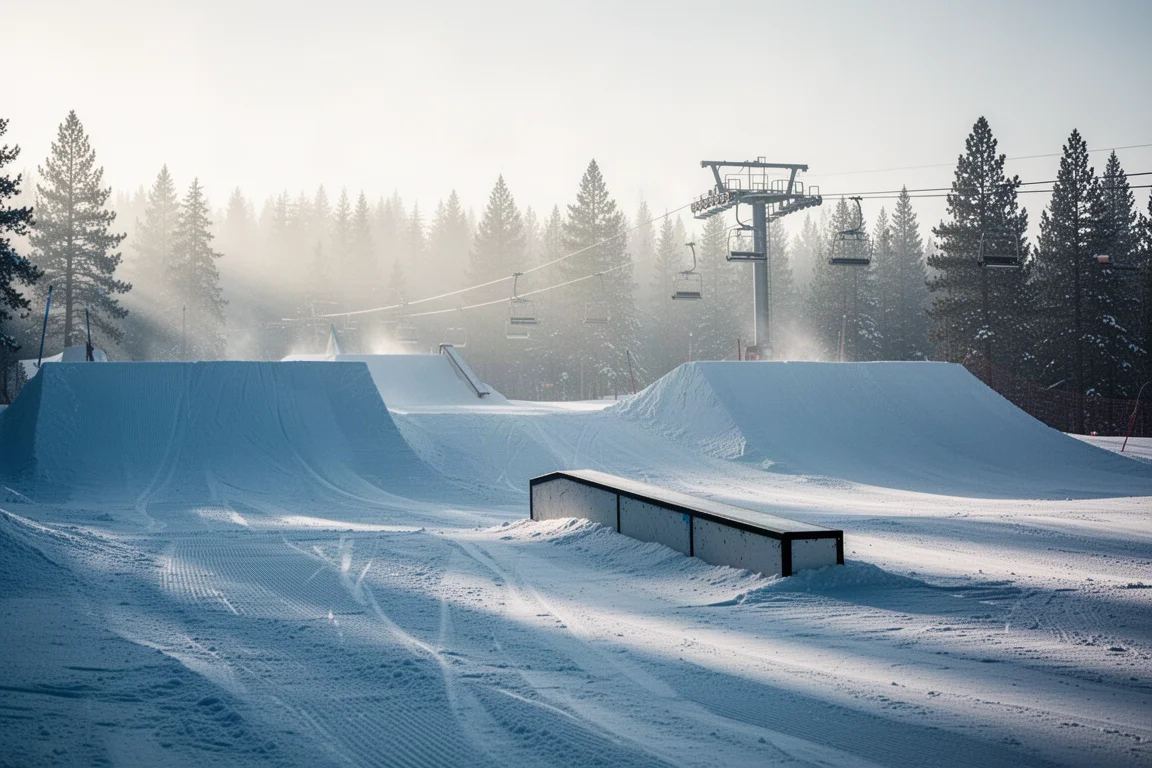
It is also a board that is easy to live with across a full session. Nothing about the shape or the flex asks for a specific trick or a specific style of riding. You strap in, you ride, and the board does what you ask without fighting you.
Who the Retox Is For
This board is built around a true twin shape, which means the flex and the shape are symmetrical from nose to tail. The stance is generally set up centered, though it can be set back if you prefer a different feel underfoot. For riders who spend most of their time in the park, that symmetry is the point: switch riding feels natural, spins come around evenly, and landings are predictable in either direction.
It suits an intermediate rider in particular. The board rides smoothly, which makes it a reasonable step up for someone who has outgrown a first board and wants something with more pop and better edge control without jumping straight to a demanding, stiff freestyle deck. If your sessions revolve around laps through the park, the Retox lines up well with how you already ride.
Main Strengths
The clearest strength is how well the twin tip layout works with the camber profile. A true twin gives you a balanced platform, and camber adds energy to it: pop when you load the board for a spin, and reliable edge hold when you need to control your turns or set up an approach. Those two traits reinforce each other, which is why the board reads as a dedicated park option rather than a compromise.
The ride quality is the other standout. It is described as an easy-riding board, smooth rather than twitchy, and that makes it approachable for riders who are still assembling their trick list. It is also a good-looking board, which is a small thing until you are the one standing on it every weekend.

For an intermediate rider, that mix of pop and predictability is what turns a board into a progression tool. You can attempt something new without feeling like the deck is working against you.
Pop and Edge Hold
Camber is doing a lot of the work here. When you load the board for a spin, the camber arc stores energy and returns it, which gives the Retox a livelier feel than a flat or reverse-camber park deck. The same profile keeps the contact points engaged through a turn, so edge hold stays consistent when you are carving into a jump or scrubbing speed before a feature.
That matters in the park because so much of a run is setup. A board that holds an edge confidently lets you line up the same way every time, and consistency is what makes new tricks feel achievable instead of random.
Flex Profile
The flex is tuned unevenly on purpose. It is a little softer between the feet and a little stiffer underfoot and outside. In practice, that means the board stays forgiving when you are pressing, buttering, or absorbing a landing, while the areas under and beyond your bindings keep enough backbone to support you when you are pushing hard or landing off-axis.
For a rider moving up a level, that balance is useful. You get a board that does not demand perfect technique, but still gives you something to grow into as your riding gets more aggressive.

It is a flex pattern that rewards time on snow. The more laps you put in, the more you notice how the stiffer zones outside the feet keep the board composed at speed.
Things to Consider Before Buying
The stance comes set up centered by default, which is exactly what you want for freestyle riding but not what every rider is looking for. It can be adjusted if you prefer a set-back position, so it is a matter of setup rather than a limitation, but it is worth knowing before you mount your bindings.
The Retox is also a park-focused twin, so it makes the most sense for riders whose sessions are built around freestyle terrain. The softer flex between the feet is a benefit in that context, and riders who want a very stiff, aggressive deck may find themselves wanting more resistance underfoot. Neither point is a flaw, but both are worth matching against how you actually ride.
Buying Advice
If you are an intermediate rider who spends a lot of time in the park and wants a smooth, easy-riding board with real pop and dependable edge hold, the Retox is a sensible match. The true twin shape supports switch riding and spins, the camber profile gives it energy, and the flex keeps it approachable while you build confidence.
The overall score of 7 from on-snow testing reflects a board that does its job well without pretending to be something it is not. That is a reasonable profile for a purchase you plan to keep for several seasons, especially if your goal is progression rather than a single specialized discipline.

Worth noting too is the brand behind it. Rising has been making snowboards for around 36 years, and long-running board builders tend to have their construction and shapes dialed in. That track record is a quiet point in the Retox’s favor when you are weighing it against lesser-known options.
Conclusion
The Rising Retox is a true twin camber snowboard with a clear purpose: park riding, smooth handling, and enough performance to carry an intermediate rider forward. Its softer flex between the feet and stiffer zones underfoot and outside make it forgiving without feeling vague, and the camber profile delivers the pop and edge hold that freestyle riding depends on. If that describes the riding you want to do more of, this board is worth a serious look.
Product link
View more details for Rising Retox Snowboard
This product is mentioned in the review. Check the specifications, options, and compatibility before buying.
View more details for Rising Retox SnowboardFurther reading
Related Reviews

Snowboards
32 Middle Earth Scott Stevens Pro Model Snowboard Review: A Park Board With a Reversed Flex
A medium traditional camber park board with carbon V reinforcement that is stiffer in the tips and more playful between the feet. Here is how it rides and who it suits.

Snowboards
32 Snafu Review: A Directional All-Mountain Freestyle Board with Serious Pop
The 32 Snafu pairs a directional camber-rocker profile with a stiffening tail for powerful carves, big ollies, and a surprisingly damp ride.

Snowboards
32 XXX Pat Fava Pro Snowboard Review: A Stiff Camber Beast for Hard-Charging Riders
A full-width traditional camber deck that rewards aggression with stability and edge power, but demands effort everywhere else.