Snowboards
Rising Old One Snowboard Review: A Single Board for Every Condition
The Rising Old One is a directional all-mountain snowboard built on 36 years of manufacturing experience. Here is what its shape, flex, and damping construction mean for your riding.
Introduction
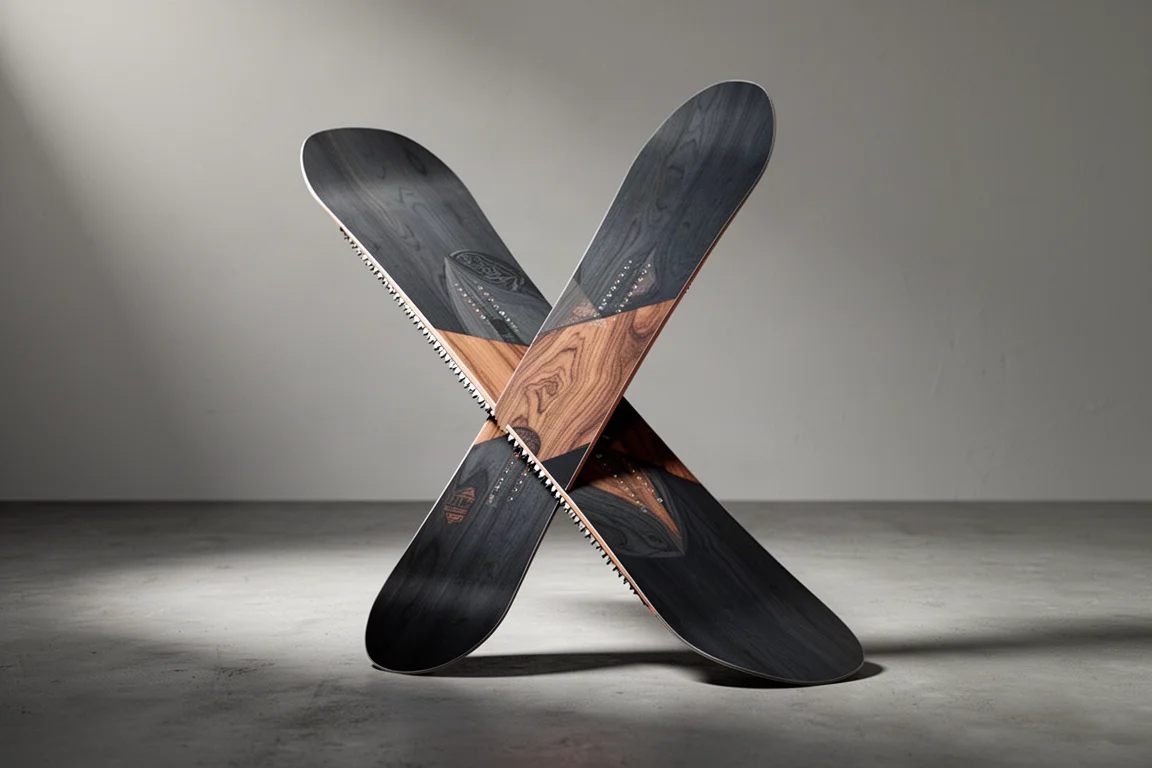
The Rising Old One comes from a brand that has spent 36 years building snowboards, and it is presented as the accumulation of everything that experience has produced. Rather than a narrow specialist, the Old One is positioned as one board that can do it all, covering the whole mountain in any conditions, at any point in the season.
That is a bold brief for any snowboard, and the interesting part is how Rising has gone about it. The answer is a directional shape, a deliberately uneven flex pattern, and a damping construction that runs the full length of the board. Together they aim at the rider who would rather own one snowboard that does most things well than a rack of boards that each do one thing perfectly.
This review looks at what the Old One is built to do, who it suits, and where a rider should think carefully before committing.
Who This Product Is For
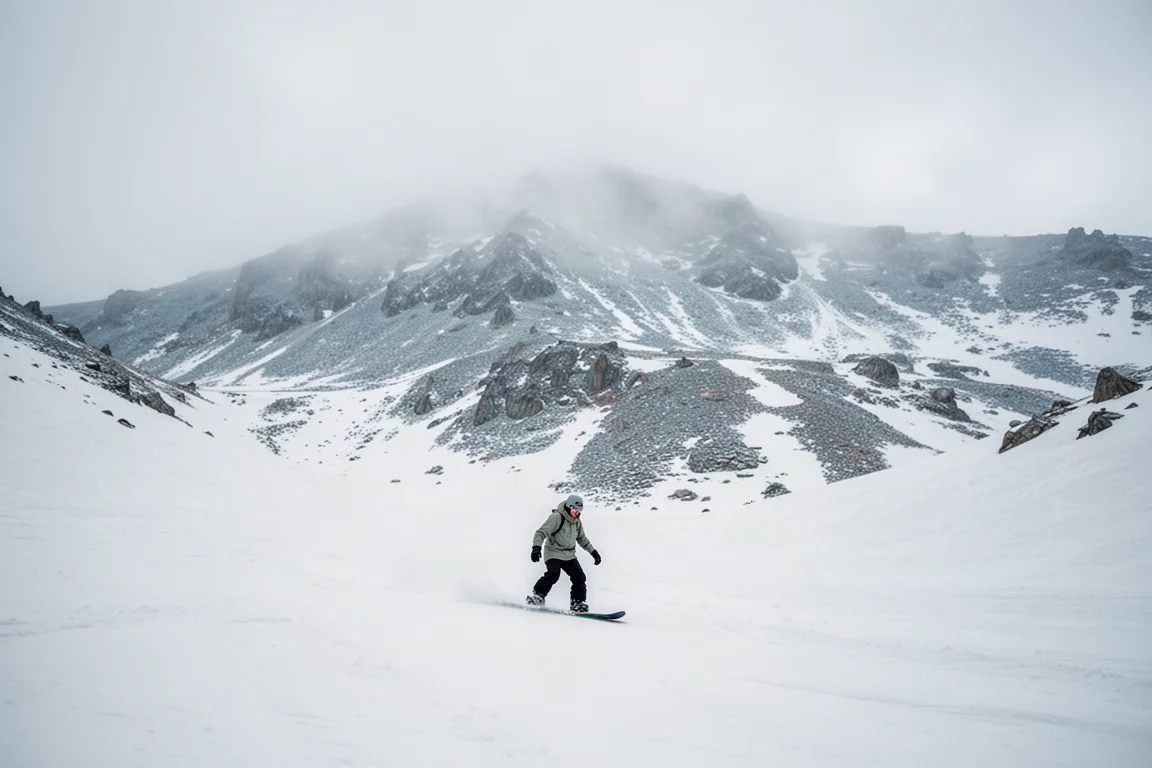
The Old One is aimed squarely at the rider who wants a single board for the entire mountain. The design brief covers everything from top to bottom of the resort and every part of the season, which points to someone who rides a bit of everything rather than specialising in park laps or chasing one narrow discipline.
It is also a natural fit for the rider who values predictability. The construction choices here lean toward smoothing out rough snow and holding an edge when the surface firms up, rather than chasing the lightest possible build or the most aggressive park feel.
If you already own several boards for specific jobs, this one is less compelling. If you are building a one-board quiver, it is exactly the kind of shape worth understanding.
Main Strengths
Directional Shape and Progressive Flex
The Old One is a directional board. The nose is longer than the tail, and the nose shape differs from the tail, which is measured back from the contact point or the widest point of the tail. That geometry is what gives a directional board its natural float in soft snow and its forward-driving feel on groomers.
The flex is the more distinctive part. The board is stiff under the back foot and gets progressively softer as you move toward the nose. You can feel that transition by hand-flexing the board, and it is clearly a deliberate choice rather than an accident of construction. A firm tail supports drive and edge pressure, while a softer nose keeps the ride manageable and helps the board stay on top of varied snow.
Serrated Edge and Urethane Damping Frame
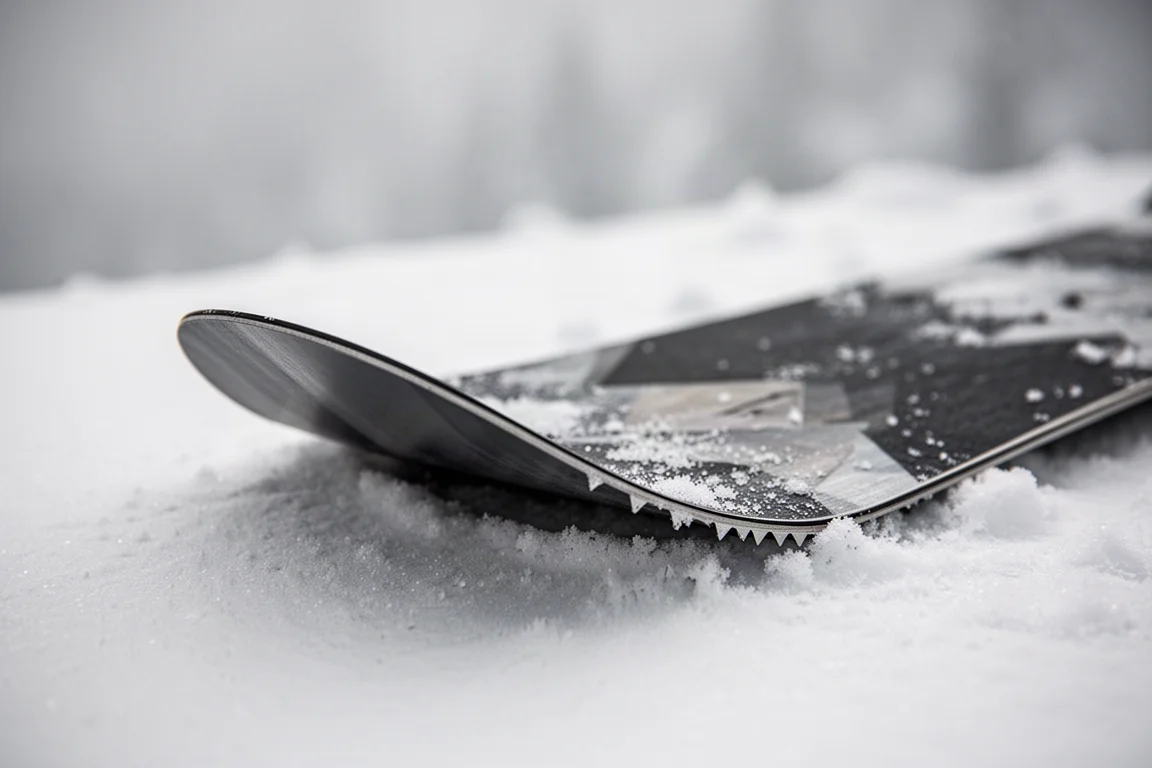
Along the edge, the Old One uses a serrated profile. It is subtle enough that it is hard to spot at a glance, but it becomes visible when you sight down the edge or look across the topsheet. Serrated edges are a well-established approach to improving grip, particularly on hardpack.
The second structural feature is a urethane strip that runs around the entire board, roughly an inch in from the edge. Urethane in this position works as a damper: it quiets the ride, takes some of the chatter out of rough snow, and contributes to edge hold. Rising pairs this with a construction approach that is not commonly found on comparable boards, which is part of how the Old One separates itself from the crowd.
All-Mountain Versatility
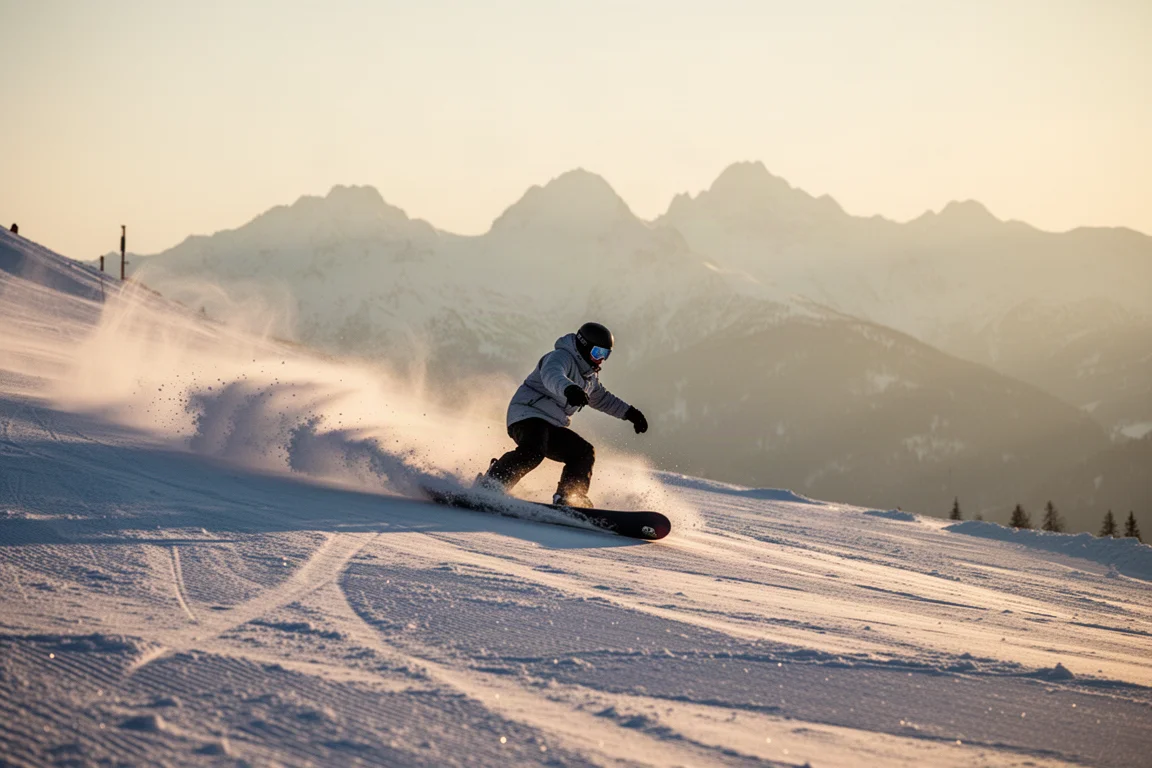
The most direct evidence for the Old One’s range comes from on-snow testing. One test rider gave it an overall score of 10, describing it as a board that works in every condition the mountain offers, from top to bottom, regardless of the time of year. A second tester scored it a 9 and characterised it as an easy-riding board that stays soft and playful while still handling turns properly.
That combination, easy and playful but competent in turns, is exactly the balance the shape and flex are designed to produce.
Things to Consider Before Buying
The directional shape is the first thing to weigh. If your riding involves a lot of switch, a true twin will serve you better, because the Old One is built around a longer nose and a shorter tail.
The flex profile is the second. A stiff tail is an asset for drive and edge pressure, but riders who prefer a uniformly soft, pressable board will notice the difference immediately. This is a board that rewards a rider who wants support under the back foot.
As always, sizing matters more than any single specification. Match length to your weight, boot size, and the terrain you actually ride most often, and confirm against the manufacturer’s size chart before ordering.
Buying Advice
The Old One makes the most sense as a primary board for a rider who wants one snowboard to cover the whole resort across the whole season. The directional shape, progressive flex, serrated edge, and urethane damping frame all point in the same direction: a board that stays composed in mixed conditions rather than one tuned for a single discipline.
If you ride predominantly park, or spend most of your time switch, look at a twin instead. For everyone in between, the sensible next step is to confirm sizing for your weight and boot size, then commit with confidence.
Conclusion
The Rising Old One is a directional all-mountain snowboard built on 36 years of manufacturing experience, and it is designed to be the only board a rider needs. A longer nose, a tail-firm flex that softens toward the front, a serrated edge, and a urethane damping strip around the perimeter all serve that single goal. Scores of 10 and 9 from on-snow testing underline how well the package works across conditions. If you want one board for the whole mountain, the Old One deserves a close look.
Product link
View more details for Rising Old One Snowboard
This product is mentioned in the review. Check the specifications, options, and compatibility before buying.
View more details for Rising Old One SnowboardFurther reading
Related Reviews

Snowboards
32 Middle Earth Scott Stevens Pro Model Snowboard Review: A Park Board With a Reversed Flex
A medium traditional camber park board with carbon V reinforcement that is stiffer in the tips and more playful between the feet. Here is how it rides and who it suits.

Snowboards
32 Snafu Review: A Directional All-Mountain Freestyle Board with Serious Pop
The 32 Snafu pairs a directional camber-rocker profile with a stiffening tail for powerful carves, big ollies, and a surprisingly damp ride.

Snowboards
32 XXX Pat Fava Pro Snowboard Review: A Stiff Camber Beast for Hard-Charging Riders
A full-width traditional camber deck that rewards aggression with stability and edge power, but demands effort everywhere else.