Car Care
Rinseless Wash Method: A Safe Way to Clean Your Car Without a Hose
A practical look at the rinseless wash technique, the products that make it work, and why it is a safe option for many vehicles.
Introduction
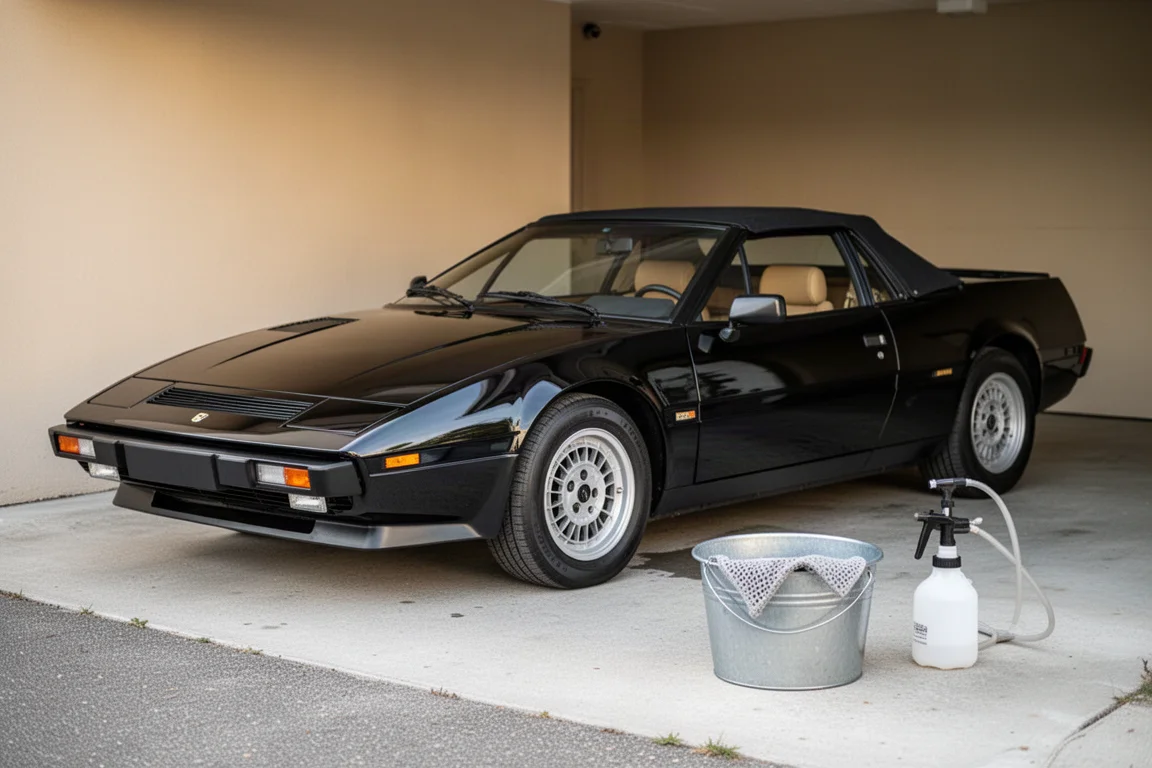
The rinseless wash method is a practical alternative to traditional hose-based washing. It uses a bucket of water mixed with a specialized solution, a wash sponge, and a drying towel to clean a vehicle without a pressure washer or garden hose. This makes it a strong option for apartment dwellers, condo owners, and anyone facing water restrictions.
The technique is straightforward: pre-spray the surface with a pump sprayer filled with the same solution, wash with a damp sponge, and dry with a microfiber towel. Because the solution stays on the surface during drying, it acts as its own drying aid, adding lubrication and gloss without a separate product.
What Is a Rinseless Wash?
A rinseless wash is a cleaning method that uses a highly diluted solution to safely lift dirt and grime from a vehicle’s surface. Unlike a traditional shampoo wash, there is no final rinse step. The solution encapsulates dirt, allowing it to be absorbed into the wash media and transferred to the bucket, where it settles at the bottom.
The method is especially useful for vehicles that are relatively clean, such as one that has picked up light road film from a short drive. For heavier buildup, a pre-spray with the solution and a dwell time can help loosen grit before the contact wash begins.
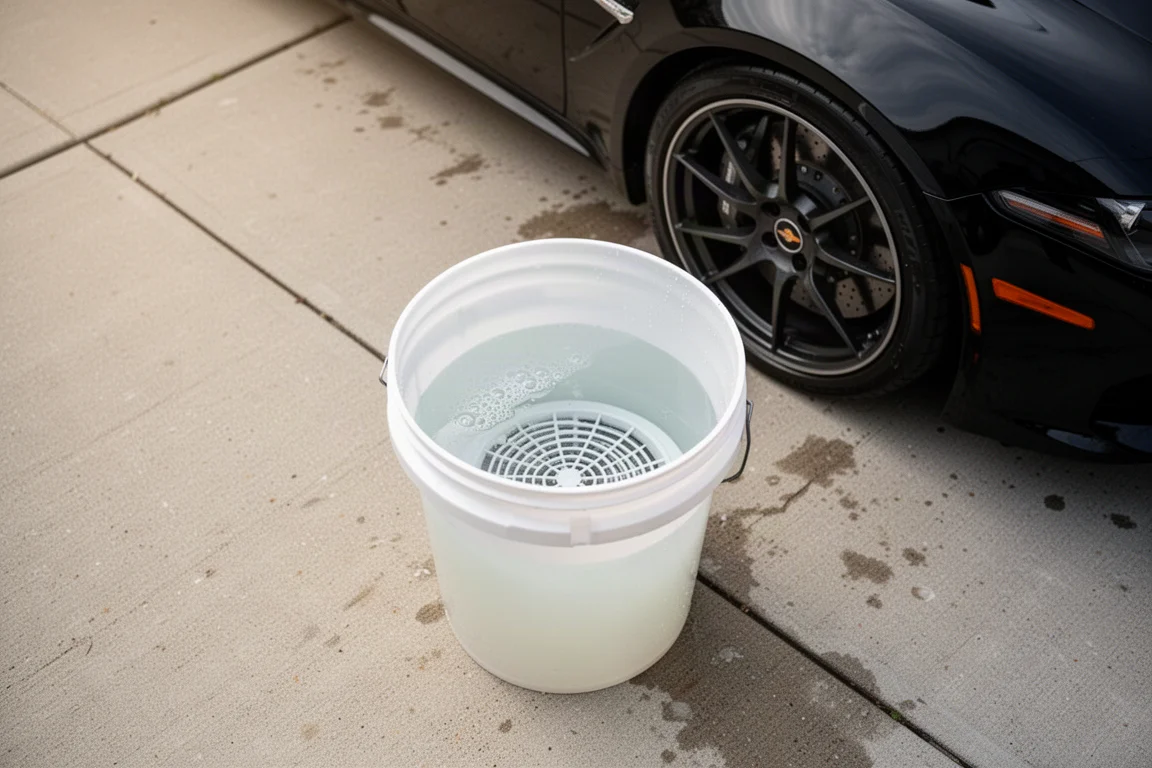
The key advantage is safety. Because the surface is never touched while dry, the risk of marring is lower than with a waterless wash. The solution provides continuous lubrication, and the wash media is designed to trap grit rather than drag it across the paint.
How the Rinseless Wash Method Works
The process begins with a bucket of water and the correct amount of rinseless wash concentrate. For example, one product calls for half an ounce per gallon, so a 4-gallon bucket needs 2 ounces or 60 milliliters. After mixing, a wash sponge is used to stir the solution.
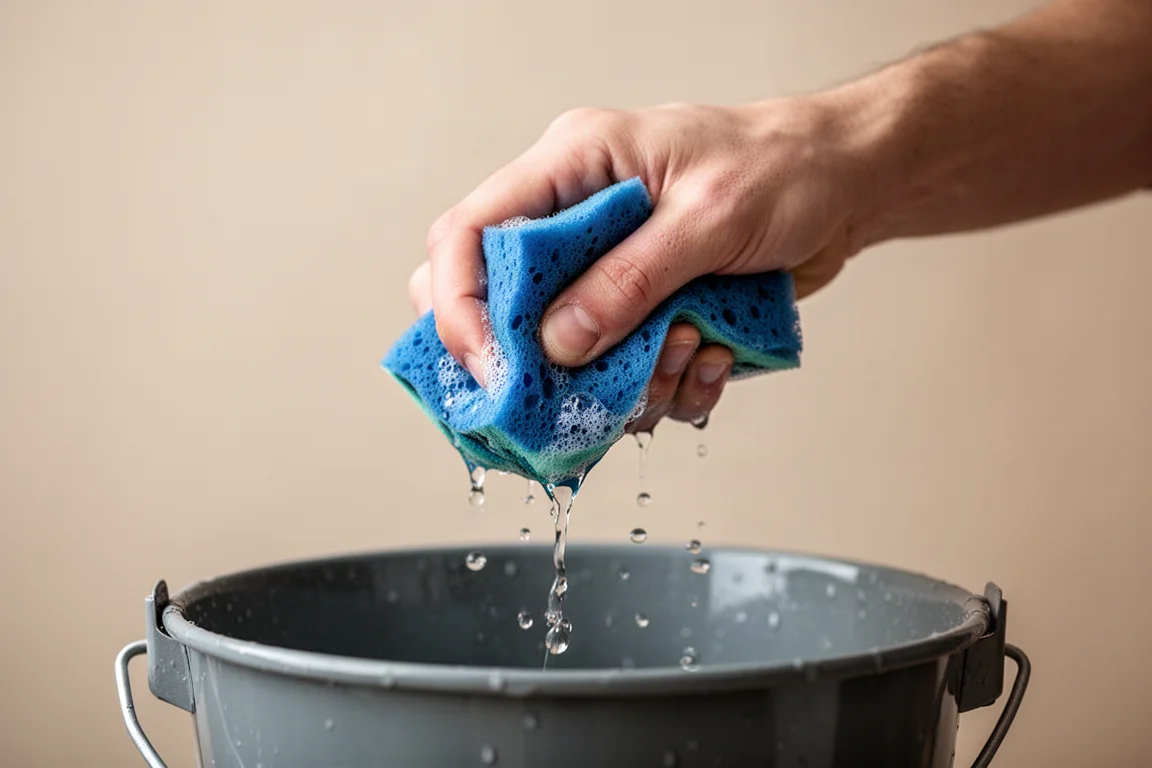
The wash media should not be soaked. Squeezing the sponge until it is just on the verge of dripping allows it to absorb dirt and road film from the surface rather than pushing it around. The sponge is glided across the paint with light pressure, then dunked in the bucket to release the captured grit.
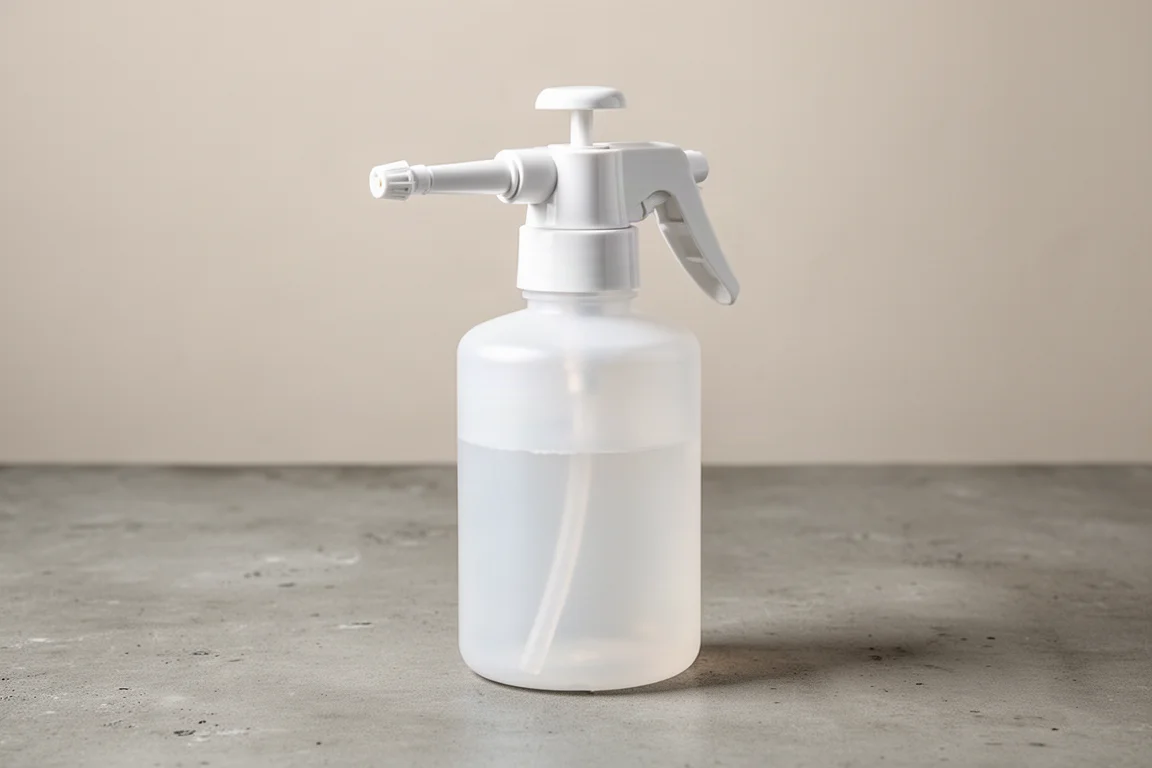
A pump sprayer filled with the same pre-mixed solution serves as a pre-treatment. Spraying the surface before the contact wash helps emulsify and lift loose debris. Working in the shade on cool surfaces is recommended for best results.
Drying With a Rinseless Wash
After the contact wash, the vehicle can be dried directly. The rinseless solution left on the surface acts as a drying lubricant, so a separate quick detailer is not required. That said, adding one is optional if you want extra gloss and slickness.
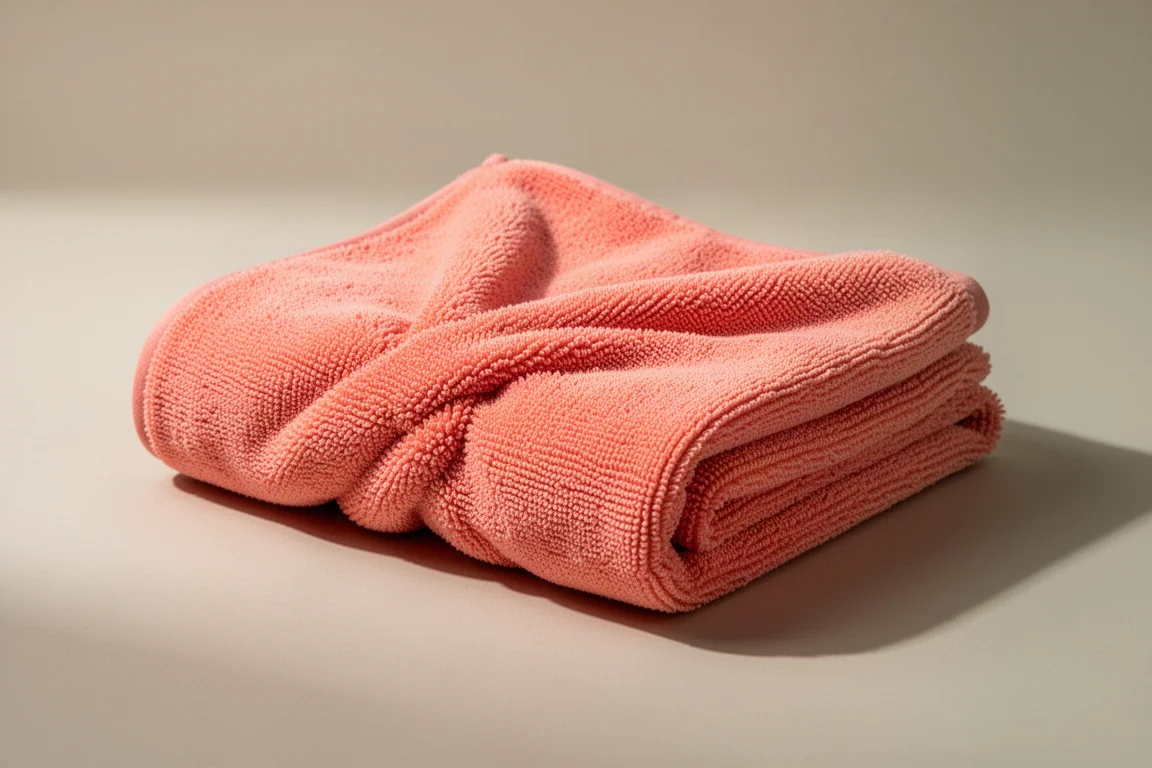
A high-quality microfiber drying towel makes the wipe-off quick and easy. A twisted loop pile is among the most absorbent styles of microfiber, and it glides smoothly over the lubricated surface. If a section dries before you reach it, the residue is typically polymer spots rather than mineral deposits, and a damp towel can reactivate them for easy removal.
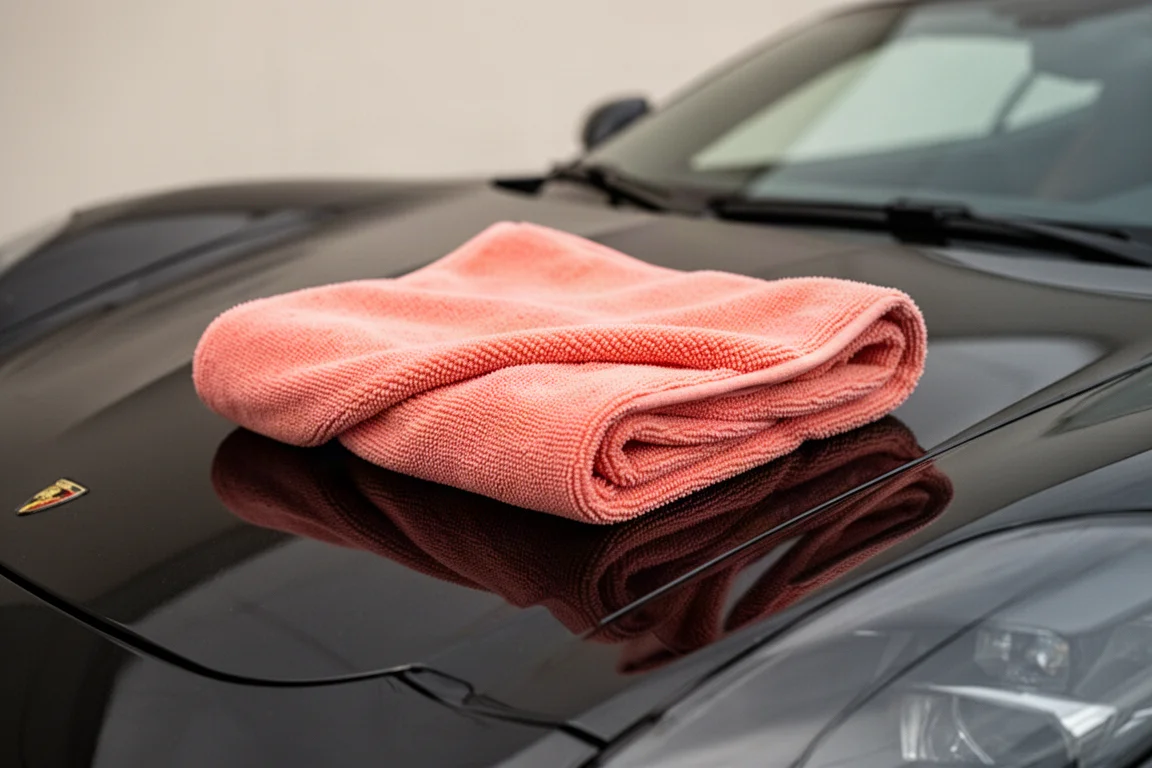
This approach is also workable in direct sunlight, which can be useful for mobile detailers or those without shaded parking. Working one panel at a time keeps the process controlled and safe.
Choosing the Right Rinseless Wash Products
The products used in this method matter. A hybrid rinseless wash combines polymer technology with surfactants, offering both strong cleaning power and a slick drying experience. Two examples are the Clean By Pan the Organizer rinseless wash and the DIY Detail rinseless wash version two.
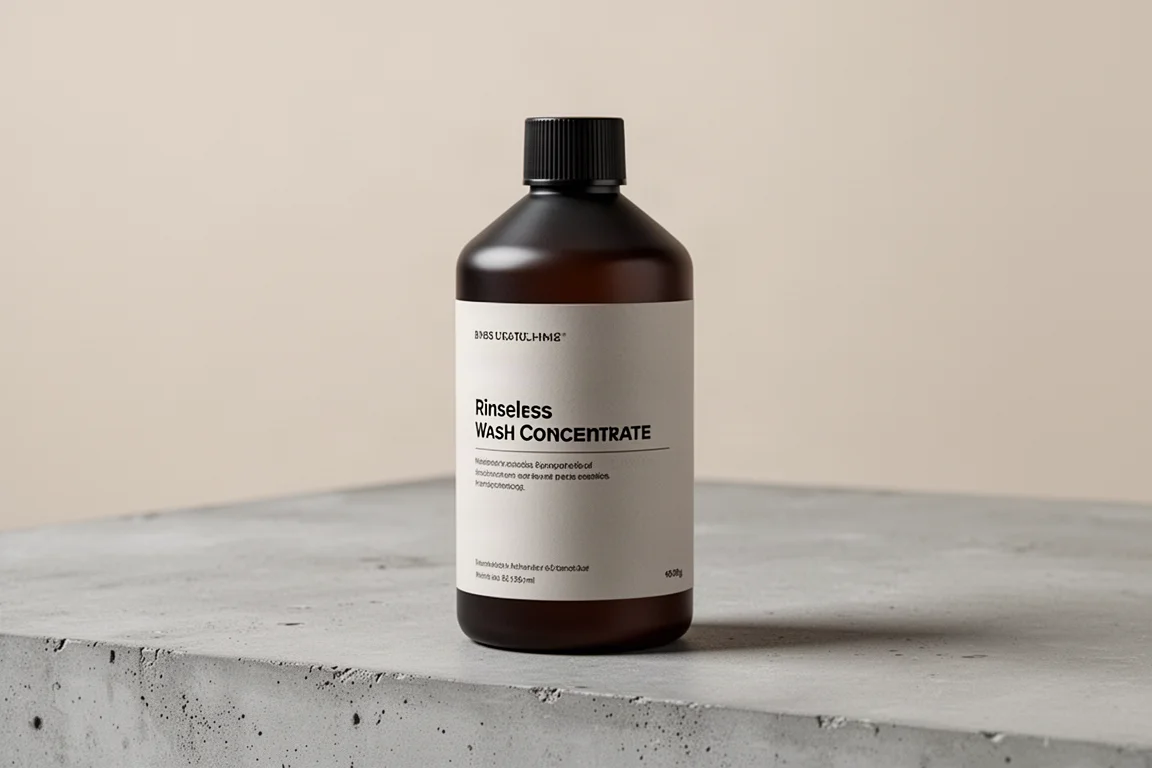
The Clean By Pan formulation is designed to leave a slight boost of gloss and slickness for a pleasant user experience, though it does not cure on the surface and can be removed with a panel prep spray before applying protection.
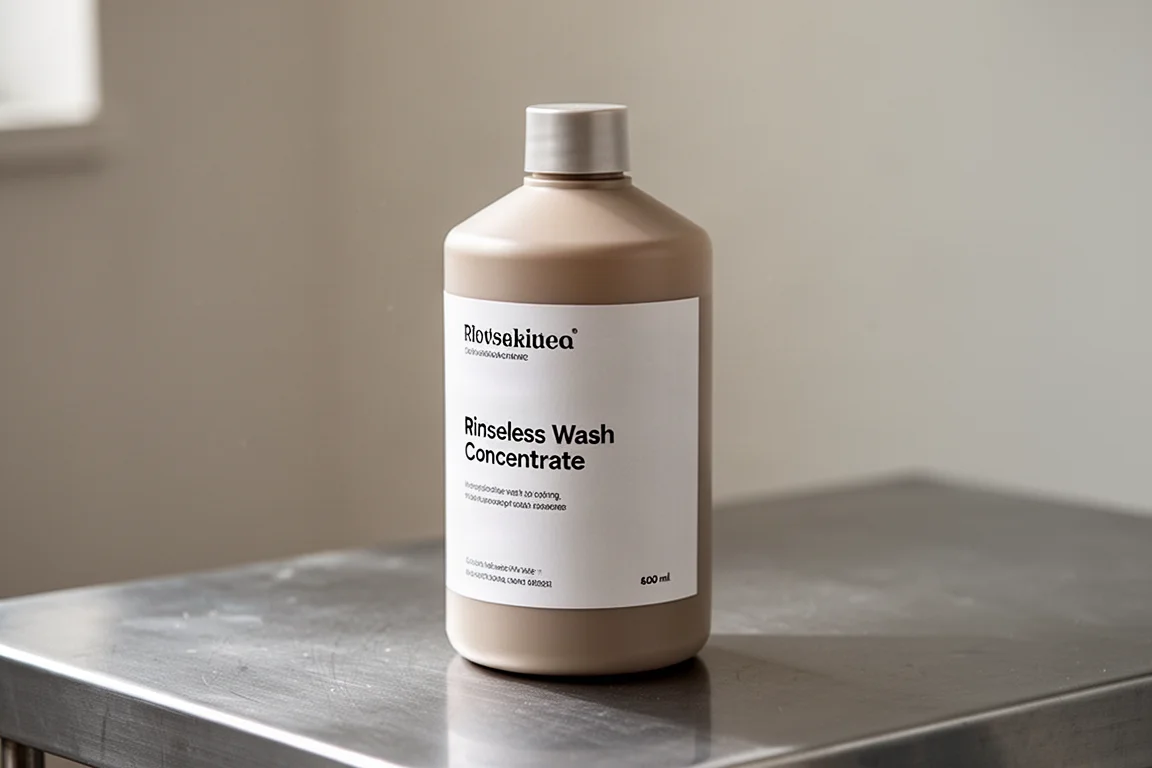
The DIY Detail version two is another hybrid option that balances cleaning ability with drying lubrication. Both are suitable for a wide range of vehicles, including older cars with single-stage paint, which require the same techniques and products as modern clear-coated finishes.
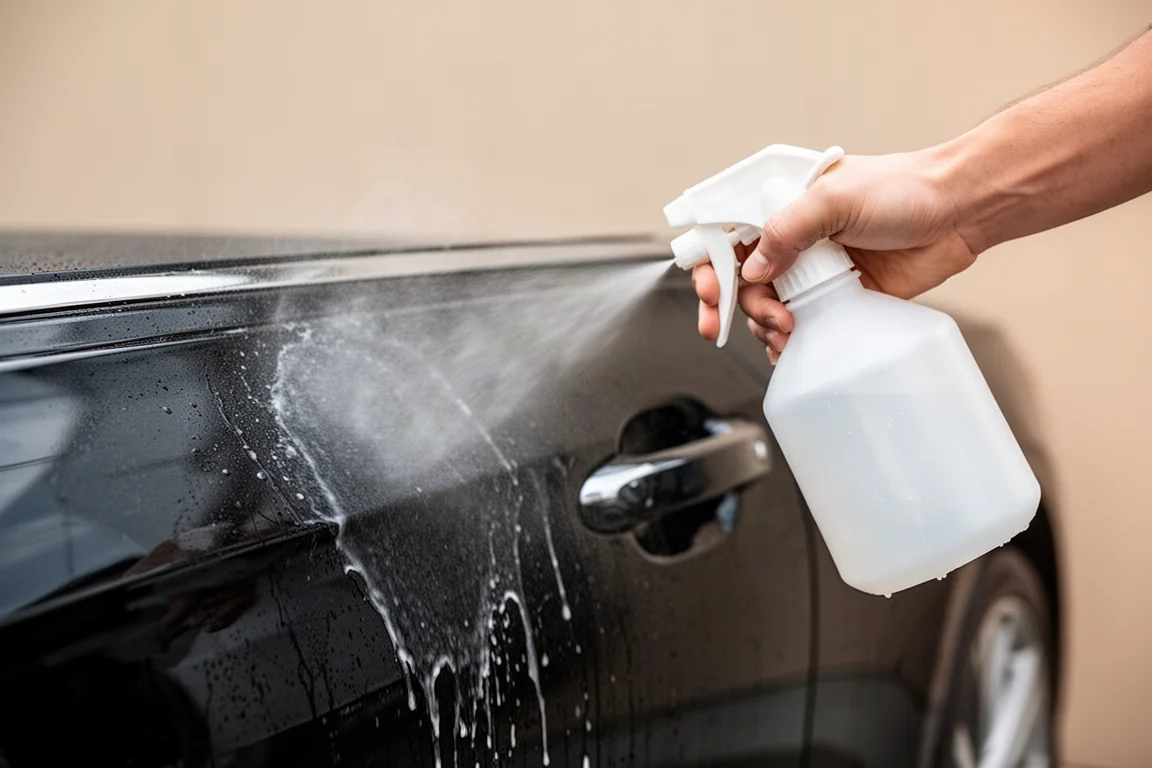
For the wash media, a sponge with grooves and slits helps trap larger grit while absorbing road film. For drying, a dedicated rinseless drying towel in a twisted loop construction offers strong water absorption. A pump sprayer, such as the iK Multi Pro 2, makes pre-treating the surface easier than a standard trigger sprayer.
Buying Advice
When choosing a rinseless wash, consider the condition of your vehicle and your typical cleaning environment. If you wash in direct sunlight or have limited water access, a hybrid formula with good lubrication is a sensible pick. Pair it with a quality wash sponge and a twisted loop drying towel for the best experience.
A pump sprayer is a worthwhile addition if you plan to pre-treat panels regularly. It is not strictly necessary, but it simplifies the process and helps ensure even coverage.
Conclusion
The rinseless wash method is a quick, safe, and water-efficient way to clean a vehicle. With the right products, a car can be washed and dried in about 10 minutes, even with conversation and filming included. For anyone looking to spend more time driving and less time cleaning, this technique is worth considering.
Further reading
Related Reviews
Car Care
Best Ceramic Coatings 2026: Seven Options Tested for Durability and Shine
We tested seven ceramic coatings from budget sprays to premium hand-applied formulas to see which ones truly protect your paint.
Car Care
Best Windshield Water Repellents 2026: Top Picks for Rainy Driving
We tested ten windshield water repellents for water beading, bug removal, and chemical resistance to find the best options for clear visibility in the rain.
Car Care
Car Wax Comparison 2026: Seven Waxes Tested From Budget to Ultra Premium
A blind test of seven car waxes from $26 to nearly $2,000 reveals which ones deliver the best gloss, filling, slickness, and hydrophobics.