Car Care
Best Ceramic Coatings 2026: 8 Products Tested for Slickness and Durability
Eight ceramic coatings from $8 to $150 put through slickness, water beading, and chemical durability tests to find which ones are actually worth your money.
Introduction
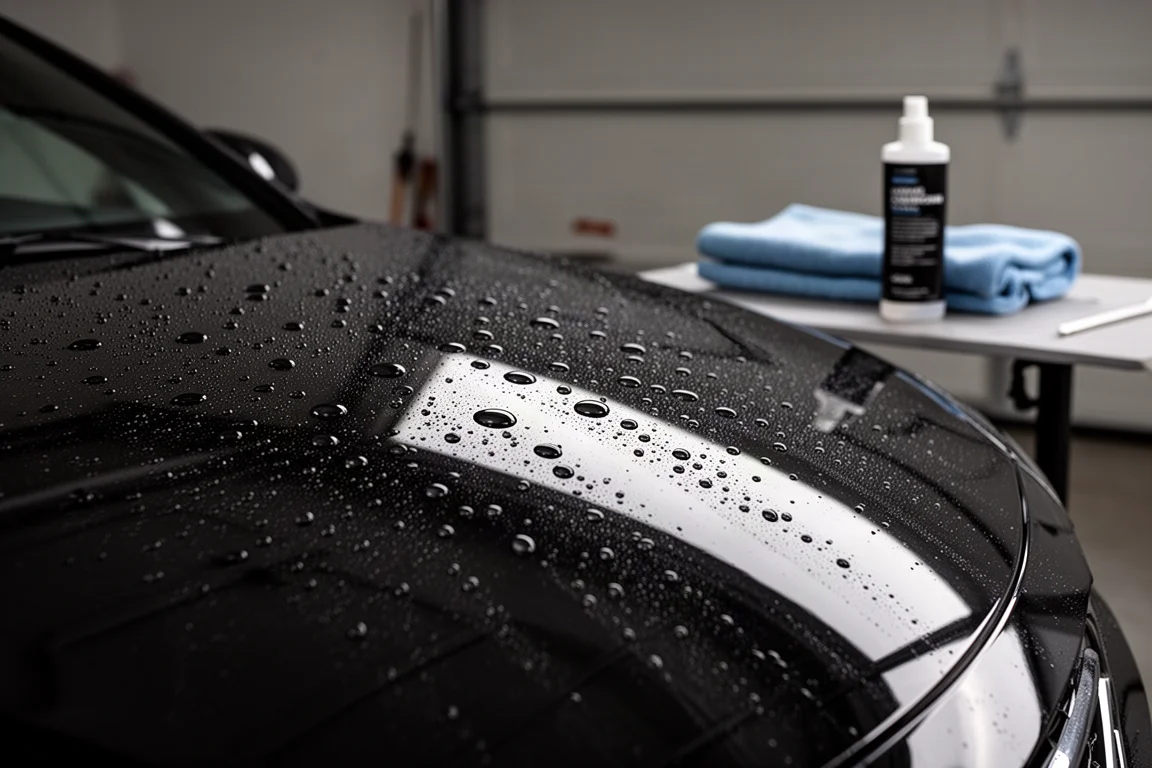
An unprotected car paint finish simply does not last as long as one that is properly protected. But is an $8 ceramic coating really that much worse than one that costs $150? To find out, eight ceramic coatings were applied to test sections of a washed car hood and to polycarbonate sheets, then measured for slickness, water beading, and durability against strip wash, iron remover, bug and tar remover, wheel and tire cleaner, degreaser, and hours of warm water spray.
How the Test Area Was Prepared
The front hood was washed with a strip wash to remove any existing wax. Two to three ounces of strip wash were poured into a bucket, and the hose was sprayed directly into the wash pad to create suds. After washing, a clay bar with lubricant was used to remove environmental contaminants and brake dust lodged in the clear coat. An iron remover followed to break down any remaining iron, and the panel was washed once more with strip wash to guarantee a completely clean surface.
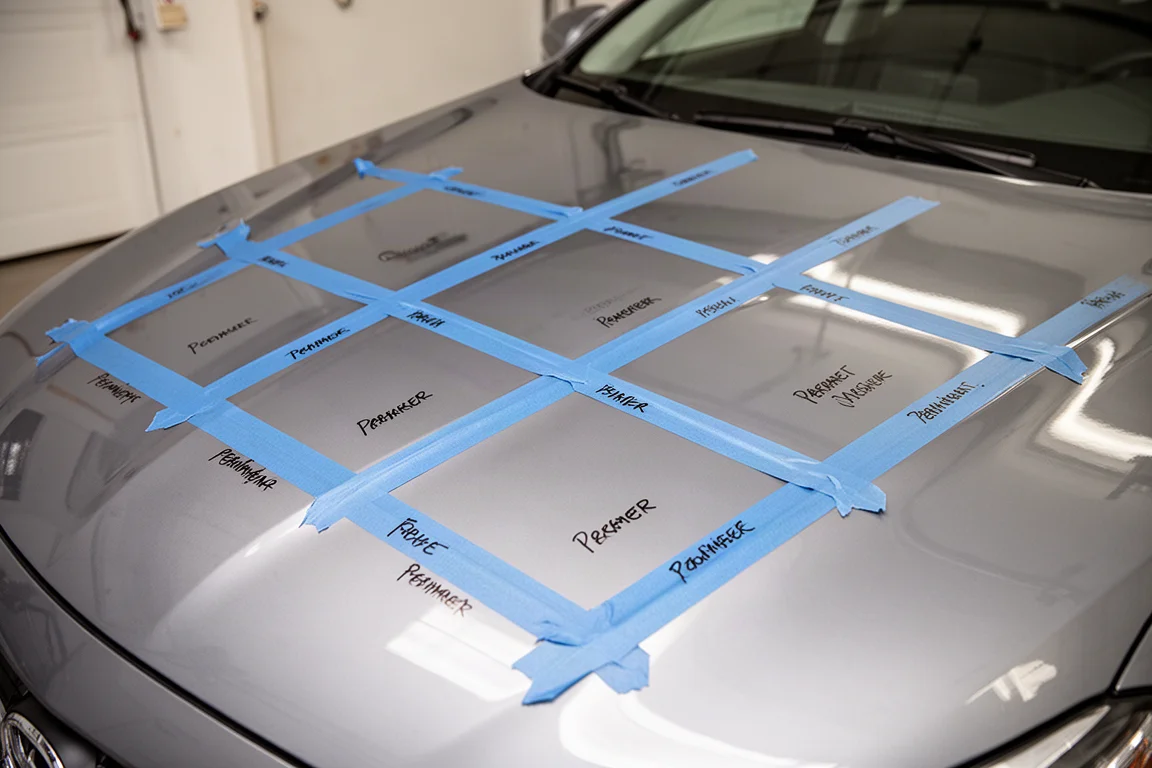
Slickness was measured with a digital angle gauge confirming the hood was level, using a brand-new sponge with 5 lb of weight on top. Bare, unprotected paint took about 4.5 lb of force for the sponge to slide.
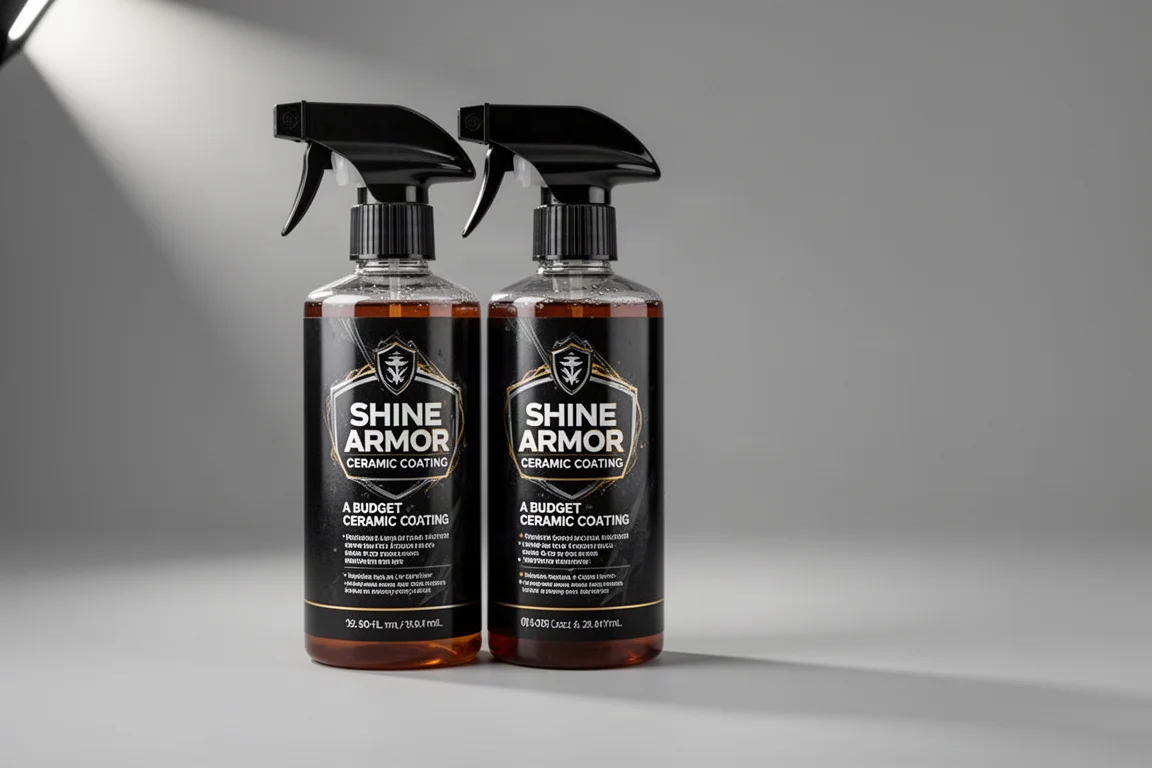
Shine Armor
At just $8, Shine Armor claims to offer a waterless coat and shine and even includes two microfiber towels. It is made in the USA and is safe for glass, paint, metal, and plastic. Application is very easy: spray onto a clean, damp microfiber cloth and the surface, wipe gently, then buff off the haze with a clean dry cloth before it dries. It is simple to work with and buffs to a nice shine with minimal effort.
Hybrid Solutions
Priced at $15, Hybrid Solutions claims extreme water repellency and a long-lasting finish of over six months. It is also made in the USA. The recommended method is two sprays per panel, spread with one clean folded microfiber cloth and removed with a separate cloth, and it can be used on exterior glass, plastics, and more. Like Shine Armor, it is very easy to apply and buffs to a shiny finish with minimal effort.
Cerakote
Cerakote costs $17, claims unsurpassed slickness and extreme hydrophobic behavior, and comes with a microfiber towel. It is made in the USA. Application involves parking in the shade, shaking the bottle for about 10 seconds, spraying a light coat directly onto the surface, wiping evenly with one side of the towel, and immediately buffing with a clean dry side. It fully cures in about 2 hours, during which gloss and slickness increase dramatically, and it should not be exposed to moisture during that time.
Chemical Guys
At $25, Chemical Guys claims extreme hyper water beading plus protection against UV rays, extreme weather, and contamination. It is made in the USA. Shake the container well, spray onto the surface one section at a time, and wipe with a clean microfiber towel, avoiding direct sunlight. It is easy to apply, though it took slightly more effort to buff to a shine compared to Cerakote.
Nanobond
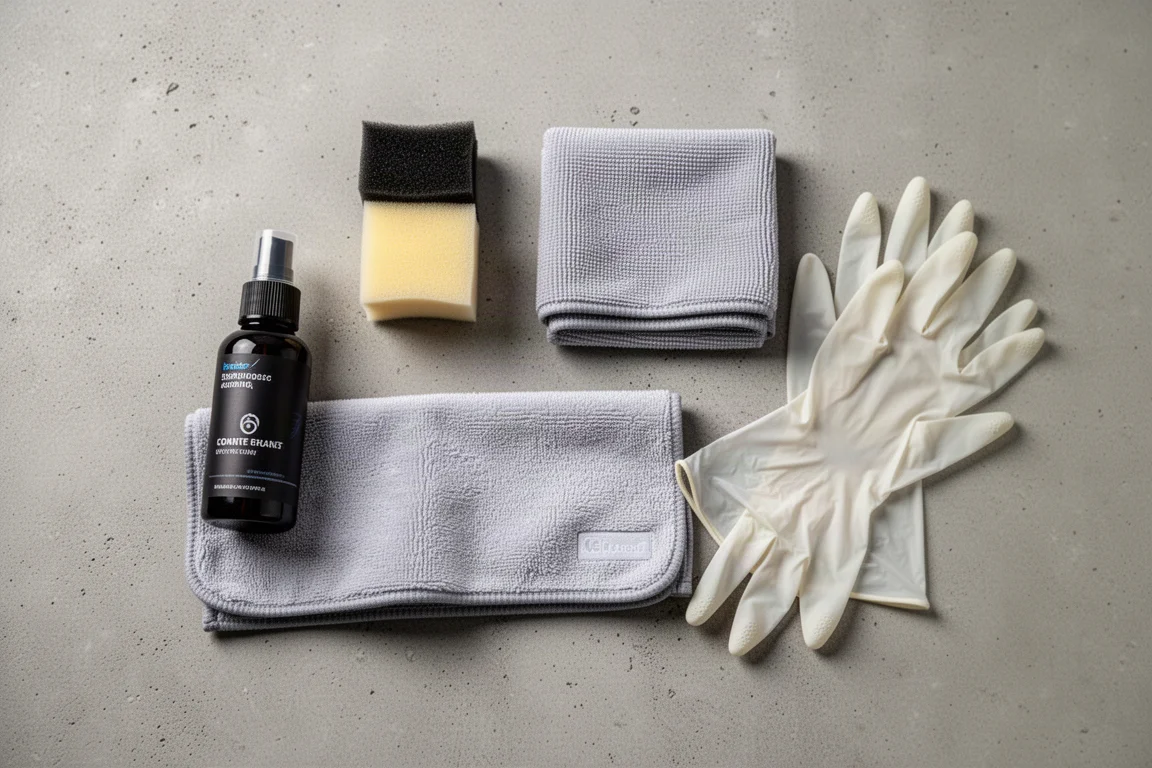
Nanobond costs $38 and is made in China. The kit includes the coating bottle, a sponge, a microfiber towel, a microsuede applicator, and gloves. You wrap the cloth over the sponge, apply liquid, wait 1 to 2 minutes for it to dry, then wipe and polish with the towel. It is supposed to leave a glass-like finish, offers outstanding water beading, and claims protection for up to 36 months. Unlike the spray-and-wipe products, it is a wipe-and-wait system that takes roughly four to five times as long to apply.
TopCoat F11 Pro
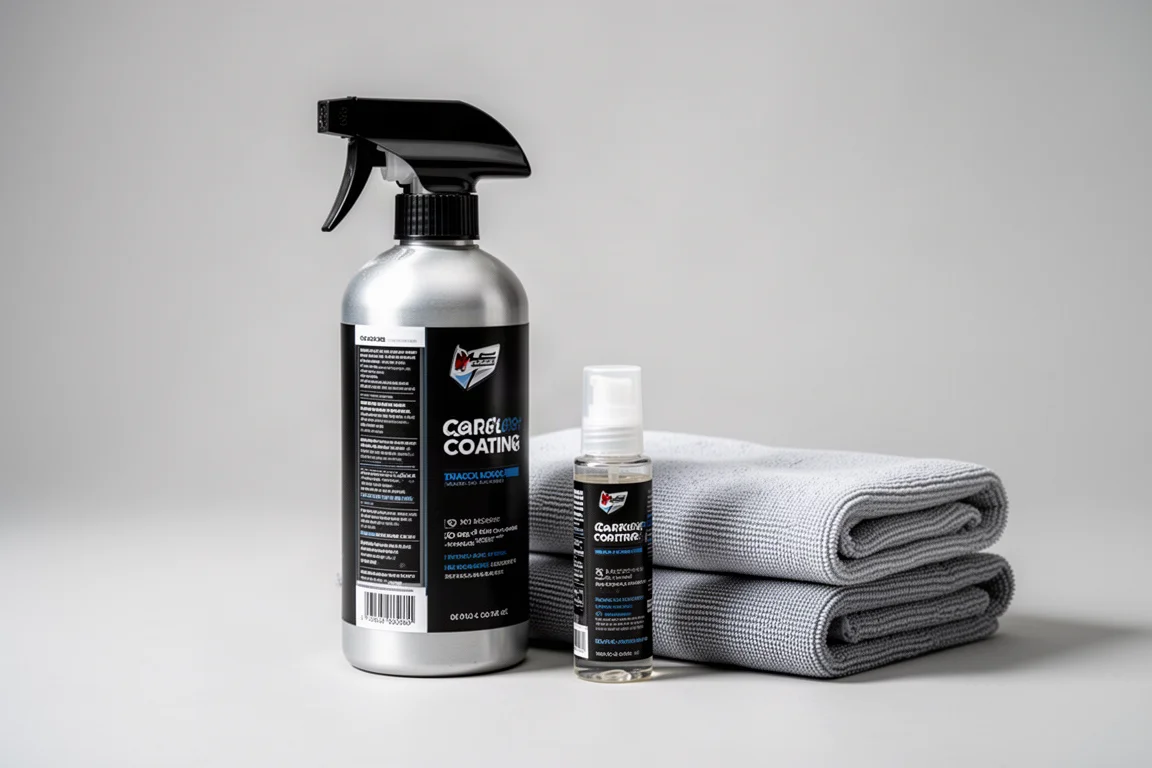
The TopCoat F11 Pro kit costs $60 and includes a 16-oz spray bottle, a 2-oz travel bottle, and two microfiber towels. Made in the USA, it claims to be the most advanced water-based ceramic coating and to last up to 12 months. Spray it directly on the surface one area at a time, hand buff it in with a clean dry towel, then do a final buff with a second cloth to remove overspray, and let it cure for 24 hours. It sprays on quickly and wipes away easily.
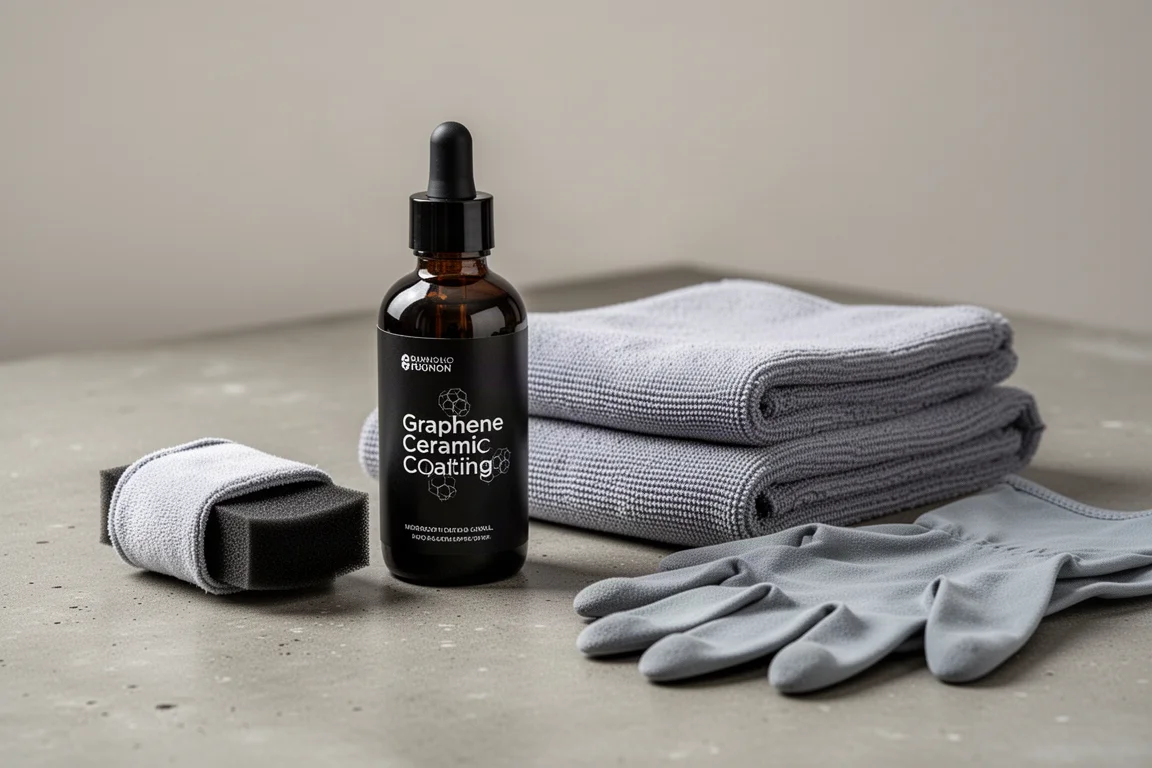
Advanced Graphene
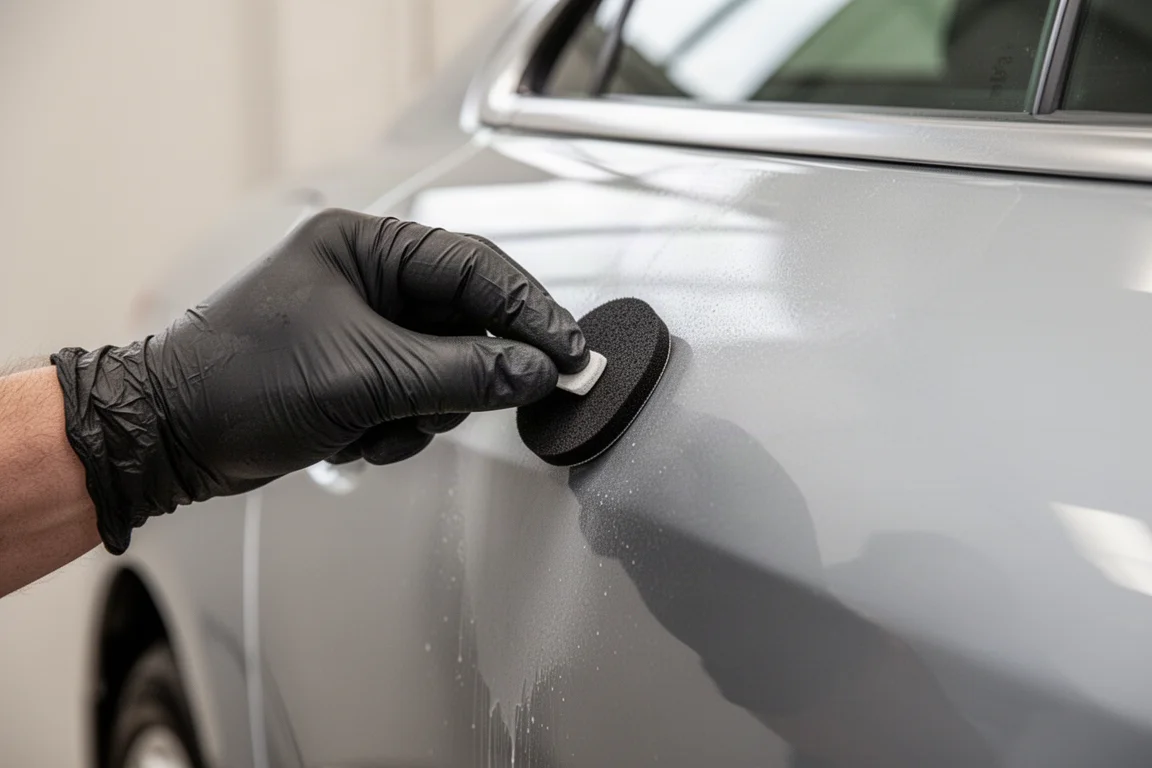
At $90, Advanced Graphene claims protection lasting up to 10 years. Made in the USA, it includes two microfiber towels and a couple of pairs of gloves. Wrap the cloth around the sponge and apply four drops, working in straight lines horizontally and then vertically over an area about half the size of the hood, adding one or two drops whenever the sponge feels dry. Buff gently in circular motions, folding the cloth so one side does the initial buff and the other does the more thorough buff. There is no wait time before wiping off, which makes it nearly as quick to apply as spray-on products.
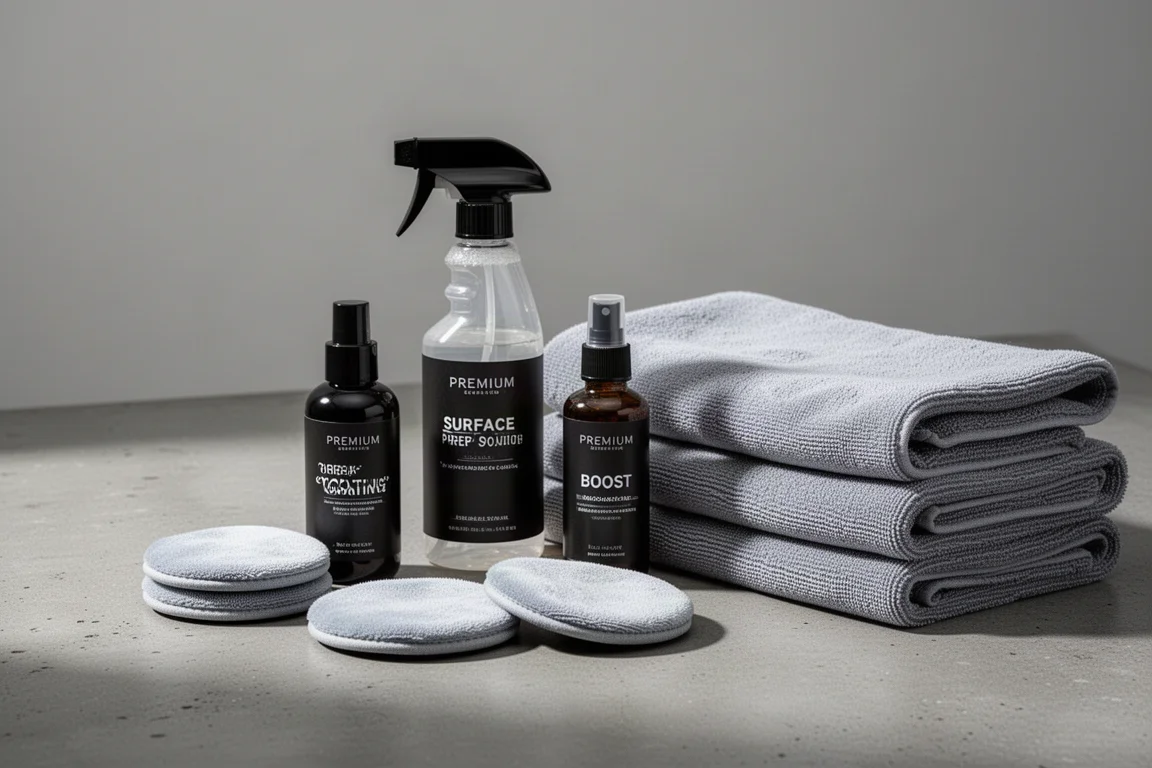
Adam’s
The most expensive product tested is Adam’s, at $150. The kit includes surface prep, graphene boost, the coating itself, a couple of applicators, two microsuede ceramic towels, and a couple of soft plush towels. It claims 9 years of protection, 10H hardness, and an extremely hydrophobic, slick, and versatile finish, and it is made in the USA. Apply surface prep first to remove polish residue, then work a 3-ft by 3-ft area at a time with a crosshatch pattern using numerous drops of coating on the suede applicator. As the rainbow, oil-slick appearance dissipates, level the surface oils with the microsuede towel and finish with the plush towel. It requires a full 24-hour cure and, like Nanobond, cannot be wiped away immediately, so application takes considerably more time and effort than the spray-on products.
Slickness Results After Curing
After curing for well over 24 hours in a temperature-controlled environment close to 77°F, the slickness test produced a clear ranking. Hybrid Solutions finished first at just 1.5 lb of force, with Chemical Guys second at 1.6 lb and Adam’s third at 1.7 lb. Cerakote and F11 both measured 2.0 lb, Shine Armor measured 2.4 lb, Nanobond 3.3 lb, and Advanced Graphene 3.1 lb, all improving on the 4.5 lb of bare paint. On polycarbonate, where bare panels took 12.7 lb of force, every coating was applied to a fresh sheet for further testing.
Water Beading and Heat Exposure
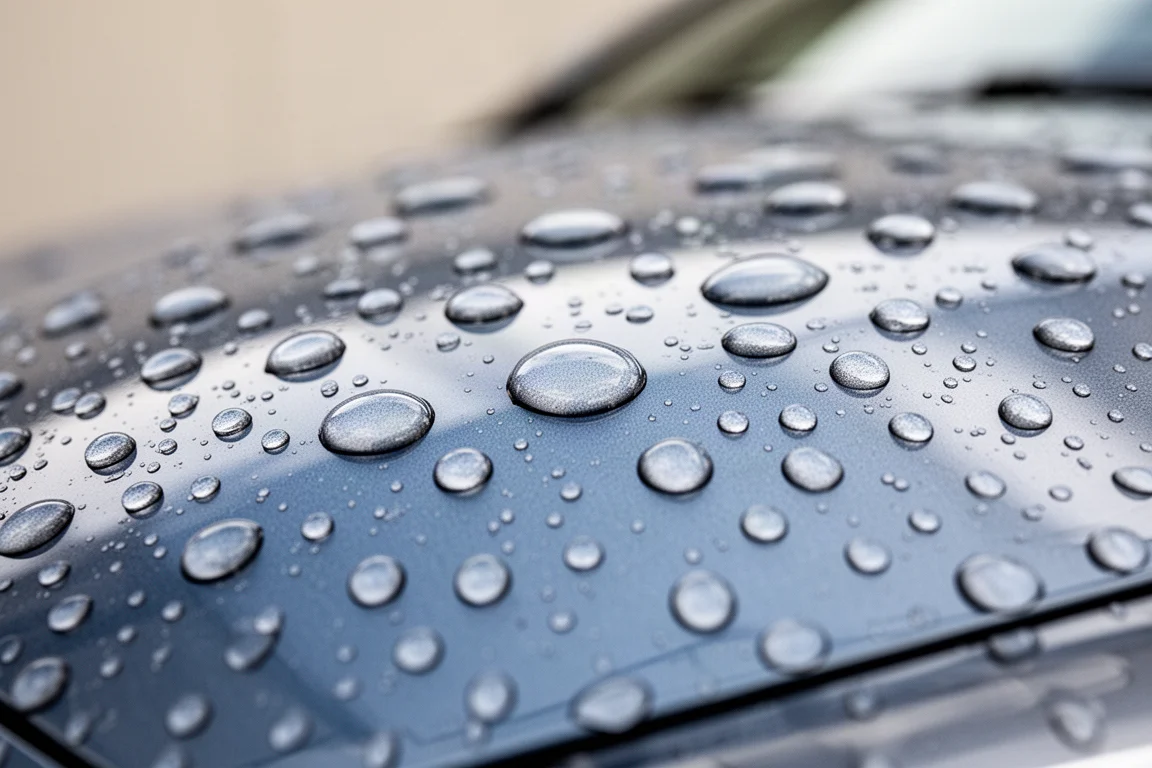
All coatings held up fine after 2 hours of warm water spray. After 4.5 hours of combined warm and hot water spray simulating direct sunlight heat, with water reaching around 120°F, Adam’s still refused to let water form a sheet and came out on top. Nanobond finished second at 3 seconds for a small sheet to clear, Hybrid Solutions third at 4 seconds, Cerakote close behind at around 5 seconds, Chemical Guys and F11 at about 7 seconds each, Advanced Graphene around 7 seconds, and Shine Armor at about 13 seconds.
Exposure to Iron Remover, Bug and Tar Remover, and Degreaser
The chemicals stage separated the field quickly. Iron remover nearly used up Shine Armor’s protection, and bug and tar remover finished it off completely. Hybrid Solutions held up better but took damage, while Cerakote and Chemical Guys needed a full minute for a sheet of water to dissipate after a heavy spray. Nanobond became the standout here, clearing a sheet in only 4 seconds, while F11 was mostly spent. Advanced Graphene formed a sheet quickly under a light spray and took around 45 seconds to clear, while Adam’s looked as good as new with nothing but water beads even under heavy spray.
After wheel and tire cleaner, Hybrid Solutions and Cerakote were both used up, Chemical Guys had taken its toll, Advanced Graphene was pretty much spent, and Nanobond still kept water from sheeting. Following the toughest degreaser, the first four spray-and-wipe coatings along with F11 and Advanced Graphene were used up. It came down to Nanobond versus Adam’s: Nanobond still offered protection with a 15-second sheet clear time, but Adam’s won decisively, with only a small sheet forming and clearing in about a second.
Polycarbonate and Heat Exposure Testing
The polycarbonate sheets, placed in a dishwasher with no detergents or additives, showed clear differences in finish quality. Shine Armor beaded decently, while Hybrid Solutions and Cerakote both performed impressively and were too close to call. Chemical Guys looked good but trailed slightly, Nanobond beaded well though a vertical water flow pattern suggested an inconsistent finish, and F11 showed more sheeting than most. Advanced Graphene beat F11 but trailed the top pair, and Adam’s was by far the best yet, refusing to sheet even as water volume and intensity increased.
Which Ceramic Coating Should You Buy?
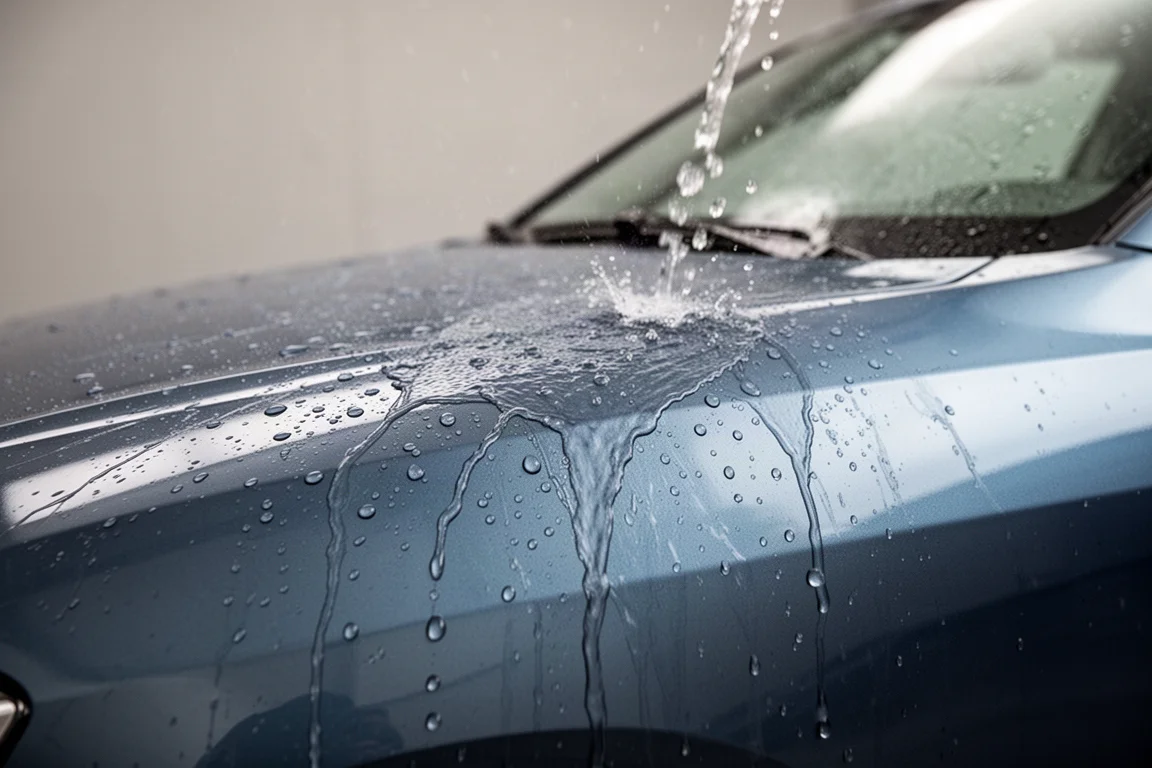
Adam’s totally dominated the showdown, finishing first in nearly every durability test, but at $150 it is expensive and takes more time and effort to apply than the spray-on products. Nanobond finished second overall at a much more affordable $38, though its wipe-and-wait process is slow and its finish showed some inconsistency. If you want strong performance at a very low price, Hybrid Solutions is hard to beat at $15, finishing third overall with excellent slickness and genuinely impressive water repellency after multiple chemical exposures. Budget buyers should note that Shine Armor, the cheapest at $8, did not survive the chemical testing, and TopCoat F11 Pro and Advanced Graphene both faded before the final rounds. Overall, the durability of these ceramic coatings is genuinely impressive, and the right pick depends on how much time, effort, and money you want to spend.
Conclusion
For maximum durability, Adam’s earned the top spot despite its price and longer application process. Nanobond offers the best balance of performance and affordability for those willing to invest application time, and Hybrid Solutions is the standout value pick for anyone who wants reliable protection without spending much. Any coated surface will outlast bare paint, so choosing the right coating comes down to matching your budget and patience to the level of protection you need.
Further reading
Related Reviews
Car Care
Best Windshield Water Repellents 2026: Top Picks for Rainy Driving
We tested ten windshield water repellents for water beading, bug removal, and chemical resistance to find the best options for clear visibility in the rain.
Car Care
Car Wax Comparison 2026: Seven Waxes Tested From Budget to Ultra Premium
A blind test of seven car waxes from $26 to nearly $2,000 reveals which ones deliver the best gloss, filling, slickness, and hydrophobics.
Car Care
Clean by Pan Ceramic Spray Sealant V2 Review: Fast Protection With Real Versatility
A water-based ceramic spray sealant that adds months of protection, gloss, and slickness with three flexible application methods.