Gaming Headsets
RIG R8 Pro Review: A Feature-Packed Wireless Gaming Headset That Delivers Strong Value
The RIG R8 Pro brings graphene drivers, dual wireless connectivity, and a comfortable build to the table at a price that makes it one of the best values in gaming audio.
Introduction
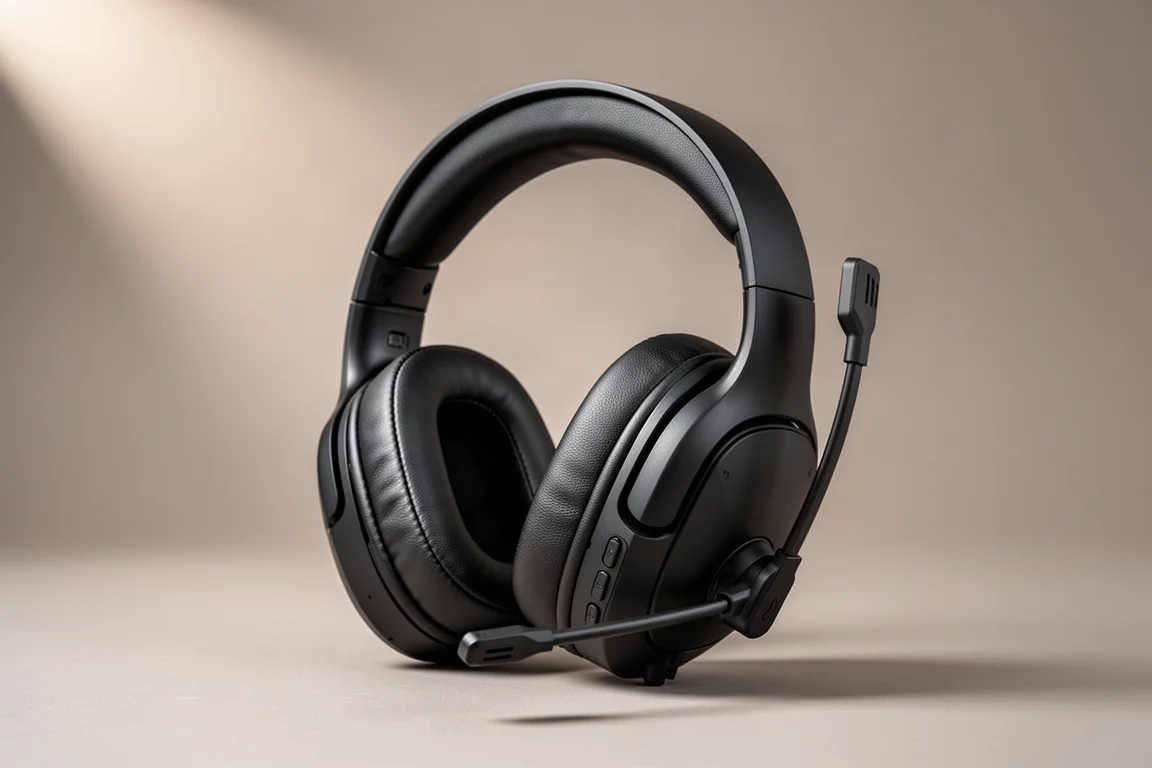
Finding a wireless gaming headset that balances price, comfort, and performance is rarely easy. Many options force you to compromise on one of those three. The RIG R8 Pro, also known as the R8 ProHS, aims to change that by packing a surprising amount of technology into a package that sits well below the premium price tier.
This headset brings graphene drivers, dual wireless connectivity, a swappable battery, and a comfortable build to the table. At roughly $170 to $180, it positions itself as one of the strongest values in the gaming headset space right now. The question is whether it delivers where it matters most.
Who the RIG R8 Pro Is For
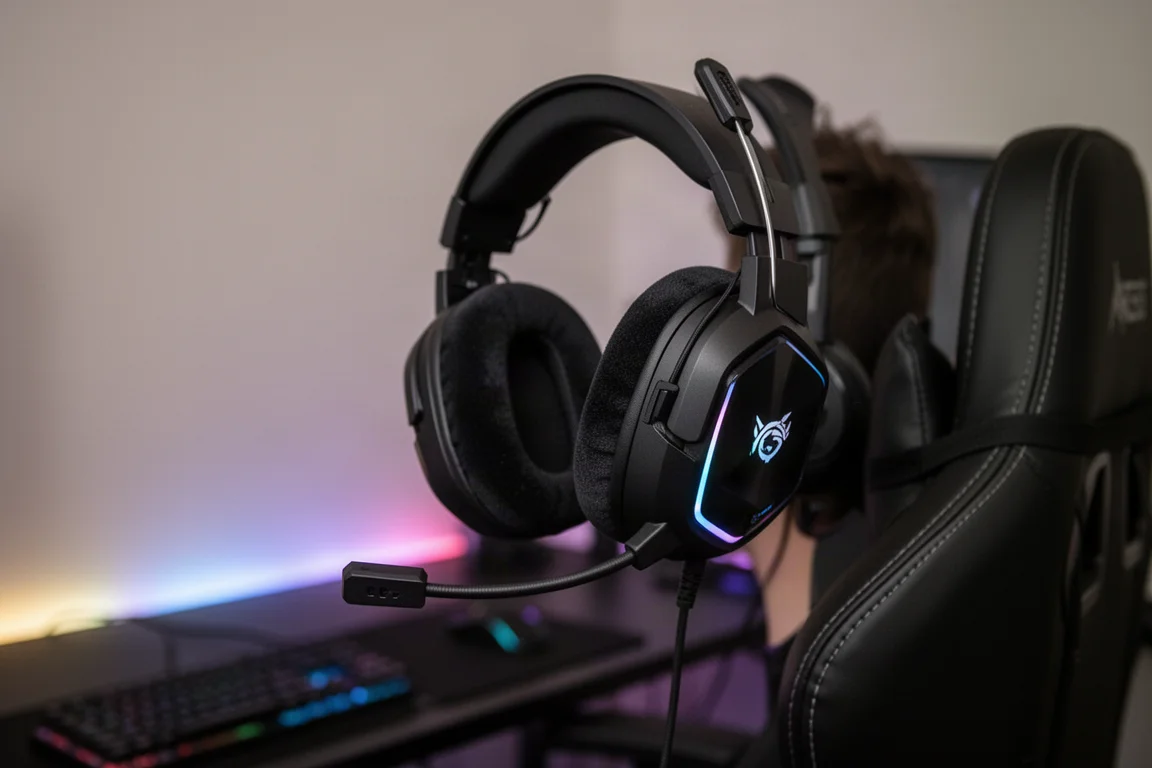
The RIG R8 Pro is designed for gamers who want a versatile wireless headset without spending flagship money. It works across PC, PlayStation, and Xbox depending on the version you choose, and the ability to buy additional dongles for other platforms means one headset can cover multiple systems.
This headset also suits players who appreciate customization. The companion app offers an eight-band equalizer, multiple profiles, and a built-in tutorial that explains every button and function. If you like tweaking your audio to match different games, this headset gives you plenty of room to do so.
It is not for everyone though. The microphone is permanently attached on the right side, which may feel unusual if you are used to left-side mics. The ear pads are pleather inside and out, so they hold some heat during longer sessions. And on console, the maximum volume may leave you wanting more.
Comfort and Build Quality
Comfort is often the first thing that matters with a headset you plan to wear for hours. The RIG R8 Pro handles this well. The ear cups swivel flat and tilt forward, which helps them conform to different head shapes and jawlines. The tension rods on the sides offer smooth adjustment without any clicking, and the range should accommodate most head sizes.
At 367.5 grams, this is not the lightest headset on the market, but the weight distribution makes it feel manageable. The ear pads are generously sized, measuring about 20 millimeters wide and 25 millimeters tall, with inner dimensions of roughly 42 by 67 millimeters. That leaves plenty of room for your ears without them pressing against the drivers.
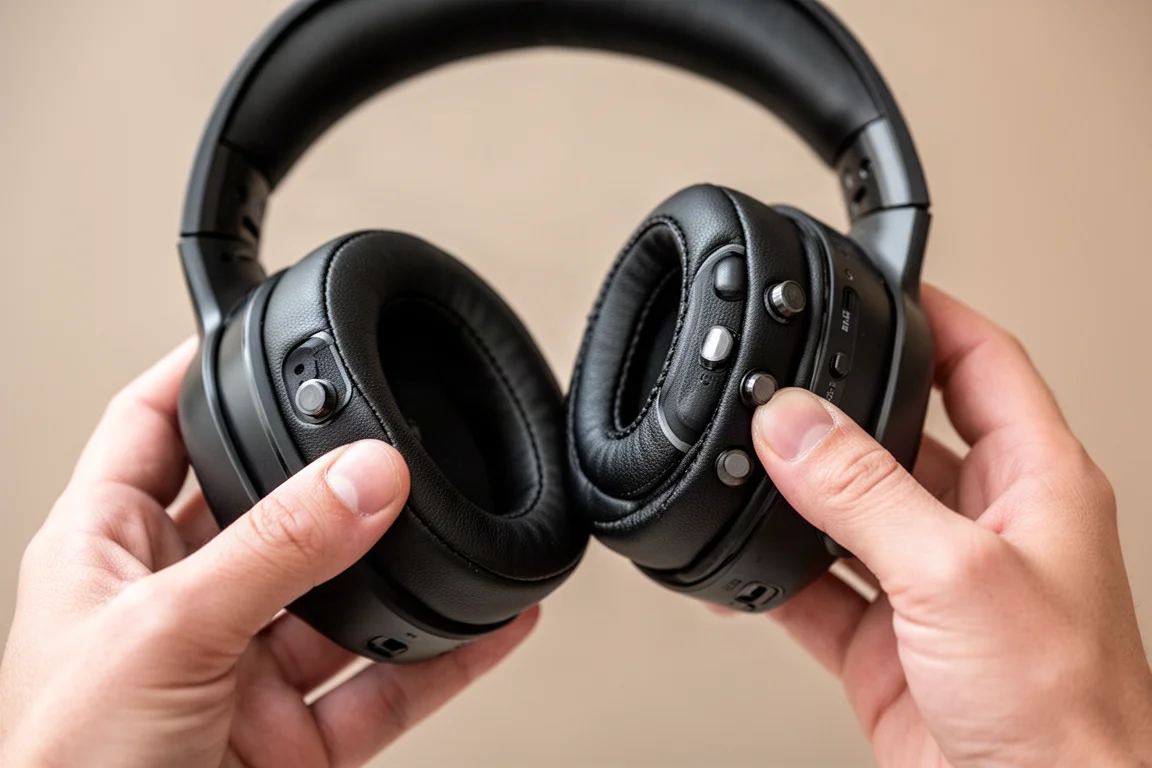
The ear pads are also magnetic. They snap on and off easily for cleaning or replacement, and they lock in place securely with small grooves that prevent accidental removal. The padding itself uses memory foam with pleather on the outside and inside, plus a sport material on top. It is plush and comfortable, though the pleather does trap some heat over time.
The headband is heavily padded from one side to the other, with a soft sport material covering the top. Clamping force sits at a medium level, which means the headset stays in place without feeling tight. If you wear glasses, the memory foam ear pads conform around the arms without creating pressure points.
The build is entirely plastic, but it feels solid. The interchangeable side plates serve a dual purpose: they look good and they protect the internal fork mechanism if you drop the headset. The ear pads and side covers are designed to pop off on impact, which can prevent more serious damage.
Features and App Integration
The RIG R8 Pro comes with a base station, a USB-C wireless dongle, and interchangeable plates. The dongle is angled to the side so it does not block adjacent ports on your PC or console. It also has a switch for PlayStation or USB/PC mode, depending on the version you buy.
The base station is essentially a charging dock rather than a wireless hub. You need to plug the dongle into it for the headset to work wirelessly. It is not like the hubs you see on some premium headsets, which can route audio independently. The RGB lighting on the base station is controlled by a physical button that cycles through effects, which feels dated compared to the app-based controls elsewhere.
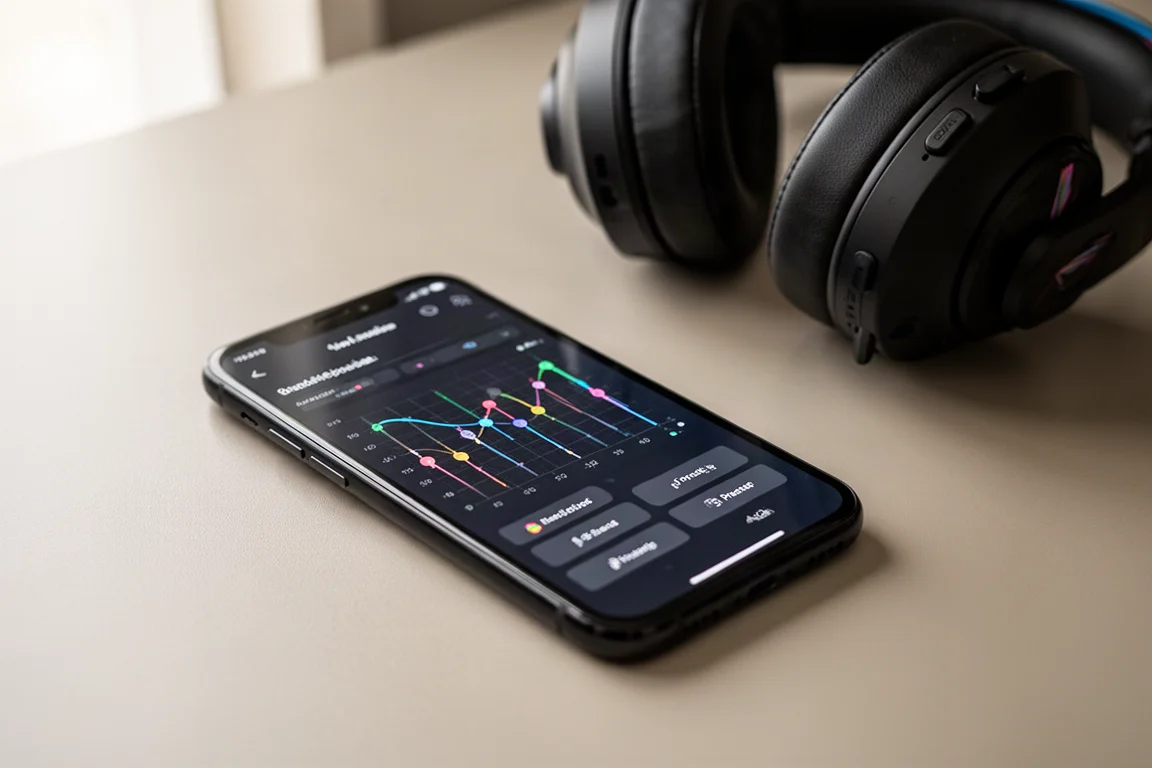
The companion app is where this headset shines. It offers three profiles you can switch between, an eight-band equalizer with presets, microphone gain and monitoring controls, and a volume limiter that you should turn off for maximum output. The app also includes a tutorial section that explains exactly what each button does in every mode. This is a small touch, but it makes learning the headset much easier.
One notable feature is the swappable battery. The battery slides out from behind one of the side plates, similar to what you see on some premium headsets. However, there is currently no way to charge a spare battery, and no replacement battery is included. This feels like a tease for now, though it does leave room for future accessories.
The headset supports simultaneous 2.4GHz and Bluetooth connections, which means you can stay connected to your console or PC while taking calls or listening to notifications from your phone. A button on the headset lets you cycle between 2.4GHz only, Bluetooth only, or both.
Microphone Performance
The microphone on the RIG R8 Pro is permanently attached and flips up to mute. It sits on the right side, which is unusual since most headsets place the mic on the left. It takes some getting used to, but it is not a functional problem.
The mic is highly flexible and holds its position well. It has a notch near the top that lets you mute it without flipping it all the way up. There is no mute indicator light, so you will need to rely on the flip position or voice prompts.
In the app, you can set microphone gain to low, mid, or high. The low setting sounds the most balanced. Mid and high settings boost the volume significantly, but they also make plosives like P and T sounds more prominent. A small windscreen would help reduce those pops.
Microphone monitoring, or sidetone, is available in off, mid, and high settings. The mid and high options are quite loud, giving a walkie-talkie feel. Dropping to a lower level in expert mode gives a more natural monitoring experience.
Sound Quality and Performance
The RIG R8 Pro uses graphene drivers with a frequency range of 20 to 40,000 Hz. Graphene drivers are known for their stiffness and quick response. They deliver sound crisply and return to their resting position faster than traditional paper or polymer drivers, which reduces distortion at higher volumes.
This is especially noticeable in gaming. Explosions, gunshots, and score streaks can push lesser drivers into distortion, muddying dialogue and footsteps. The graphene drivers in this headset handle those peaks cleanly, preserving detail in the audio mix.
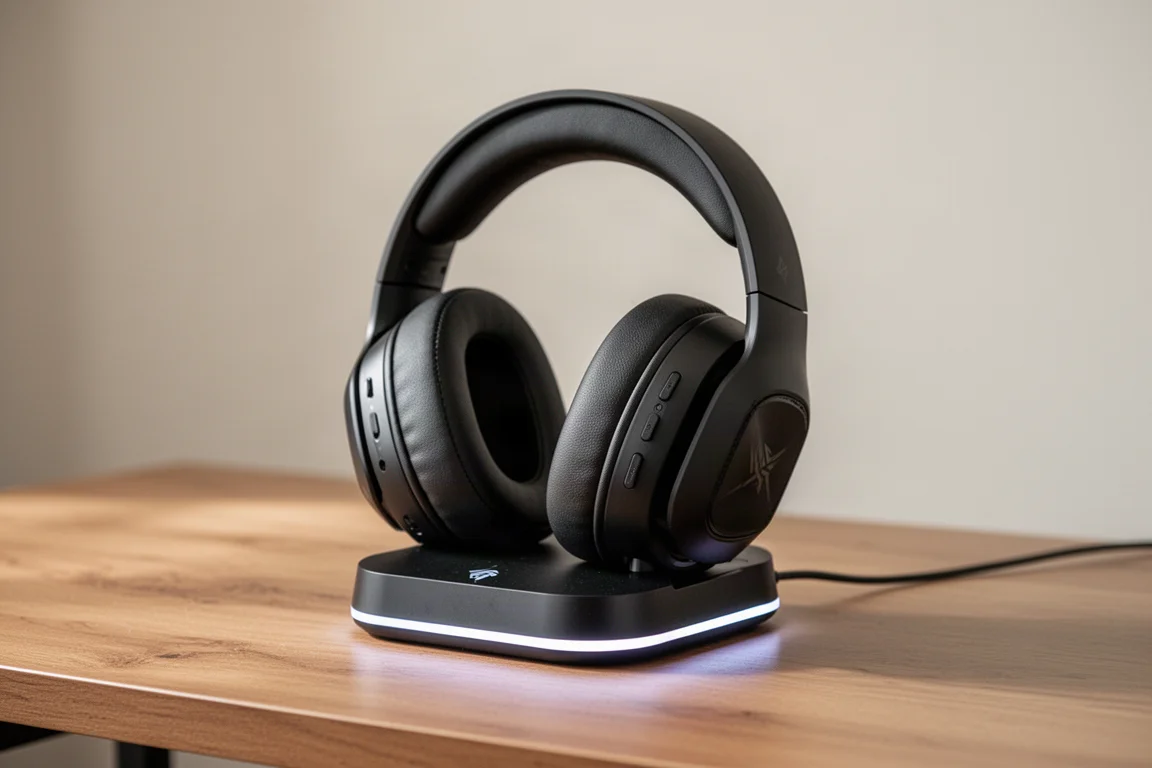
Out of the box with a flat EQ, the headset sounds a little warm. The mid frequencies are prominent and tend to linger, which is partly due to the fully pleather ear pads trapping sound. The bass is present but not overwhelming. Graphene drivers do not produce the rumbling, head-shaking bass you get from some other headsets. They hit their low end and move on.
If you want a brighter, more open sound, swapping to cloth ear pads could help. The pleather pads hold in some of the detail and warmth. The app’s equalizer gives you the tools to shape the sound to your preference, with presets like clarity and bass boost, plus a full eight-band EQ in expert mode.
One area of concern is console volume. On PlayStation, the headset felt quieter than other headsets in the same test group, even with the volume limiter off and the system volume maxed out. On PC, you can compensate with system volume, EQ, and audio enhancements, but console users may find the maximum volume underwhelming. This could potentially be addressed with a firmware update.
Battery Life and Charging
The RIG R8 Pro offers over 60 hours of battery life, which is excellent for a wireless gaming headset. You will not need to charge it often, even with regular use.
Charging is handled through the base station or a USB-C cable. The base station is simple and functional, though it lacks the wireless hub capabilities of some competitors. The swappable battery is a nice idea, but without a way to charge a spare, it is not as useful as it could be.
Buying Advice
The RIG R8 Pro is priced around $170 to $180, which puts it in a competitive spot. For that price, you get graphene drivers, dual wireless connectivity, a comfortable build, a feature-rich app, and excellent battery life. It is hard to argue with the value.
If you want to use it across multiple platforms, additional dongles cost about $25 each. Replacement ear pads will likely cost a similar amount. Adding a spare battery and a charging solution could push the total toward $300, which is where the value proposition gets murkier. At that point, you might consider premium alternatives.
For most gamers, though, the RIG R8 Pro as it ships is an excellent choice. It is comfortable, sounds great, and offers a level of customization that is rare at this price.
Conclusion
The RIG R8 Pro is one of the best values in wireless gaming headsets right now. It combines graphene drivers, dual wireless connectivity, a comfortable and adjustable build, and a genuinely useful companion app into a package that costs far less than many competitors.
It is not perfect. The right-side microphone takes some adjustment, the ear pads run warm, console volume could be higher, and the swappable battery is not fully supported yet. But these are minor issues against the overall package.
If you are looking for a wireless gaming headset that delivers strong performance without breaking the bank, the RIG R8 Pro deserves serious consideration.
Product link
View more details for RIG R8 Pro
This product is mentioned in the review. Check the specifications, options, and compatibility before buying.
View more details for RIG R8 ProFurther reading
Related Reviews

Gaming Headsets
ASUS ROG Cathara Review: Planar Magnetic Sound With a Few Caveats
The ASUS ROG Cathara brings planar magnetic drivers and audiophile-grade tuning to a gaming headset, but volume sensitivity and mic quirks mean it is not for everyone.

Gaming Headsets
Asus ROG Kithara Review: A Cozy Open-Back Headset With Audiophile Sound
The Asus ROG Kithara blends HiFi Man planar magnetic drivers with ROG gaming features. We test comfort, microphone quality, and sound across games and music.
Gaming Headsets
Audio Technica ATH-M50x STS Review: Music Headphones Meet Gaming Headset
Audio Technica combined their respected M50x headphones with an integrated microphone to create a hybrid gaming headset. We tested both the USB and XLR versions to see if the formula works.