Snowboards
Ride Zero Snowboard Review: A Freestyle Twin With an Asymmetric Sidecut
A close look at the Ride Zero, a true twin freestyle snowboard with flat kicks, a medium flex, and a heel-side sidecut cut deeper than the toe.
Introduction
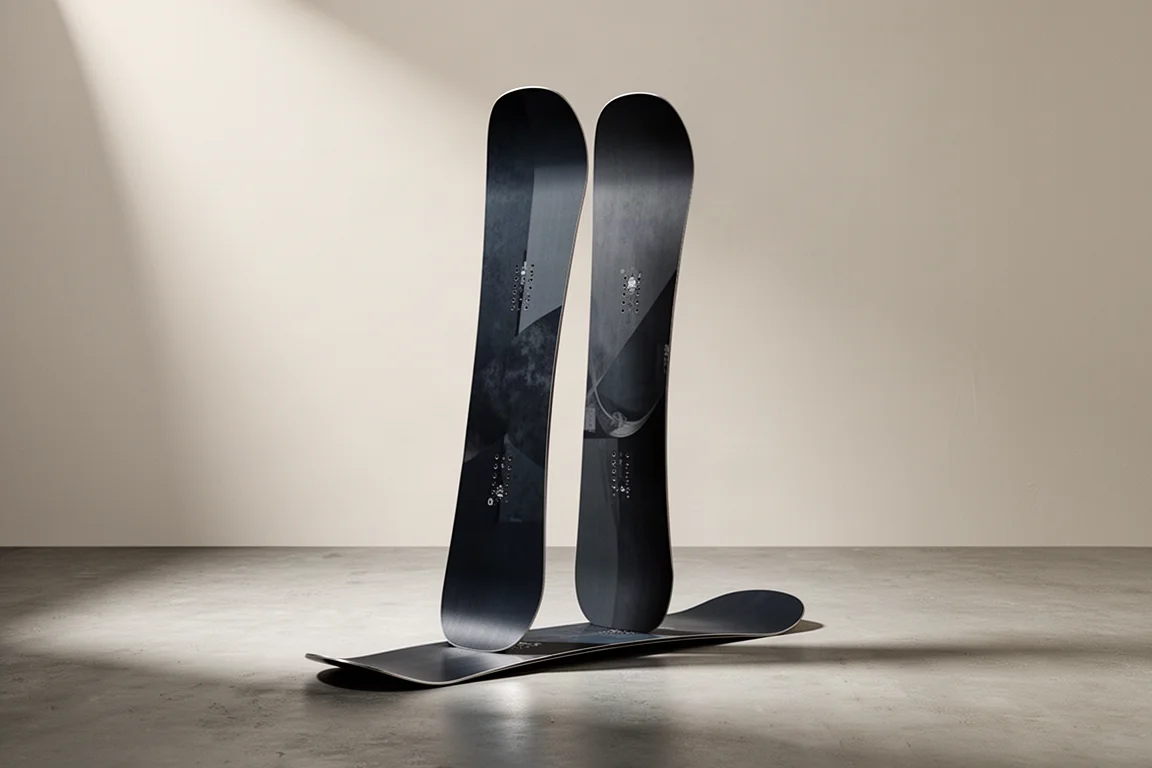
The Ride Zero is a freestyle snowboard built as a true twin, with flat kicks at the tips, a standard cambered bend, and a medium flex that stays even from tip to tail. What separates it from a plain park twin is the sidecut: the heel edge is cut deeper than the toe edge, so the outline is deliberately asymmetrical rather than perfectly mirrored.
That combination points to a specific kind of riding. Riders who split their time between rails, park laps, and switch riding get a board that stays balanced underfoot while giving the heel edge a little extra authority. This guide covers who the Zero suits, where its strengths actually show up, and how to think about sizing before you commit.
Who This Board Is For
Because the Zero is a full twin, there is no separate goofy or regular version to pick between. Left foot forward or right foot forward, the same board works, and you can set your stance slightly back if that feels better. Many riders will run it fully centered instead, which keeps the ride balanced whether they are riding switch or regular and makes spinning and tricking feel consistent in either direction.
The deeper heel-side cut is the detail that matters most. It gives the heel edge more power and more hold, and it becomes useful when a trick loads up off the heel edge, since there is a deeper section of edge to press against and spring from. The shape has been a favorite among team riders whose riding leans heavily into freestyle, street sections, and rails.
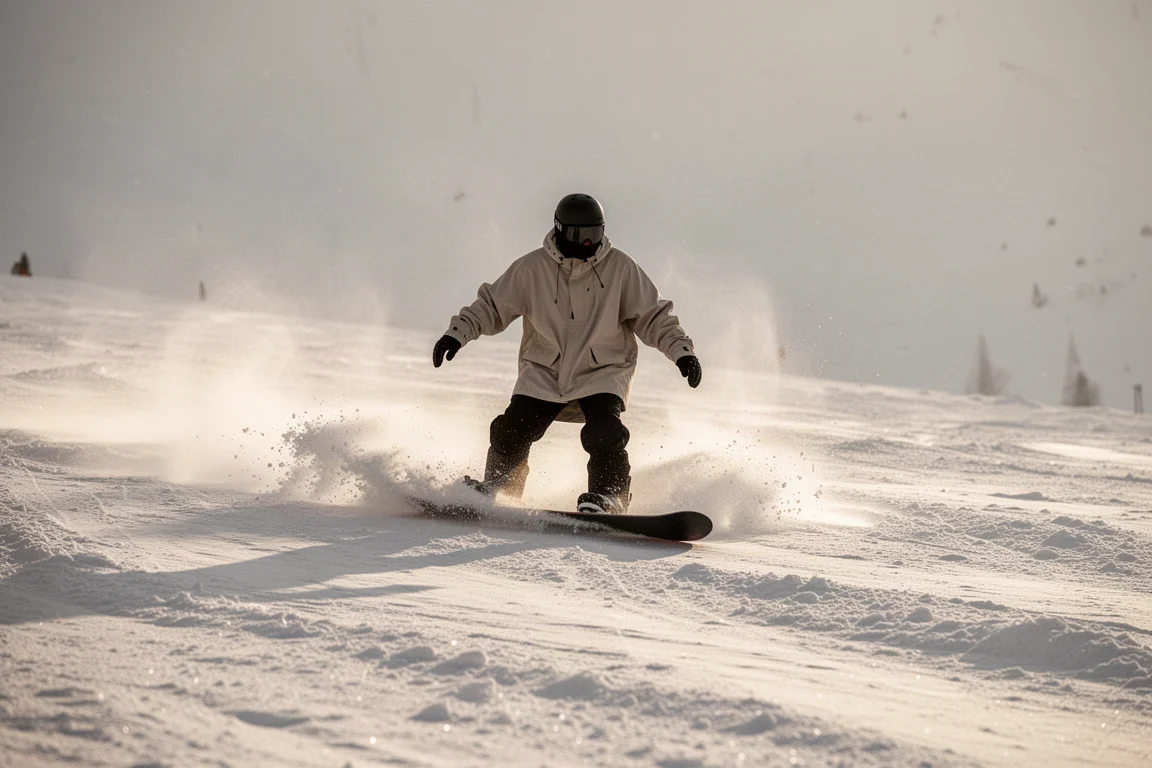
Put simply, this is a board for someone who wants a centered, symmetrical-feeling platform with one intentional difference between the two edges. Riders who mostly want a directional all-mountain outline will find the twin layout and the asymmetric sidecut less relevant to how they ride.
Main Strengths
- An asymmetric sidecut with a deeper heel edge, which adds power and hold and gives heel-edge tricks more to load against.
- A true twin with flat kicks, so a centered stance feels balanced in both directions and switch riding stays predictable.
- A medium flex that is not overly soft, with an even bend through the board rather than a stiff or mushy feel.
- A centered, stone-ground base that runs fast and is built to hold up to regular use.
- A size range that runs from 142 up to around 159, with wider options in the line for riders who need them.
Shape and Flex on the Mountain
The profile is a standard cambered bend. It sits roughly three to four millimeters off the snow in the middle and contacts down at the ends, with flat kicks finishing the tips. In practice, that means a board that feels connected through the middle of the turn and still has a forgiving, freestyle-friendly tip and tail rather than an aggressive hook.
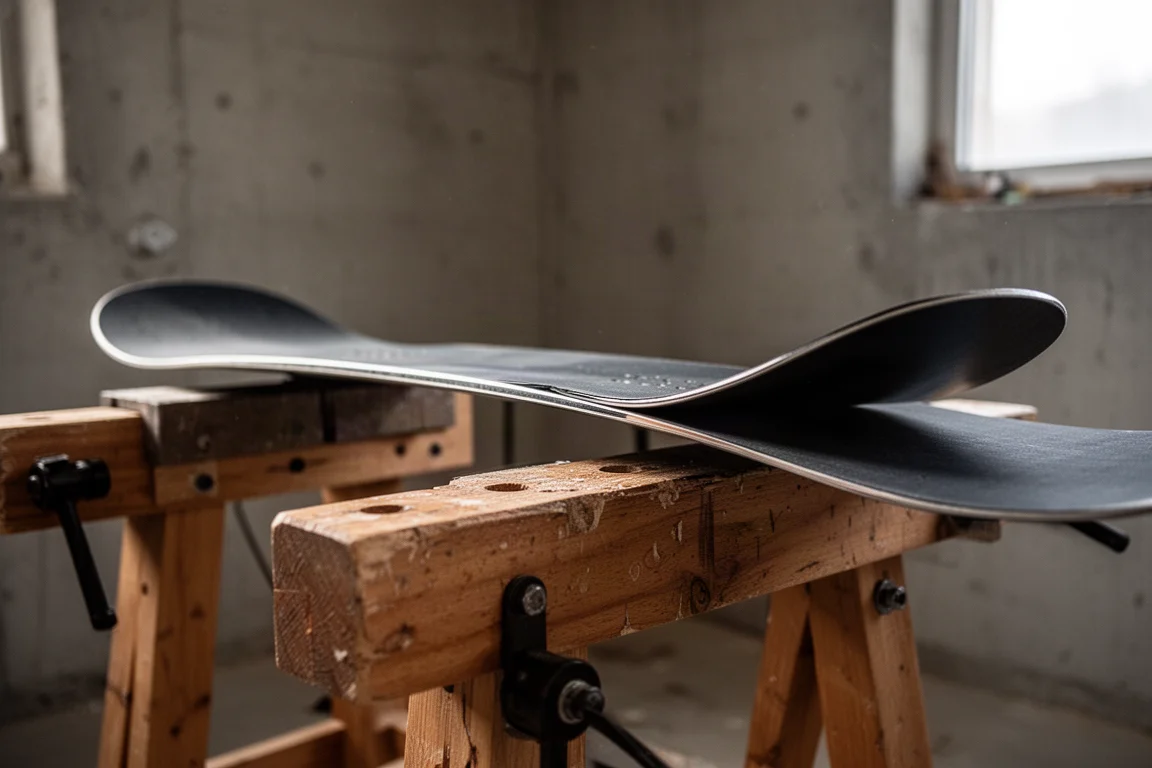
The medium flex is the other half of the story. It is not a super soft park noodle, and the twin tip construction keeps the bend even from end to end, which matters when you are pressing, popping, or landing slightly off axis. Between the even flex and the deeper heel edge, the board has a distinct personality: balanced in the air, with a bit more grip and spring available on one side.
Things to Consider Before Buying
The medium flex is worth thinking about honestly. Riders who want the softest possible jib feel may find it firmer than a dedicated park board, while riders who want a stable freestyle deck will likely prefer it.
The asymmetric sidecut is also a deliberate design choice, not a neutral one. Because the heel edge is cut deeper than the toe edge, the two edges do not feel identical, and riders who want a completely symmetrical feel under both feet should factor that in.
Finally, wider sizes exist for a reason. If you do not need the extra width, a wider board adds bulk you will not benefit from, so it pays to match the width to your boot rather than sizing up out of habit.
Sizing, Width, and Boot Match
The Zero runs from 142 up to around 159, and the line also includes wider sizes. A 154 wide is one of the options, and width is the variable most riders should think about first.
As a practical rule of thumb, riders in roughly a 10.5 to 12 boot range should be looking at wide boards. Riders below that, from about a 10.5 down to an 8, and riders in women’s sizes, will generally be fine with the waist width on the shorter boards in the range. Matching boot size to waist width keeps your toes and heels from dragging without adding unnecessary board underfoot.
Beyond width, pick the length that matches how much board you want under you. The shorter end of the range favors a lighter, quicker feel for park and rail riding, while the longer sizes give you a bit more platform for stability at speed. Since the Zero is a twin, your length choice stays the same regardless of which way you ride.
Setup and Stance
Stance is a genuine tuning decision on this board. Setting your stance slightly back is an option, and some riders will prefer that for a more planted feel in one direction. Running it fully centered is the more common approach for freestyle riding, and it is what keeps the board balanced when you are riding switch or landing tricks in either direction.
If your riding is mostly spins, rails, and switch, start centered. If you find yourself wanting more stability in your natural direction, a small setback is the adjustment to try before changing anything else.
Buying Advice
Buy the Zero if you want a true twin freestyle board with an even medium flex and a heel edge that offers more hold and spring than a mirrored outline would. Match the waist width to your boot first, then choose a length based on whether you lean toward quick and playful or slightly more stable at speed.
It is also worth being clear about what the board is not. The asymmetric sidecut and centered twin shape are aimed at freestyle riding, switch riding, and tricks. Riders whose priority is a directional all-mountain or powder-focused setup should look at a shape built for that instead. If the Zero’s description matches how you actually ride, the design choices line up in a way that makes sense rather than feeling like a gimmick.
Conclusion
The Ride Zero is a focused freestyle twin. Flat kicks, a standard cambered bend with roughly three to four millimeters in the middle, a medium flex that bends evenly, a fast stone-ground base, and a heel-side sidecut cut deeper than the toe all point in the same direction: a balanced board with a little extra bite on the heel edge for riders who live in the park, on rails, and in switch.
Product link
View more details for Ride Zero
This product is mentioned in the review. Check the specifications, options, and compatibility before buying.
View more details for Ride ZeroFurther reading
Related Reviews

Snowboards
32 Middle Earth Scott Stevens Pro Model Snowboard Review: A Park Board With a Reversed Flex
A medium traditional camber park board with carbon V reinforcement that is stiffer in the tips and more playful between the feet. Here is how it rides and who it suits.

Snowboards
32 Snafu Review: A Directional All-Mountain Freestyle Board with Serious Pop
The 32 Snafu pairs a directional camber-rocker profile with a stiffening tail for powerful carves, big ollies, and a surprisingly damp ride.

Snowboards
32 XXX Pat Fava Pro Snowboard Review: A Stiff Camber Beast for Hard-Charging Riders
A full-width traditional camber deck that rewards aggression with stability and edge power, but demands effort everywhere else.