Snowboards
Ride Shadowban vs Ride Algorithm: Which 2025 Snowboard Fits Your Riding?
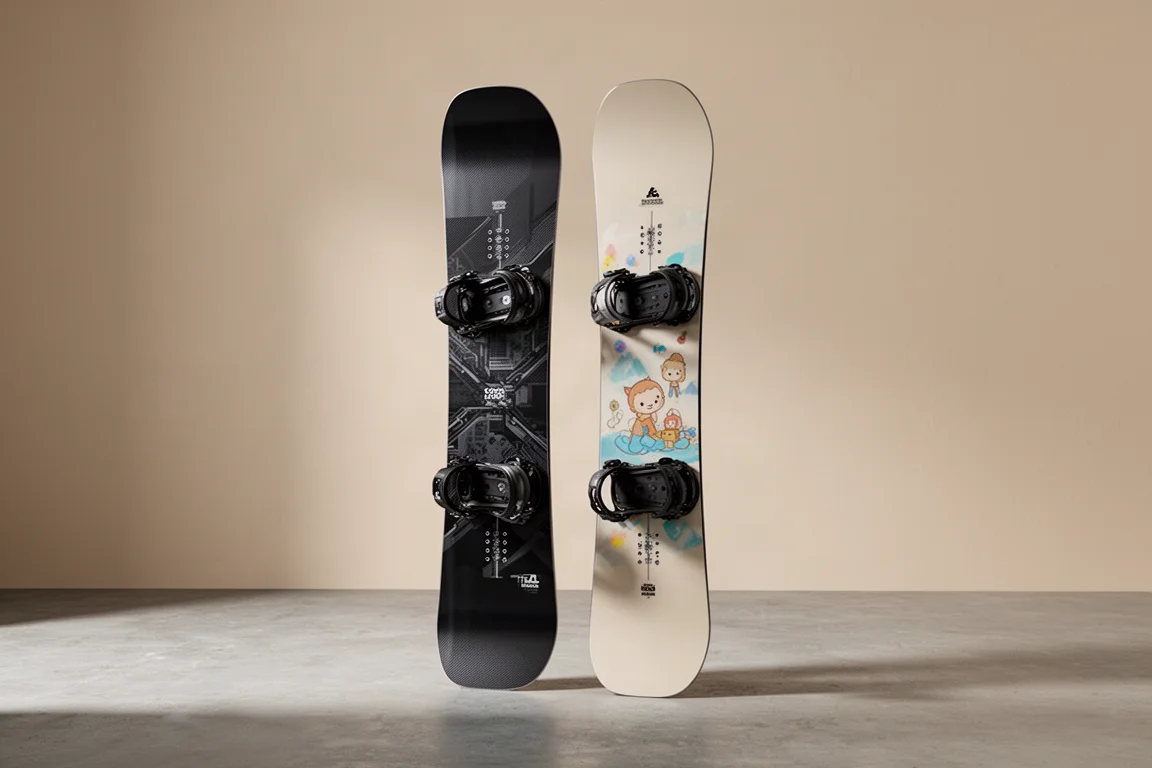
Two Ride snowboards sharing the same mold and directional twin shape, split by carbon content and flex. Here is how to choose.
Introduction
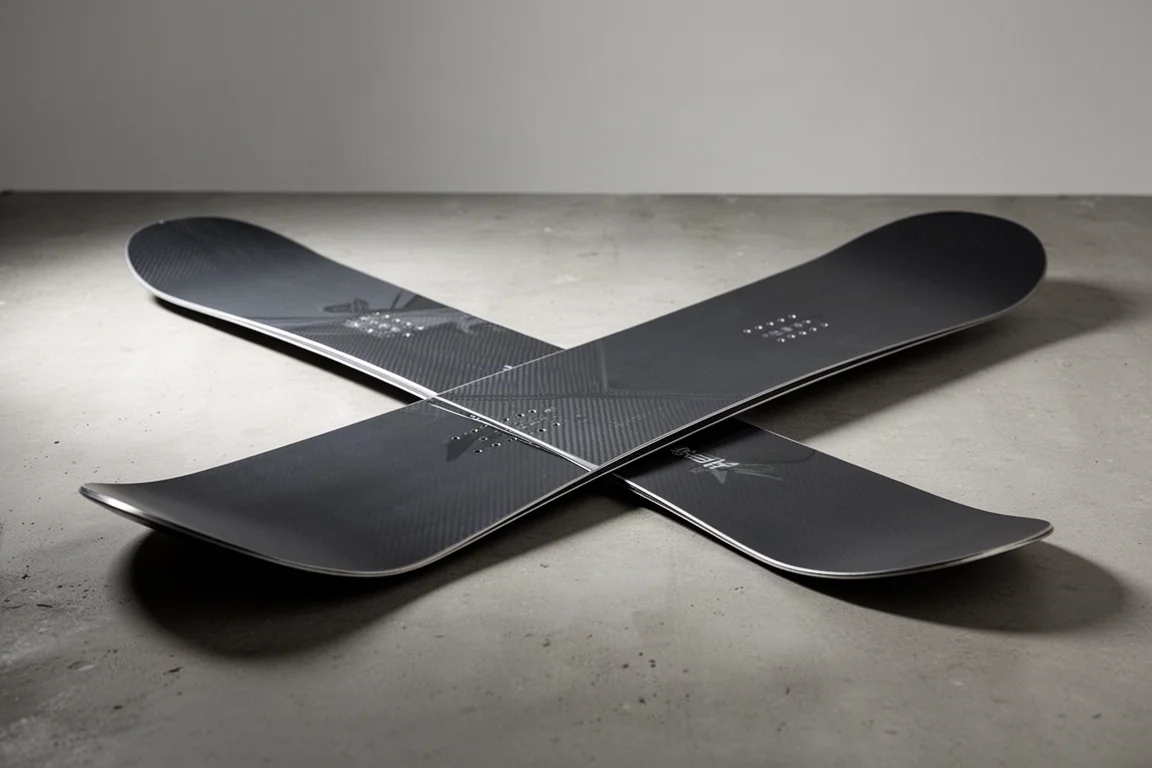
Ride ships two boards for the 2024/2025 season that come out of the exact same mold: the Shadowban and the Algorithm. Identical silhouette, identical profile, identical feel on the snow. The difference lives in the core materials, specifically how much carbon each board carries, and that single change shifts who each board is for.
Shared Shape, Different Character
Both boards share the same foundation. They use camber underfoot for a poppy, grippy feel, wrapped in a directional twin shape. The stance is set back toward the tail slightly, but there is no taper from nose to tail, so the tail is just as wide as the nose.
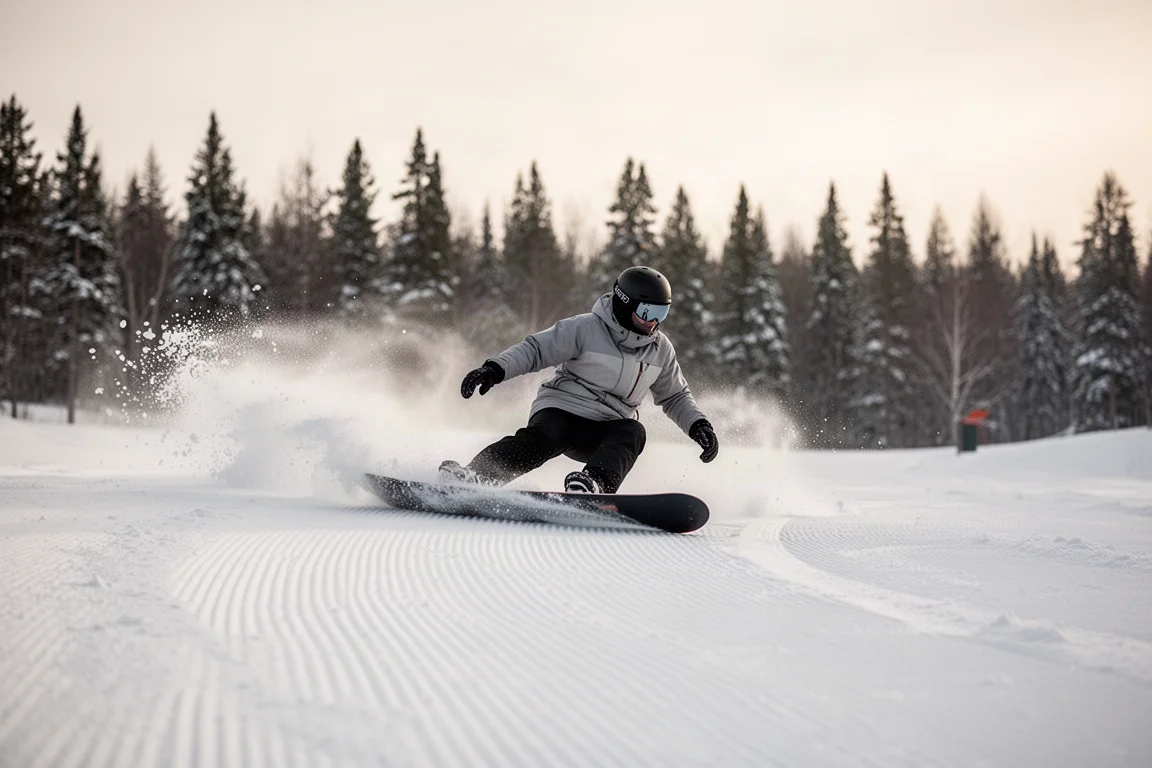
That combination makes both boards genuinely capable in the park and comfortable riding switch, since there is no directional bias in the width. The setback stance simply puts a little more power under your back foot when you are linking groomer turns.
Ride Shadowban: Built for Park Days
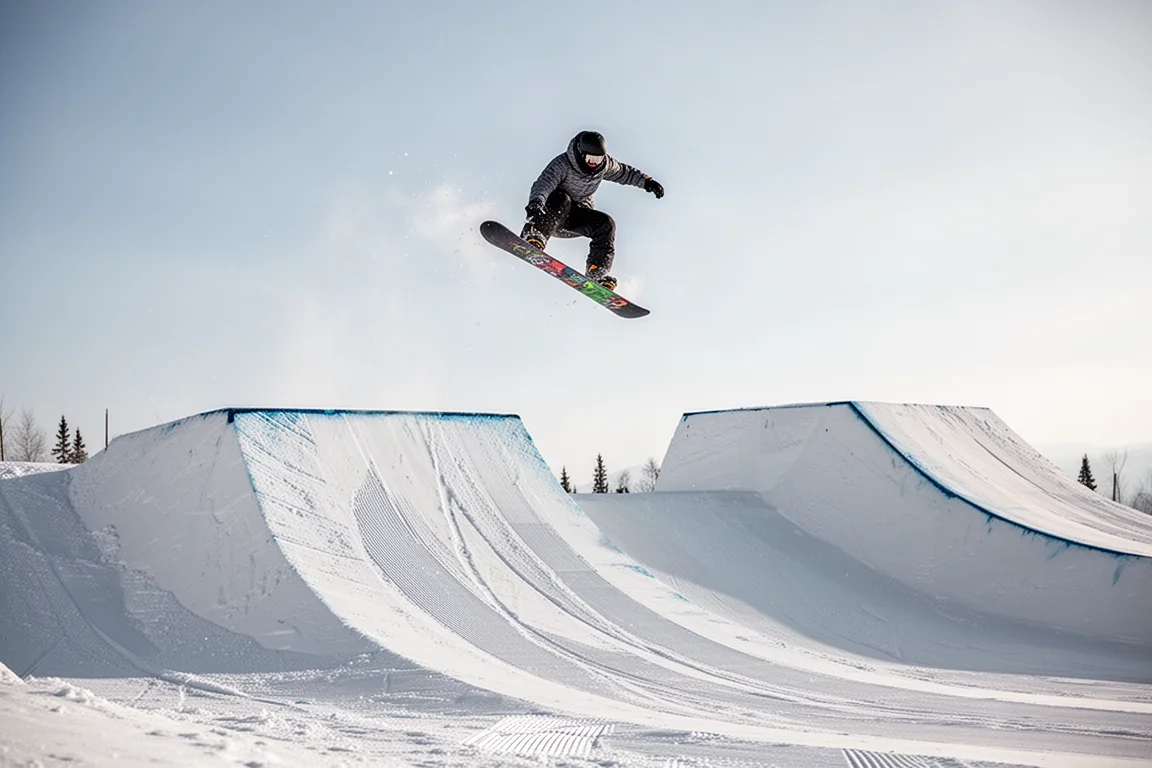
The Shadowban carries less carbon, giving it a softer, more forgiving flex. Riders who spend roughly half their day in the park will appreciate how easy it is to move the board quickly, press through rails, and recover from slightly off-balance landings.
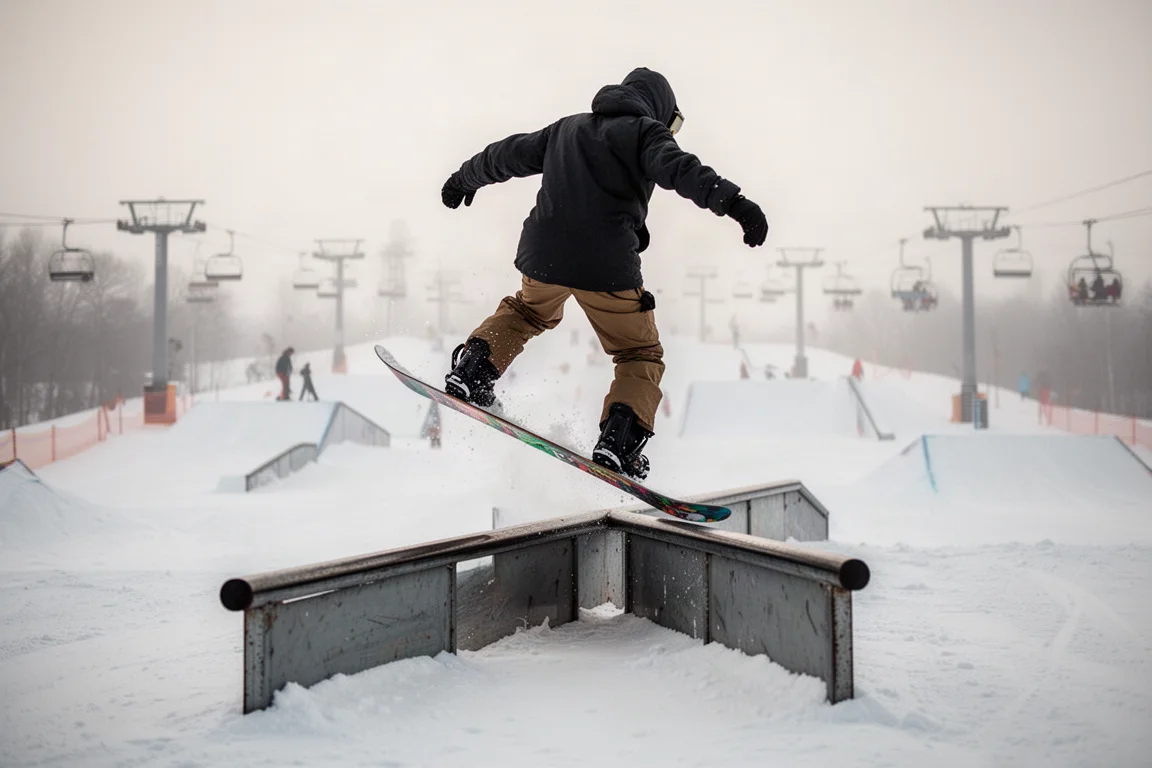
It still holds an edge well thanks to the shared camber profile, so it does not give up much on groomers. But its personality clearly leans toward freestyle: quick, playful, and forgiving when you need it.
Ride Algorithm: More Snap, More Power
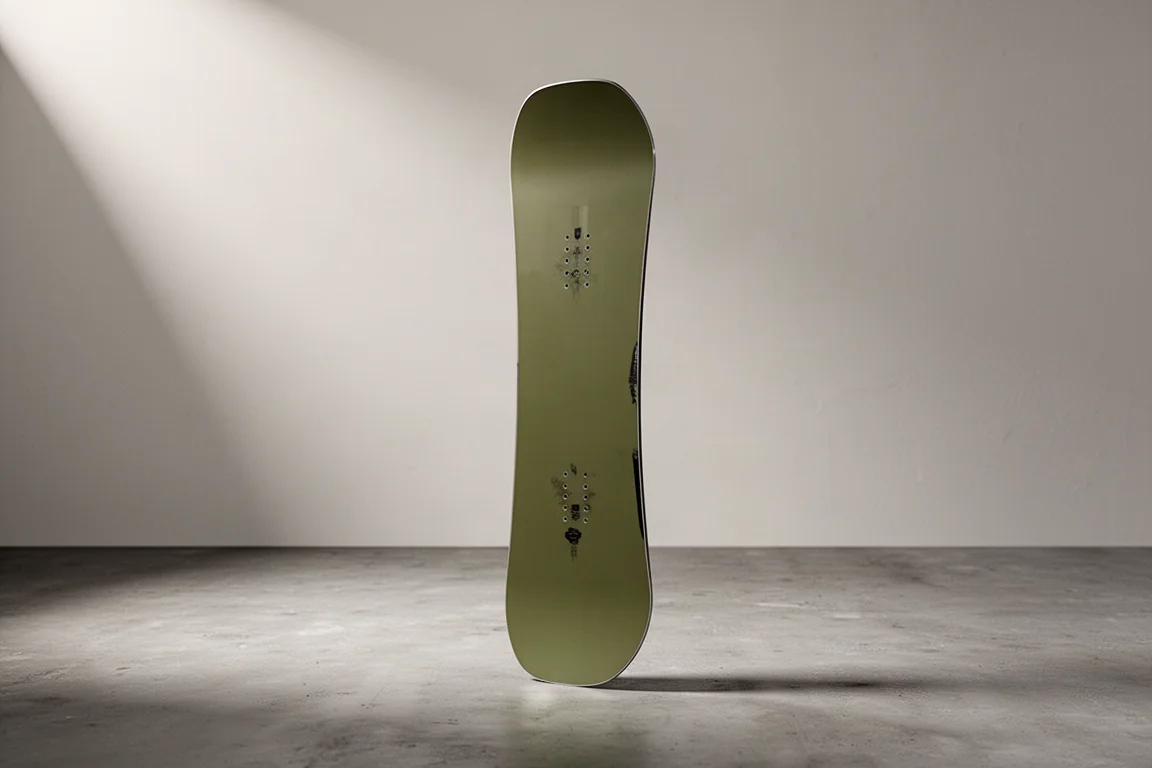
The Algorithm adds more carbon to the construction, which stiffens the board slightly and delivers extra snap and power edge to edge. It remains perfectly capable in the park, especially for bigger features and jumps where a stiffer platform pays off.
It is also the stronger pick as an all-mountain option for riders who spend less time in the park but still want a traditional-shaped snowboard with real response underfoot.
How to Choose Between Them
The biggest difference comes down to stiffness. Think about where you spend most of your time on the hill. If you are lapping rails and smaller park features, the Shadowban’s softer flex and forgiveness will feel like an advantage. If bigger jumps and aggressive all-mountain riding are higher on your list, the Algorithm’s added carbon and snap will suit you better.
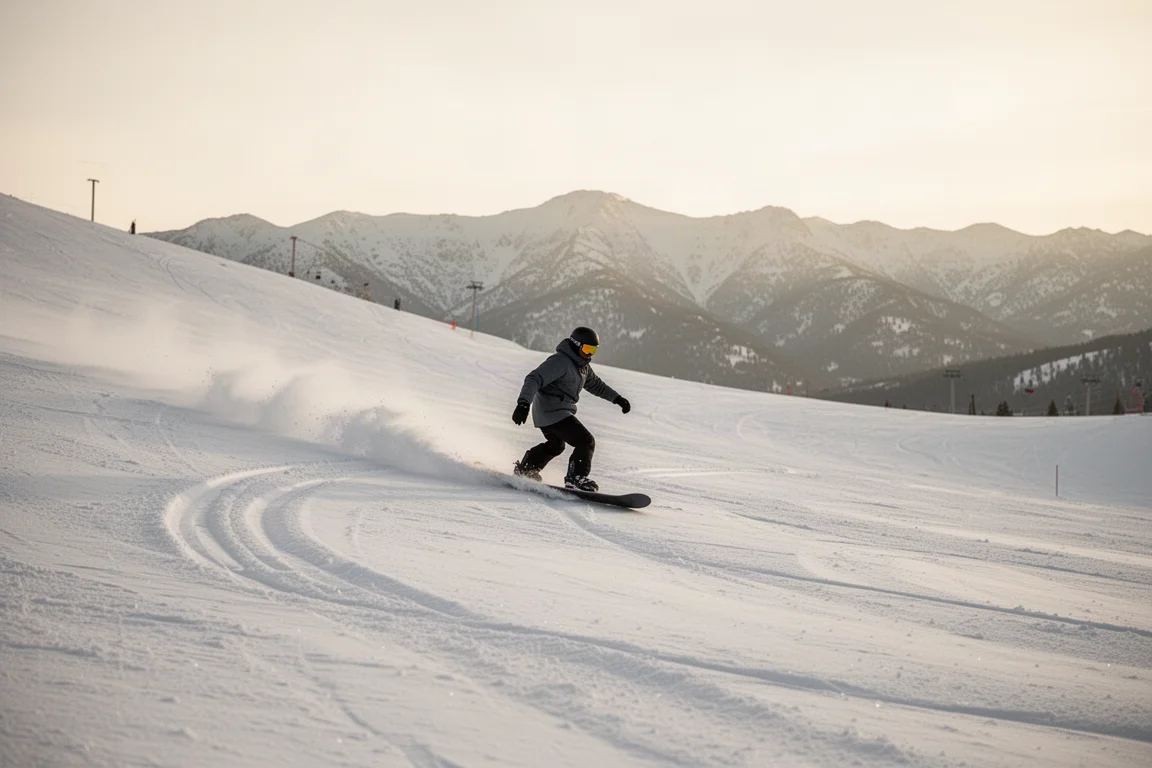
Both boards suit occasional switch riding comfortably, and neither gives up the traditional camber feel many riders still prefer. Pick based on your priorities, not the spec sheet alone.
Conclusion
The Shadowban and Algorithm prove how much difference a construction change can make inside an identical shape. Softer and more playful versus stiffer and more powerful: match the flex to your day on the hill and either board will deliver.
Further reading
Related Reviews

Snowboards
32 Middle Earth Scott Stevens Pro Model Snowboard Review: A Park Board With a Reversed Flex
A medium traditional camber park board with carbon V reinforcement that is stiffer in the tips and more playful between the feet. Here is how it rides and who it suits.

Snowboards
32 Snafu Review: A Directional All-Mountain Freestyle Board with Serious Pop
The 32 Snafu pairs a directional camber-rocker profile with a stiffening tail for powerful carves, big ollies, and a surprisingly damp ride.

Snowboards
32 XXX Pat Fava Pro Snowboard Review: A Stiff Camber Beast for Hard-Charging Riders
A full-width traditional camber deck that rewards aggression with stability and edge power, but demands effort everywhere else.